


Serious incident in Kukës/ Officer commits suicide with gun in village cemetery
A serious incident has occurred in Morina, Kukes. Citizen...

A serious incident has occurred in Morina, Kukes. Citizen...

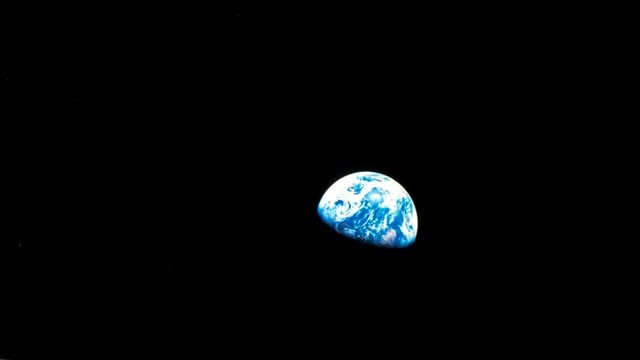
Climate change is not solely responsible for rising sea levels and extreme weather, climate experts say. As Voice of America correspondent Veronica Balderas Iglesias reports, a new study says that climate change may also affect global timekeeping.
Accurate timekeeping today is done with the use of about 400 atomic clocks around the world.
The so-called Coordinated Universal Time, or UTC, is a complex calculation (@TheBIPM/YouTube) made by the International Bureau of Weights and Measures and is made in accordance with the speed of the earth's rotation, which has a tendency to change.
"In the 1970s the world decided that the difference between atomic time and the rotation of the earth should not be more than one second. We add a second to our global clock when the difference between two measurement units is about one second," says Patrizia Tavella, director of the International Bureau of Weights and Measures.
Timekeepers have added one second to the timekeeping system 27 times since 1972.
But for several years there have been speculations that it may be necessary to subtract a second.
In a world that relies on the clock, these changes can cause problems.
"In some cases these problems have been big, similar to those of plane landings, because the computers stopped working. And we don't know if this problem would get worse if we drop a second in the current timekeeping system," says Demetrios Matsakis, a former employee of the United States Naval Observatory.
But a new study in the journal Nature says climate change may have pushed the need to turn back the global clock by one second.
"It's gotten warmer in the Arctic and that's caused a lot of melting of the ice that's flowing through the oceans all over the world. Global warming has caused a slowdown in the rate of rotation of the earth," says Duncan Agnew, a researcher at the University of California, San Diego.
This slowdown creates the need to turn back the global clock by one second between 2026 and 2029. However, this seemingly positive effect cannot be compared to the negative effects of climate change, including sea level rise, says researcher Duncan Agnew . Yale University geophysicist Jeffrey Park agrees with this assessment.
"This is evidence that in fact global warming processes through the melting of the polar ice sheets are affecting this very fundamental feature of our planet: its rotation. The changes are very small, but they can be measured," he says.
Given the problems that a one-second clock change could cause, global timekeeping authorities voted to postpone it until 2035. Discussions on aligning Coordinated Universal Time with the Earth's rotation are expected at the next conference , which will be held in 2026./ VOA


Quhet cochineal dhe është një insekt që është endemik ...

Researchers have discovered fossils of a prehistoric "gian...

Many of us use masks, oils and serums to nourish our hair,...

Researchers are examining how birds can help predict turbu...
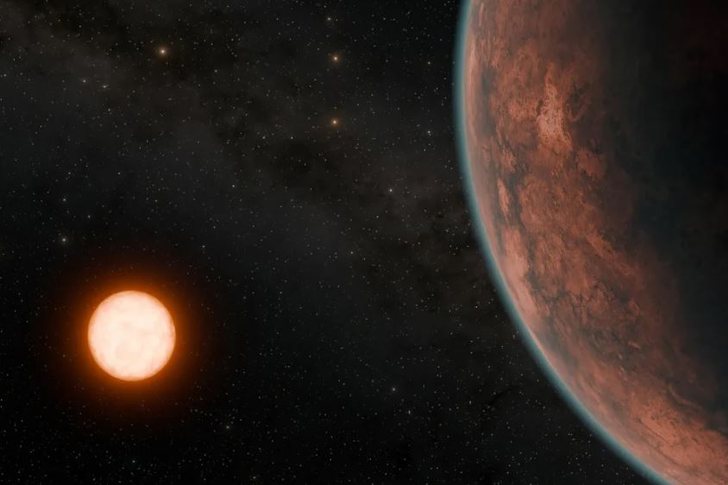
Two teams of scientists have discovered a theoretically ha...
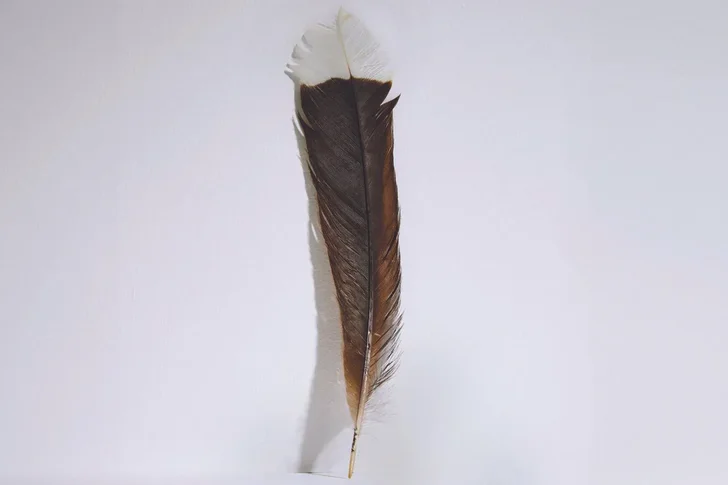
A single feather of New Zealand's now-extinct Huia bird ha...

A Harvard Business Review survey found that legal professi...

Eczema is one of the most widespread skin diseases that af...

Scientists believe they may have solved the mystery of how...

Studying the names of the Earth's oceans, the Atlantic...
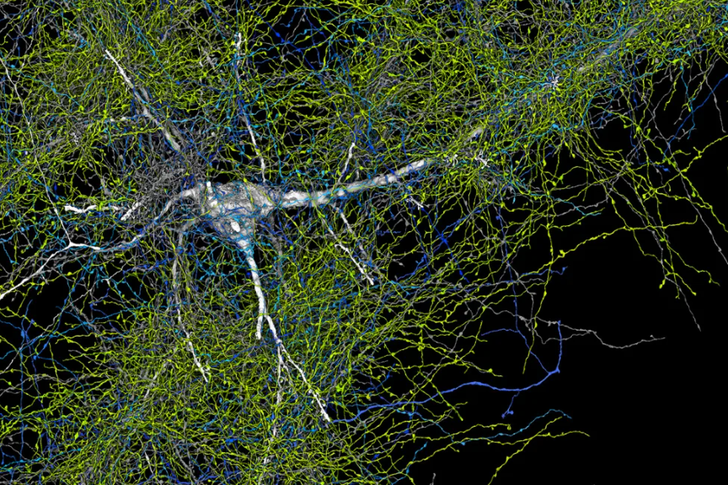
Ten years ago, Dr. Jeff Lichtma, a professor of molecular ...
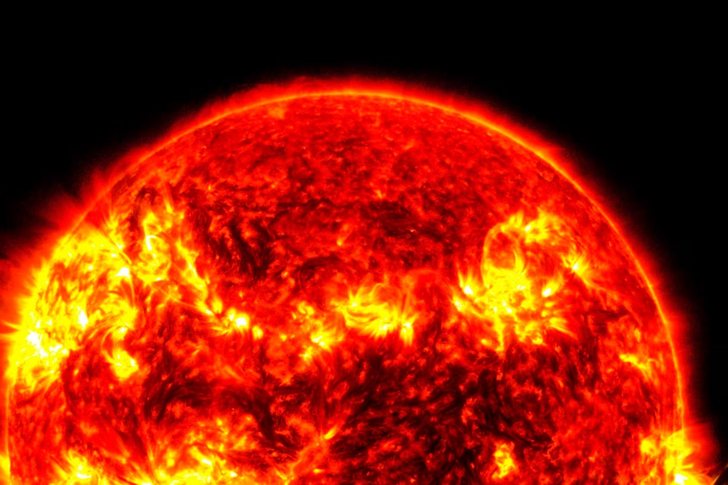
The National Oceanic and Atmospheric Administration, NOAA,...
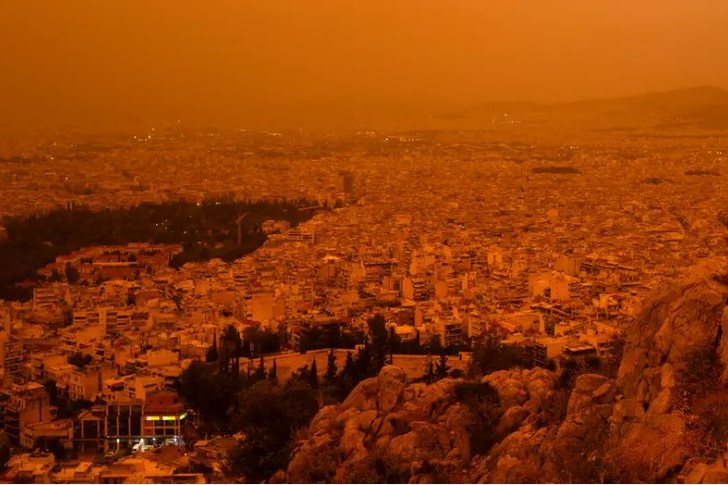
Nuk është më një ngjarje e rallë që stuhitë e pluhurit të ...
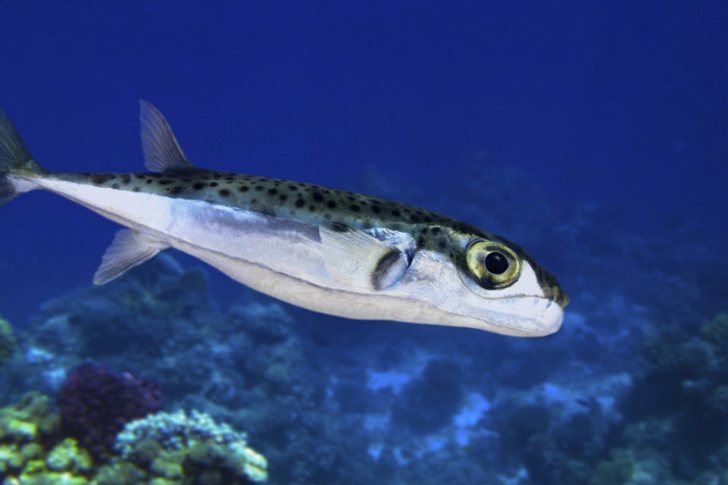
Seven silver-banded fish (Lagocephalus sceleratus) were sp...
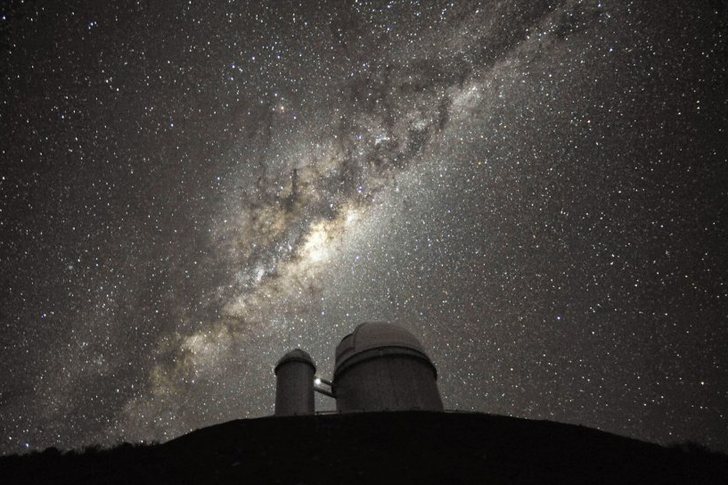
"Milky Way" is the beautiful and poetic name given to the ...

One of the common questions that comes up in skin care is ...
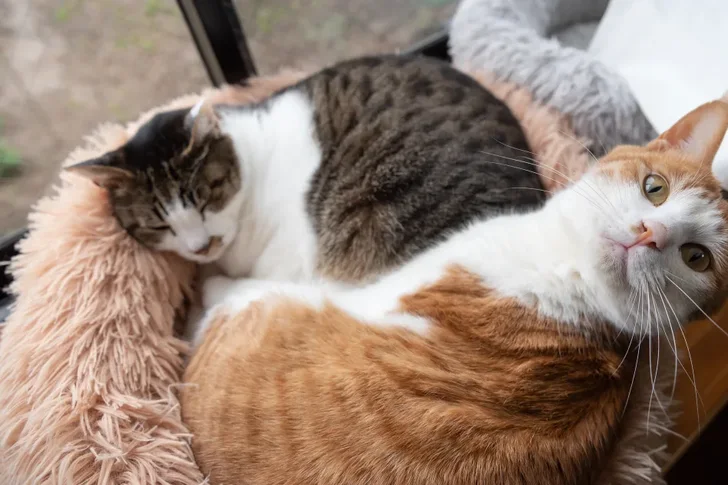
Researchers from the Royal Veterinary College in the Unite...
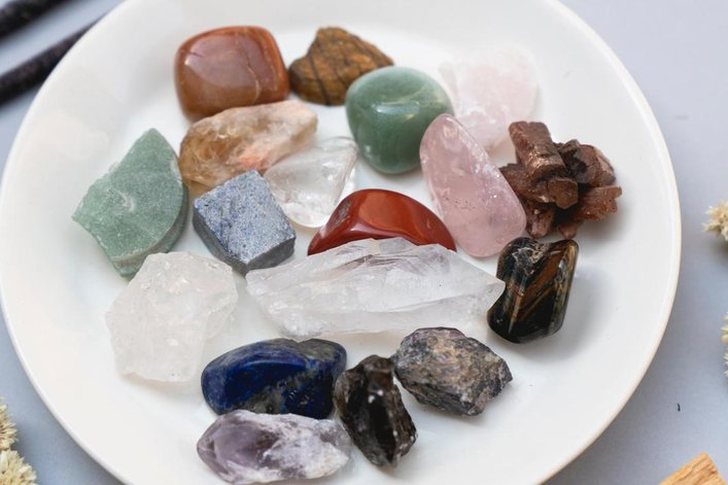
The study of crystal science in the context of dating is b...

A recent study done in Japan found that writing down how y...

Dogs are one of the pets, much loved by people. They are o...

CNA has launched another investigation that could lead to ...

Irfan Hysenbelliu is a businessman that we call "Irfan the...

In March 2026, CNA launched another investigation centered...
The arrested mayor of Tirana, Erion Veliaj, with 13 charge...

The Special Board of Appeal (KPA) decided this Monday ...

The KPA vetting decided this Thursday to dismiss the p...

Suela Salavaçi, a prosecutor in the Prosecutor's Offic...

The Special Board of Appeal reinstated the prosecutor ...

A serious incident has occurred in Morina, Kukes. Citizen...

The bad weather that swept the country on Tuesday evening ...

A road accident occurred this evening on Nikolla Zoraqi St...

Three people were shot and wounded in Elbasan last night b...

This Wednesday, our country will be under the influence of...
All of Southern Europe will face changing weather conditio...
Albania was hit by temperatures significantly higher than ...

For the first time, Pogradec welcomed the Inter-Lake Chess...

Prime Minister Andy Burnham has announced that most bus fa...

France's parliament has passed a law to ban social media f...

US Secretary of State Marco Rubio arrived in Manila on Jul...

In the space of a few days, Ukrainian President Volodymyr ...

At a time when industrial products are increasingly taking...

Trust among people is not just a three-syllable word. It c...

Master of humor Todi Llupi has passed away at the age of 7...

The ninth edition of "MIK Festival" kicked off with one of...

Businesses will no longer be required to simply register t...

Despite economic growth and income in recent years, Albani...

This Wednesday, one US dollar is bought for 81.4 lek and s...

Construction company licenses will have a validity period ...