


"With fake but original FB"/ Rama stings Qori, Lapaj and Shehaj
Prime Minister Edi Rama has ironically mocked the infiltra...

Prime Minister Edi Rama has ironically mocked the infiltra...

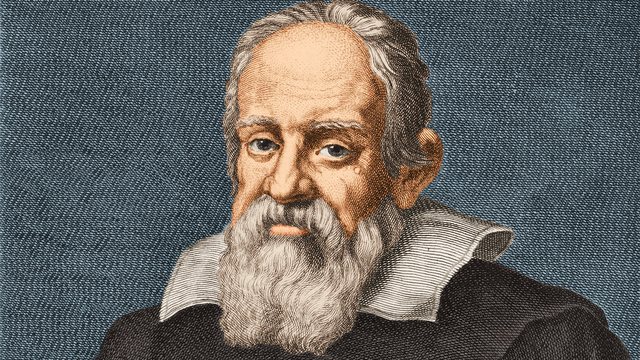
Galileo Galilei (1564-1642) was an Italian scientist, mathematician, and philosopher, known for his seminal contributions to the fields of astronomy, physics, and scientific methodology.
He is often called the 'father of modern astronomy' and the 'father of modern physics'.
Here are some important points about his life and work:
Youth and Education: Galileo was born on February 15, 1564 in Pisa, Italy. He studied at the University of Pisa, where he began to develop his interest in mathematics and the natural sciences.
Work in Astronomy: Galileo is perhaps best known for using and improving the telescope. He helped discover many astronomical objects that were unknown until then:
-He discovered four satellites of Jupiter, known as the Galilean satellites (Io, Europa, Ganymede, and Callisto).
-He documented the phases of Venus, providing important evidence for the heliocentric model (that the Earth revolves around the Sun).
Motion and Physics: Galileo made extensive studies of the motion and acceleration of objects. He formulated the laws of motion and tried to solve problems relating gravity and the motion of different bodies.
-He showed that different objects (regardless of their mass) fall at the same rate in an environment free of air resistance.
Scientific Method: Galileo promoted the use of experiment and observations as ways to test scientific theories. This approach changed the way science developed and helped lay the foundation for the modern scientific method.
Opposition from the Churches: At the time, the models of the world that were acceptable to the Catholic Church were geocentric (Earth at the center of the universe). Galileo supported the heliocentric model (the Sun in the center), which led him to conflicts with the ecclesiastical authorities. In 1616, he was warned, and then, in 1633, in a famous trial, he was forced to retract his public ideas.
Death and Legacy: Galileo died on January 8, 1642 in Arcetri, Italy. His legacy is remarkable and he is considered one of the most important figures in the history of science. His works helped spark the Scientific Revolution and continue to influence further science to this day.
Galileo Galilei remains a symbol of achievement and endurance in the name of science and truth./ CNA

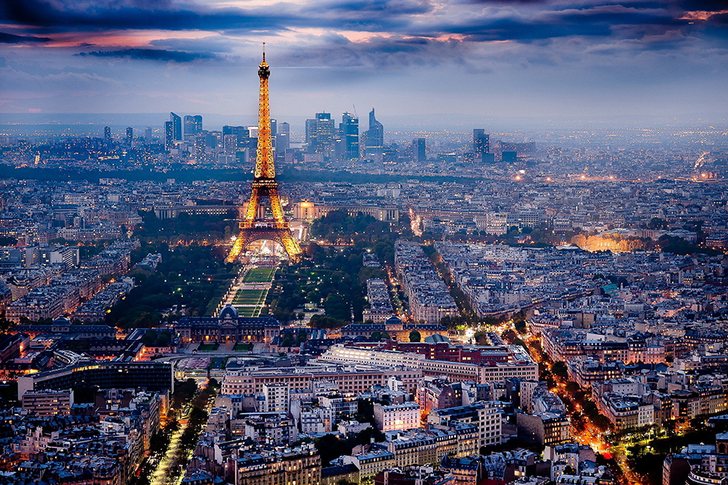
50 interesting curiosities about Paris, the capital of...
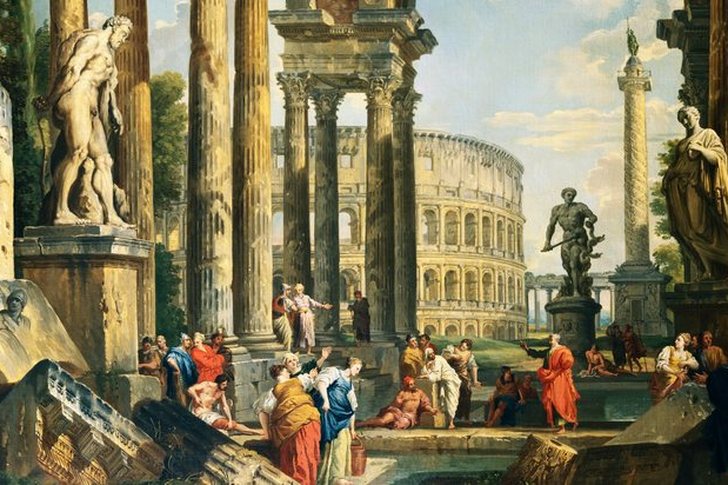
1. Foundation: Rome was founded on April 21, 753 BC accord...
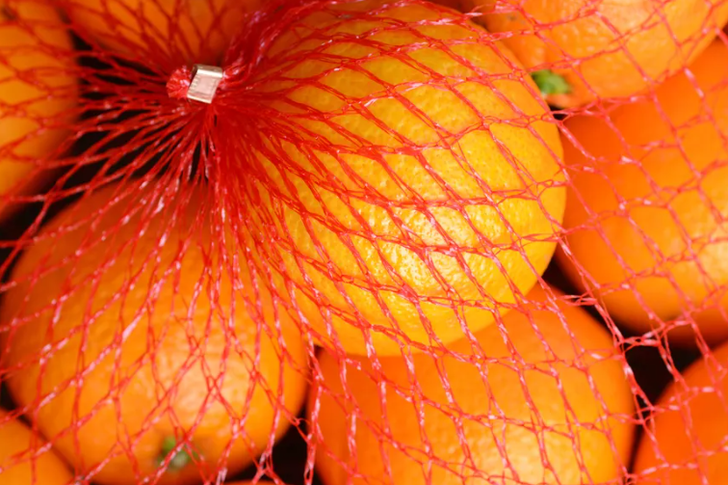
Have you ever wondered why oranges are often sold in t...
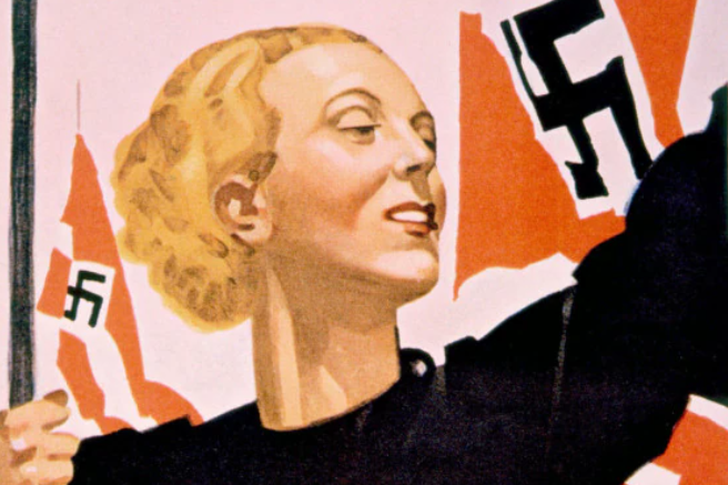
Hitler and his hierarchs, despite having very traditio...

An investigation of human skeletons from the 17th-century ...
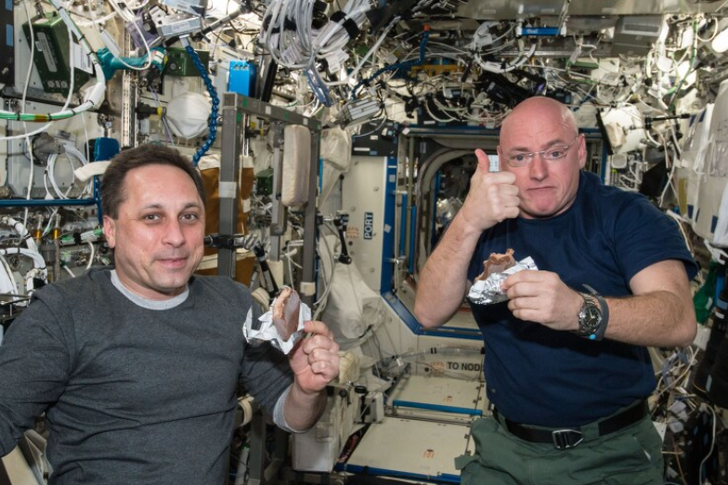
Some astronauts emphasize this: the food in space is o...
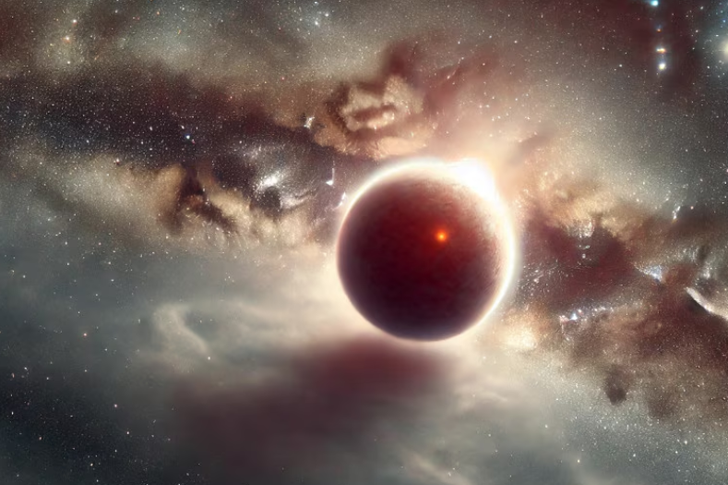
A group of astronomers discovered an extraordinary obj...

In general, spiders are not dangerous. There are 45,000 sp...
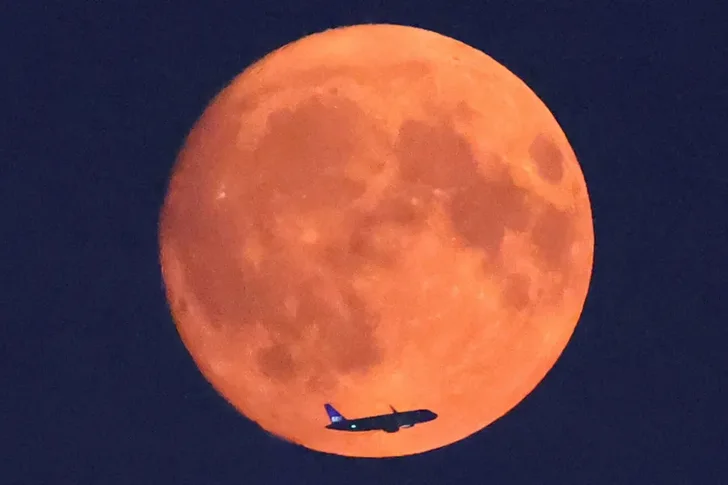
Yesterday evening the giant blue moon appeared, an ext...
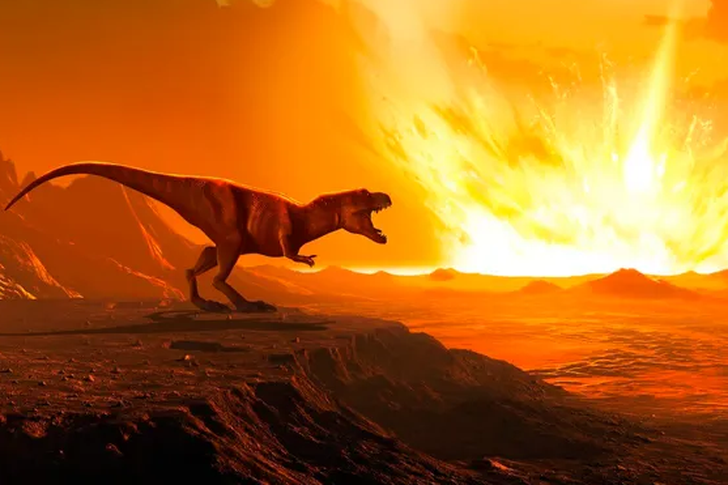
When an asteroid hit the Gulf of Mexico 66 million years a...
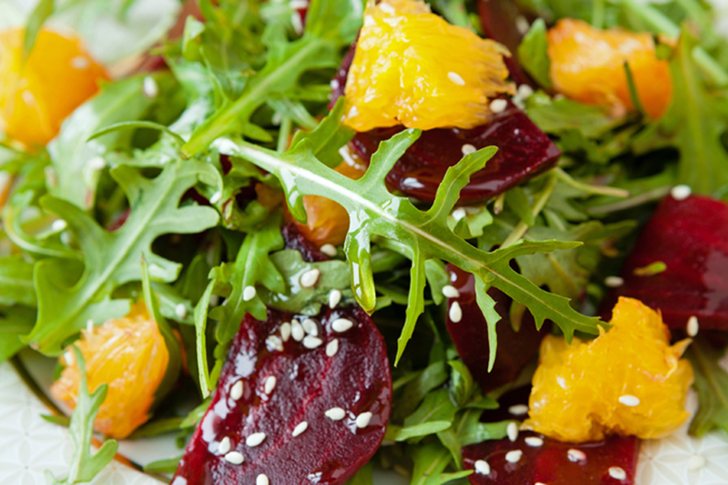
Hair loss is a problem that causes concern, even in some c...
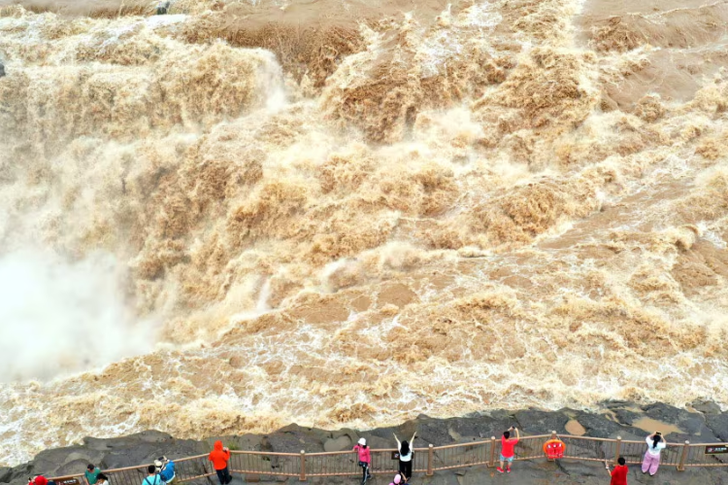
Perhaps the photos partly convey the idea of the spectac...
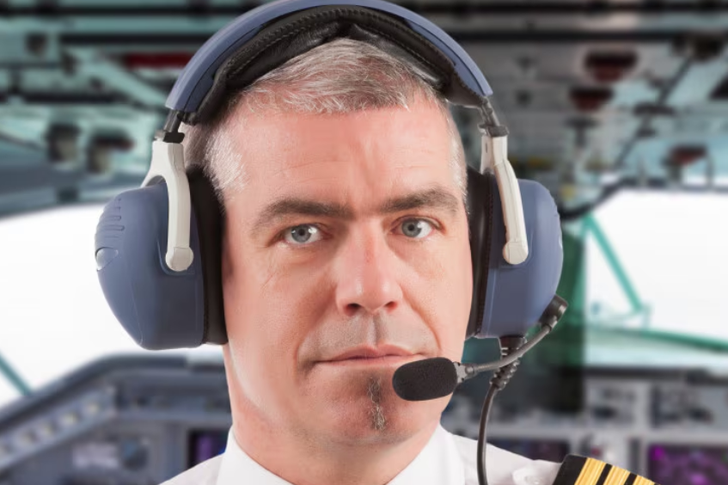
The habit of pilots not to wear beards responds to a r...
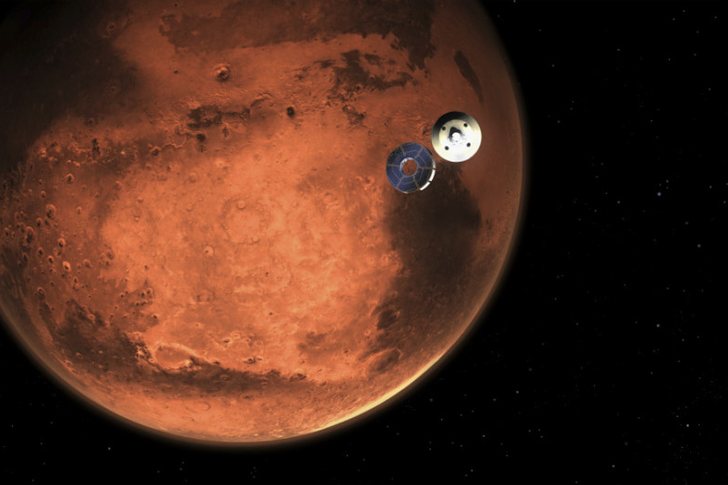
There is a possibility that a large reservoir of water...
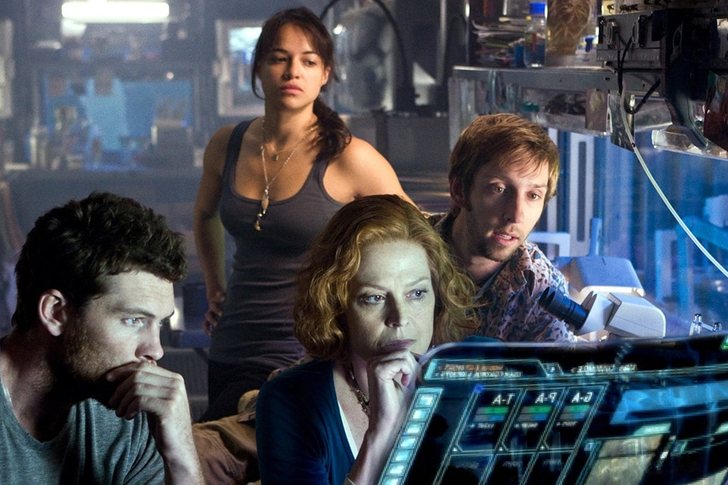
Director James Cameron has announced the title of his new ...

A new study has found that teenagers who use their smartph...
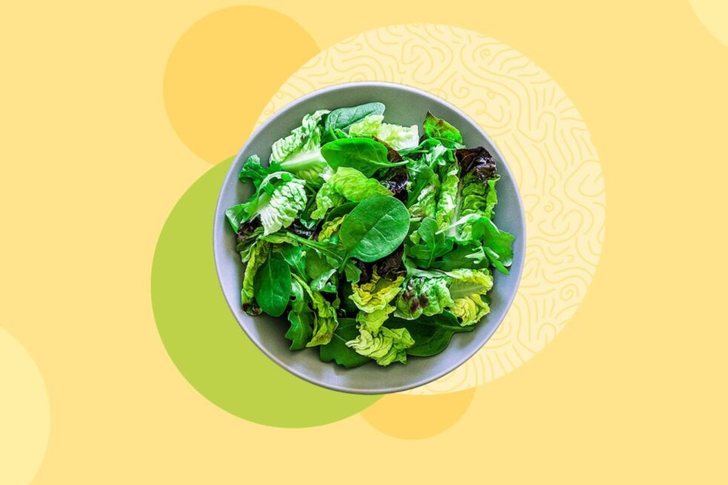
Packaged greens are a grocery list staple for a reason. Th...
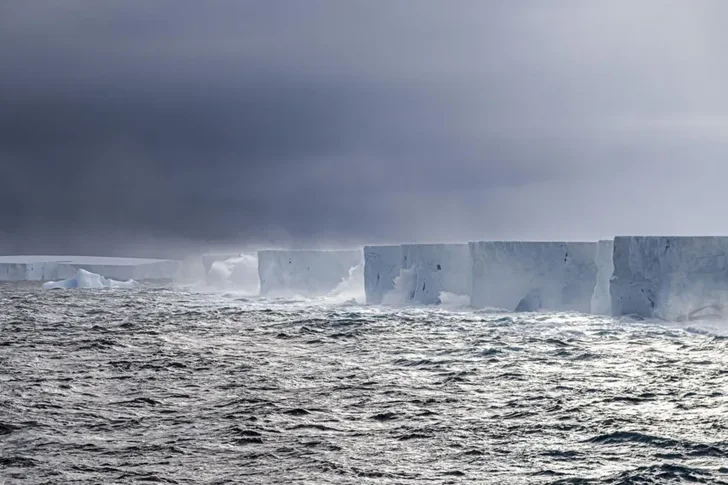
Something extraordinary has happened to "A23a", the larges...
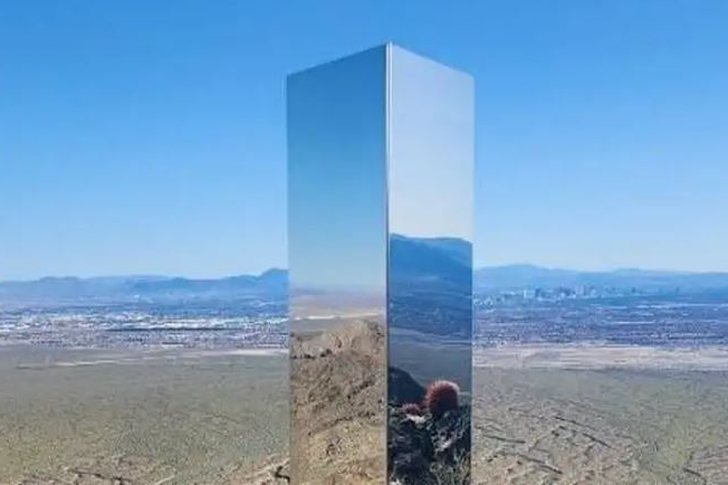
A mysterious monolith was discovered again in the moun...

Sweat is necessary for the body. It is not a bad sign at a...

CNA has launched another investigation that could lead to ...

Irfan Hysenbelliu is a businessman that we call "Irfan the...

In March 2026, CNA launched another investigation centered...
The arrested mayor of Tirana, Erion Veliaj, with 13 charge...

The Special Board of Appeal (KPA) decided this Monday ...

The KPA vetting decided this Thursday to dismiss the p...

Suela Salavaçi, a prosecutor in the Prosecutor's Offic...

The Special Board of Appeal reinstated the prosecutor ...
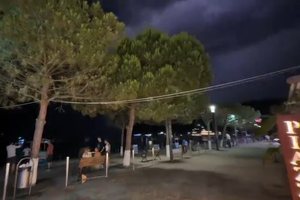
The bad weather that swept the country on Tuesday evening ...
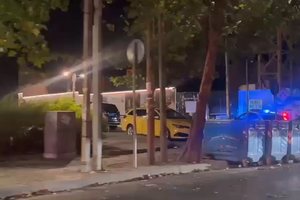
A road accident occurred this evening on Nikolla Zoraqi St...
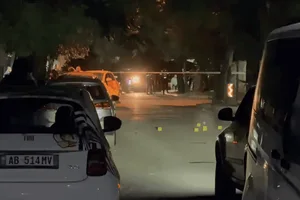
Three people were shot and wounded in Elbasan last night b...
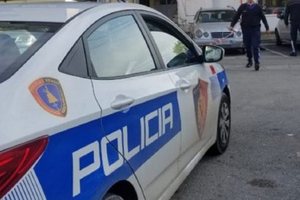
A serious incident occurred this Tuesday in the Yrshek are...
This Wednesday, our country will be under the influence of...
All of Southern Europe will face changing weather conditio...
Albania was hit by temperatures significantly higher than ...
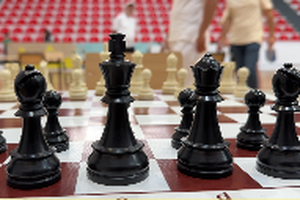
For the first time, Pogradec welcomed the Inter-Lake Chess...
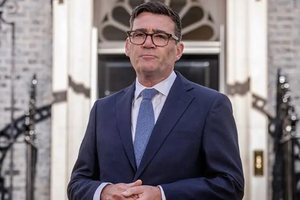
Prime Minister Andy Burnham has announced that most bus fa...
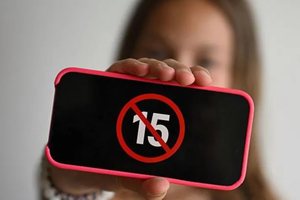
France's parliament has passed a law to ban social media f...

US Secretary of State Marco Rubio arrived in Manila on Jul...
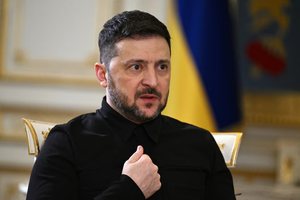
In the space of a few days, Ukrainian President Volodymyr ...

At a time when industrial products are increasingly taking...

Trust among people is not just a three-syllable word. It c...

Master of humor Todi Llupi has passed away at the age of 7...

The ninth edition of "MIK Festival" kicked off with one of...

Businesses will no longer be required to simply register t...

Despite economic growth and income in recent years, Albani...

This Wednesday, one US dollar is bought for 81.4 lek and s...

Construction company licenses will have a validity period ...