

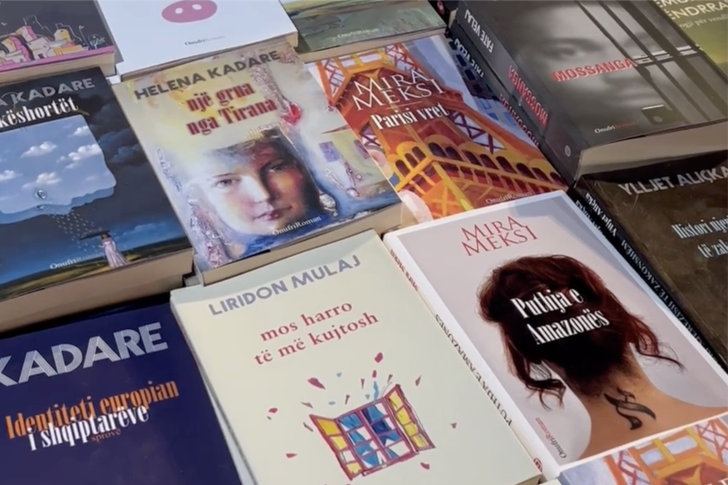
Montenegro, sound libraries to promote education in the Albanian language
For the first time for the Albanian community in Montenegr...


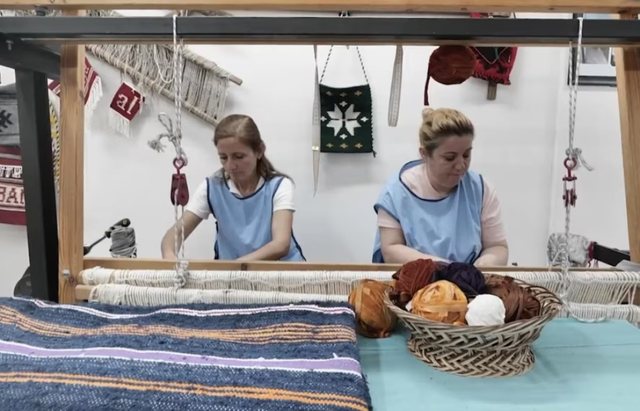
In Albania, efforts to develop the tradition have been revived in some areas of the country. Many women and girls are relying on the best experiences of the past in this regard, although they face many difficulties, to secure the markets. Through a project of the "JOSCELYN" foundation in Elbasan, a social enterprise has been operating for several years, which is based on handicrafts and aims to reawaken the love and passion for loom works.
Elbasan is among the main cities in Albania, where the tradition has an early origin. With its castle at the heart of the city, and a thriving history of crafts and handicrafts, this city seems to breathe through the ages. During the last 30 years, political, social and urban developments intervened here, often with chaos and dark traces. But among them there are some positive efforts and developments that aim to bring back the brightest part of Elbasan's past, the tradition.
In one of the properties confiscated by organized crime, an initiative from the "JOSCELYN" foundation, "My Handicraft Tradition" that focuses on women and girls, has been launched for 3 years. Supported by foreign donors, this social enterprise is reviving handloom handicrafts. There are 16 hands of women and girls, who weave carpets, based on the mind and experience of some old artisans, as well as on the models inherited in several generations.
"We first tried to find the old artisans who had worked in the former artistic enterprise of Elbasan and we set up this enterprise. We had no experience in this profession at first. They gave us everything they had and knew about handicrafts. There were even old artisans in this area, who brought the drawings they had," Drita Krasniqi, manager of the "JOSCELYN" Foundation, tells Voice of America.
In this modest enterprise, the production of carpets on the loom is the main process. Everything is done by hand, including the weaving. Experienced women inherit this craft, not only from mothers and grandmothers. They remember how they started before the 90s, in the city's craft enterprise, which was closed on the eve of the change of systems.
"I started working on the loom when I was 16-17 years old. We have worked in the state craft enterprise for 12 years. Then when the system changed, we were out of work. We also worked at home and we stuck these things in our heads, now we do them ourselves" - says Qamile Biçaku, artisan at the "Tradita Ime Artizanale" workshop.
A fellow traveler of Qamila is Shahe Cani, who proudly shows how the models have been preserved for more than 3 decades.
"The models have been preserved for years when we worked before the 90s in the state enterprise. More care has been taken and we rely on them again" - says Shahe Cani, artisan, for the Voice of America.
In the space of the artisan workshop among the women and girls who weave carpets, the experience is passed on from one generation to the next with a lot of patience and above all with heart.
"We hired young girls to teach them. Let's leave this craft of ours as a legacy. It is a bit difficult, but they have learned a lot" - says Qamile Biçaku, artisan.
Just like in a real classroom, there are female teachers but there are also female students.
"The employment office directed me here and I said why not give it a try. I didn't believe that this job could be for me, but I took the first steps here and every day I feel more and more satisfied. I believe that I have managed to learn it" - says Daniela Shabani, artisan.
"At first I was blocked because I couldn't catch it. I had learned something before the 90s, but I had forgotten it. Then one of my friends taught me and I remembered. Now it seems simple to me. It is a very beautiful job" - says Manola Zoga, artisan.
One of the main products in this social enterprise focuses on recycling, in addition to the woolen works of traditional carpets.
"We received pieces that were no longer needed. We took them and cut them into strips and now they are worked on the loom. These carpets are used a lot in hostels," explains Drita Krasniqi, manager of the "JOSCELYN" Foundation.
One of the main challenges facing a social business based on handicrafts today is securing markets for them. It takes a lot of time and effort to make them, compared to industrial productions, and artisans admit that their efforts are difficult to reward.
"There is no market for sale. Good that you will produce it, but where will you sell it, the question arises. Manual work is very difficult. You never take the cost" - continues Qamile Biçaku, artisan.
Even Saimir Bakalli, executive director of the "JOSCELYN" Foundation, which has been developing this social enterprise for 3 years, points out the same difficulties for the Voice of America. Coming to market with artisanal products is a challenge.
"On the labels of our products we have a beautiful saying: By buying this product, you contribute to tradition, support a woman and empower a child. This is what we want to convey. But unfortunately many businesses and institutions do not understand the importance of social entrepreneurship. They do not understand the support of people who are economically disabled. We want and hope to give a voice to people who have no voice" - says Saimir Bakalli, Executive Director of the "JOSCELYN" Foundation.
These women and girls in Elbasan, are walking on a craft tradition, with the hope that the path they have started will be long. Crafts are coming
in the market with a great deal and often compete with ordinary imitations, amid unclear and dishonest rules. So this makes it doubly difficult for them to succeed. They fight every day with the challenges of the impossible, they have chosen to make art, to reawaken it in their city, based on a popular expression of Elbasan that says "a spark that emits rays can shine the whole town"./ VOA

For the first time for the Albanian community in Montenegr...
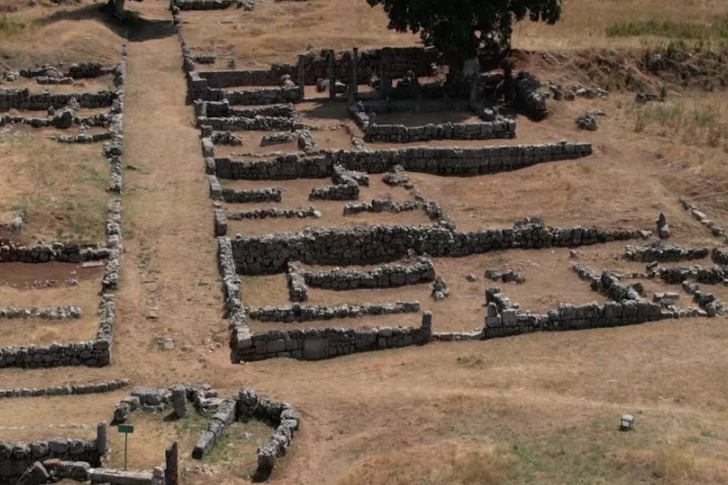
In the ancient city of Antigone, in the south of Albania, ...
Somewhere in the heart of Voskopoja, where ancient stories...
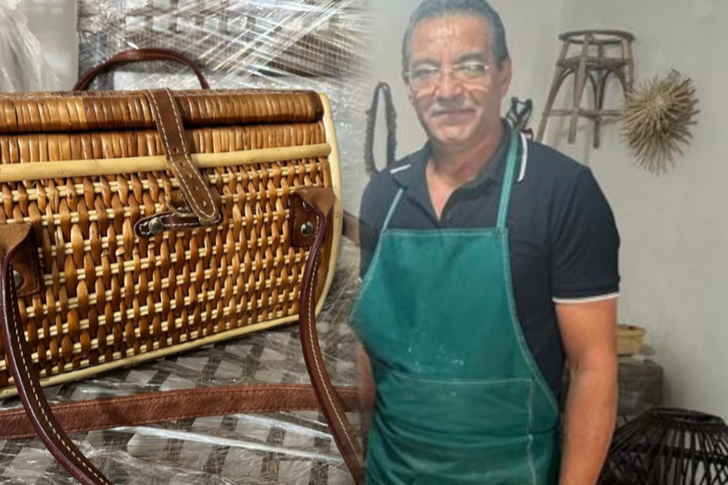
The passion, desire and skill to produce wicker baskets fr...

Soon another event will take place in Korça that will gath...
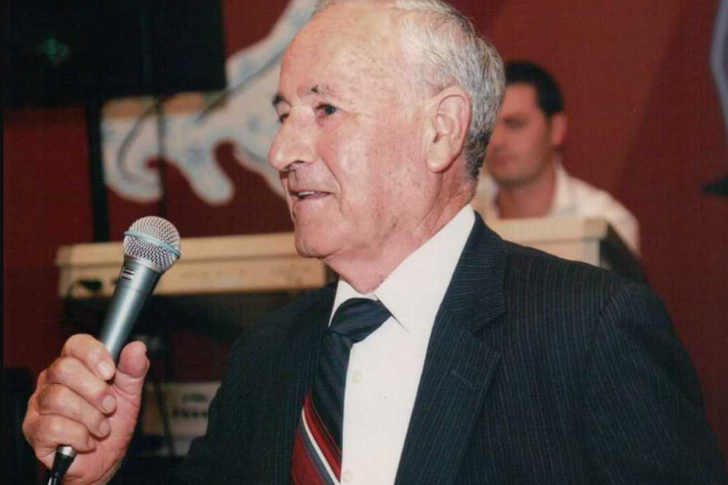
Today, Korça said goodbye to the well-known Korça singer-s...
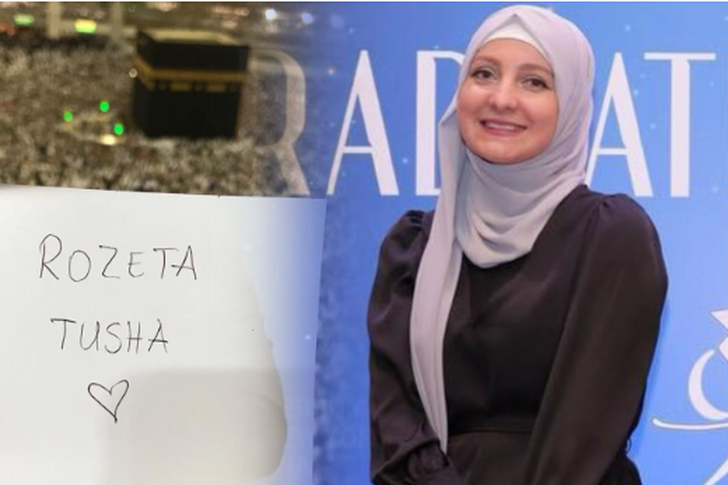
The hijab (which in everyday slang is called a piece) has ...
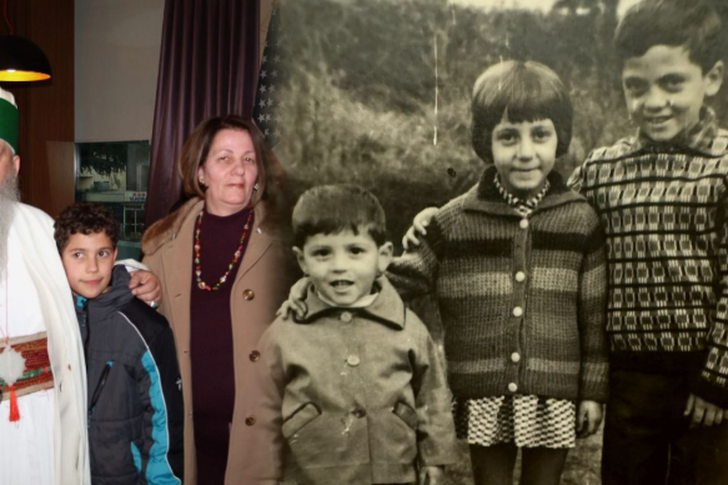
I met Dallandyshe Brahimaj (White) at the World Bektashi G...
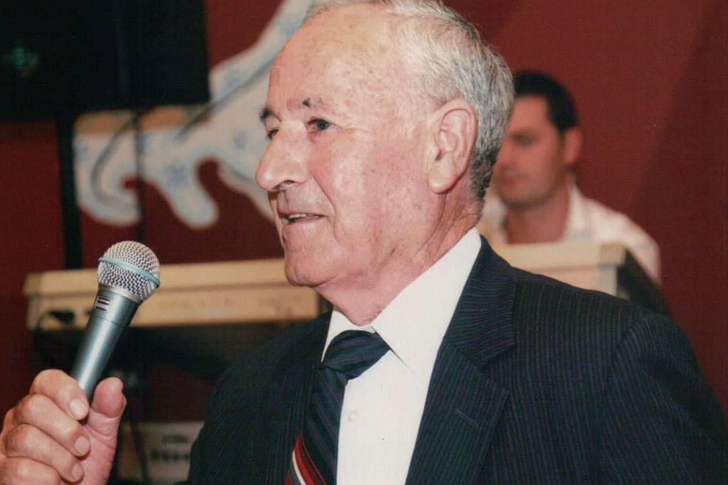
Today, Korça has lost one of the most popular art figures....
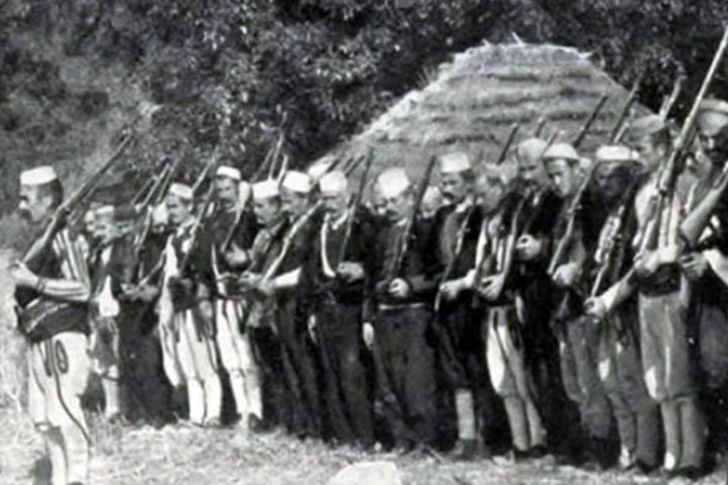
78 YEARS AGO, POSTRIBA ENTERED HIGHLY IN NATIONAL HISTORY!...
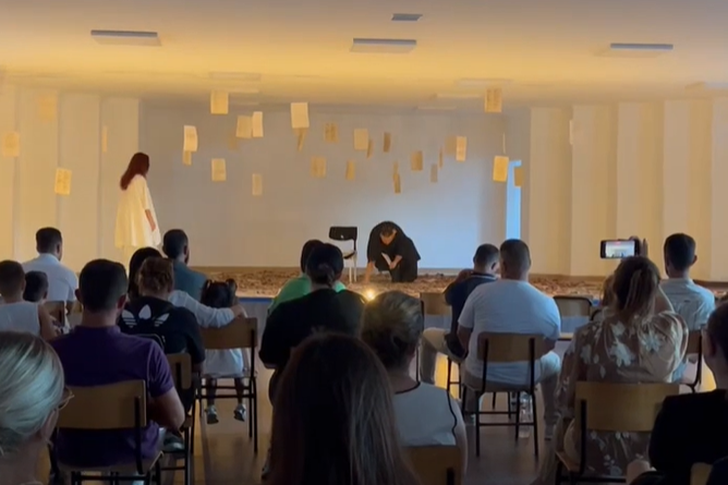
"Gjergj Fishta Moving Theater" comes to Devoll with the sh...

Pope John Paul II, born Karol Wojtyla, was born on May...

September 5, 1997 marks the death of the missionary an...

To the south of the city of Përmet, above the village ...

When I told my wife, we will have lunch at the restaurant,...

At the beginning of September 1928, when Albania had just ...

60 musicians of the Wismar orchestra in Germany have trave...
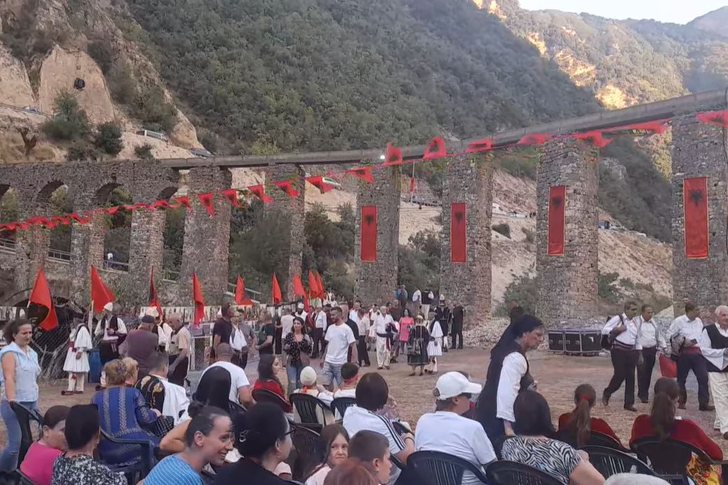
On Tuesday evening, the first edition of the folklore fest...

Rye (Secale cereale) is a type of grain, used for bread an...

The 30th Sarajevo Film Festival ended with the awards cere...

CNA has launched another investigation that could lead to ...

Irfan Hysenbelliu is a businessman that we call "Irfan the...

In March 2026, CNA launched another investigation centered...
The arrested mayor of Tirana, Erion Veliaj, with 13 charge...

The Special Board of Appeal (KPA) decided this Monday ...

The KPA vetting decided this Thursday to dismiss the p...

Suela Salavaçi, a prosecutor in the Prosecutor's Offic...

The Special Board of Appeal reinstated the prosecutor ...

A serious accident has occurred on the Lezhë-Shëngjin axis...

A serious incident has occurred in Morina, Kukes. Citizen...

The bad weather that swept the country on Tuesday evening ...

A road accident occurred this evening on Nikolla Zoraqi St...

This Wednesday, our country will be under the influence of...

All of Southern Europe will face changing weather conditio...

Albania was hit by temperatures significantly higher than ...

For the first time, Pogradec welcomed the Inter-Lake Chess...

Prime Minister Andy Burnham has announced that most bus fa...

France's parliament has passed a law to ban social media f...

US Secretary of State Marco Rubio arrived in Manila on Jul...

In the space of a few days, Ukrainian President Volodymyr ...

At a time when industrial products are increasingly taking...

Trust among people is not just a three-syllable word. It c...

Master of humor Todi Llupi has passed away at the age of 7...

The ninth edition of "MIK Festival" kicked off with one of...

Businesses will no longer be required to simply register t...

Despite economic growth and income in recent years, Albani...

This Wednesday, one US dollar is bought for 81.4 lek and s...

Construction company licenses will have a validity period ...