

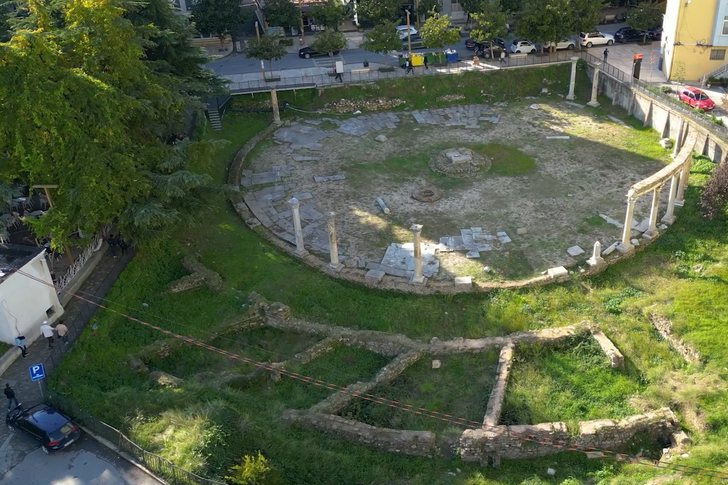
BYZANTINE FORUM or MARKET
The monuments of the Byzantine Period are clear indicators...


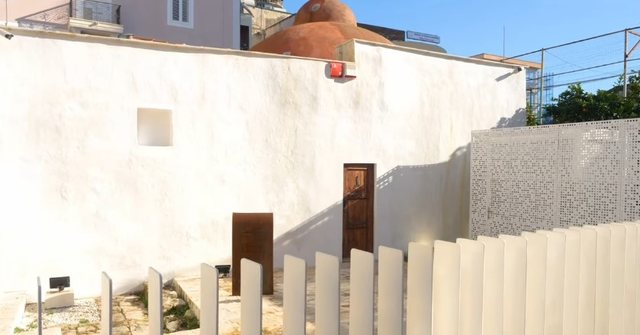
The hammam was a key element of Ottoman culture, clearly reflecting the empire's philosophy and religion, as a symbol of devotion to purity. In Albania, hammams were built from the 16th to the 19th centuries. The Durrës Hammam, built in the 18th century, represents one of ten hammams in the country that have survived from the Ottoman period.
In the southeast of the medieval city, near Epidamn Boulevard, the hammam is located a few hundred meters from the ancient Roman baths. Although restored in the 1980s, the hammam has not been open to visitors for a long time.
The Ottomans built mosques, bazaars, and hammams in the neighborhoods of every city throughout their empire. Ottoman architects were meticulous and attentive to every detail in designing structures that supported the ritual of purity, requiring thorough cleansing before prayer. To create the hammams, they merged the structure and function of early Roman baths with the Ottoman tradition of steam baths. Interestingly, pools were not a feature of Ottoman hammams, as stagnant water was considered impure according to Islamic philosophy.
Unlike Greco-Roman baths that were public buildings, Ottoman hammams were often extensions of mosques, themselves parts of larger complexes that functioned as places of prayer but also social centers.
The Durrës Hamam, like other Ottoman-style hamams, contains a series of rooms arranged in a specific sequence. First, visitors entered the elaborately decorated dressing room before moving on to the cold room, then the warm room, and finally to the hot room.
The hot room, used for steam baths and massages, had a large dome with small glass windows that provided soft lighting and allowed the steam to escape, as well as a large heated marble stone, which was used for lying down. The ceilings were built in a domed shape also to evoke the sky. The heated rooms used the Roman hypocaust heating system to keep the floors warm. A corridor connected the two rooms, while a niche equipped with a bench was used by the tellak, or overseer of the entire process.
During the Ottoman period, hammams played a key role in daily life. A devout Muslim citizen was required to cleanse himself in a hammam at least three times a week before prayer.
Cleansing was divided into two types: ghusl, or washing the entire body, and ablution, cleaning the face, hands, and feet.
Hammams were often built to accommodate both sexes, with separate hours for men and women. Women generally had limited access to these public spaces; they could often only visit on Thursdays. However, hammams played a revolutionary role in women's social lives, offering them a rare opportunity to socialize in public settings, albeit separate from men. However, in the late 19th and early 20th centuries, there was a decline in the use of public hammams as the wealthy installed private facilities within their homes.
The hammam received the status of a cultural monument in 1973. The central part of the building is made of a dome, while the lower part is made of stone arches. The lighting is realized through small dome spaces measuring 15x15cm. The heating of the premises was done through copper boilers, where the steam circulated through ceramic pipes.
We invite you to watch the video, which was produced as part of the "Come and get to know my city" project supported by the Municipality of Durrës. /CNA
View this post on Instagram

The monuments of the Byzantine Period are clear indicators...
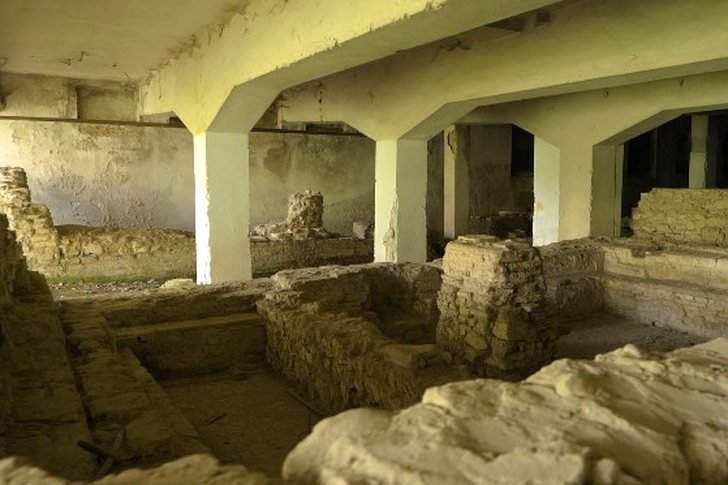
Roman baths were popular social spaces found in all cities...

The Third Nationwide Humorous Literature Competition "Niko...
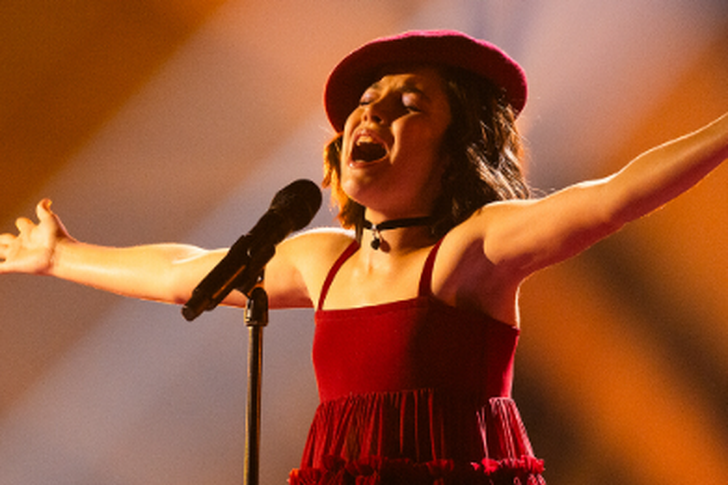
Lou Deleuze from France was crowned the winner in the nati...
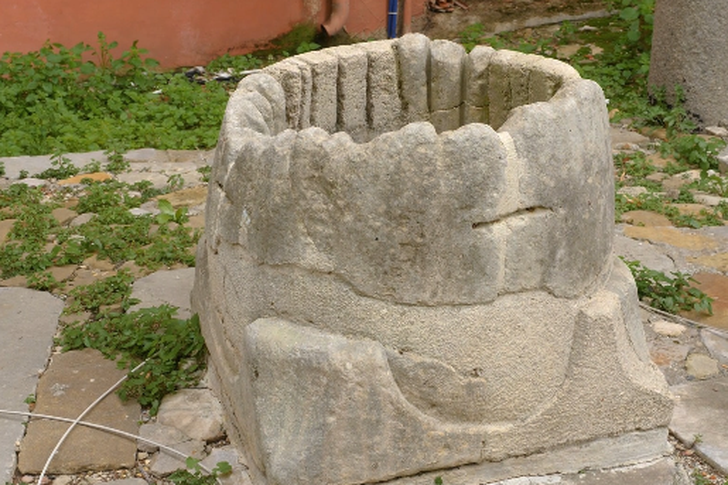
The Tophane Well is a monument dating back to the 16th cen...
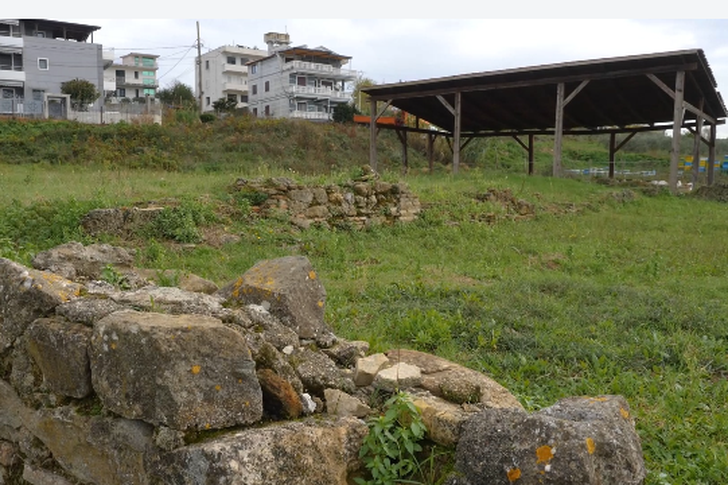
Bazilika e Arapajt daton në Shek.V Pas Krishtit dhe shënon...
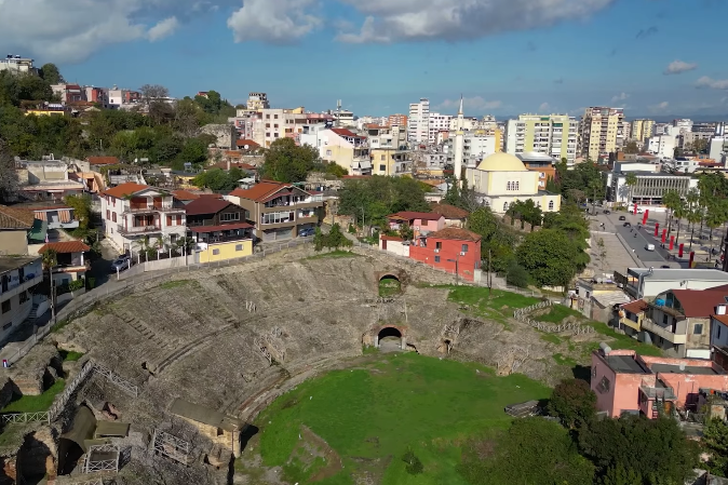
In the Durrës Amphitheater, after the games were interrupt...
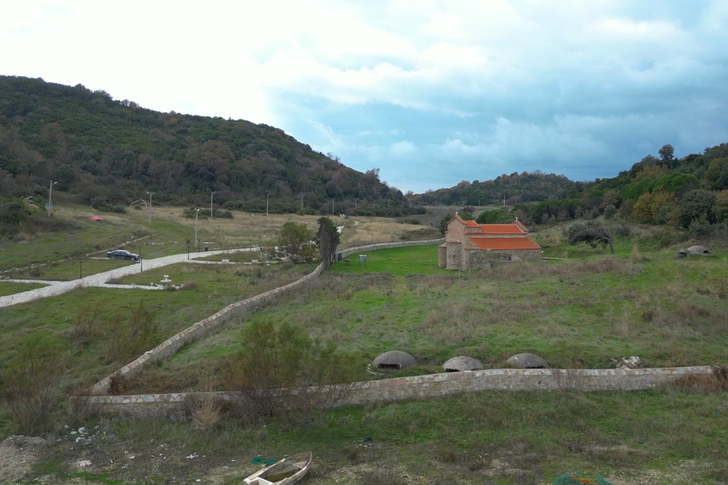
The church, named after a Saint like Shna Ndou, is one of ...

Kryeministri Edi Rama ka marrë pjesë në aktivitetin për 10...
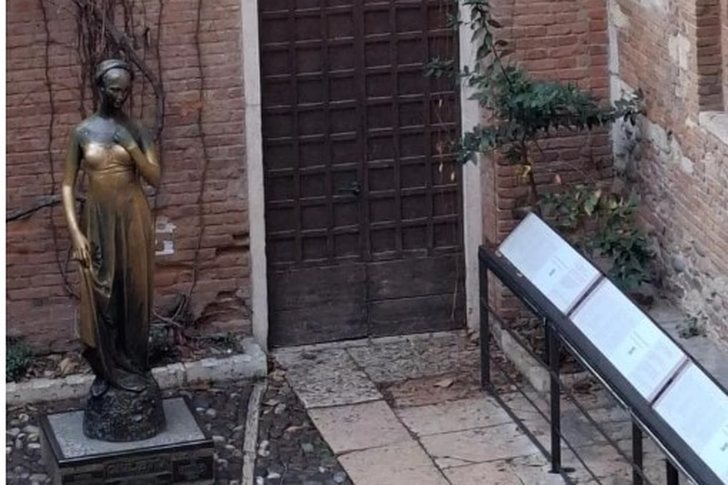
Five centuries ago, when the Englishman William Shakespear...
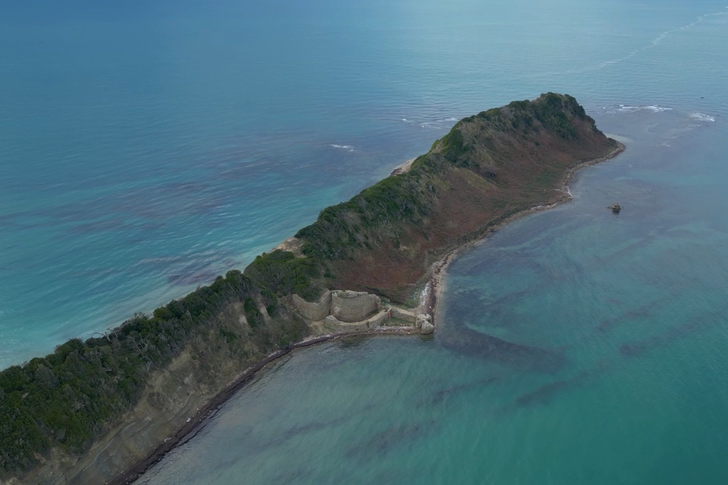
At Cape Rodoni, in addition to enjoying the virgin nature ...
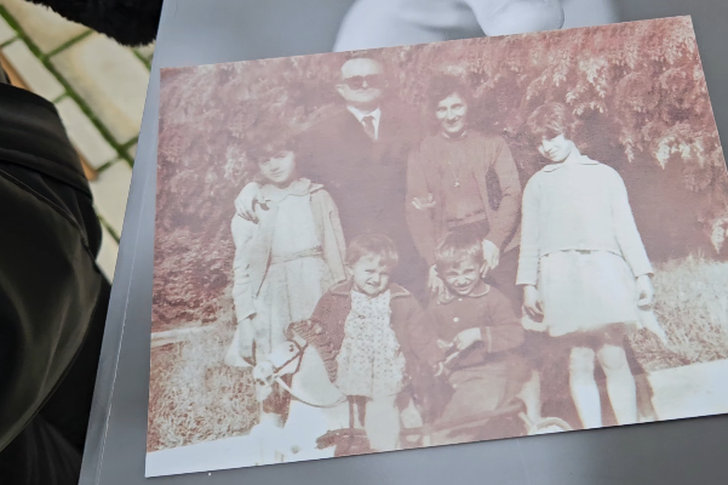
In the courtyard of the Rectorate of the "Fan Noli" Univer...
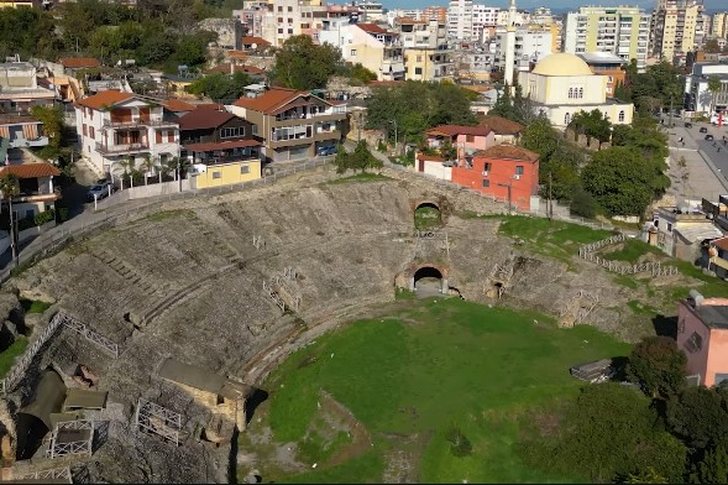
The most important monument of the city is the amphitheate...

Cape Rodoni is the largest cape in our country and an extr...
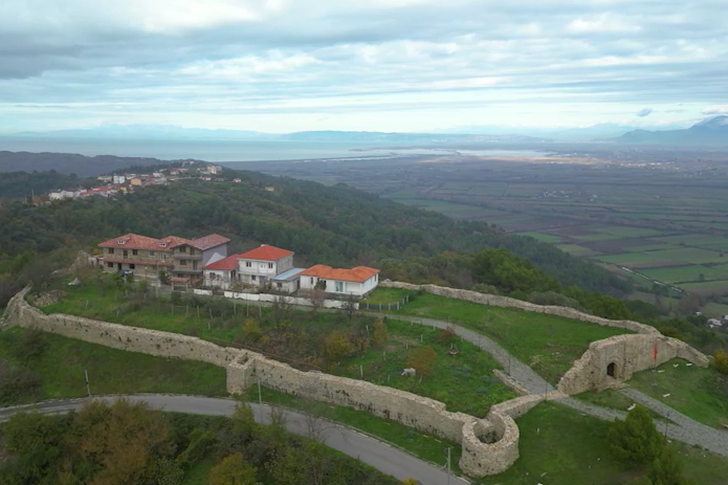
Ishmi Castle is one of the important castles in Albania, b...
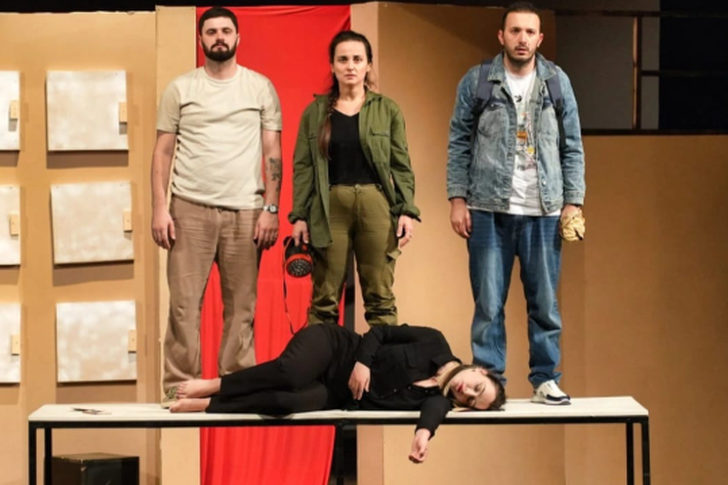
“The New Order” is the newest play to be staged at the Nat...
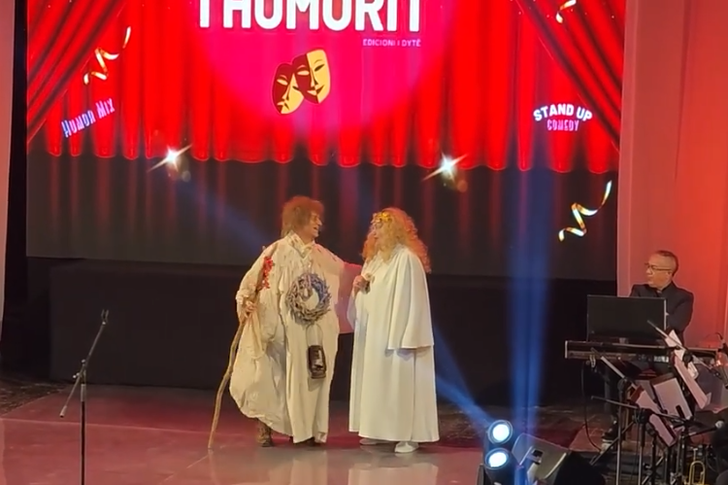
Laughter and the sounds of music filled the stage of the M...
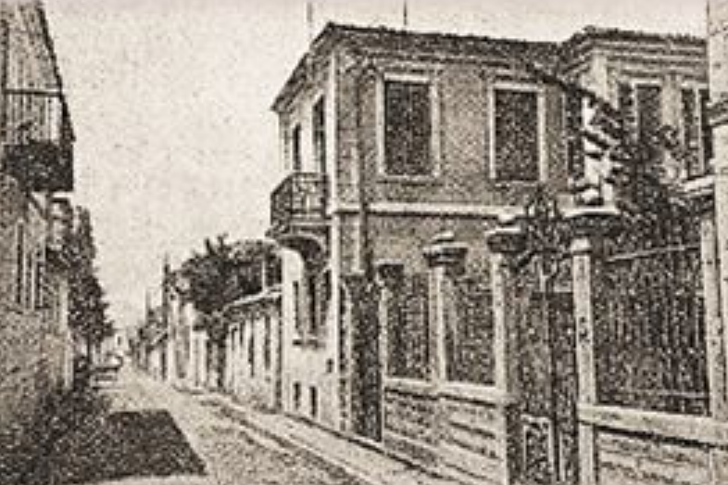
A precious chapter of Korça's history comes to light throu...
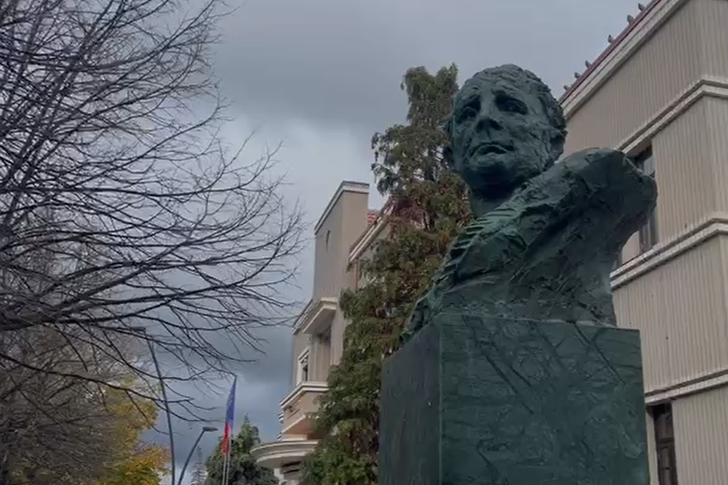
A monument has been placed in the city of Korça that h...
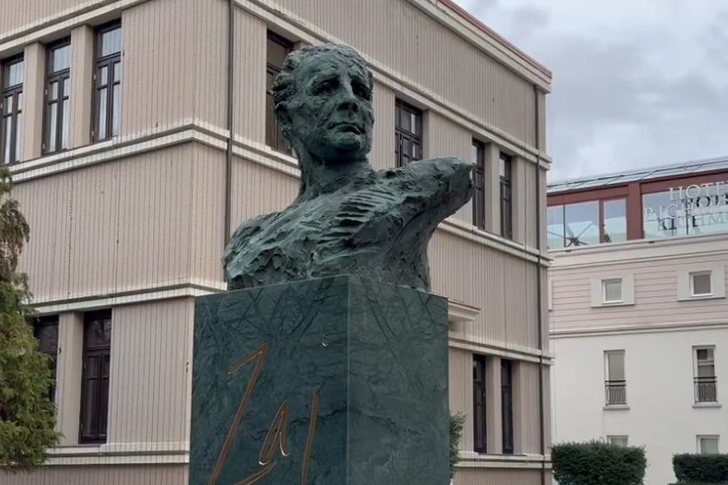
In the heart of Korça, where history and culture inter...

CNA has launched another investigation that could lead to ...

Irfan Hysenbelliu is a businessman that we call "Irfan the...

In March 2026, CNA launched another investigation centered...
The arrested mayor of Tirana, Erion Veliaj, with 13 charge...

The Special Board of Appeal (KPA) decided this Monday ...

The KPA vetting decided this Thursday to dismiss the p...

Suela Salavaçi, a prosecutor in the Prosecutor's Offic...

The Special Board of Appeal reinstated the prosecutor ...

Three people were shot and wounded in Elbasan last night b...

A serious incident occurred this Tuesday in the Yrshek are...

An accident occurred this Tuesday on "Dituria" street in K...
A tourist has lost her life on Orikum beach, where she was...
All of Southern Europe will face changing weather conditio...

Albania was hit by temperatures significantly higher than ...
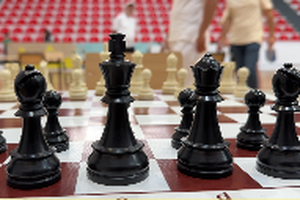
For the first time, Pogradec welcomed the Inter-Lake Chess...
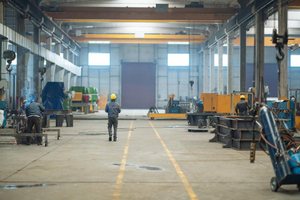
Albania has achieved a record for the employment of foreig...

In the space of a few days, Ukrainian President Volodymyr ...

The spokesman for the Iranian Foreign Ministry warned Bulg...
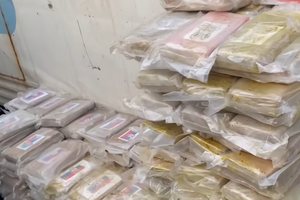
Autoritetet italiane sekuestruan pako me afër 800 kilogram...

Greece has taken several emergency measures to protect wor...

At a time when industrial products are increasingly taking...

Trust among people is not just a three-syllable word. It c...

Master of humor Todi Llupi has passed away at the age of 7...

The ninth edition of "MIK Festival" kicked off with one of...

The Centralized Purchasing Operator recently opened a tend...
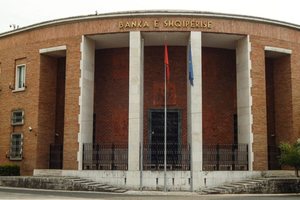
The new draft law "On the Bank of Albania" provides that t...

This Tuesday, one US dollar is bought for 81.2 lek and sol...
Deputy Minister of Economy and Innovation, Enkelejd Musabe...