


Humorous literature unites authors in Korça/The nationwide "Niko Nikolla" competition begins
The Third Nationwide Humorous Literature Competition "Niko...


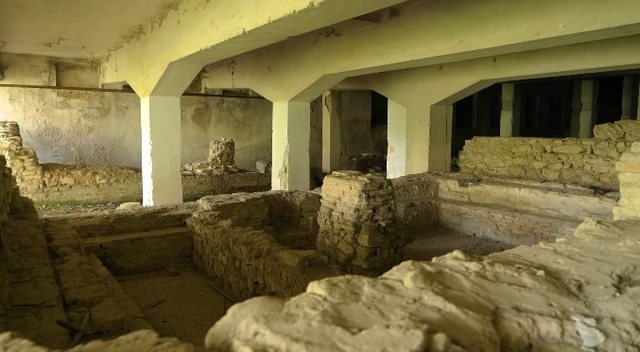
Roman baths were popular social spaces found in all cities of the Roman Empire. They offered temperature-controlled rooms, swimming pools, and areas for reading and conversation. Although public baths also existed in Ancient Egypt and Greece, it was the Romans who created a standardized architecture, culminating in the great imperial baths of the 1st century AD.
This archaeological site of great importance for the city was only discovered in 1960, when construction began for the "Aleksandër Moisiu" Theater in the city center.
Archaeological excavations have confirmed that the construction of the baths dates back to the end of the 1st century to the beginning of the 2nd century AD, and it is thought that they were used until late antiquity, in the 5th-6th century AD. Most likely, the Roman baths in Durrës extended over an area larger than 700 square meters than what has been excavated and is known to us today, and were part of the gymnasium of the ancient city.
Despite the interventions that have caused the loss of some of the original elements and functions of the bathrooms, their design allows for the reconstruction of a complete image.
The Roman baths in Durrës follow the structure of the imperial baths, with three main components named according to their temperatures and functions: freigidarium (cold room) caldarium (hot room). Visitors enter through the dressing room (apodyterium), and then into the sweating room or sauna (caldarium) and then into the warm room (tepidarium). They continue to the so-called frigidarium, a cold-water pool that served as the final cooling station. Visitors often applied moisturizing oils after the ritual.
As a rule, men and women used these facilities separately from each other, but there were also cases when the baths were shared. This happened rarely and their use by women was allowed only to courtesans. This act was considered unacceptable by the people, mixed bathing was finally banned by the emperors Hadrian and Marcus Aurelius.
Traces of the hypocaust can be seen in the Roman baths of Durrës. The caldarium features a checkerboard floor made of white and blue marble tiles, along with white thermal insulation tiles covering the walls. The last station of the baths is a cold water pool, located south of the tepidarium.
Several mosaics discovered during the excavation of modern buildings also date back to the Roman imperial period. The most famous is the mosaic depicting Eros riding mythological sea horses, the hippocampi.
The high artistic level and prosperity of Dyrrachium are also evidenced by the magnificent marble sculptures or altars.
We invite you to watch the video produced as part of the project "Come and get to know my city" supported by the Municipality of Durrës. /CNA
View this post on Instagram

The Third Nationwide Humorous Literature Competition "Niko...

Lou Deleuze from France was crowned the winner in the nati...
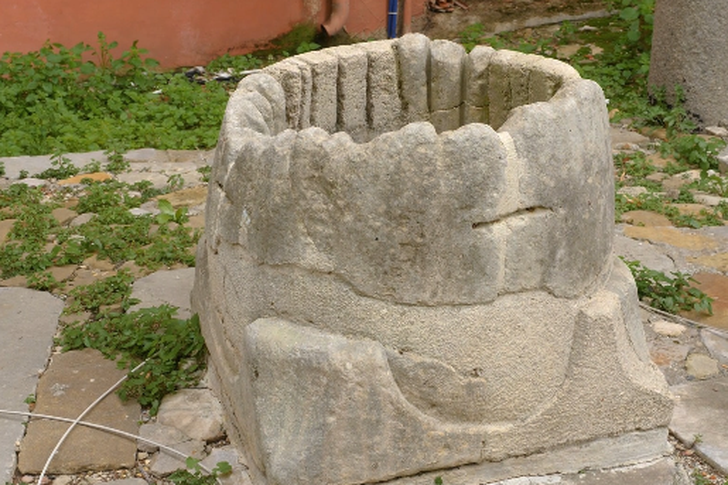
The Tophane Well is a monument dating back to the 16th cen...
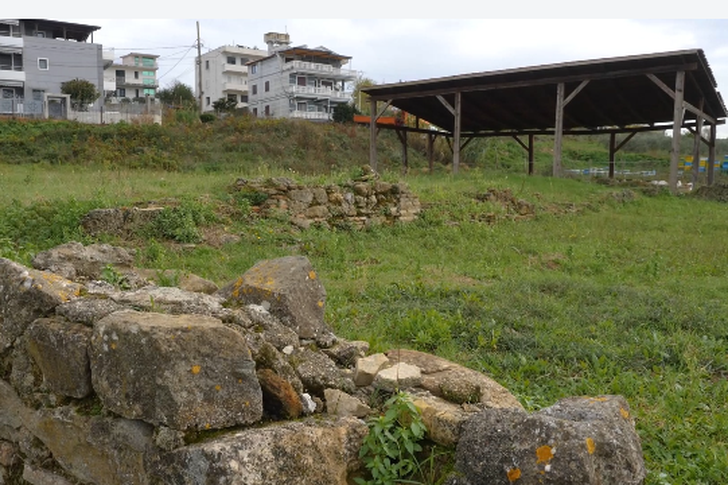
Bazilika e Arapajt daton në Shek.V Pas Krishtit dhe shënon...
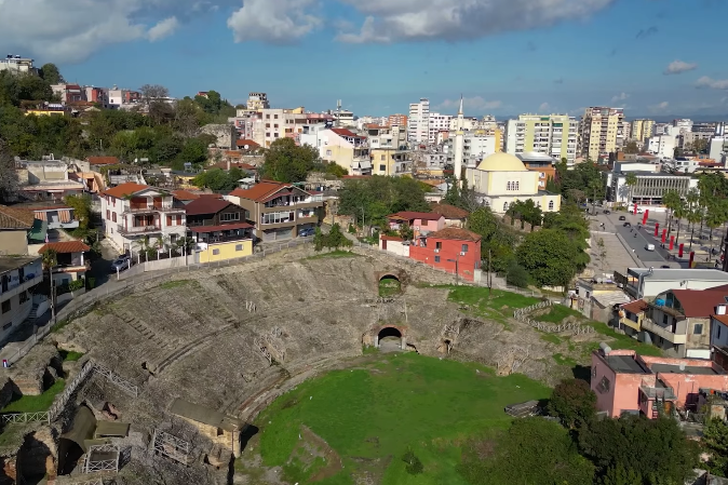
In the Durrës Amphitheater, after the games were interrupt...
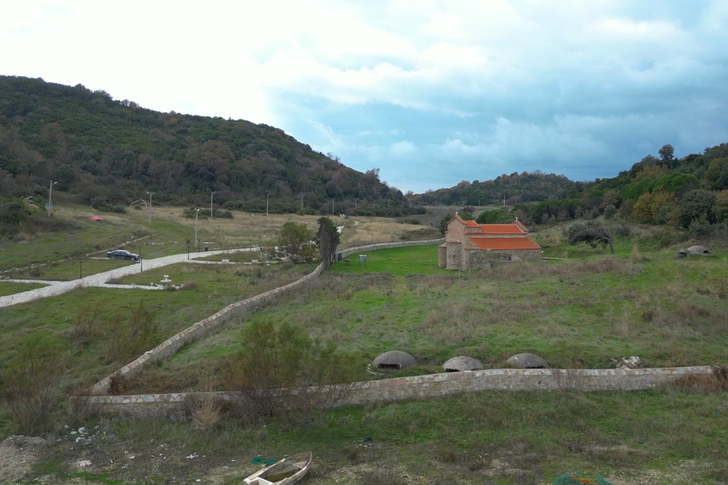
The church, named after a Saint like Shna Ndou, is one of ...

Kryeministri Edi Rama ka marrë pjesë në aktivitetin për 10...
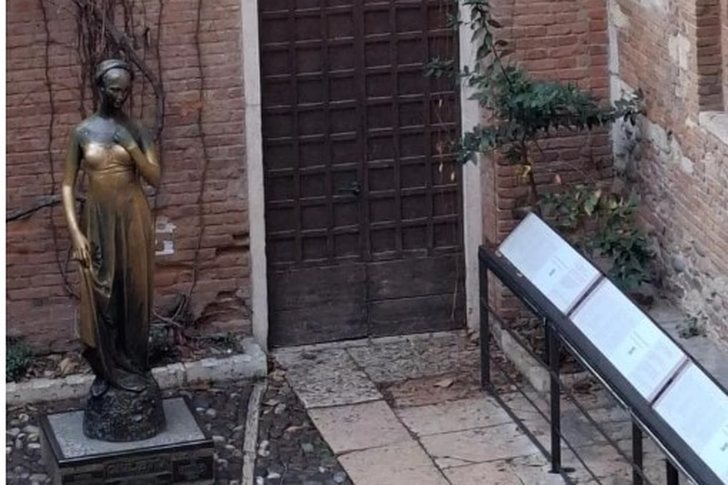
Five centuries ago, when the Englishman William Shakespear...
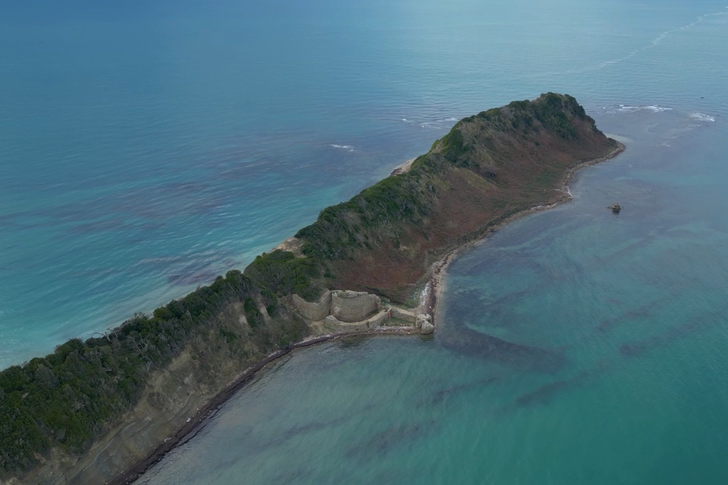
At Cape Rodoni, in addition to enjoying the virgin nature ...
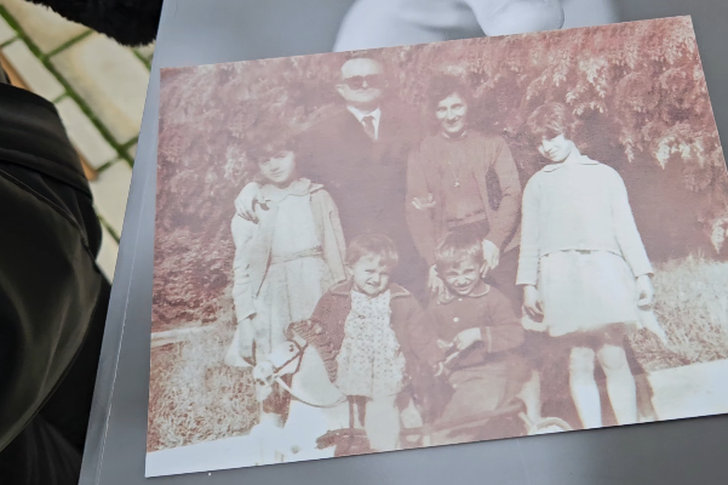
In the courtyard of the Rectorate of the "Fan Noli" Univer...
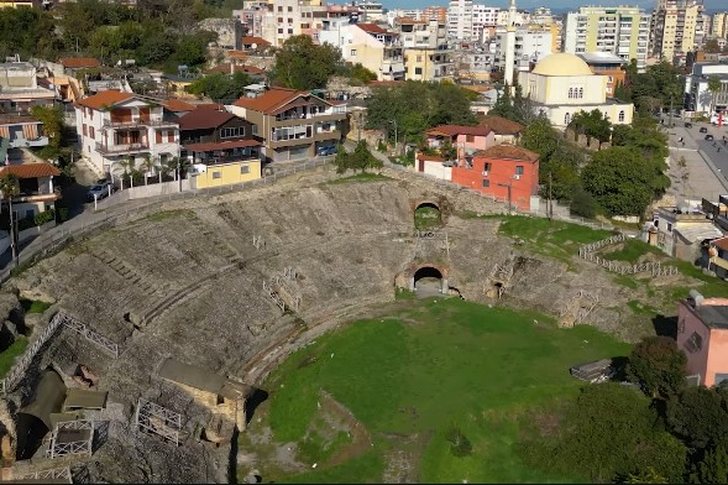
The most important monument of the city is the amphitheate...

Cape Rodoni is the largest cape in our country and an extr...
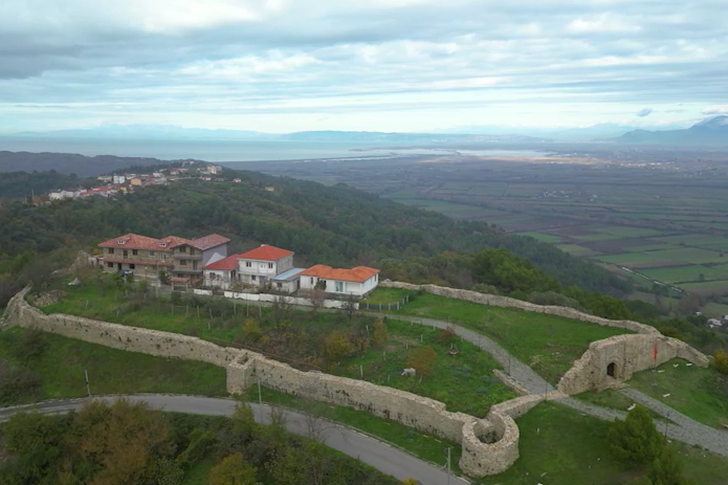
Ishmi Castle is one of the important castles in Albania, b...
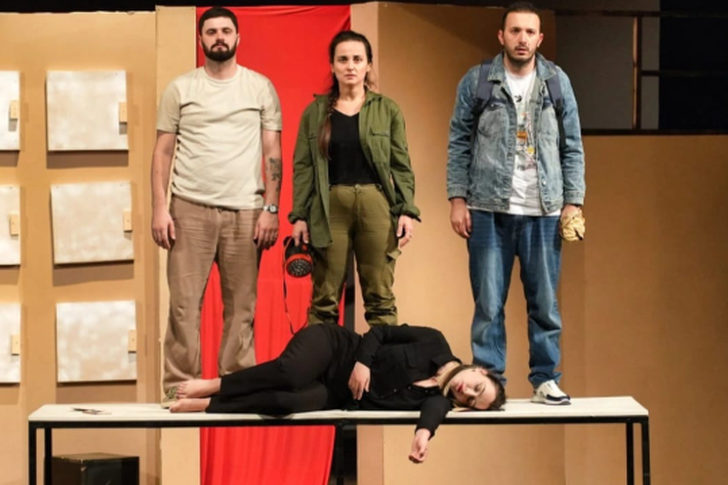
“The New Order” is the newest play to be staged at the Nat...
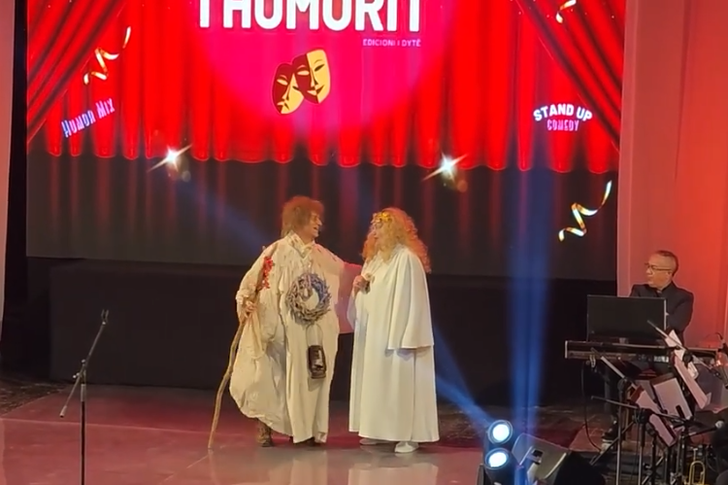
Laughter and the sounds of music filled the stage of the M...
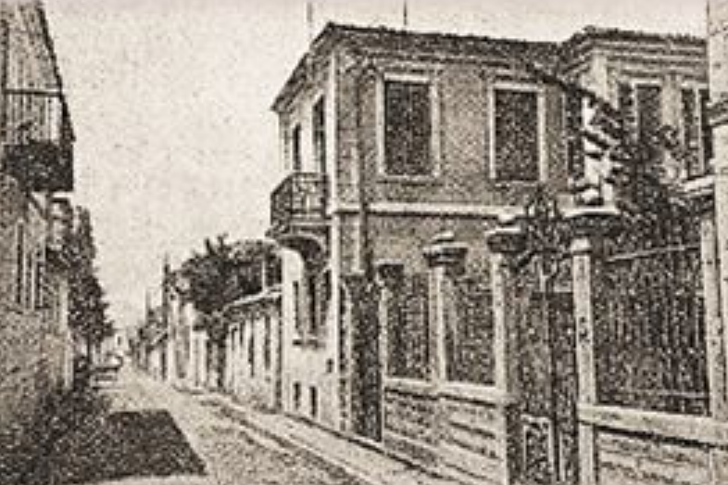
A precious chapter of Korça's history comes to light throu...
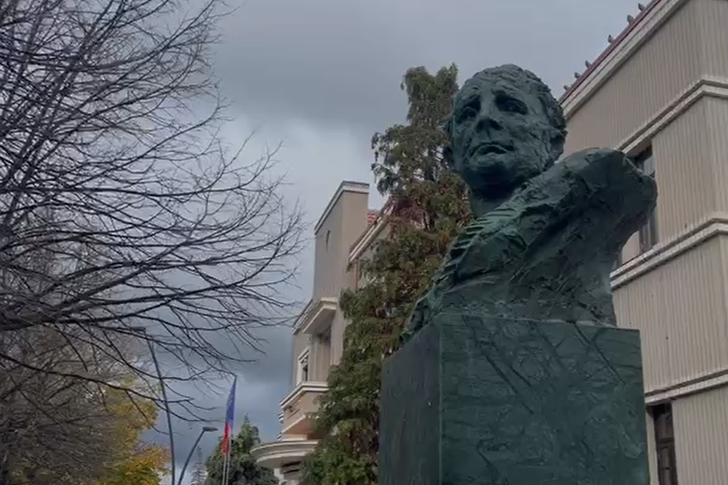
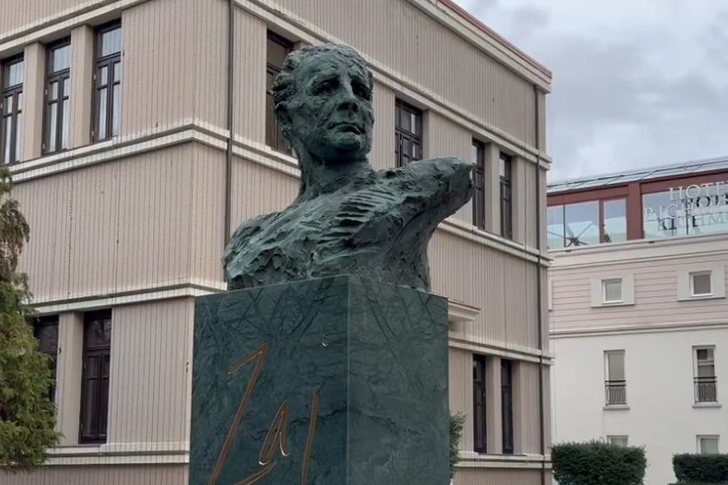
A monument has been placed in the city of Korça that h...
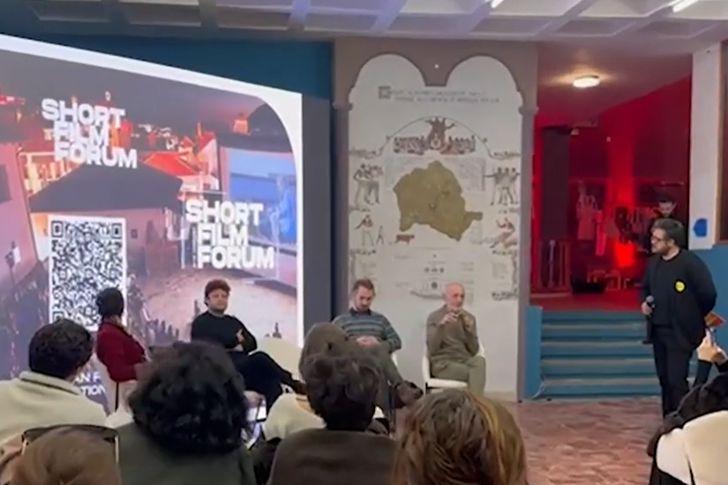
In the heart of Korça, where history and culture inter...
On the eve of the holidays of November 28-29, the Minis...
Another important step in preserving the Voskopoja heritag...

CNA has launched another investigation that could lead to ...

Irfan Hysenbelliu is a businessman that we call "Irfan the...

In March 2026, CNA launched another investigation centered...
The arrested mayor of Tirana, Erion Veliaj, with 13 charge...

The Special Board of Appeal (KPA) decided this Monday ...

The KPA vetting decided this Thursday to dismiss the p...

Suela Salavaçi, a prosecutor in the Prosecutor's Offic...

The Special Board of Appeal reinstated the prosecutor ...

Three people were shot and wounded in Elbasan last night b...

A serious incident occurred this Tuesday in the Yrshek are...

An accident occurred this Tuesday on "Dituria" street in K...
A tourist has lost her life on Orikum beach, where she was...
All of Southern Europe will face changing weather conditio...

Albania was hit by temperatures significantly higher than ...
For the first time, Pogradec welcomed the Inter-Lake Chess...
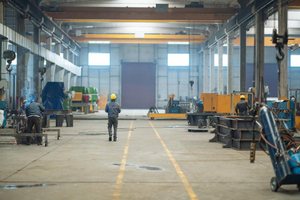
Albania has achieved a record for the employment of foreig...

In the space of a few days, Ukrainian President Volodymyr ...

The spokesman for the Iranian Foreign Ministry warned Bulg...
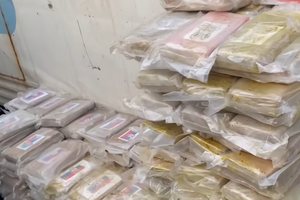
Autoritetet italiane sekuestruan pako me afër 800 kilogram...

Greece has taken several emergency measures to protect wor...

At a time when industrial products are increasingly taking...

Trust among people is not just a three-syllable word. It c...

Master of humor Todi Llupi has passed away at the age of 7...

The ninth edition of "MIK Festival" kicked off with one of...

The Centralized Purchasing Operator recently opened a tend...
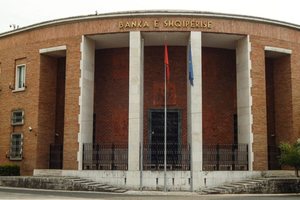
The new draft law "On the Bank of Albania" provides that t...

This Tuesday, one US dollar is bought for 81.2 lek and sol...
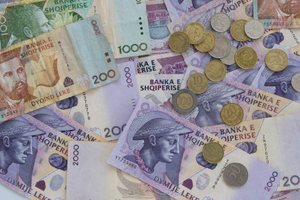
Deputy Minister of Economy and Innovation, Enkelejd Musabe...