

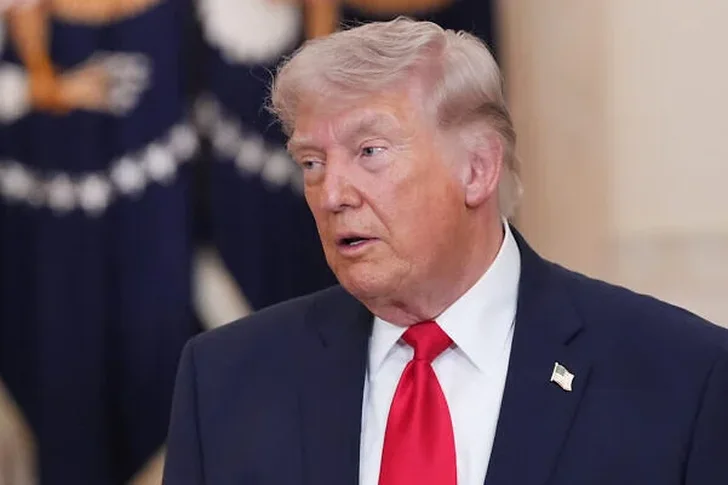
"Iran is left with only the threat"/ Trump: We are starting to clear the Strait of Hormuz of mines
US President Donald Trump has reacted on social media, whi...


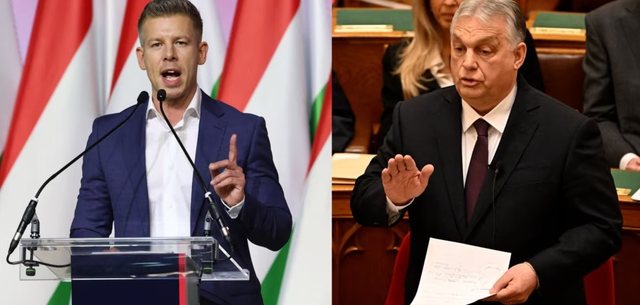
Hungarians vote in parliamentary elections on April 12, as the war continues in neighboring Ukraine and the Hungarian government's relations with Russia come under fierce criticism.
Polls suggest that after 16 years in power, Prime Minister Viktor Orban could lose power and be defeated by opposition leader Peter Magyar. But Orban has defied polls in the past.
The election result will not only be closely watched in Kiev and Moscow. Hungary's troubled reports in many European Union countries mean that EU countries are also interested in the outcome of the vote, as Washington has expressed strong support for Orban.
Why are elections important?
Orban has carved out a key role for Hungary. As an EU member, he has managed to block or soften many EU decisions on sanctions against Russia after Moscow launched a full-scale invasion of Ukraine in 2022. He has also blocked several decisions on EU support for Ukraine.
Most recently, he halted a €90 billion loan to Kiev for 2026 and 2027, which EU leaders initially agreed to in December 2025. Last month, Hungarian police seized two vans carrying over $80 million in cash and nine kilograms of gold bars, as well as seven Ukrainian citizens, who were traveling from Austria to their country in what was considered a regular transport of monetary instruments.
The moves came after Orban accused Ukraine of blocking Russian oil shipments through the Druzhba pipeline. Ukraine said the pipeline was damaged by Russian air strikes and repairs are taking time.
All of these issues have influenced the election campaign, as have leaked phone conversations in which Hungarian Foreign Minister Peter Szijjarto appeared to brief his Russian counterpart Sergei Lavrov on high-level EU meetings.
After initially denying it, the Hungarian top diplomat later confirmed that he not only speaks with Russian colleagues before and after EU meetings, but also with counterparts from Israel, Serbia, Turkey and the US.
Scenario one: Orbán wins
Before the election, US President Donald Trump wrote on social media that Orbán “has my full support.” The two leaders have a close relationship based on similar ideology and personal chemistry.
If Orban wins, this close relationship is expected to continue. EU officials told Radio Free Europe that they would expect Orban to “soften up somewhat” and allow some vetoes to be lifted if he manages to stay in power.
But they also expect, generally speaking, continuity – as do the political analysts REL spoke to.
“I vetmi ndryshim këtu është se ai nuk e kishte parashikuar varësinë nga Ukraina [për naftën ruse] dhe kjo i jep disa karta të forta ukrainase”, tha Zsuzsanna Vegh nga Fondi gjerman Marshall në Berlin.
“Transiti përmes tubacionit Druzhba është kyç për momentin për furnizimet energjetike hungareze dhe nëse nuk ka një zgjidhje të shpejtë [për bllokadën që Irani po i bën] për Ngushticën e Hormuzit, kjo atëherë vërtet mund të bëhet një pikë ku Ukraina mund t’i bëjë presion Hungarisë po ashtu”, shtoi ajo.
Botond Feledy, drejtues i kompanisë konsulente Red Snow Consulting me seli në Bruksel, tha se një fitore e Orbanit do të sillte forcimin e trendëve ekzistuese të politikës së jashtme të Hungarisë.
Ai parashikoi “përkeqësim të raporteve me BE-në dhe për rrjedhojë, potencialisht njëfarë mbështetjeje politike nga Trumpi… duke e parë Hungarinë si nxënësen e mirë të ideologjisë [Bëje Amerikën Madhështore Sërish] në kontinent. Dhe, rusët thjesht do ta përdorin atë siç e kanë përdorur më parë, pa ndonjë lidhje emocionale dhe për sa kohë që u shërben interesave të tyre”.
Megjithatë, ai shtoi se pret lëvizje në disa çështje pas ditës së zgjedhjeve, siç është ari i sekuestruar ukrainas.
“E kuptoj që Orban mund të thotë diçka sikurse do t’i zhbllokojë gradualisht fondet ukrainase sapo të kthehet në qeveri”, tha ai. “Do të jetë çështje negocimi”.
Qeveria hungareze nuk iu përgjigj kërkesës së REL-it për koment mbi hapat e ardhshëm të politikës së jashtme.
Skenari i dytë: Magyari fiton
Fokusi kryesor i Magyarit në fushatën zgjedhore ishin çështjet e brendshme, veçmas një fushatë kundër korrupsionit. Në një intervistë dhënë Radios Evropa e Lirë në tetor të vitit 2025, ai la të kuptohet se politika e tij e jashtme do të ishte e kujdesshme.
Në veçanti, tha ai, nuk do të ketë ndalje të shpejtë të importeve të karburanteve fosile ruse, pavarësisht presionit të BE-së ndaj Hungarisë – si dhe ndaj Sllovakisë fqinje – për t’u harmonizuar me hapat që kanë ndërmarrë shtetet e tjera anëtare për të shkëputur plotësisht lidhjet energjetike me Moskën deri në vitin 2027.
Hungaria aktualisht importon rreth 95 për qind të furnizimeve të saj me gaz natyror nga Rusia, ndërsa gjatë gjysmës së parë të vitit 2025 rreth 92 për qind e importeve të saj të naftës ishin nga Rusia.
“E kuptoj që ai nuk dëshiron të marrë rreziqe të hershme duke deklaruar objektiva të mundshëm që nuk mund t’i përmbushë”, tha Feledy.
“Çështja kryesore është se ato kontrata janë ende konfidenciale dhe çdo qeveri e re apo Peter Magyar nuk mund të vlerësojë realisht se çfarë përmbajnë ato marrëveshje me Rusinë”, shtoi ai.
Situata aktuale në tregjet ndërkombëtare të energjisë është e paqëndrueshme për shkak të luftës në Iran, dhe kjo gjë shton pasiguritë në këtë drejtim.
Magyar has made general statements about shifting Hungary's foreign policy away from Moscow and towards the European Union and NATO.
He has avoided being too specific about Ukraine, other than signaling that he does not support moves to grant Ukraine fast-track EU membership. However, analysts expect a change of tone from Peter Magyar if he wins.
"His rhetoric during the campaign on Ukraine has been muted and very restrained. He doesn't dare to openly confront Viktor Orban on this issue ," Dalibor Rohac, a senior fellow at the American Enterprise Institute, told Radio Free Europe.
“But the post-election reality in which Peter Magyar will have to repair Hungary’s relations with the EU and Hungary’s allies, as well as restore Hungary’s place in Europe… will make it inevitable that Hungary will become a more constructive partner, including for Ukraine,” he added.
Vegh expressed a similar opinion.
"The stance and approach in general would be different. I think there would be an attempt at partnership in terms of EU policies towards Ukraine," she said.
In the REL interview, Mayar also praised Trump for his initiative for peace in Gaza and for pressuring Russia to accept "peace, or at least a ceasefire in Ukraine."
When JD Vance visited Budapest on April 7, the vice president also expressed the White House's support for Orban, but added that the United States will "work with whoever wins this election." /REL

US President Donald Trump has reacted on social media, whi...
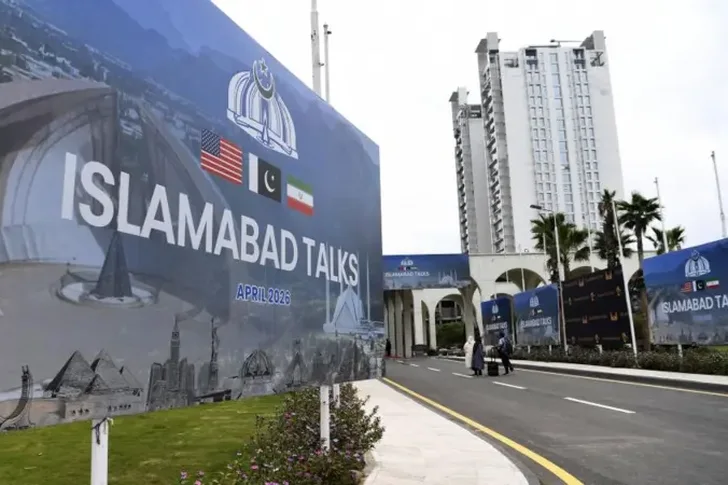
Talks between Iran and the United States have begun in Isl...
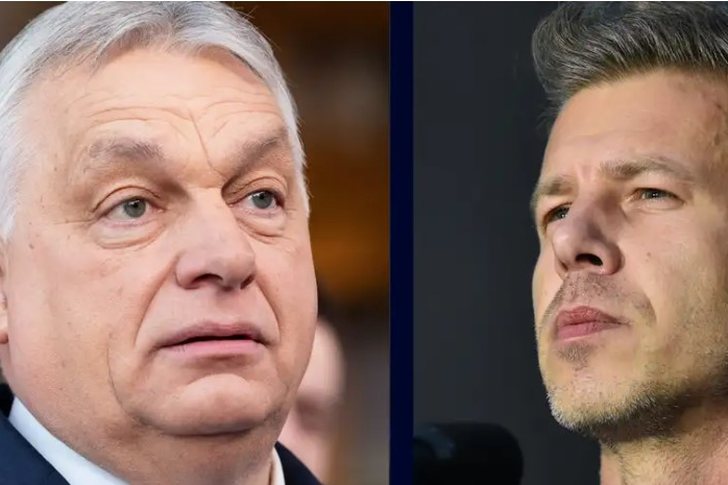
The parliamentary elections on April 12th are the most imp...
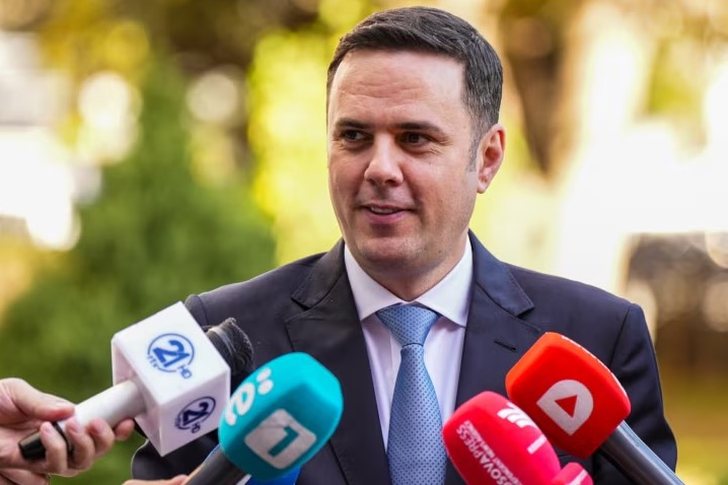
The leader of the opposition Democratic League of Kosovo, ...
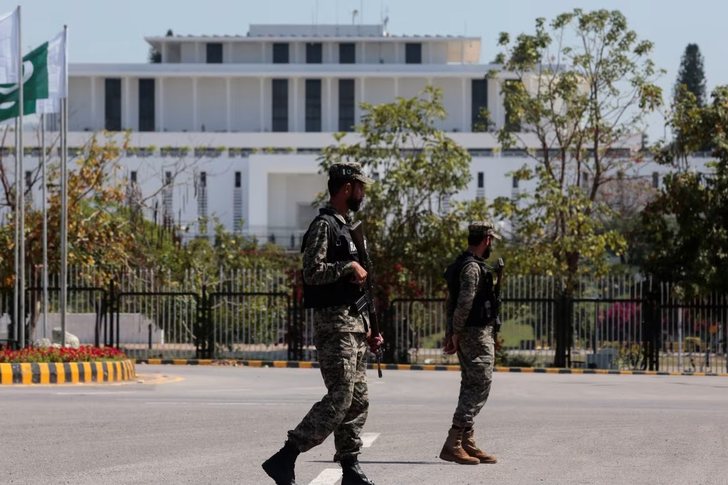
A senior Iranian source said today that the US has agreed ...
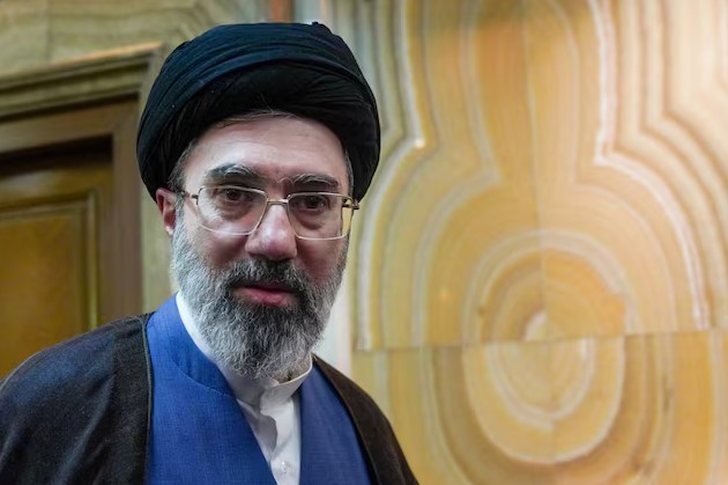
Iran's new supreme leader, Mojtaba Khamenei, is still reco...
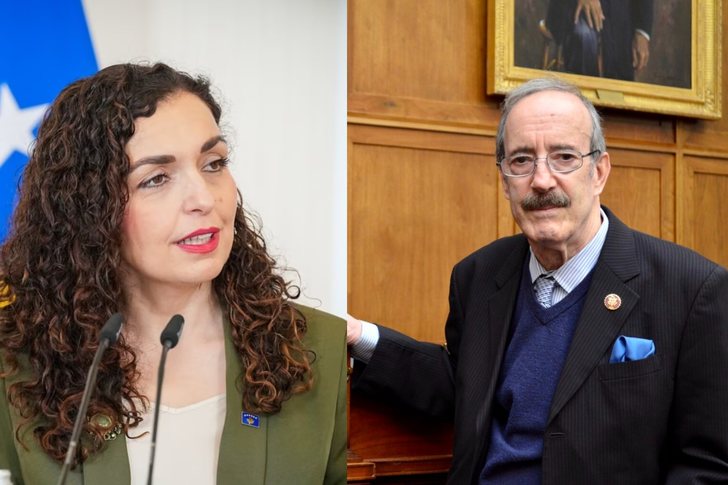
Former President of Kosovo, Vjosa Osmani, has reacted to t...
Kosovo Prime Minister Albin Kurti has reacted to the passi...
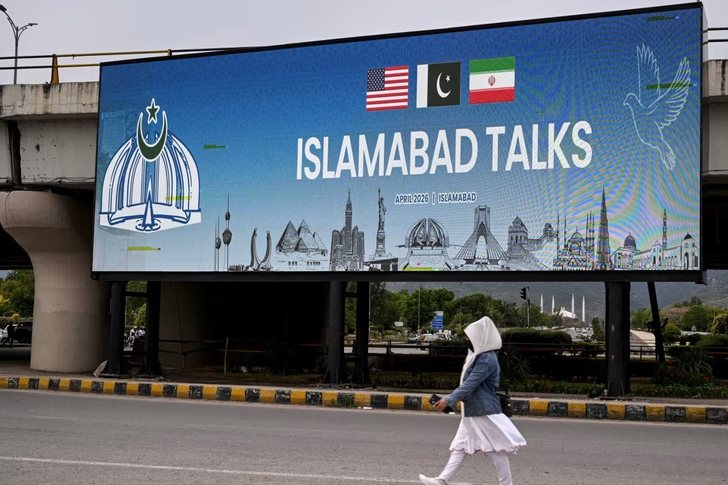
Preparations are underway in Islamabad, Pakistan, for talk...
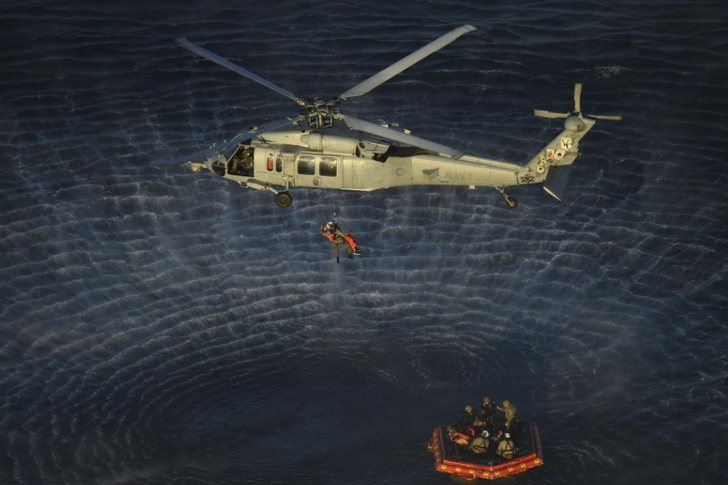
NASA's Orion spacecraft successfully returned to Earth, la...
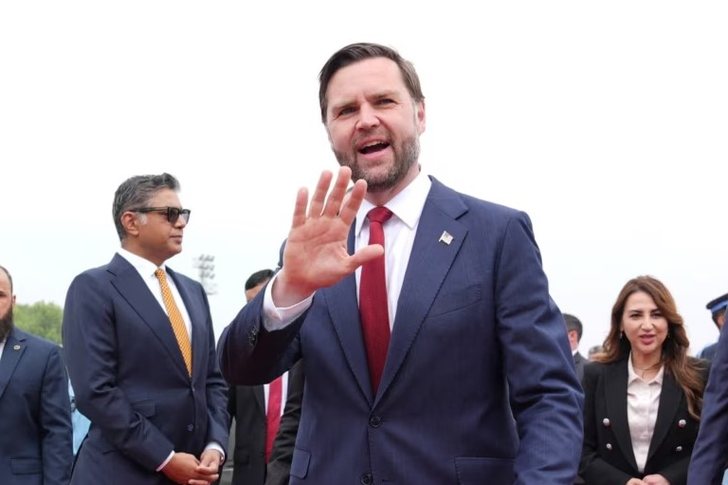
US Vice President JD Vance is facing the most important di...
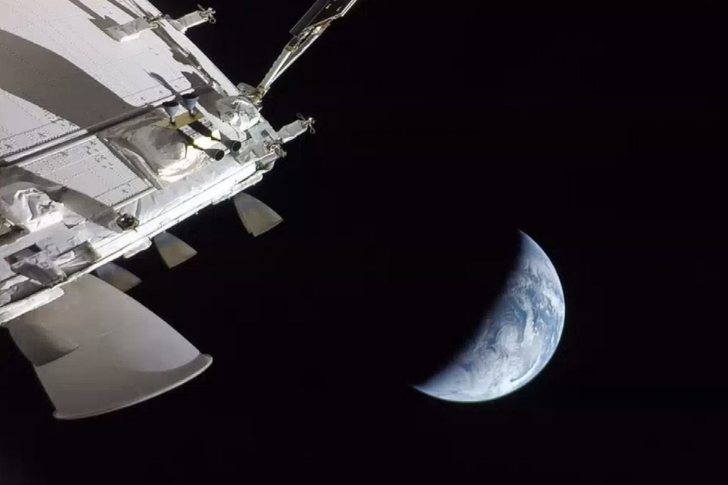
The President of the United States of America, Donald Trum...
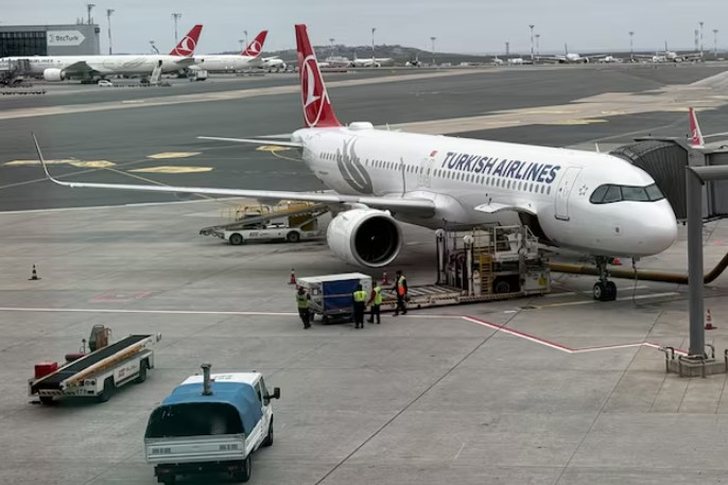
Turkish Airlines (THYAO.IS) has carried out a complete man...
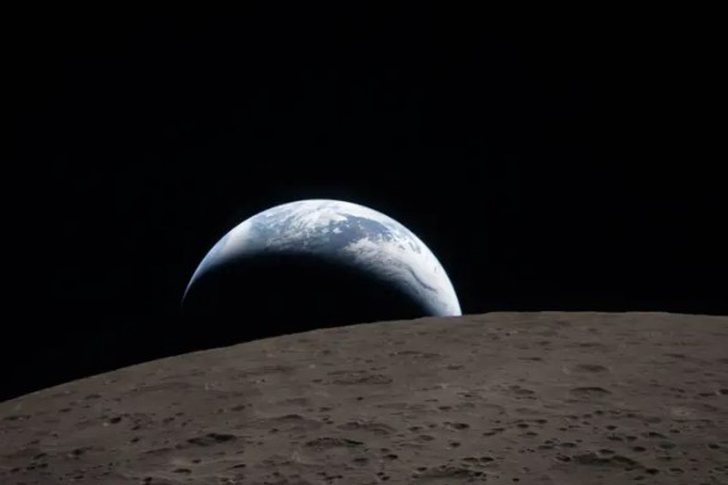
The historic Artemis II mission has been successfully conc...
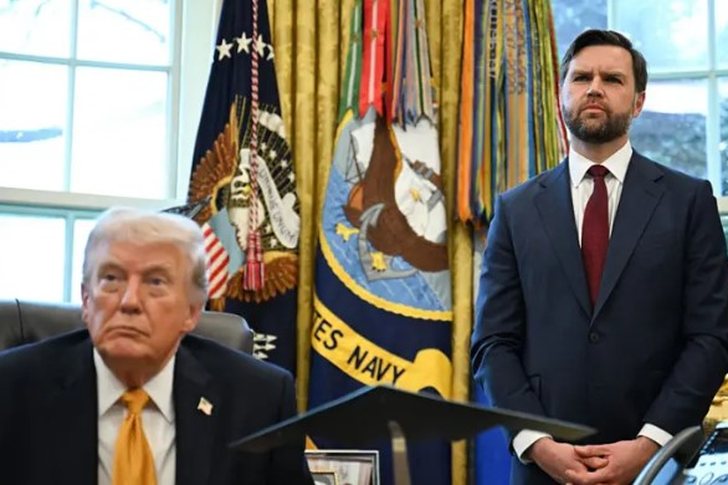
Iranian and American negotiators arrive in Pakistan ahead ...
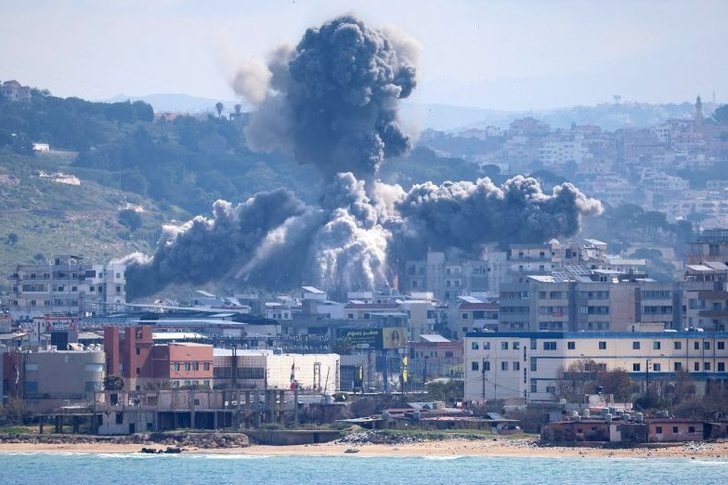
Negotiations between Lebanon and Israel will begin next Tu...
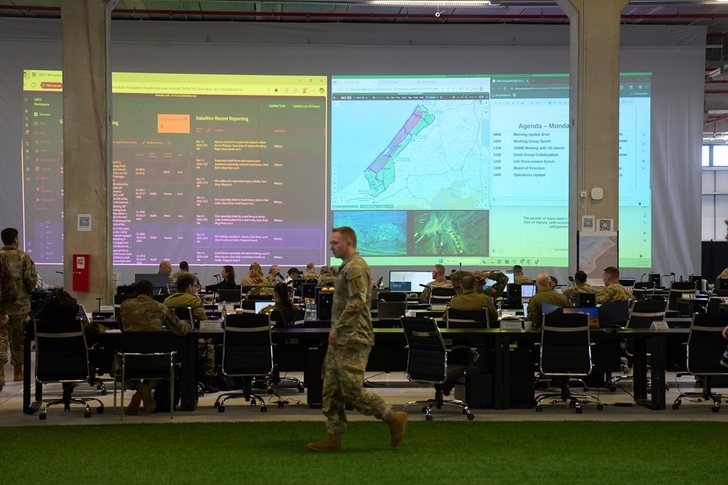
Israeli Prime Minister Benjamin Netanyahu has announced th...
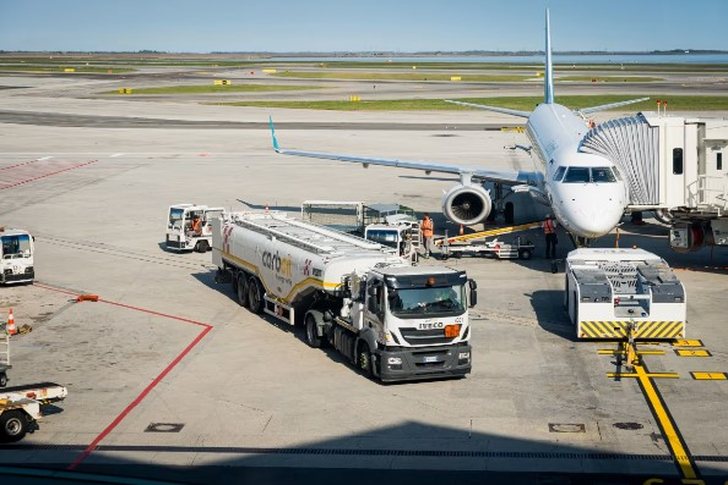
Europe could face jet fuel shortages if the Strait of Horm...
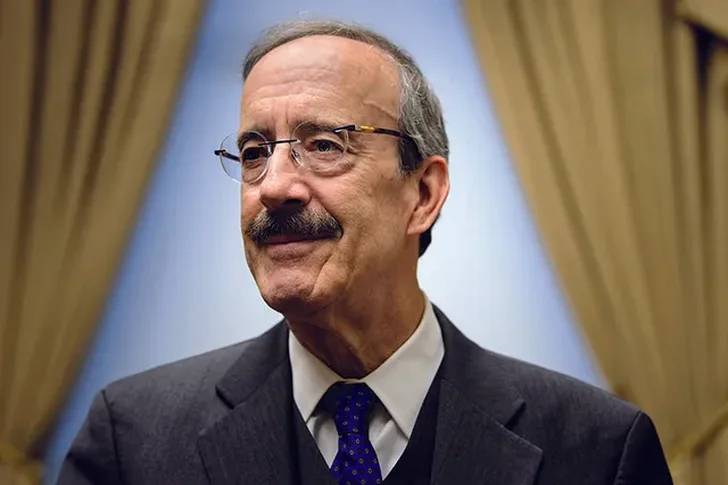
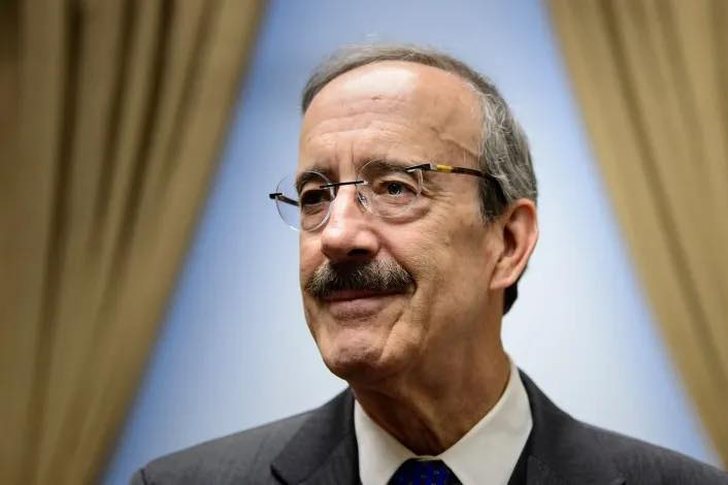
US Congressman Eliot Engel has passed away at the age of 7...
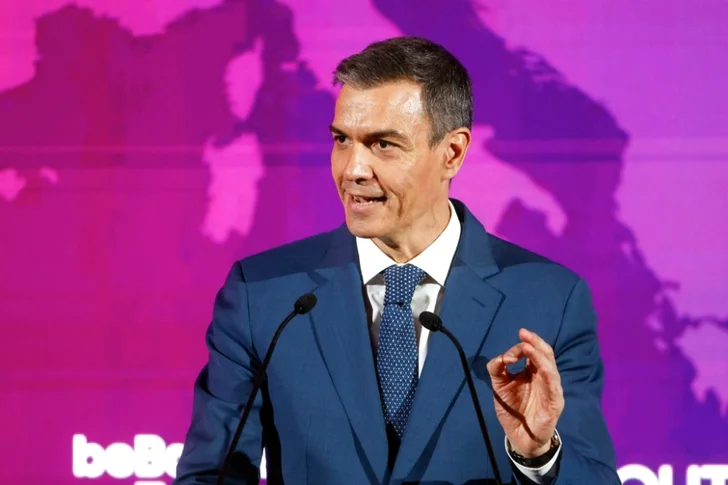
Spanish Prime Minister Pedro Sanchez stressed, during a su...
SPAK's standards, the way it investigates, how it secures ...
Irfan Hysenbelliu claims to be a big businessman, an hones...

The murder of officer Enea Mekolli in the line of duty has...
The next case broadcast on the show "Stop", this Thursday,...

The Special Board of Appeal (KPA) decided this Monday ...

The KPA vetting decided this Thursday to dismiss the p...

Suela Salavaçi, a prosecutor in the Prosecutor's Offic...

The Special Board of Appeal reinstated the prosecutor ...
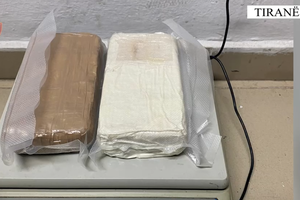
A police operation codenamed "Zonet" has ended with the se...
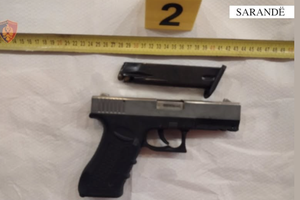
A 37-year-old citizen has been arrested in flagrante delic...
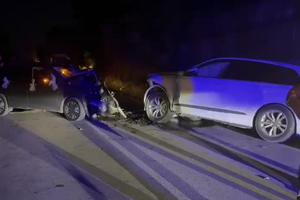
A road accident has been reported on the Fier-Levan axis, ...

An accident was recorded a few minutes ago on the Pogradec...
The modern European traveler seeks a meaningful connection...

This Sunday, weather conditions are forecast to be clear a...

Albanians are officially the hardest working people in Eur...
This Saturday will be characterized by mostly clear weathe...
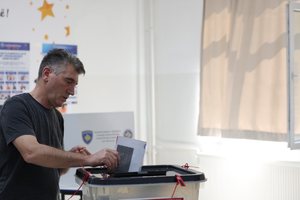
Kosovo citizens are voting in new snap parliamentary elect...
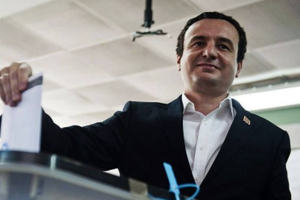
Kryeministri në detyrë i Kosovës, Albin Kurti, votoi sot n...
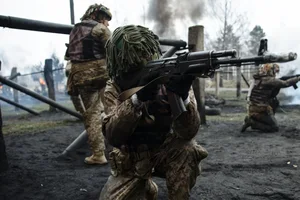
Presidenti rus Vladimir Putin është në pushtet prej 26 vit...

Gunfire erupted in Ohio, USA, in the area where the Old We...
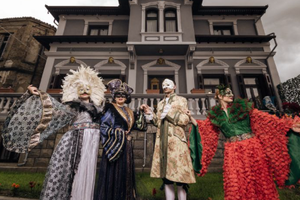
Korça is ready to open the summer season with one of the c...

Two years after his passing, the renowned Korçë poet Skënd...
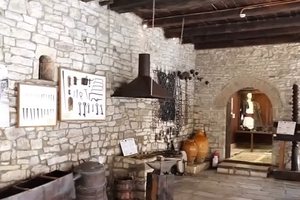
The Ethnographic Museum of Berat has opened its doors to v...
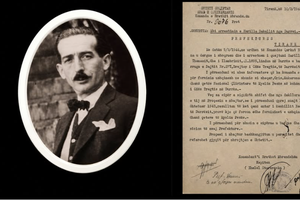
The story of Harilla Bakalli is one of the most chilling t...
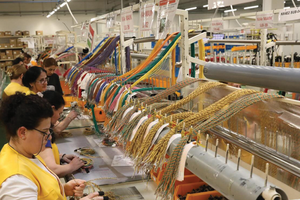
The automotive industry in Albania is currently at a turni...
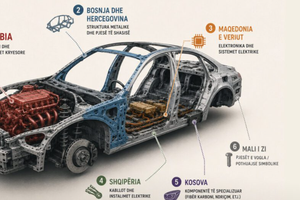
If you were to follow the industrial map of the Western Ba...
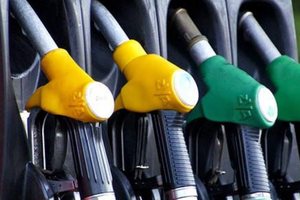
The Transparency Board, in today's meeting, decided to red...

This Saturday, one US dollar is bought for 81.4 lek and so...