


US warships arrive in Middle East/ Trump: Iran wants to talk
A US aircraft carrier strike group arrived in the Middle E...


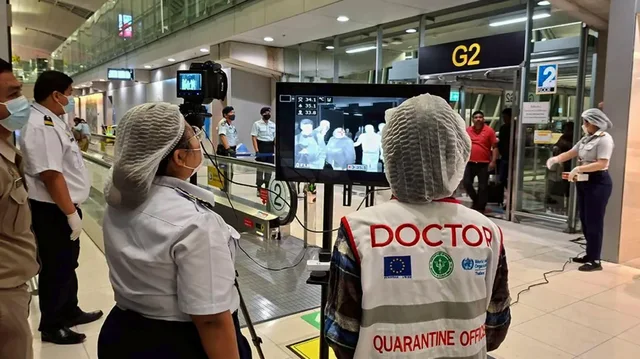
An outbreak of the deadly Nipah virus in the Indian state of West Bengal has caused concern in parts of Asia, with some tightening screening measures at airports.
Thailand has begun screening passengers at three airports where flights from West Bengal arrive. Nepal has also begun screening arrivals at Kathmandu airport and other land border points with India.
Two cases confirmed in West Bengal since December are said to be healthcare workers. About 196 people who came in contact with them have been traced and tested negative for the virus, India's health ministry said.
The virus can spread from animals to humans. It has a high mortality rate, ranging from 40% to 75%, as there is no vaccine or drug to treat it.
What is the Nipah virus and what are its symptoms?
Nipah virus can be transmitted from animals, such as wild pigs and bats, to humans. It can also be spread from person to person through contaminated food.
The World Health Organization has listed Nipah in its top ten priority diseases, along with pathogens such as Covid-19 and Zika, because of its potential to cause an epidemic.
The incubation period ranges from four to 14 days. People who become infected with the virus show a range of symptoms, or sometimes none at all. Initial symptoms may include fever, headache, muscle aches, vomiting, and sore throat.
In some people, this can be followed by drowsiness, altered consciousness, and pneumonia. Encephalitis, a sometimes fatal condition that causes inflammation of the brain, can occur in severe cases. To date, no drug or vaccine has been approved to treat the disease.
In which countries were past eruptions recorded?
The first known outbreak of Nipah occurred in 1998 among pig farmers in Malaysia and later spread to neighboring Singapore. The virus takes its name from the village where it was first discovered.
More than 100 people were killed and a million pigs were slaughtered in an attempt to contain the spread of the virus. It also resulted in significant economic losses for farmers and those involved in the livestock trade.
Bangladesh has borne the brunt in recent years, with more than 100 people dying from Nipah since 2001.
The virus has also been detected in India. Outbreaks were reported in West Bengal in 2001 and 2007. More recently, the southern state of Kerala has been a hotbed of Nipah. In 2018, 19 cases were reported, of which 17 were fatal; and in 2023, two of the six confirmed cases later died.
What is currently happening?
India's Health Ministry said that after the confirmation of cases in West Bengal, contacts of infected individuals were identified, traced, monitored and tested and were found to be asymptomatic.
"The situation is under constant monitoring and all necessary public health measures have been taken ," the Ministry of Health stated.
No cases have been reported outside India yet, but some countries are stepping up precautions. On Sunday, Thailand began screening passengers at three international airports in Bangkok and Phuket that receive flights from West Bengal. Passengers on these flights have been asked to provide health declarations.
The parks and wildlife department has also implemented stricter controls at natural tourist attractions. Nepal has also started screening people arriving through the airport in Kathmandu and other land border points with India.
Meanwhile, health authorities in Taiwan have proposed that Nipah virus be listed as a Category 5 disease. Under the island's system, diseases classified as Category 5 are new or rare infections with high risks to public health, requiring immediate reporting and special control measures. /Taken from BBC, adapted from CNA

A US aircraft carrier strike group arrived in the Middle E...

Spain will pay 20 million euros in compensation to those a...
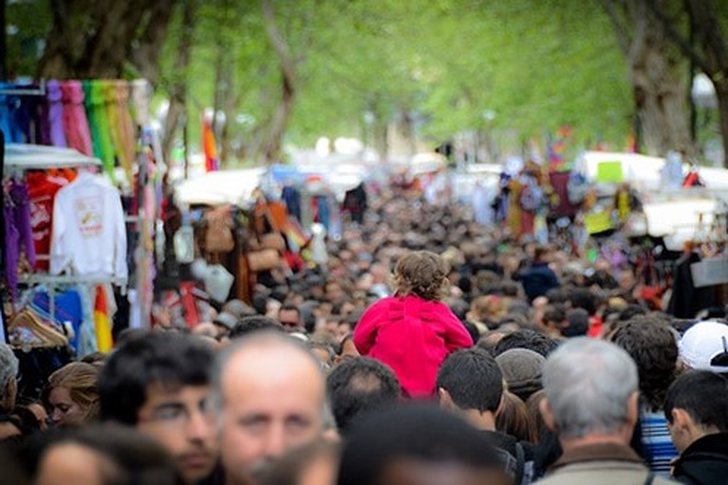
Spain's Socialist-led coalition government has approved a ...

The Central Election Commission expects the recount proces...

According to a new report from the Latvian Constitution Pr...

According to a CNN report, the United States is working to...
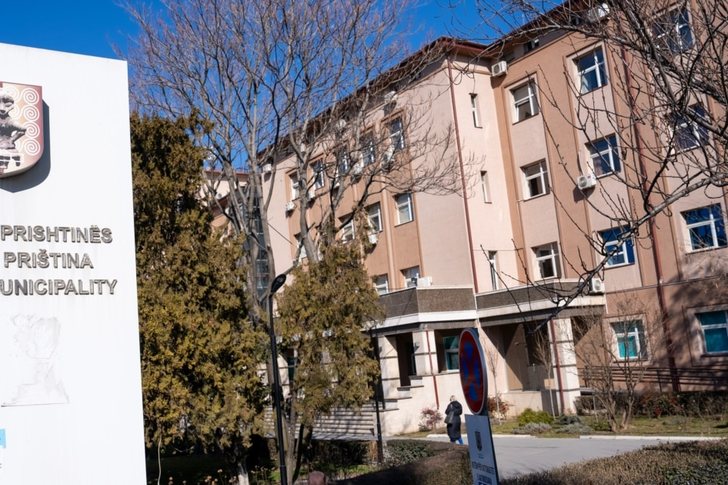
Three officials of the Municipality of Pristina were arres...
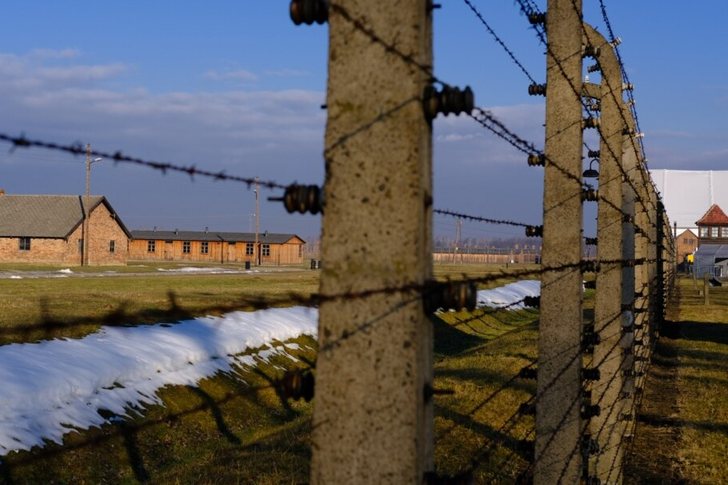
This Tuesday, January 27, marks International Holocaust Re...
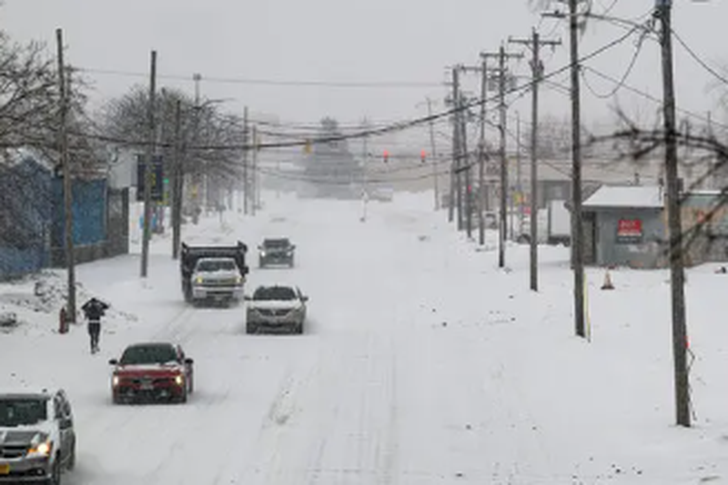
At least 30 people have died in the US as a massive winter...

The European Union and India are set to announce a major t...

The Swedish government has announced that it will present ...

Ligjvënësit francezë kanë miratuar një projektligj që do t...

Hundreds of people may have disappeared at sea or are beli...

Israel is preparing to enter talks with the Trump administ...

US President Donald Trump has announced he will raise tari...

The President of Kosovo, Vjosa Osmani, said that the advan...

NATO Secretary General Mark Rutte reiterated that the alli...
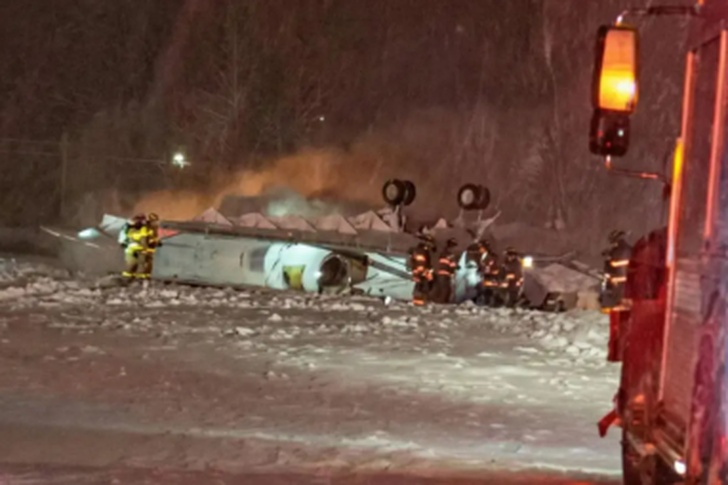
A private plane crashed at Bangor International Airport, M...

NATO Secretary-General Mark Rutte recently said that Ukrai...

Mass protests in Iran have shown a weakened regime, but it...

There have been 12 days of protests in the capital, which ...

Dritan Prençi is the SPAK prosecutor who is sleeping on th...

The in-depth investigations that SPAK conducted into Ajola...
SPAK's standards, the way it investigates, how it secures ...

The Special Board of Appeal (KPA) decided this Monday ...

The KPA vetting decided this Thursday to dismiss the p...

Suela Salavaçi, a prosecutor in the Prosecutor's Offic...

The Special Board of Appeal reinstated the prosecutor ...

New details have emerged regarding the serious accident th...

An Albanian businessman was arrested this afternoon in Gre...

A serious accident has occurred on the Korça-Ersekë axis, ...

Fier Police has announced the measures taken this week for...

A tragic accident occurred this Friday afternoon in Kameni...

Today our country will be affected by unstable weather con...

On Thursday, our country will be affected by relatively un...

Albania is facing a deep demographic crisis where official...
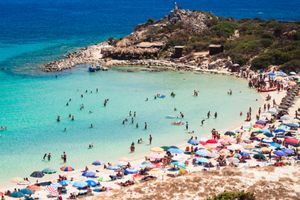
Umbrellas have been banned on a beach in Sardinia for anyo...

This June 12th marks the 27th anniversary of the liberatio...
The global economy is expected to face its biggest slowdow...

German Chancellor Friedrich Merz (CDU) defended his govern...

Several archaeological excavations conducted during this s...

At the Museum of Fine Arts in Chambéry, France, an exhibit...

Korça has transformed this weekend into the capital of cel...

Korça is ready to open the summer season with one of the c...

The Governor of the Bank of Albania, Gent Sejko, shared to...

Business lending has increased in the first half of this y...

The labor market has shown worrying trends in early 2026. ...

The number of new retirees in the social security scheme i...