

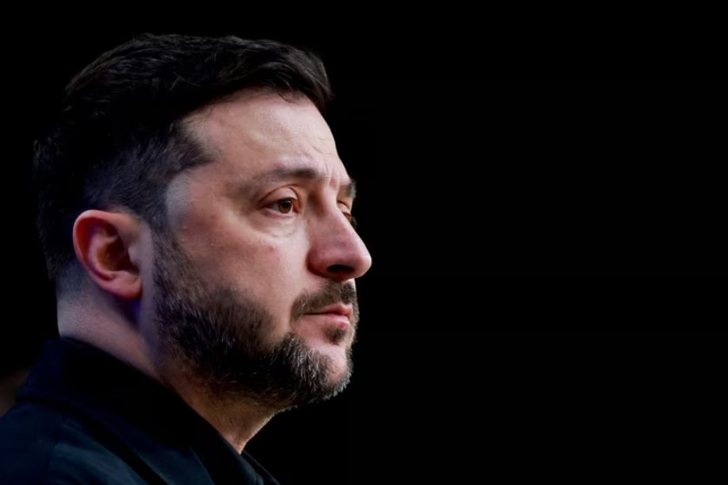
Zelensky: 55,000 Ukrainian soldiers have been killed on the battlefield since the start of the war
Ukrainian President Volodymyr Zelensky stated that around ...


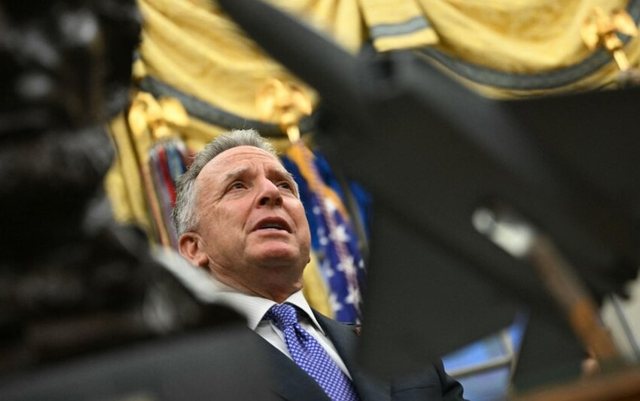
White House special envoy Steve Witkoff and Iranian Foreign Minister Abbas Araghchi will meet on February 6 in an attempt to reach an agreement aimed at avoiding war.
US President Donald Trump has deployed large military capabilities to the Persian Gulf, while his administration is considering the possibility of attacks against Tehran.
Iran is trying to limit the scope of the talks to its nuclear program. But the United States is seeking a deal that would also limit Tehran's ballistic missile program and end the Islamic Republic's support for armed groups in the Middle East.
Trump wants a deal because "he prefers it to a war with a big country like Iran," said Damon Golriz of The Hague University of Applied Sciences.
"If an agreement is reached, it will be in the interest of the Islamic Republic, even if such an agreement, in the eyes of the public, would appear to indicate that the Islamic Republic has surrendered ," he added.
To reach an agreement, American and Iranian envoys will have to overcome several key obstacles that have caused previous negotiations to fail.
No enriched uranium, no reserves
The United States is demanding that Iran completely halt uranium enrichment and give up its stockpile of about 400 kilograms of highly enriched uranium, steps that would prevent Tehran from creating a nuclear weapon.
Previously, Tehran had rejected these demands, but experts say it may make concessions given its weak position in the negotiations.
Iran's clerical leadership is at its weakest point in decades, as it faces unprecedented unrest and economic collapse at home and a massive US military buildup near the country's borders.
Trump: Tehran is talking seriously with Washington
Iran's nuclear program is also in dire straits. The United States bombed the main underground uranium enrichment facilities at Fordow and Natanz during the 12-day war between Iran and Israel in June last year.
One potential obstacle is recovering Iran's stockpile of highly enriched uranium, which is "mixed with the rubble" after US airstrikes on underground facilities last year, said Tariq Rauf, former chief of verification at the International Atomic Energy Agency (IAEA), the United Nations' nuclear watchdog.
Rauf also stressed that one of the American bombs, which can penetrate deep underground, that was used during the June bombings did not explode.
"There are still over 2,000 kilograms of high-powered explosives down there at Natanz... which could be very unstable and could explode if touched ," he told Radio Free Europe's Radio Farda.
One way to address the uranium enrichment issue is to return to a May 2025 proposal, a regional enrichment consortium that would allow Iran to continue enriching uranium, but only to low levels suitable for civilian energy production purposes.
But there may be a technical obstacle to this proposal, Rauf said.
A consortium is usually formed in a country that already has a nuclear program. The only country in the Middle East that officially has a nuclear program is the United Arab Emirates, but this Gulf state has given up the right to enrich uranium and imports nuclear fuel from abroad.
Iran's missiles and collaborators
The US also wants to impose limits on the range and number of Iran's ballistic missiles, which would make it impossible for Tehran to strike Israel.
Currently, Iran has a 2,000-kilometer range limit for its missiles. Medium-range missiles can hit Israel, while shorter-range missiles can attack US military bases in the Persian Gulf region.
The number of medium-range missiles Iran possesses is unknown. Israel attacked missile production facilities and missile launchers during the June war. But Iran is believed to still have several thousand short-range ballistic missiles.
Iran has categorically rejected any restrictions on its missile program, saying it is essential for its defense.
The Islamic Republic has also refused to give up the armed collaborators and militant groups it supports in Lebanon, Iraq and Yemen. Iran considers the so-called axis of resistance a key part of its defense against Israeli and American aggression.
This network of regional allies largely remained silent during Israel's air campaign last June, but analysts suggest it could step in to help Iran if talks fail and war with the US breaks out. /REL

Ukrainian President Volodymyr Zelensky stated that around ...
More than 160 people have been killed in two villages in w...
Several gunshots on the Gjilan-Kamenica road have led to t...
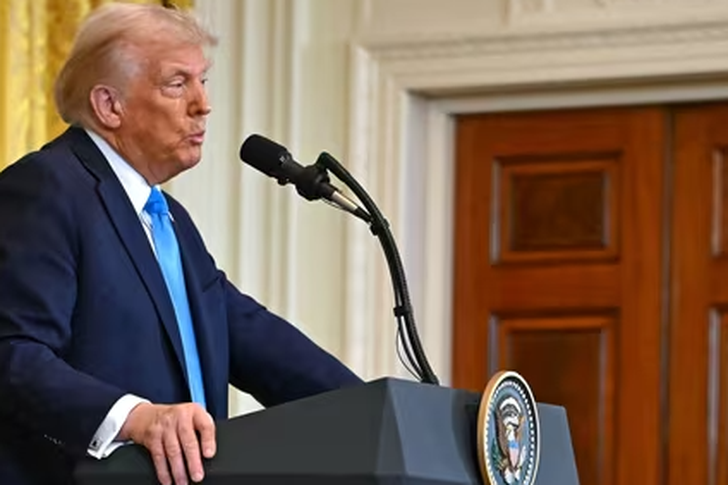
US President Donald Trump issued a strong warning to Iran'...
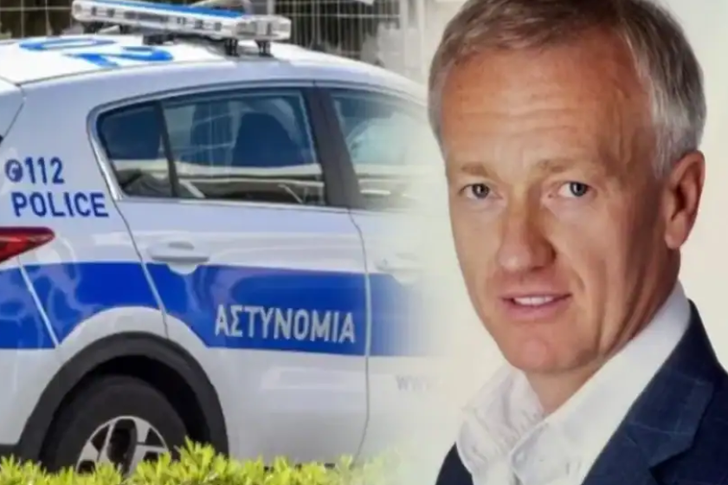
Authorities in Cyprus announced that the body found in Jan...
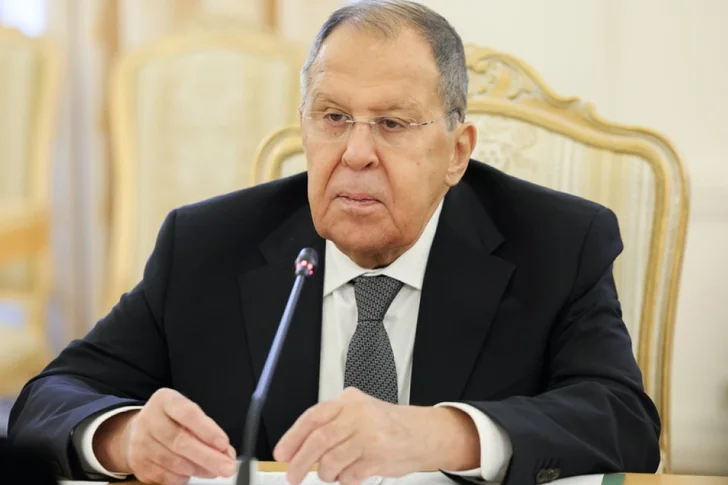
Russian Foreign Minister Sergei Lavrov accused Ukrainian P...
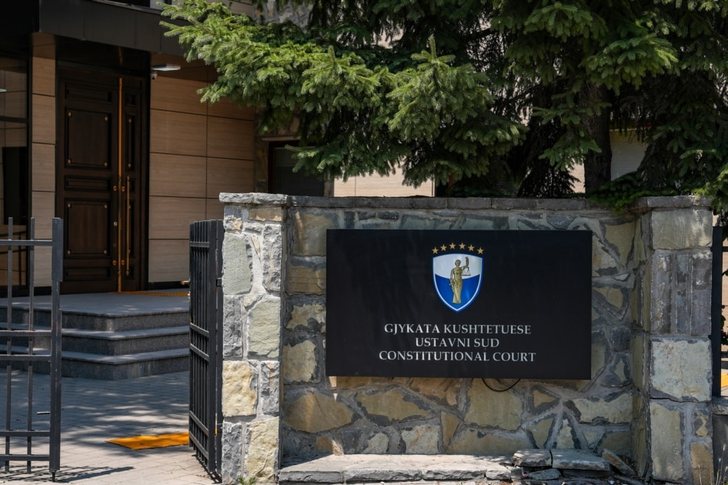
The Constitutional Court of Kosovo has published the full ...
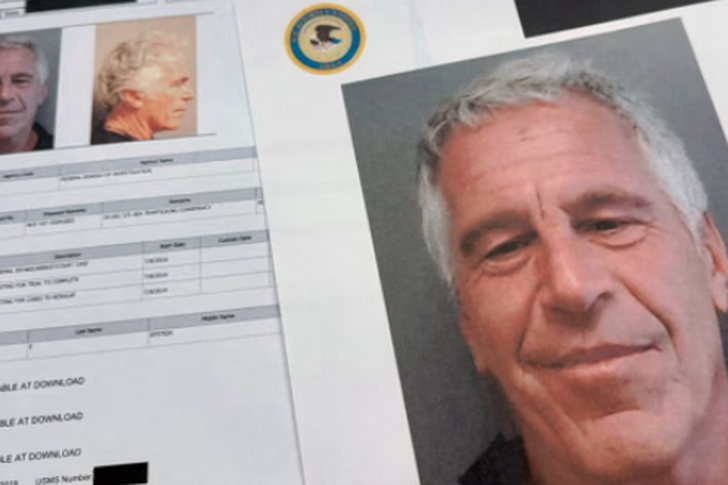
Files released by the US Department of Justice (DOJ) inclu...

Spain has proposed banning teenagers from using social med...
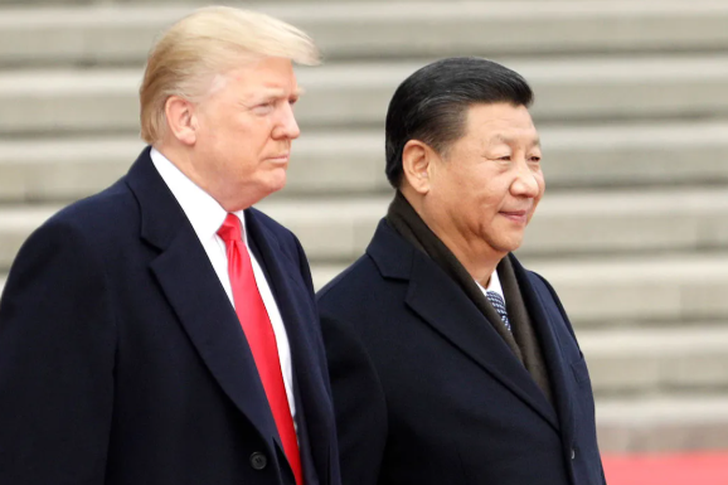
United States President Donald Trump held a telephone conv...
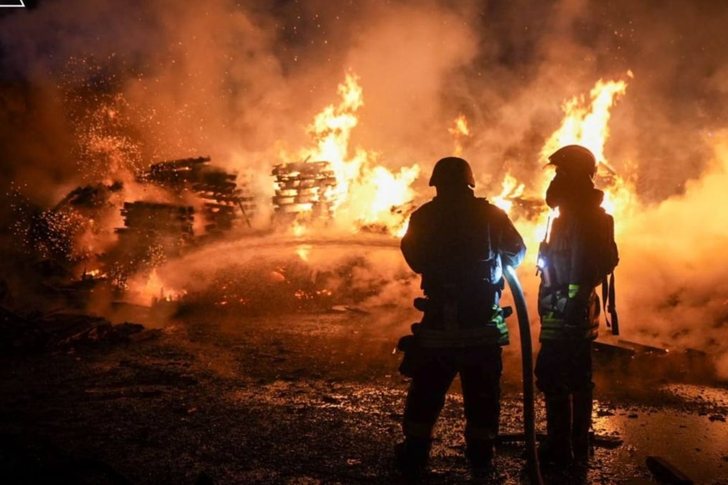
Peace talks between Ukraine and Russia, brokered by the Un...
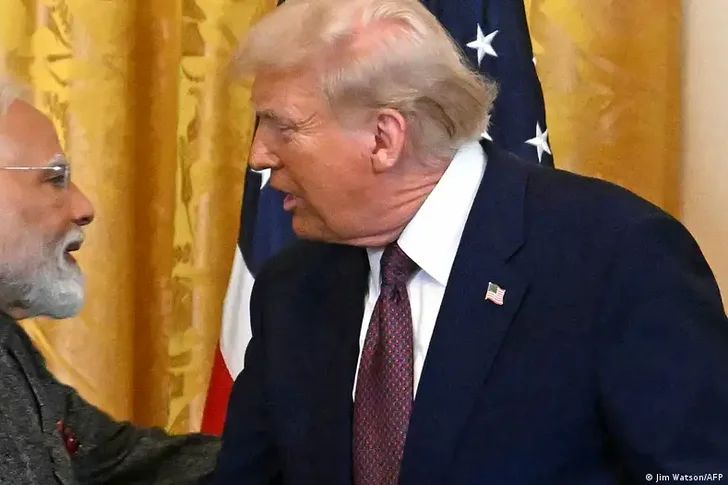
The latest news from Washington can be seen all over India...
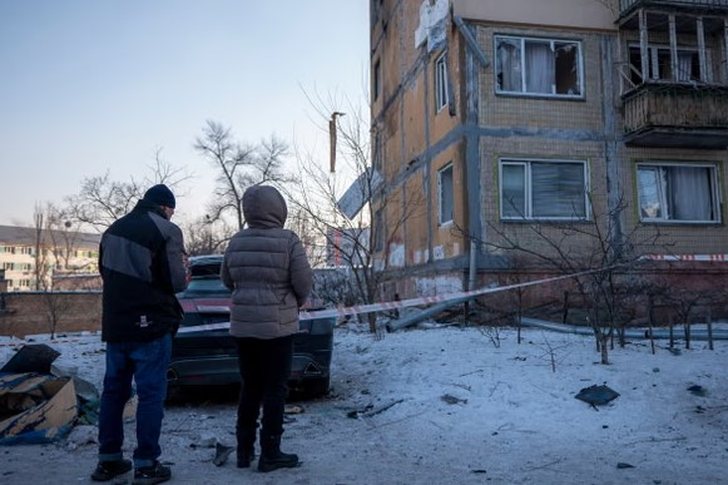
Presidenti i Ukrainës, Volodymyr Zelenskyy, ka akuzuar Rus...
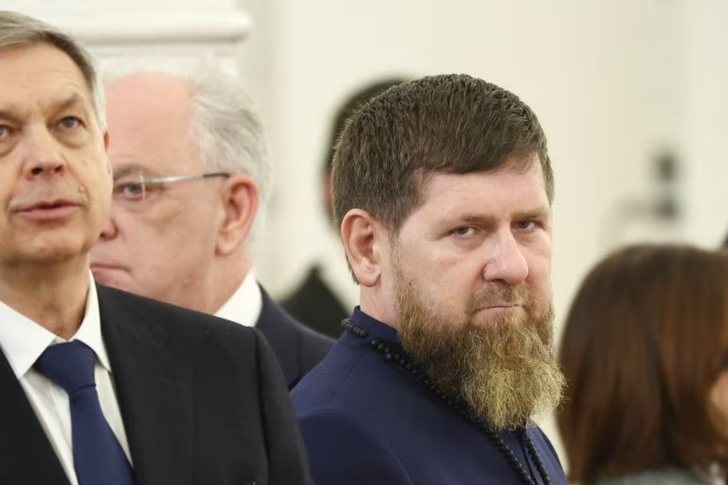
Changing leadership in Russia has never been an easy proce...
The fact that the important Gulf states, Saudi Arabia, Qat...
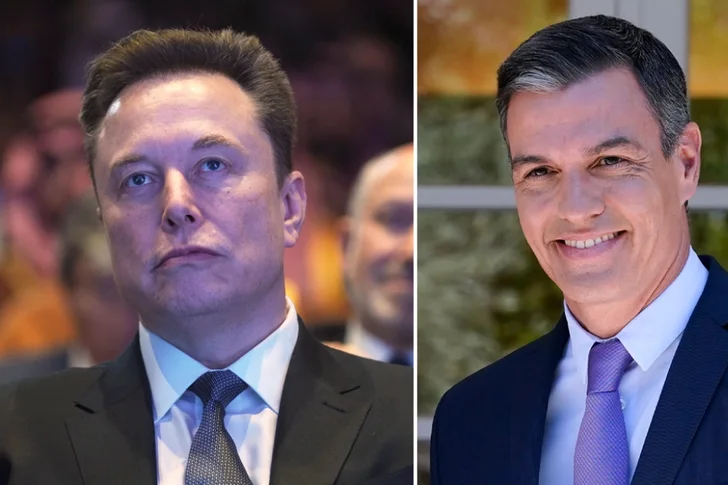
Elon Musk has sharply attacked Spanish Prime Minister Pedr...
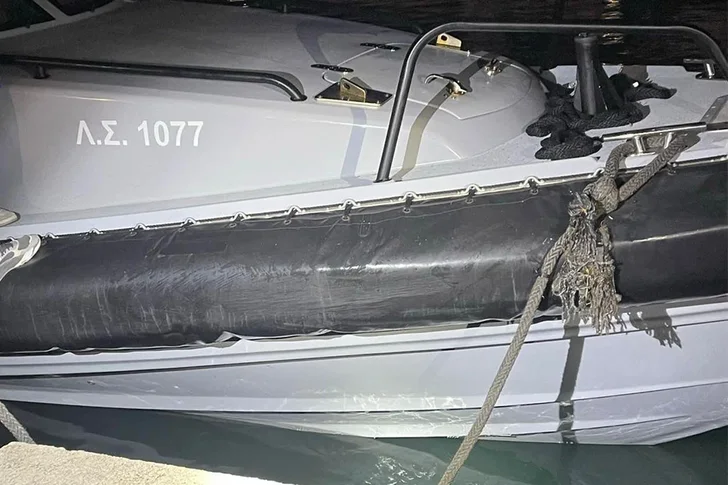
A tragedy has struck the Greek coast after a boat carrying...
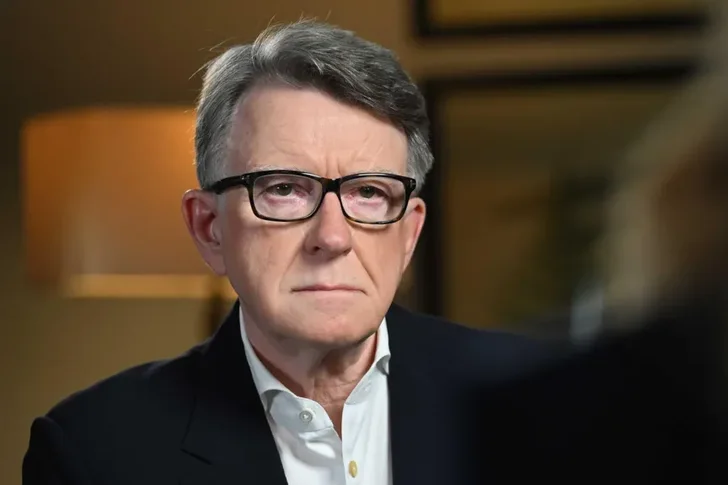
The Metropolitan Police have launched a criminal investiga...
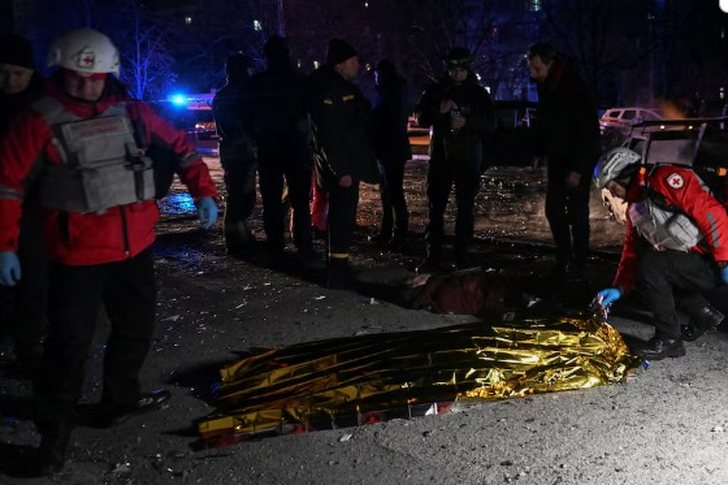
A Russian drone strike killed two people aged 18 and wound...
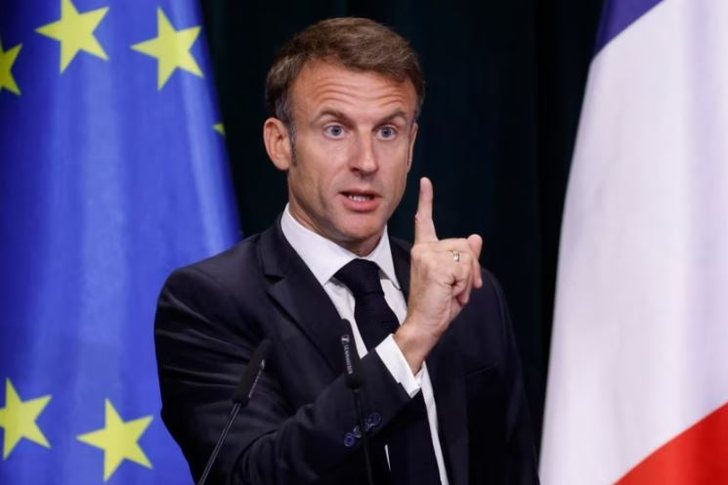
French President Emmanuel Macron said he was preparing to ...
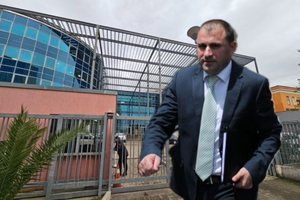
Dritan Prençi is the SPAK prosecutor who is sleeping on th...
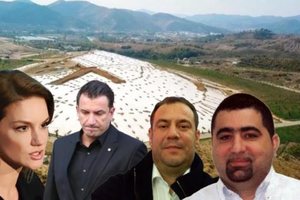
The in-depth investigations that SPAK conducted into Ajola...
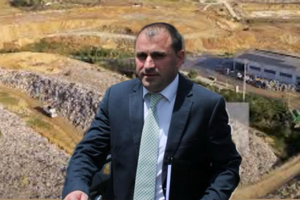
SPAK's standards, the way it investigates, how it secures ...

Irfan Hysenbelliu claims to be a big businessman, an hones...

The Special Board of Appeal (KPA) decided this Monday ...

The KPA vetting decided this Thursday to dismiss the p...

Suela Salavaçi, a prosecutor in the Prosecutor's Offic...

The Special Board of Appeal reinstated the prosecutor ...

A robbery attempt has been prevented by police in the Shko...

Korça Police have identified and declared citizen Gj.Ç wan...

In Korça, a 4-year-old child accidentally falls from the s...

A 33-year-old Albanian citizen was arrested in Italy after...

Today our country will be affected by unstable weather con...

On Thursday, our country will be affected by relatively un...

Albania is facing a deep demographic crisis where official...
This Wednesday, our country will be affected by relatively...

The global economy is expected to face its biggest slowdow...

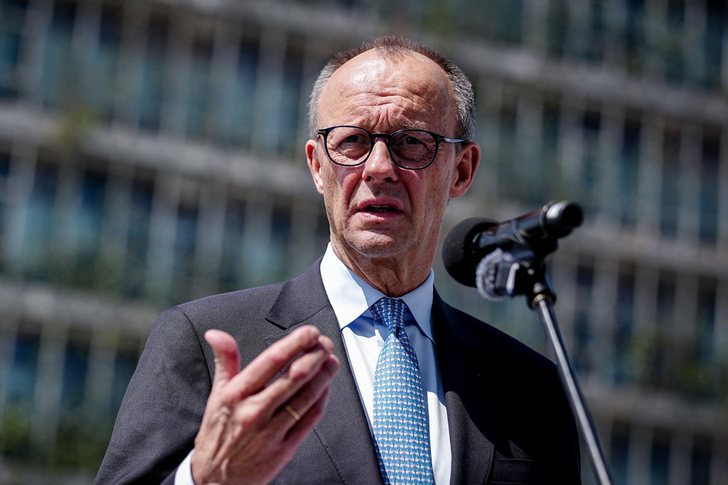
German Chancellor Friedrich Merz (CDU) defended his govern...

US President Donald Trump has made a post on Truth Social ...
US President Donald Trump announced today that he was canc...

At the Museum of Fine Arts in Chambéry, France, an exhibit...

Korça has transformed this weekend into the capital of cel...

Korça is ready to open the summer season with one of the c...

Two years after his passing, the renowned Korçë poet Skënd...

The labor market has shown worrying trends in early 2026. ...

The number of new retirees in the social security scheme i...

The average rent for apartments in Tirana for 2026 has rea...

This Friday, one US dollar is bought for 81.8 lek and sold...