


American rapper shot outside a casino
Famous American rapper Offset has been shot outside a casi...


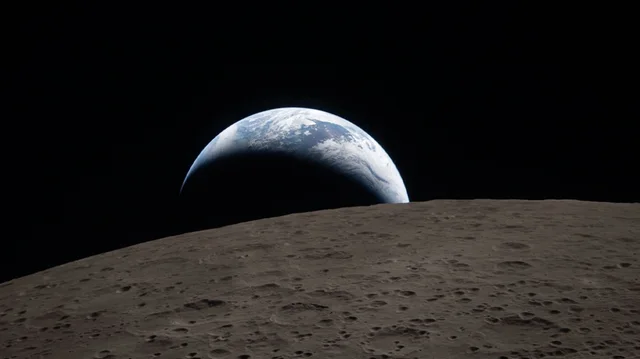
NASA has released stunning images from the Artemis II mission, revealing rare views of the far side of the Moon and offering a unique perspective of Earth from space.
One of the two images shows Earth behind the lunar horizon, as captured by Orion from the far side of the Moon. Released by the White House, this is the first image of our planet from this unique perspective.
The second photo shows the moment of an eclipse, where the Moon completely covers the Sun, "a sight that few people have ever seen in the history of mankind."
View this post on Instagram
The Artemis II mission, with a crew of Reed Wiseman, Victor Glover, Christina Koch and Jeremy Hansen, is the first manned flight beyond Earth orbit since the Apollo 17 mission in 1972.
The Orion spacecraft is in a "free return" orbit, using the Moon's gravity to return to Earth even without additional thrust. After launching aboard the Space Launch System rocket, the crew conducted a series of tests to evaluate Orion's capabilities, including a 70-minute manual navigation mission.
Also essential was the operation of the Deep Space Network, the global communications network that allows precise tracking of spacecraft beyond the range of GPS, via large antennas in the United States, Spain, and Australia.
During the mission, there were periods of no communication with Earth, particularly when the spacecraft was on the dark side of the Moon, hindering data transmission.
Record distance from Earth
The mission broke the record for the distance traveled by a human in space, surpassing the previous record set by Apollo 13 by more than 4,000 miles and reaching approximately 252,756 miles from Earth.
The astronauts captured images of the lunar surface, describing craters and geological formations that could help in planning future landing missions.
Reentry into the atmosphere is critical
The final phase of the mission involves re-entry into Earth's atmosphere, a particularly difficult process as the Orion capsule will reach speeds greater than 30 times the speed of sound, causing temperatures of more than 2,700 degrees Celsius on its exterior.
The behavior of the heat shield is a key subject of study, as damage was found on a previous unmanned mission. For this reason, NASA has adapted the re-entry procedure to collect critical data for future missions. /CNA

Famous American rapper Offset has been shot outside a casi...

US President Donald Trump has again threatened Iran in his...

Advisor to the Speaker of the Iranian Parliament, Mohammad...

A Ukrainian intelligence assessment, seen by Reuters, clai...

A French high-speed train crashed into a truck at a crossi...

Gunfire broke out today near the Israeli consulate in Ista...

Lufta e SHBA-së dhe e Izraelit kundër Iranit po e tkurr ek...
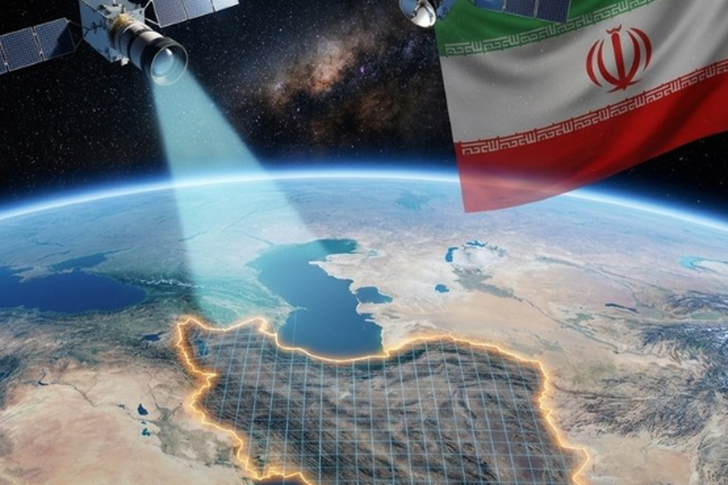
Russian satellites have conducted dozens of detailed imagi...

Part of Jakarta's Soekarno-Hatta International Airport col...

The UN Security Council is expected to vote on a resolutio...

The Israeli military has issued an unusual urgent warning ...

US Vice President JD Vance flew to Hungary on Monday eveni...

Iran's Supreme Leader, Mojtaba Khamenei, is unconscious an...

Kiev has sent Moscow, through American mediators, a propos...
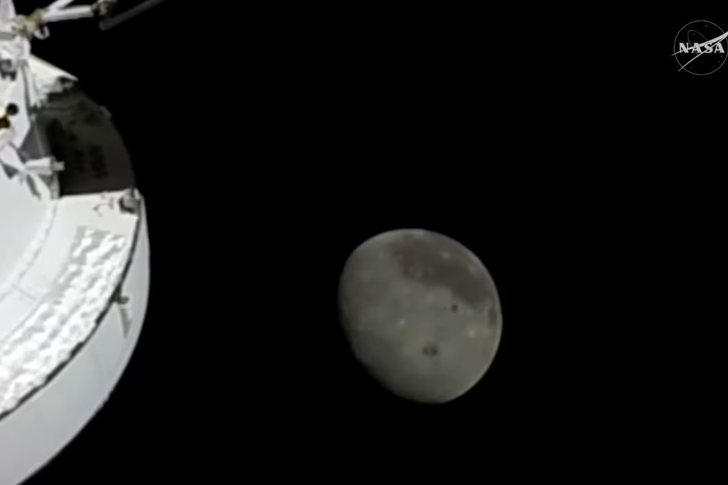
Four astronauts from NASA's Artemis II mission have reache...
The United Nations has warned the United States that an at...

At a White House press conference, President Donald Trump ...

Presidenti i Shteteve të Bashkuara të Amerikës, Donald Tru...
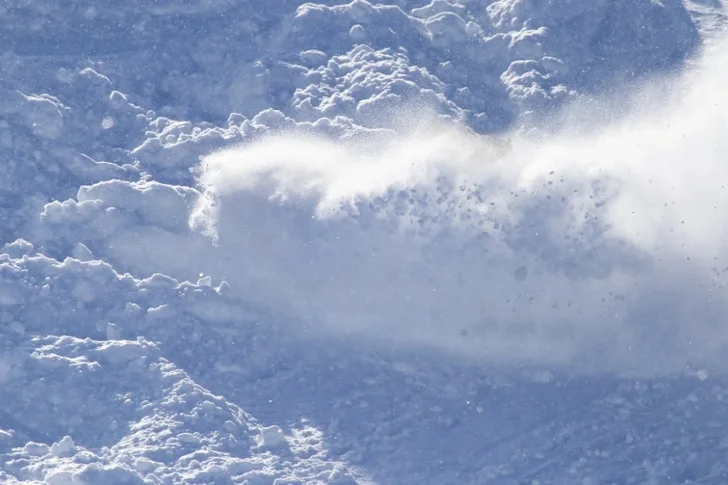
Two skiers have died and two others were injured in an ava...

Iran has rejected the latest proposal for a 45-day ceasefi...
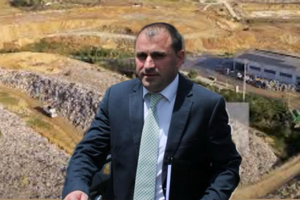
SPAK's standards, the way it investigates, how it secures ...

Irfan Hysenbelliu claims to be a big businessman, an hones...

The murder of officer Enea Mekolli in the line of duty has...

The next case broadcast on the show "Stop", this Thursday,...

The Special Board of Appeal (KPA) decided this Monday ...

The KPA vetting decided this Thursday to dismiss the p...

Suela Salavaçi, a prosecutor in the Prosecutor's Offic...

The Special Board of Appeal reinstated the prosecutor ...

The Border Police blocked the vessel and fined the driver ...
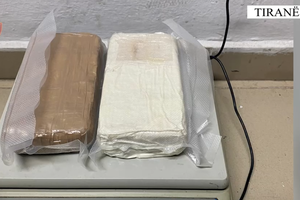
A police operation codenamed "Zonet" has ended with the se...

A 37-year-old citizen has been arrested in flagrante delic...

A road accident has been reported on the Fier-Levan axis, ...

More than 860 million people fall ill and 1.5 million die ...
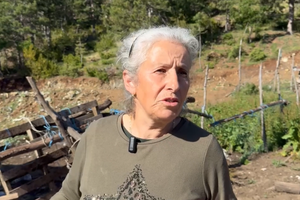
The mother of Violand Braçellari, the perpetrator of the s...

The modern European traveler seeks a meaningful connection...
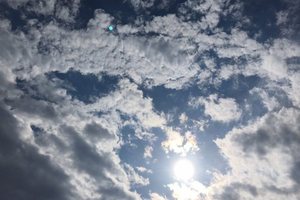
This Sunday, weather conditions are forecast to be clear a...

The Central Election Commission of Kosovo has updated the ...

The British Ambassador to Kosovo, Jonathan Hargreaves, spo...

Qytetarët e Kosovës votojnë sot për zgjedhjet e parakohshm...

Komisioni Qendror i Zgjedhjeve në Kosovë ka publikuar rezu...

Korça has transformed this weekend into the capital of cel...

Korça is ready to open the summer season with one of the c...

Two years after his passing, the renowned Korçë poet Skënd...

The Ethnographic Museum of Berat has opened its doors to v...

The automotive industry in Albania is currently at a turni...

If you were to follow the industrial map of the Western Ba...

The Transparency Board, in today's meeting, decided to red...

This Saturday, one US dollar is bought for 81.4 lek and so...