

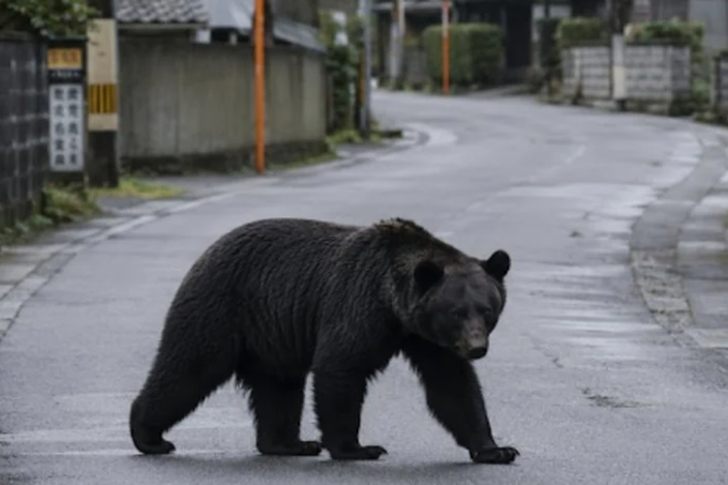
Bear appears in residential areas/ Japanese city takes measures, closes 94 schools
The city of Utsunomiya, about 100 kilometers north of Toky...


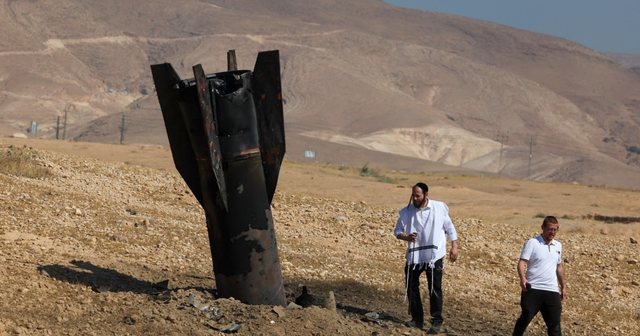
Iran's military's central command announced a halt to airstrikes against Israel, stating that it had given "a painful response" to Israel over Israeli attacks on Beirut's Dahijeh district - but warned that any continuation of Israeli aggression would produce "even more intense and devastating" retaliation.
The June 8 announcement came shortly after US President Donald Trump wrote on Truth Social that "both sides, Israel and Iran, are aiming to reach an immediate ceasefire," adding that final negotiations for a US-Iran peace deal are continuing and that the US blockade of Iranian ports will remain in place until a final agreement is reached.
In its statement, the Khatam Al-Anbiya Central Headquarters did not itself declare a ceasefire, but rather an operation ended, with certain conditions. It presented the cessation of fighting not as a reduction in tensions, but as a message sent, in an attempt to maintain the image of strength, while aiming to de-escalate the escalation signaled by Washington.
This is exactly the operation that analysts had been describing even as the attacks were being carried out. Iran had put a specific threat on the table: if Dahijehi, where Iran’s Lebanese ally is based, was attacked, then Iran would strike northern Israel. When Israel struck the suburbs of Beirut, Tehran had little choice but to turn the threat into action, or lose the credibility of any future threats it makes.
"This action was largely about maintaining the credibility of a threat that Iran had made public earlier," Mohammad Ghaedi, a lecturer at George Washington University, told Radio Free Europe/Radio Liberty's Farda. "The responses are limited, and neither side wants this to lead to a full-scale war."
Mehrdad Khansari, a London-based analyst and former Iranian diplomat, sees the situation similarly.
Tehran's calculation, he said, rests on a certain reading of Washington's constraints - that the United States, facing the UN General Assembly, the closure of the Strait of Hormuz, and a shaken global economy - would pressure Israel to limit its response.
"Iran is demonstrating its capacity," Khansari said. "The message is: I am standing firm, I am protecting my allies, and I will not allow you to exploit what you perceive as weakness."
The statement issued by Iran follows this logic.
It is designed to look like restraint, while simultaneously raising the stated ceiling for the next round – the phrase “much more intense and devastating than before” ensures that today’s withdrawal is not read as a surrender.
What Iran has achieved, if this lull in fighting holds, is a return to the status quo ante, with its deterrence posture nominally maintained. It has fulfilled a public pledge, weathered any Israeli backlash that might come, and withdrawn before the escalation became something neither side could control.
The question now is whether Israel will accept the same way out.
Trump's post on Truth Social suggested that both sides were moving toward an immediate ceasefire, but Israeli officials have, during this conflict, at times acted independently of Washington's demands.
In an interview with the Financial Times, Trump said on June 7 that Israeli Prime Minister Benjamin Netanyahu "will have no other choice" but to accept any deal the United States reaches with Iran.
"I make the decisions. I make all the decisions. He doesn't make the decisions," Trump said, despite Israel carrying out strikes on Iran in the early hours of June 8./REL

The city of Utsunomiya, about 100 kilometers north of Toky...
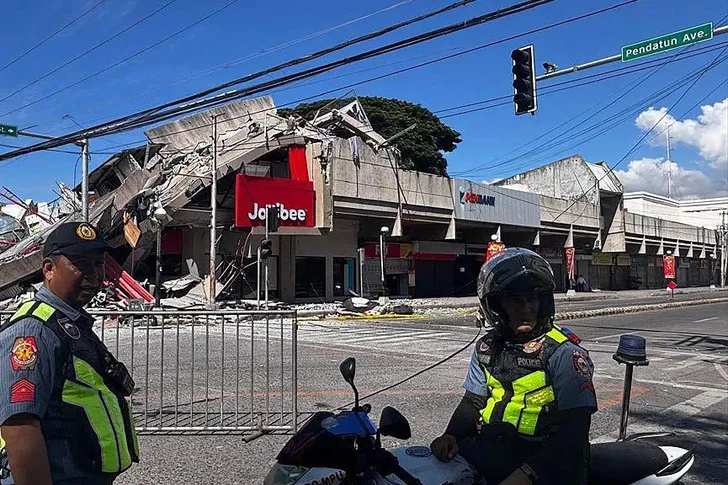
At least 32 people have died after a 7.8-magnitude earthqu...
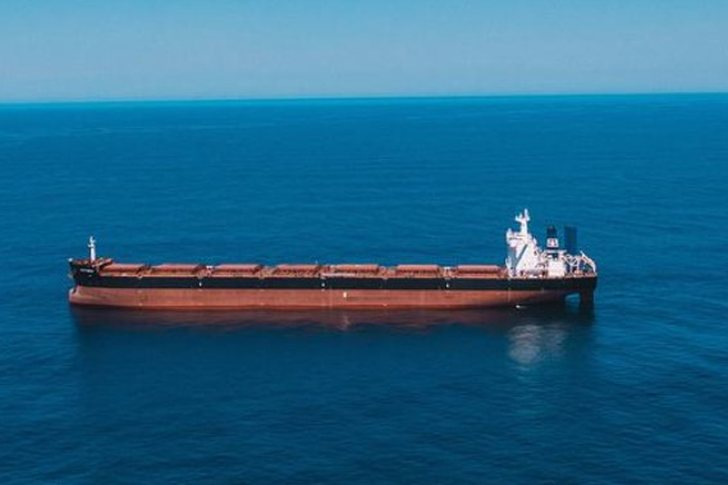
The European Union's (EU) foreign policy chief says member...
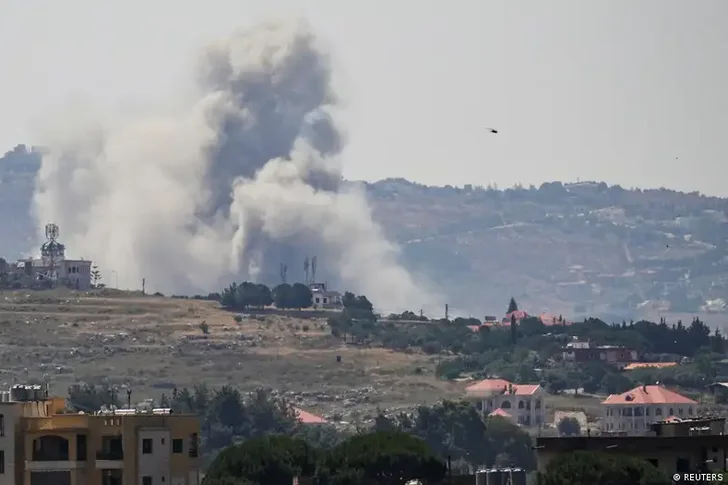
Lebanese Prime Minister Nawaf Salam has claimed that Israe...
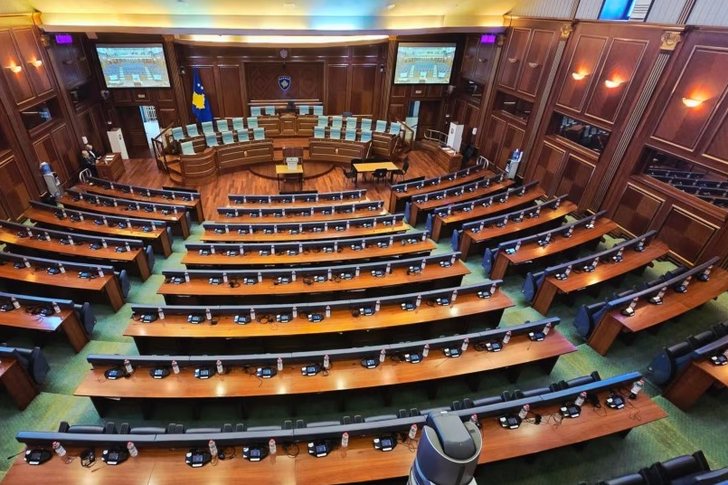
The leader of the Serbian List, Zlatan Elek, accused the l...

Australia in December became the first country in the worl...
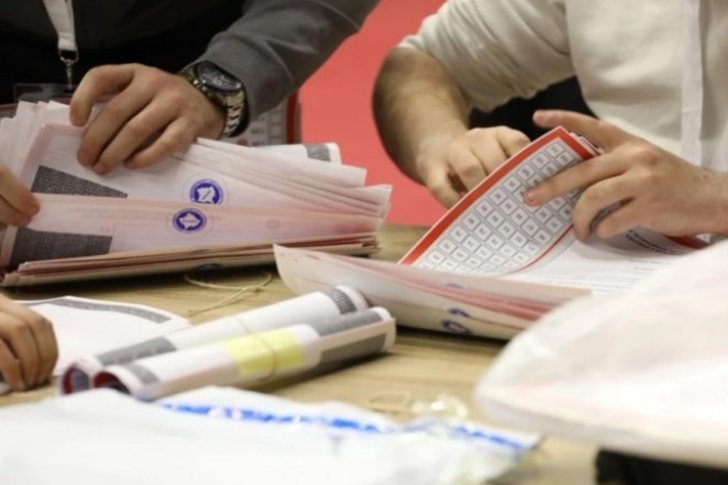
The vote counting for political entities in Kosovo has bee...
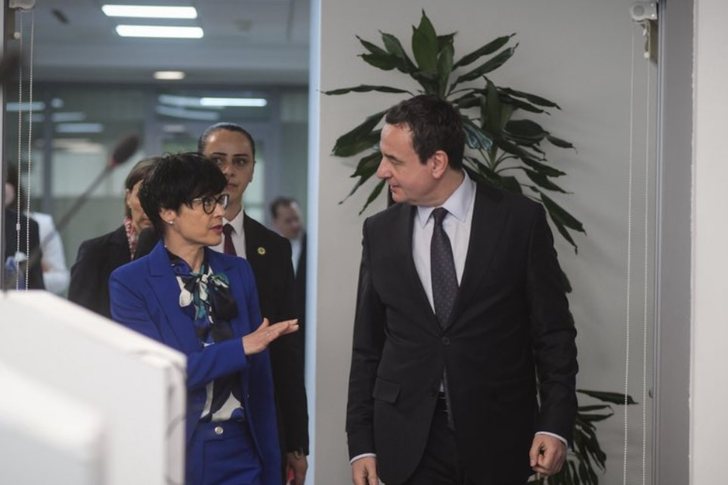
The European Union Commissioner for Enlargement, Marta Kos...
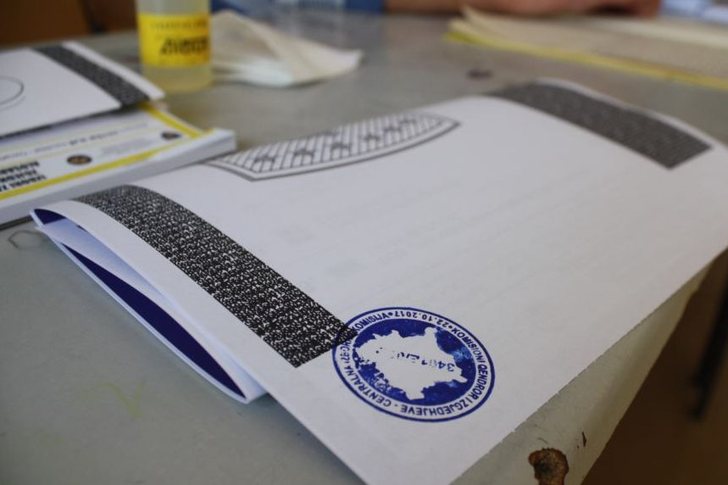
The counting of votes for political entities in Kosovo has...

Oil prices rose on Monday, with Brent crude rising 4.5% to...

Six people were injured in a stabbing attack at New York's...
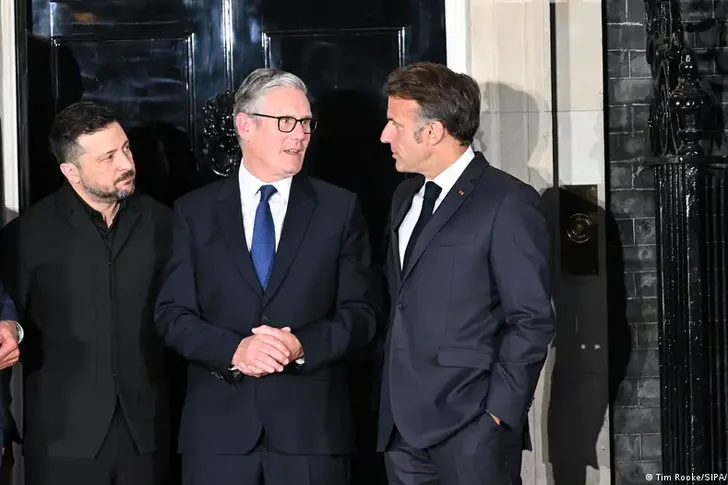
As Russia's full-scale invasion of Ukraine enters its fift...
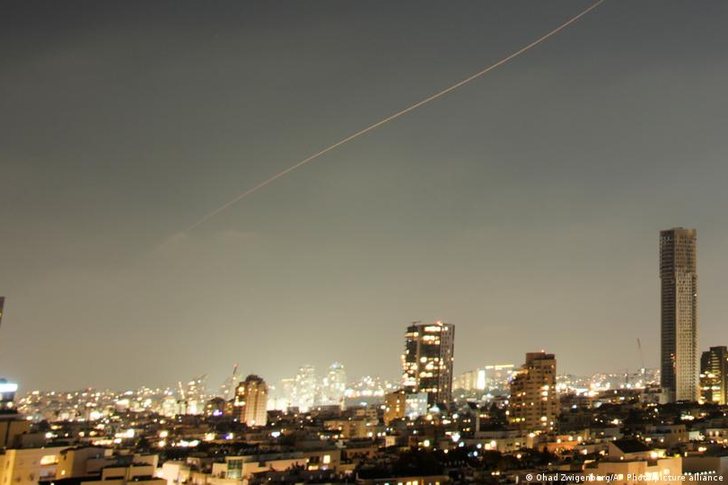
Iran and Israel have exchanged attacks, resuming fighting ...

As inflation rises across Europe following the recent conf...
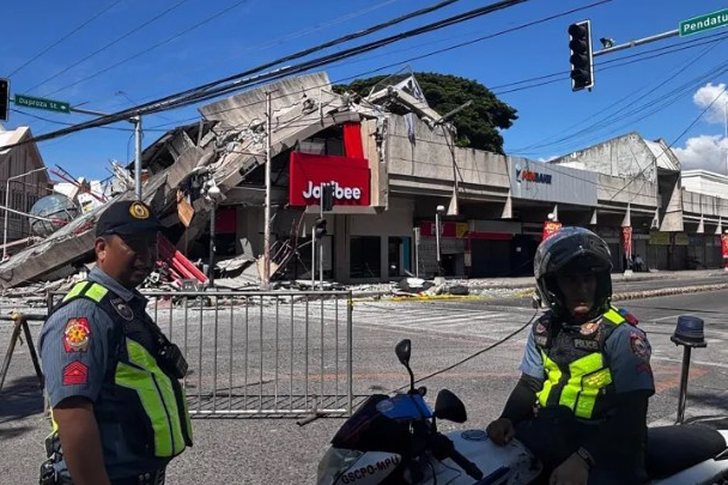
A 7.8-magnitude earthquake struck the Mindanao region in t...

With their vote, the citizens of Kosovo sent a message to ...
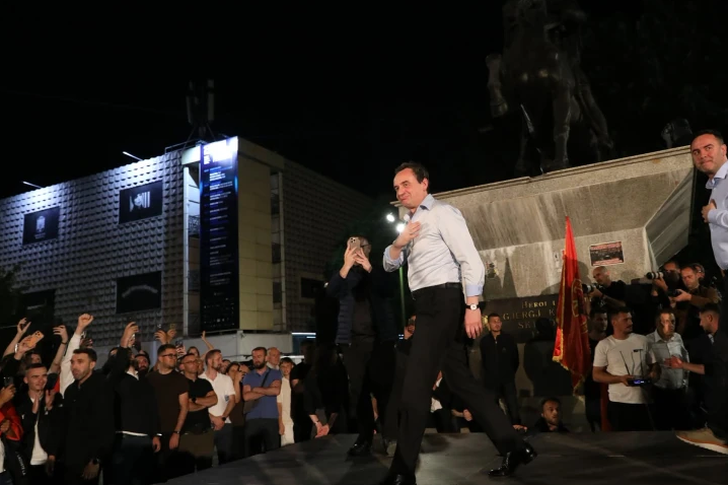
The leader of the Vetëvendosje Movement, Albin Kurti, appe...
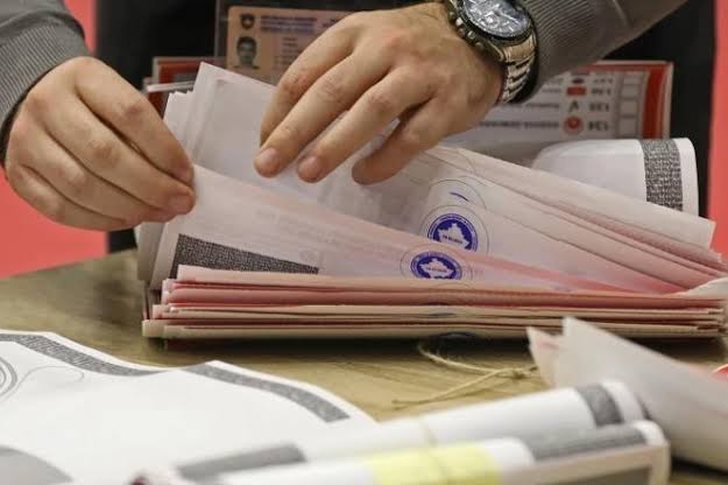
The vote counting for political entities in Kosovo is almo...

Former President Vjosa Osmani, who was the leader of the D...
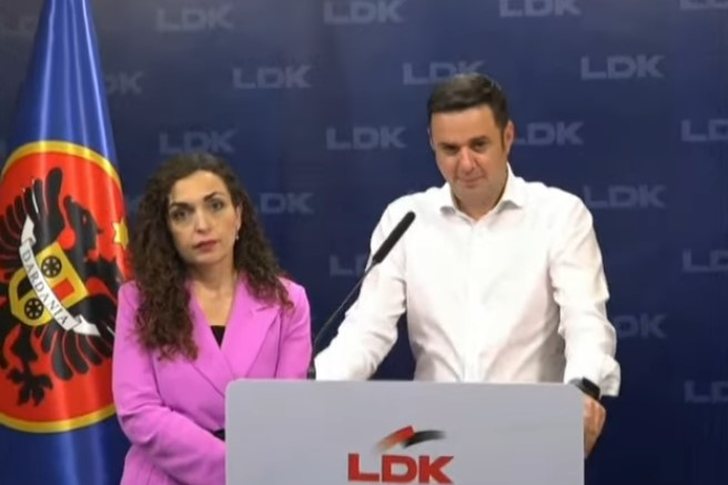
LDK leader Lumir Abdixhiku and former president Vjosa Osma...
The in-depth investigations that SPAK conducted into Ajola...
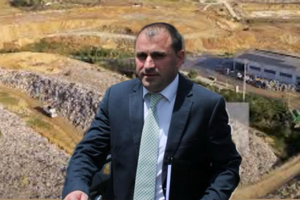
SPAK's standards, the way it investigates, how it secures ...

Irfan Hysenbelliu claims to be a big businessman, an hones...

The murder of officer Enea Mekolli in the line of duty has...

The Special Board of Appeal (KPA) decided this Monday ...

The KPA vetting decided this Thursday to dismiss the p...

Suela Salavaçi, a prosecutor in the Prosecutor's Offic...

The Special Board of Appeal reinstated the prosecutor ...
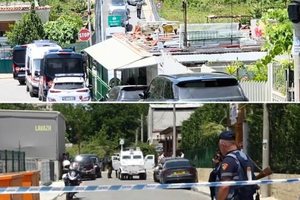
Other details have been revealed from the crime that occur...

Policia e Tiranës ka ndarë pak minuta më parë një thirrje ...

A violent conflict occurred between two people in Velipoja...
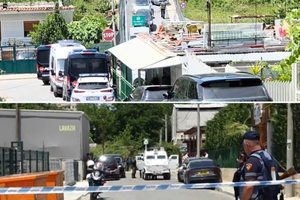
The police have reacted to the murder of citizen AB in Kam...

On Monday, our country will be affected by relatively stab...

More than 860 million people fall ill and 1.5 million die ...
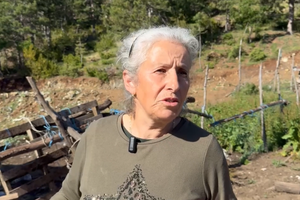
The mother of Violand Braçellari, the perpetrator of the s...

The modern European traveler seeks a meaningful connection...
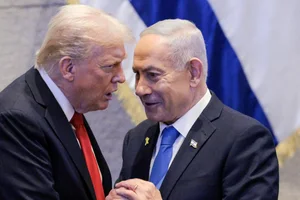
US President Donald Trump held a telephone conversation wi...

The spokesperson for the CEC of Kosovo, Valmir Elezi, has ...
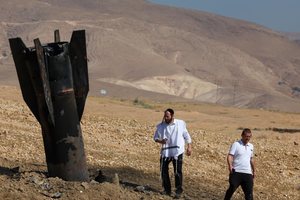
Iran's military's central command announced a halt to airs...
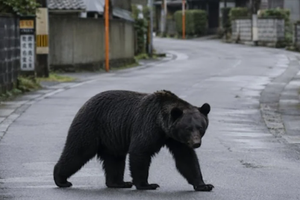
The city of Utsunomiya, about 100 kilometers north of Toky...

Korça has transformed this weekend into the capital of cel...

Korça is ready to open the summer season with one of the c...
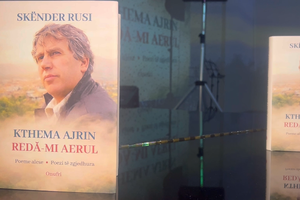
Two years after his passing, the renowned Korçë poet Skënd...

The Ethnographic Museum of Berat has opened its doors to v...
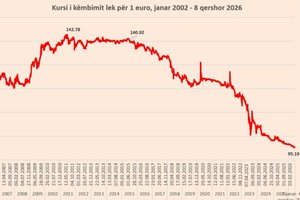
Kursi i këmbimit mes euros dhe lekut e ka nisur javën në r...

The construction sector is going through a challenging per...
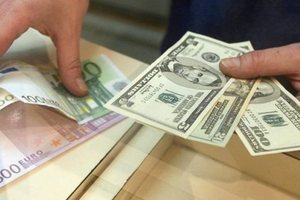
This Monday, one US dollar is bought for 81.8 lek and sold...

The tourist apartment market is continuing to expand at a ...