

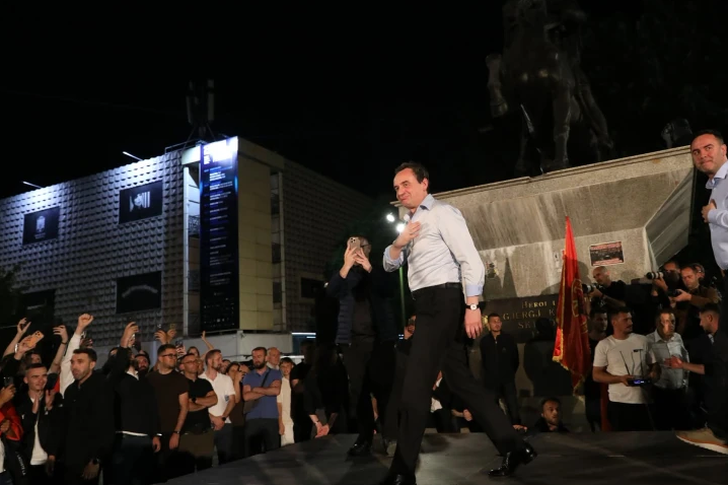
"LVV scored its fifth victory in seven years"/ Kurti: We will cooperate with all parties
The leader of the Vetëvendosje Movement, Albin Kurti, appe...


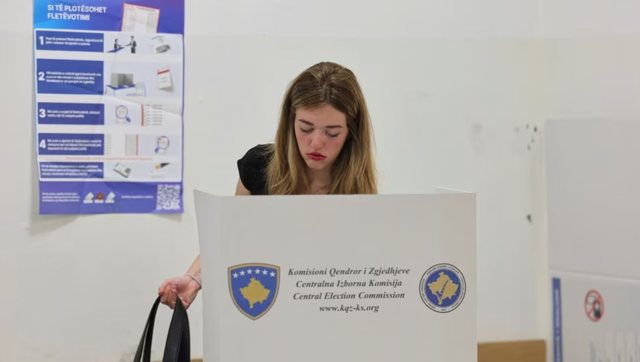
With their vote, the citizens of Kosovo sent a message to all political parties that they want more efficient governance and compromise between the parties, observers of political developments assess.
In the June 7 elections, according to preliminary results, the Vetëvendosje Movement (LVV) came first, but fell from the 51.1 percent it had won in December to around 43 percent.
Other Albanian entities recorded increases: the Democratic Party of Kosovo (PDK) won 21.1 percent, the Democratic League of Kosovo (LDK) 17.6, while the Alliance for the Future of Kosovo (AAK) – which has recently decided to be known simply as the Alliance – received 7.2 percent.
In the December elections, based on the final results, PDK won 20.1 percent of the votes, LDK 13.24, and the Alliance 5.50 percent.
Referring to the results of June 7, political expert Ilir Deda believes that the voter is seeking a compromise between political parties, as he had sought, according to him, in February 2025 – when there was no absolute winner of the elections, but the LVV was first with 42.3 percent – ??and "is seeking a coalition government and an efficient government, which will start to deliver results."
Deda tells Radio Free Europe that, with their vote, citizens told political parties to focus on several areas, which according to him are "the difficult economic situation, citizens' dissatisfaction with the fields of education and healthcare, and uncertainty about the future of Kosovo's governance."
"From these results, citizens believe that coalition governments can be more effective for the overall political and socio-political situation than the governance of a single party, in this case the LVV ," says Deda.
Since 2025, Kosovo has faced political instability, initially after the failure to form a government after the February elections, and then due to the failure to elect a president after the December elections, which triggered new votes.
The common denominator of the political crisis is widely considered to be the lack of consensus among political parties for an agreement.
For Abit Hoxha, lecturer and researcher at Agder University in Norway, with their vote, first and foremost, on Sunday citizens conveyed the message that "they do not feel represented by any political party."
This message, according to him, is not only for the leader of the LVV, Albin Kurti, but is "especially" for him.
"The second message is that citizens really want to see choices, but also solutions to problems. Kosovo is tired of the media agenda, which always talks about the impossibility of reaching an agreement... Kosovo has never been more politically divided, and I think this is the main message," Hoxha tells Radio Free Europe.
Another characteristic of the June 7th votes, besides the change in party percentages, was the lower turnout: from 44.99 percent on December 28th, it fell to 36.88 percent.
For Deda, the lower turnout has affected the votes of the three political parties, and this, he believes, is a message that they must reform, in their own way.
"Regarding the overall result and percentages, Mr. Kurti did not repeat the 51 percent result, and his policy was not rewarded. His policy was the cause of the next crisis and the June 7 elections, which are turning out to be unnecessary," Deda tells Radio Free Europe.
Hoxha believes that the lower turnout in the election, compared to previous elections, is related to what he calls citizens' fatigue from the campaigns, where, according to him, the parties have mostly shown their resentment towards each other rather than political plans.
But, he does not see the result as a punishment of LVV by voters, because he believes that people still believe in Kurti's party, and that LVV still has the core of its electorate.
"I don't think it's a punishment, because if it were a punishment, PDK, LDK, and AAK would have grown. They would have grown much more, they have grown very little," Hoxha told Radio Free Europe.
Deda considers that the Alliance and PDK have more reasons to be satisfied with the election result, as they have recorded an increase in percentage, while the LDK, which this time had former president Vjosa Osmani as the list bearer, returned to the result of February 2025.
"It remains to be seen what this means for the LDK. But I don't believe it is a great success, because it repeats the result of February 2025, in combination with President Osmani," he says.
However, both observers agree that Kosovo needs a broader governing coalition.
Hoxha says he is optimistic in this regard, evaluating the result as a "slap that should sober up" LVV in terms of its repositioning on the political scene.
"The LVV would have to form a government with any other political party, because Kosovo faces great challenges, and because these are the rules that were set by the founders of Kosovo's constitutionalism," he says when asked whether the LVV would be able to form an executive.
"When Kosovo was established, it was established as a civil state, as a state of political compromise and not as a state where one winner takes all the positions, but as a state that has a broader governing coalition due to both internal and external challenges," he adds.
Deda, on the other hand, estimates that Kurti will not be able to govern alone, as in previous mandates - when he had formed an executive on his own, and also relied on the votes of non-majority non-Serb parties - but will have to form a coalition with Albanian parties.
This, according to him, should be "the strong message that the leader of this party receives from his voters."
"For the election of the president, at least three Albanian political parties will need to agree, while for the government there must be at least two Albanian political parties. What is clear is that the majority of the Albanian vote has gone to the parties of the former opposition. This does not mean that we will have a government by the opposition parties, but it is a message that citizens are dissatisfied, in general, with the direction that Kosovo has taken, with the way it is led by the LVV, and that they want change," says Deda.
Speaking about possible coalitions, Hoxha believes that LDK is LVV's most "natural" partner for a governing coalition.
This party had collaborated with LVV in the first government led by Kurti in 2019, but it collapsed after about 50 days, after LDK withdrew from the coalition - paving the way for LVV to receive 50 percent of the vote for the first time in the next elections.
"The reason I say this is that this is how the LDK as an organization behaved until the last moments," says Hoxha, assessing that the party led by Lumir Abdixhiku had more red lines "with the PDK than with the LVV during the campaign and in recent years."
"Not including LDK in the coalition would be a big failure for LDK. Therefore, as number one, I see LDK as the natural partner of LVV. But, also, this misfortune is that if LDK forms a coalition with LVV, it is also a kind of death of LDK. LVV will swallow LDK, because LVV's nature is like that," says Hoxha.
But, he adds that Abdixhiku knows that a collaboration with LVV is a "double-edged sword", as it would damage the party, but on the contrary, in case of refusal, it would present the LDK as uncooperative.
LVV, during negotiations in an attempt to find a consensus on the presidential issue, had offered LDK a governing partnership, but it was rejected. Kurti had also made an offer of co-government to Abdixhiku after the February elections last year.
PDK, meanwhile, according to Hoxha, would only enter the governing coalition if it were to take a high position, such as that of prime minister, but according to him, this is not expected to happen, as "it is not in the best interest of LVV."
Deda demands that Albanian political parties immediately commit to avoiding new elections and stopping the institutional crisis by finding a president and forming an executive with a four-year mandate.
Regarding the issue of the president, he says that LVV, PDK, LDK, and AAK should sit down and agree on a consensual figure.
According to the Constitution, a simple majority of 61 votes in the 120-seat Assembly is required to elect the Government.
But, for the issue of the president, at least 80 votes – or two-thirds of the deputies – are required in the first two rounds, and the new president could be elected with 61 votes in the third round.
Kosovo failed to elect a successor to Vjosa Osmani, who completed her five-year presidential term in April, due to a lack of consensus among parties.
Hoxha is not very optimistic that the parties will manage to agree on the president, emphasizing that the inability to elect a president is not due to a lack of numbers, but has to do with what he calls political culture.
He believes that the country has figures worthy of a president, but "there is no readiness" for political compromise and internal dialogue. The June 7 elections were the third parliamentary elections that Kosovo held in 16 months. In all three elections, the winner was the LVV. /REL

The leader of the Vetëvendosje Movement, Albin Kurti, appe...
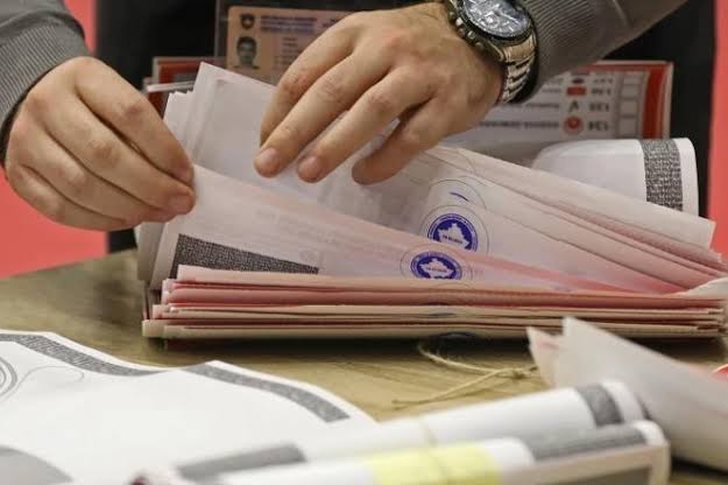
The vote counting for political entities in Kosovo is almo...
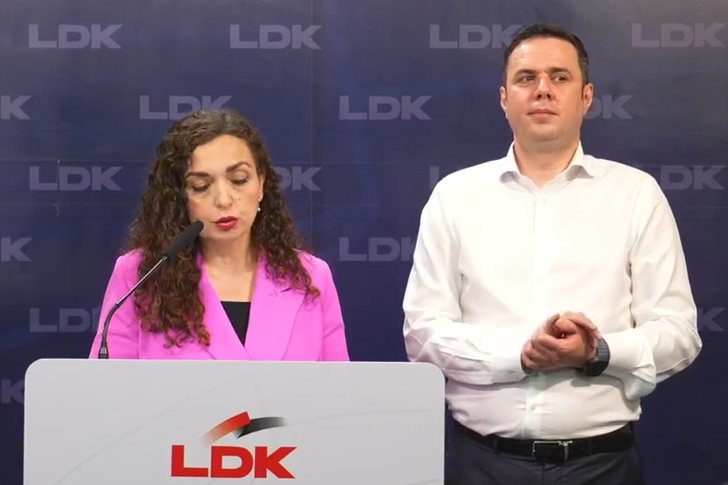
Former President Vjosa Osmani, who was the leader of the D...
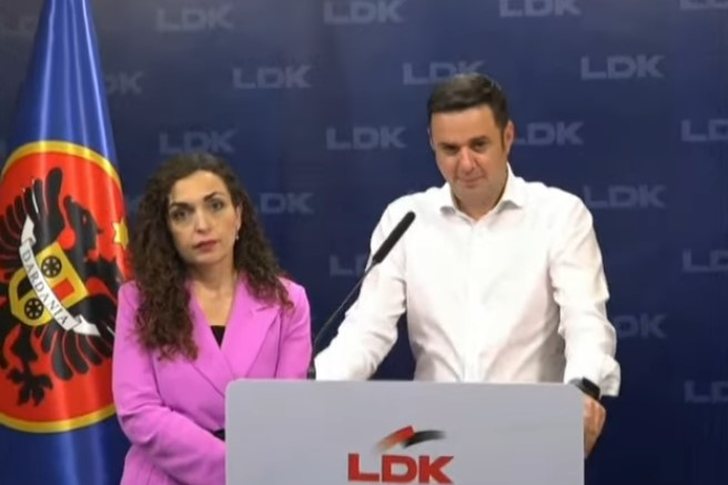
LDK leader Lumir Abdixhiku and former president Vjosa Osma...
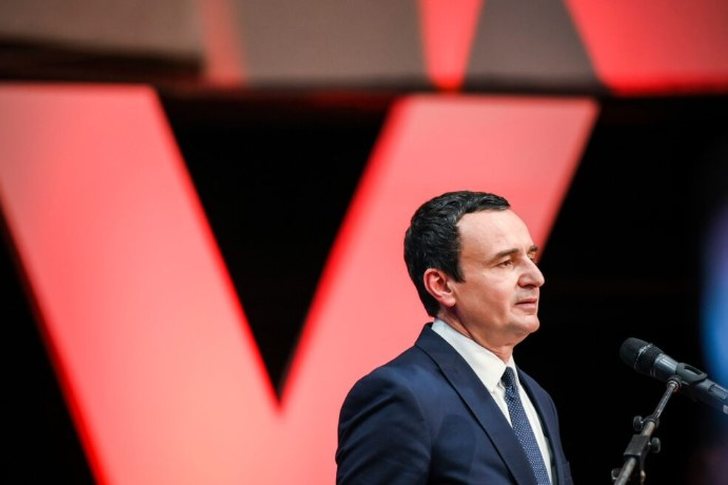
The Vetëvendosje movement has declared victory in the snap...
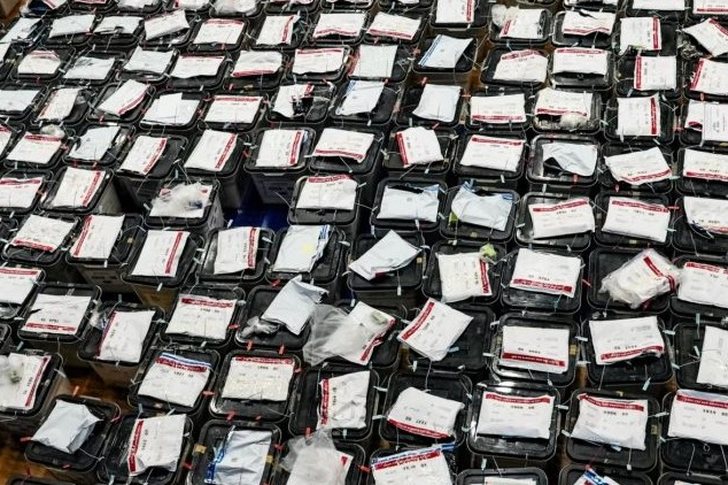
The counting of votes for political entities in Kosovo is ...
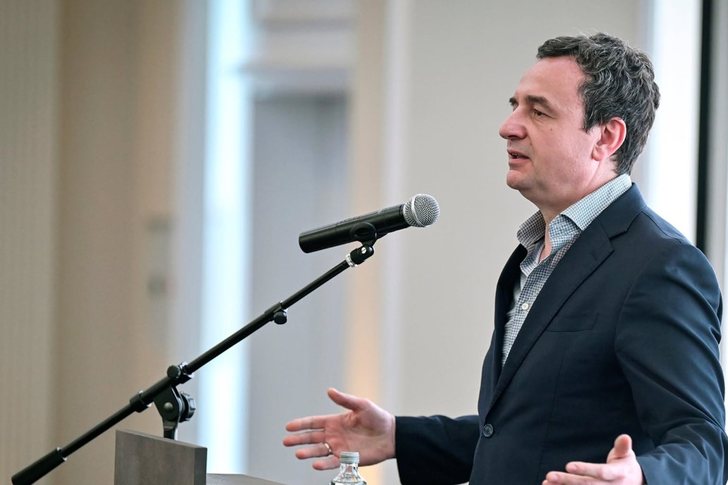
Kosovo's acting Prime Minister, Albin Kurti, has reacted a...
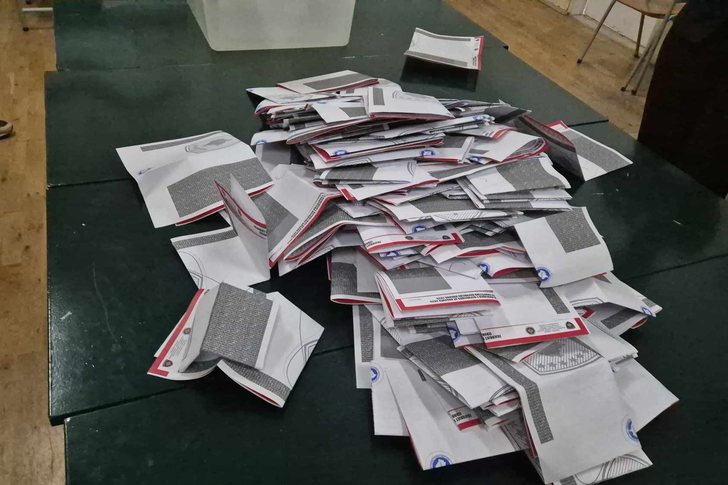
The counting of votes for political entities in Kosovo has...
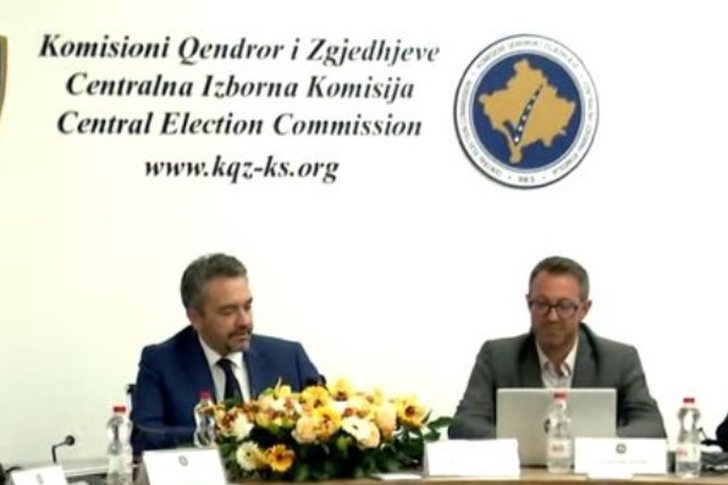
The Chairman of the Central Election Commission, Kreshnik ...
The voting process for the early elections in Kosovo has c...
The Central Election Commission of Kosovo has updated the ...
The British Ambassador to Kosovo, Jonathan Hargreaves, spo...
Qytetarët e Kosovës votojnë sot për zgjedhjet e parakohshm...
Komisioni Qendror i Zgjedhjeve në Kosovë ka publikuar rezu...
Megjithëse politika e shtetësisë është kompetencë e Serbis...
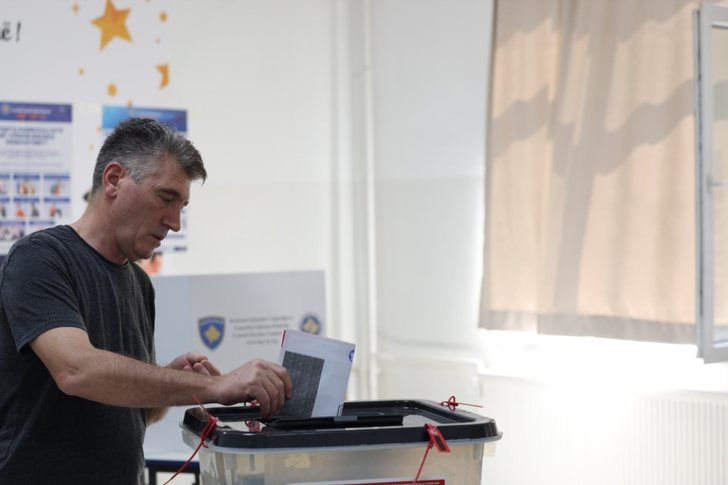
Kosovo citizens are voting in new snap parliamentary elect...
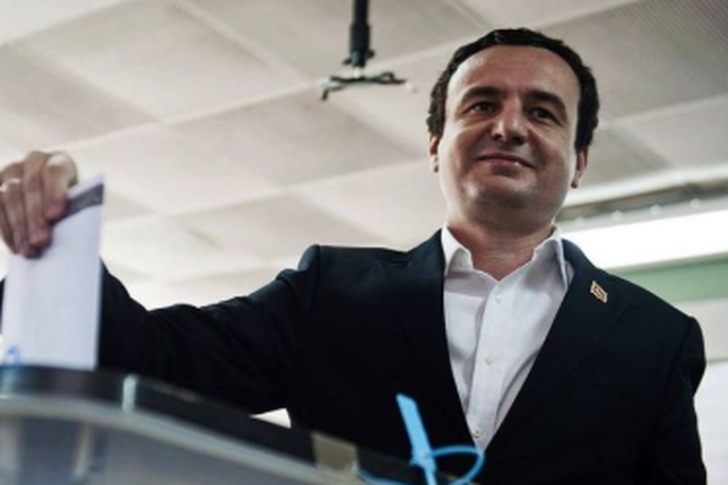
Kryeministri në detyrë i Kosovës, Albin Kurti, votoi sot n...
Presidenti rus Vladimir Putin është në pushtet prej 26 vit...

Gunfire erupted in Ohio, USA, in the area where the Old We...
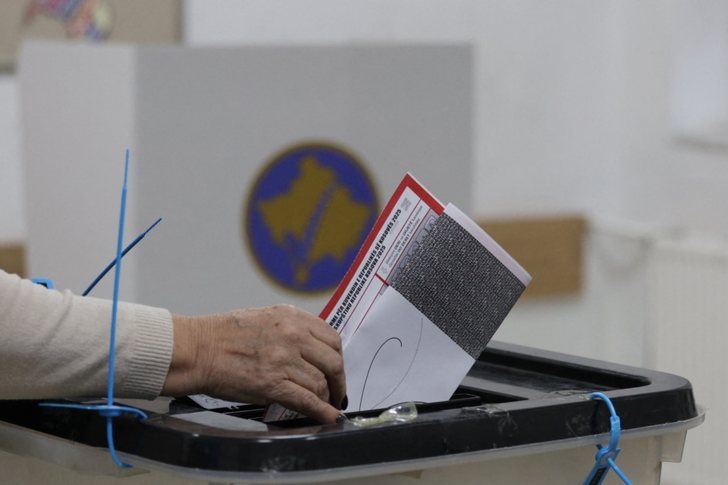
The citizens of Kosovo will today try to give direction to...
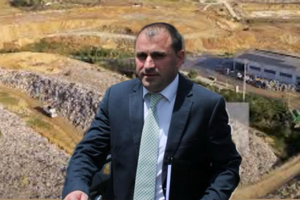
SPAK's standards, the way it investigates, how it secures ...
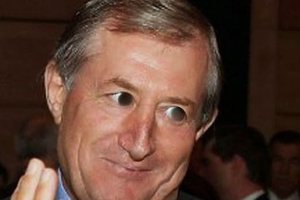
Irfan Hysenbelliu claims to be a big businessman, an hones...
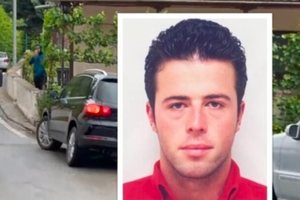
The murder of officer Enea Mekolli in the line of duty has...
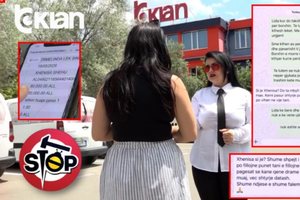
The next case broadcast on the show "Stop", this Thursday,...

The Special Board of Appeal (KPA) decided this Monday ...

The KPA vetting decided this Thursday to dismiss the p...

Suela Salavaçi, a prosecutor in the Prosecutor's Offic...

The Special Board of Appeal reinstated the prosecutor ...
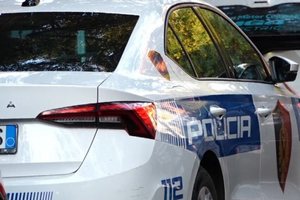
Another gunshot wound occurred at the scene. According to...

A gunshot wound occurred this afternoon in Shijak. Accordi...
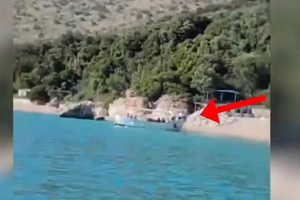
The Border Police blocked the vessel and fined the driver ...
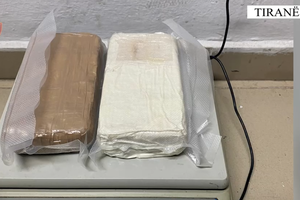
A police operation codenamed "Zonet" has ended with the se...
On Monday, our country will be affected by relatively stab...

More than 860 million people fall ill and 1.5 million die ...
The mother of Violand Braçellari, the perpetrator of the s...

The modern European traveler seeks a meaningful connection...
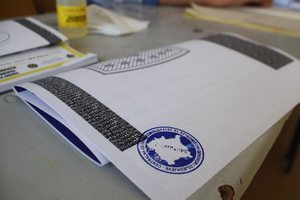
The counting of votes for political entities in Kosovo has...

Oil prices rose on Monday, with Brent crude rising 4.5% to...

Six people were injured in a stabbing attack at New York's...

As Russia's full-scale invasion of Ukraine enters its fift...

Korça has transformed this weekend into the capital of cel...
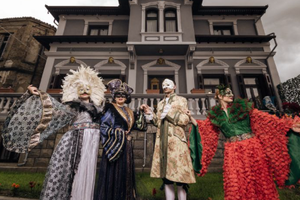
Korça is ready to open the summer season with one of the c...
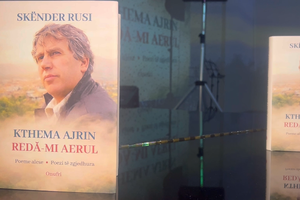
Two years after his passing, the renowned Korçë poet Skënd...
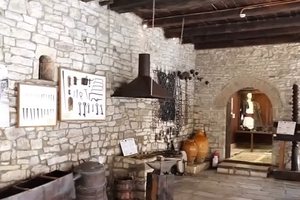
The Ethnographic Museum of Berat has opened its doors to v...
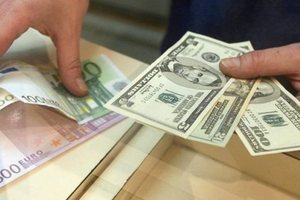
This Monday, one US dollar is bought for 81.8 lek and sold...

The tourist apartment market is continuing to expand at a ...
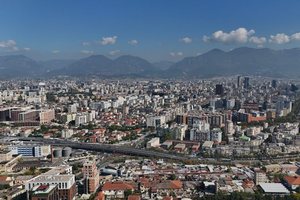
The number of properties sold by entities monitored by the...
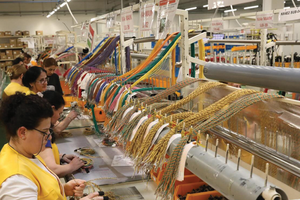
The automotive industry in Albania is currently at a turni...