


Singing alongside Orban/Argentine President "steals attention" at Peace Board meeting
A moment from the inaugural meeting of the Peace Board in ...


After the US-Iran nuclear talks ended in Geneva with strong American pressure on Tehran to limit its nuclear activity, leading experts in Washington say that the crisis is now at a turning point, and that the chances of peace or war are "50-50".
The talks ended on February 18th without any decisive progress.
The White House said the parties remain “far apart,” despite what it described as limited progress. Press Secretary Caroline Leavitt told reporters that Iran is expected to come back with more details “in the coming weeks.”
Before the Geneva meeting, Tehran held military exercises, launching missiles towards the Strait of Hormuz, which is one of the world's most vital oil transport corridors.
It continued on February 19 with joint naval exercises with Russia.
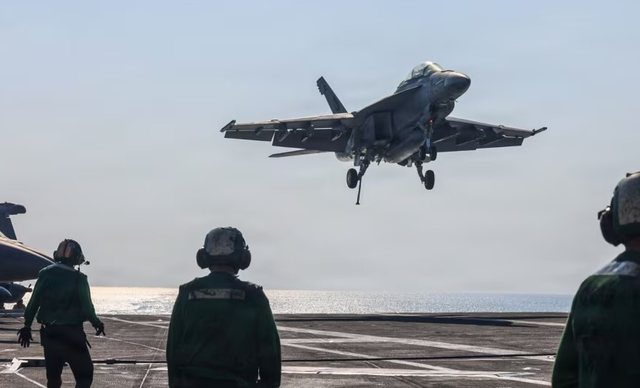
The Pentagon has amassed large military forces in the region.
The aircraft carrier USS Abraham Lincoln, equipped with F/A-18 and F-35 fighter jets, is operating in the surrounding waters. Missile launchers, including the USS Mitscher and the USS Michael Murphy, are deployed in the Persian Gulf.
Tehran continues to defy pressure over its nuclear program and uranium enrichment, insisting that it is entirely for civilian purposes and denying any attempt to build nuclear weapons.
Iran is not believed to have an active nuclear weapons program, although it has a history of atomic weapons research activities.
Experts: The odds are equal
Speaking at the Center for Strategic and International Studies (CSIS) on February 18, four former American officials with extensive experience in Middle East affairs assessed the situation directly.
Michael Ratney, former US special envoy for Syria and ambassador to Saudi Arabia (2023–2025), when asked whether the region is heading towards war or peace, said: "I think it's 50-50."
Ratney said that each agreement may not resemble a comprehensive nuclear accord. Rather, it could be a framework, announcement or confidence-building process that allows Trump to claim to have brought stability, even if the core issues remain unresolved.
Joseph Farsakh, a former US Treasury Department official who worked on Middle East sanctions policy, also said that, even if the talks eventually yield results, a comprehensive agreement seems unlikely in the current climate of mistrust.
A more likely outcome, he said, would be a partial agreement that offers limited sanctions relief, postponing the most contentious issues until later.
Such a deal could significantly increase Iranian oil exports, potentially bringing them to around 2.5 million barrels per day and introducing between $50 billion and $90 billion worth of oil annually into global markets.
In an “ideal” scenario, greater stability could unleash what he described as a peace dividend, spurring foreign investment and broader regional integration.
But Farsakh warned that a rapid influx of Iranian crude could lower global oil prices, putting pressure on Gulf states that rely on higher prices to finance ambitious economic transformation programs.
And, even with a deal, he said, he is not convinced that the risk of future strikes from the US, or perhaps from Israel, would completely disappear.
Vali Nasr, a former senior adviser at the State Department, also described the situation as evenly divided.
Neither Washington nor Tehran really wants messy war, he argued, given the enormous risks it carries. This shared reluctance could ultimately save both sides from the brink.
At the same time, Nasr stressed that Trump's personal political calculus will be crucial. Traditional foreign policy analysis — focused on institutions and long-term interests — may be less predictive in this case.
Nasr also stressed that several global crises are unfolding simultaneously, meaning that developments elsewhere could quickly reshape decision-making on Iran.
Little room for error
Susan Ziadeh, former deputy assistant secretary of state for Near Eastern affairs, warned that the military buildup itself creates momentum. With such a large naval and air presence already in place, she suggested, it may not be easy to simply withdraw.
With warships stationed near Iranian waters, missiles fired during military exercises, and leaders on both sides issuing stern warnings, the room for miscalculation is also limited.
The talks in Geneva followed a previous round in Oman on February 6, launched after regional actors made efforts to de-escalate for fear of wider destabilization.
Ziadeh also mentioned Israel as a key player, emphasizing that Israeli leaders may act according to a different strategic calculus.
US Secretary of State Marco Rubio is expected to travel to Israel next to meet with Prime Minister Benjamin Netanyahu on February 28, according to US media reports. /REL

A moment from the inaugural meeting of the Peace Board in ...
The cabinet of Kosovo Prime Minister Albin Kurti approved ...
At an international event dedicated to collaboration and t...
Police cordons in front of bakeries, protests and hate spe...
How could the arrest of King Charles' brother affect the P...
US President Donald Trump announced on Thursday that he wi...
Kosovo President Vjosa Osmani has shared a photo album fro...
President Donald Trump has commented on the arrest of form...
Britain's former prince Andrew Mountbatten-Windsor has bee...

The latest report on access to technology shows that almos...
A US Department of Defense official told Radio Free Europe...
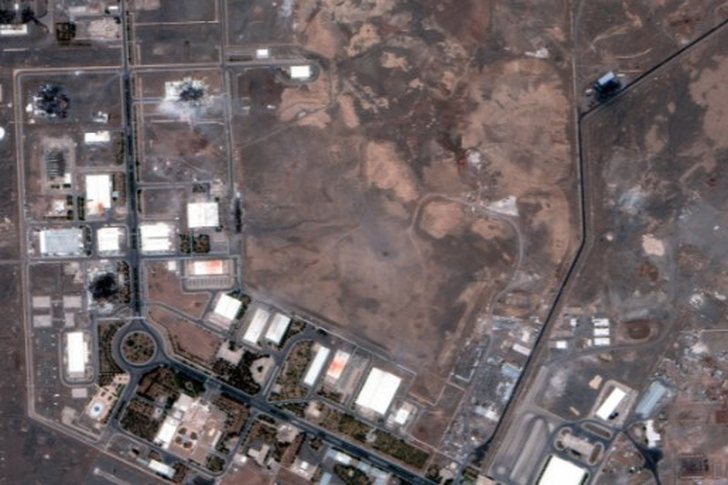
The British government has not given permission for the US...
US Army Major General Jasper Jeffers confirmed today at th...
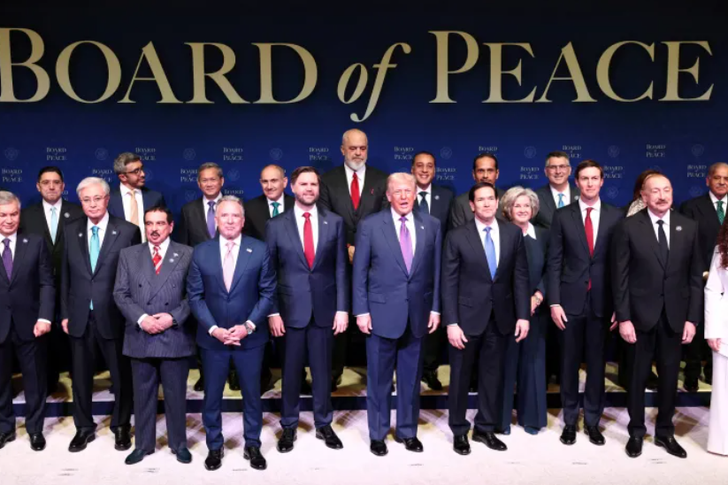
Presidenti amerikan, Donald Trump ka krijuar një organizat...
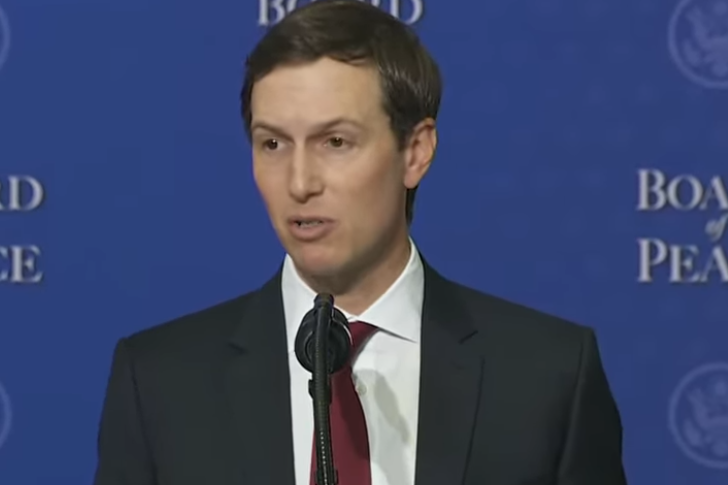
Jared Kushner, son-in-law of US President Donald Trump, wh...
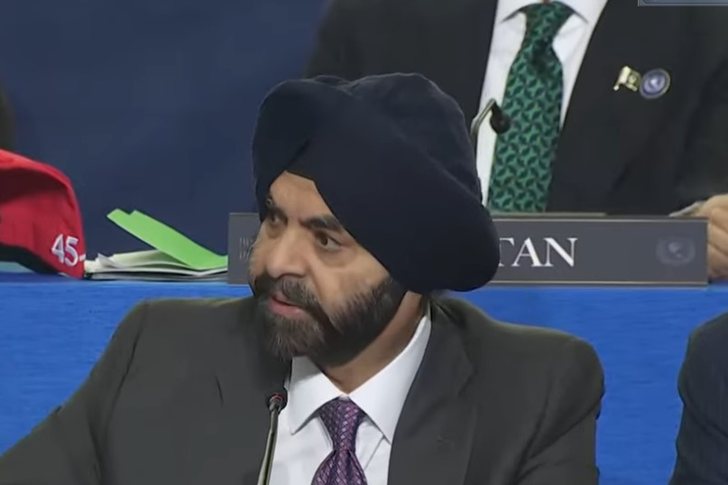
Presidenti i Bankës Botërore, Ajay Banga ka mbajtur fjalën...
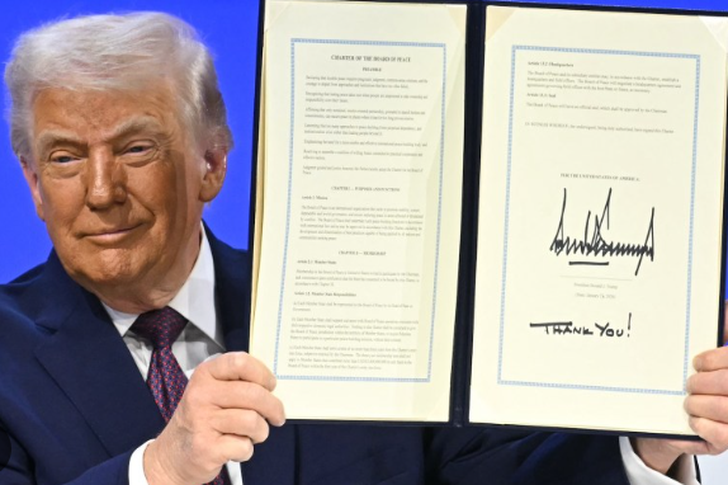
US President Donald Trump announced that $10 billion in US...
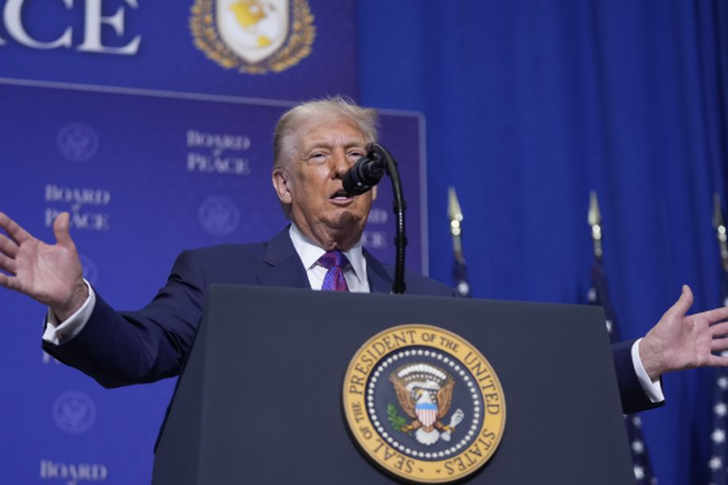
US President Donald Trump said he envisions the Peace Boar...
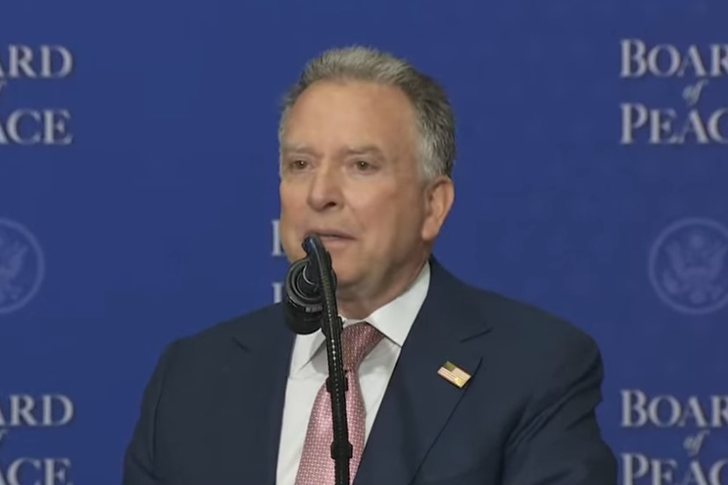
The Special Envoy for Middle East Peace, Steve Witkoff, al...
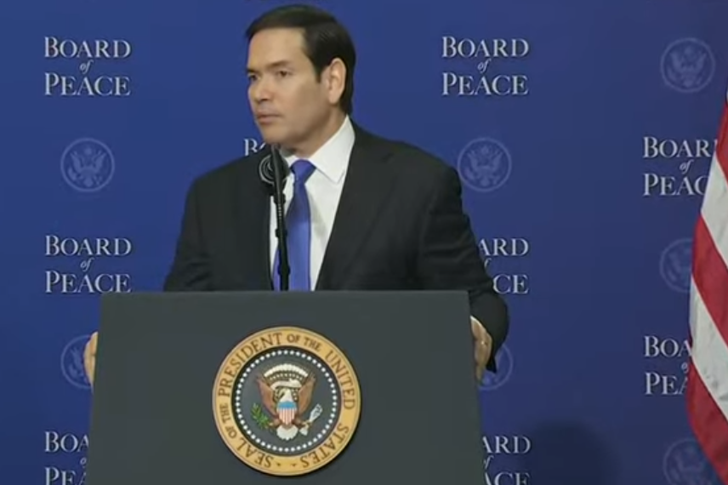
US Secretary of State Marco Rubio said today in his speech...
Dritan Prençi is the SPAK prosecutor who is sleeping on th...
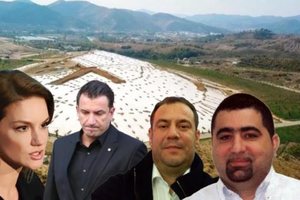
The in-depth investigations that SPAK conducted into Ajola...
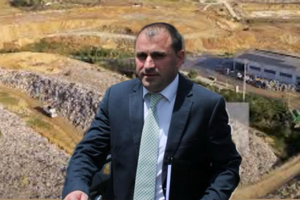
SPAK's standards, the way it investigates, how it secures ...
Irfan Hysenbelliu claims to be a big businessman, an hones...

The Special Board of Appeal (KPA) decided this Monday ...

The KPA vetting decided this Thursday to dismiss the p...

Suela Salavaçi, a prosecutor in the Prosecutor's Offic...

The Special Board of Appeal reinstated the prosecutor ...

This evening, former police chief Irakli Koçiaj, who has b...
An accident occurred this evening on "Mother Teresa" Stree...

Durres Customs has announced that today, during checks car...

A road accident was recorded a few minutes ago on the Pogr...

On Thursday, our country will be affected by relatively un...

Albania is facing a deep demographic crisis where official...
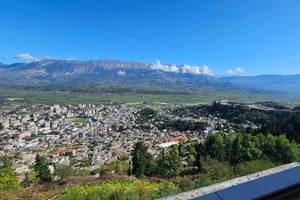
This Wednesday, our country will be affected by relatively...

The UN's World Meteorological Organization now warns that ...
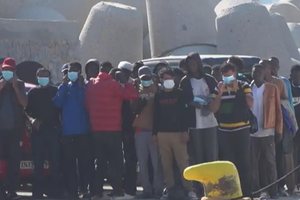
The Greek Coast Guard has intercepted or rescued nearly 55...
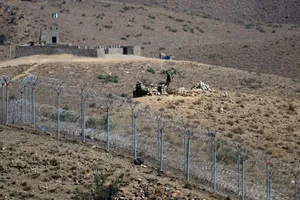
Tensions between Pakistan and Afghanistan have escalated a...

Health authorities in North America have increased monitor...

US authorities have seized a series of websites allegedly ...

At the Museum of Fine Arts in Chambéry, France, an exhibit...

Korça has transformed this weekend into the capital of cel...

Korça is ready to open the summer season with one of the c...
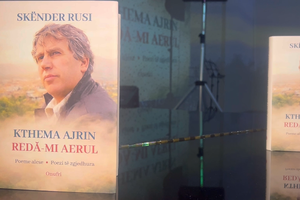
Two years after his passing, the renowned Korçë poet Skënd...

This Thursday, one US dollar is bought for 81.6 lek and so...
The first three months of this year have brought a record ...

The non-performing loan ratio returned to decline in April...

This Wednesday, one US dollar is bought for 81.6 lek and s...