


A powerful country shows interest in Greenland/ Aims to extract rare metals
Japan is planning to send a delegation to Greenland this s...

Japan is planning to send a delegation to Greenland this s...

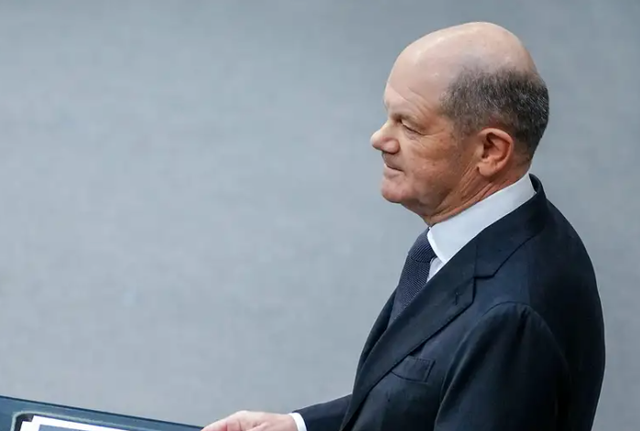
Olaf Scholz is running again for the SPD in the 2025 elections, despite poor results in the polls.
It was September 2024 when the Social Democrat, Olaf Scholz, was asked in an interview with the Berlin newspaper "Tagesspiegel" what he hoped would be written about him in the history books. The 66-year-old's short and dry answer: "I think we should be careful of politicians who think this before or during their mandate."
Perhaps he is now reflecting a little more. His governing coalition, consisting of the SPD, the Greens and the FDP, disintegrated prematurely. If the SPD loses the snap parliamentary elections on February 23, 2025 and the CDU takes over the chancellorship, then Scholz will become the Social Democratic chancellor with the shortest term in the history of the Federal Republic of Germany.
But Olaf Scholz is determined to win – with the same determination he had in the 2021 parliamentary elections. Then, as now, the SPD was supported by only 15% of the electorate in the polls (with small fluctuations in the polls, ed. note) and Scholz was mocked for his stoic optimism. But a few mistakes by the CDU gave it an advantage and the Social Democrats emerged victorious with 25.7% of the vote.
Scholz has faced many difficult and critical situations in his political career, but as chancellor he has faced more challenges at the same time than any other chancellor before him. Just three months after taking office, Russia invaded Ukraine.
Since then, the question has been how Germany can support Ukraine militarily without getting directly involved in the war. Scholz has approached the issue with caution, but has often been accused of hesitancy. He himself calls this approach "prudence." The war has brought consequences: an energy crisis, inflation, economic decline, conflicts over asylum policy in the EU and the unprecedented rise of the far right.
The center-left tripartite coalition between the SPD, the Greens, and the FDP was an alliance full of contradictions. Formed out of the necessity of securing a parliamentary majority, this union of two left-wing parties and a liberal economic party could not function for long. The constant conflicts made this government the most unpopular in the history of the Federal Republic.
But Scholz was not affected by this. He did not let himself be troubled by the loss of public trust and did not react to his low popularity. His motto: listen to the polls, but do not comment on them and do not change policy depending on them. He always repeated: anything is possible.
For Scholz, the position of federal chancellor is the culmination of a political career that began decades ago. He became active in the Social Democratic Youth (Juso), where he supported radical socialist ideas critical of capitalism. After joining the SPD as a student in 1975, he worked for many years as a lawyer specializing in labor law in Hamburg, learning firsthand the mechanisms of the economy and private business. This experience shaped his pragmatic approach to politics.
He began his career in public administration as a senator for the interior in Hamburg, then as federal minister of labor in the first grand coalition under Christian Democratic Chancellor Angela Merkel, and then as mayor of the city-state of Hamburg. In 2018, he returned to Berlin as finance minister and vice chancellor in Chancellor Merkel's government.
One of the nicknames that has followed Scholz throughout his career is "Scholzomat", a combination of the words "Scholz" and "automat". This word was coined by the weekly newspaper "Die Zeit", during his time as general secretary of the SPD (2002-2004), to describe his way of communicating: technical, bureaucratic and cold, like a machine repeating the same political messages.
This image of a boring, uncharismatic bureaucrat followed him for years. Scholz himself considers himself a work-oriented pragmatist who speaks only as much as necessary.
Only later did he realize that politics also requires the ability to communicate and build a personal image. During the race for the SPD leadership in 2019, he tried to change this image: he appeared more emotional, more approachable and more smiling. But, again, he did not win the party's trust. The SPD was looking for a more left-wing leader and chose a different duo at the top.
Scholz also faced this defeat with equanimity. He continued to work as finance minister and did not interfere in the new party leadership, waiting for his moment. In the end, the SPD nominated him as its candidate for chancellor, knowing that none of its leaders had the necessary experience to challenge the CDU.
During the COVID-19 pandemic, Scholz was quick to provide loans and financial aid, becoming a key figure in the crisis. He used short, clear phrases like "Wumms" and "Doppel-Wumms," meaning concentrated, or doubly concentrated, actions, giving him an image of a leader who acts quickly.
Even as chancellor, Scholz continued to be reserved and taciturn, failing to understand that communication is an essential part of the job. His silence at key moments and the lack of clarity in his speeches caused his popularity to decline.
Some in the SPD thought the party would have a better chance if the candidate for chancellor were Defense Minister Boris Pistorius. He is the most popular politician in the polls. But in November 2024, Pistorius openly declared his support for Scholz, putting an end to the speculation.
Will this help Scholz secure a second term? That remains to be seen in the elections on February 23, 2025./ DW

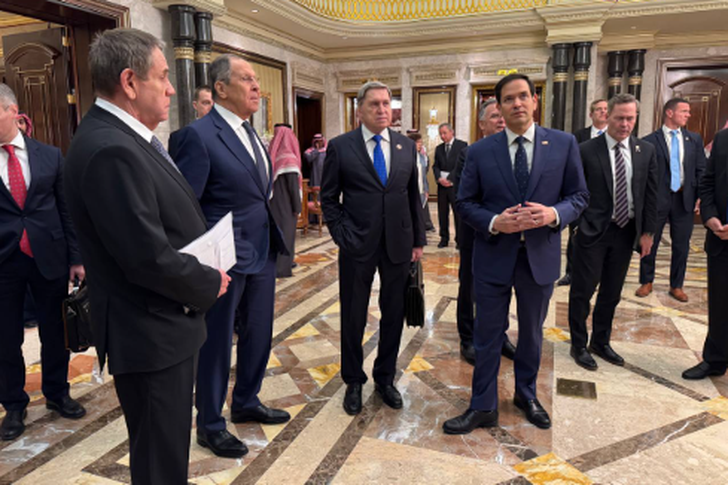
The Trump administration's choice of Saudi Arabia as the l...
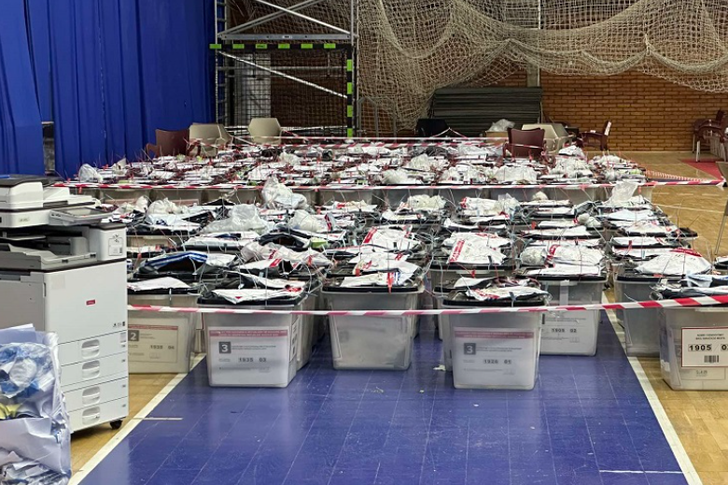
So far, about 78 percent of the votes for candidates for d...
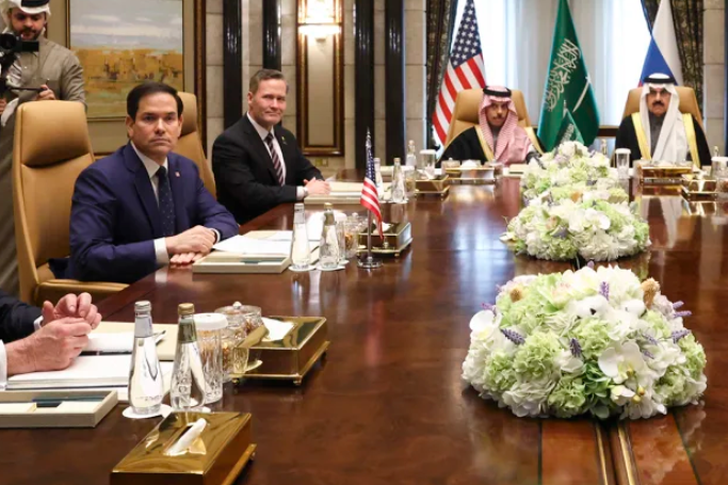
Senior American and Russian officials wrapped up their fir...
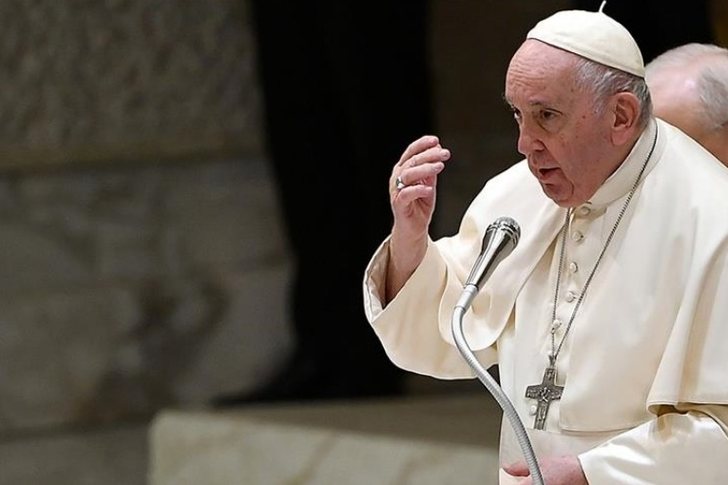
The Vatican's Holy See Press Office today gave the latest ...

A 39-year-old man has been jailed for sending offensive em...
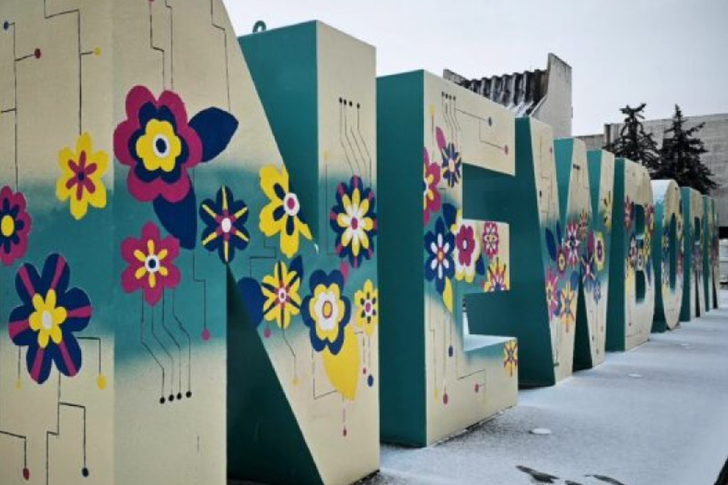
The historical monument 'NEWBORN' in Kosovo has a new look...
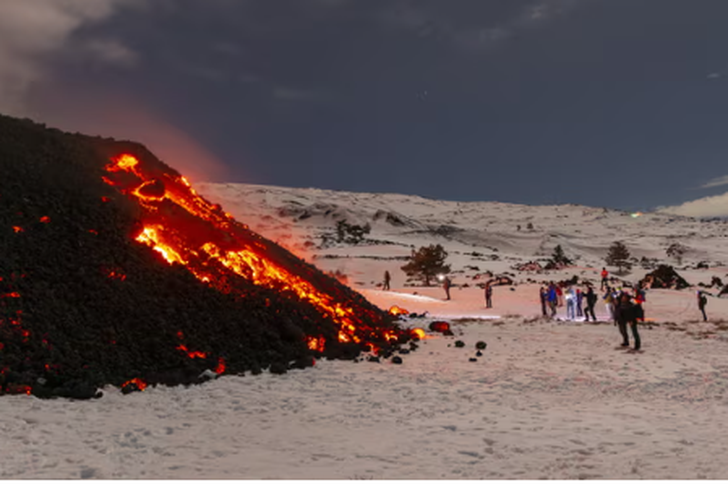
Thousands of tourists have flocked to watch the eruptions ...
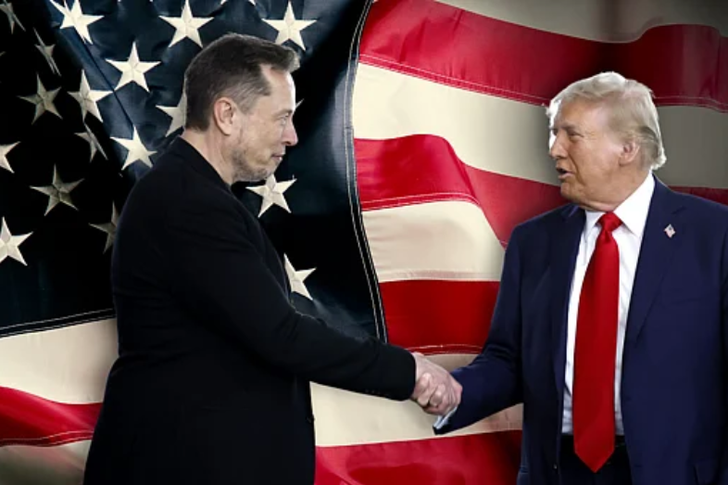
Elon Musk is one of the most influential and important bro...

The abortion ban in the United States is deepening existin...
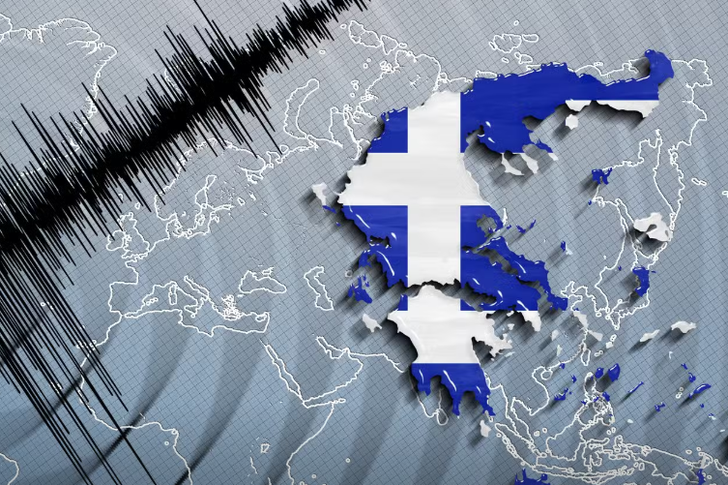
Earthquakes continue to hit the Greek islands in the Aegea...
Ambassadors from several QUINT countries and the European ...
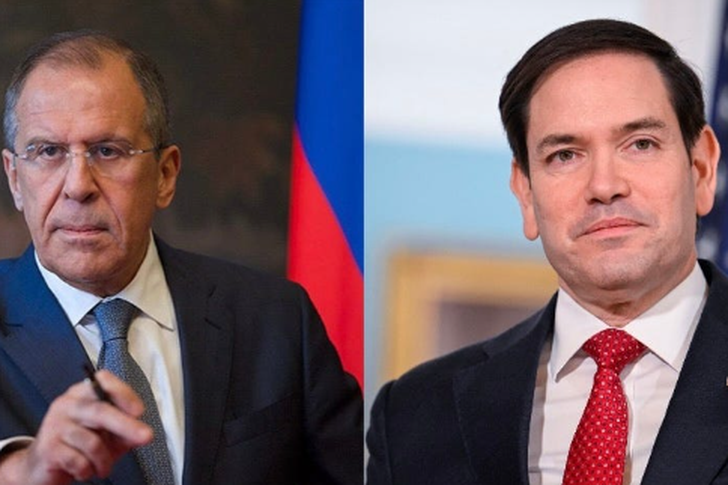
Secretary of State Marco Rubio spoke today with Russian Fo...
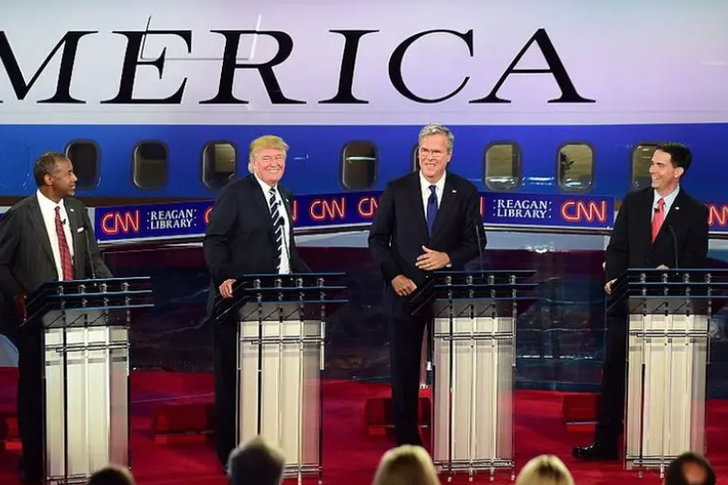
Long before he campaigned for the US presidency, Donald Tr...
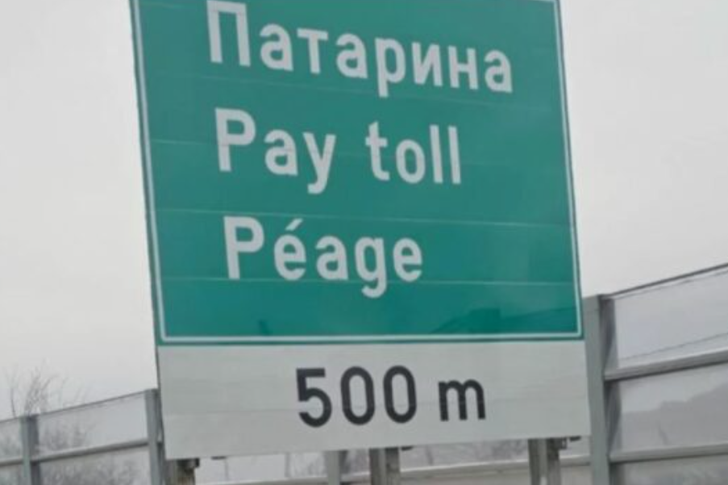
The new signs placed on the Skopje-Tetovo highway are diff...
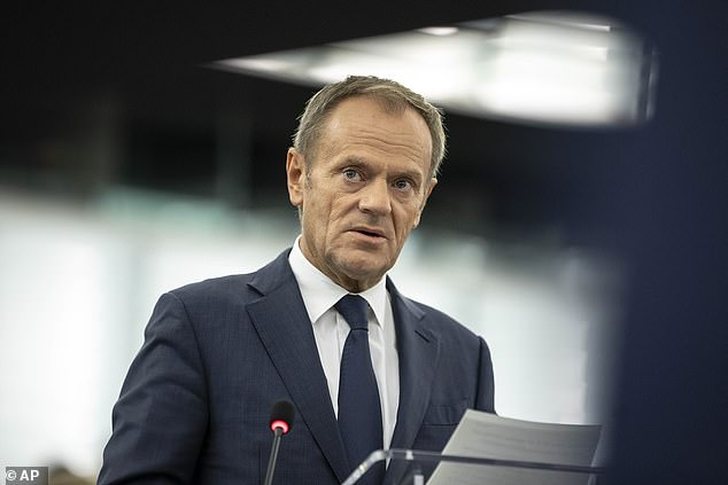
The Prime Minister of Poland, the country that currently h...
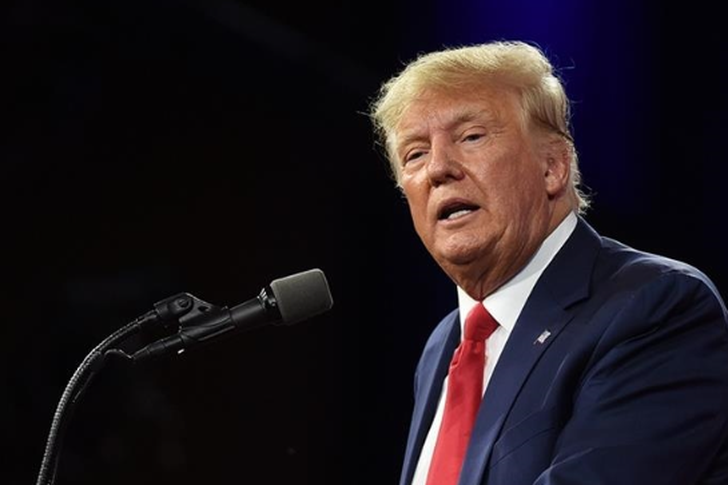
US President Donald Trump spoke today about his plans to e...
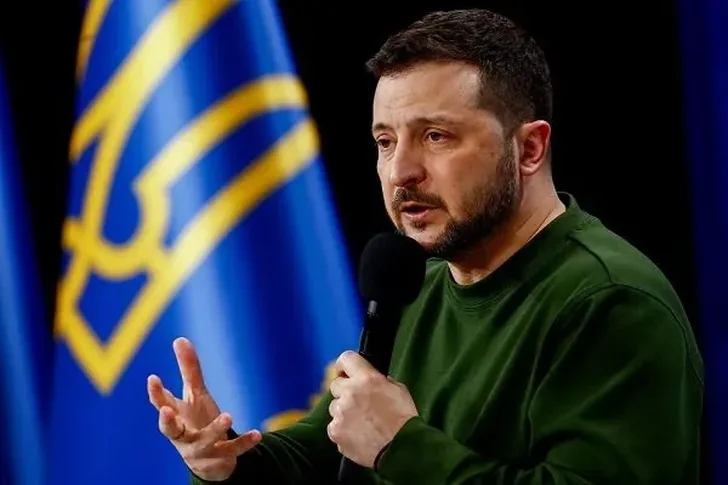
Ukraine will not participate in talks between American and...
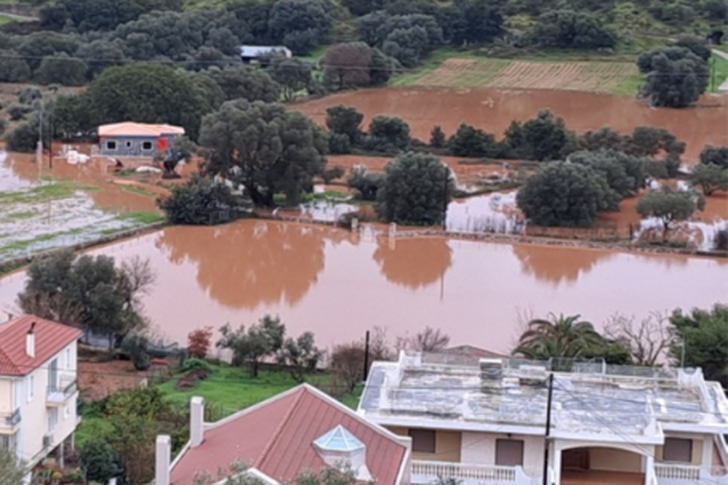
It has been a difficult weekend for the residents of the G...
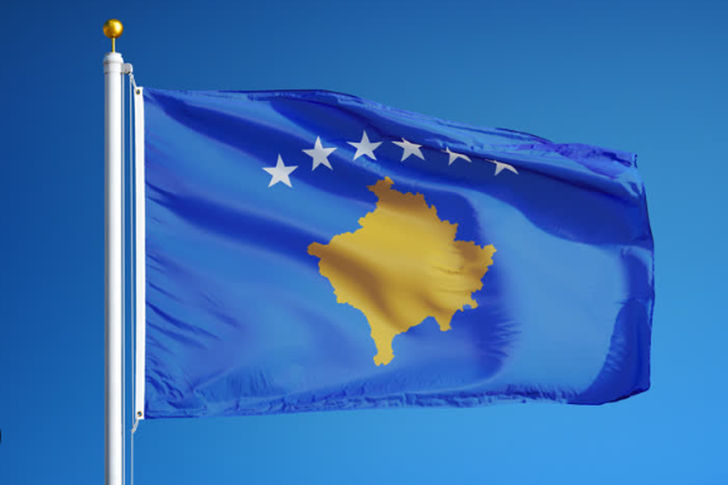
Kosovo celebrates Independence today. Israel has congratul...
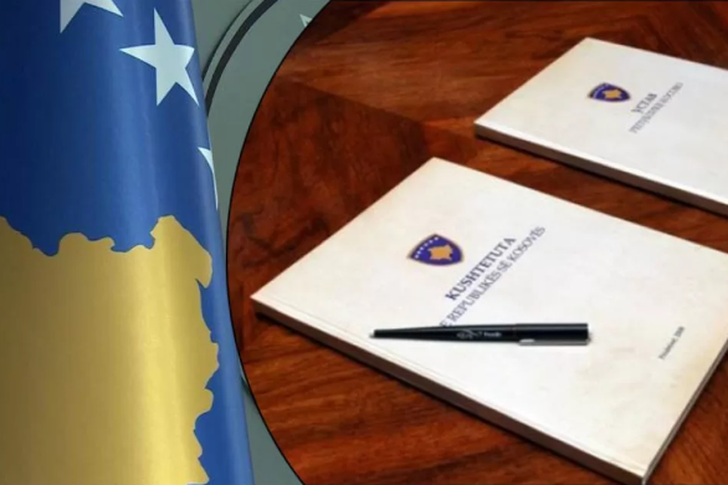
The Declaration of Independence of Kosovo was made on Febr...
There have been 12 days of protests in the capital, which ...
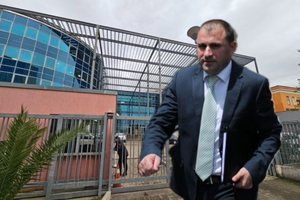
Dritan Prençi is the SPAK prosecutor who is sleeping on th...
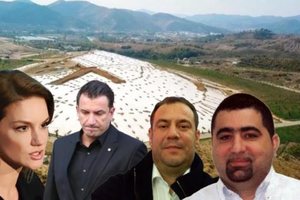
The in-depth investigations that SPAK conducted into Ajola...
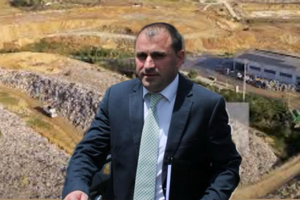
SPAK's standards, the way it investigates, how it secures ...

The Special Board of Appeal (KPA) decided this Monday ...

The KPA vetting decided this Thursday to dismiss the p...

Suela Salavaçi, a prosecutor in the Prosecutor's Offic...

The Special Board of Appeal reinstated the prosecutor ...
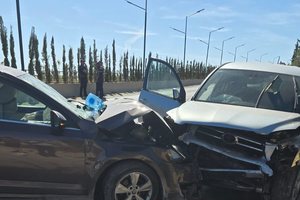
A road accident occurred today in Dhërmi. According to in...
The Police Supervision Agency has announced the security m...
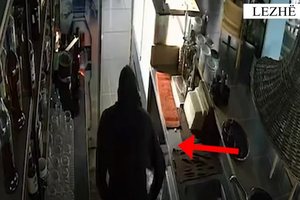
A 21-year-old man has been arrested after, together with a...
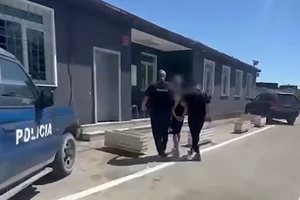
Fier Police have conducted an operation where they have cr...
On Sunday, our country will be affected by stable weather ...
Today our country will be affected by stable weather condi...
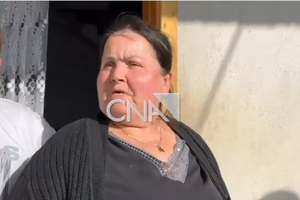
A tragic accident occurred this Friday afternoon in Kameni...

Today our country will be affected by unstable weather con...
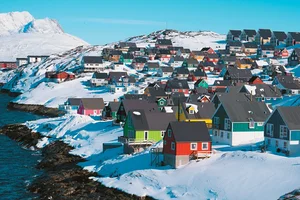
Japan is planning to send a delegation to Greenland this s...
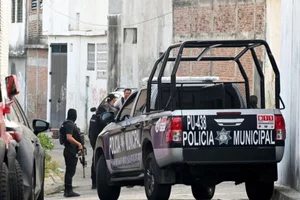
The mayor of San Miguel Amatitlan, a town of about 7,000 r...
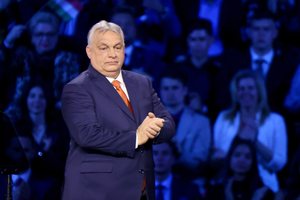
Former Hungarian Prime Minister Viktor Orban was re-electe...
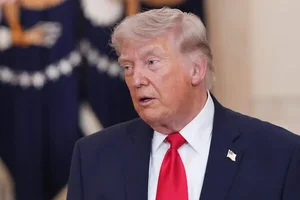
US President Donald Trump has stated that a deal with Iran...

Several archaeological excavations conducted during this s...
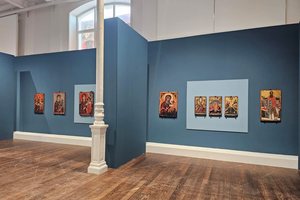
At the Museum of Fine Arts in Chambéry, France, an exhibit...

Korça has transformed this weekend into the capital of cel...
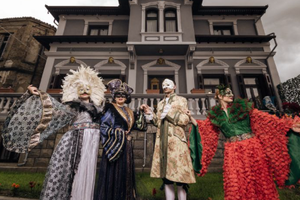
Korça is ready to open the summer season with one of the c...
This Sunday, one US dollar is bought for 81.5 lek and sold...
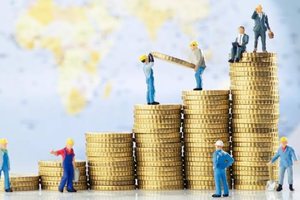
The labor market is facing increasing polarization where w...
This Saturday, one US dollar is bought for 81.5 lek and so...
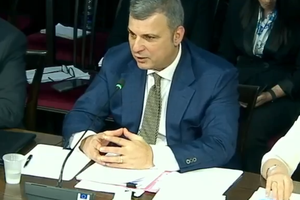
The Governor of the Bank of Albania, Gent Sejko, shared to...