


Formal competitions in the State Police
Today, the ranking of candidates expected to take over the...

Today, the ranking of candidates expected to take over the...

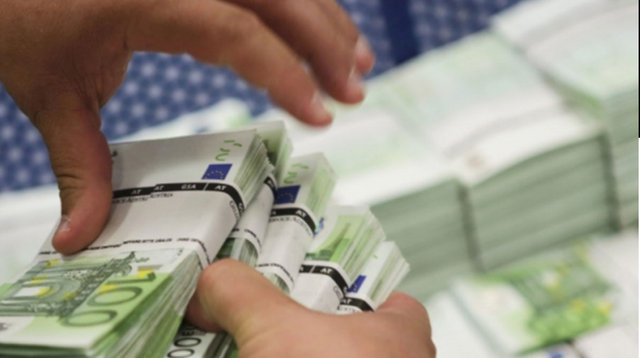
According to figures from the Bank of Albania, at the end of 2024, foreign currency loans accounted for 45.3% of the total banking sector portfolio. Compared to a year earlier, the share of foreign currency loans has decreased by almost two percentage points.
During this period, foreign currency loans increased, but the increase in total loan balance was somewhat higher due to the faster growth of loans in lek. The ratio of foreign currency loans to total loans decreased for nine out of 11 banks in the sector. Compared to the end of December 2016, this indicator decreased for 10 out of 11 banks in the system.
On the other hand, the balance of foreign currency loans unhedged from the exchange rate (where loans in euros account for about 93%) has marked a further decline in its share of total foreign currency loans. At the end of December 2024, these loans accounted for 22.83% of foreign currency loans, or 10.7% of total loans.
In absolute terms, there is a decrease of 5.95% and 11% in unhedged loans compared to the end of the previous half-year and a year ago, respectively. This significant and rapid decrease also reflects some structural changes in classification by a small number of banks.
Loans exposed to exchange rate risk, that is, cases where the borrower's income is in a currency other than the currency of the loan, are those with the highest risk profile. For this reason, this indicator carries particular importance in monitoring measures to reduce euroization.
At the end of 2024, the indicator that measures the share of foreign currency deposits in total deposits stood at 52.1%. The ratio level decreased slightly by 1.2 percentage points compared to the previous six months and decreased by 2.2 percentage points compared to the previous year. For this ratio, in annual terms, an increase in total deposits was recorded at 2.1% and a decrease in foreign currency deposits at 2%.
According to the Bank of Albania, the current level of foreign currency deposits to total deposits remains above the target threshold of 30%, but the general trend shows a slowdown in the use of foreign currency in savings.
It turns out that 9 out of 11 banks operating in the banking system record a value of this indicator above 50%, which potentially makes them subject to a 20% reserve requirement.
In the periodic analysis of the performance of indicators that are the subject of the deeuroization strategy, the Bank of Albania assesses that the performance of indicators monitored to assess the effects of deeuroization measures has been generally in line with the intended objectives.
However, structural changes in the economy in recent years, notably the strong growth in tourism revenues, have been accompanied by changes in economic and monetary policies, as well as in the behavior of real economy agents.
For these reasons, the Bank of Albania estimates that distinguishing the effects closely related to de-euroization measures remains a difficult process. However, the Central Bank estimates that these measures have maintained their inhibitory effect on the progress of euroization and in their absence the magnitude of the movement of any of the indicators, or even its direction, would have been different.
In 2017, the Bank of Albania signed a memorandum with the Ministry of Finance and the Financial Supervisory Authority, with the aim of expanding the use of the national currency in the financial system and in the Albanian economy.
So far, only the Bank of Albania has taken concrete regulatory measures that aim to increase the use of the local currency in the banking sector. These measures aim to increase the costs of financial intermediation in foreign currency and, in parallel, reduce them for the lek./ Monitor Magazine

Today in the foreign exchange market, the euro will be exc...
The European Central Bank cut its deposit facility rate, i...
Punëmarrësit informalë të konstatuar gjatë inspektimeve ng...
Albanian drug users have the highest level of cocaine cons...
Today in the foreign exchange market, the euro will be exc...

Albania has a problematic labor market compared to the reg...

The report “European Regions of the Future 2025” recomm...
Today in the foreign exchange market, the euro will be ...

Today in the foreign exchange market, the euro will be exc...

Today, on March 7, 2025, in the foreign exchange market, t...
This Thursday, at the meeting of the Council of Ministers,...
An investment of around 24 billion euros is estimated to b...

Today, on March 6, 2025, in the foreign exchange market, t...

From January 1, 2025, self-employed professionals who earn...
Albanian workers are the lowest paid in Europe, both in te...
Today, on March 5, 2025, in the foreign exchange market, t...
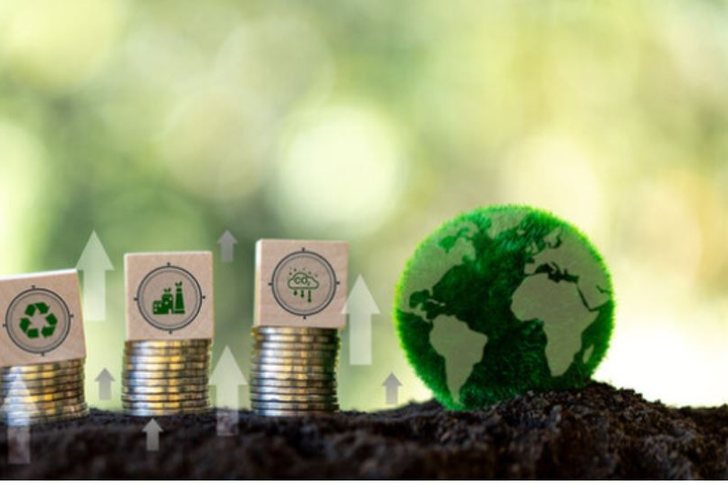
The European Commission has unveiled its Clean Industry Pa...
Today, on March 4, 2025, in the foreign exchange market, t...
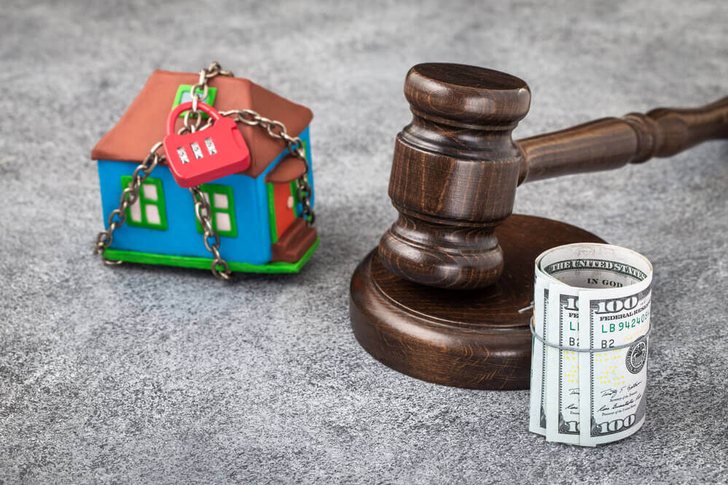
In Tirana, the value of confiscated properties of organize...
The banking sector's exposure to real estate loans reached...
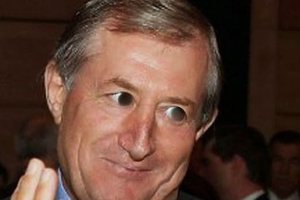
Irfan Hysenbelliu claims to be a big businessman, an hones...

The murder of officer Enea Mekolli in the line of duty has...
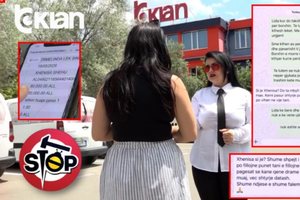
The next case broadcast on the show "Stop", this Thursday,...
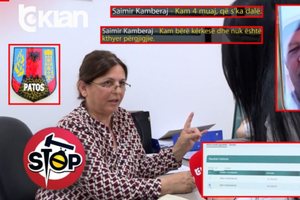
The case published this Thursday, June 4, on the show "Sto...

The Special Board of Appeal (KPA) decided this Monday ...

The KPA vetting decided this Thursday to dismiss the p...

Suela Salavaçi, a prosecutor in the Prosecutor's Offic...

The Special Board of Appeal reinstated the prosecutor ...

An accident was recorded a few minutes ago on the Pogradec...
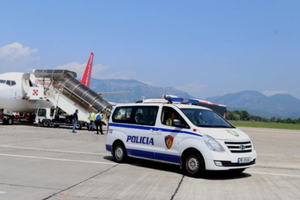
Following the cooperation of Interpol Tirana with Interpol...

An accident occurred this Saturday morning at Shkëmbi i Ka...
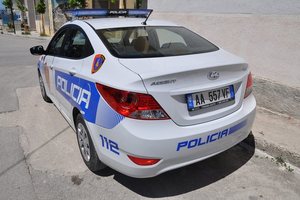
A TNT explosion occurred in Lezha in the early hours of th...
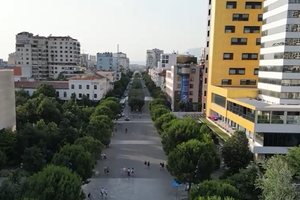
Albanians are officially the hardest working people in Eur...

This Saturday will be characterized by mostly clear weathe...
Today our country will be affected by stable weather condi...

For many children and teenagers, the long summer holidays ...
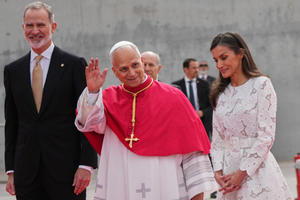
Pope Leo XIV arrived in Madrid this Saturday, where he beg...
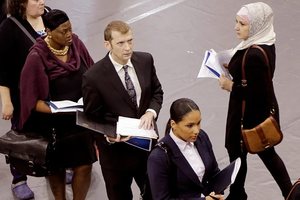
Millions of Europeans still apply for jobs without knowing...
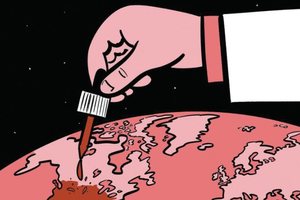
Following the Covid-19 pandemic, the World Health Organiza...
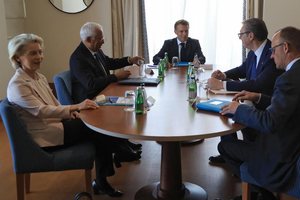
Leaders of the European Union and Western Balkan countries...
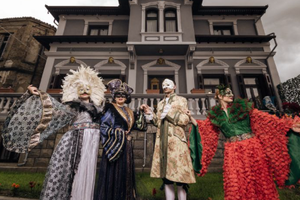
Korça is ready to open the summer season with one of the c...
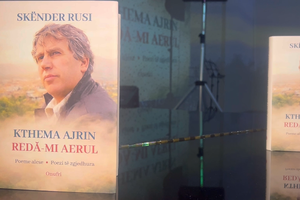
Two years after his passing, the renowned Korçë poet Skënd...
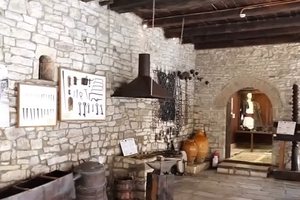
The Ethnographic Museum of Berat has opened its doors to v...
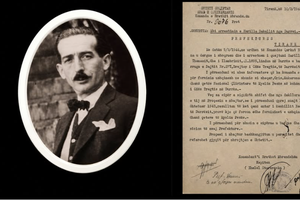
The story of Harilla Bakalli is one of the most chilling t...
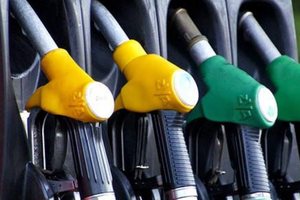
The Transparency Board, in today's meeting, decided to red...
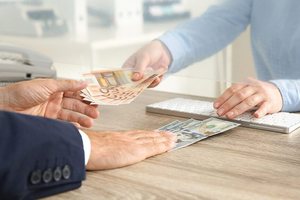
This Saturday, one US dollar is bought for 81.4 lek and so...
Despite years of efforts at regional cooperation and free ...
Albania is the country with the highest level of severe ma...