

20-year bonds issued for the first time, high demand from investors
The Ministry of Finance held its first auction of 20-year ...


If the exchange rate returns to the values ??of 2022, then this event will have a high and immediate impact, especially on the financial sector, households and businesses, notes the International Monetary Fund (IMF) in the latest consultation of the agreement with Albania.
The Fund notes that the risk of a euro revaluation is medium, but if it occurs, the risk is high. In the last report, the Fund paid more attention to exchange rate developments and the importance of maintaining a flexible regime.
In 2022, the euro was exchanged for an average of over 120 lek, while in July of this year, the euro was exchanged for the first time below 100 lek.
"If the exchange rate were to take an unexpected turn, returning to the 2022 level, it would negatively impact the financial sector, businesses and households, through an increase in non-performing loans, given that a large portion of loans are in foreign currency," the IMF notes.
The Fund analyzed that the depreciation of the euro was driven by increasing inflows of tourism, emigrants, and foreign investment, but there were some moments when the depreciation was driven by non-fundamental factors (speculation).
Albania's real effective exchange rate remained broadly stable in the first 10 months of 2024 after recording an appreciation of 11 percent in 2023. The cumulative appreciation over the past decade is around 35 percentage points.
"While Albania remains competitive as a tourist destination, pressures to position Albania as a competitor in the long term will increase if wage growth continues to outpace labor productivity growth," the IMF estimates.
In 2024, net financial inflows were driven mainly by FDI inflows, which accounted for about 7 percent of GDP. The IMF analyzes that foreign investment is mainly concentrated in the tourism and construction sectors and may now grow at a slower pace as tourism flows stabilize.
The Bank of Albania increased its exchange rate interventions during 2024. The total injection of value last year was about 3 percent of GDP. The IMF recommends that the Bank of Albania should allow the exchange rate to adjust more flexibly, with intervention serving only as a complementary tool in addressing non-fundamental fluctuations.
The IMF's analysis finds that there have been limited episodes in 2024, in which fundamental pressures on the lek's appreciation were driven by non-fundamental forces. In such circumstances, exchange rate interventions can serve as a complementary tool to break speculative momentum, but such interventions should be limited in scale, the Fund analyzes./ CNA

The Ministry of Finance held its first auction of 20-year ...
Today, on January 29, 2025, in the foreign exchange market...
DP MP Jorida Tabaku has reacted after the publication of t...
Today, on January 28, 2025, in the foreign exchange market...

The technological revolution requires that the workforce a...
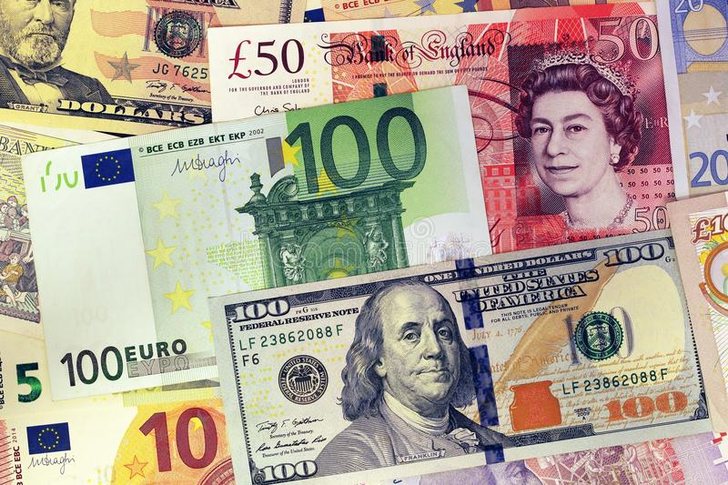
Today, on January 27, 2025, in the foreign exchange market...
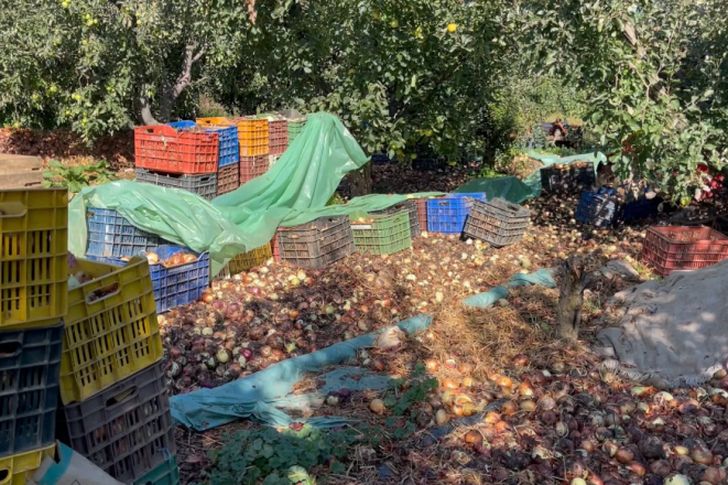
Even though the new onion planting season is coming for Ma...
Improving personal finances and taking care of health were...
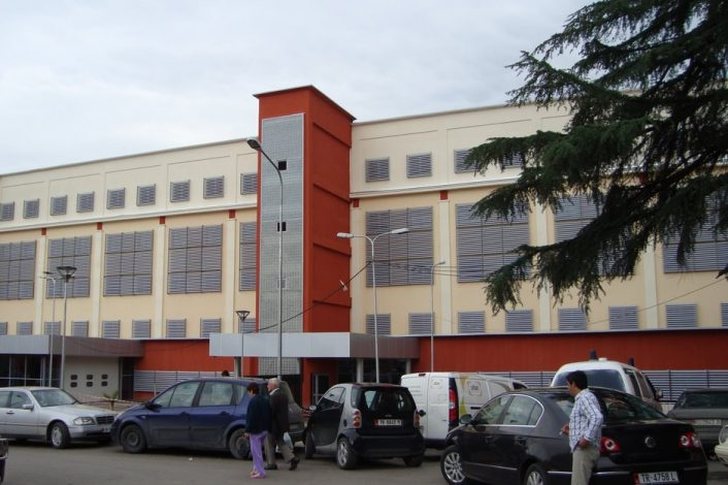
Two contracts with a cumulative value of 2.4 billion lek o...

Albania is fortunate to have relatively mild weather durin...

Today, January 24, 2025, in the foreign exchange market, t...

Budget revenues last year marked an annual increase of 9%,...

Despite the continuous increase in the number of doctors, ...
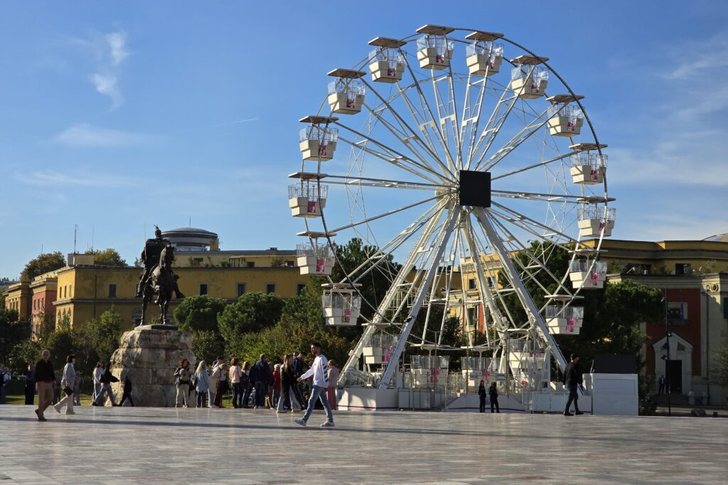
On the streets of Tirana or other cities, or even in bars,...
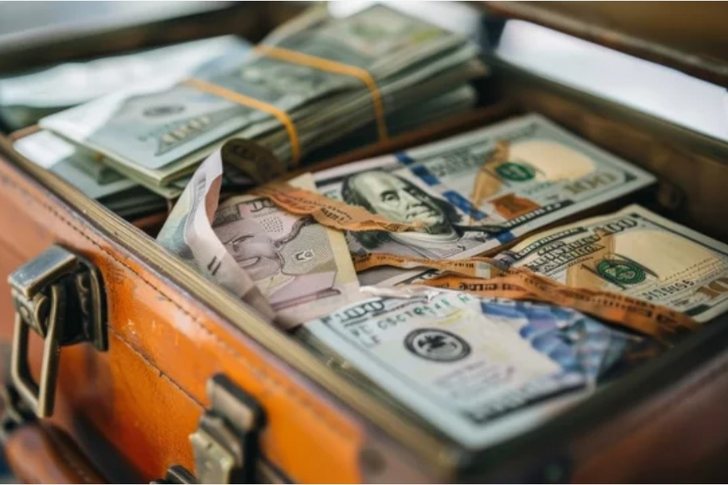
Today, January 23, 2025, in the foreign exchange market, t...
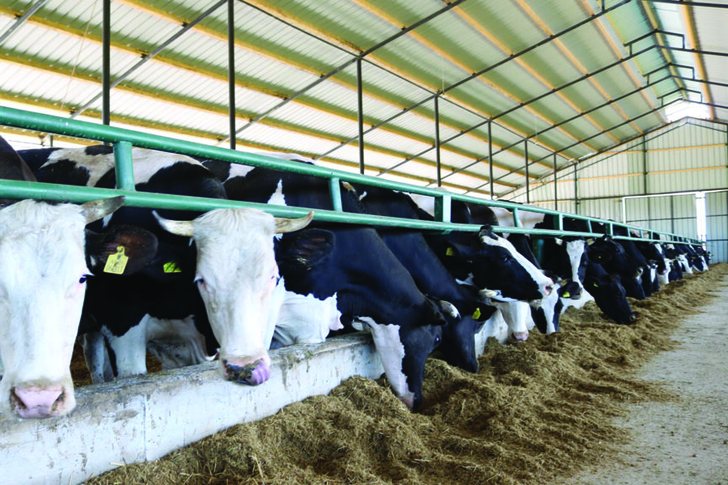
About 40 percent of Albanian farmers reported using antimi...
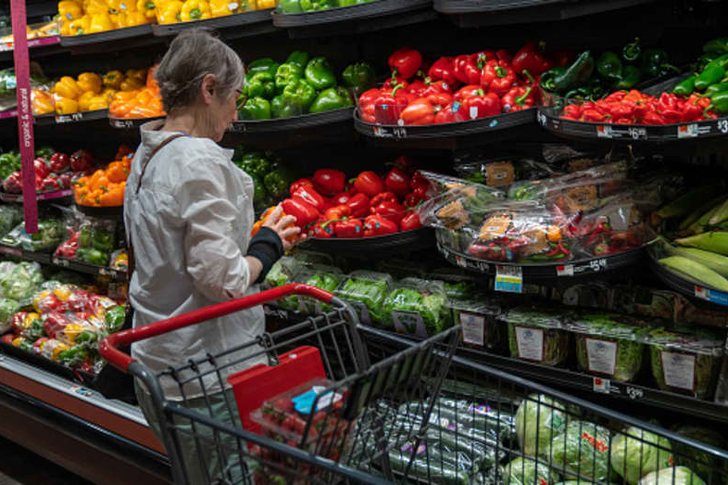
The lack of domestic production and the development of tou...
Today, January 22, 2025, in the foreign exchange market, t...
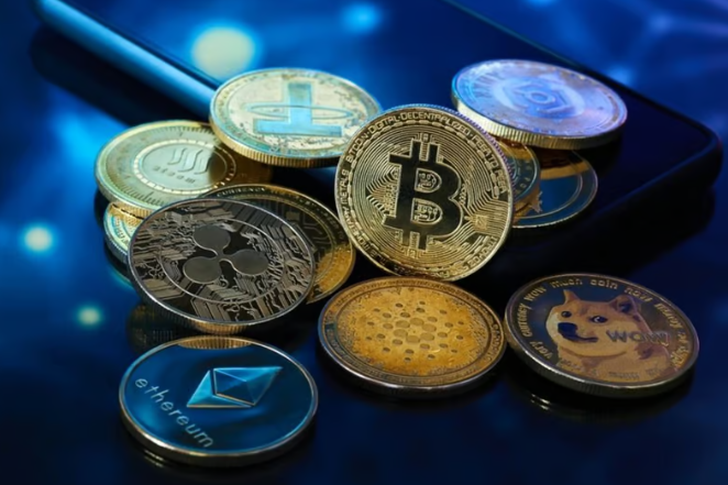
Bitcoin rose to a new all-time high of $109,588 on Monday ...
The richest people in the world are getting richer. Their ...
Irfan Hysenbelliu claims to be a big businessman, an hones...

The murder of officer Enea Mekolli in the line of duty has...
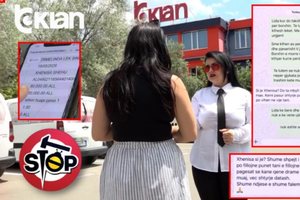
The next case broadcast on the show "Stop", this Thursday,...
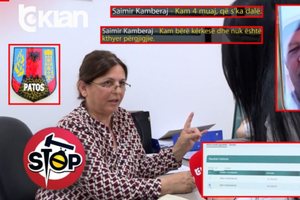
The case published this Thursday, June 4, on the show "Sto...

The Special Board of Appeal (KPA) decided this Monday ...

The KPA vetting decided this Thursday to dismiss the p...

Suela Salavaçi, a prosecutor in the Prosecutor's Offic...

The Special Board of Appeal reinstated the prosecutor ...

A road accident has been reported on the Fier-Levan axis, ...

An accident was recorded a few minutes ago on the Pogradec...
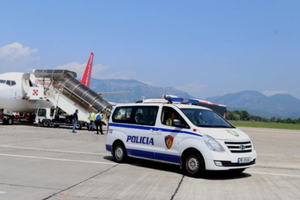
Following the cooperation of Interpol Tirana with Interpol...

An accident occurred this Saturday morning at Shkëmbi i Ka...
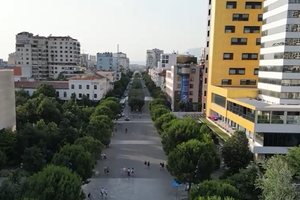
Albanians are officially the hardest working people in Eur...
This Saturday will be characterized by mostly clear weathe...
Today our country will be affected by stable weather condi...

For many children and teenagers, the long summer holidays ...

The military advisor to Iran's supreme leader, Mohsen Reza...

US Defense Secretary Pete Hegseth declared that Europe is ...
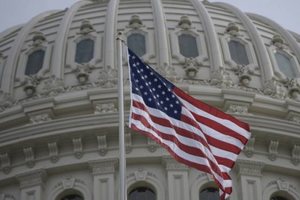
A federal judge in Rhode Island struck down a Trump admini...
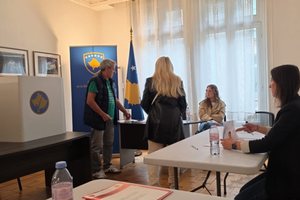
Thousands of Kosovo citizens living abroad are voting phys...
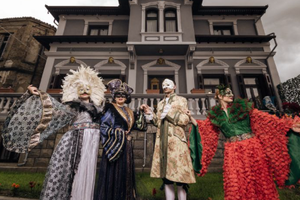
Korça is ready to open the summer season with one of the c...
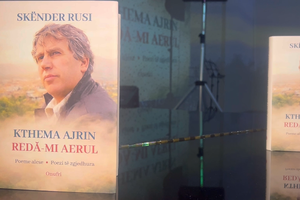
Two years after his passing, the renowned Korçë poet Skënd...
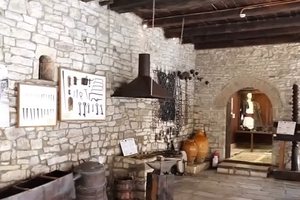
The Ethnographic Museum of Berat has opened its doors to v...
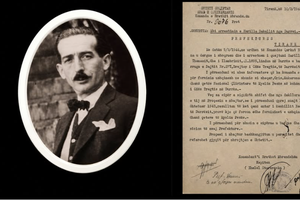
The story of Harilla Bakalli is one of the most chilling t...
The Transparency Board, in today's meeting, decided to red...
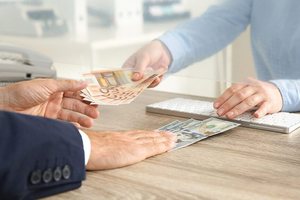
This Saturday, one US dollar is bought for 81.4 lek and so...
Despite years of efforts at regional cooperation and free ...
Albania is the country with the highest level of severe ma...