

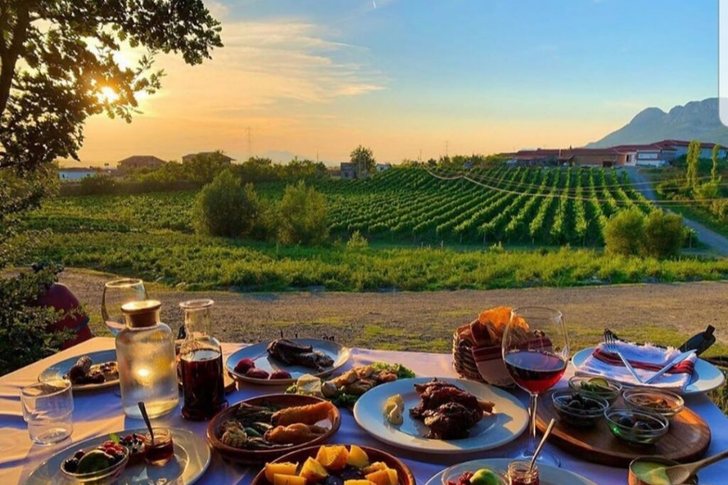
Agritourism, silent growth; the model that is winning the sustainability battle
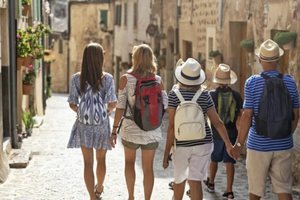
This year, agrotourism showed greater stability than class...


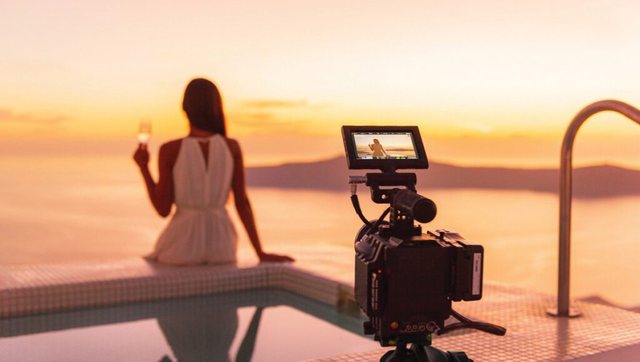
There are a variety of perspectives on how social media impacts our society, both positively and negatively.
After all, some people spend hours every day on these platforms, so we need to be aware of their impact. The impacts have already affected our spending, saving, and investing habits.
Social media often portrays a curated and exaggerated version of reality. People rarely post about their children's behavior problems at school or the stress of caring for aging parents.
They post about luxury vacations, great seats at sports games, and expensive nights out. This creates a distorted sense of what is “normal” and can lead to unconscious pressure to keep up.
Let's take an example: you follow friends or influencers who travel the world, stay in the best hotels, and eat at fancy restaurants. Perhaps, without realizing it, this affects how you feel about the “normal” beach vacation you take, even though you've enjoyed it for years.
Or maybe during the holidays you see posts of friends spending time at their beach houses. You might start to think that having a second home is more common and necessary than it actually is.
Sociologist Marsida Simo recalls that social networks emphasize the most beautiful moments of someone's life and not their daily reality.
"Since we are constantly exposed on various social networks, we have created a perfect reality, where people only show the most beautiful moments, luxurious expenses, and the most impressive achievements.
"This effect is not just a momentary sensation, but deeply affects human psychology," says sociology, emphasizing that the influence of social networks on the way we view money, spending, and investments is undeniable.
"All this creates a sense of crude comparison, leading the individual to dissatisfaction, inadequacy, and perversion. Money and wealth, beyond their practical function, are transformed into a social standard."
"What we see in others in the virtual world always seems bigger, more beautiful, and more attainable than what we have," continues Ms. Simo.
She focuses on young people, highlighting that this effect is particularly powerful.
"They are in the phase of identity formation and social comparison can affect not only self-esteem, but also financial decisions, increasing the chances of impulsive spending. All this to stay at the level they have formed as an image from the famous people they follow", - emphasizes Ms. Simo.
Sociologia bën thirrje se edukimi financiar i hershëm duhet bërë domosdoshmëri – i ndihmon të rinjtë të kuptojnë diferencën mes dëshirave dhe nevojave, të menaxhojnë buxhetin dhe të planifikojnë investime të mençura.
“Njohuritë mbi kursimin, planifikimin dhe investimet janë po aq të rëndësishme sa njohuritë mbi teknologjinë dhe përdorimin e rrjeteve sociale.
Këto njohuri do t’u shërbejnë si një filtër, duke i bërë më të kujdesshëm në vendimet e tyre financiare, të veprojnë me etikë, të shmangin mashtrimet dhe të reduktojnë rreziqet e pakthyeshme”, – përfundon znj. Simo.
Një nga fenomenet që po vërehet gjithnjë e më shumë është “dismorfia e parasë”, ku individët ndihen financiarisht të pasigurt edhe në kushte kur janë realisht të qëndrueshëm.
“Kjo ndodh sepse krahasimi nuk bëhet më me mjedisin natyror ekonomik ku jeton individi, por me standardet globale të luksit, të cilat qarkullojnë me intensitet të madh në rrjetet sociale.
Si pasojë, krijohet një ndjenjë privimi relativ që nuk është produkt i realitetit, por i imazheve të kuruara që nxisin presionin për të konsumuar mbi mundësitë”, – thotë për “Monitor”, eksperti i ekonomisë, Selami Xhepa.
Rrjetet sociale po ndikojnë gjithnjë e më fort edhe në sjelljen financiare të familjeve.
Eksperti thotë se, shpenzimet impulsive, kreditë e marra për të mbuluar shpenzime joproduktive, apo investimet e nxituara në produktet që promovohen online, janë vetëm disa nga rreziqet që po shfaqen.
“Në një ekonomi të vogël si ajo shqiptare, kjo sjellje mund të krijojë tensione të panevojshme financiare tek individët dhe familjet dhe të deformojë prioritetet e tyre ekonomike.
Nga këndvështrimi i politikave publike dhe edukimit financiar, sfida kryesore është ndërtimi i një kulture ekonomike ku individët të kuptojnë se pasuria nuk matet me imazh, por me stabilitet, kursim dhe investim afatgjatë.
Është e rëndësishme që përdoruesit të kultivojnë një qasje kritike ndaj përmbajtjeve që konsumojnë dhe të ndërtojnë objektiva personale financiare të bazuara në realitetin e tyre, jo në modelet e krijuara në platforma digjitale”, – thotë z. Xhepa.
Krahasimi
Në epokën e rrjeteve sociale, çdo përdorues ka mundësi të krijojë dhe të shpërndajë përmbajtje, gjë që i bën krahasimet mes njerëzve më të shpeshta dhe më të pashmangshme.
Në platforma si Instagram, TikTok apo LinkedIn, shumica prezantojnë versionin më të mirë të vetes: foto të kuruara, pamje të bukura, trup ideal, luks dhe stil jete që shpesh nuk përputhen me realitetin e përditshëm.
Ky prezantim i zgjedhur dhe i filtruar bën që përdoruesit të krahasohen më shpesh “për lart”, me njerëz që duken më të suksesshëm, më të bukur apo më të pasur.
Një formë gjithnjë e më e zakonshme e këtij fenomeni është shpërndarja e simboleve të pasurisë: vila, makina luksoze, pushime ekzotike, marka të shtrenjta.
When someone is constantly exposed to these images, they develop the feeling that others are richer and more privileged. This type of comparison often leads to dissatisfaction, lower self-esteem, and a sense that their personal lives are less valuable.
Digital marketing expert Cansel Saygin says that today comparison is no longer made with classmates or work colleagues, but with people from every corner of the world.
"When this happens every day, it creates a distorted perception, people start thinking they are financially weak, even when they are not. They feel the need to have material things that are not necessarily necessary."
"They often feel economically insecure, not because of their own reality, but because of the reality they see online. Over time, what appears on social media begins to be perceived as the 'standard' of living, even though it is only a filtered version of reality," says Ms. Saygin.
This process can cause what is called relative deprivation, a sense of injustice and disappointment that arises when we perceive that others have more than we do, even though we have actually lost nothing.
The feeling of relative deprivation can be further increased when the people we compare ourselves to seem similar to us in age, lifestyle, or interests.
This makes the economic contrast seem even sharper.
The consequences of this deprivation are not limited to personal well-being. Studies show that people who feel deprived become less satisfied with their lives, more stressed, and more prone to aggressive behavior.
Another important effect is the increase in hostility towards the wealthy. When someone constantly sees images that remind them of economic differences, the idea is created that “the wealthy” are the cause of the injustice experienced.
This can lead to negative attitudes, cold stereotypes and in some cases, aggressive behavior towards them, especially in online environments. /Monitor

This year, agrotourism showed greater stability than class...
This Saturday, one US dollar will be bought for 81.9 lek a...
The Ministry of Finance will use a new domestic borrowing ...
The Albanian diaspora continues to expand and remains one ...
This Friday, one US dollar will be bought for 81.8 lek and...
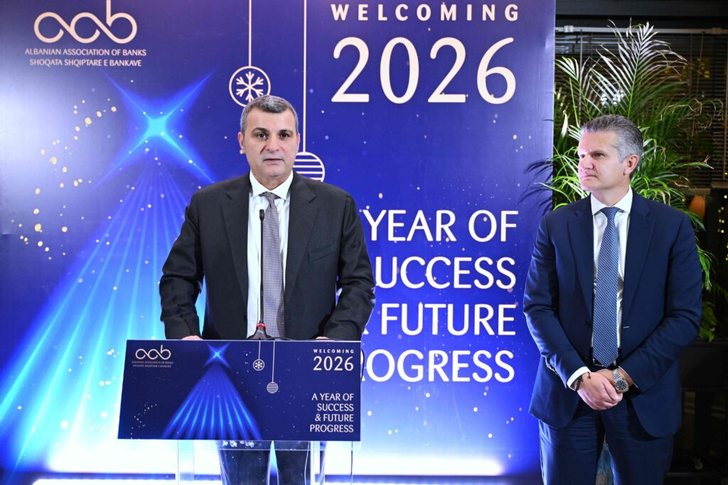
The Governor of the Bank of Albania, Gent Sejko, warned ba...
The Bank of Albania will further increase its planned purc...

The number of employees with contributions is increasing, ...
Këtë të enjte, një dollar amerikan do të blihet me 81.6 le...
The Bank of Albania today shared data from the Interim Mon...
Këshilli Mbikëqyrës i Bankës së Shqipërisë vendosi sot të ...
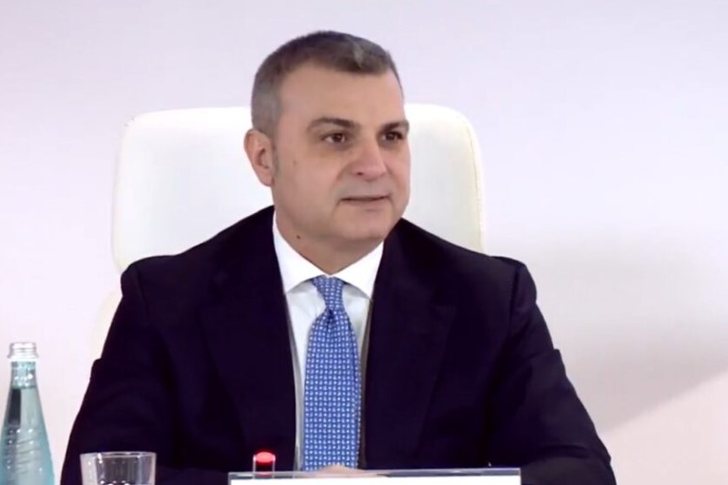
The Governor of the Bank of Albania, Gent Sejko, stated th...
Increasing investments to boost the mining sector and meet...
Announced in October, the Tax Administration has launched ...
This Wednesday, one US dollar will be bought for 81.3 lek ...
The Euro-Lek exchange rate continues to show a downward tr...
Farmers who sell their agricultural products to collectors...
This Tuesday, one US dollar will be bought for 81.5 lek an...
Last week, the State Cadastral Agency (ASHK) announced the...
The need for new energy capacities is expected to be met w...
Irfan Hysenbelliu claims to be a big businessman, an hones...

The murder of officer Enea Mekolli in the line of duty has...

The next case broadcast on the show "Stop", this Thursday,...

The case published this Thursday, June 4, on the show "Sto...

The Special Board of Appeal (KPA) decided this Monday ...

The KPA vetting decided this Thursday to dismiss the p...

Suela Salavaçi, a prosecutor in the Prosecutor's Offic...

The Special Board of Appeal reinstated the prosecutor ...

A 38-year-old man was arrested today near the Kamza turnof...

A money changer in Durrës lost 60 thousand euros after bei...
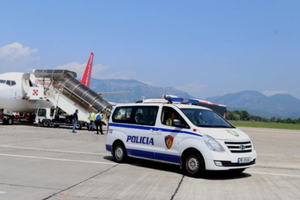
The 6 citizens captured in Dubai, members of criminal grou...
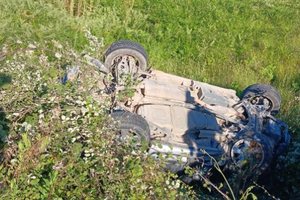
A serious accident occurred on the Kardhiq-Delvinë axis, i...
Today our country will be affected by stable weather condi...
For many children and teenagers, the long summer holidays ...
Albania is facing an unprecedented demographic transition,...

On Thursday, our country will be affected by unstable weat...
On the eve of the EU-Western Balkans summit, Germany and F...

Russian President Vladimir Putin said the war in Ukraine c...
An extraordinary story of survival has been recorded in Ne...
The Peace Implementation Council in Bosnia and Herzegovina...
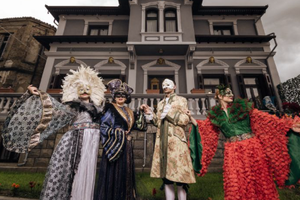
Korça is ready to open the summer season with one of the c...
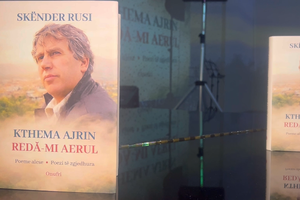
Two years after his passing, the renowned Korçë poet Skënd...
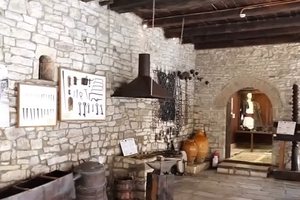
The Ethnographic Museum of Berat has opened its doors to v...
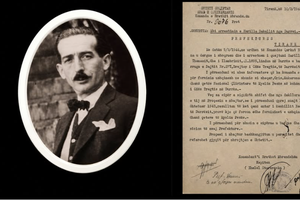
The story of Harilla Bakalli is one of the most chilling t...
Despite years of efforts at regional cooperation and free ...
Albania is the country with the highest level of severe ma...
This Friday, one US dollar is bought for 81.3 lek and sold...
The government aims to transform the country's industrial ...