


Europe is taking talents, Germany gave 5400 blue cards to Albanians in the last decade, a record
Europe seems to be appreciating Albanian talents, as it is...



Albania is part of the group of countries where over half of the population sees the economy as the main national problem, with 58% of adults citing high prices, low wages, and living standards as the dominant concern.
This data comes from a new global Gallup survey, presented at the World Governments Summit, which is based on responses from adults in 107 countries, who were asked to express in their own words what is the most important problem facing their country.
Globally, an average of 23% of adults cite the economy as the most important national issue. Residents of lower-income countries are more likely than those in high-income countries to identify the economy as the main problem.
The top three countries on this list belong to different regions and economic contexts, from high food insecurity in Malawi, to Venezuela's economic collapse amid political crisis, and Bolivia's struggles with inflation, but they all have in common a population that places economic concerns above all other problems.
By income level, in high-income countries, an average of 21% of citizens cite the economy or the inability to afford basic needs, such as food and shelter. This percentage rises to 31% in upper-middle-income countries, 36% in lower-middle-income countries, and 38% in low-income countries, where 14% specifically cite basic needs for food and shelter — far more than in any other income group. Report: 12 main categories of problems
Overall, citizens around the world group their concerns into 12 main categories. Only 1% declare that their country has no problems, while 4% refuse to answer or say they don't know.
Four topics dominate globally. Economic issues rank at the top, with a global average of 23%, followed by work and employment (10%), politics and governance (8%), and security and order (7%). Together, these account for about half of all responses.
Next in line are food and shelter (3%), social issues (3%), environment and climate change (3%), and health (3%). Another 2% mention education, 1% each mention immigration and infrastructure, while less than 1% identify the media as the main problem.
By region, the economy ranks first everywhere except North America (the United States and Canada), where politics is the main concern. In Asia-Pacific and Europe, political dissatisfaction ranks second, while in sub-Saharan Africa, the countries of the former Soviet Union, and the Middle East and North Africa, employment-related problems are most prominent.
In Latin America and the Caribbean, safety and order rank second, but fall to third in most other regions.
Essentially, the report shows that people judge national problems through personal experience: whether they manage to afford a living, find stable jobs, trust institutions, and feel safe, more than through macroeconomic indicators./ Monitor

Europe seems to be appreciating Albanian talents, as it is...

This Friday, one US dollar will be bought for 81.2 lek and...

New credit to the economy grew again at double-digit rates...

Cryptocurrency prices have fallen sharply in recent weeks,...
If in Farka about 3 years ago agricultural land was sold a...
Albania's trade balance for basket products is showing an ...
Albania ranks among the countries with the highest burden ...

This Thursday, one US dollar will be bought for 81.2 lek a...

After problems that have been occurring in the SelfCare sy...
Komisioni Kuvendor për Ekonominë, Punësimin dhe Financat, ...

More than half of Albanian families are unable to afford a...

This Wednesday, one US dollar will be bought for 81.5 lek ...
The Albanian economy is expected to maintain a stable grow...

The Albanian government has again amended the draft law on...
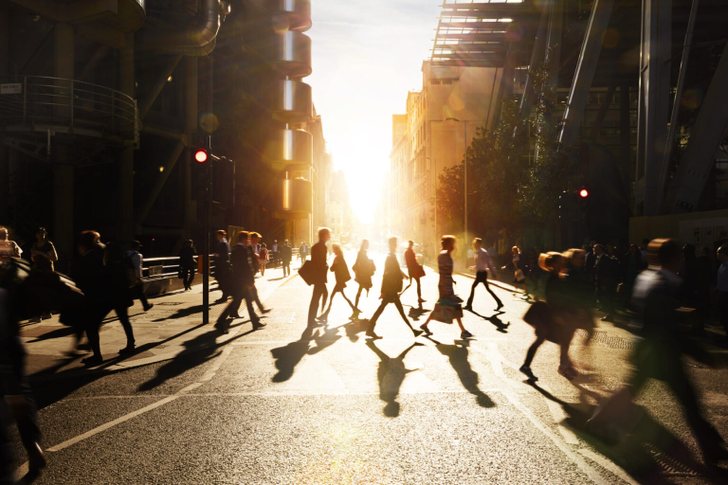
In 2025, it turns out that there has been a significant in...

This Tuesday, one US dollar will be bought for 81.2 lek an...

Average interest rates on consumer loans declined further ...

The business confidence indicator started 2026 on the rise...
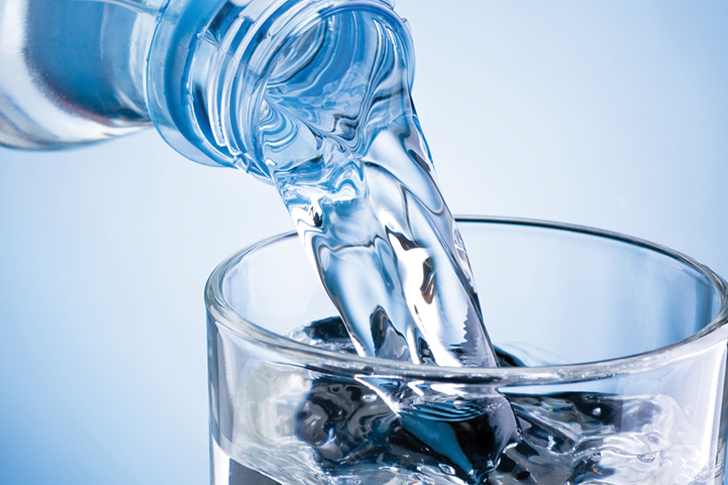
The prices of basic bar products, coffee and water, have b...

This Monday, one US dollar will be bought for 81 lek and s...

The next case broadcast on the show "Stop", this Thursday,...
The case published this Thursday, June 4, on the show "Sto...

The protests of recent days related to the situation in Zv...

The case addressed this Wednesday, June 3, on the show "St...

The Special Board of Appeal (KPA) decided this Monday ...

The KPA vetting decided this Thursday to dismiss the p...

Suela Salavaçi, a prosecutor in the Prosecutor's Offic...

The Special Board of Appeal reinstated the prosecutor ...
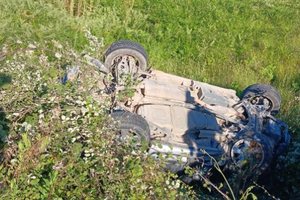
A serious accident occurred on the Kardhiq-Delvinë axis, i...

Authorities have conducted a large-scale anti-drug operati...
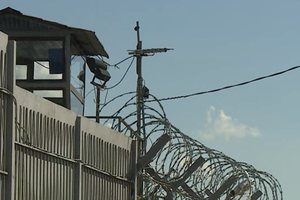
A convict was found dead today in the premises of the Pris...
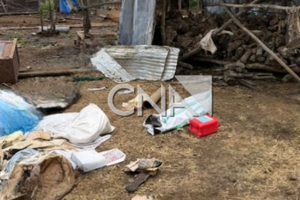
Several images provided by CNA show the area where this mo...
Today our country will be affected by stable weather condi...

For many children and teenagers, the long summer holidays ...
Albania is facing an unprecedented demographic transition,...
On Thursday, our country will be affected by unstable weat...

Russian President Vladimir Putin said the war in Ukraine c...
An extraordinary story of survival has been recorded in Ne...
The Peace Implementation Council in Bosnia and Herzegovina...
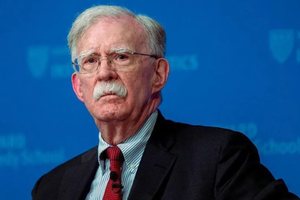
John Bolton, the former national security adviser to US Pr...

Korça is ready to open the summer season with one of the c...

Two years after his passing, the renowned Korçë poet Skënd...

The Ethnographic Museum of Berat has opened its doors to v...
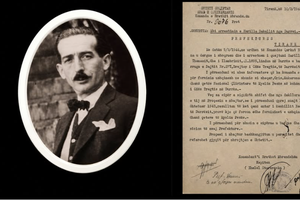
The story of Harilla Bakalli is one of the most chilling t...
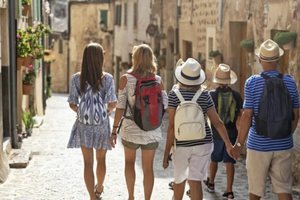
Despite years of efforts at regional cooperation and free ...

Albania is the country with the highest level of severe ma...

This Friday, one US dollar is bought for 81.3 lek and sold...
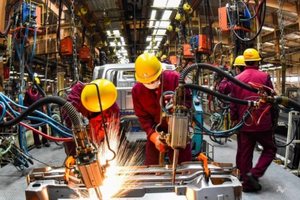
The government aims to transform the country's industrial ...