

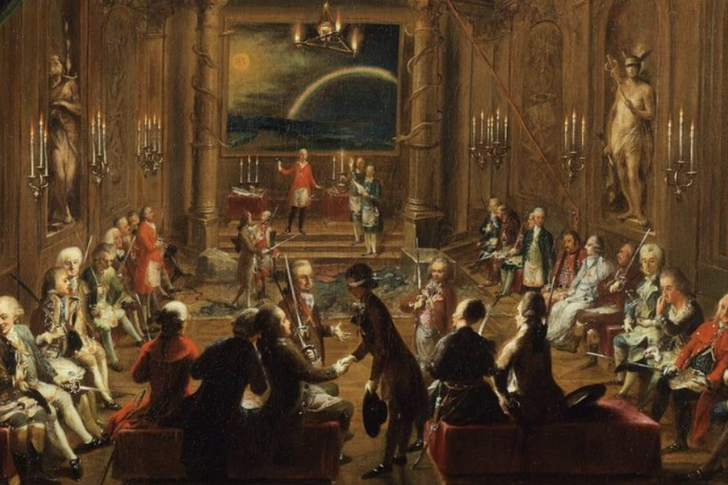
The secret society that is said to control everything that happens in the world / Where is the line between fact and fiction?
What do Rev. Jesse Jackson, George Washington, Wolfgang Am...


It is a misconception that the Cold War was a bloodless conflict between the two Cold War blocs led by the United States and the Soviet Union.
While it is true that there were no open hostilities between the two sides throughout this period, there were countless conflicts around the world that were openly or covertly supported by one of them.
Some of these conflicts, such as the Guatemalan Civil War, or the liberation war in Bangladesh, resulted in the deaths of hundreds of thousands, perhaps millions of people, making them some of the most destructive wars of the 20th century.

On October 29, 1956, Israeli forces invaded Egypt and were soon joined by British and French troops. It would become known as the Suez Crisis, which is now remembered as one of the most important conflicts of the Cold War era. It began when Egyptian President Gamal Abdel Nasser nationalized the Suez Canal in July 1956, which was previously controlled by French and British authorities. It was a response to the refusal of the US and Britain to fund the Aswan High Dam project, largely due to Nasser's growing ties to communist nations such as Czechoslovakia and the USSR.
All these events caused reactions from international factions, with the Soviet Union openly supporting Egypt and threatening nuclear retaliation against any military action on Egyptian soil. One exception was the United States, which called for de-escalation and troop withdrawal. Thanks to this and pressure from other countries, British and French forces left in December, and Israel relinquished control of the canal to Egypt by March 1957.
The Suez Crisis had far-reaching consequences, as it was the beginning of the end for the British and French empires. The canal remains under Egyptian control today, with over 300 million tons of goods passing through it each year.
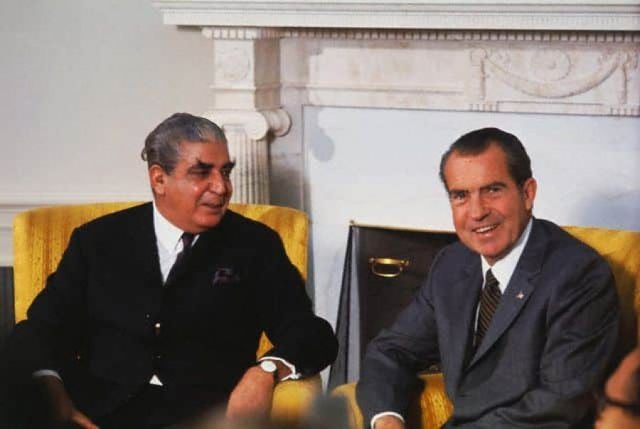
The Bangladesh Liberation War was a major conflict rooted in the complex colonial history of South Asia. Originally part of Pakistan after the partition of British India in 1947, East Pakistan, now Bangladesh, and West Pakistan were geographically, culturally and ideologically distinct regions. Tensions began when East Pakistan began seeking autonomy within the larger state of Pakistan, particularly due to differences in ethnicity and language with West Pakistan.
The situation escalated when the Pakistani army launched Operation Searchlight in March 1971, aimed at suppressing the Bengali independence movement. As violence and mass civilian massacres erupted across the country, India intervened with its army in support of Bangladesh.
Concerned about Soviet influence in the region, the US supported Pakistan with military and economic aid. It was a brutal war, with ethnic cleansing and sexual violence, that resulted in a death toll of hundreds of thousands to an estimated three million people.

Between 1945 and 1949, the Indonesian War of Independence was an armed conflict between the Republic of Indonesia and the Dutch Empire. It marked the end of Dutch colonial rule in the East Indies, beginning with the declaration of Indonesian independence after the Japanese withdrawal in 1945.
Indonesia's struggle for independence involved both sporadic armed clashes and diplomatic infighting. Dutch forces initially controlled the main urban areas, although they struggled to secure authority in the countryside. International dynamics also played a major role in the conflict.
As the Cold War intensified around the world, the United States pressured the Netherlands to resolve the Indonesian issue, threatening to cut off economic aid. This, plus pressure from other great powers and the inability of the Dutch military to subdue rural areas, eventually led to the recognition of Indonesian independence in 1949. The revolution was the end of Dutch colonial administration in the East Indies, except for New Guinea .
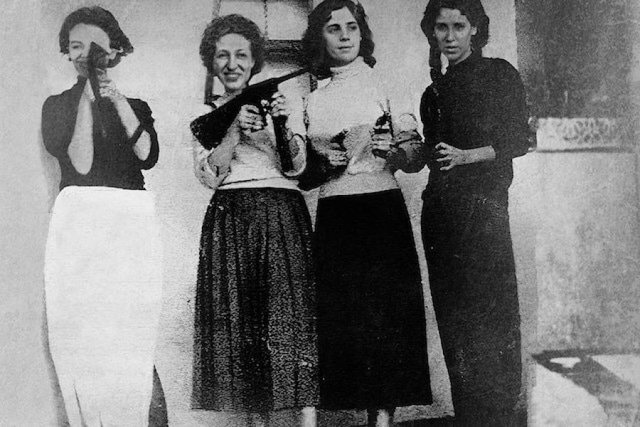
The Algerian War of Independence, sometimes called the Algerian revolution, was an anti-colonial armed conflict against French rule that began in 1954 and lasted until 1962. It was fueled largely by broken promises of self-government after World War II, led to a guerrilla conflict by the National Liberation Front, or FLN, in November 1954. It was fought mainly in and around Algiers, especially during the Battle of Algiers in 1956 and 1957.
While France, with its massive force of 500,000 troops, used many brutal tactics to suppress the rebellion, the ferocity of the resistance eventually forced it to the negotiating table. In the context of the Cold War, the FLN aimed to internationalize the conflict and gain support from the Eastern Bloc.
The Guatemalan civil war was sparked by the 1954 coup d'état, a CIA operation to overthrow the democratically elected president Jacobo Árbenz due to perceived communist threats, particularly his agricultural reforms. The coup installed Colonel Carlos Castillo Armas, whose rule rejected these reforms and restricted voting rights for Guatemala's illiterate population. The conflict was launched in 1960 by left-wing paramilitary groups against the autocratic regime led by Gen. Miguel Ydigoras Fuentes, who came to power after Castillo Armas was assassinated in 1958.
It was one of the most brutal and longest conflicts of the Cold War. Also called the Guatemalan genocide, the civil war was characterized by extreme violence mainly against indigenous tribes, with many cases of mutilation, sexual violence and public massacres throughout the country.
The war ended in 1996 with over 200,000 dead, with around 83% of them belonging to the indigenous Mayan community. According to a 1999 UN Truth Commission report, about 93% of human rights violations during the war were committed by state forces and pro-government militias.
Often referred to as the Forgotten Spanish War, the Ifni War was an armed conflict between Spain and Moroccan rebels in Spanish West Africa. Following Morocco's independence from France in 1956, tensions began to rise in other Spanish-held enclaves in the region historically considered Moroccan territory, including Ifni and parts of the Spanish Sahara.
The Moroccan Liberation Army began an invasion of the two regions in November 1957, with about 12,000 fighters drawn from tribal populations and volunteers. Under siege and cut off from reinforcements, the outnumbered Spanish garrison at Ifni managed to maintain a defensive perimeter around the capital of Sidi Ifni. They also prevailed in the Spanish Sahara and drove the MLA out of the territory in early 1958, aided by French fighters. Sidi Ifni remained under Spanish control until 1969, when it was returned to Morocco due to international pressure.
Also known as the Namibian War of Independence, in South Africa, the South African Border War was a series of asymmetrical conflicts between apartheid South Africa and various armed groups, including the Namibian People's Liberation Army and the armed wing of People's Organization of South West Africa.
Primarily an anti-colonial war of independence, it took place between August 1966 and March 1990, making it one of the longest conflicts of the Cold War era. It was also closely related to the Angolan Civil War, involving Cuba, the USSR and other Cold War powers.
The conflict began with South Africa's refusal to grant independence to Namibia, then known as South West Africa, despite international pressure and numerous United Nations resolutions. SWAPO, with the support of the Soviet Union, China and other sympathetic African states, formed the PLAN in 1962 and began an armed struggle.
The war escalated in August 1966, when fighting broke out between the rebels and the South African authorities, followed by South Africa staging massive attacks against PLAN bases in Angola between 1975 and 1988. While they enjoyed some early victories, Africa the well-supplied South's army would be defeated by 1990, bringing Namibia full independence.

While most people know about the Soviet invasion of Hungary, very few people are aware of its military incursion into Czechoslovakia. On August 20, 1968, tens of thousands of Warsaw Pact troops led by the USSR began an all-out invasion of communist Czechoslovakia. It was a response to the Prague Spring, a period of liberalization and reform led by Czechoslovak First Secretary Alexander Dubcek.
The Prague Spring promised democratic elections, increased autonomy for regions such as Slovakia, freedom of speech and religion, an end to censorship and major economic reforms. The Soviet Union, on the other hand, wanted to maintain orthodox communism as the dominant ideology in the region, prompting an armed response. The invasion destroyed the Prague Spring and resulted in the deaths of over 100 protesters.
The Angolan Civil War was one of the most protracted and destructive conflicts of the 20th century, lasting from 1975 to 2002. It resulted in the deaths of nearly one million people and the displacement of another four million. The conflict had its roots in Angola's struggle for independence from colonial rule, which began in 1975 after Portugal's hasty withdrawal from the region. This departure left a political vacuum in the country, with numerous independence movements suddenly emerging and fighting for control.
Over the years, the Angolan Civil War became one of the many active military theaters of the Cold War. It was a proxy battle between the communist bloc, supported by the USSR and Cuba, and the Western alliance, aided by South Africa, the US and Great Britain.
The conflict escalated throughout the 1980s, leading to the deadly Battle of Cuito Cuanavale in 1988, where both sides claimed victory and nearly 10,000 soldiers lost their lives. A temporary ceasefire was established until 1992, followed by elections supervised by the United Nations. The war continued for another decade until 2002, when one of the opposition leaders, Jonas Savimbi, was killed by government forces.
The Greek Civil War was a forgotten conflict that took place immediately after World War II. Beginning just weeks after the end of the German occupation of Greece, it began when the communist-controlled EAM-ELAS established a provisional government in the Greek mountains while British forces wanted to maintain a coalition government in Athens, which was soon toppled due to of resistance and caused the civil war.
The conflict escalated in 1946 when the Communists, now operating mostly underground, launched a full-scale guerrilla war against the occupying forces. Great Britain eventually surrendered its role to the US government, thanks to the evolving Cold War dynamics around the world. The Truman Doctrine of the Cold War was formed in response to this crisis, which offered massive military and economic aid to Greece to suppress the rebellion. The Greek government managed to clear communist rebel strongholds by 1949, effectively ending the conflict on October 16.

What do Rev. Jesse Jackson, George Washington, Wolfgang Am...
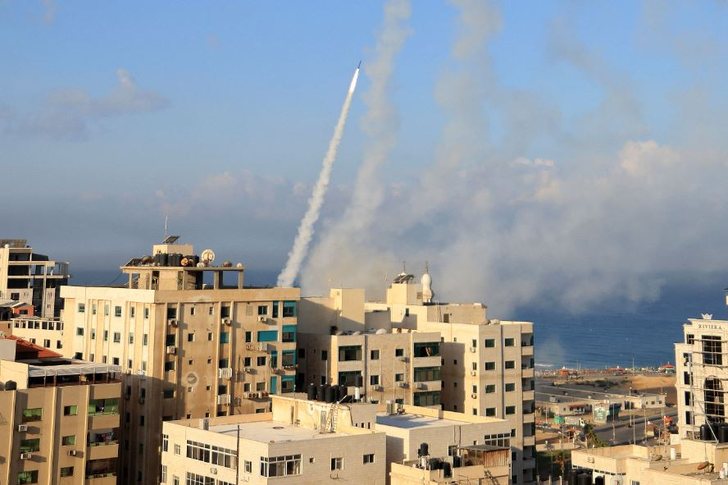
Konflikti Izrael-Palestinë po luftohet jo vetëm midis usht...
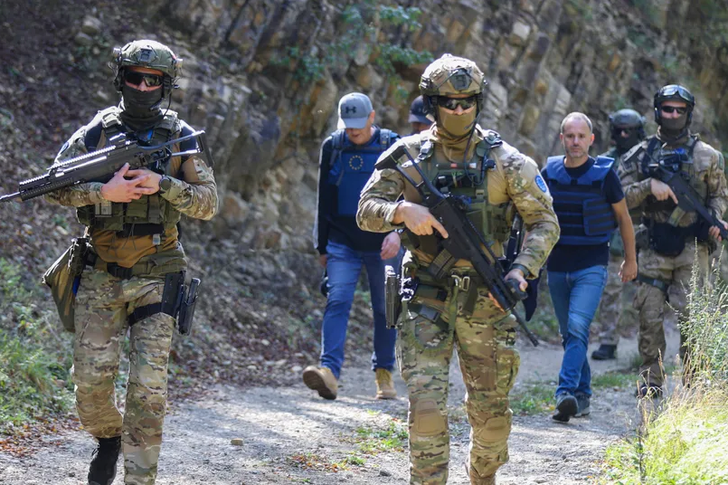
The autumn sun shines brightly on the forest path, along w...
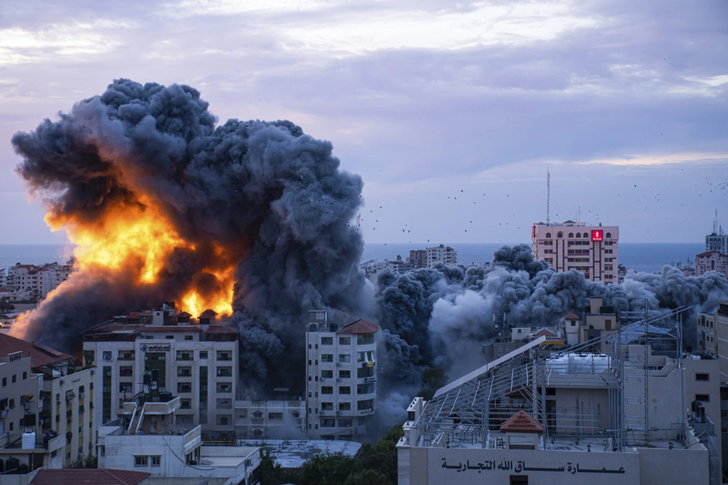
This week I had intended to write about the negotiations b...

From last-minute shopping at the supermarket, wrong or...

1967 - Bolivian forces execute renowned communist revoluti...
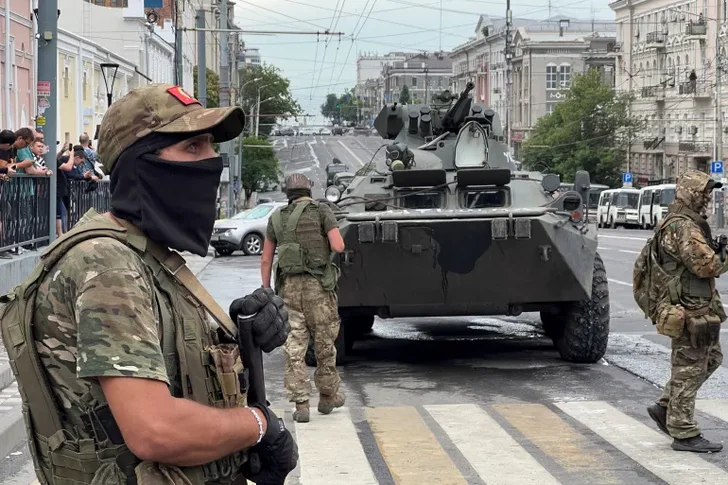
Whisper if you need to. Dare to think about it. In any cas...
Imagine if the US is no longer able, or simply unwilling, ...
Since World War II, every 20 years or so Germany has b...
From the moment I learned that in 1947, Walter Lippman...

It is unclear why horns still remain a symbol of marit...
2001 - The United States launches the invasion of Afghanis...
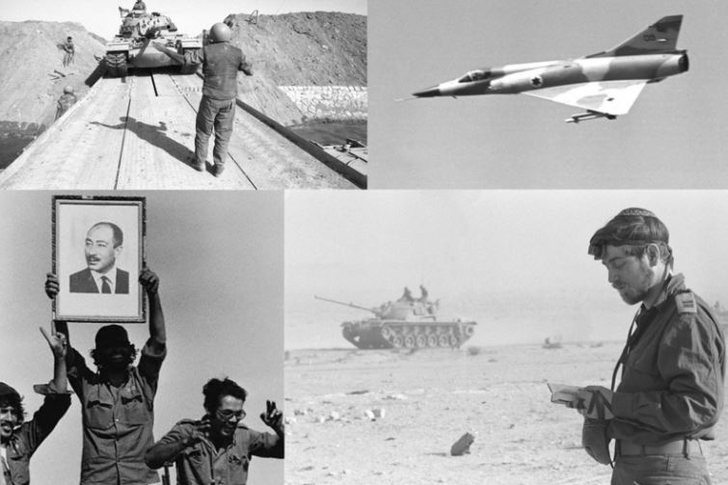
1973 - Lufta e Jom Kipur, çon në prag të konfliktit Sht...
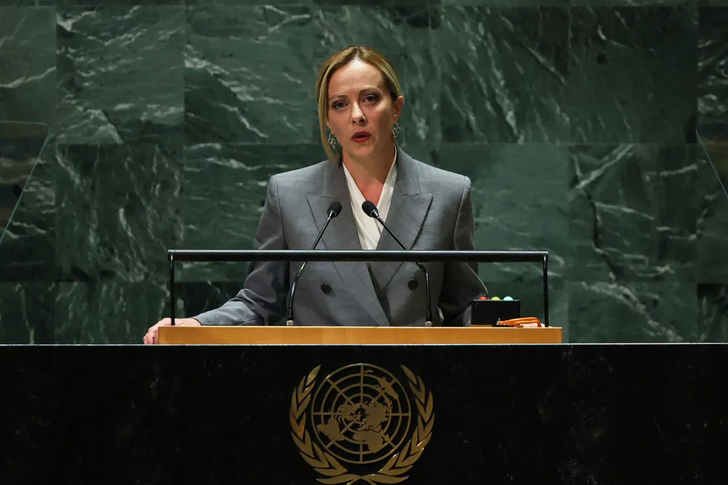
Is there really a plot to oust Giorgia Meloni as...

2011 - Vdes themeluesi i “Apple”, Stiv Xhobs Stiv Xhobs, ba...
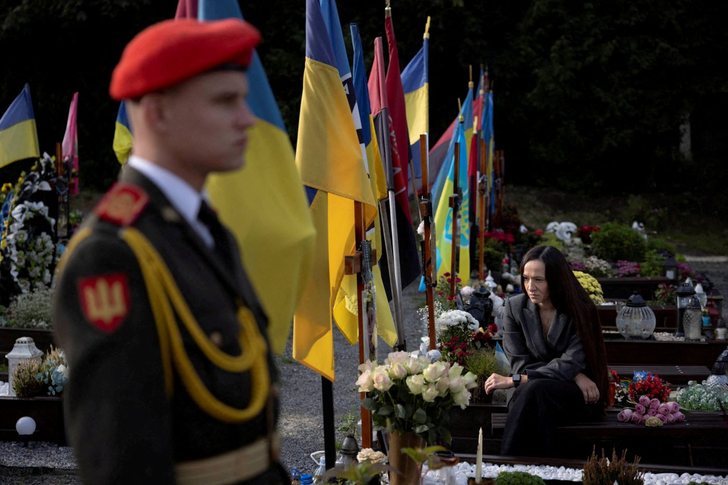
Europeans scoffed when Donald Trump called them "evildoers...
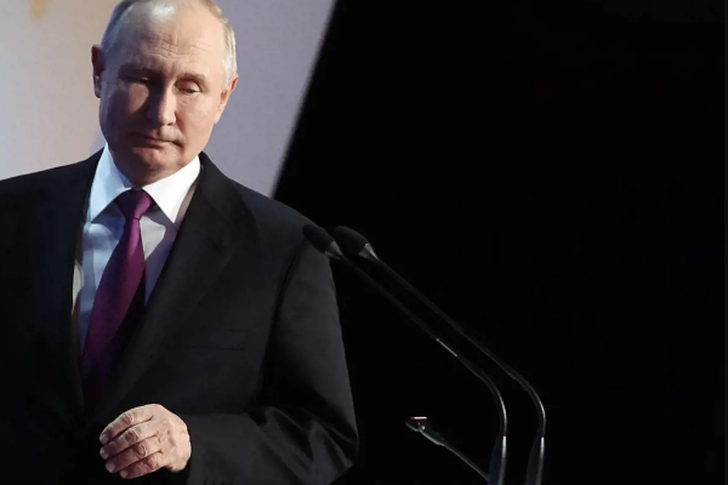
The Kremlin is toasting and celebrating the victory in the...
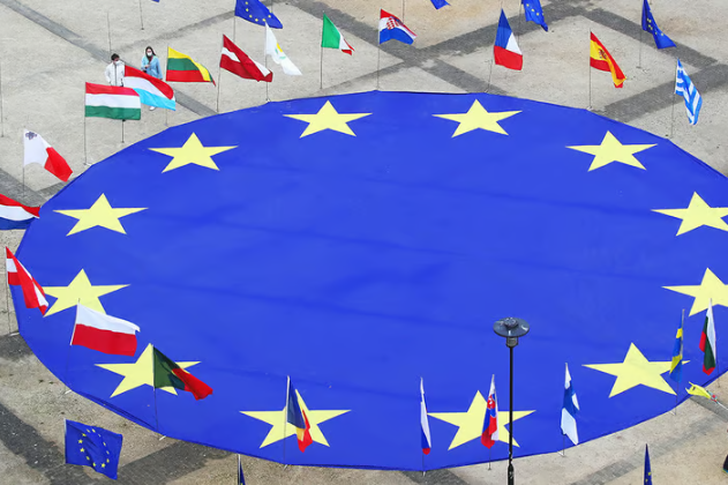
Russia's invasion of Ukraine has caused a series of geopol...

Çdo vit, rreth 2.4 milionë njerëz në Britaninë e Madhe...
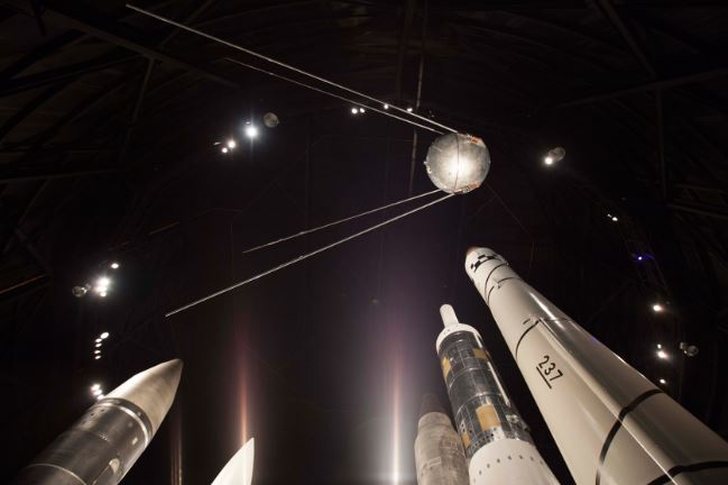
1957 - The Soviet Union launches the first satellite "...
A 39-year-old citizen has been arrested in Lezha, after se...

CNA has launched another investigation that could lead to ...

Irfan Hysenbelliu is a businessman that we call "Irfan the...

In March 2026, CNA launched another investigation centered...

The Special Board of Appeal (KPA) decided this Monday ...

The KPA vetting decided this Thursday to dismiss the p...

Suela Salavaçi, a prosecutor in the Prosecutor's Offic...

The Special Board of Appeal reinstated the prosecutor ...
Following the successive operations carried out by the ope...
The Police Supervision Agency has seized the service weapo...
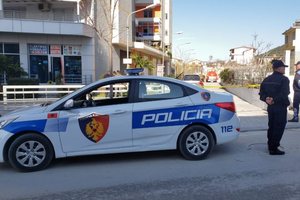
A serious incident occurred in Lushnje, where citizen IY, ...
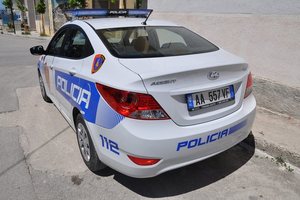
As a result of the investigative and procedural actions ca...
As the year 2026 is in its second half, the world is exper...

Today, our country will be under the influence of stable a...

By noon, cloudiness is expected to prevail in almost all o...

Children without parental care, for whom alternative famil...
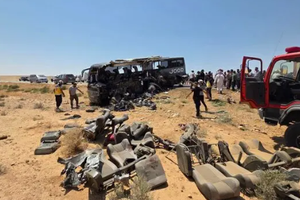
Thirty-five people were killed and 30 others were injured ...

US President Donald Trump has announced that he will seek ...
Almost half of people living in France, Germany, Italy and...
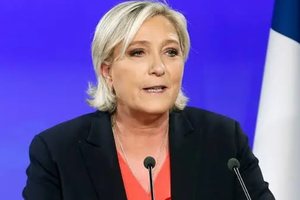
Marine Le Pen is entering the decisive phase of the presid...
Two windows, a century of history and the metaphysics of p...
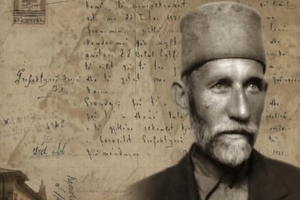
In my research at the Central State Archives, specifically...

At a time when industrial products are increasingly taking...

Trust among people is not just a three-syllable word. It c...
This Saturday, one US dollar is bought for 81.7 lek and so...
War, weather and supply disruptions could send gas prices ...
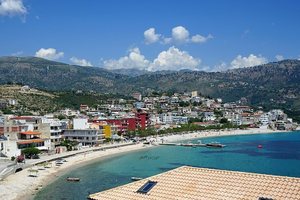
The number of active enterprises in Albania continued to g...
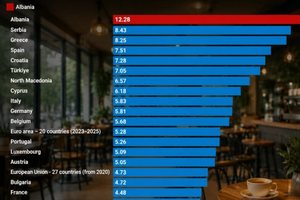
In Albania, the bar-cafe has long become an almost unique ...