

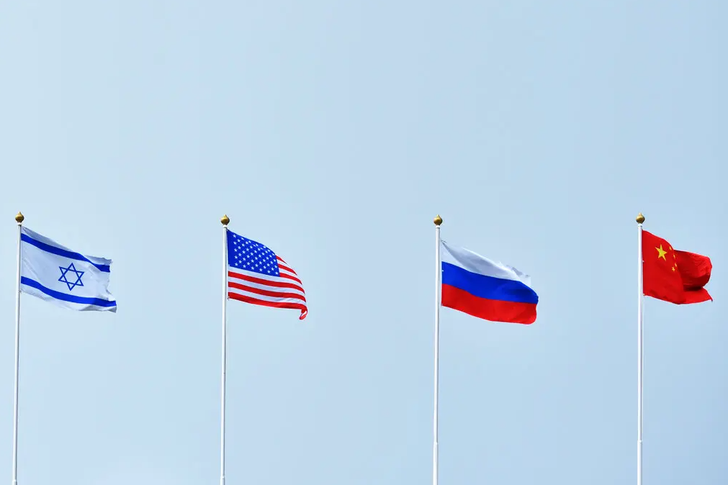
The four leaders who are turning the world upside down
From the moment I learned that in 1947, Walter Lippman...


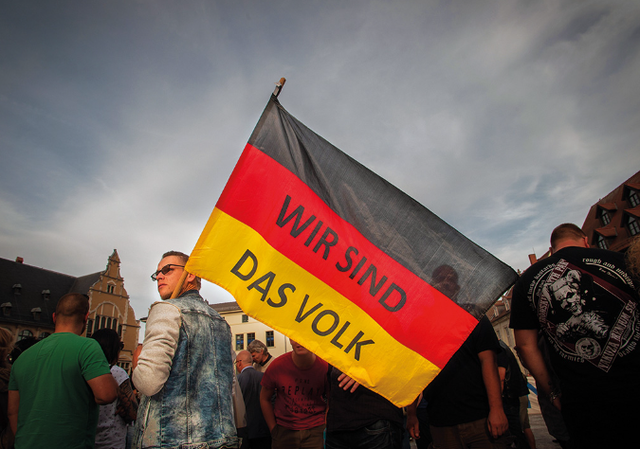
Since World War II, every 20 years or so Germany has been hit by an economic crisis that has often seemed insurmountable: in the late 1960s, early and mid-1980s, early 2000s and now.
These past crises seemed grim for the time, but were usually resolved through a change of government or through reforms. The current economic crisis is more fundamental. Because it is about Germany's role in the world, as well as its model of economic growth. This time there is no clear reform agenda that will help Germany overcome this crisis. There is not even an alternative government or coalition waiting to try something new. This time the situation is really different.
Russia's full-scale invasion of Ukraine in February 2022 is not the root cause of anything, but a trigger for everything. Until a year ago, Germany relished its role as a caretaker of geopolitics. It was a country that was both East and West: dependent on the US for security, on Russia for gas, and on China for its exports.
The invasion of Ukraine by Russia highlighted the instability of the current approach of German diplomacy. It also exposed Germany's overdependence on old gas industries as well as its lack of industrial modernization. The current debates in Germany show that the appetite to undertake deep changes is not strong enough.
On the contrary, we can see a scenario similar to what happened to Italy after its entry into the eurozone in 1999, a long period of economic crisis, a weakening of the traditional center of politics, as well as a rise of extreme parties.
This summer, the far-right Alternative for Germany (AfD) ranked in polls as Germany's second largest party nationwide. Even bigger than any party in Olaf Sholc's 3-party coalition, including his Social Democrats (SPD).
Ne e dimë nga Leon Tolstoi se familjet e pakënaqura janë të tilla në mënyrat e tyre të ndryshme. AfD është familja e pakënaqur e Gjermanisë Lindore, dhe nuk është si asnjë tjetër. Ajo u themelua rreth një dekadë më parë si një lëvizje e profesorëve të ekonomisë gjermano-perëndimore që ishin kundër euros. Më vonë në këtë parti u infiltruan nacionalistët që kundërshtonin emigracionin, anëtarësimin në BE dhe çdo gjë jo-gjermane.
Qendra e gravitetit politik të AfD-së u zhvendos nga Perëndimi në Lindje, duke u bërë gjithnjë e më ekstremiste. Unë nuk do ta quaja fashiste këtë parti, por është fakt që disa nga anëtarët e saj kanë qenë tolerantë ndaj neo-nazistëve dhe kanë marrë pjesë në protestat e këtyre të fundit.
Sipas sondazheve të fundit, AfD gëzon mbështetjen e 21-22 për qind të elektoratit në mbarë vendin. Në Gjermaninë lindore, AfD përkrahet nga 29-35 për qind e qytetarëve. Në 4 nga 5 shtetet e Gjermanisë Lindore është partia më e madhe e vetme në sondazhe.
Shkaku për ngritjen më të fundit të AfD-së në sondazhe është mbështetja e Gjermanisë për luftën e Ukrainës kundër pushtimit rus. Shumica e gjermano-lindorëve janë kundër dërgesave të armëve në Ukrainë. Gjermania Lindore duket shpesh një vend i pleqve dhe grave, shumë prej të cilëve kanë ende një lidhje të fortë me Rusinë.
They have lived through 3 distinct periods in their adult lives, all influenced by Russia : the Cold War era of the Soviet-aligned German Democratic Republic from 1949-1990; the era of Russo-German détente in a unified Germany from 1990 to 2021; and the current era that defines itself as an opponent of Vladimir Putin's Russia. By Wolfgang Münchau “New Statesman”/ Adapted from CNA

From the moment I learned that in 1947, Walter Lippman...
It is unclear why horns still remain a symbol of marit...
2001 - The United States launches the invasion of Afghanis...
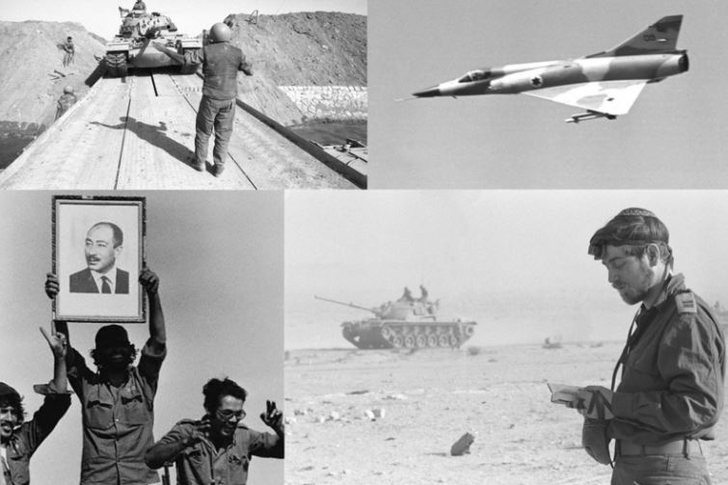
1973 - Lufta e Jom Kipur, çon në prag të konfliktit Sht...
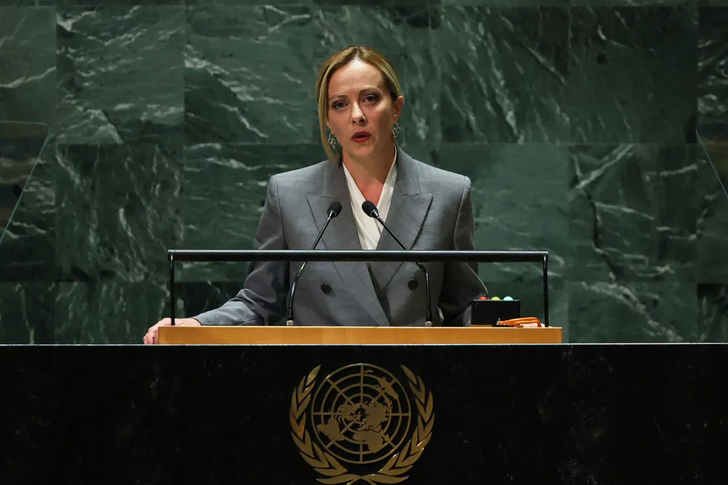
Is there really a plot to oust Giorgia Meloni as...

2011 - Vdes themeluesi i “Apple”, Stiv Xhobs Stiv Xhobs, ba...
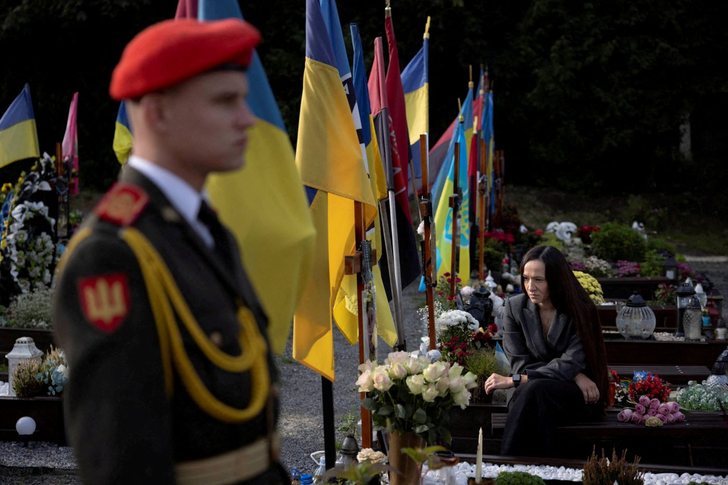
Europeans scoffed when Donald Trump called them "evildoers...
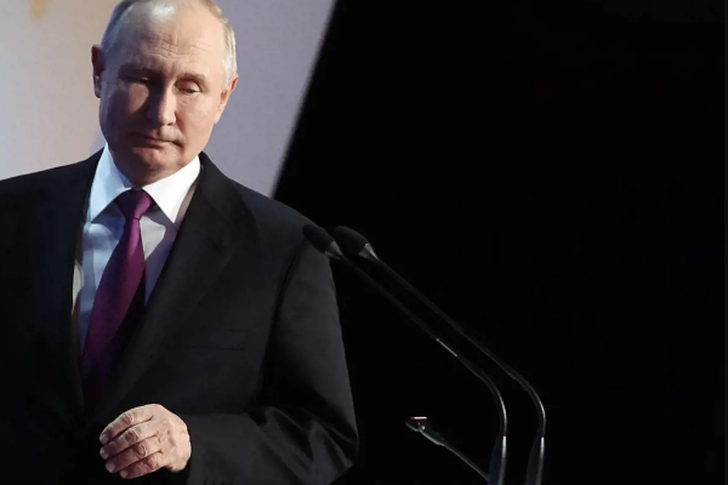
The Kremlin is toasting and celebrating the victory in the...
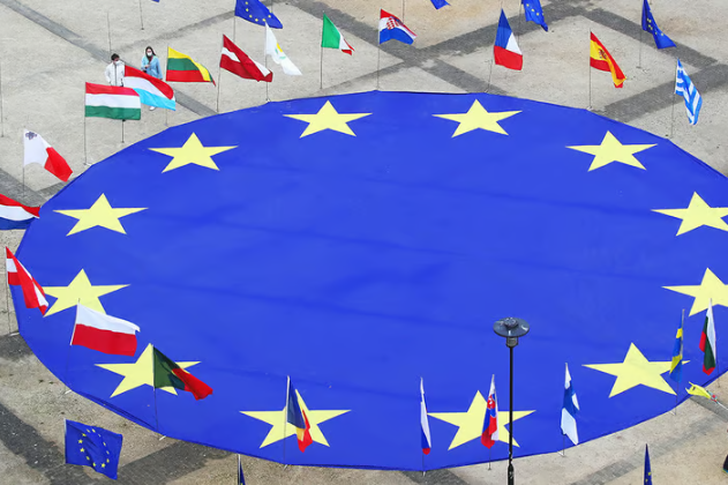
Russia's invasion of Ukraine has caused a series of geopol...
Çdo vit, rreth 2.4 milionë njerëz në Britaninë e Madhe...
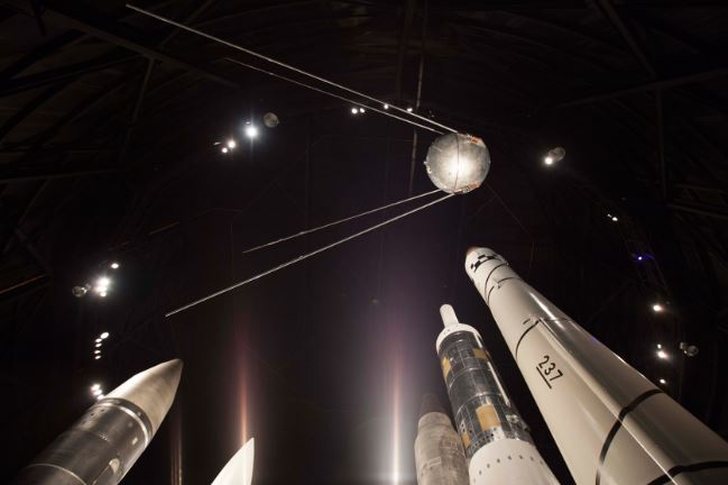
1957 - The Soviet Union launches the first satellite "...
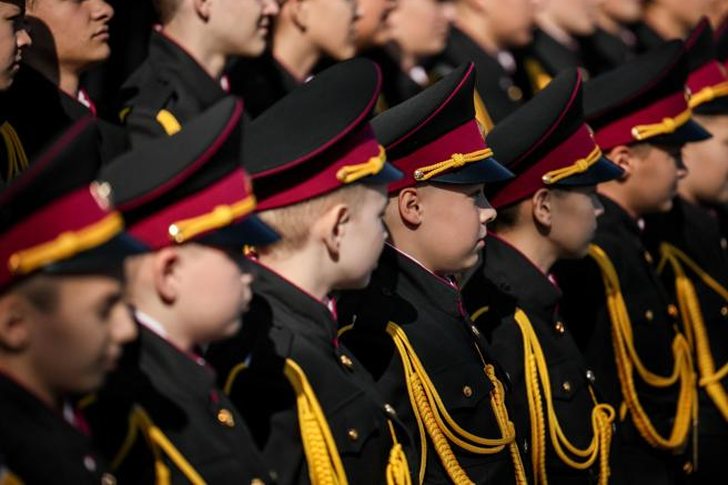
Demographics Ella Bibiavava, director of the Academy of Sc...
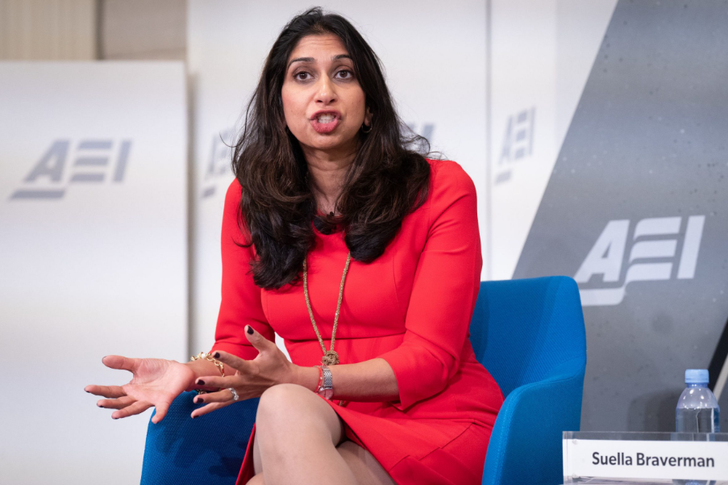
Amidst the tensions within the Conservatives over the immi...
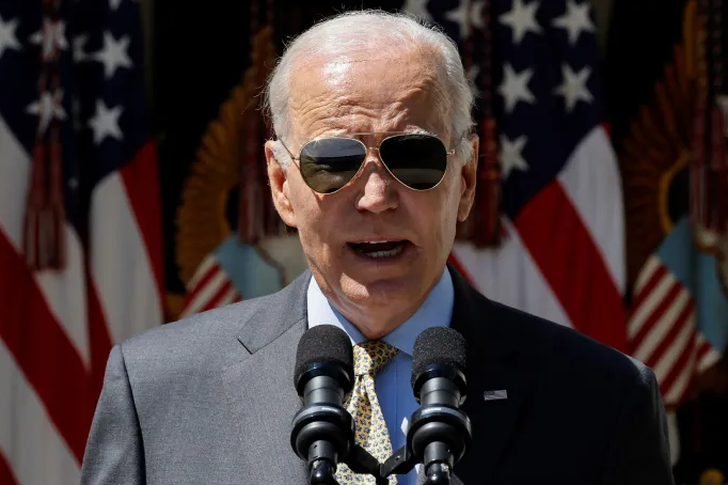
US President Joe Biden is a family man in many ways. He is...
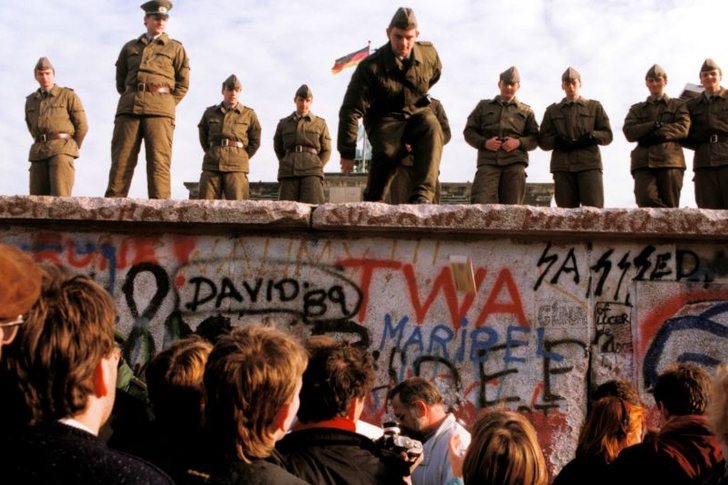
1990 - East and West Germany reunite after 45 years I...
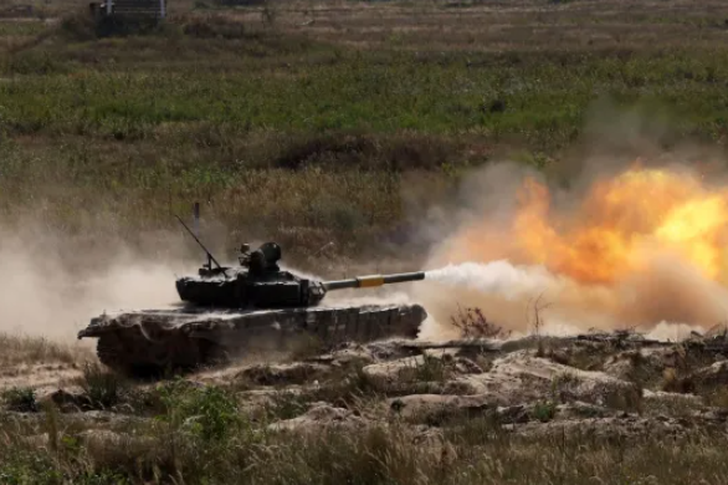
During the debate over whether or not the United State...
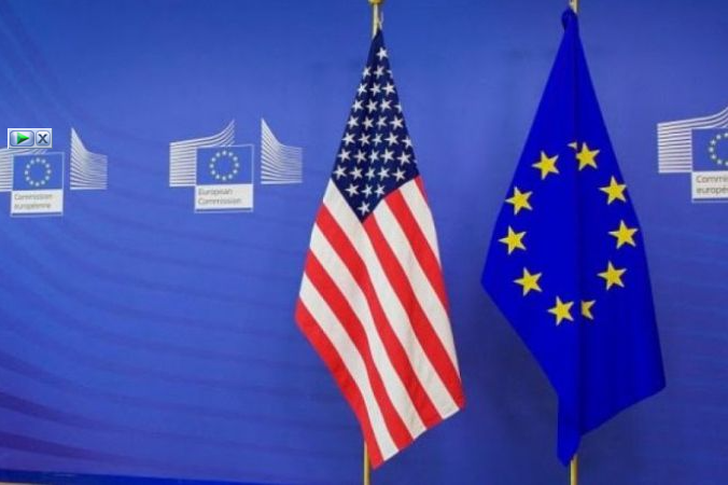
Kosovo police and NATO forces in the north of the Serb-maj...
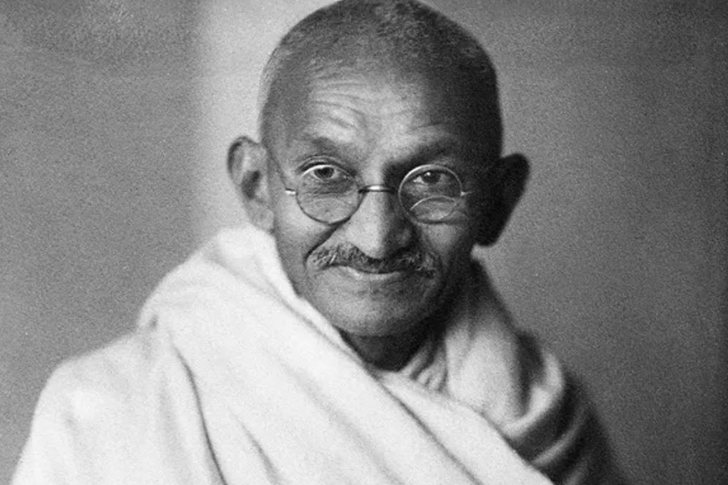
1869 - The "father" of India's independence and the inspir...
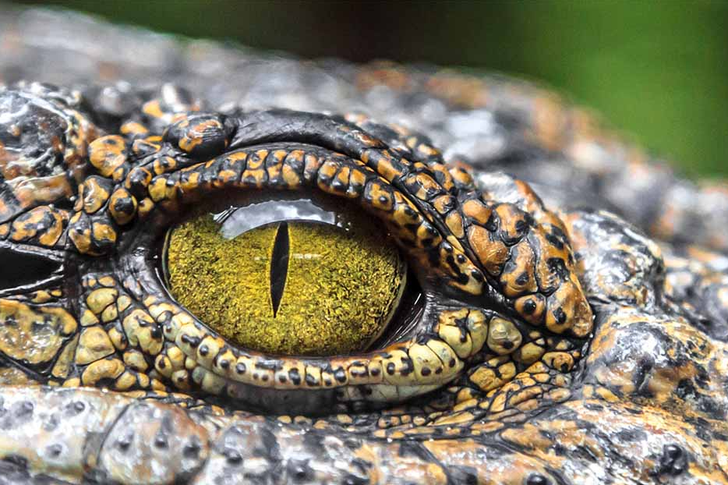
Today, when someone accuses another person of shedding "cr...
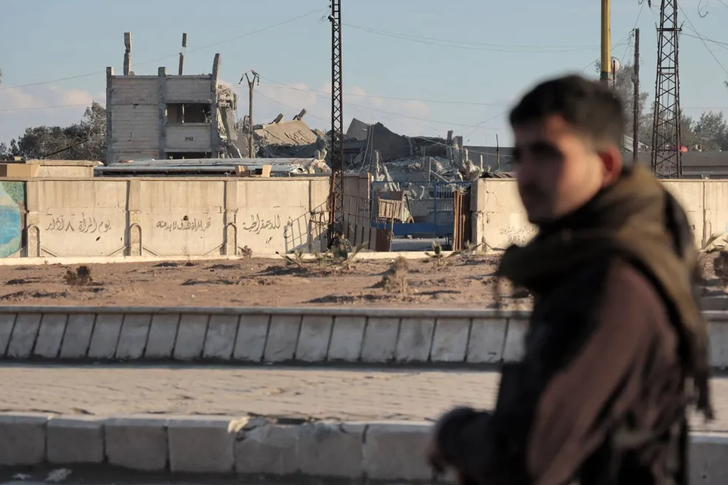
In a series of interviews earlier this month on the 22nd a...
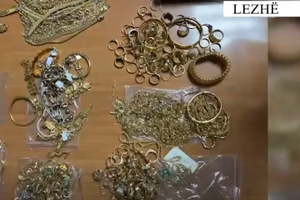
A 39-year-old citizen has been arrested in Lezha, after se...

CNA has launched another investigation that could lead to ...

Irfan Hysenbelliu is a businessman that we call "Irfan the...

In March 2026, CNA launched another investigation centered...

The Special Board of Appeal (KPA) decided this Monday ...

The KPA vetting decided this Thursday to dismiss the p...

Suela Salavaçi, a prosecutor in the Prosecutor's Offic...

The Special Board of Appeal reinstated the prosecutor ...

Following the successive operations carried out by the ope...
The Police Supervision Agency has seized the service weapo...
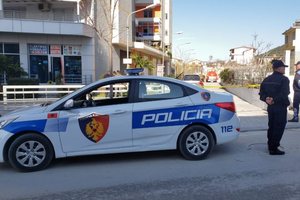
A serious incident occurred in Lushnje, where citizen IY, ...
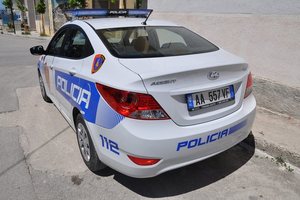
As a result of the investigative and procedural actions ca...

As the year 2026 is in its second half, the world is exper...
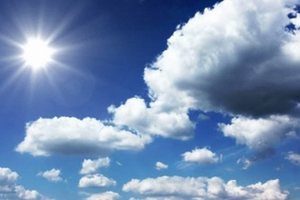
Today, our country will be under the influence of stable a...

By noon, cloudiness is expected to prevail in almost all o...
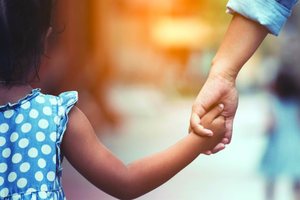
Children without parental care, for whom alternative famil...
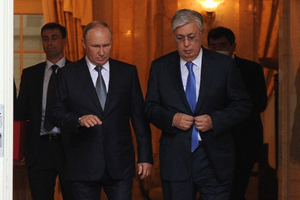
Kazakh President Kassym-Jomart Tokayev shared some critici...
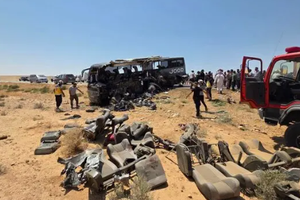
Thirty-five people were killed and 30 others were injured ...

US President Donald Trump has announced that he will seek ...
Almost half of people living in France, Germany, Italy and...
Two windows, a century of history and the metaphysics of p...
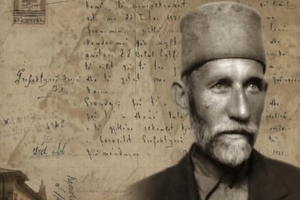
In my research at the Central State Archives, specifically...

At a time when industrial products are increasingly taking...

Trust among people is not just a three-syllable word. It c...
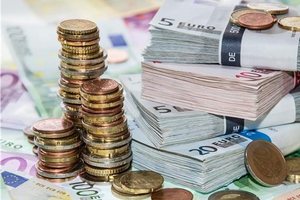
This Saturday, one US dollar is bought for 81.7 lek and so...
War, weather and supply disruptions could send gas prices ...
The number of active enterprises in Albania continued to g...
In Albania, the bar-cafe has long become an almost unique ...