

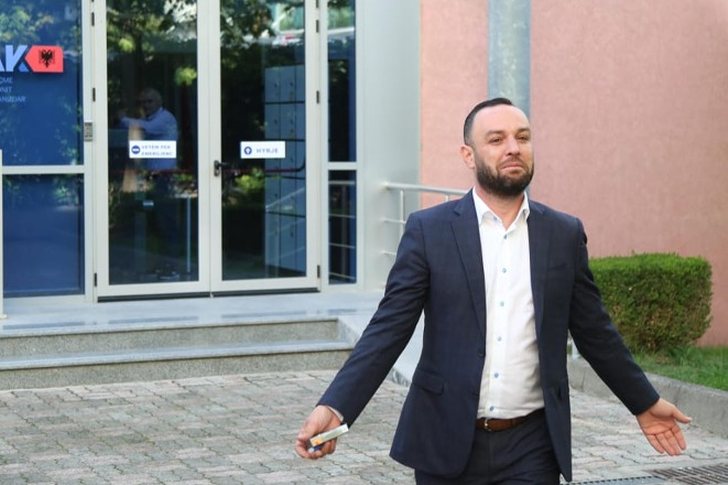
The arrest of Çyrbja/Lala: The former MP gave information to organized crime in exchange for votes
Journalist Klodiana Lala has revealed details about th...


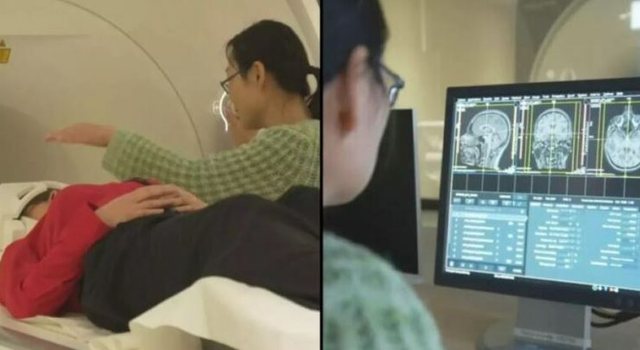
Undoubtedly, the use of electronic devices in most cases negatively affects users, especially children and teenagers.
According to a recent study, scientists have warned that teenagers are much more likely to become addicted to their mobile phones because their brains are still developing at this age and excessive use can completely change them. .
During a British show on "ITV", experts analyzed magnetic resonance images, which showed how the teenager's brain reacts to pleasant experiences such as scrolling through "TikTok" or "Instagram".
As a result, teenagers are prone to become addicted to the use of mobile phones because instead of doing other activities, they look for faster solutions for entertainment.
Professor of neuroscience and mental health Ciara McCabe explained that adults with fully developed brains know when "enough is enough", while today's young people do not think this way.
"When you use something like a smartphone, if you use apps that are fun or useful, it will activate the parts of the brain that are involved in reward. "When you're an adult and you're looking at your phone, you obviously have your brain's reward system activated, but you also have a fully developed prefrontal cortex and it's like a control system ," McCabe explains.
There is evidence to suggest that adolescent or adolescent brains respond differently than adult brains, particularly to rewarding experiences. This is probably because parts of the prefrontal cortex are not yet fully developed in young people.
She explained that this puts teenagers at greater risk of becoming addicted to social media, as their brains get used to the constant hit of dopamine they get when they're online.
Other studies have also produced similar results, and research conducted in the US in 2022 suggests that the brains of teenagers who are constantly influenced by phone content develop differently.

Journalist Klodiana Lala has revealed details about th...
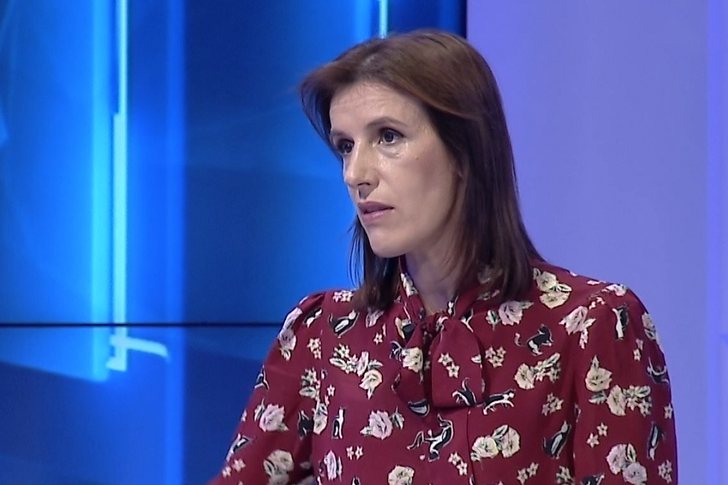
Journalist Klodiana Lala gave details this evening reg...
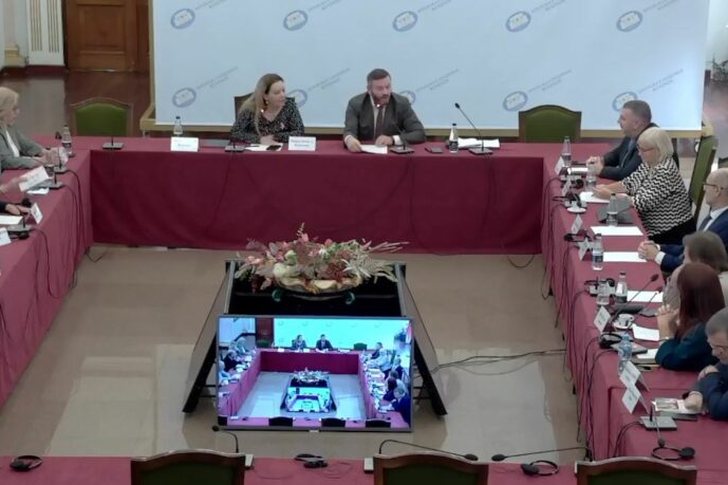
The investigation commission for the public services of St...
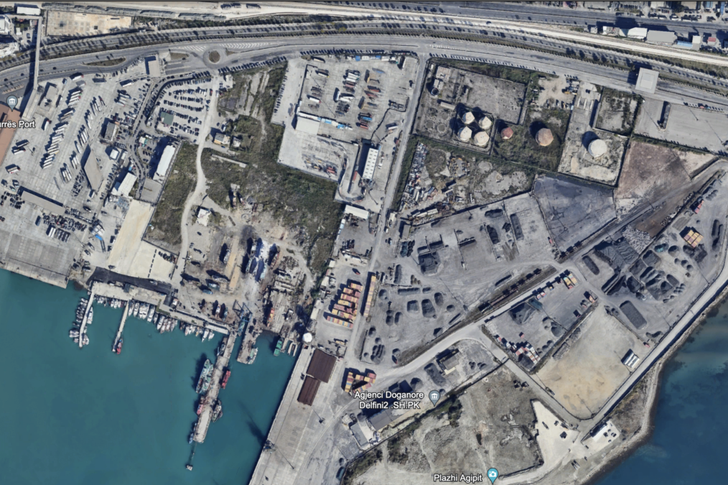
The American non-governmental organization 'Basel Action N...
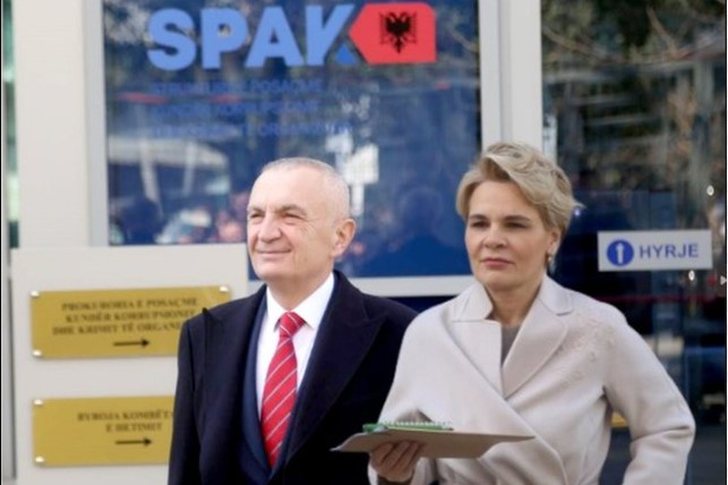
The leader of the Freedom Party, Ilir Meta, was arrest...
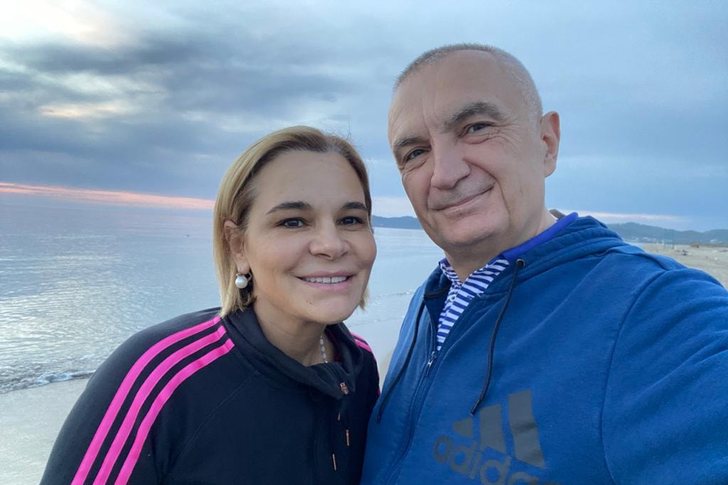
Another criminal charge against the leader of the Free...
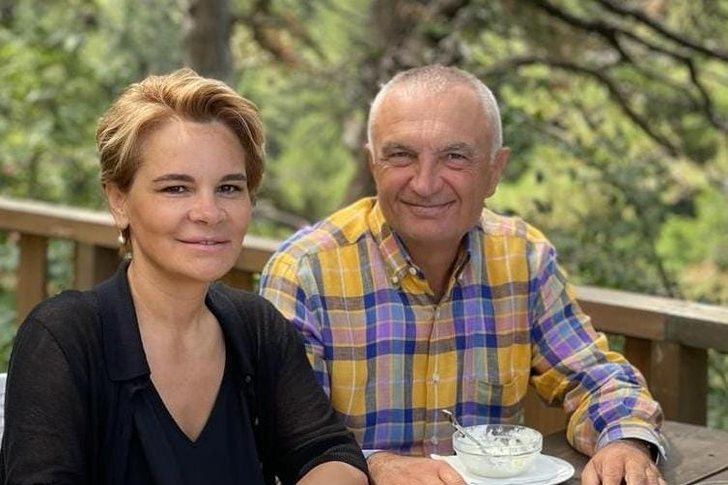
The expenses for aesthetic interventions have been one...
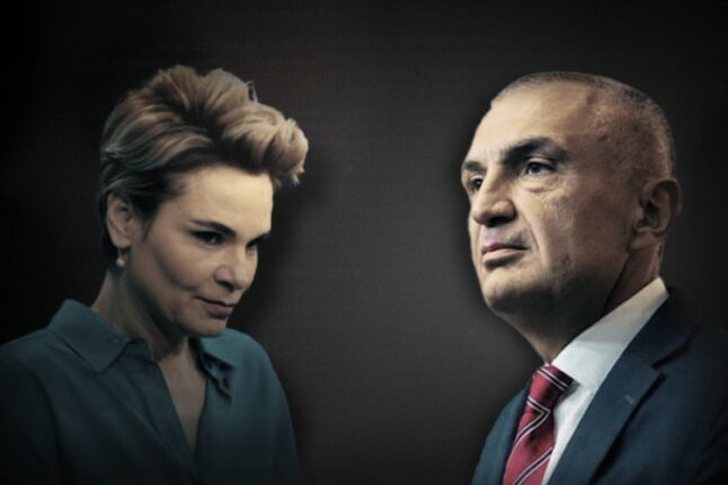
SPAK has listed the charges against the head of the PL...
SPAK has announced the charges against the head of the...

The Special Prosecutor's Office has reacted to the arr...

The Special Court of First Instance for Corruption and Org...

The police have come out with a reaction regarding the arr...

At noon today, the leader of the PL, Ilir Meta, was arrest...

Former Prime Minister, former President and leader of the ...

SPAK has given the measure of arrest in prison for the for...

CNA has provided a photo from the moment of the arrest of ...
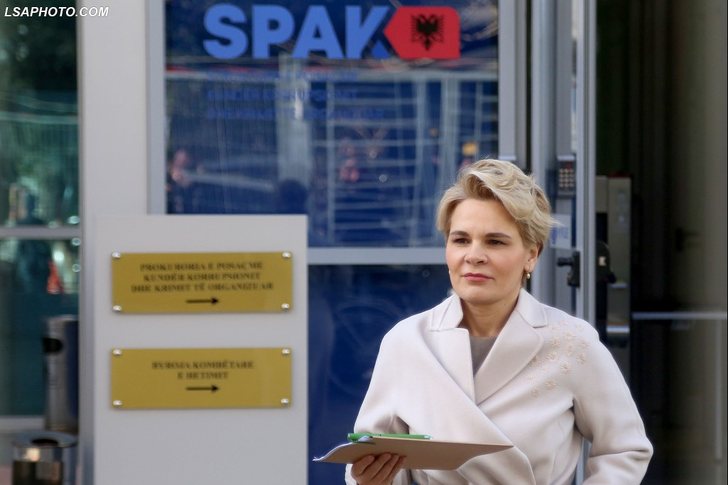
SPAK has ordered the arrest of the head of the Freedom Par...
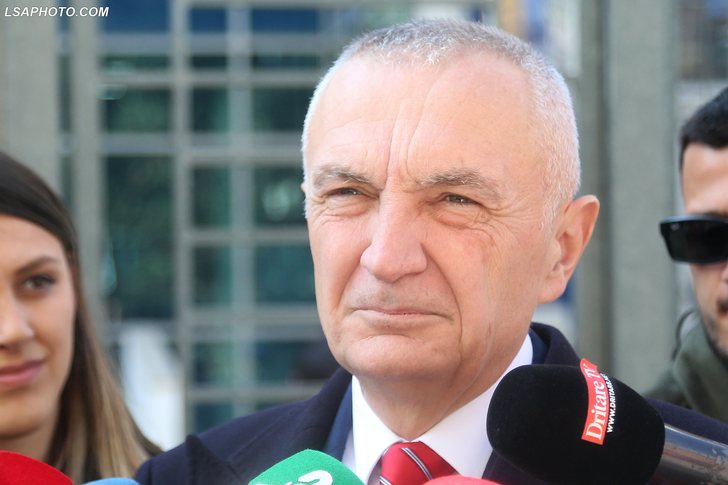
The head of the Freedom Party, Ilir Meta, was arrested a f...
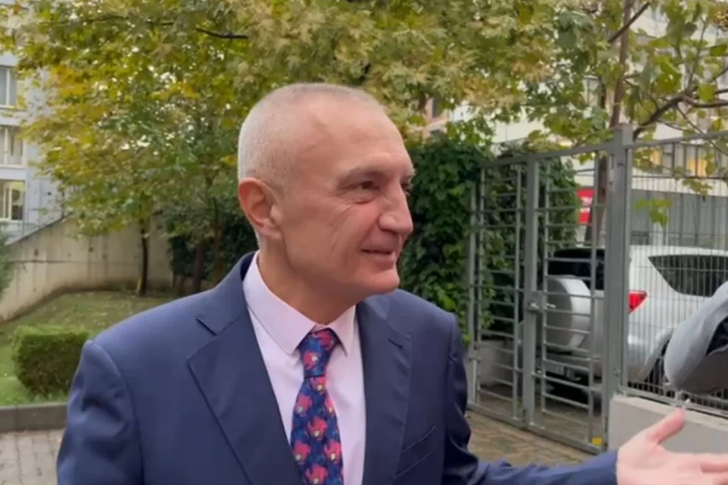
The head of the Freedom Party, Ilir Meta, was arrested by ...
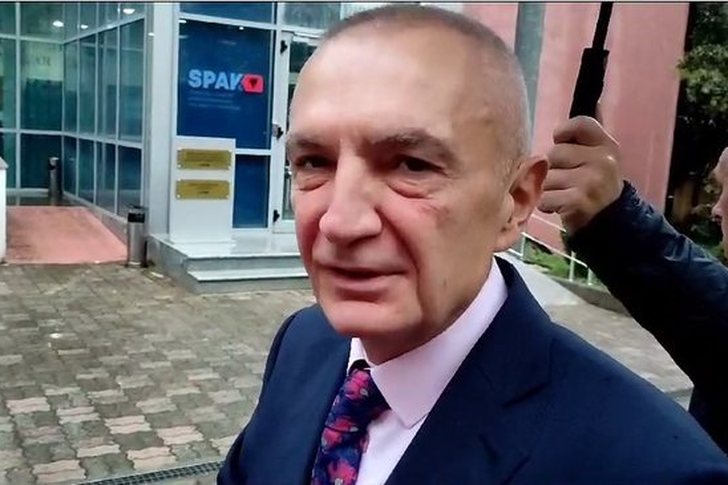
The head of the Freedom Party, Ilir Meta...continues...
Dritan Prençi is the SPAK prosecutor who is sleeping on th...
The in-depth investigations that SPAK conducted into Ajola...
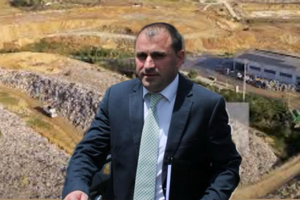
SPAK's standards, the way it investigates, how it secures ...
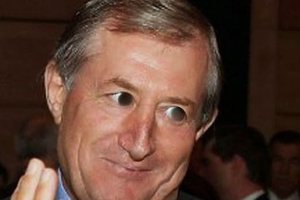
Irfan Hysenbelliu claims to be a big businessman, an hones...

The Special Board of Appeal (KPA) decided this Monday ...

The KPA vetting decided this Thursday to dismiss the p...

Suela Salavaçi, a prosecutor in the Prosecutor's Offic...

The Special Board of Appeal reinstated the prosecutor ...
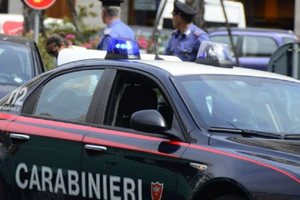
A 33-year-old Albanian citizen was arrested in Italy after...
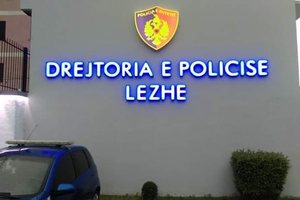
One of the perpetrators of the explosion that occurred yes...
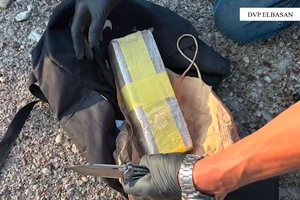
A case of heroin trafficking from North Macedonia to Alban...
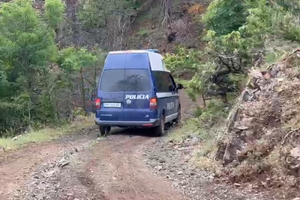
Details have been revealed from the investigation file for...

On Thursday, our country will be affected by relatively un...
Albania is facing a deep demographic crisis where official...
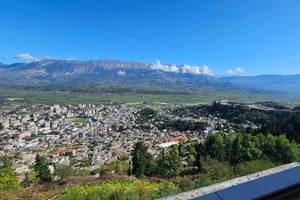
This Wednesday, our country will be affected by relatively...
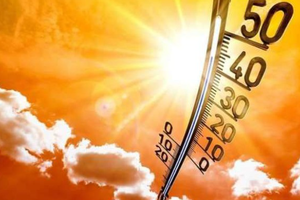
The UN's World Meteorological Organization now warns that ...
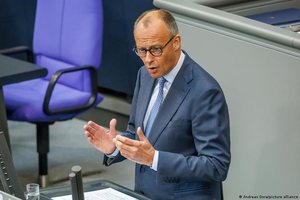
German Chancellor Friedrich Merz (CDU) defended his govern...
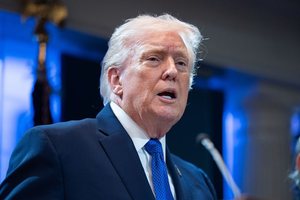
US President Donald Trump has made a post on Truth Social ...
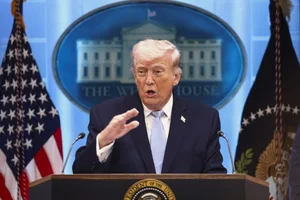
US President Donald Trump announced today that he was canc...
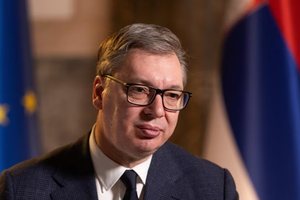
Serbian President Aleksandar Vučić said he was considering...

At the Museum of Fine Arts in Chambéry, France, an exhibit...

Korça has transformed this weekend into the capital of cel...

Korça is ready to open the summer season with one of the c...

Two years after his passing, the renowned Korçë poet Skënd...

The price of gold fell to its lowest level in more than si...
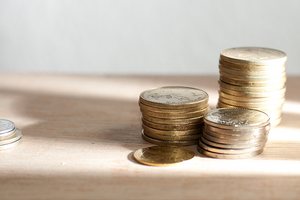
Businesses reduced their borrowing abroad last year. Bank ...

Payments and withdrawals in online sports betting will be ...

This Thursday, one US dollar is bought for 81.6 lek and so...