

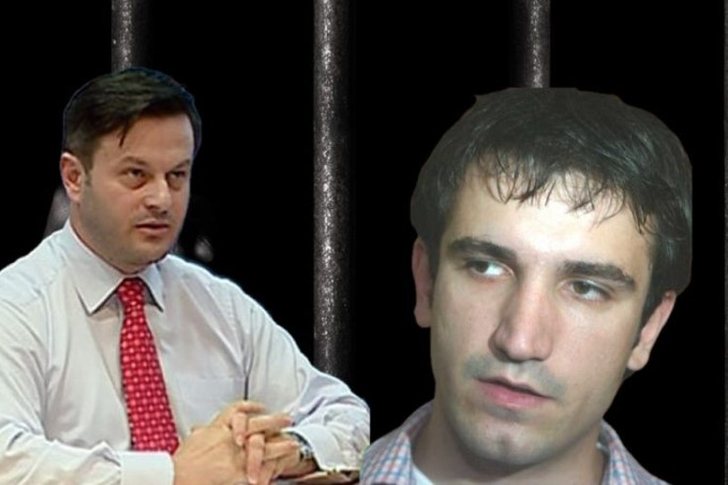
How Plarent Ndreca tricked Veliaj/ Here's how he deceives the media
These two days, a defendant's "lawyer" and Erion Veliaj's ...


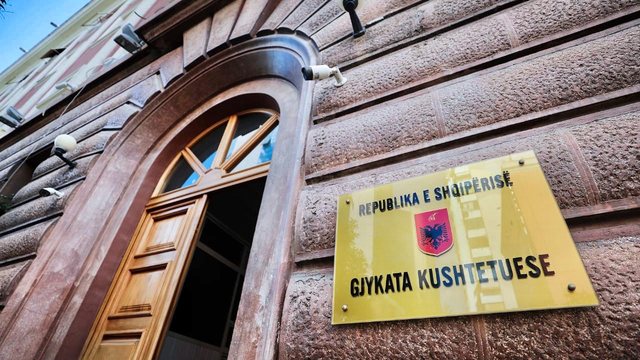
The official report of the State Attorney's Office on the execution of the decisions of the European Court of Human Rights (ECHR) during 2025, submitted to the Albanian Parliament, calls on the Constitutional Court.
The Strasbourg findings point to repeated violations by the Constitutional Court, highlighting the disregard for recommendations.
Here is what is evidenced in Strasbourg's findings for the Constitutional Court:
Denial of access to the Constitutional Court
The report points to another consolidated and repeated violation: the incorrect calculation of the 4-month deadline for filing appeals by the Constitutional Court.
The 2025 decisions such as "Ibrahimi et al.", "Ilia," and "Fortuzi" confirm that Albanian citizens are unfairly denied access to the highest level of constitutional adjudication.
Ignoring recommendations: The State Attorney's Office reveals that it has recommended that these cases be resolved amicably to avoid punishments from Strasbourg, requesting that the Constitutional Court review its practice. However, the Constitutional Court has chosen not to take any position, resulting in the continuation of the ECHR punishments for Albania.
Courts that "hide" the reasoning behind decisions
Another critical point raised by the ECHR is the practice of national courts to dismiss citizens' complaints without providing any full and adequate justification, making do with sterile formulas or simply presenting the result of the vote.
"Frroku" case: The ECHR found a violation of Article 6 because the Constitutional Court left the applicant without any reasoning on the merits of the case, limiting itself only to votes for and against.
Violation of judicial impartiality and conflict of interest
The report highlights flagrant cases of structural and procedural lack of impartiality in judicial bodies.
"Kroi & Noçka" case: Three Constitutional Court judges, who had previously judged the same case when they were part of the Supreme Court, refused to recuse themselves from the consideration of the constitutional request. The decision taken by this incomplete body (due to unfilled vacancies in the Constitutional Court) ended with equal votes of 3 to 3, creating strong doubts about the impartiality of the process.
Faced with this critical framework, the State Attorney's Office has forwarded official calls to key institutions such as the Supreme Court of Justice, the Supreme Court, the Constitutional Court, and the School of Magistrates to urgently change their practice./ CNA

These two days, a defendant's "lawyer" and Erion Veliaj's ...

It seems absurd, but it happens. The mayor of Tirana, Erio...
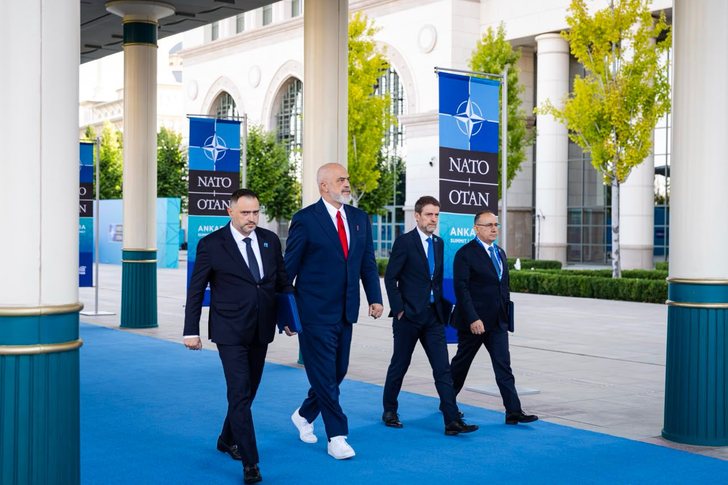
Prime Minister Edi Rama is in Ankara to participate in the...
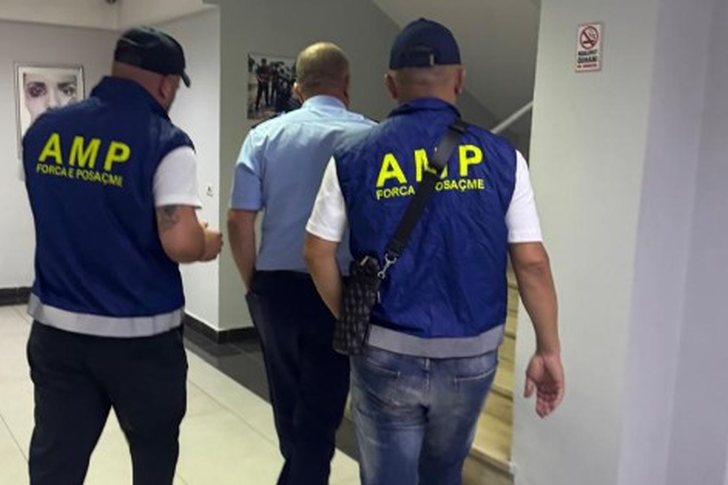
Following the operation codenamed "Basti i Fundit", as a r...
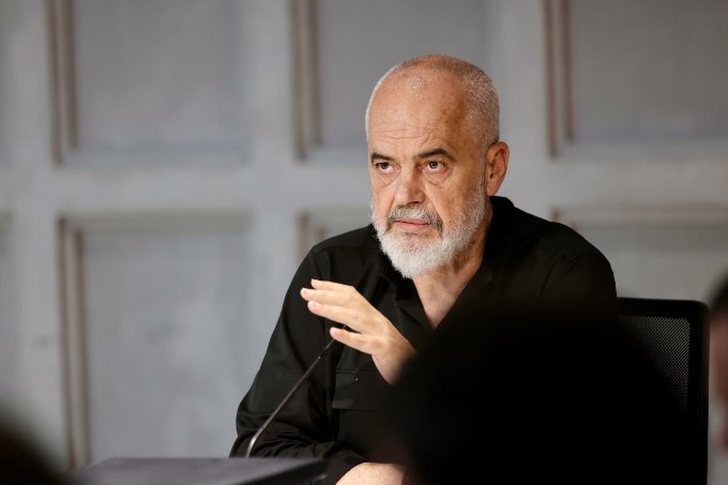
Prime Minister Edi Rama has reacted to criticism over the ...
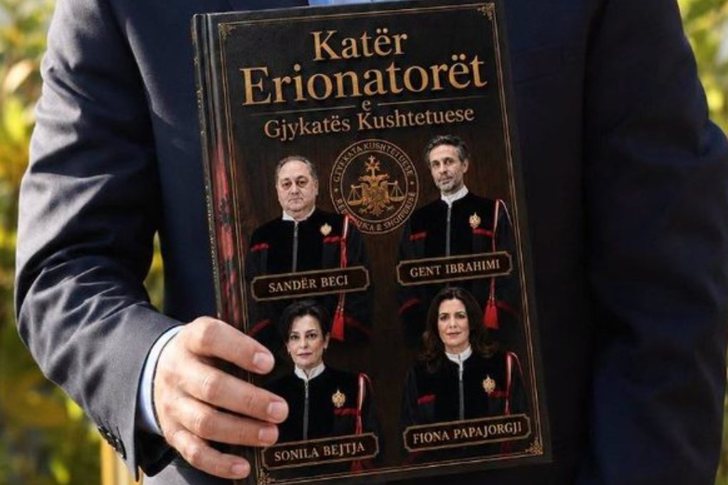
Blogger Olti Curri has targeted the "fantastic four" of th...
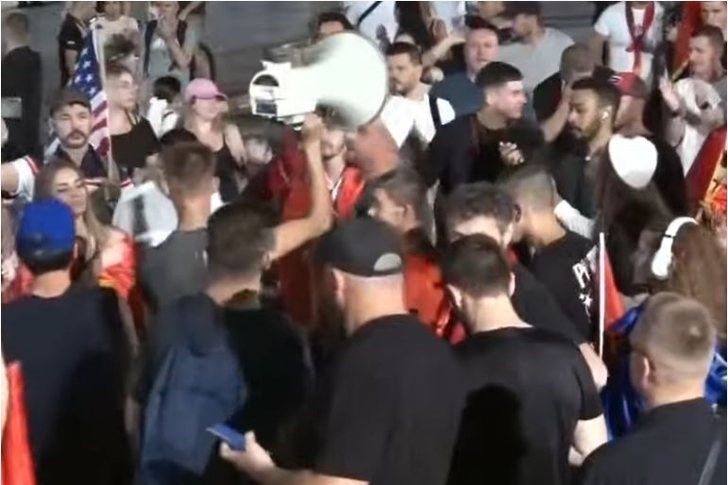
After more than an hour of marching through the streets of...
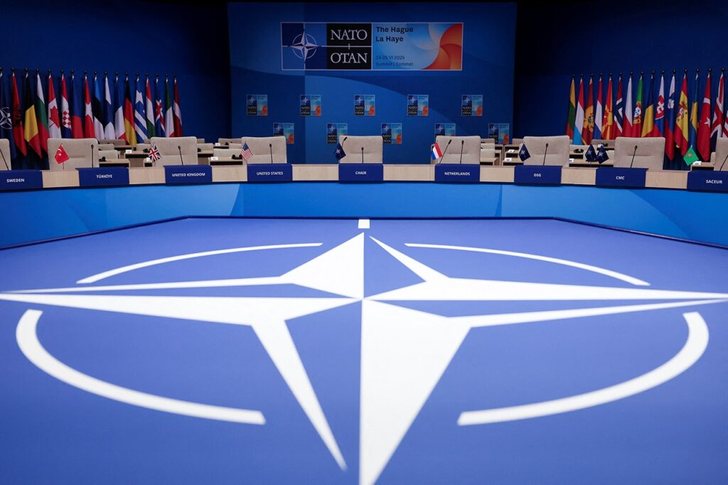
DP Presidency Member Ilda Zhulali spoke in a television ap...

After finishing their speeches in front of the Prime Minis...
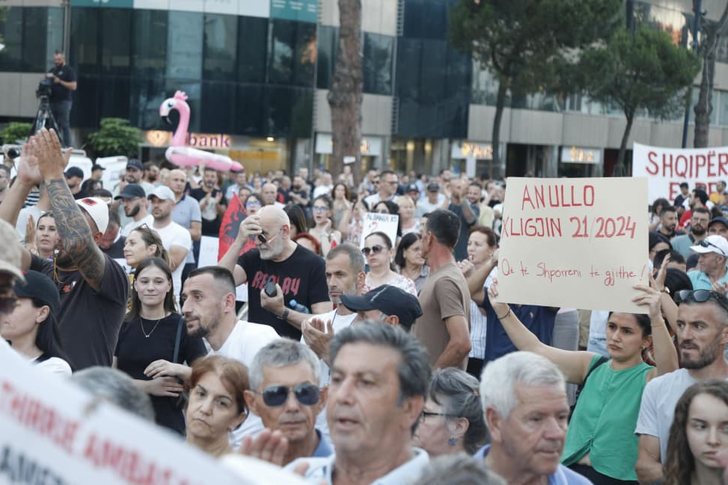
Citizens in the country have been protesting against the g...
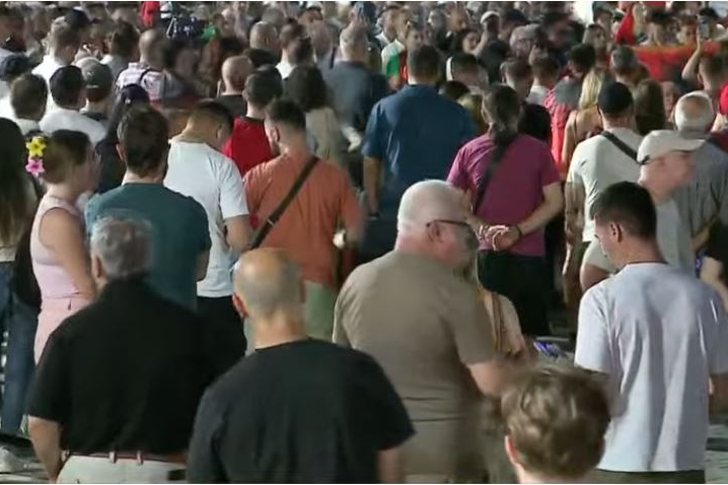
For more than an hour, protesters have been delivering the...
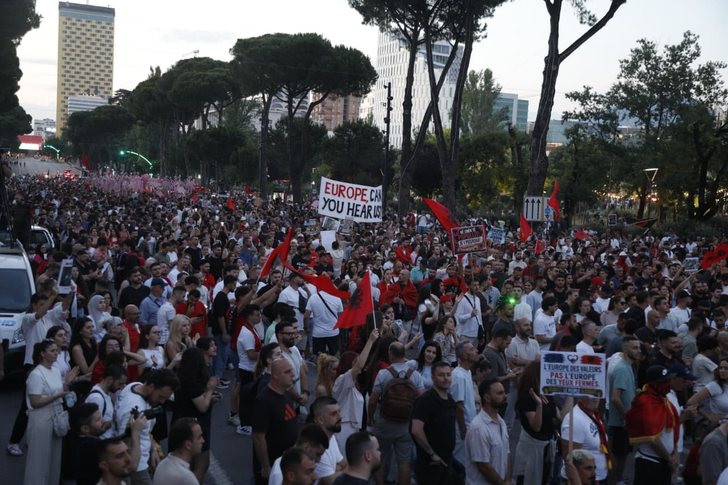
Deputy Prime Minister Albana Koçiu has responded remotely ...
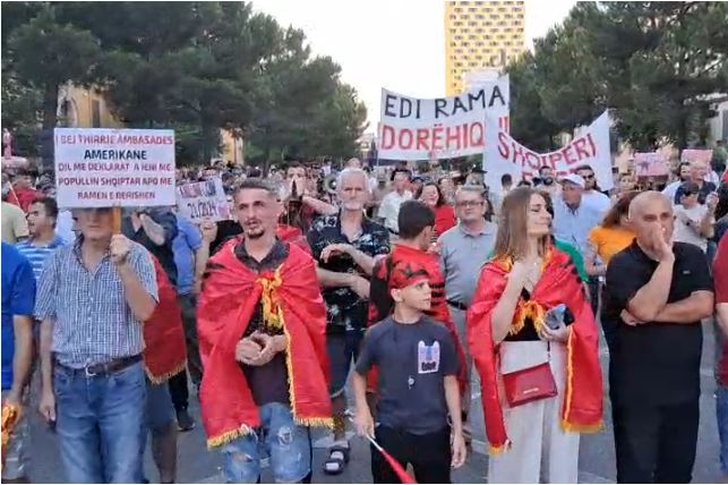
Citizens have begun their speeches in front of the Prime M...
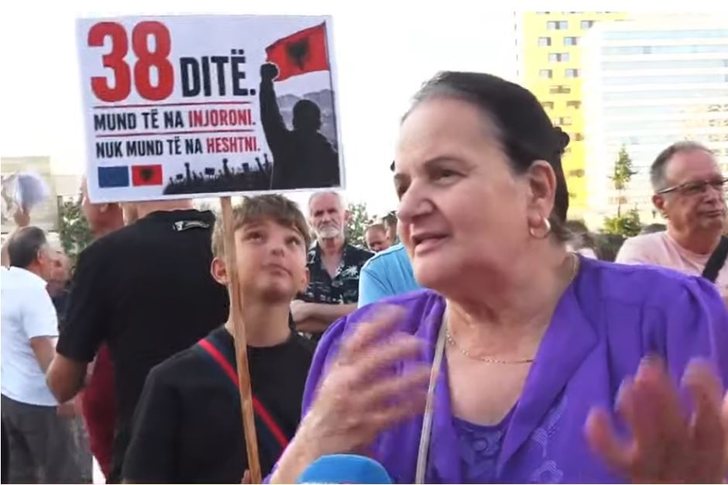
Citizens have begun gathering at "Skënderbej" Square on th...

The National Cyber Security Authority has made an announ...
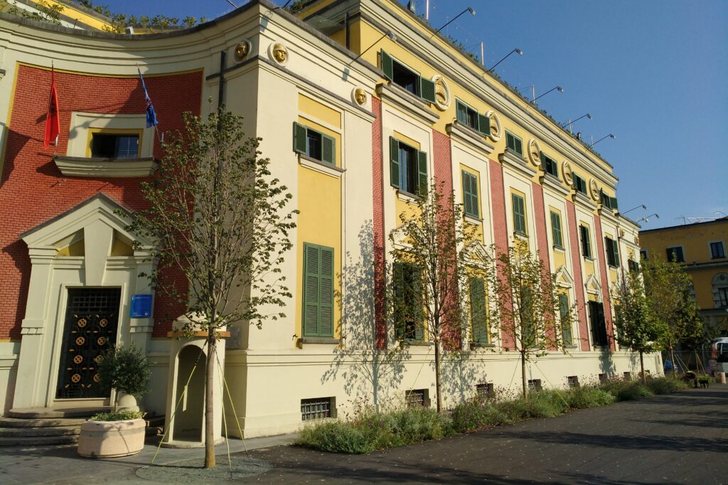
Just as the arrested mayor Erion Veliaj is hiding from fac...

Starting at 7:00 PM, today marks the 38th day of the civic...
The Special Prosecution Office has announced that a person...

Businessman Behgjet Pacolli has reacted again today to the...
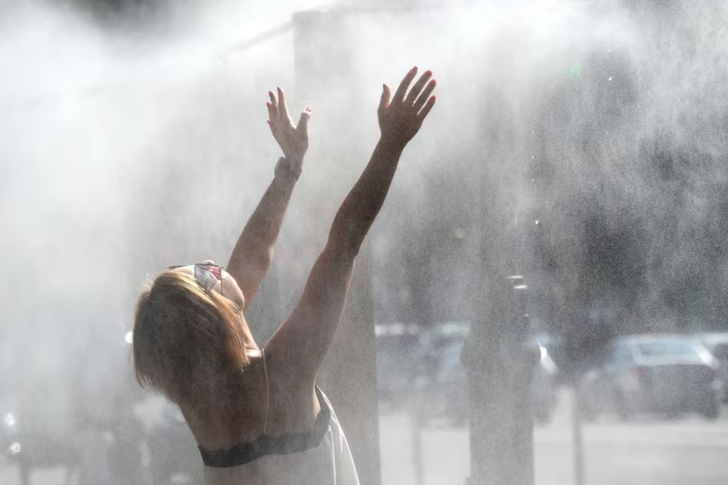
The World Health Organization (WHO) has warned that Europe...
The word "fatherland" with properties is not enough. The m...

The justice reform claimed that it would bring faster, fai...
The Justice Reform and the vetting process were trumpeted ...
After revealing the property portfolio in Tirana, Kavaja, ...

The Special Board of Appeal (KPA) decided this Monday ...

The KPA vetting decided this Thursday to dismiss the p...

Suela Salavaçi, a prosecutor in the Prosecutor's Offic...

The Special Board of Appeal reinstated the prosecutor ...

The mother of the 17-year-old raped in Fier has been l...
The Special Prosecution Office completed the investigation...
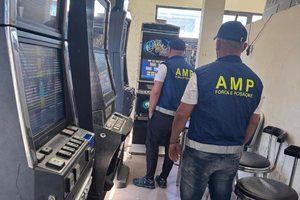
Today, on 07.07.2026, the Police Supervision Agency (AMP),...
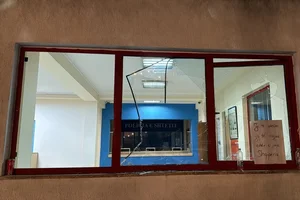
One person has been arrested, 7 have been prosecuted, and ...
Today our country will be affected by relatively unstable ...

While the total number of deaths fell in 2025, those from ...

As Albania faces ongoing demographic challenges, the l...

Today our country will be affected by relatively unstable ...
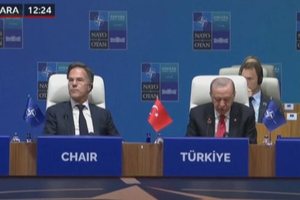
Turkish President Recep Tayyip Erdogan declared at the NAT...
More money for the military, less for everything else and ...
The United States has launched a wave of air strikes on Ir...
The Duke of Sussex and six others have lost their privacy ...
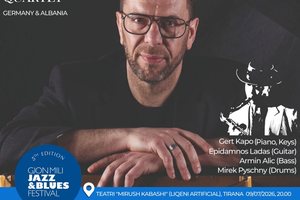
The German Embassy in Tirana has invited the Albanian publ...
Professor and literature scholar Ali Xhiku has passed away...

During my research into the life and artistic photographic...

This year's edition of the Gjon Mili International Video A...

The lack of local labor is increasingly pushing Albanian b...

This Wednesday, one US dollar is bought for 81.2 lek and s...
The country recently closed a nearly decade-long program f...
While the total number of deaths fell in 2025, those from ...