

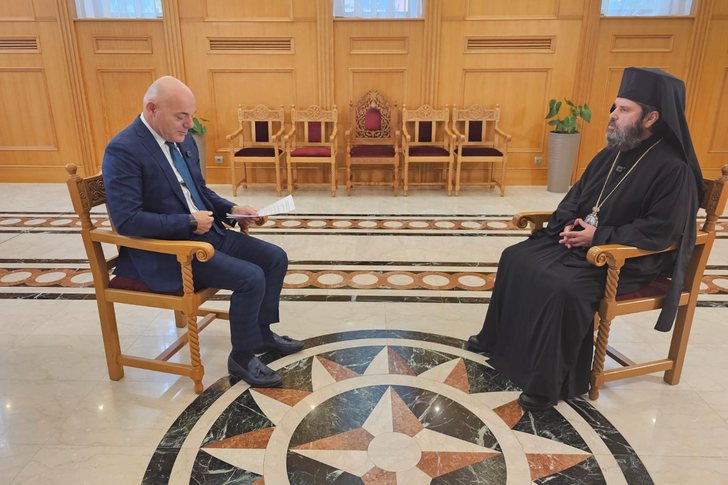
A different account of Archbishop Joan/His Beatitude: I grew up in a neighborhood where respect for man was high
The Archbishop of Tirana, Durrës and all of Albania, His B...


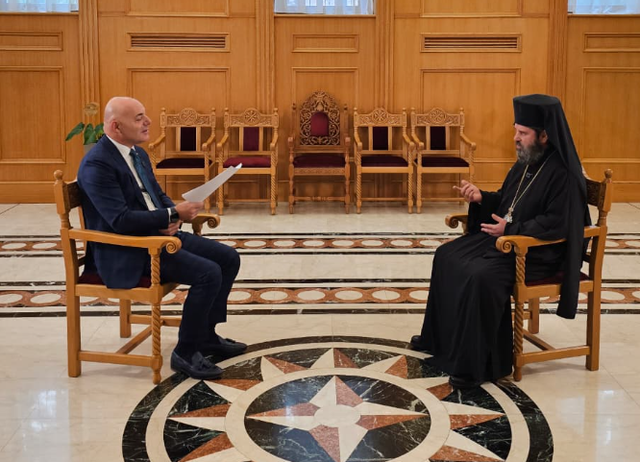
Journalist Blendi Fevziu conducted a very special interview with Archbishop Joan, who recounted how his connection with religious faith began.
His Beatitude John said that as a child he had a great desire to read books. It all started when he read the Gospel for the first time.
The Archbishop said that from that moment he felt happy, because as he read it, his childhood, the time when he was happy, came back to him.
Excerpt from the story on the Opinion show
Blendi Fevziu: What did you know about religion at that time?
Archbishop Joan: Not that we knew much, but human life is a process. I remember, to... because I often say this, I grew up in a large family, eight children. Yes. And when I was little, I was very happy. Because not only were we eight children, my uncle there had six, the other neighbors as well. I felt very protected. I also believe that large families create a very good emotional state for children to grow up in, because they felt protected, brothers, sisters and you also become a social person, because you communicate with them. You communicate with them even when you are arguing.
Blendi Fevziu: Yes, yes, every type of communication is included within all of them.
Archbishop Joan: And today, sometimes it makes you feel sad because the children are isolated.
Blendi Fevziu: This is a phenomenon, this is a global phenomenon, it's not just a coincidence, it's very true.
Archbishop Joan: At that time I was very happy and had a great desire to read. Endless books.
Blendi Fevziu: Where did you find the books?
Archbishop Joan: By learning Italian and French at a young age, so to speak, still very young, we had the opportunity to come into contact with books. There we had...
Blendi Fevziu: I believe they were very old books, even from before World War II, that were in family libraries.
Archbishop Joan: Yes, all of them. There were two people, at least in that small alley where we were, Ester Frashëri, and one...
Blendi Fevziu: Pipi, famous, yes.
Archbishop Joan: Esther's son was Pipi. It was Pipi, yes. And there was also an Austrian engineer who had been in World War I and who had remained in Albania.
Blendi Fevziu: And that he had remained in Albania.
Archbishop Joan: That he was married to an Albanian, in Korça, named Fedra. These two had many books. And a large part of those books and they gave them to me, another part I took, read, returned. And at first, maybe I didn't understand that great desire I had to read. Much later then I realized that maybe the human being is always a being in search, looking for something. The problem is often that we don't know what we are looking for.
Blendi Fevziu: A sophisticated human being, because there are human beings who have much smaller aspirations and desires.
Archbishop Joan: But how will it be, every human being I believe has, I believe what it says in the Holy Scripture, that he was created according to the image of God. That every person has the image of God. Some more covered, some a little more purified, but everyone has it. And everywhere there is this desire to search. Perhaps the articulation of this thing is missing, but the deep desire is to search.
Blendi Fevziu: Yes, the desire to, definitely. The desire to explore, definitely. The question is then, will you explore in shallower waters or go into the deeper waters of human existence.
Archbishop Joan: While looking for these books, I accidentally came across a gospel. I was in my fourth year of high school. It was in French.
Blendi Fevziu: In high school.
Archbishop Joan: At the matriculation.
Blendi Fevziu: A gospel in French.
Archbishop Joan: In French. I knew nothing about the gospel, I believe.
Blendi Fevziu: I know something...
Archbishop Joan: Yes, it was discussed, but not until we read the book. And when I read it, I felt something different. I call it a kind of psychological truth. That...
Blendi Fevziu: So did the gospel impress you when you read it?
Archbishop Joan: I believed it was true. There are some truths, for example, the way it was written, the way the words were used, you are convinced that it is the truth. This also happens with people when we talk sometimes. When someone talks and tells you something, sometimes the way they say it and the words they use, you are convinced that it is the truth. This happened to me there. And I also experienced something else that was very important, as you said for example, that when you are little and you have this joy, when adolescence begins other problems begin. They start... you become more interested in issues, some book on philosophy, these things, but slowly the joy goes away. When I read the gospel, I felt that joy came back to me again.
Blendi Fevziu: And at a very delicate age.
Archbishop Joan: And the words I said in my mind, because I had no one to talk to: "I thanked God for giving me back the joy of childhood."
Blendi Fevziu: It happened to you from the gospel.
Archbishop Joan: From the gospel, from its reading.
Blendi Fevziu: All this religious literature has a kind of mysticism within it that is not easy to digest. Speaking of which, I have read religious literature, I have read a lot of literature, I graduated in literature and I know how difficult it is and how much attention and concentration literary literature requires and how many dilemmas or question marks it gives you afterwards, that you have to answer not at that moment, but maybe for the rest of your life. Somewhere you agree, somewhere you disagree, you are... How did you answer these dilemmas that came to you from reading the gospel?
Archbishop Joan: Actually, actually from reading, when I read it, I didn't read it in an intellectual sense. I felt a kind of spirit that didn't need explanations. Later, for example, after reading a lot of literature, studying theology, I began to understand that the famous saying that God is above reason, but not outside reason, means that not everything can be explained by reason. There are some, we can also call them mysteries. Because the word mystery doesn't just mean something secret. It means something that you can't explain everything. You can taste it, but you can't explain everything. For example, in the Orthodox Church, the sacraments are called mysteries. Not mysteries because they are secret, but precisely because of this.
Blendi Fevziu: Because you can't give the final explanation.
Archbishop Joan: Knowledge will come later. And rightly does Saint Augustine write that, "We do not know in order to believe, we believe in order to know." Which means that through faith comes knowledge. And through faith comes the answer to some questions that at first may seem surprising. Many commandments we may not understand all of why they must be done that way. But we believe that we must. And then we understand why.
Blendi Fevziu: And at the age of 18, reading the gospel, you felt a, I call it, an inner message that connected you to religious faith. At the same time, all the dilemmas that a religious text brings to life. Who were your mentors in your first relationships with religious faith? I'm sure you've talked to someone about it. It's very difficult to talk about it with an 18-year-old peer who hasn't read...
Archbishop Joan: I talked to some. With peers. Yes. I talked. I even gave some of them the gospel to read.
Blendi Fevziu: Didn't they have the same effect as you?
Archbishop Joan: Maybe in different ways. People are not all the same. I also believe that God does not create copies. Every person is created uniquely. This is probably also the love that God has for each person.
Blendi Fevziu: Every person has his own originality, or in modern language they would say his code./ CNA

The Archbishop of Tirana, Durrës and all of Albania, His B...
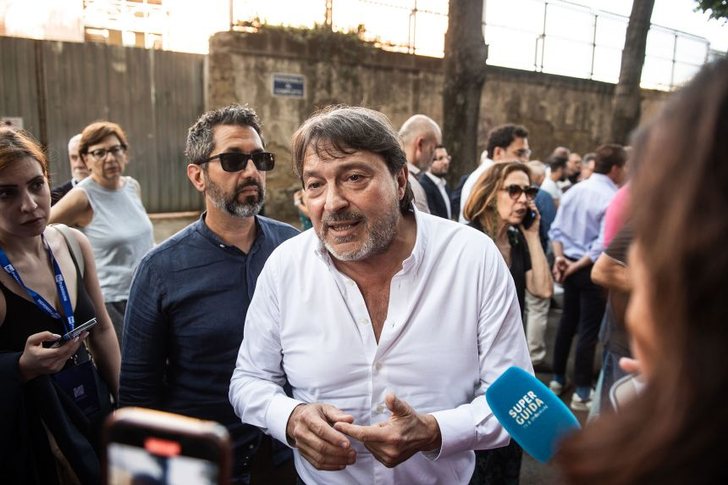
Italian journalist Sigfrido Ranucci spoke this evening abo...
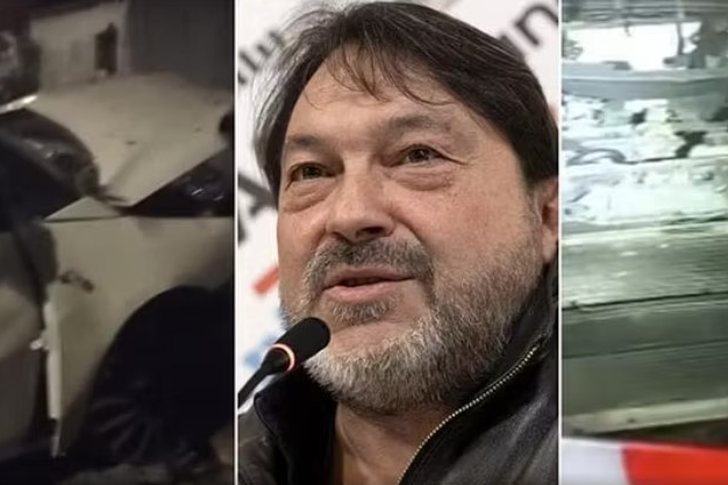
Italian journalist Sigfrido Ranucci spoke this evening abo...
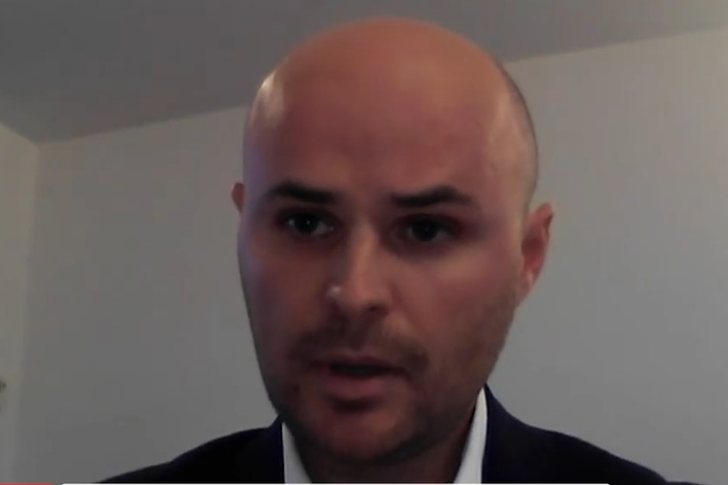
Altin Gjeta, an analyst and lecturer at the University...
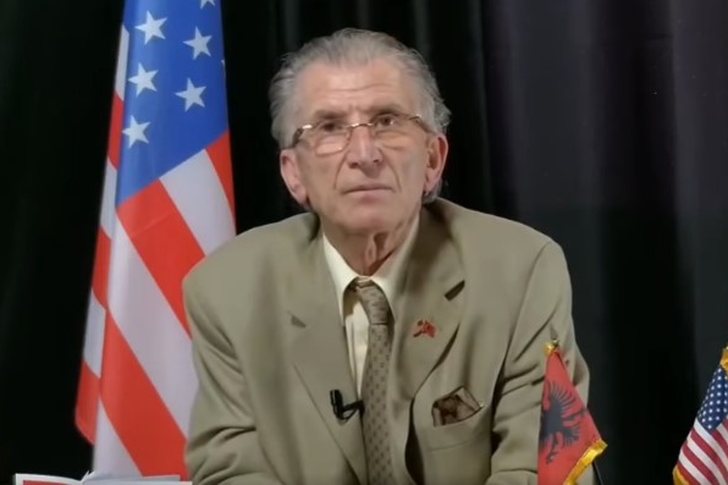
Famous professor and politician Pëllumb Pelinci has reveal...
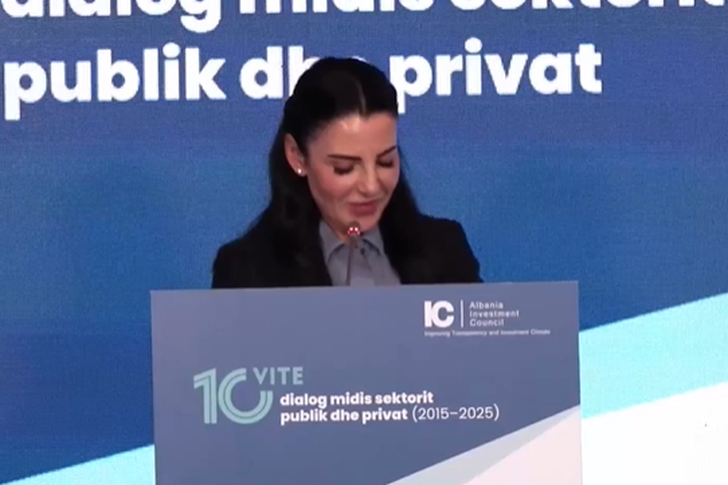
On the 10th anniversary of the Investment Council, Deputy ...
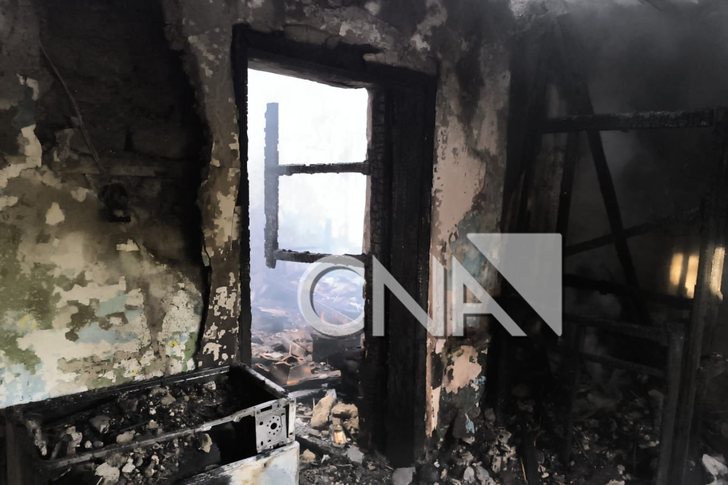
A house in the village of Sovjan in the Maliq Municipality...
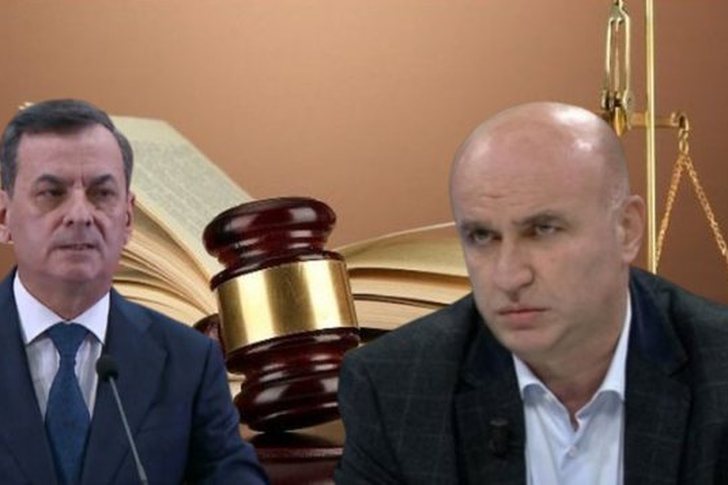
Ilir Beqaj has harshly attacked the President of the Supre...
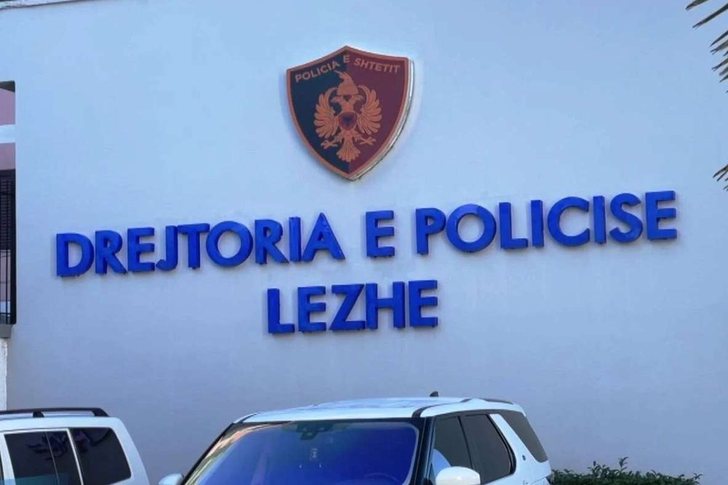
Seven properties of the "Arre" type in Lezha have been con...
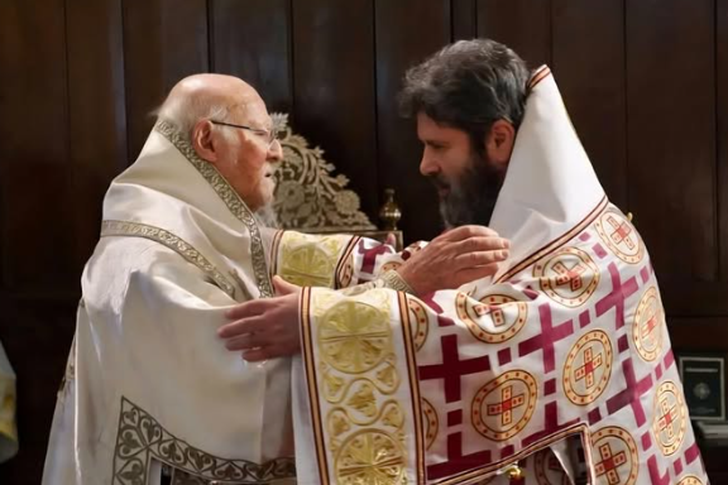
Today marks 34 years since the election of His Holiness, H...
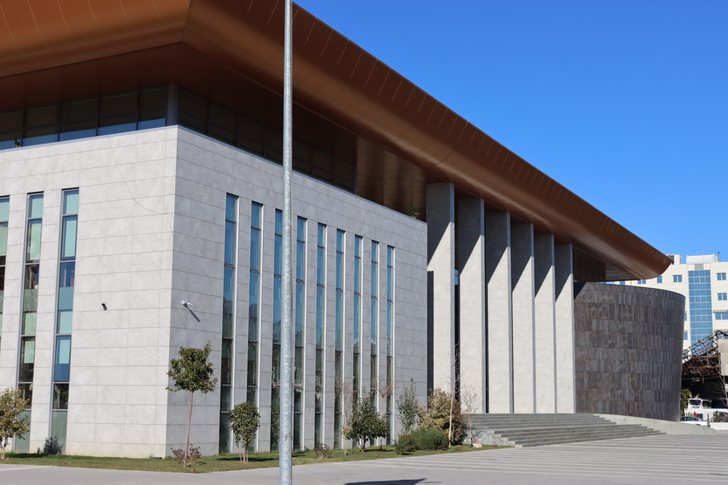
The High Judicial Council has appointed 42 new magistrates...
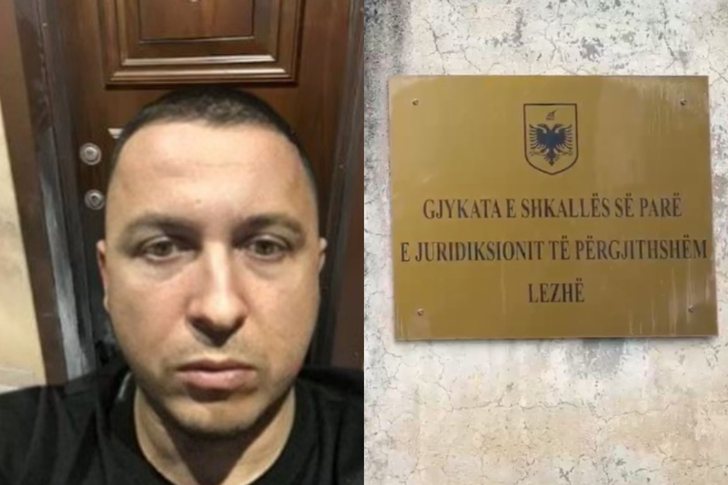
The father of the long-sought Ervis Martinaj, Mustafa Mart...
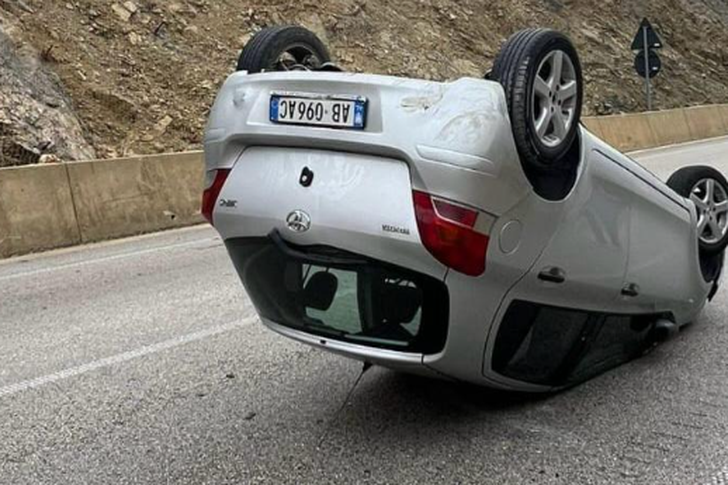
A road accident occurred on the Saranda-Skërficë road, nea...
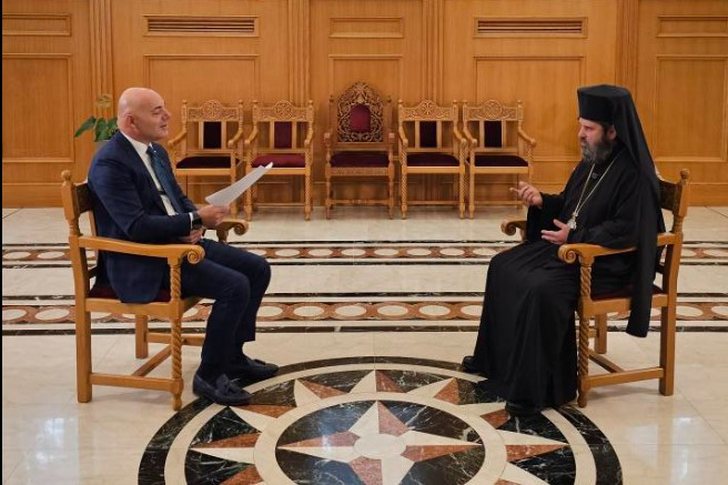
The Archbishop of Tirana, Durrës and all of Albania, His B...
The Police Supervision Agency has suspended four police of...
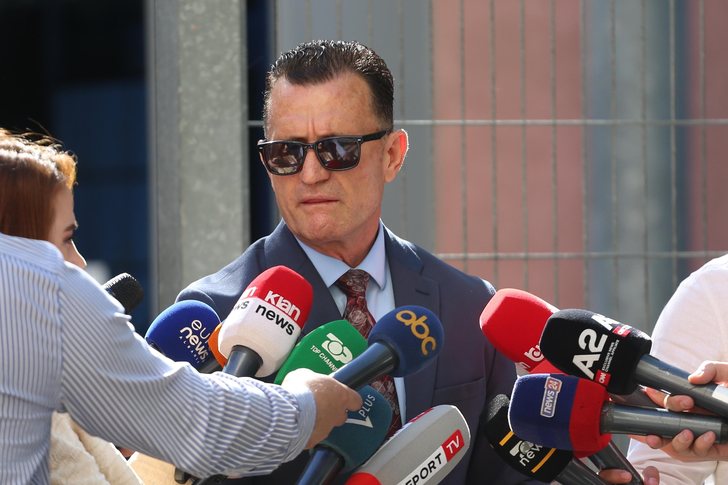
Former President Ilir Meta's lawyer, Ilir Cakrani, reacted...

Erion Veliaj and Mero Baze continue their public deception...
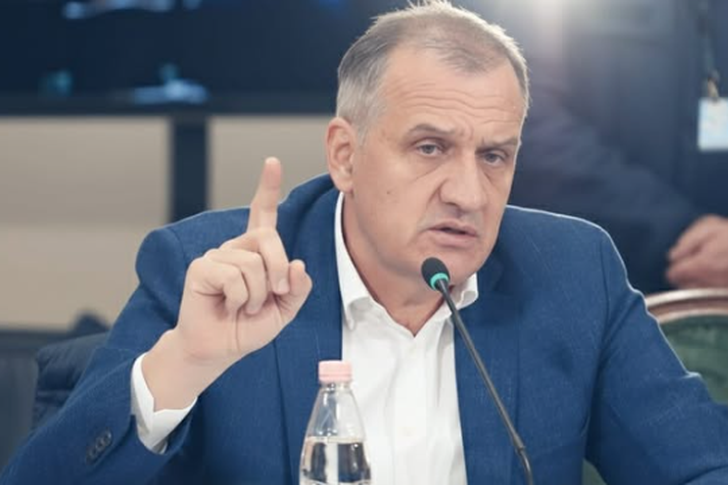
Former Minister of Health, Ilir Beqaj, has described the s...
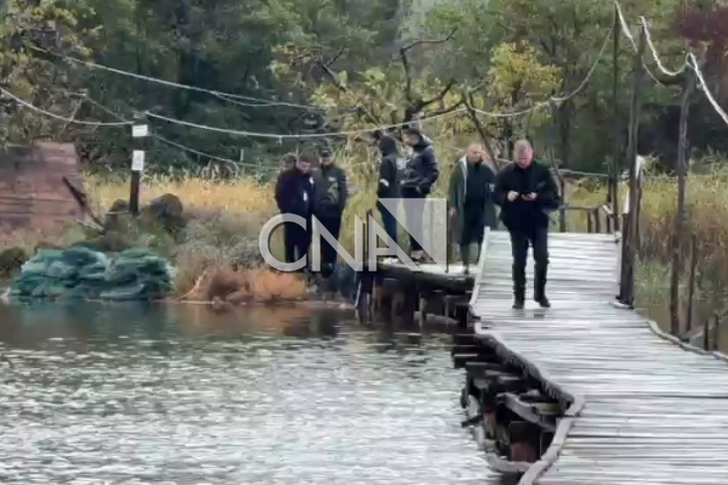
The Vaini Lagoon was the focus of inspections carried out ...
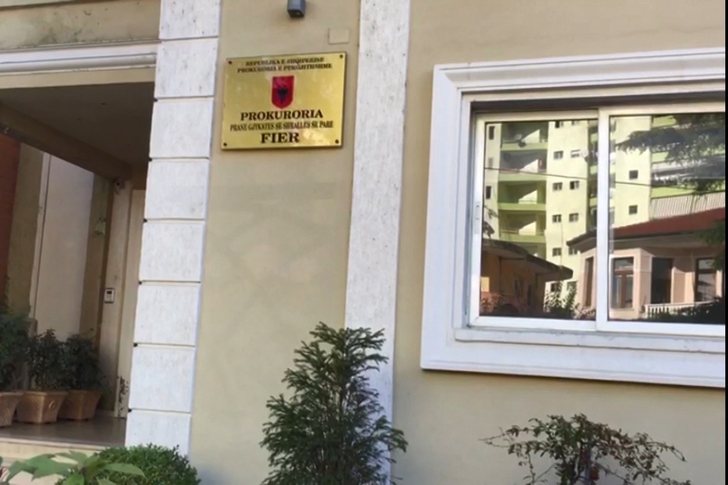
Announcement: The Prosecutor's Office at the First Insta...
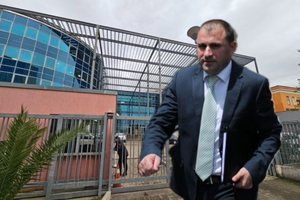
Dritan Prençi is the SPAK prosecutor who is sleeping on th...
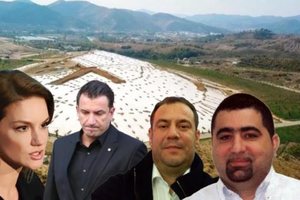
The in-depth investigations that SPAK conducted into Ajola...
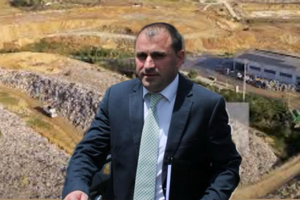
SPAK's standards, the way it investigates, how it secures ...

Irfan Hysenbelliu claims to be a big businessman, an hones...

The Special Board of Appeal (KPA) decided this Monday ...

The KPA vetting decided this Thursday to dismiss the p...

Suela Salavaçi, a prosecutor in the Prosecutor's Offic...

The Special Board of Appeal reinstated the prosecutor ...
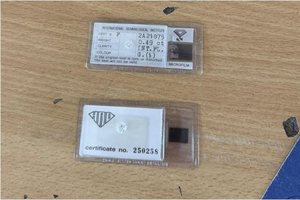
Durres Customs has announced that today, during checks car...
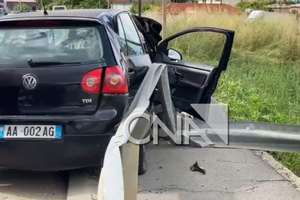
A road accident was recorded a few minutes ago on the Pogr...

The State Police has published new footage from the operat...
A TNT explosion has occurred in the village of Balldren i ...

Albania is facing a deep demographic crisis where official...
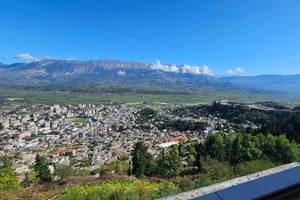
This Wednesday, our country will be affected by relatively...

The UN's World Meteorological Organization now warns that ...
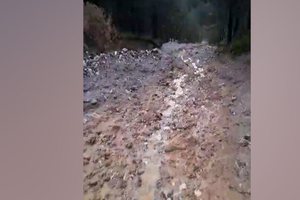
Intense rainfall has caused numerous problems in the Radom...
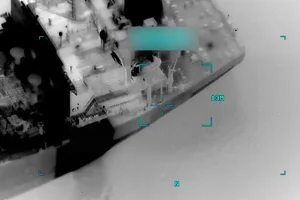
The US military has disabled an oil tanker in the Gulf of ...

Donald Trump has said the US will hit Iran "hard" on Wedne...
The United States, Australia, European allies and other co...

United States Secretary of Defense Pete Hegseth visited th...
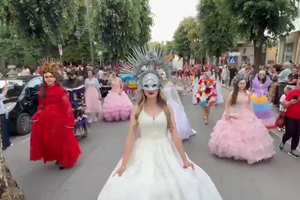
Korça has transformed this weekend into the capital of cel...
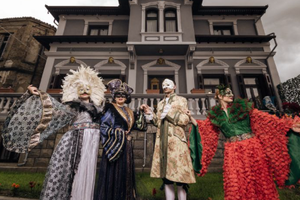
Korça is ready to open the summer season with one of the c...
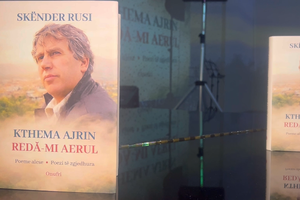
Two years after his passing, the renowned Korçë poet Skënd...
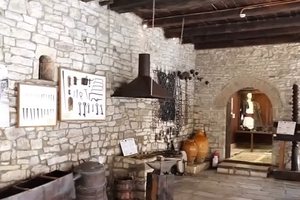
The Ethnographic Museum of Berat has opened its doors to v...

The first three months of this year have brought a record ...

The non-performing loan ratio returned to decline in April...

This Wednesday, one US dollar is bought for 81.6 lek and s...

The 2025 turnover reassessment for businesses in Tirana ha...