

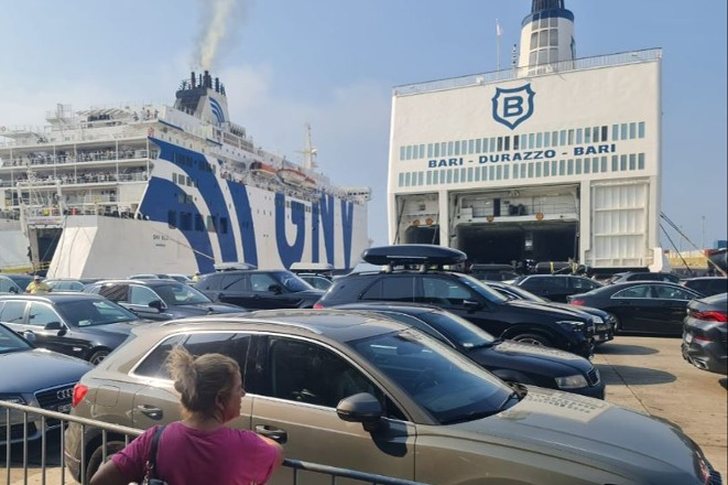
Emigrants return to their homeland / Flow in the Port of Durrës
The tourist season and summer vacations have increased...


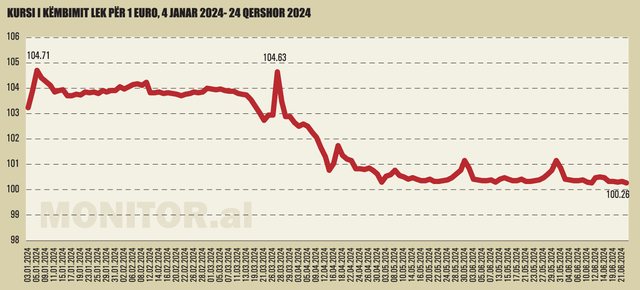
The steady decline of the euro in exchange for the lek in recent years has increased the conflict in the markets like never before.
The links of the value chain, instead of cooperating to increase profits from production, assembling, distribution, export and retail markets, this year have been involved in a fierce conflict that risks leading to irreversible reduction of domestic production and damage mostly those who extract the raw material for the processing sector.
The drop in demand and prices in international markets and, on the other hand, the lack of subsidies for the production sector and especially in agriculture, is breaking the chain of value links. Since the beginning of 2021 until now, the value of the euro has fallen from about 124 ALL to 100.3 ALL.
The devaluation of the euro against the lek, together with the reduction of export prices in international markets, have reduced the profits of exporters. Because of this situation, exporters are offering lower prices to producers, who, in the absence of subsidies, have no opportunity to sell the raw material at the new prices, as they risk bankruptcy.
Exporters claim that they have never experienced a conflict situation with producers like this year before.
To avoid costs, many of the exporters have started to source raw materials from imports. This trend is reflected in foreign trade where in the first 5 months, imports in quantity increased by 15.5%, this was the highest level in the last 6 years, official data show.
The INCA company, a few years ago, invested in a collection network of cattle entrails, which were used as raw material for the sausage industry.
Mr. Alban Zusi, who heads INCA, gave value to a commodity that was being thrown away and creating environmental pollution. Applying the circular economy model, he injected about 2 million euros per year into the slaughterhouses, collecting the so-called food waste before this process.
The decrease in the value of the euro and the drop in prices in the international markets forced Mr. Zusi to reduce prices to slaughterhouses.
Accustomed to a price above 100 Lek per kilogram, they refused to sell at new prices of 50 Lek per kilogram. The conflict between him and the slaughterhouses deepened to the point that he decided to cut off cooperation with local suppliers.
Now he is getting a significant part of the raw material from import and from the domestic market he gets only a quarter of last year.
Cooperation with suppliers is coming to an end, he explained. The losses created by the fall of the euro have increased the pressure on domestic links.
Exporters are trying to keep the activity going by lowering prices, but this mechanism has greatly irritated the producers, causing contracts to be broken to the detriment of domestic production.
All food processing units for export are in a similar situation. Beverage production units, fruit and vegetable processing, as well as meat are in the same conditions and conflict with suppliers.
Livestock farms in our country have entered a multiple cycle of crisis, which has significantly deepened with import competition, due to the fall of the euro.
Dashamir Çela from Samatica in Berat, with a lot of sacrifice and work in emigration, fulfilled his life's dream, a farm with 50 dairy cows.
Last year, when he expanded the farm, dairy prices and especially milk were rising rapidly due to shortages everywhere in Europe and the region.
After the war in Ukraine, in February 2022, many livestock farms in Europe were closed due to the large increase in animal feed. Ukraine is a major global supplier of livestock feed and grain.
The war brought markets and prices to a standstill, and therefore dairy production. Due to this situation, Albanian factories last year bought a liter of milk for 140-160 Lek with VAT, pushing livestock farmers to invest further in expansion.
This happened across the region, bringing more produce to markets this year. Overproduction again led to lower prices. At the beginning of this year, the processing plant asked Mr. Key to the new supply contract, 50% lower price.
"I have no possibility to sell less than 80 ALL per liter, since farm costs are high in the absence of subsidies", - said Mr. Key. The Association of Milk Processors explained that, due to the competition with imported dairy, they have reduced prices in the retail markets.
"The decrease in retail prices and the increase in stocks has pushed us to lower the prices to livestock farmers", the association announced.
In this conflict, hundreds of livestock farmers two months ago went out in protest, spilling their milk bottles, while some others are selling their cattle again. The conflict between dairy factories and livestock farmers has reached the point where it is leading to the breaking of contracts day by day.
Many livestock farmers are trying to close the loop and on the other hand, milk processors are being supplied with raw material (milk) mainly from Serbia and the region.
In the first 5 months of 2024, milk and dairy imports were 56% higher than in the same period of 2019 and 5% higher than the same period last year.
In total, 12.6 thousand tons of milk were imported in January-May 2024. A kilogram of cow's milk from the farm in the Albanian market is currently sold from 50-75 lek per kilogram, depending on the region and type of farm, while in the EU, the price the average of a kilogram of milk on the farm is 35-45 cents.
Mr. Çela, among other things, is passionate about livestock. In order to survive, he will do the last test, installing a dairy to turn the cow's milk into cheese.
"I have no other way. The price the factories are asking is cheaper than the value I need to cover the costs. It is very difficult to close the cycle in livestock farming, as dairy equipment is expensive and finding markets is difficult, but I have no other choice", said Mr. Key. He worked long seasons in Germany, where he saved money to expand the farm, which is unable to sustain itself due to low prices.
Producers and livestock keepers claim that costs in the livestock chain are high, as the state does not subsidize the sector. With the removal of the VAT exemption, returning the level to 20%, the situation worsened further. The price of milk on the farm is currently 40% higher than in the EU and the region.
In Albania, last year, livestock farmers who had more than 10 cows received 98 euros per head in two installments. Meanwhile, in Serbia, after the livestock farmers' strike last year, the subsidy for a dairy cow is 365 euros, and for every liter the livestock farmer receives back 0.16 cents.
The difference in prices is orienting the Albanian factories towards importing milk from abroad, which means that it is a multiple pressure for the livestock farmers who suffer from the high costs of raw material, the lack of labor force and the abandonment of the village.
In 2022, imported milk accounted for 27% of the amount collected in the country, and data from 2023 show that this ratio has deepened further in favor of imports.
At the beginning of April 2024, the drainage canals in Drenovicë and Samaticë in Berat were filled with cucumbers grown in nearby greenhouses, while the price in the retail markets in Tirana was 120-140 per kilogram and higher than last year.
Also, the price of tomatoes in greenhouses fell to less than 40 ALL from more than 80 ALL it cost in the first production season last year. Production shortages in Spain and Italy and high inflation boosted export prices of greens last year.
The demand for Albanian products increased and so did the prices. This year, the situation has completely changed. The euro has depreciated further, falling from June 2023 to June 2024 by 6.2 percentage points.
The drop in prices in international markets and the decrease in the value of the euro has led exporters to lower prices to greenhouse producers. The conflict reached such a point that the producers threw their products into the canals for days, refusing to sell them to the exporters.
"The prices currently offered for greenhouse tomatoes and cucumbers are far below cost. In order to ensure survival, we need to sell at least 60 lek a kilogram", said Mr. Ziu, an experienced farmer in the area of ??Satamica in Berat.
He said the greenhouse business continues to be high risk dependent on weather conditions and market conditions. First season vegetable production has been good across the Mediterranean, keeping export prices lower.
But while European farmers are protected from changes in market prices, since they are subsidized, Albanian farmers are completely exposed to changes. The losses of one season for them are many, as this negatively affects the second plantings and investments in increasing the areas.
Mr. Ziu said that the low prices for the products in the greenhouses will encourage the abandonment of planting for export in the coming seasons. He said that last year, high prices encouraged the growth of planted areas, but the opposite will happen next season. Agricultural production is facing high costs.
The lack of employees has increased labor costs as inputs continue to be high. In all this situation, the producers are in conflict with the collectors and exporters as they feel that they are speculating against them.
Attempts to block sales to them in groups have failed several times.
Meanwhile, exporters are struggling. On the one hand, the losses from the exchange rate and on the other, the increase in the minimum wage are making Albanian products uncompetitive for export in international markets.
Losses from the exchange rate captured 10% of turnover in a given month of 2023, while the minimum wage from 32 thousand ALL in April 2022 reached 40 thousand ALL in April 2023.
Exports of clothing and footwear in value recorded an annual decrease of 19.1% in January-May 2024, according to official data. At the beginning of this year, a series of customers from Europe pulled orders from Albania to other countries, where production prices were cheap.
Rising wages and falling profits from the devaluation of the euro caused many manufacturers to raise prices for customers. This led to the closing of contracts with Albania and a decrease in orders.
The situation increased the conflict within the industry like never before. Many large factories broke off relations with subcontracting companies within the country. Large factories in Tirana operated with subcontractors. The drop in orders blocked work for subcontractors, leading to their bankruptcy.
Since 1996, Shkodra has been the main production and logistics center for the production of intimate clothing outside Italy for the company "Cotonella", a leader in the neighboring market, which is now a well-known international brand.
With the increase in production costs in Albania, from the devaluation of the euro and the minimum wage, the Italian company is withdrawing part of the production to move to Uzbekistan.
The owner of the company "Albania Tricot", Gjergj Leqejza, which produces for "Cotonella", affirmed that "to be competitive in the market and as a result of the increase in prices in Albania, 'Cotonella' spa has decided to start production in Uzbekistan". Production in Albania will continue, but will be more limited.
There will be a reduction in activity and a reduction in the number of employees during this year.
This has caused many businesses that have worked as subcontractors of Mr. Leqejza to be in trouble and bankrupt.
Official data from INSTAT show that last year 29 businesses with over 50 employees in the industry sector closed their activity. The phenomenon worsened further at the beginning of 2024, when foreign clients did not sign new contracts with Albanians.
But as production prices in Albania changed due to the increase in the minimum wage and the fall of the euro, at a time when European markets showed a decrease in demand for clothing from the inflation crisis, Albania's historical customers are moving to other countries where there are higher costs. free production.
The global map of fashion production is changing. Manufacturers, especially from traditional centers such as India, are expanding their operations to new regions such as Africa, the Middle East, Turkey and Latin America.
These moves aim to overcome geographical limitations in search of lower labor costs, access to raw materials and proximity to consumer markets in Europe and America.
This geographic diversification is partly a response to supply chain disruptions during the pandemic and ongoing geopolitical tensions. The fashion industry is also moving very quickly towards automation.
Robots and AI-connected machines are becoming far more effective than humans at tasks like cutting, sewing, finishing and even folding.
As machines are taking over more and more tasks traditionally performed by humans, they require skilled workers to lead them.
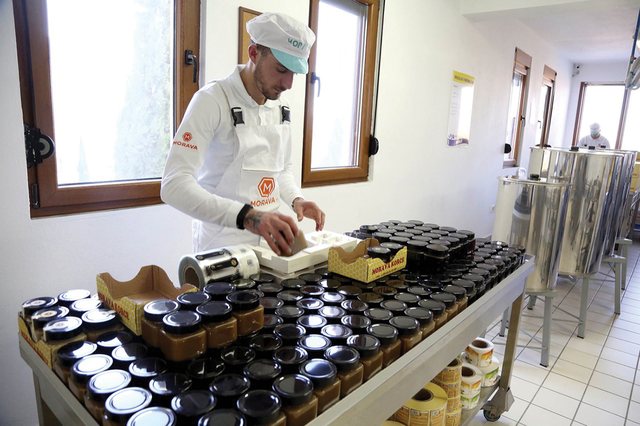
For years, hundreds of families, mainly in Shkodra County, cultivate sage in the field, due to the great demands of the collectors of medicinal plants who export this product as far away as America.
Last year, one kilogram of sage cultivated in the field was sold for 160 Lek, while these days the price has gone up to 50 Lek. Falling prices have ignited a new conflict between producers and gatherers that risks putting businesses out of cultivation for years to come.
Filip Gjoka, one of the largest collectors of medicinal plants and sage for export, said that this year there is a superproduction everywhere in the region and this has brought down prices in international markets. The Covid-19 pandemic increased the consumption of sage tremendously and consequently there was an increase in prices.
"Due to high demand during the pandemic, our customers stockpiled large quantities of the product, but now consumption has dropped and so has the price.
The warehouses are full of stocks and the demand from customers has fallen", said Mr. Chest. Stocks are so high in warehouses that even if sage is not planted for two years, the market has supplies," he said.
On the other hand, the euro has excessively reduced profits, making it mandatory to lower prices for producers. Producers are refusing to harvest and deliver at current prices. Mr. Gjoka said that the intervention of the state is needed to stabilize the situation. The plants don't need sage, but not collecting puts future collections at risk.
Medicinal plant factories have long suffered from high costs of harvesting plants and labor as a whole. Population decline in areas where the plants grow in the wild has made the situation difficult, while for those who cultivate medicinal plants in the fields, costs have also increased.
The lack of workers has increased labor costs and producers demand higher prices year after year.
Factories this year find themselves in the middle of pressures from the international market, which has no demand, and domestic producers who are looking for prices to cover costs and give them the profits they deserve.
The sage market is saturated, says Mr. Gjoka, who said Turkey has started cultivation and is turning into a major global producer. With large acreage and lower costs, Turkey is becoming a low-priced global supplier of sage.
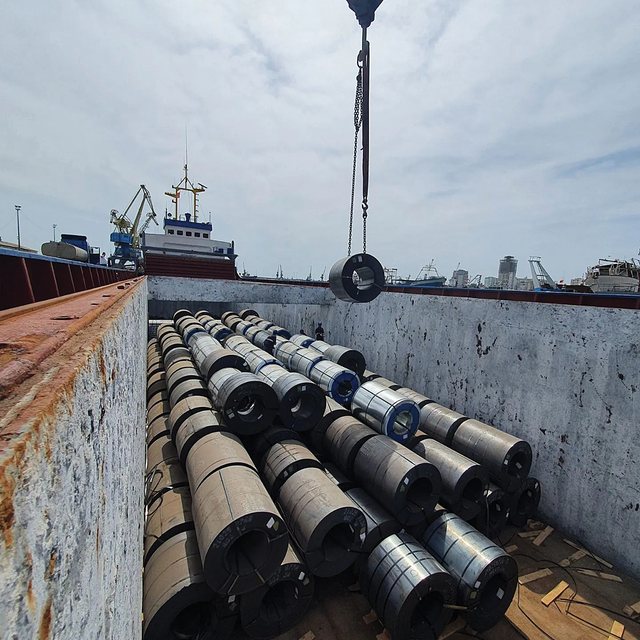
The links of the value chain this year are in conflict more than ever, instead of increasing cooperation. In all this conflict, those who produce the raw materials are being harmed. Factories will find a way to work. Their owners can also be transferred to other activities and can take the raw material abroad.
The damage will be great to those who produce. Declining prices and profits in the upstream market are weighing on producers.
Low prices will discourage farmers to plant, cattle breeders to raise animals for milk, etc. This year, the production is suffering multiple shocks that are coming from the fall of the euro and prices in the international markets.
"Because the suppliers do not accept the new prices, I now import almost 70% of the raw material. Before, I bought it in the local market", said Alban Zusi.
Production and export are the most stable basis for the development of a country, no matter how small it is in area and population. Experiences have shown that all countries with high welfare have had production and exports as the foundation of their development.
For example, Germany built its wealth on a model that fostered manufacturing in services for developed industries in the production of high technology, cars, medical equipment, chemical products, alternative energy and other advanced products.
Other countries use natural resources, such as climate and human capital, to produce and sell goods and services abroad and become rich through them.
For example, Estonia, a country in the North Pole where half the year is night, with a population of only 1.3 million inhabitants, had 16 billion euros of exports in 2021, almost four times more than Albania, as it is implementing a model based on the export development of technological products related to high-value digital services.
In the last two years, Albanian producers are going through the most difficult period of the last decade, where the combination of many factors with a negative impact has made the perspective unclear. The devaluation of the euro has had the highest impact on the deterioration of domestic production.
According to official data from June 2023 to June 2024, the value of the euro in exchange for the lek has fallen by 5.6%. The euro was exchanged close to the value of 100 lek last week, falling by 3.2% compared to the beginning of the year.
With the peak of the tourist season and the arrival of immigrants approaching, the euro risks depreciating even further. Its decline is discouraging production and reducing export earnings month after month.
INSTAT reported that in the first 4 months of 2024, exports of goods reached the value of 130 billion ALL, decreasing by -17.1% compared to the same period last year, while imports of goods reached the value of 284 billion lek, increasing by 0.4%, compared to a year ago.
The trade deficit of goods worsened further, reaching the value of 154 billion ALL, with an increase of 22.1%, compared to the same period of 2023.
In addition to the exchange rate, the decrease in commodity prices in international markets and the drop in demand have created additional difficulties. Prices have fallen by up to 60% for some agricultural products compared to 2023, bringing less income to all export-related production chains./ Monitor.al

The tourist season and summer vacations have increased...
Since 2012, the government has integrated the financing of...

This Saturday we are introducing you to some of the ma...

Non-resident visitors to accommodation facilities in t...
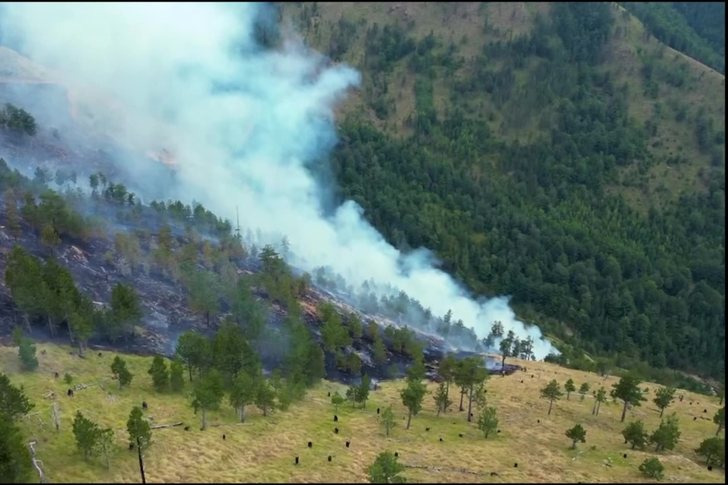
The fires in the forest surfaces for several weeks continu...
The former Minister of the Interior, Sandër Lleshaj, a...
A problem in Microsoft's "Cloud" network has blocked work ...

The Regional Directorate of Road Transport Services Ma...
PD MP, Oerd Bylykbashi, spoke about the Electoral Refo...
On Friday, the Special Court accepted a summary trial ...
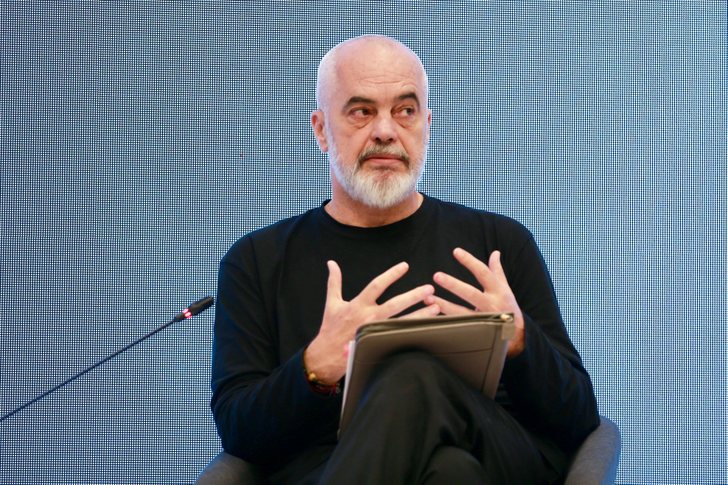
Prime Minister Edi Rama today held a meeting with busi...
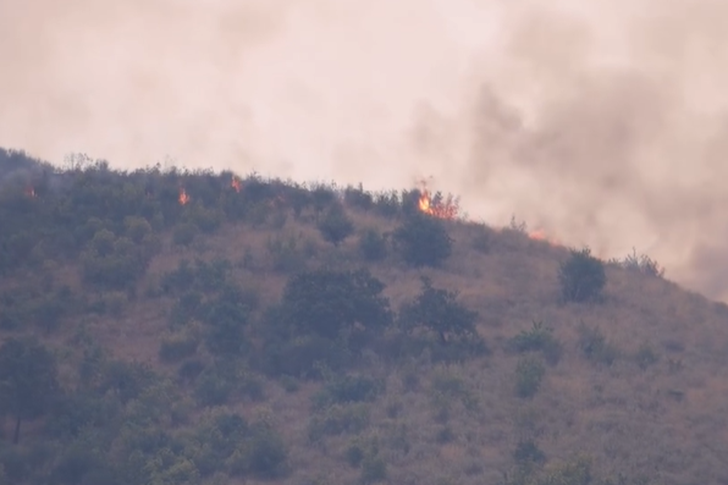
According to the data from the National Operational Ce...

The former official of the Ministry of Environment, Pë...

The candidate of the SP for the Municipality of Himara, Va...

The next session in the Special Appeal for former Prim...

The political leader of the DP for Tirana, Belind Kell...
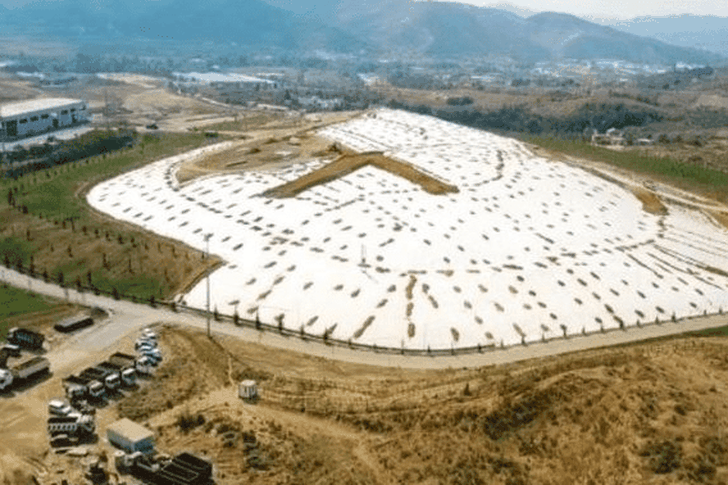
The political leader of the DP for Tirana, Belind Kell...
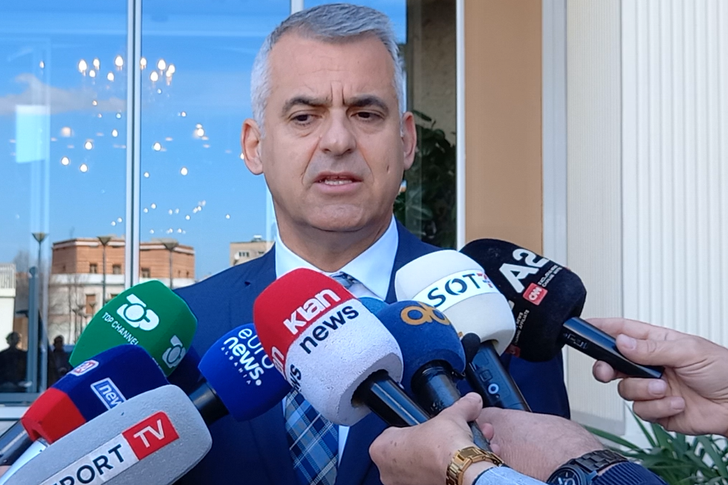
The head of PBDNJ, Vangjel Dule, in a statement to the...
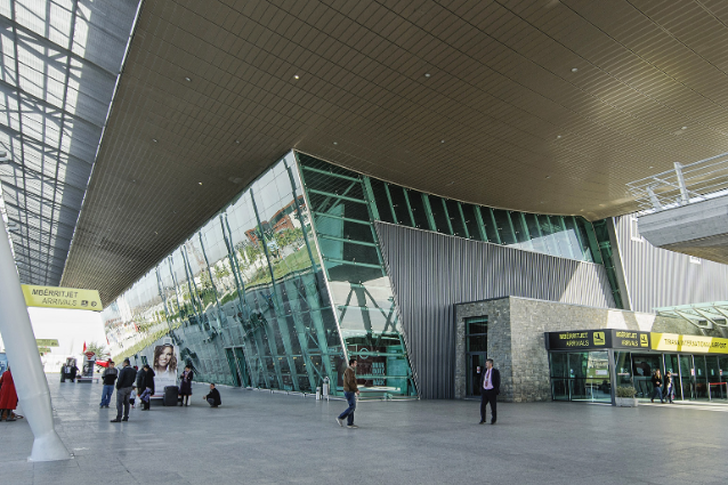
The International Airport of Tirana has announced that...

Fatmir Xhafaj, the last Enverist, has been abandoned b...

A mountain of documents for a flagrant case, in the na...
The Democratic Party has denounced a tender held by the Hi...
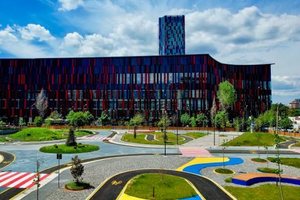
Since the summer of 2020, the Mayor of Tirana, Erion Velia...

The leader of the Democratic Party, Sali Berisha, denounce...

The Special Board of Appeal (KPA) decided this Monday ...

The KPA vetting decided this Thursday to dismiss the p...

Suela Salavaçi, a prosecutor in the Prosecutor's Offic...

The Special Board of Appeal reinstated the prosecutor ...

Following intensive controls and work based on police inte...

A road accident was recorded on Saturday morning on the Le...
A serious incident is reported to have occurred today in G...

A fatal accident has been recorded on the Fier-Lushnjë hig...

Today our country will be affected by stable weather condi...

Albania is leading a painful demographic process that plac...
On Friday, our country will be affected by stable weather ...

On Thursday, our country will be affected by stable weathe...

US President Donald Trump announced in a post on the Truth...
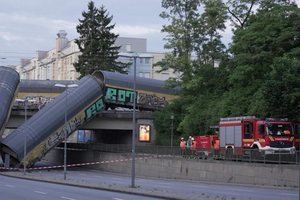
A serious rail accident occurred today in Munich, Germany....
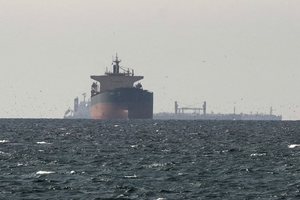
The Iranian Central Military Command, Khatam al-Anbiya, an...
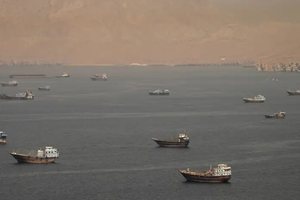
Four months of war have fundamentally changed relations be...

The promotion of the book by author Aleksandër Ikonomidhi ...

The Albanian Embassy in Switzerland has organized an eveni...

This Wednesday, the prominent actor of Albanian cinema, Gj...
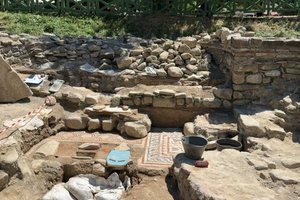
Several archaeological excavations conducted during this s...

In the Balkans, few tourism markets are expanding at the p...

Demographic experts Ilir Gëdeshi and Russell King conclude...

This Saturday, one US dollar is bought for 81.8 lek and so...

Urban development, transport, energy, forestry and agricul...