


Newspaper of the day, Saturday, July 20, 2024/ Get to know the main newspaper headlines
This Saturday we are introducing you to some of the ma...


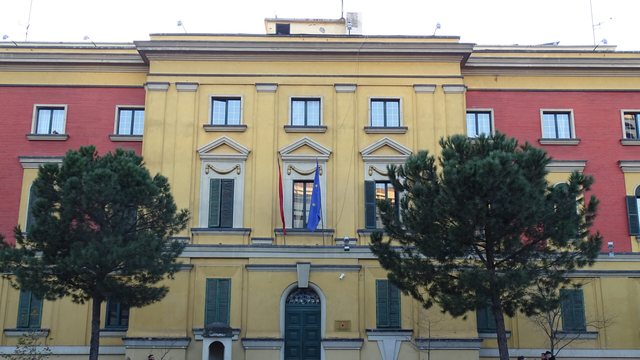
Since 2012, the government has integrated the financing of gender equality policies into the budget.
The Ministry of Finance, in a special interview, mentioned that this year, the budget fund that addresses gender-based policies is 74.4 billion lek (73 million euros), where 38% of it goes to support measures in the field of health and social protection and 8%, for gender policies in the field of education.
But there is still no calculation of how much budget funds have influenced closing the gender gap.
Are gender budgeting practices implemented in Albania?
Since 2012, the Ministry of Finance, in close cooperation with the UN WOMEN office in Albania, has undertaken the initiative of integrating the principles of General Gender Budgeting (GBBJ) in the annual and mid-term budget programming processes.
Consequently, on July 18, 2012, the Council of Ministers of Albania approved Decision No. 465 "On the integration of the gender perspective in the Medium-Term Budget Program (PBA)".
The decision marked the beginning of efforts to integrate the principles of gender budgeting in the budgeting process, with the aim of easing and/or eliminating gender inequalities in different areas of the country's life, where public policies operate.
In the 2014-2020 Public Finance management strategy, as well as in all the documents that have followed this strategy, general gender budgeting has been an integral part of public finance reforms, which have been promoted and implemented in practice.
General Gender Budgeting constitutes the third pillar of the national gender equality strategy and as such, addresses comprehensive and mutual issues in all areas.
The principle of Gender Equality is included in the Principles of the Budgetary System defined in the changes made on June 2, 2016, in Law no. 9936, dated 26.06.2008 "On the management of the budgetary system in the Republic of Albania", as amended, as and in the law "On Local Finances".
General Gender Budgeting is now an important part of budget preparation procedures and practices, as well as monitoring its implementation, especially at the central government level. Continuous efforts have been made and continue to be made for its effective inclusion in the procedures and practices of budget planning and implementation at the local level.
Since 2015, the number of budget programs that include elements of gender-sensitive policies has increased, resulting in 76 such out of 131 total budget programs at the central level, which, translated into budget allocation figures, range from 1% of the expenditures of general public in 2015, to about 10% in 2024.
The efforts made in the construction of gender-responsive and effective public policies have also resulted in the establishment and operation of a strong integrated planning system, which reinforces the link between Strategic Planning and Medium-Term Budgeting Processes.
This link is provided through IT systems such as IPSIS, which will facilitate policy planning and coordination, as well as provide public policy links with the medium-term budgeting financial IT system (AFMIS), an approach much sought after by the Ministry of Finance. , enabling at the same time the application of the BPGJ and through it.
These two systems will also enable the government to better track allocations and expenditures for the implementation of SDG5 (Sustainable Development Goal 5) and measure progress against the SDG 5c.1 indicator, which is the main indicator of the BPG.
Furthermore, these systems allow us to develop gender targets and key performance indicators (KPIs), and ultimately link them to appropriate budgets.
In the framework of participatory budgeting, specifically evaluating the voice of citizens, especially women and girls from the most vulnerable groups, participatory processes and the Budget for Citizens with gender sensitivity are just some of the institutional initiatives of the Ministry of Finance, in support of the cause of gender equality in Albania.
Does the Ministry of Finance have an analysis of the needs of the situation of women, men, girls and boys and the needs they have according to regions and ages?
The budget system in Albania, the one based on program and performance, requires that all institutions (Budget Program Management Teams), which work for the realization of short-term and medium-term objectives, defined in the relevant budget programs, perform detailed analyzes of policies that should address.
This methodology, as well as the inclusion as a legal obligation of the collection and use of analyzes separated by gender (and other disaggregations based on age, social status, demographics, etc.), have made it possible for the Budget Program Management Teams to design their budgets on the basis of gender analysis.
Gender analysis and the overall gender budgeting that it supports are integral parts of policy analysis and interventions at the level of strategic and budget policies.
Based on the information included in the medium-term budget planning documents, the Ministry of Finance prepares a summary called "Annex of general gender budgeting", which is attached to the Medium-Term Budget Program (MBP) document in all its phases.
This annex is updated every time there are changes in the budget, or its special items. The annex contains detailed information on budget programs, goals/objectives/gender performance indicators planned by each of the central government institutions (line ministries and other institutions).
The budgeting methodology and the electronic budget planning system, AFMIS (Albanian Financial Management Information System), enable the calculation of planned costs for each of the policies that include such elements in the PBA documents.
In this way, it can be clearly seen which of the policies aims to address/advance gender equality and which have not yet properly included the elements of general gender budgeting within them.
In addition, the report of the annual draft budget package, which is presented for consideration and approval in Parliament, contains information on the gender policies that the government intends to address through that annual budget, as well as a description of the gender objectives that are sought to be achieved during year in different sectors.
This relationship can easily be used by parliamentarians and parliamentary committees to initiate constructive discussions/debates related to gender policies designed and implemented by the government.
What policies have been followed in terms of fiscal measures to ease the fiscal burden of women who live on the poverty line and away from urban centers?
The intervention in addressing gender inequalities and/or the advancement of gender equality has started at the central level of government, where all macroeconomic and national policies are drafted, to be further transferred to the local level, where the drafting of policies and interventions is more targeted and seeks to further resolve specific issues, such as those of women living on the poverty line and far from urban centers.
Following the continuous support provided by UN Women in Albania and in the framework of the joint program with UNDP "No One Left Behind", the Ministry of Finance has provided technical assistance to more than 35 municipalities in the country, where they have been trained and raised professionally, not only the municipal staff, but also the members of the Municipal Councils.
The latter are seen as one of the most important links in the advancement of gender policies in local government, not only because of their mandate in the discussion and approval of local policies and budgets, but also because they enable the conveyance of the needs and voice of those women and girls, men and boys, who feel left behind.
Some of the most successful interventions in this cooperation were those during the difficult period caused by the pandemic, where the number of women and girls, victims of violence, was reported to increase.
Keeping the reception centers open for these women and girls, 24 hours a day, 7 days a week, enabled by the budgets of the municipalities: Elbasan, Durrës, Tirana, Korçë, Lezhë, Pogradec, etc., was an important signal of the work of well and the concrete engagement of local governments in this context. In many of the assisted municipalities, fiscal relief policies have been promoted, mainly aimed at helping single heads of households, especially from marginalized groups.
It still remains to be done in this aspect, both at the central and local levels. The best practices in the world of implementation of general gender budgeting show that interventions in the management part of fiscal policies are much less than those in the planning and implementation of public expenditures.
This is not only due to the difficulties in conducting detailed gender analyses, but also due to the few in-depth studies on the impacts that certain fiscal policies have on the lives of women and girls.
On the other hand, in the redistribution of the budget, are measures for additional benefits applied to women living on the poverty line?
Social support policies are particularly sensitive to the needs of women and girls in need, and enable direct addressing of some of them. A good example of the latest efforts to recognize the unpaid work of women and girls in the family, enabling monetary benefits for some important social groups, is the social care budget, which provides:
- The stable support of the social shield related to the doubling of the amount of economic assistance for mothers with 2 children, after the support of those with 3 or more children;
- Doubling the amount of economic assistance for the elderly over 65 without old-age pension or social pension, most of whom are women from rural areas;
– Support of the payment program for over 164 thousand women/girls and men/boys with disabilities and their guardians (most of them are the mothers/sisters/wives, etc., of these persons).
- For the first time, special support is given to unemployed women with 3 or more children up to 18 years old, with a family income of up to 100,000 ALL per month, supporting them with the payment of social and health contributions, for the period of care for the child up to 5 years old.
- Continuation of the financing of the Baby Bonus Program for every newborn, guaranteeing the financial reward for over 35 thousand children/year.
What is the most effective budget item that helps reduce the gender inequality gap?
Budget expenditures allocated to public policies in the field of health, social protection and education have been, so far, the most efficient items in addressing gender gaps.
In 2024, from the total budget fund of about 74.4 billion lek that addresses gender-based policies, 38% of it goes to support gender policies in the field of health and social protection and 28% of it to support gender policies in the field of education. Among the main policies worth mentioning in these sectors are:
- The education of girls, especially those from rural areas, continues to remain a priority of education policies. Girls and boys from needy groups will continue to be helped with free books - about 252,000 students attending basic education from the first to the ninth grade, as well as 16,000 in upper secondary education;
– In the social protection and employment sector, special attention is paid to the policies of financing payments for women from groups in need, of all age groups, starting from elderly women, mothers of more than three children, single female heads of households, etc., in order to mitigate the economic and social effects of the increase in inflation, as well as changes in the goods market. The reintegration of women and men into the labor market, creating access and ease to benefit from employment programs, professional education, as well as creating the conditions for removing these individuals from the unemployment payment scheme.
- In the health sector, it is worth mentioning the continuous support of new mothers with primary and secondary health services, for themselves and for the babies that will be born. Investments in maternity hospitals, as well as covering the costs for the treatment of mothers and babies in these institutions, aim at improving the conditions of service provision, as well as increasing the public's trust in public health services. Supportive disease prevention policies continue, particularly supporting women and girls who benefit from breast and cervical cancer screening services.
Although gender analysis is not a mandatory requirement for public institutions, its use is visible and beneficial to feed new policies in various sectors.
Data provided by independent studies, analysis of the situation and requirements derived from the gender equality strategy, statistical publications such as "Women and men in Albania", the CEDAW report, EU recommendations, etc., are just some of the sources. of information used in important gender analyzes by government institutions.
The consequences caused by the COVID-19 pandemic showed us the importance of structured and well-thought-out interventions even in times of crisis, where emergencies require immediate access to respond to citizens' needs.
Do you have calculations on how much the economic position of women has been affected by budget policies?
There are still no such calculations, but the year-by-year increase in the number of budget programs, that is, the policies and budgets that enable their implementation, is considered a positive step in this direction.
Do you have long-term plans for gender budgeting with expected results?
The long-term plans are also part of the new public finance management strategy, which is expected to be approved soon.
In addition to including all policies and budgets in the list of gender-sensitive ones, the next step is to carry out in-depth analyzes that allow the identification of gaps that directly, or even indirectly, affect the achievement of gender equality, or the deepening of inequalities.
Is there a successful model that our country intends to implement in gender budgeting?
Albania is one of the countries that has received evaluations from international partners in the implementation of responsible gender budgeting.
Different models of success come from countries such as Austria, Sweden, Iceland, Morocco, Canada, etc., and each of these models is based on the contextualization of globally recognized BPM implementation methodologies, in the realities of the respective countries.
That being said, our model is based on the stories and experiences of all these countries that started long before us, their efforts to advance gender equality through general gender budgeting, which are success stories not only of emancipated societies, but even of the strongest economies./ Monitor.al

This Saturday we are introducing you to some of the ma...
Non-resident visitors to accommodation facilities in t...
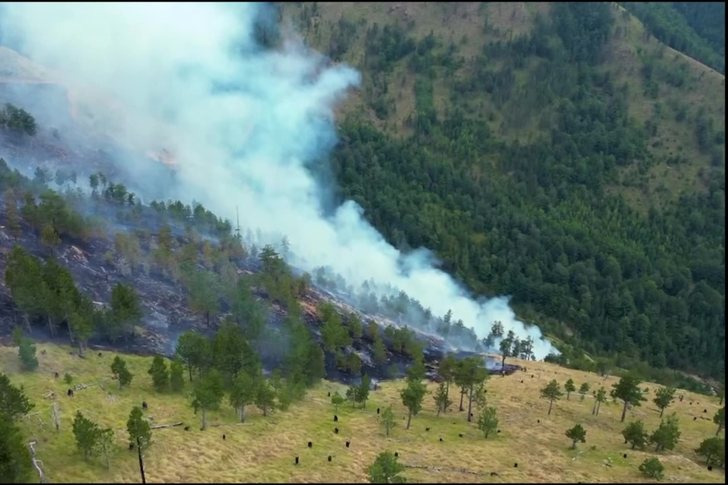
The fires in the forest surfaces for several weeks continu...
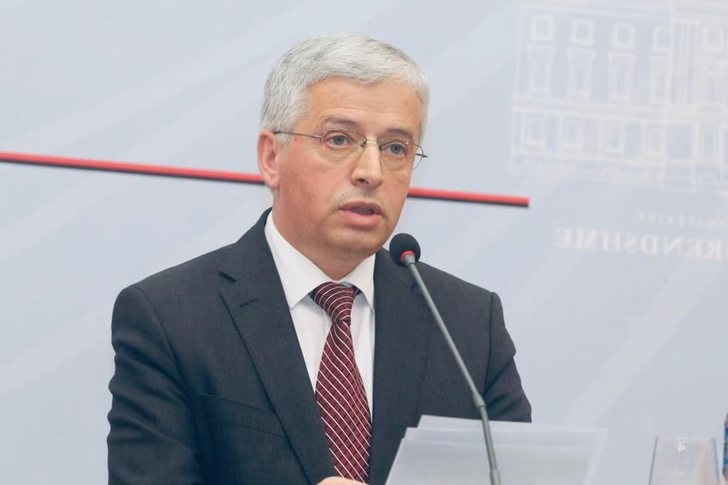
The former Minister of the Interior, Sandër Lleshaj, a...
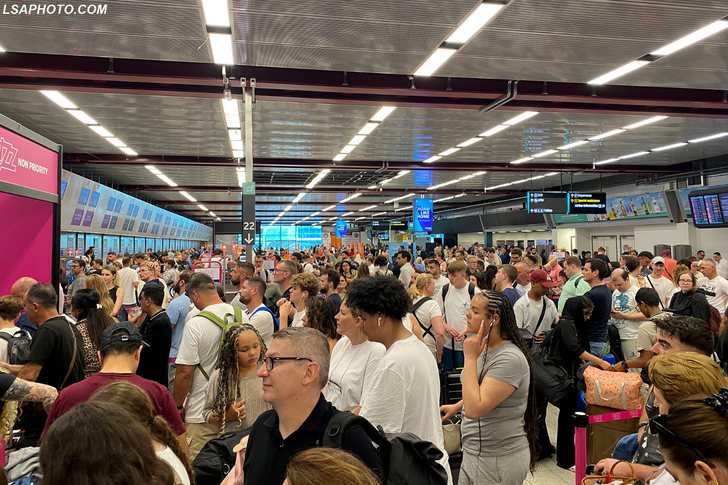
A problem in Microsoft's "Cloud" network has blocked work ...
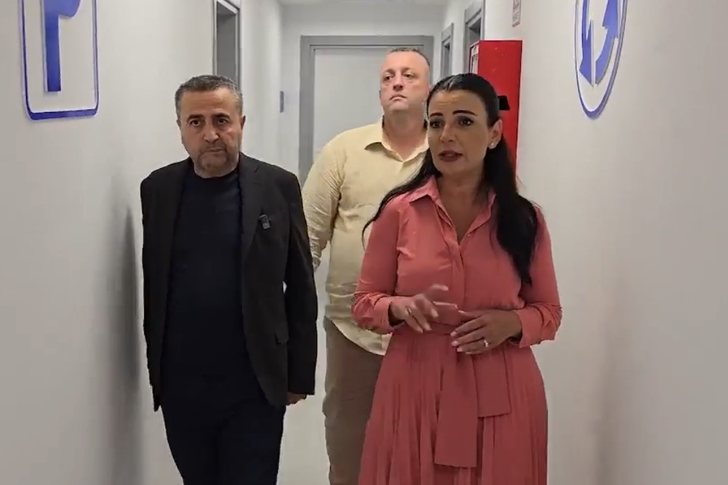
The Regional Directorate of Road Transport Services Ma...
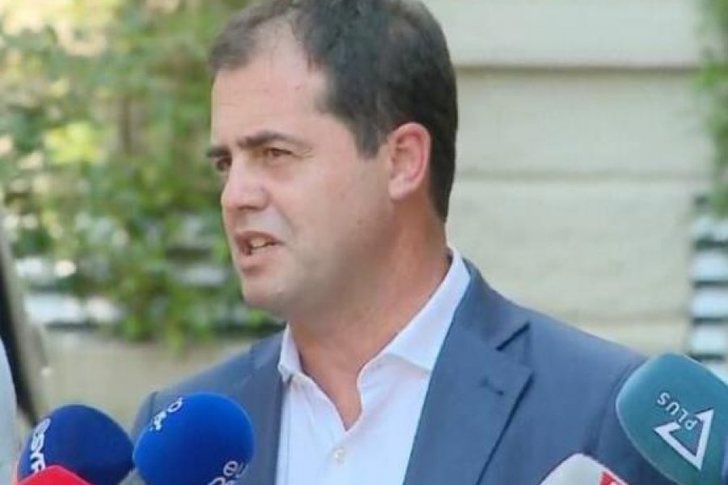
PD MP, Oerd Bylykbashi, spoke about the Electoral Refo...
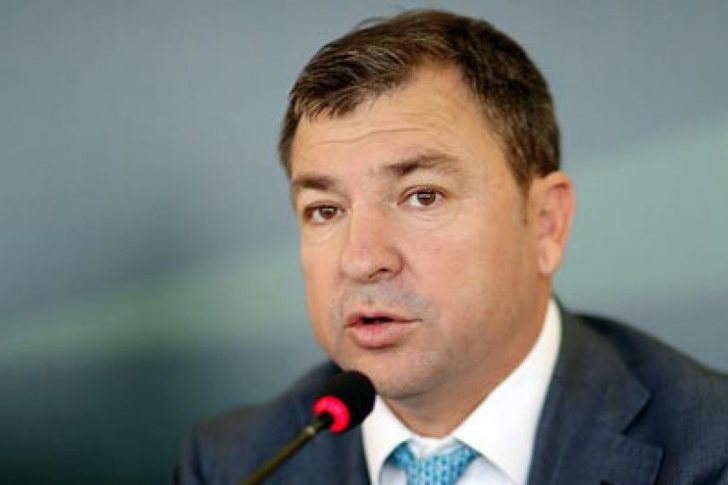
On Friday, the Special Court accepted a summary trial ...
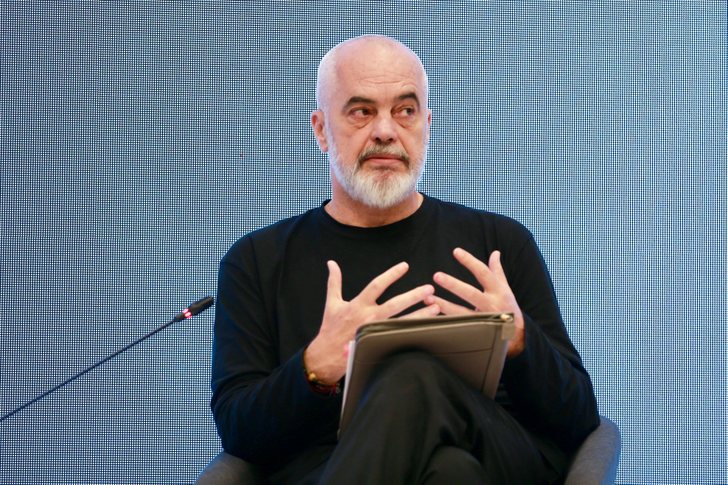
Prime Minister Edi Rama today held a meeting with busi...

According to the data from the National Operational Ce...

The former official of the Ministry of Environment, Pë...
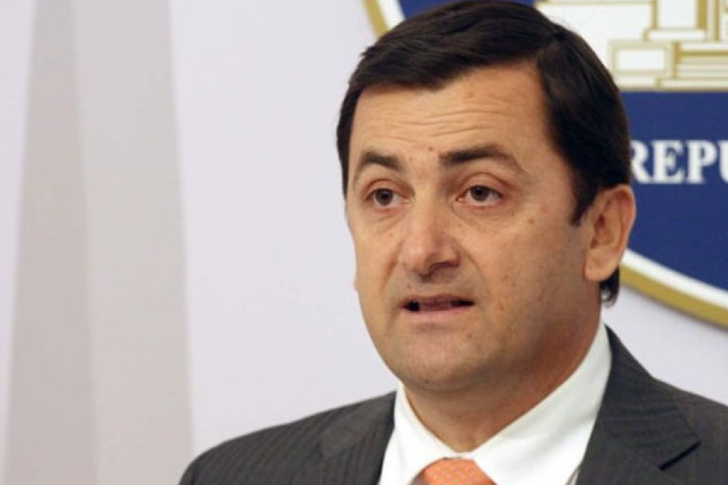
The candidate of the SP for the Municipality of Himara, Va...
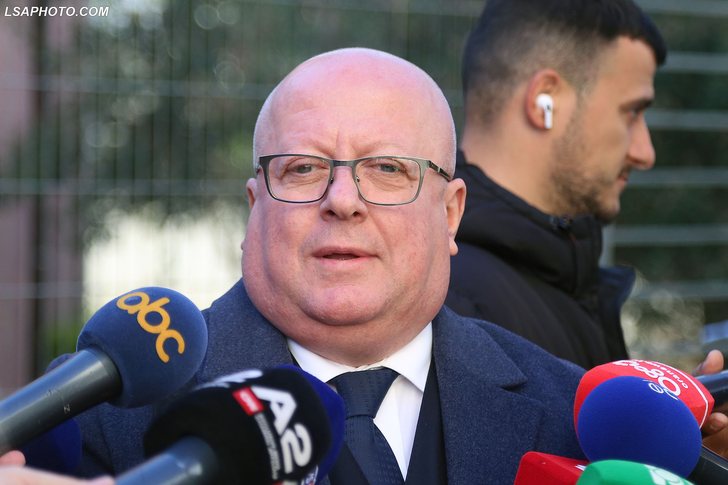
The next session in the Special Appeal for former Prim...
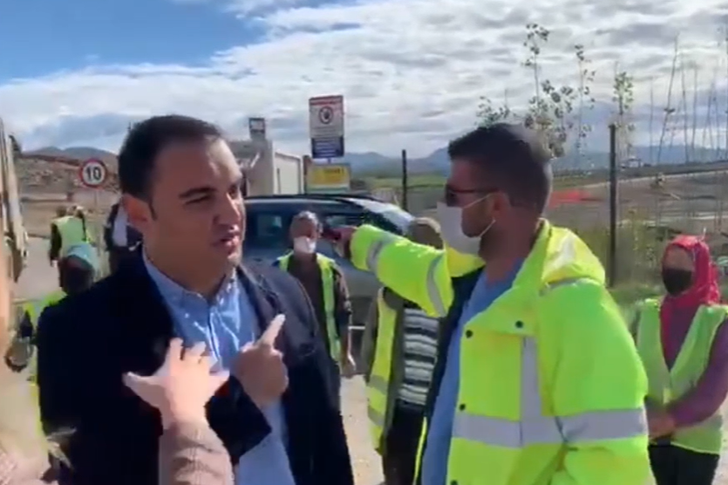
The political leader of the DP for Tirana, Belind Kell...
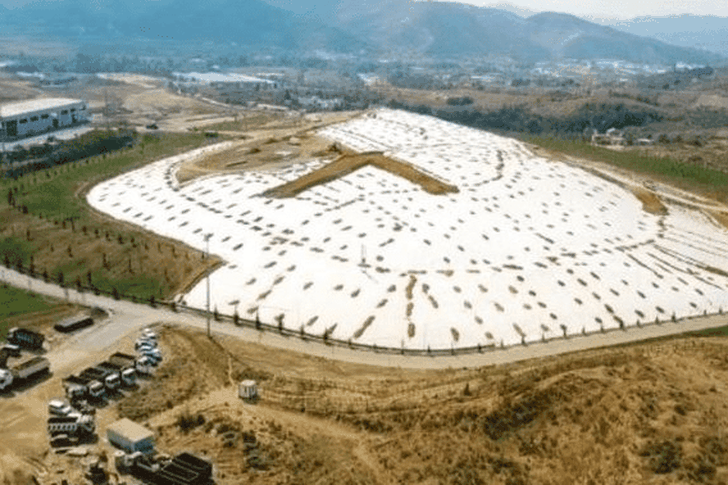
The political leader of the DP for Tirana, Belind Kell...
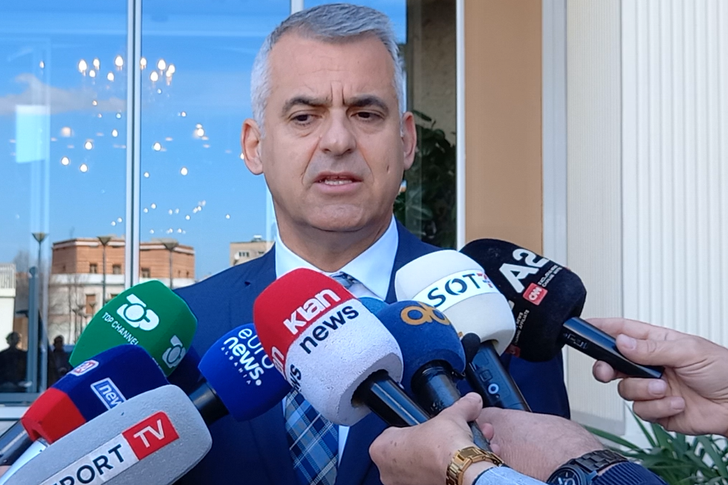
The head of PBDNJ, Vangjel Dule, in a statement to the...
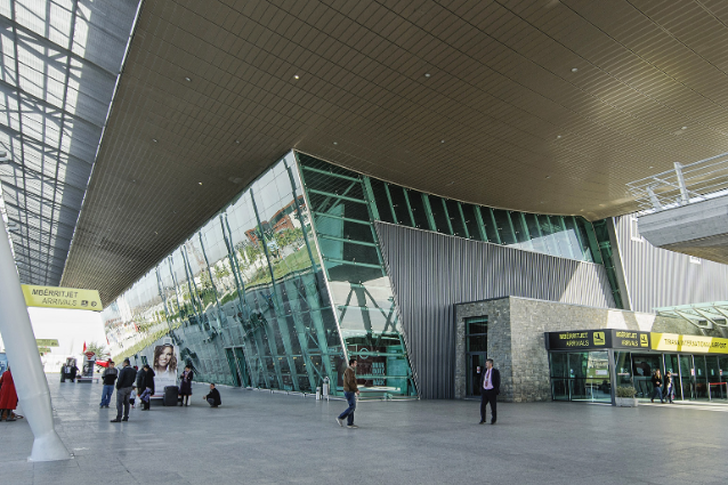
The International Airport of Tirana has announced that...

Fatmir Xhafaj, the last Enverist, has been abandoned b...
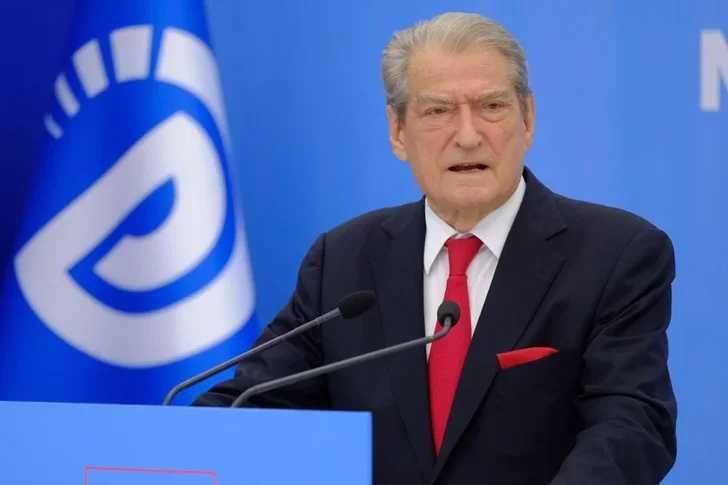
The lawyer of the MEP Fredi Beleri, Klodiana Gjyzari, ...

The Minister of Defense, Niko Peleshi, has expressed his g...
A mountain of documents for a flagrant case, in the na...
The Democratic Party has denounced a tender held by the Hi...
Since the summer of 2020, the Mayor of Tirana, Erion Velia...
The leader of the Democratic Party, Sali Berisha, denounce...

The Special Board of Appeal (KPA) decided this Monday ...

The KPA vetting decided this Thursday to dismiss the p...

Suela Salavaçi, a prosecutor in the Prosecutor's Offic...

The Special Board of Appeal reinstated the prosecutor ...

Following intensive controls and work based on police inte...
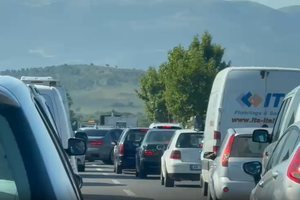
A road accident was recorded on Saturday morning on the Le...

A serious incident is reported to have occurred today in G...

A fatal accident has been recorded on the Fier-Lushnjë hig...

Today our country will be affected by stable weather condi...
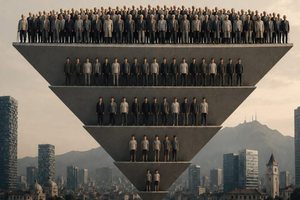
Albania is leading a painful demographic process that plac...

On Friday, our country will be affected by stable weather ...

On Thursday, our country will be affected by stable weathe...

US President Donald Trump announced in a post on the Truth...
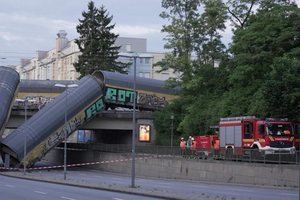
A serious rail accident occurred today in Munich, Germany....
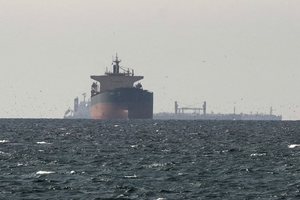
The Iranian Central Military Command, Khatam al-Anbiya, an...
Four months of war have fundamentally changed relations be...
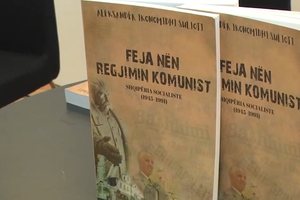
The promotion of the book by author Aleksandër Ikonomidhi ...
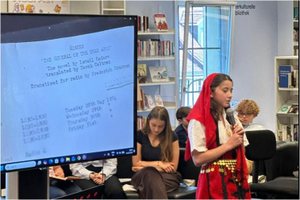
The Albanian Embassy in Switzerland has organized an eveni...

This Wednesday, the prominent actor of Albanian cinema, Gj...
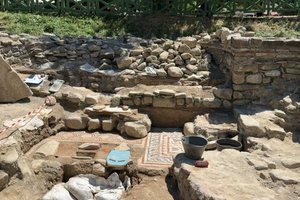
Several archaeological excavations conducted during this s...

In the Balkans, few tourism markets are expanding at the p...

Demographic experts Ilir Gëdeshi and Russell King conclude...

This Saturday, one US dollar is bought for 81.8 lek and so...

Urban development, transport, energy, forestry and agricul...