


He presented himself with injuries to his body at the Korça hospital/ 29-year-old man: The Greek police raped me
Yesterday evening, a 29-year-old citizen of MM presented h...

Yesterday evening, a 29-year-old citizen of MM presented h...

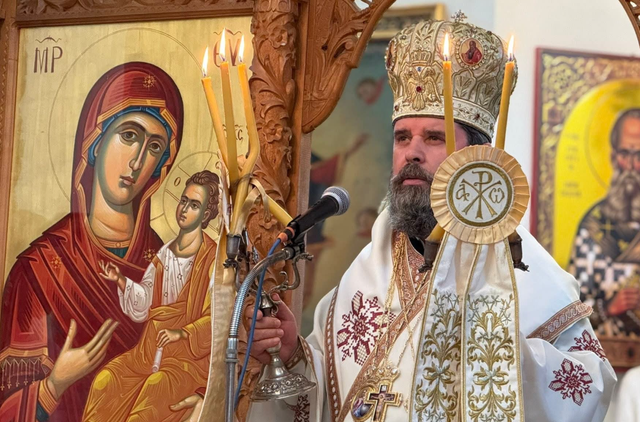
The Archbishop of Tirana, Durrës and All Albania, His Beatitude, Bishop Joani, has shared a message about one of the internal concerns that man faces today, which is related to anxiety, fear and uncertainty.
In an interview given to Media "Ngjallja", the Archbishop stated that fear has constantly accompanied humanity, while the fear of God is not fear, but reverence and a kind of fear that illuminates.
His Beatitude emphasizes that, as is written in the words of the Bible, the closer a person gets to God, the more fears are dispelled.
Excerpt from the interview:
Fortbliss, what are the causes that lead today's man to anxiety, fear and uncertainty?
Fear, anxiety, and uncertainty are not new; they have been around throughout human history. Often, to understand something, you have to go to the source. In Holy Scripture, the word “fear” is first used after the fall of man, when man became afraid of the presence of God. But man was created to enjoy the presence of God. Before man committed disobedience to God, or rather, the breaking of a spiritual connection, then fear was born. This shows us that the breaking of a spiritual connection with God brings within us a kind of fear, and this fear has constantly accompanied humanity.
People have had different fears. Everyone, without exception, has experienced periods of fear, anxiety, and stress; these are constant. But there are also differences between them. Fear and anxiety often present similar symptoms, but they are not the same thing. There are several types of fear. For example, if a tiger comes across you on the street, you will be afraid. If, walking at night, someone comes up to you with a gun, you will undoubtedly be afraid. This is a fear with reason. The body's reaction in these cases is defensive and occurs in three forms: either you run away, or you confront, or you freeze and cannot react. The first two are survival instincts and in themselves are not bad, because they help you defend yourself.
But there is another type of fear that is not rational, and this is known as a phobia. People may be afraid of flying for no specific reason; they may be afraid of large spaces or confined spaces; they may be afraid of social life. There are endless such fears. While these fears can be managed and controlled, they can be normal, but if they turn into phobias, then they indicate a serious problem and can lead to anxiety disorders.
While anxiety, unlike fear, does not have an immediate danger. It is a condition where a person is afraid of something that may have happened in the past or something that may happen, creating great stress. No one is exempt from these conditions. The measure is very important. If it is within the norm, it can be managed more easily. If fear begins to take over a person, then it is a serious problem, which may require medical help and spiritual counseling.
There is another kind of fear, the fear of God, which in the deepest sense is not fear, but reverence. For this reason it is said that the fear of God is the beginning of wisdom. This kind of fear illuminates. The Desert Fathers, masters of the spiritual life and human emotions, say this repeatedly: “Just as a lamp illuminates a dark room, so the fear of God illuminates the soul and heart of man and, illuminating it, dispels fears.”
A child who is alone in a room is frightened by the shadow of the tree branches and thinks they are people; but as soon as the light is turned on, he sees that there is nothing and the fear goes away. The spiritual enlightenment that comes from the fear of God gradually drives away fear. This process is long, just like the process of spiritual purification and facing fear.
The Holy Scripture says: “The fear of God is the beginning of wisdom, and the end of wisdom is the love of God.” Saint Anthony the Great says: “I no longer fear God, because I love Him; where love is, there is no fear; perfect love casts out fear,” writes Saint John.
Fears, anxieties, and stresses are different. We cannot avoid them, but we can face them and gradually free ourselves.
Let us remain, Your Beatitude, with your word on facing these; what should be our approach in the face of these phenomena when anxiety, fear, and depression overwhelm us?
There cannot be a single recipe for every person, because everything depends on the degree to which these conditions appear. What comes from the deep spiritual tradition of the Church shows this: the closer we draw to God, the more they recede; the more enlightened we become, the more they diminish. Because fear comes from abandonment. Someone who thinks they are alone feels fear, anxiety and uncertainty. Likewise, inner emptiness, when life has no purpose, brings fear and anxiety.
If we read the Holy Scriptures, we will find in almost every book of the Bible the words of God: “Do not be afraid!”. God gives assurance: if God is with us, who will we fear? “Even though I walk through the valley of the shadow of death, I will fear no evil, for you are with me,” says the psalmist.
The closer God comes to our soul, when we allow Him to be within us, the less we will fear. We must beware of those who, although they think they believe, present the world as if God does not exist, as if everything is directed by evil forces. In reality, it is God who holds everything under His care.
Leximi i Shkrimit të Shenjtë na lehtëson, sepse aty gjejmë mijëra vargje që na japin kurajë për t’u përballur me frikën. Jo vetëm “mos kini frikë”, por edhe “mos u shqetësoni, sepse Perëndia nuk do t’ju braktisë”. Meditimi mbi këto fjalë na ndihmon të zbusim frikën. Shpesh, kur ndalojmë dhe mendojmë, kuptojmë se situatat nuk janë aq të errëta sa duken. I ligu punon në errësirë dhe përpiqet të na bindë për të. Sa më shumë ndriçohemi shpirtërisht, aq më shumë e largojmë frikën.
Besimi nuk është vetëm pranimi se Perëndia ekziston; besimi është mbështetje tek Perëndia. Një episod shumë kuptimplotë e ilustron këtë: për sa kohë Shën Pjetri ishte i fokusuar tek Krishti, ai nuk pati frikë të ecte mbi ujë. Në momentin që shkëputi vështrimin nga Zoti dhe u përqendrua tek dallgët dhe era, u tremb dhe filloi të fundosej. E njëjta gjë ndodh me ne. Stuhitë e jetës nuk mund t’i shmangim, por mund t’i menaxhojmë. Kur na pushton frika, ankthi apo pasiguria, që mund të çojnë drejt dëshpërimit, duhet të rikthejmë fokusin tek Zoti.
Fjala “depresion” shpesh merr një kuptim klinik. Edhe kur është i tillë, përqendrimi tek Perëndia sjell ndriçim dhe siguri. Një fëmijë që ecën natën mund të ketë frikë, por nëse mban dorën e të atit, ndien siguri. Edhe ne, në udhëtimet e jetës, nëse ndiejmë dorën e Atit pranë nesh, do të kemi paqe.
Si e ndiejmë këtë? Nëpërmjet mënyrës si jetojmë dhe si i mbajmë në mendje vargjet e Shkrimit të Shenjtë. Shenjtorët dhe Etërit e Kishës nxisin leximin e Shkrimit, jo vetëm për të mësuar, por sepse fjala e Zotit zbret në zemër. Kur ajo qëndron në zemrën tonë, në çaste të errëta na ndriçon. “Fjalët e tua janë kandil në këmbët e mia,” thotë psalmisti.
Shenjtorë të mëdhenj janë trembur: Profeti Ilia gjatë përndjekjes, Shën Pjetri kur mohoi Zotin. Por ata nuk mbetën në frikë, sepse fjala e Zotit ishte e gjallë në zemrat e tyre. Ata u penduan. Pendimi është ndriçim. Ka dy lloje pendimi: pendimi i besimtarit që ka shpresë në mëshirën e Zotit dhe pendimi i krenarit, që çon në dëshpërim. Shën Pjetri u pendua me lot; Juda u dëshpërua.
Nëse kemi qëndrim të përulur, frika largohet dhe Zoti na ndriçon. Sa më shumë ndriçim, aq më pak errësirë. Nëse nuk ndezim kandilin e shpirtit, frika dhe ankthi do të mbeten. Ne nuk mund t’i shmangim të gjitha vështirësitë, por mund t’i ndriçojmë dhe, duke i ndriçuar, ato zbehen. Dashuria e përsosur e largon frikën.
Shën Pavli shkruan: “Ne nuk dëshpërohemi si ata që nuk kanë shpresë.” Dëshpërimi i madh shpesh lidhet me vdekjen. Ne pikëllohemi, qajmë, por jo si ata që nuk kanë shpresë. Nëse humbasim shpresën, humbasim edhe besimin. Tek Perëndia nuk ka të vdekur; Ai është Perëndia i të gjallëve. Vdekja nuk është asgjësim, por kalim.
Si e ndihmon Kisha njeriun e pushtuar nga ankthi?
Ndihma është pikërisht kjo: predikimi i vazhdueshëm i Ungjillit. Cili është lajmi i mirë? Se Zoti e mundi vdekjen dhe, duke e mundur vdekjen, mundi çdo të keqe. Kjo do të thotë se Zoti është bashkë me ne. Ajo që shpallim në Krishtlindje dhe në Pashkë – “Perëndia është me ne” dhe “Zoti e mundi vdekjen” – i jep njeriut shpresë dhe siguri.
Përjetimi në Kishë është gëzimi i Ngjalljes. Madje, Kisha Orthodokse e ka si frymë të saj gëzimin e Ngjalljes. Duke pasur këtë siguri, asgjë tjetër nuk mund të na çojë në dëshpërim. Edhe nëse na kap dëshpërimi për një çast, ne mund të përballemi me të dhe ta kapërcejmë. “Në botë do të keni vështirësi, por kini zemër, unë e munda botën.” Kjo do të thotë se, nëse jemi me Zotin dhe përpiqemi të jetojmë sipas mësimit të Tij, do të kemi fuqi për t’u përballur me gjithçka.
Kisha e ndihmon njeriun të ndërtojë një jetë shpirtërore. Një nga fatkeqësitë më të mëdha të jetës moderne është mungesa e jetës shpirtërore. Për këtë arsye janë shtuar kaq shumë dëshpërimi, ankthi dhe stresi. Frika është një frymë. Shën Pavli shkruan se “nuk na është dhënë frymë frike”. Nëpërmjet Krishtit marrim frymë gëzimi dhe fuqie.
Në lutjen e Shën Efremit “Zot dhe Mjeshtër i jetës sime” ka një detaj të vogël, por domethënës: ai kërkon të mos i jepet frymë e caktuar, por një frymë tjetër. Kur themi “frymë”, nënkuptojmë një fuqi të brendshme. Frika, ankthi dhe dëshpërimi nxiten nga një frymë e tillë, e cila duhet luftuar. Sa më e thellë jeta shpirtërore, aq më shumë largohet kjo frymë.
Shpesh njerëzit e kanë të vështirë të organizohen vetë. Kisha e organizuar i ndihmon të ecin në rrugën e jetës shpirtërore. Ndihma më e madhe që ajo ofron është predikimi i Ungjillit të shpresës dhe i pranisë së Zotit. Ungjilli na mëson se nuk jemi vetëm. Nëse Zoti është me ne, kush mund të jetë kundër nesh? “Nga kush do të kem frikë?” shkruan psalmisti.
Frika lind kur mendojmë se jemi vetëm dhe të pafuqishëm përballë problemeve. I ligu përpiqet të na bindë se nuk meritojmë ndihmën e Zotit. Shën Siluani, duke u mbështetur në mësimin e Etërve, thekson dy rreziqe: mendimin se “jam shumë i mirë” – që është krenari – dhe mendimin se “për mua nuk ka shpëtim” – që është dëshpërim. Asnjëra nuk vjen nga Zoti.
Jeta shpirtërore brenda Kishës na ndihmon, sepse kemi dëshminë e mijëra shenjtorëve. Shën Pavli shkruan për “një re të madhe dëshmitarësh”. Ata ishin njerëz si ne, me dobësi dhe frikëra, por me ndihmën e Perëndisë i kapërcyen.
Një ndihmë e madhe është misteri i rrëfimit. Rrëfimi është terapi shpirtërore e thellë. Psikoterapia moderne, në një farë mënyre, ka rrënjë në këtë nevojë për shprehje dhe çlirim. Por një rrëfim pa praninë e Zotit mbetet i paplotë. Kur rrëfimi bëhet sakrament, ai sjell çlirim të plotë.
Rrëfimi nuk duhet të jetë as mungesë e plotë, as formalitet. Rrëfimi i vërtetë është bisedë shpirtërore, qartësim i brendshëm dhe ndërgjegjësim për zbrazëtinë që sjell ankthi. Njeriu është krijuar sipas ikonës së Perëndisë dhe nuk mund të gjejë prehje larg Tij.
Confession helps to free us from anxiety, fear, and despair. Without faith, these are not fully overcome. Life without a final destination makes a person uncertain. If we believe that we were created by God and for communion with Him, then we have purpose, and this removes fear.
Fortunaturi, is there hope for today's man, when the desire to live life fades?
There is no doubt that there is hope. As long as a person is alive, he must hold on to hope. The certainty that God is near us nourishes this hope.
Often we seek water in places where there is no source. The drying up of life comes when we turn away from its source. God says, “I am life.” Without Him, life dries up. From the Holy Spirit flows the living water that quenches thirst.
Man is a being who is constantly seeking something. Faith teaches us that fulfillment is found in communion with God. There are mysteries that we cannot fully explain – why someone leaves early, why someone gets sick – but we know that a deep spiritual life gives strength to face them all.
What do we celebrate at Easter and on August 15? Ostensibly we commemorate the change of life, but in essence we celebrate the transition to full life. Death is not the end, but the opening of another door. When this is understood, the fear of death fades, and with it greed and insecurity.
Hope is always open. Until the last moment there is a possibility of salvation. God knocks on the door of the heart and awaits our response. The lack of spiritual life dries up man, while the teaching of God is a cure, not a punishment.
Every person is called to salvation. “I am the way, the truth, and the life.” On this path we find full life, not a life wounded by fear and anxiety. The example of the saints gives us courage. God’s door is open to all.

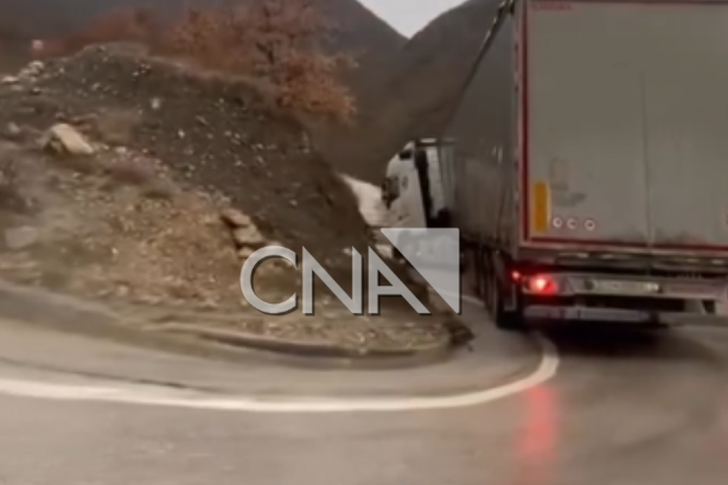
The first traffic problems begin in the alternative segmen...
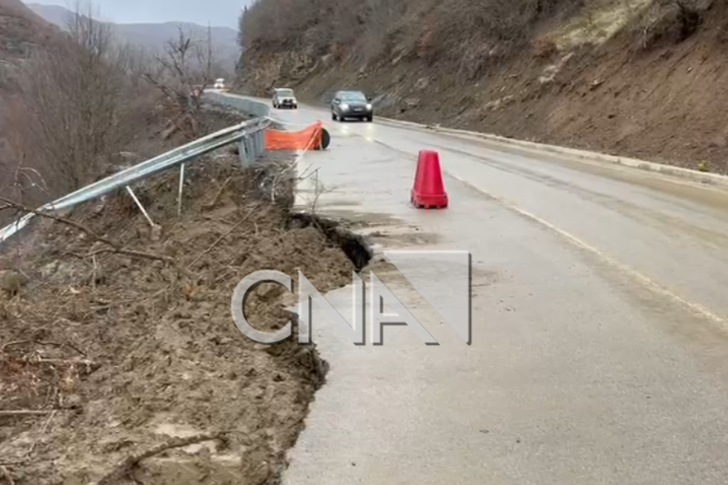
Situata në aksin nacional Librazhd-Pogradec është përkeqës...
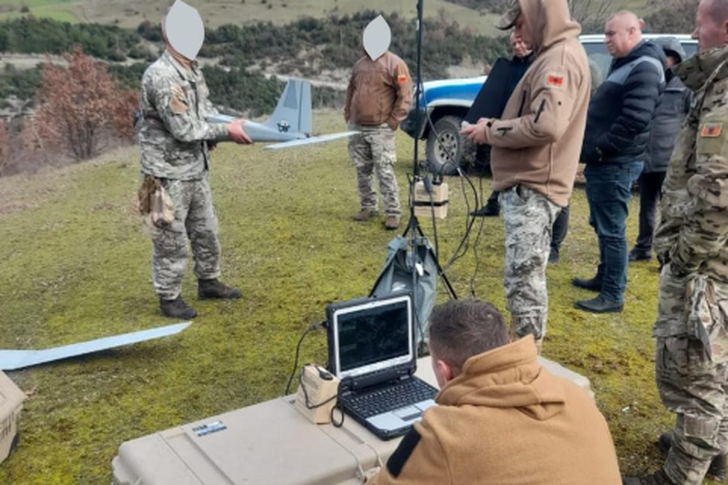
Engineering specialists have launched the action to ...
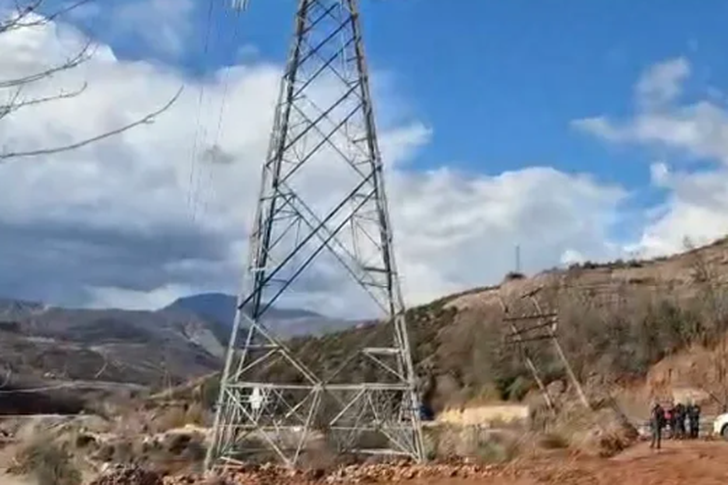
The Transmission System Operator has today shared a clarif...
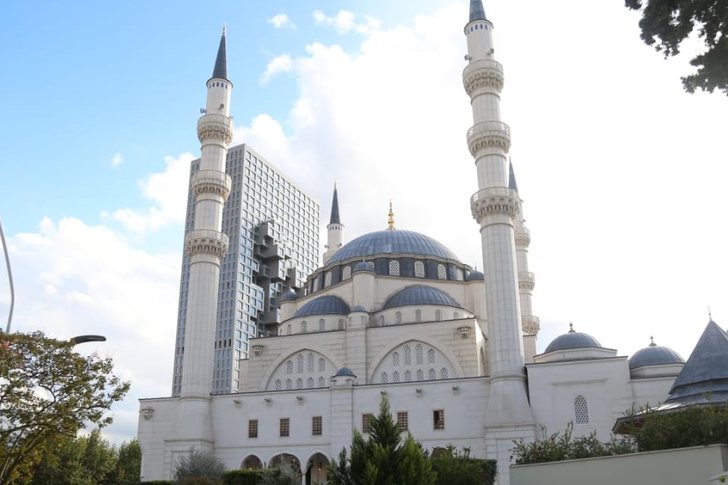
The Muslim Community of Albania has issued an official res...
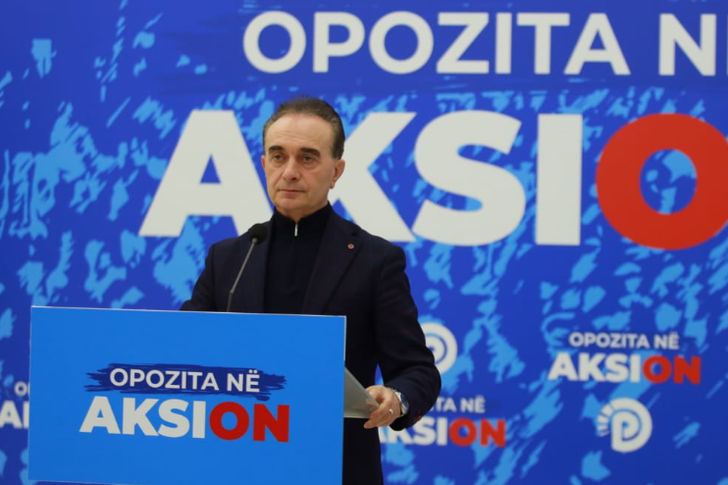
Democratic Party MP Luan Baçi spoke today about the protes...
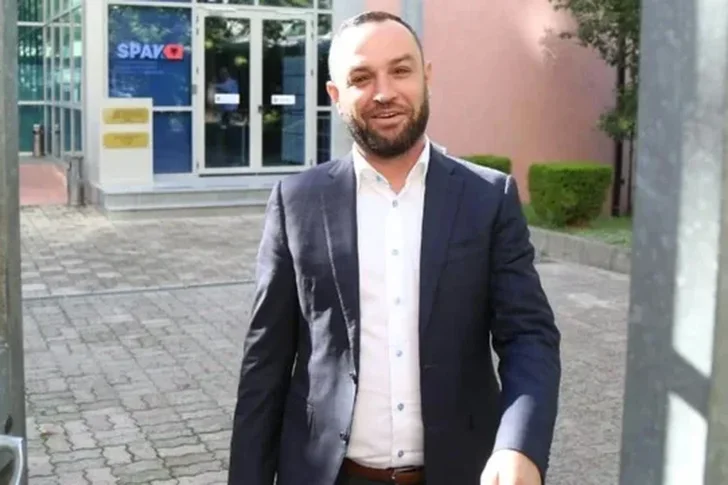
Former Socialist MP Jurgis Çyrbja has been released from p...
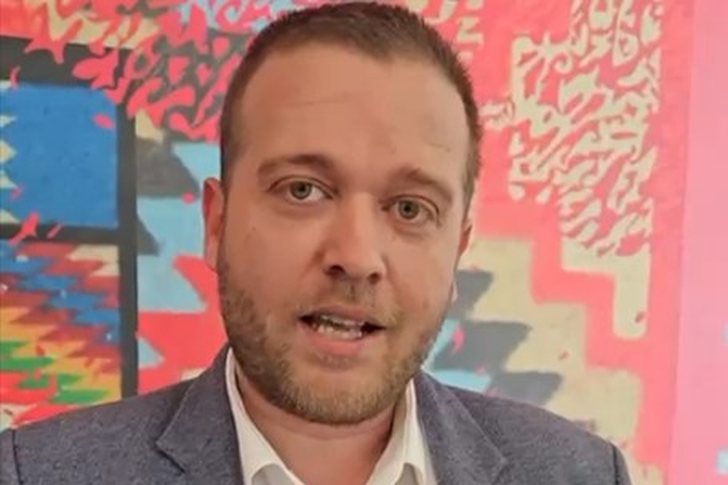
Socialist MP, Ardit Bido, reacted through a post on social...
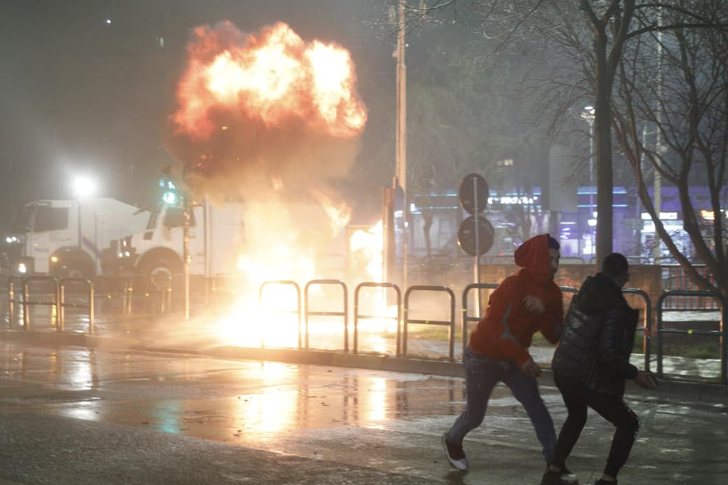
Tirana Police have announced through an official response ...
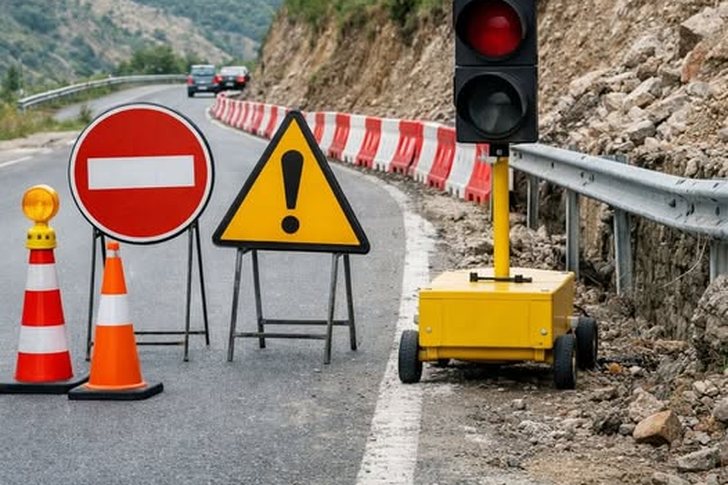
The Albanian Road Authority has announced through a respon...
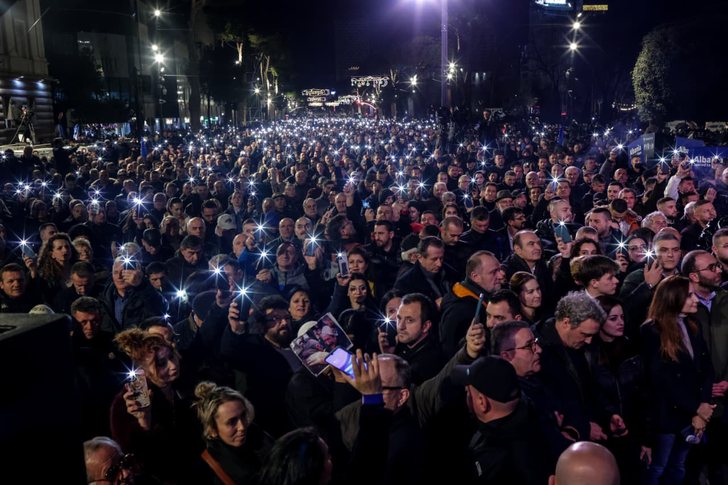
Yesterday evening, the opposition held its next national p...
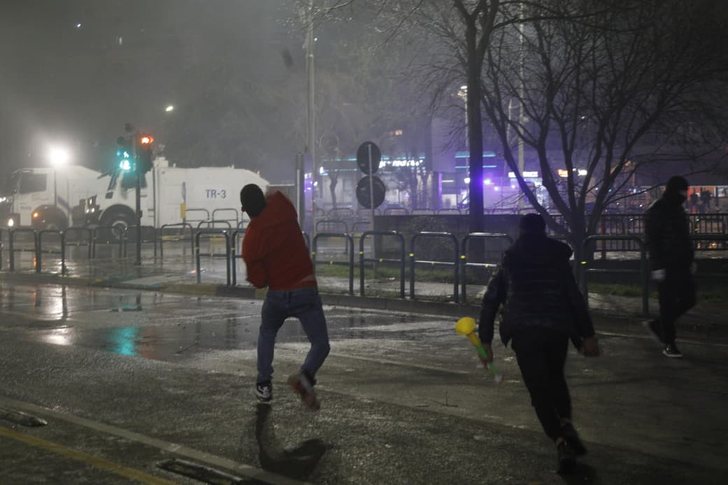
The head of the Democratic Party Parliamentary Group, Gazm...
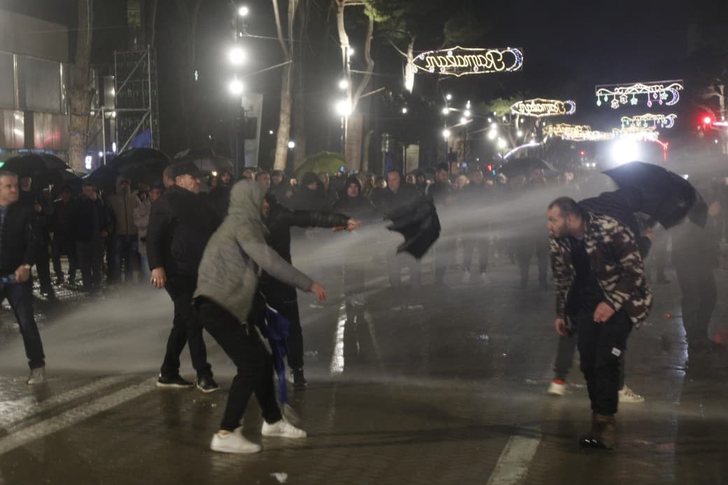
Police have escorted some of the participants in today's o...
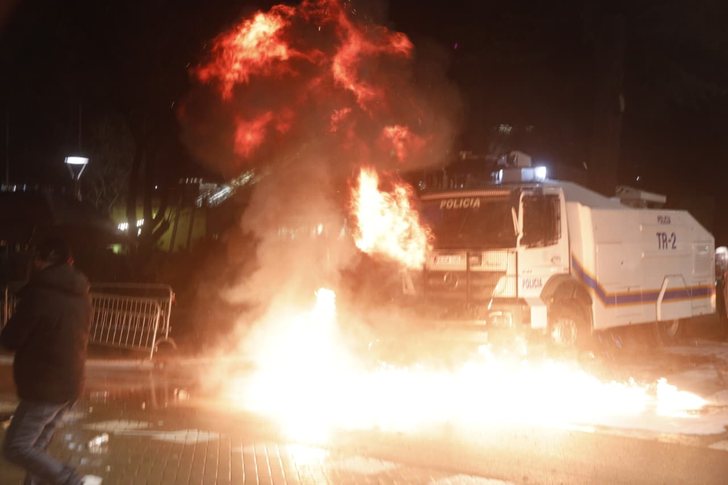
Analyst Fatos Lubonja commented today on the dynamics of t...
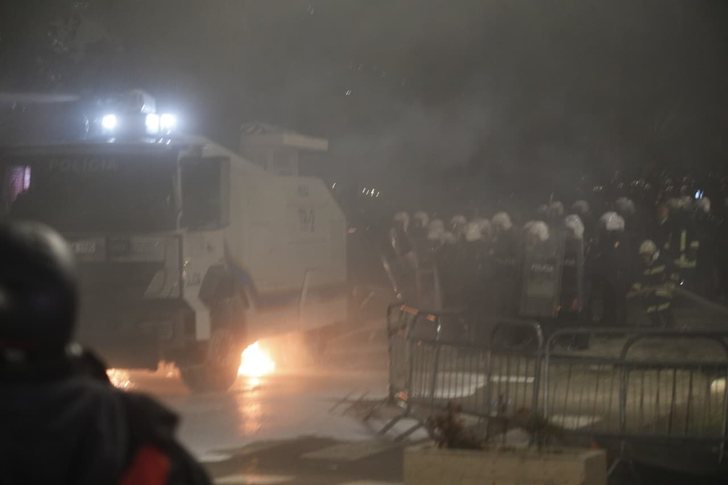
Opposition protesters, who have moved in front of the Parl...

One of the protesters lost consciousness during the protes...
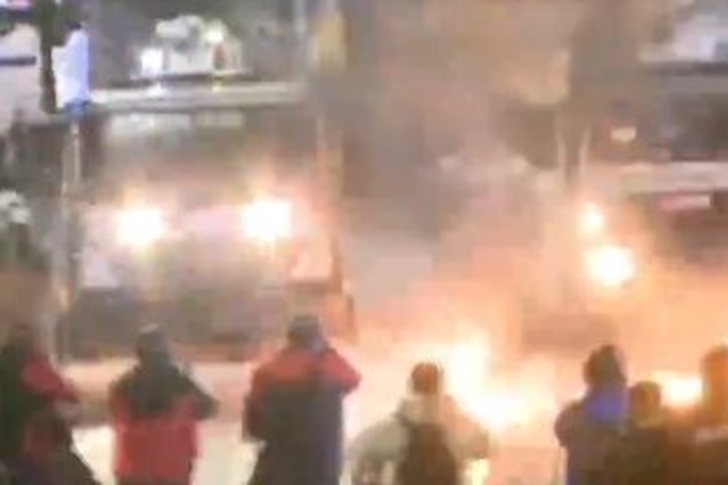
Tensions between protesters and police continue in front o...
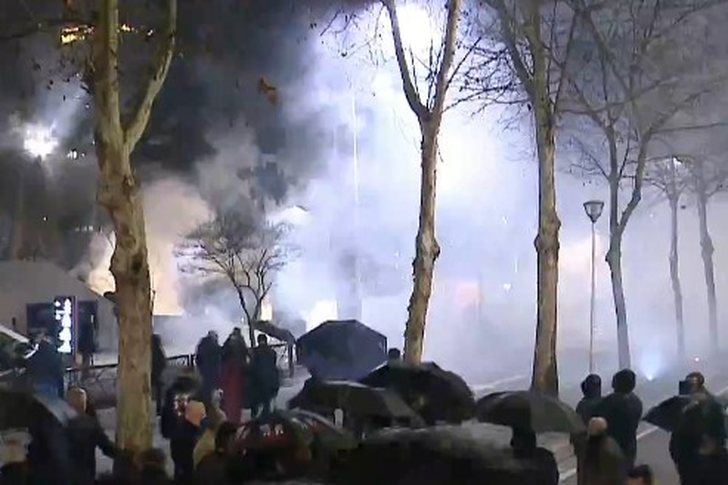
Protesters threw Molotov cocktails at the Parliament, imme...
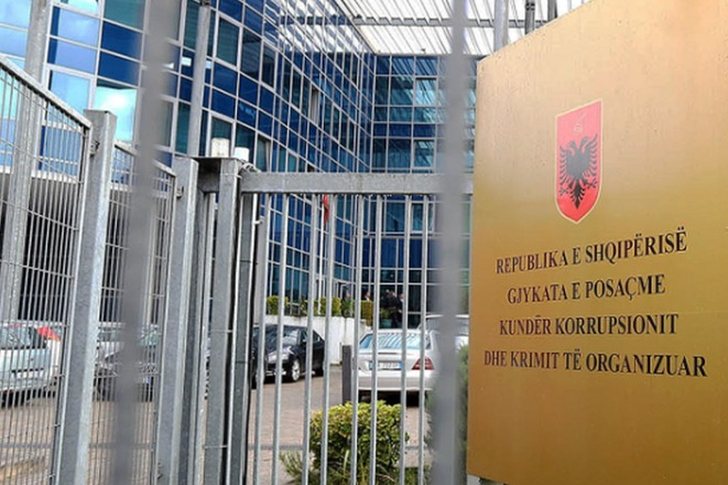
The Special Court has rejected Fran Marashi's request rega...

Vodafone Albania and the Albanian Football Federation (AFF...

There have been 12 days of protests in the capital, which ...
Dritan Prençi is the SPAK prosecutor who is sleeping on th...
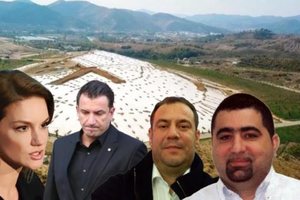
The in-depth investigations that SPAK conducted into Ajola...
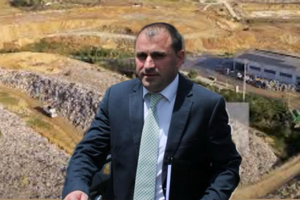
SPAK's standards, the way it investigates, how it secures ...

The Special Board of Appeal (KPA) decided this Monday ...

The KPA vetting decided this Thursday to dismiss the p...

Suela Salavaçi, a prosecutor in the Prosecutor's Offic...

The Special Board of Appeal reinstated the prosecutor ...
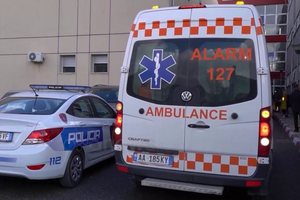
New details have emerged regarding the serious accident th...
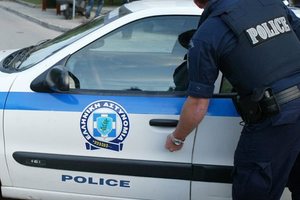
An Albanian businessman was arrested this afternoon in Gre...
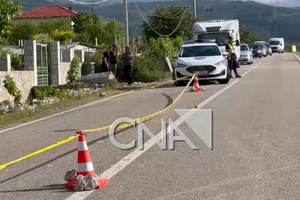
A serious accident has occurred on the Korça-Ersekë axis, ...
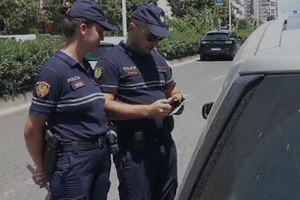
Fier Police has announced the measures taken this week for...
Today our country will be affected by stable weather condi...
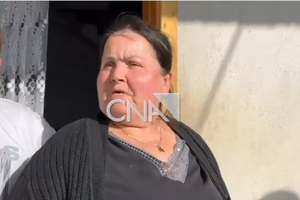
A tragic accident occurred this Friday afternoon in Kameni...

Today our country will be affected by unstable weather con...
On Thursday, our country will be affected by relatively un...
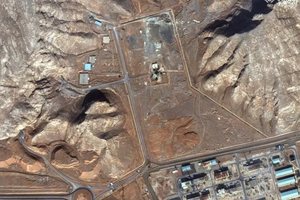
Iran has taken new measures to strengthen the protection o...

American entrepreneur Elon Musk has become the first perso...
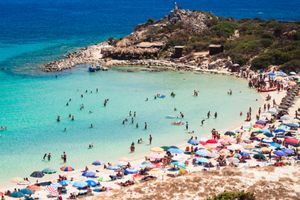
Umbrellas have been banned on a beach in Sardinia for anyo...
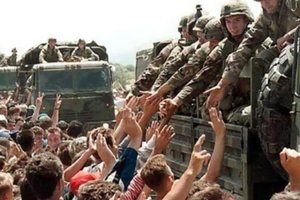
This June 12th marks the 27th anniversary of the liberatio...
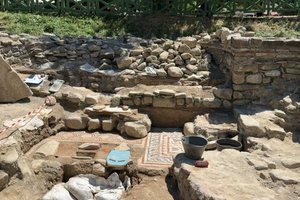
Several archaeological excavations conducted during this s...
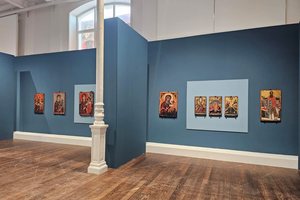
At the Museum of Fine Arts in Chambéry, France, an exhibit...
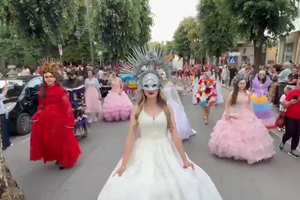
Korça has transformed this weekend into the capital of cel...
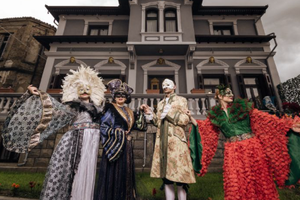
Korça is ready to open the summer season with one of the c...

This Saturday, one US dollar is bought for 81.5 lek and so...
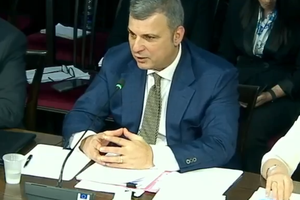
The Governor of the Bank of Albania, Gent Sejko, shared to...

Business lending has increased in the first half of this y...

The labor market has shown worrying trends in early 2026. ...