


"Vjosa at critical height"/ Vengu: In Përmet and Memaliaj we expect a dynamic night, the danger has not passed yet
Defense Minister Pirro Vengu stated in a television appear...


CNA TV has obtained exclusive rights from renowned professor and scholar of history and geopolitics, Stephen Kotkin, to broadcast his academic lectures.
The fourth part of this documentary talks about "The Paradox of Success in Authoritarian Regimes."
"You can't be an authoritarian regime without a threat; you need a threat, a credible external threat coupled with a credible internal threat," Kotkin says.
You can't be an authoritarian regime without a threat; you need a threat, a credible external threat coupled with a credible internal threat. The threat has to be there. Now, these six characteristics that I just mentioned, not every regime has all six; some have five of the six, which is quite good, I admit. Some have only three of the six and you can see that they are faltering here, and some have all six and some have all six at full capacity. Those are the regimes where you want to do FDI (Foreign Direct Investment). They have staying power.
Now there are other… of the personalist regime, which is based on one person and that regime is not institutionalized, and so if that person gets sick with, I don't know, liver cancer or sclerosis of the liver, there is no more regime because it is not deeply institutionalized — it is very personal. So there is that dimension, which I should… I should address in more depth, but I am not doing so. Personalized regimes have problems with mistakes, much more so, because authoritarian regimes lack corrective mechanisms. And if the person makes mistakes a few times, there is a very high probability that they will make mistakes a lot, and this becomes a big problem, especially if they have a son or a daughter, and there is a regression to the mean in genetics.
Now, this level of professionalism is really important for the successor regime. This is going to sound… this is actually going to be crossing the line here, but the judiciary in the apartheid regime in South Africa was valuable. And the reason it was valuable is because it understood property rights. It understood property rights only for a very narrowly defined group of citizens. It enforced the apartheid regime on the vast majority of the country, but if you expand the category of citizen and you enforce property rights law for more citizens, you have a judiciary that can work.
In the communist era judiciaries, they didn't understand property rights and they don't have much value in a post-communist transition because they don't understand it; it's not like they protect the rights of party figures to own property and then they let everyone own property, like the South African regime did, protecting the rights of a handful of people, the white property owners, and then they can protect the property rights of other people because they understand how the law works. So institutionalization can be fundamentally important in what happens when the regime falls, when you take those pieces and try to build something else. Institutionalization, or the lack of it, matters a lot. Or even when you try to defeat the regime, professional armies with a security threat are very difficult to defeat — very, very difficult — because that's where the life chances are, the ideology, it's just a rich thing.
The cases of Pakistan, Egypt with professional armies have difficulty defeating such things. Very difficult. It seemed like the Chinese communists regained control of the army by forcing it partly out of business, out of the private economy in the 1990s. It took something as strong — or what seemed strong — as the Chinese Communist Party to “tame” the Chinese army in the 1990s and to get it out of a lot of private businesses. Now we are seeing perhaps that was a premature judgment on the party’s control over the Chinese army; analysts and the intelligence community, let alone academia where they don’t have inside information, are divided on the degree of control or not over the Chinese army. But in Pakistan, where the professional army exists as the raison d’être of the state because of the threat from India and also owns a large part of the economy, it is extremely difficult to eradicate.
However, these were just some side comments; there are other things to discuss, such as the degree or not of institutionalization. But these — nationalism, populism, law and order — are often ignored. We often think of authoritarian regimes as cynical, but in fact they have trust mechanisms and have loyalties that are based not only on rewards, but also on versions of nationalism, populism, and so-called law and order.
Okay, external threat, subversion. Okay. Now, it may be the case that having a complete ideology is actually a weakness. The Iranian regime, for example, has this problem, where they had an Islamic revolution, and when they don't meet the standards of an Islamic revolution, they get into trouble; they get criticized on the basis of Islamism. And so, having a complete ideology is very empowering, it seems, but it can also be a point of weakness. Not having a complete ideology, but just referring to it when you need it, seems to be less empowering, but it's probably more empowering.
Okay, let's summarize. So if you're a future analyst of an authoritarian regime, or you're a future creator of an authoritarian regime — there are schools where you can go — you need to understand politics and institutions, economics, sociology and social control, culture and media, and of course the international system, just for the six attributes I listed, not to mention other attributes I could address.
Now, a really good authoritarian regime, that is, a lucky one, has its own people do most of the surveillance. This is a trick — a great way to measure an authoritarian regime: when society conducts surveillance on itself and reports on the behaviors it observes in its citizens or other residents, whether it's through neighborhood committees, people in the workplace, self-censorship on the Internet, or wherever. Social control imposed by society itself costs much less and brings much more benefit. There are only a certain number of police officers in any authoritarian regime, but there is a large society to conduct surveillance on itself, so this is one way to measure the sophistication and strength of a regime.
However, here's the problem. The problem: overlapping jurisdictions to ensure that one institution doesn't get too powerful — a state agency, a ministry, a bureaucracy — doesn't get so powerful that it can remove the leader, for example. So they create a huge number of overlapping jurisdictions, and it's often very difficult to do anything within the regime, because three, five, and seven agencies are responsible for the same thing, and they don't want anyone else to take credit, so they deny the other agencies and ministries the opportunity to perform their functions. So out of a desire to not let any one agency get too powerful, they can paralyze themselves. This happens all the time within authoritarian regimes.
Assign a second body to watch the first body, and assign a third body to watch the second body, and pretty soon you have a quagmire. Now, at the same time, to make sure that you're getting information through the channels, to make sure that people are reporting what's going on, you need a lot of rivalries, jealousies, mutual hatreds within the regime. The army has to hate the police, the police has to hate the army, the army has to hate the navy, the navy has to hate the army; otherwise you never know what's going on — it's because the navy hates the army that the navy spies on the army and tells you what's really going on in the army.
But these rivalries and jealousies, this fierce competition within authoritarian regimes is also extremely dysfunctional — extremely dysfunctional. Overlapping, sabotaging, very inefficient, often debilitating. Authoritarian regimes become extremely heavy; they start to get fat, they start to multiply agencies, they start to have so many investigative bodies that nothing gets investigated anymore, because everyone is investigating everyone at the same time.
There are many other problems I could address: the so-called decapitation of the tallest flower, or what's known as negative selection. Negative selection is when you're the club and you're going to stay the leader of the club, and you appoint as your deputy the dumbest person in the room besides yourself, and that way you're never under threat, because that person is simply not smart enough to outsmart you and take power from you. And it happens at the top, then at the next level, and then at the next level. Everyone looks for a deputy who is less competent than themselves. That's negative selection: you select for incompetence, lack of initiative, lack of foresight.
This is a big problem in all authoritarian regimes. I see it where I work all the time. Yeah, I don't — fear of talent is a big problem, a very big problem. Now, there are many other problems I could address for authoritarian regimes, but the biggest one is the successor problem./ CNA

Defense Minister Pirro Vengu stated in a television appear...

According to the official announcement of the local author...
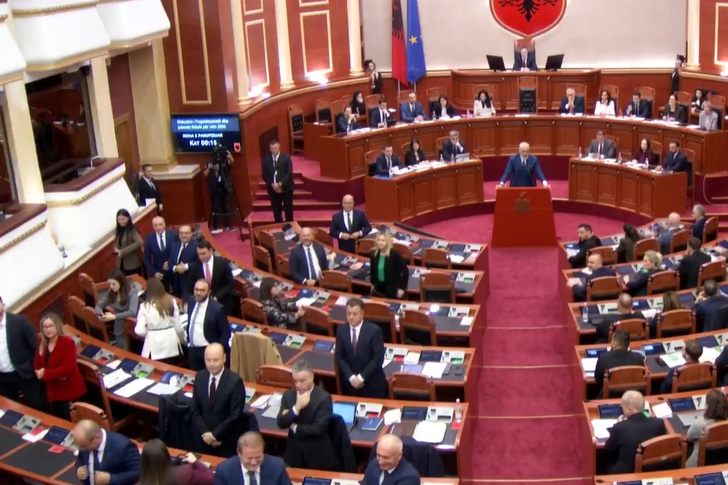
In today's marathon session in the Assembly, Gazment Bardh...

Specialists at the Institute of Public Health have announc...
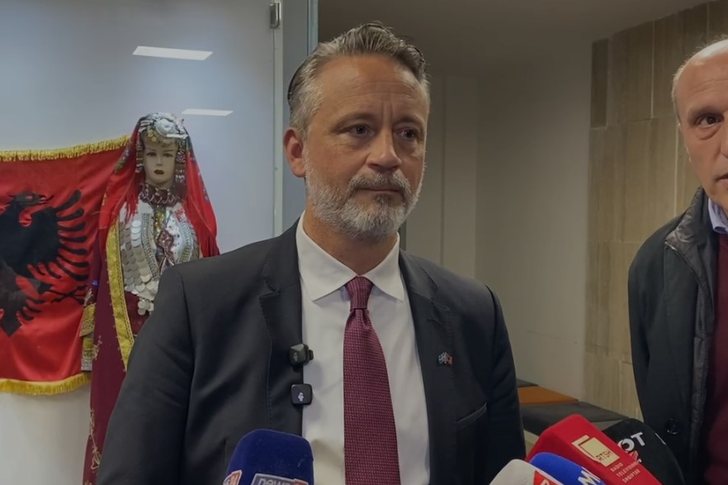
The Ambassador of Sweden to Albania, Niklas Ström, paid a ...
The situation with bad weather in the municipalities of th...

The Political Leader of the Socialist Party for Tirana, Og...
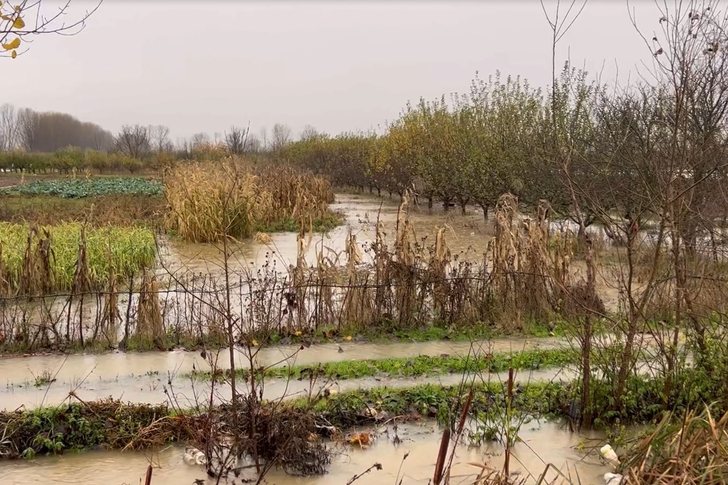
After heavy rainfall in recent days, the Maliqi plain has ...
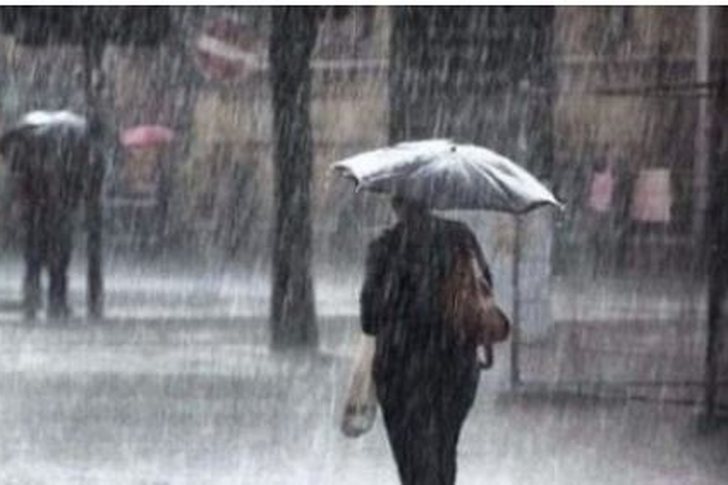
The situation created by the rainfall has affected almost ...
Khrais – Tërshana will bring the premiere of Crit Club in ...
CNA TV and CNA.al are media windows where information is c...
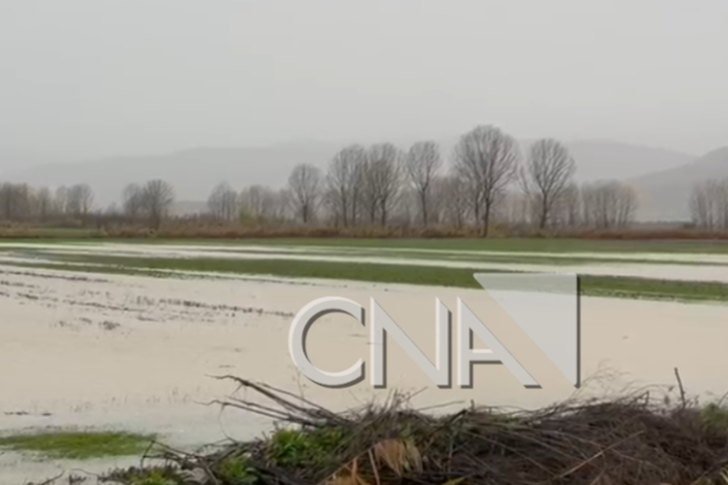
The intense rainfall that has covered most of the country ...
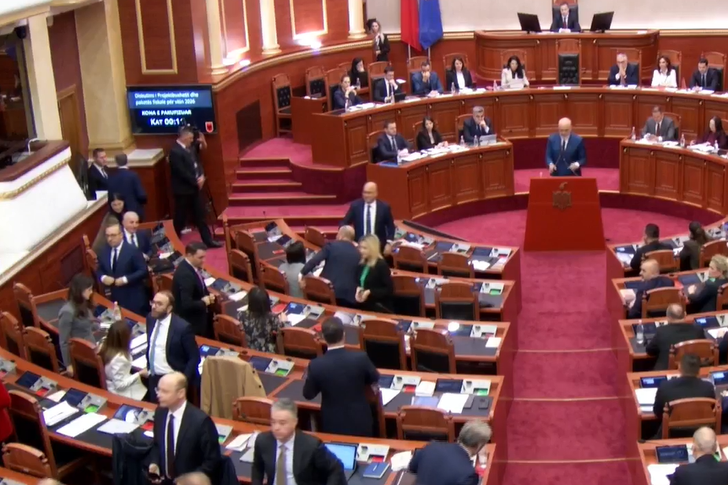
Today, Gazment Bardhi, head of the DP Parliamentary Group,...

The Vlora Prosecutor's Office has seized the assets of Agr...
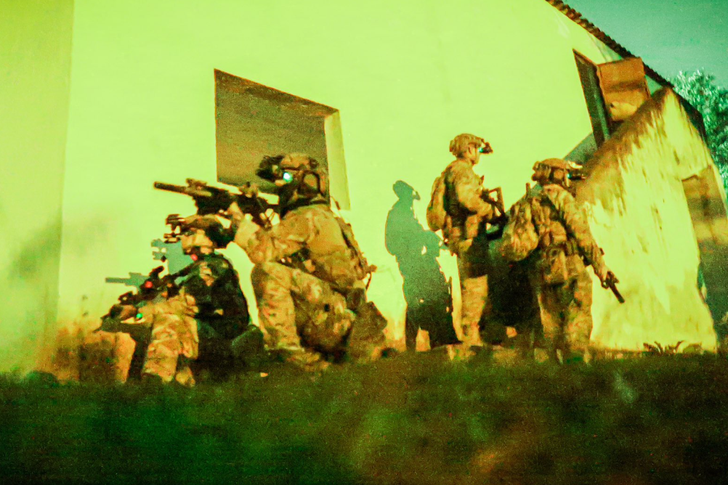
Special Operations forces assigned to the US Special Opera...
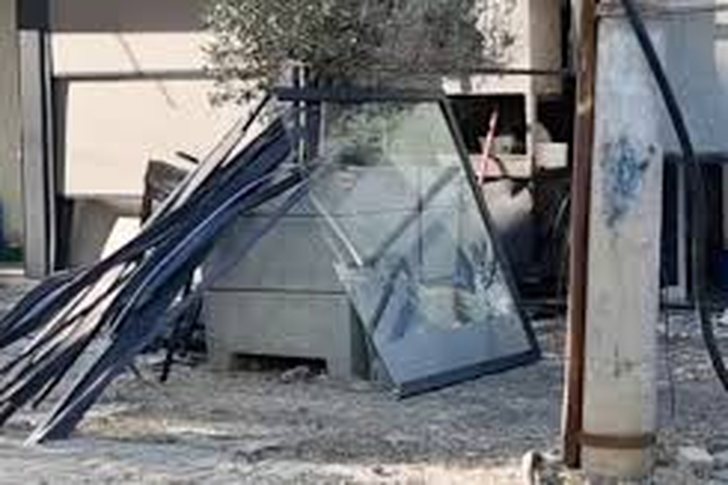
The Tirana Court has released from custody two people arre...
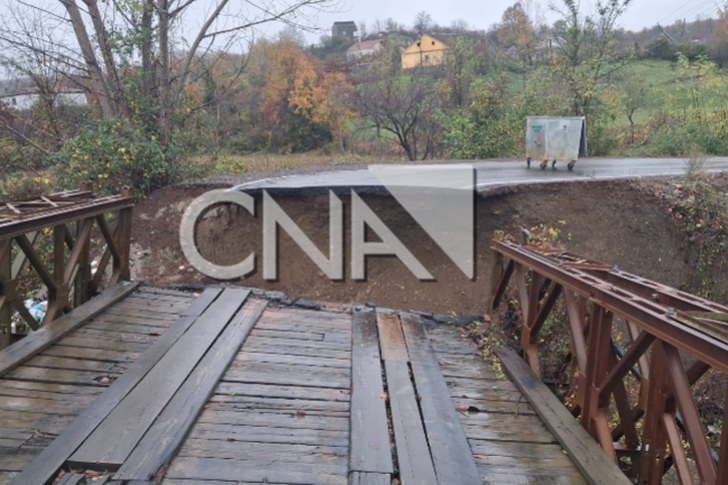
The bad weather in the Lezha area has created a number of ...

The leader of the Democratic Party, Sali Berisha, has left...
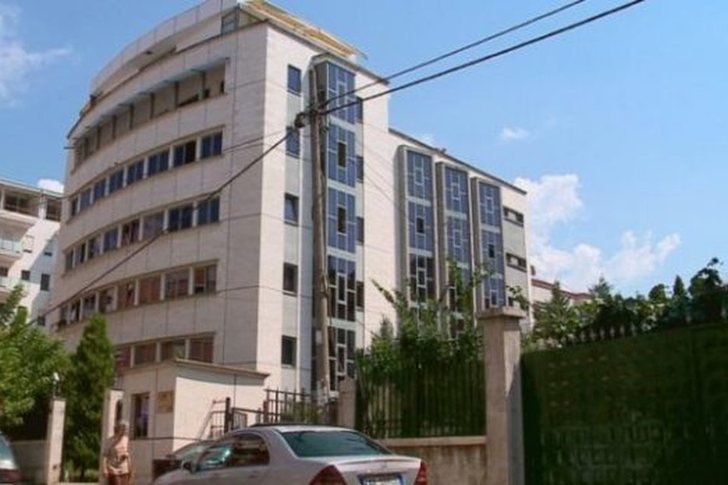
The Tirana Prosecution has requested a 25-year prison sent...
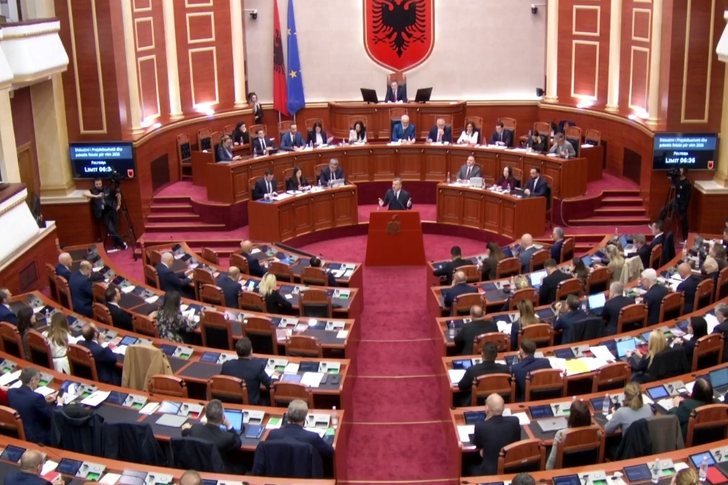
The Democratic Party's request for a motion with debate on...
SPAK's standards, the way it investigates, how it secures ...

Irfan Hysenbelliu claims to be a big businessman, an hones...

The murder of officer Enea Mekolli in the line of duty has...

The next case broadcast on the show "Stop", this Thursday,...

The Special Board of Appeal (KPA) decided this Monday ...

The KPA vetting decided this Thursday to dismiss the p...

Suela Salavaçi, a prosecutor in the Prosecutor's Offic...

The Special Board of Appeal reinstated the prosecutor ...

Another gunshot wound occurred at the scene. According to...

A gunshot wound occurred this afternoon in Shijak. Accordi...
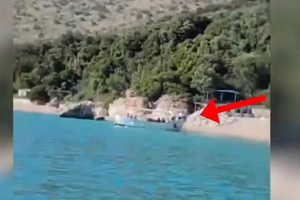
The Border Police blocked the vessel and fined the driver ...
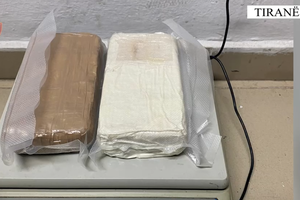
A police operation codenamed "Zonet" has ended with the se...

More than 860 million people fall ill and 1.5 million die ...
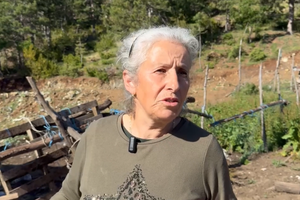
The mother of Violand Braçellari, the perpetrator of the s...
The modern European traveler seeks a meaningful connection...

This Sunday, weather conditions are forecast to be clear a...
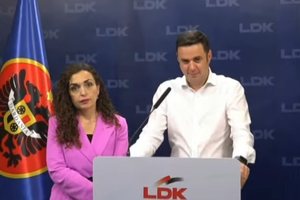
LDK leader Lumir Abdixhiku and former president Vjosa Osma...

The Vetëvendosje movement has declared victory in the snap...
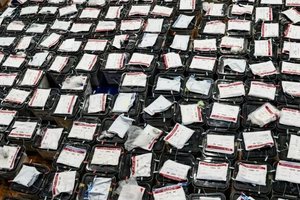
The counting of votes for political entities in Kosovo is ...

Kosovo's acting Prime Minister, Albin Kurti, has reacted a...

Korça has transformed this weekend into the capital of cel...
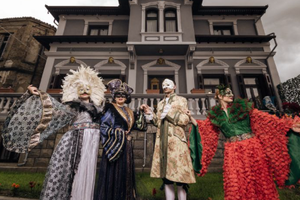
Korça is ready to open the summer season with one of the c...

Two years after his passing, the renowned Korçë poet Skënd...

The Ethnographic Museum of Berat has opened its doors to v...
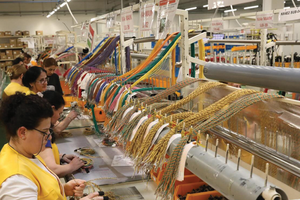
The automotive industry in Albania is currently at a turni...
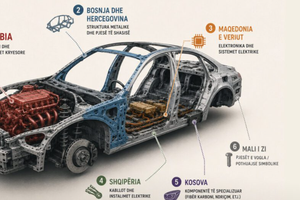
If you were to follow the industrial map of the Western Ba...

The Transparency Board, in today's meeting, decided to red...

This Saturday, one US dollar is bought for 81.4 lek and so...