

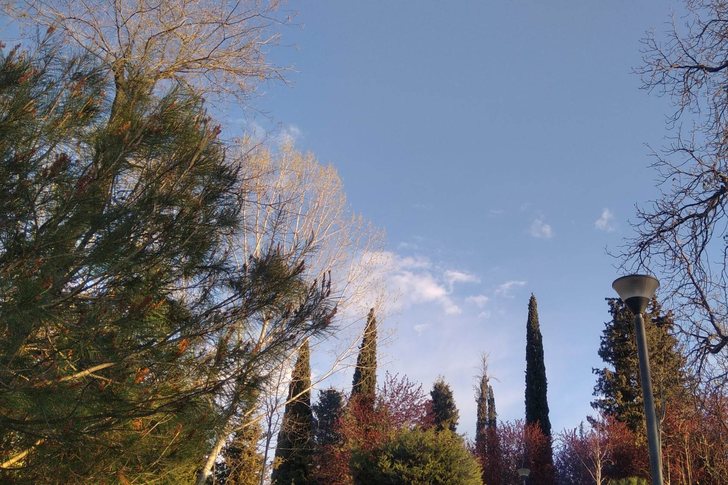
Minus temperatures / Weather for today
Our country will be mainly affected by stable atmospheric ...



Albania has taken steps forward in various fields during the last decades, but the level of happiness in the middle age (45-59 years) has taken steps behind.
According to the Global Happiness Index for 2024, middle-aged respondents in Albania reported lower levels of happiness for the period 2021-2023 compared to 2006-2010 (see chart below).
Global data showed that the level of happiness among Albanians at the peak of age decreased by at least -0.3 points between 2006 and 2023.
The level of happiness of Albanians went against the developments in Central and Eastern Europe. For example, Serbia topped the list for increasing the level of happiness in the middle-aged population.
The Serbian population in the 45-59 age group reported high levels of happiness growth between 2026 – 2025 by almost 1.8 points, followed by Bulgaria.
Apart from Albania, the countries of the Region, Romania, Bosnia, Kosovo, North Macedonia reported much higher levels of happiness in 2023 than in 2006. In the entire region, only Albania has shown the opposite trend.
The middle age, those over 45 years old, are the generation that were born in the dictatorship and most of them are committed to its overthrow. They had big dreams for the country and prosperity, which seem to have been shattered now after 34 years of democratic developments.
From 2006-2010 to 2021-2023, the level of overall happiness varied greatly from country to country, ranging from an increase of up to 1.8 points in Serbia, an increase of 69 places and 1.6 points in Bulgaria. Afghanistan had the biggest drop of 2.6 points between 2013 and 2024.
Central and Eastern Europe had the largest increase in happiness across the globe in the last decade. East Asia also saw large increases, especially for the elderly population.
In the period 2021-2023, negative emotions were more present for women than for men in every region.
Negative emotions are more frequent than in 2006-2010 everywhere except East Asia and Central and Eastern Europe, unlike the rest of the world.
Positive emotions have not changed much, while they remain more frequent among young people than among older age groups.
Global happiness inequality has increased by more than 20% over the past ten years, across all regions and age groups, to an extent that varies greatly by age and region./ Monitor Magazine.

Our country will be mainly affected by stable atmospheric ...
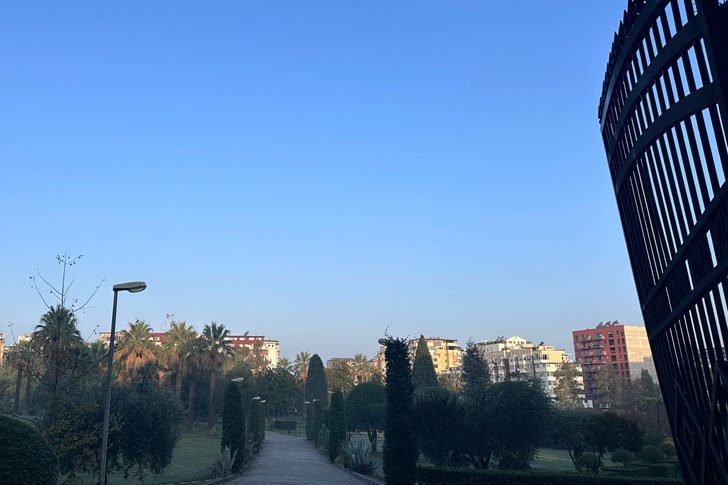
Today, the weather is expected to be clear throughout the ...

This Saturday, our country will be affected by unstabl...
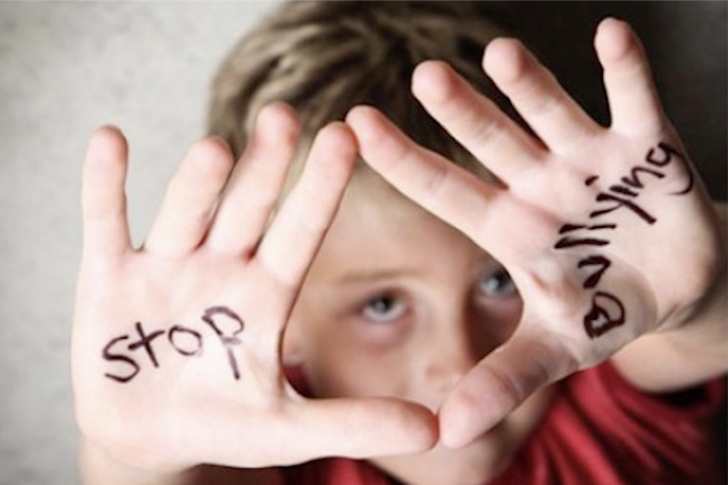
A study carried out by psychologists and sociologists in s...
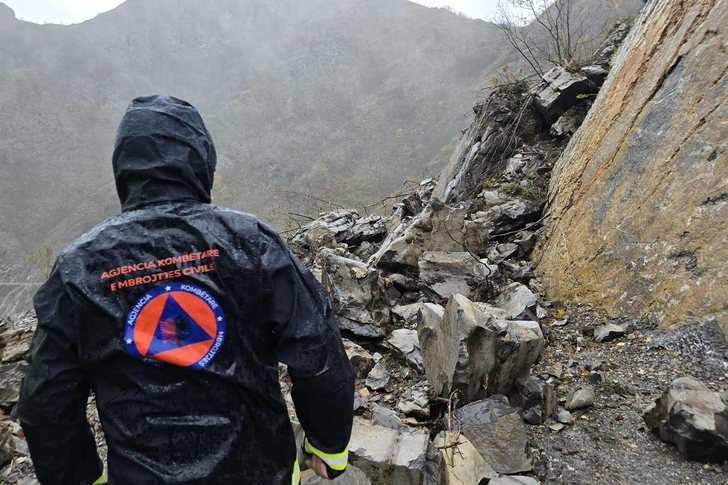
The National Civil Protection Agency has provided informat...
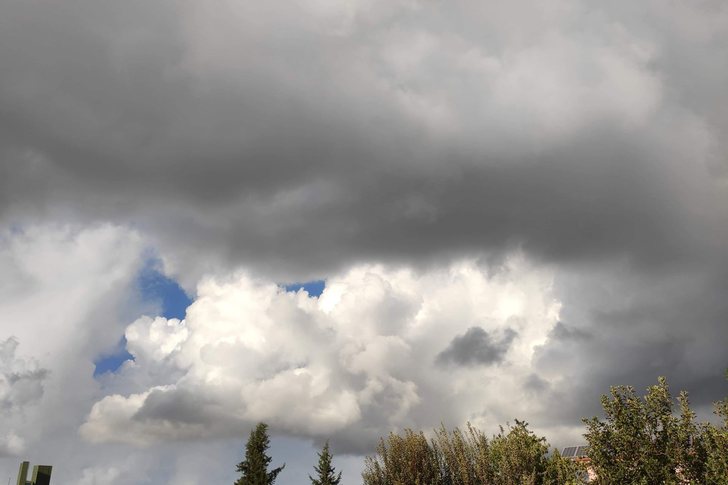
On Saturday, our country will be affected by unstable weat...
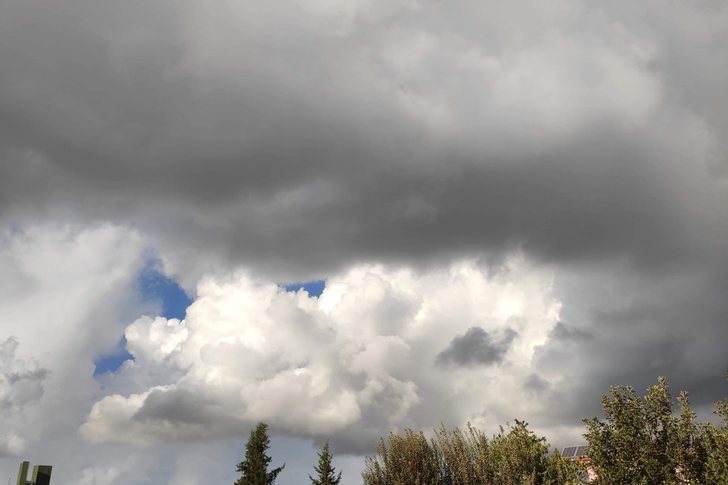
On Friday, our country will continue to be affected by uns...

For today, the weather is predicted to rain until noon wit...

The Institute of Geosciences and the Military Meteorologic...

Under current social security law, the retirement age incr...
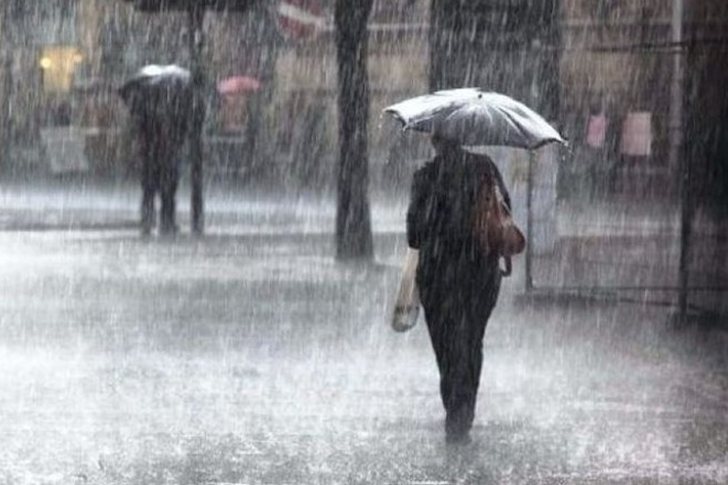
Even today, our country will continue to be affected by un...
Rainfall is predicted for today, which in the northwest wi...
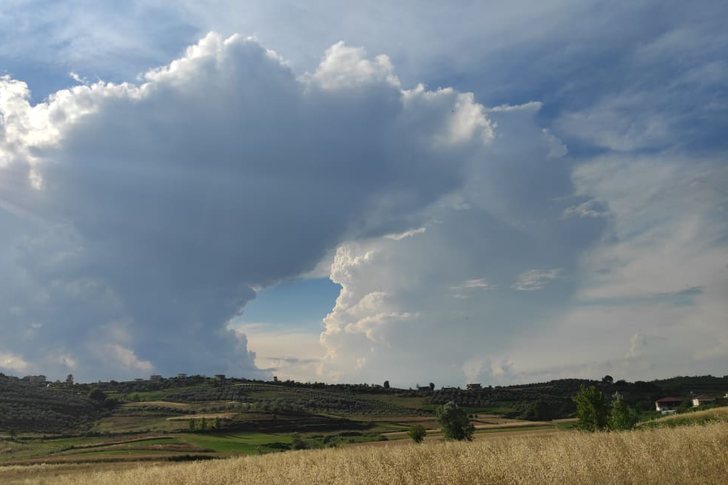
For today, the weather is expected to be clear with few pa...
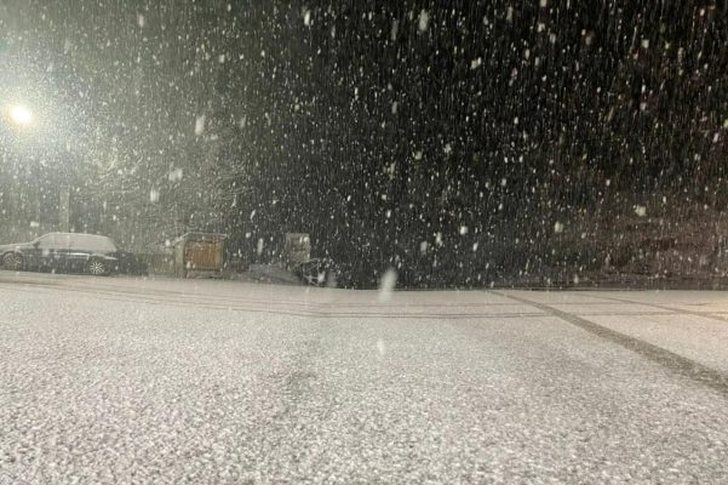
For the week ahead, the penetration of a deep center o...
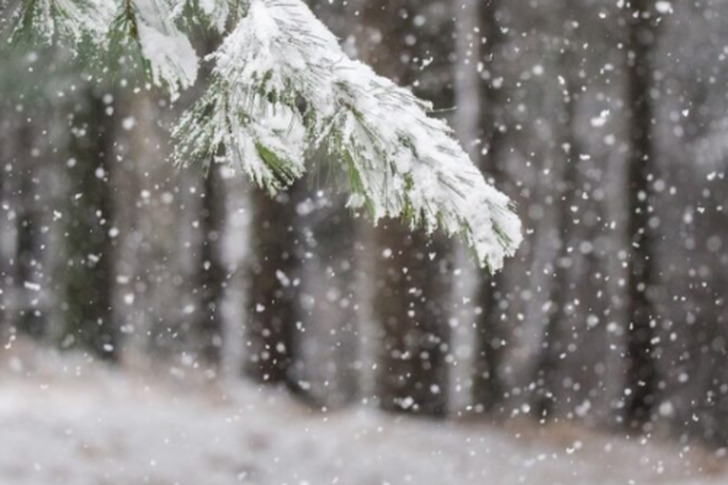
This Saturday will be mostly clear weather with few clouds...

The weekend is expected to be influenced by stable wea...

Higher education is a good way to generate income from abr...
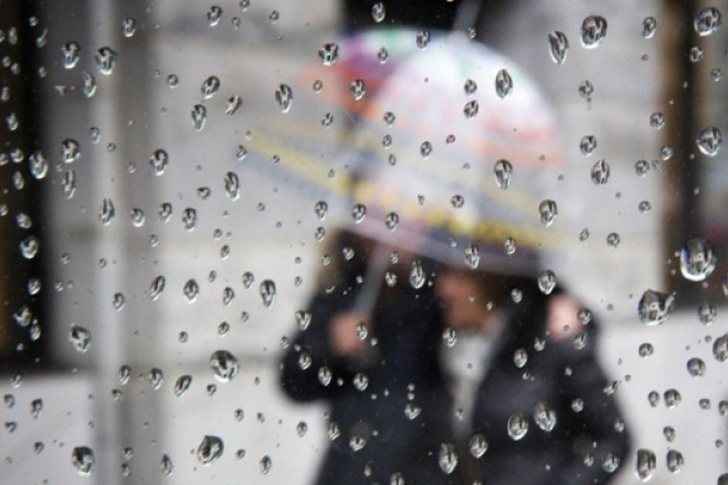
The weather is predicted with medium to heavy clouds and r...
Even for the next day, our country will continue to be aff...
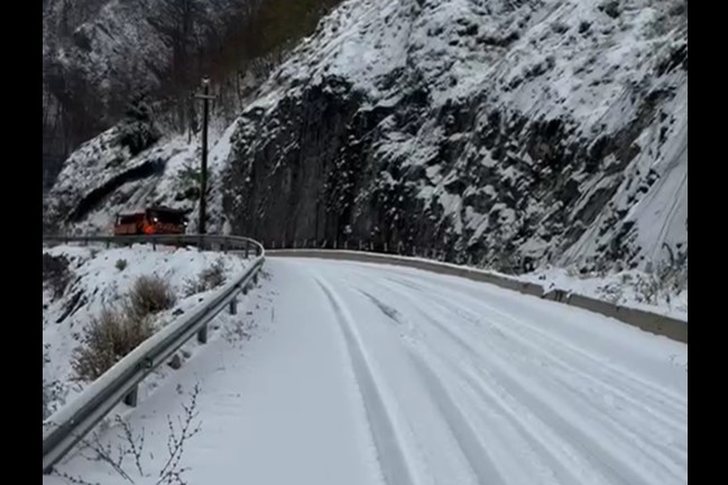
This Wednesday, the first snowfalls began in the north of ...

For 6 months now, CNA has been sending several letters to ...
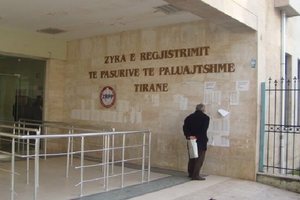
The word "fatherland" with properties is not enough. The m...

The justice reform claimed that it would bring faster, fai...

The Justice Reform and the vetting process were trumpeted ...

The Special Board of Appeal (KPA) decided this Monday ...

The KPA vetting decided this Thursday to dismiss the p...

Suela Salavaçi, a prosecutor in the Prosecutor's Offic...

The Special Board of Appeal reinstated the prosecutor ...

A serious incident occurred today in the "Mark Lula" neigh...
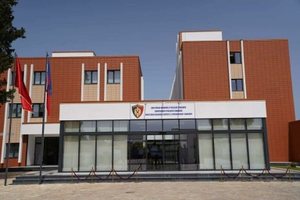
A serious incident has occurred in Shkodra. A man is repor...

The appeal of the Special Court against Corruption and Org...

A stabbing occurred today in the city of Korça, near the "...

Emigration, an aging population, and low participation in ...

Today, our country will be affected by relatively stable w...

Albania has been awarded two medals of honor at the awards...
Today our country will be affected by relatively unstable ...

On the day Russia bombed Kiev for the third time in a week...

Ushtria amerikane njoftoi të mërkurën se ka kryer sulme të...

US President Donald Trump closed the NATO summit with a mo...

The trend of German companies moving abroad is weakening. ...

The German Embassy in Tirana has invited the Albanian publ...

Professor and literature scholar Ali Xhiku has passed away...

During my research into the life and artistic photographic...

This year's edition of the Gjon Mili International Video A...
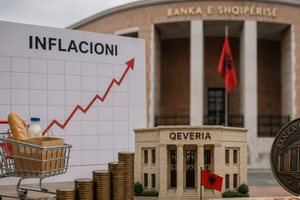
If coordinated policies are not undertaken by the Bank of ...

In the 2026 budget revisions, the Ministry of Defense budg...

Although about 6 months have passed since the start of the...

Vegetable prices marked a strong increase in June, precise...