

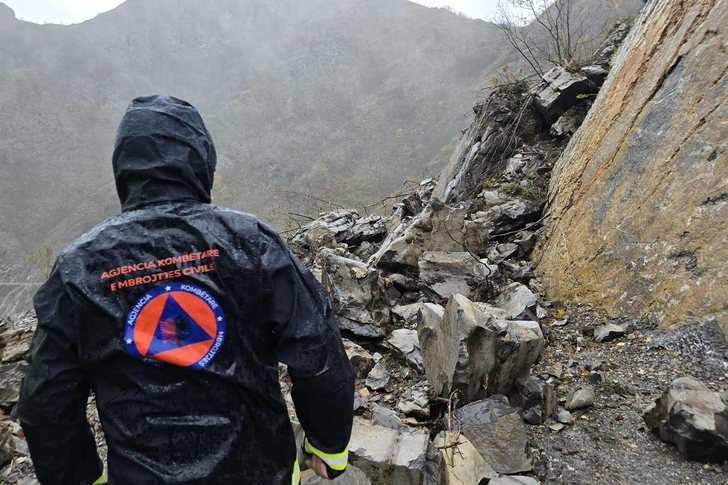
Weather situation/Civil Protection Agency: There is no danger, it is normalizing
The National Civil Protection Agency has provided informat...



A study carried out by psychologists and sociologists in some of the schools of the Shkodra District has highlighted the disturbing dimensions of the spread of the phenomenon of bullying. As the correspondent of the Voice of America, Pëllumb Sulo, reports, 19.8 percent of students report that they have experienced bullying and that the most widespread form is cyberbullying. The study also highlights the need for clear strategies to combat this phenomenon in schools.
The study "Measuring the spread of the phenomenon of bullying in schools", carried out by a group of psychologists and sociologists of the psychosocial office in the regional educational directorate of Shkodra, shows the disturbing proportions that bullying in schools has taken.
The study is based on interviewing 1026 students and 573 teachers in 53 schools in the municipalities of Shkodra district. Psychologist Fatjon Taipi, participant in the study, says that the extent of the phenomenon is wide, while awareness of its consequences continues to be low.
"The phenomenon of bullying is very widespread in our schools. There are about 19.8% of students who state that, in certain episodes, they were victims of bullying. Meanwhile, on the other hand, it has a lot to do with awareness because only 5% of perpetrators who practice bullying admit it. And this inconsistency of figures shows the low level of awareness of actions, behaviors that students have with each other".
According to psychologist Suela Domnori, the data on the extent of bullying in schools can be even higher as it is noticed that some students are reluctant to report bullying in school environments.
"It is a figure that shows the spread of the phenomenon of bullying, it fits and is close to the findings of studies in Albania, but also outside Albania. Perhaps we could have other higher numbers, but we also have to consider the lack of student reporting or even perception issues. Is bullying always perceived as bullying, are all forms of bullying perceived?"
17 percent of bullying cases in schools, according to the study, belong to physical bullying, 18.55 percent to verbal bullying and 21.25 percent to social bullying. While the greatest spread, according to the psychologist Taipi, is cyberbullying, which is finding an increasingly wide spread through social networks.
"We have 43.5% who state that they are victims of cyberbullying, which is a new form of bullying and that the system is almost too fragile to respond to this phenomenon".
Of the 573 teachers interviewed, the majority, about 75 percent, express interest in solving the problems of bullying within the school. According to their perceptions, bullying often occurs during breaks between lessons, in group work, physical education lessons, but also during extracurricular activities in the school yard, creating a difficult situation for managing the learning process.
The study, says psychologist Domnori, on the spread of the phenomenon of bullying in schools emphasizes the need for clear policies for its elimination as well as the need to increase the competences of anti-bullying teams in schools.
"Definitely, bullying has consequences, it leaves a mark on children's development, and we are also emphasizing these consequences. The strategies focus on informing, making children aware of the consequences of bullying, either from the point of view of the bullied, i.e. the victim, or from the point of view of the bully."
Two years ago, the Ministry of Education approved a special program against bullying in schools, but its effectiveness has been few, without managing to reduce the size of the phenomenon./ VOA

The National Civil Protection Agency has provided informat...
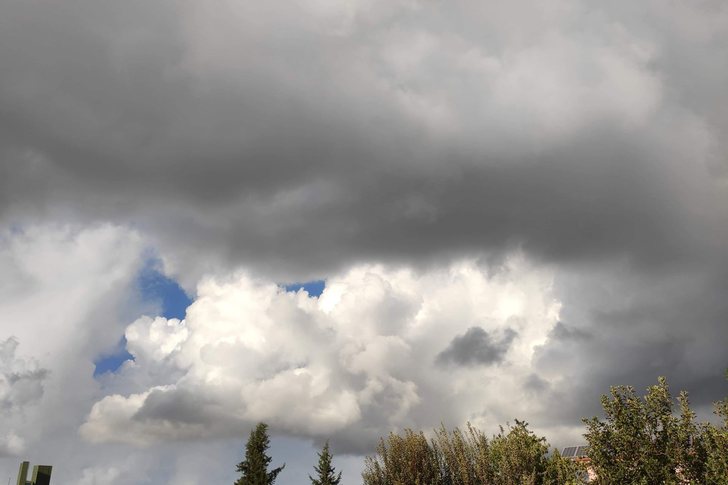
On Saturday, our country will be affected by unstable weat...
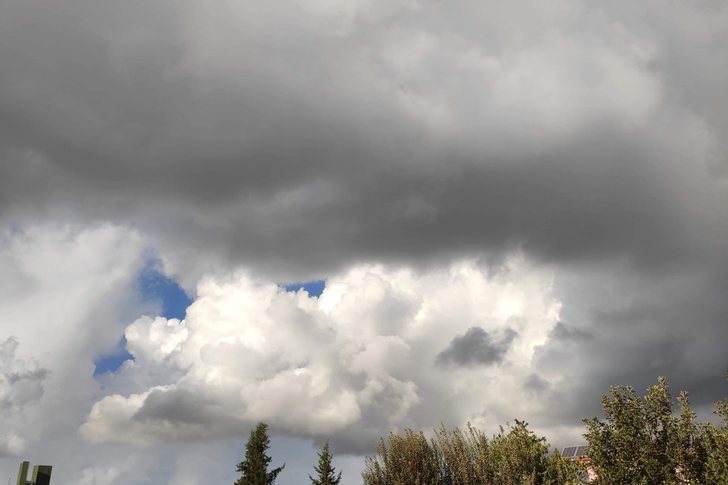
On Friday, our country will continue to be affected by uns...

For today, the weather is predicted to rain until noon wit...

The Institute of Geosciences and the Military Meteorologic...

Under current social security law, the retirement age incr...

Even today, our country will continue to be affected by un...
Rainfall is predicted for today, which in the northwest wi...
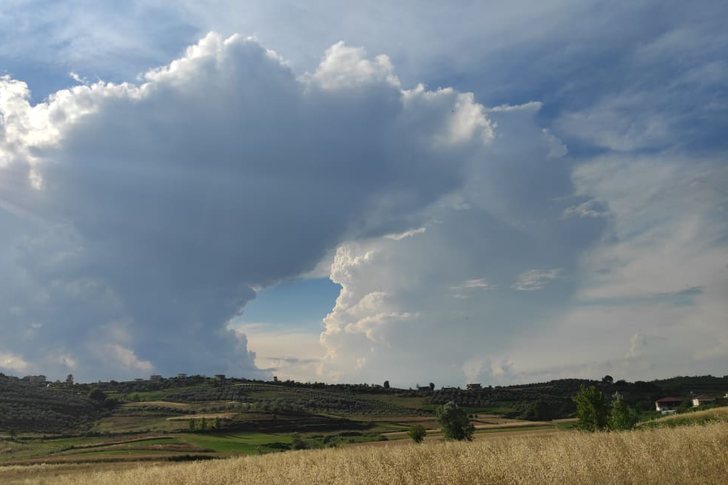
For today, the weather is expected to be clear with few pa...
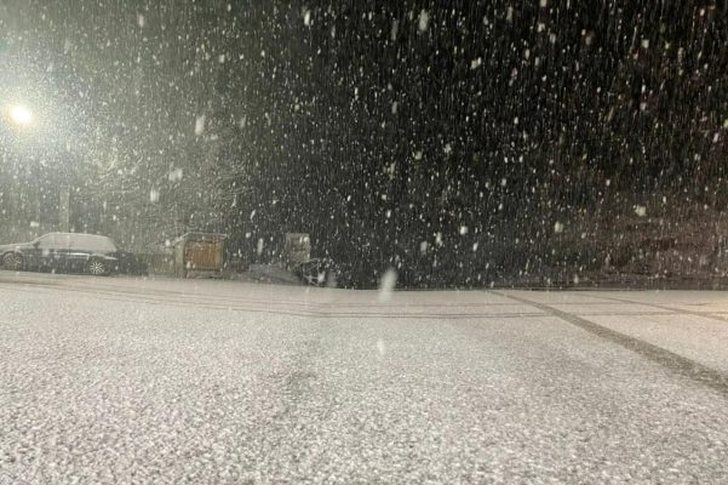
For the week ahead, the penetration of a deep center o...

This Saturday will be mostly clear weather with few clouds...

The weekend is expected to be influenced by stable wea...

Higher education is a good way to generate income from abr...

The weather is predicted with medium to heavy clouds and r...
Even for the next day, our country will continue to be aff...
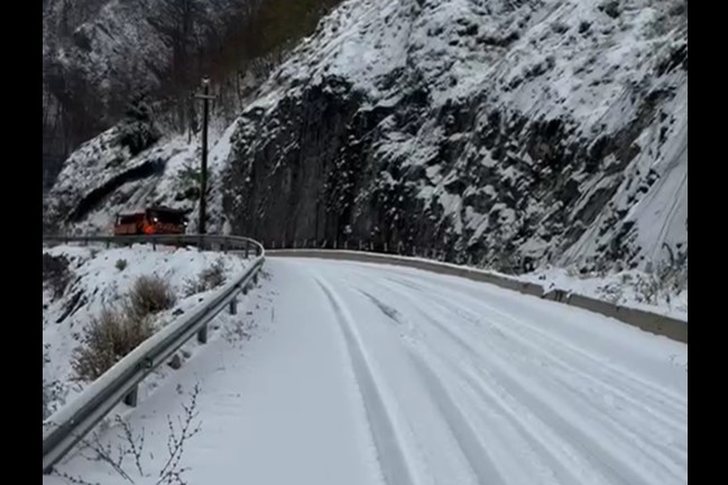
This Wednesday, the first snowfalls began in the north of ...

The population of the city of Tirana without including the...

For today, our country will be affected by relatively unst...

Our country is expected to be affected by stable weather c...

For the coming week, our country is expected to be aff...

For 6 months now, CNA has been sending several letters to ...
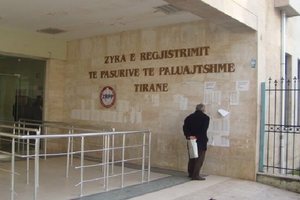
The word "fatherland" with properties is not enough. The m...

The justice reform claimed that it would bring faster, fai...

The Justice Reform and the vetting process were trumpeted ...

The Special Board of Appeal (KPA) decided this Monday ...

The KPA vetting decided this Thursday to dismiss the p...

Suela Salavaçi, a prosecutor in the Prosecutor's Offic...

The Special Board of Appeal reinstated the prosecutor ...

A serious incident occurred today in the "Mark Lula" neigh...
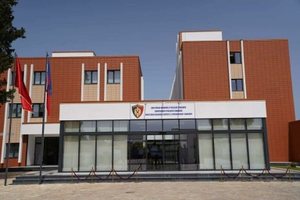
A serious incident has occurred in Shkodra. A man is repor...

The appeal of the Special Court against Corruption and Org...
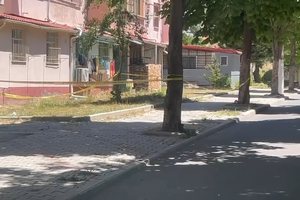
A stabbing occurred today in the city of Korça, near the "...

Emigration, an aging population, and low participation in ...

Today, our country will be affected by relatively stable w...

Albania has been awarded two medals of honor at the awards...
Today our country will be affected by relatively unstable ...

On the day Russia bombed Kiev for the third time in a week...
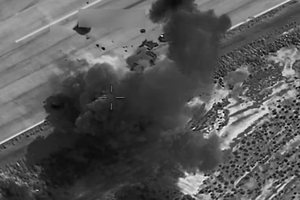
Ushtria amerikane njoftoi të mërkurën se ka kryer sulme të...

US President Donald Trump closed the NATO summit with a mo...

The trend of German companies moving abroad is weakening. ...

The German Embassy in Tirana has invited the Albanian publ...

Professor and literature scholar Ali Xhiku has passed away...

During my research into the life and artistic photographic...

This year's edition of the Gjon Mili International Video A...

If coordinated policies are not undertaken by the Bank of ...

In the 2026 budget revisions, the Ministry of Defense budg...

Although about 6 months have passed since the start of the...

Vegetable prices marked a strong increase in June, precise...