

Why women suffer from migraines more often than men, and what relieves this disease
A migraine is much more than a headache. It is a debilitat...


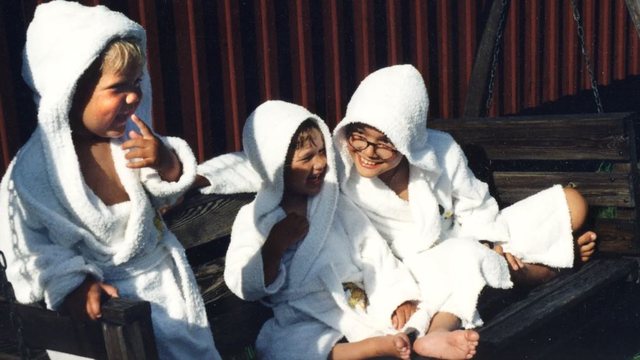
"It's all in your mind!" Helen Sederot can't remember the number of times doctors have said this to her. And yet she knew, soon after her son Wilhelm was born in 1983, that something was wrong with her second child.
“At first glance he looked like a perfect ruddy-cheeked child. Everyone in the hospital thought he was perfectly healthy," she recalls. But when he turned 1, Vilhelmi started showing symptoms of epilepsy and having chronic stomach problems.
However, at the age of 3, he developed an inflammation of the upper respiratory tract, and his family was told that he was suffering from asthma. But Helena was not at all satisfied with these explanations. She wanted to know more. What exactly was causing these medical conditions?
Were they related? And could they be cured? She was looking for what in the medical world is known as a causal diagnosis: a unifying diagnosis that could explain all of Wilhelm's health problems. She says it was the only way to better understand the course of her son's illness and his chances of recovery.
Sadly, the toddler's experience was only the beginning of the riddle-filled journey of his family's undiagnosed illnesses. An undiagnosed disease is a medical condition without a known cause, despite extensive evaluation.
While undiagnosed diseases are relatively rare, they affect millions of people. Up to 350 million people worldwide have an "undiagnosed" or "rare" condition (a rare condition is defined as affecting fewer than 1 in 2,000 people in the European Union or fewer than 200,000 people in the US).
Children under the age of 5 are more affected by this condition. According to one report they account for 50 percent of cases, and 30 percent of them will die before the age of 5. In the UK alone, 6,000 children are born each year with "syndromes without a name").
Coping with a child's medical challenges is very difficult. But the lack of a concrete diagnosis creates a host of additional challenges for doctors and families. This is something that Anna Juit, clinical nurse specialist for children at Great Ormond Street Hospital in London, knows well.
Sometimes, despite concerns, parents are told that their child is "normal". "But often this is the worst word for a parent who has a child with an undiagnosed condition" - emphasizes Xhuit.
Another difficulty is that most children who present with a symptom do not have a serious illness. Generally, it is more likely to be something minor or temporary. Consequently, most parents need reassurance that their child is fine, not dozens of lab tests and several weeks of additional medical examinations.
"If you were to analyze 100 parents who come with complaints, it turns out that most of them need reassurance that nothing bad is happening," says William Gall, a researcher at the National Human Genome Institute in Bethesda, Maryland.
But in some cases, this tactic can backfire, as it did with William. The doctors assured Helena and her husband Mik that there was nothing abnormal with their baby's health. Just a little epilepsy and asthma. Unconvinced by this explanation, the couple continued with the medical tests on someone else.
Meanwhile, life continued. "Vilhelmi was excellent at school and had many friends. He was a very kind boy. The teachers at the school said that in the future he would become the Secretary General of the United Nations. It was a lot of fun, just like a normal boy" - remembers Helena.
Ashtu si shumica e fëmijëve normalë, Vilhelmi dhe motra e tij më e madhe ktheheshin nga shkolla me insekte dhe infeksione të bezdisshme. Por për Vilhelmin, shërimi nisi të zgjaste më shumë se zakonisht. Helena u prit me të njëjtën përgjigje nga mjekët:”Kështu është tek disa fëmijë”.
Një pasdite kur Vilhelmi ishte 5-vjeç, doli përreth shtëpisë për të mbledhur mjedra. Kur hyri brenda, kishte një kollë aq të fortë sa që sytë iu përgjakën. Fytyra iu fry e pasuar nga një temperaturë e lartë. Mjekët nuk kishin parë kurrë një sërë simptomash të tilla.
Por nga ana tjetër gjithashtu nuk po gjenin dot ndonjë gjë që nuk shkonte. Helena u sigurua nga mjekët se çfarëdolloj gjëje që po shkaktonte simptoma të ndryshme të Vilhelmi, nuk ishte e trashëguar apo gjenetike. Kur Vilhelmi ishte 8-vjeç, Helena dhe Mik ishin gati të bëheshin prindër të fëmijës së tyre të tretë, Hugo.
Në fakt, deri në 80 për qind e gjendjeve të pa diagnostikuara dhe të rralla janë gjenetike. Por siç e thekson Gal, shumica e mjekëve nuk janë gjenetistë. Në 3-mujorin e tretë të shtatzënisë me Hugo, Helena ndjeu një lëvizje të çuditshme:një goditje e çrregullt në bark që i kujtoi asaj fëmijët e vegjël me epilepsi.
Ishte diçka që ajo nuk e kishte ndjerë kurrë më parë me Vilhelmin apo motrën e tij më të madhe. Por sërish mjekët i thanë se ishte foshnja në barkun e saj kishte lemzë. Hugo lindi më 27 dhjetor 1991. Pas vetëm 6 orësh ai përjetoi sulmin e tij të parë.
Dyshimet e Helenës ishin të drejta:Hugo vuante nga epilepsie. Ai i kaloi 6 muajt e parë të jetës së tij në spital. Kur Hugo ishte 18 muajsh, Helenës iu tha se ai nuk do të ecte dot kurrë.
Por që ditën që dolën nga spitali dhe u kthyen spitali, Hugo u mbështet në një cep të divanit dhe eci 8 hapa, duke u vërtetuar se mjekët e kishin gabim.
Ai nisi jo vetëm të ecte, por edhe të vraponte. Helena mbeti sërish shtatzënë me fëmijën e saj të katërt. Ema lindi më 24 janar 1994. Vetëm 30 minuta më pas pati krizat e para të epilepsisë. Pavarësisht sfidave të fëmijëve, të cilat përfshinin autizmin dhe apnenë e gjumit, përveç epilepsisë, jeta familjare vazhdoi deri diku e qetë.
Helena dhe Mik donin që të zbulonin se cili ishte shkaku i përgjithshëm që lidhte të gjitha simptomat që kishin prekur Vilhelmin, Hugon dhe Emën Ata u takua me ekspertë në spitalin Great Ormond Street në Londër dhe të Universitetit Xhon Hopkins në Baltimora, SHBA. Mjekët nuk arritën të zbulonin se çfarë po ndodhte, duke e përshkruar gjendjen e fëmijëve si një “lotari mizore të natyrës”. Pasi mbushi moshën 12 vjeçare gjendja e Vilhelmit nisi të përkeqësohej ndjeshëm, si pasojë e demencës së fëmijërisë.
Pavarësisht trajtimeve të specializuara në Austri ai vdiq më 2 shtator 1999, kur ishte vetëm 16 vjeç. Autopsia nuk gjeti ndonjë shkak të qartë të vdekjes. Ema, ??ra në koma 3 javë pas funeralit të Vilhelmit, dhe mjeket besonin se ajo ishte prekur nga një virus.
Ajo u shërua, por vazhdoi të përjetonte koma të përhershme në muajt që pasuan, derisa mjekët vendosën se nuk mund të bënin më asgjë. Ema vdiq në shtëpinë e saj më 20 dhjetor 2000, e rrethuar nga të dashurit e saj. Ajo ishte vetëm 6-vjeçe.
As 2 vjet më vonë, më 8 dhjetor 2002, familja humbi edhe Hugon pak para ditëlindjes së tij të 11-të. Ai kishte zhvilluar probleme me mushkëri dhe komplikime me epilepsinë. Në Britani këtë vit, mijëra fëmijë me çrregullime të rënda zhvillimore morën më në fund një diagnozë, nëpërmjet një studimi që zbuloi 60 sëmundje të reja.
Meanwhile in the US, the Undiagnosed Diseases Network — a consortium of 12 research teams and clinical centers across the country — is also working to solve these medical mysteries./ Adapted from CNA
Taken with cuts

A migraine is much more than a headache. It is a debilitat...

The term placebo refers to activities or substances that r...

Experts have revealed a few things you should do before ge...
Since in the daily routine, I often encounter patients who...
US surgeons who transplanted a modified pig kidney int...

In Albania, the treatment of cerebrovascular diseases has ...
A new long-lasting Covid symptom has been discovered b...

Rosemary or aposplinos as our ancients called it, has foun...

Paraardhësit tanë, gjuetar-mbledhësit e hershëm, përballes...
Iron deficiency is a very common condition, caused by low ...
It may be called the "golden age", but 1 in 2 people aged ...
The head of the National Emergency Center, Skënder Brataj,...
Depression affects about 5% of the world's adult populatio...
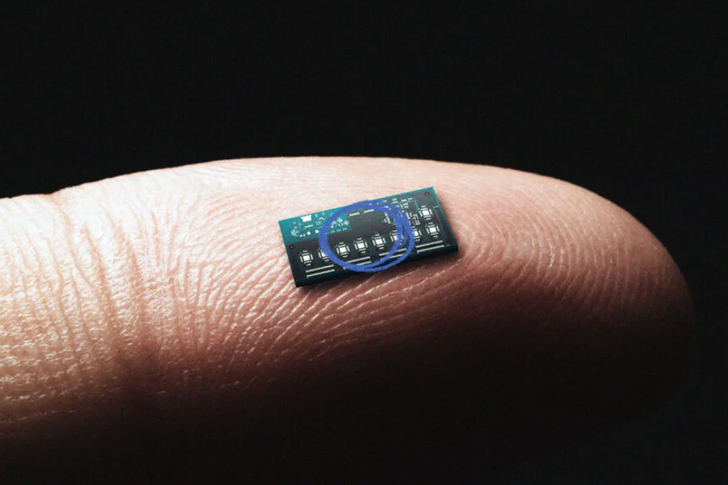
Health experts have thought that when severe spinal cord i...

Sipas një studimi të ri, një bimë tropikale vendase në Kin...

A new study says that walking 4,000 steps a day reduce...
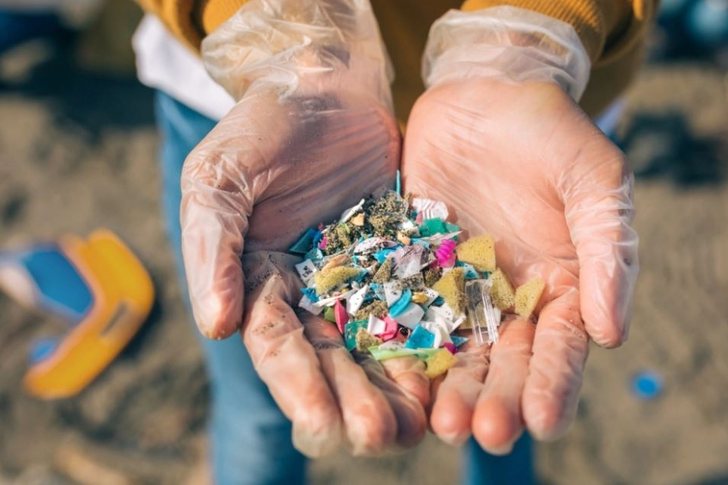
Microplastics used in food packaging and paints have been ...

Improving your diet lowers the risk of certain diseases, b...

Hair growth is a problem in itself for many girls and boys...
Kidney stones are quite problematic. They cause pain, vomi...

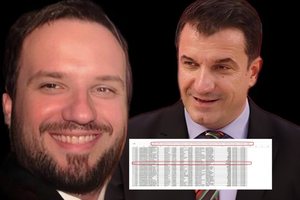
The mayor of Tirana, Erion Veliaj, arrested on 13 charges ...
Qytetarët që kalojnë pasditen pranë Liqenit Artificial në ...
On the morning of July 7, 2026, the Ministry of Culture ur...
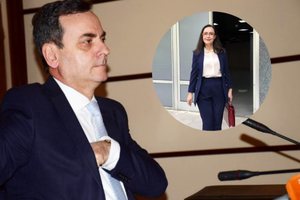
After the disclosure of the portfolio of properties an...

The Special Board of Appeal (KPA) decided this Monday ...

The KPA vetting decided this Thursday to dismiss the p...

Suela Salavaçi, a prosecutor in the Prosecutor's Offic...

The Special Board of Appeal reinstated the prosecutor ...
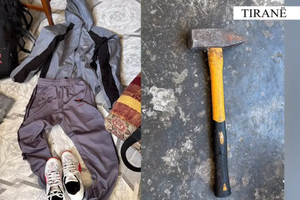
A minor was arrested and taken to police headquarters afte...

At around 07:10, the services of the Farka Police Station ...
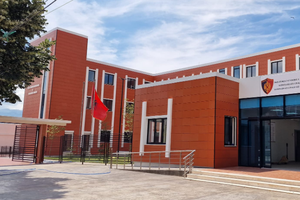
On July 10 of this year, the Police Supervision Agency arr...

A scandalous and criminal case has been registered in Durr...

Today, our country will remain under the influence of stab...
Today, our country will remain under the influence of stab...

The latest report compiled by the European Transport Safet...
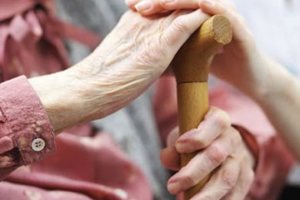
The Albanian woman is on average 2 years older than the Al...
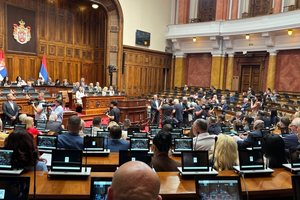
The only Albanian MP in the Serbian Parliament, Shaip Kamb...

European Union Enlargement Commissioner Marta Kos has reac...
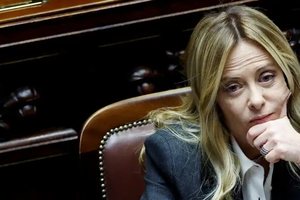
In the Chamber of Deputies (Camera dei Deputati) in Rome, ...
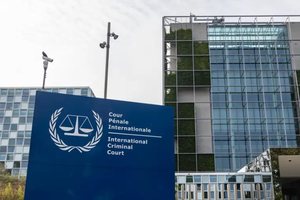
US Secretary of State Marco Rubio has significantly escala...

Master of humor Todi Llupi has passed away at the age of 7...

The ninth edition of "MIK Festival" kicked off with one of...

A historic evening for Albanian culture was marked in the ...

When I turned 10, another building was built in front of o...

Around 97,100 people are employed in regulated professions...
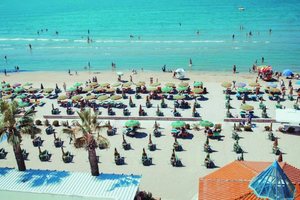
Albania continues to be the main destination for vacatione...

This Thursday, one US dollar is bought for 81.1 lek an...

Beekeeping has expanded significantly in recent years, bec...