


MP's denunciation: Edi Rama has created the internet police, citizens are being threatened
DP MP Belind Këlliçi has published the messages that a cit...

DP MP Belind Këlliçi has published the messages that a cit...

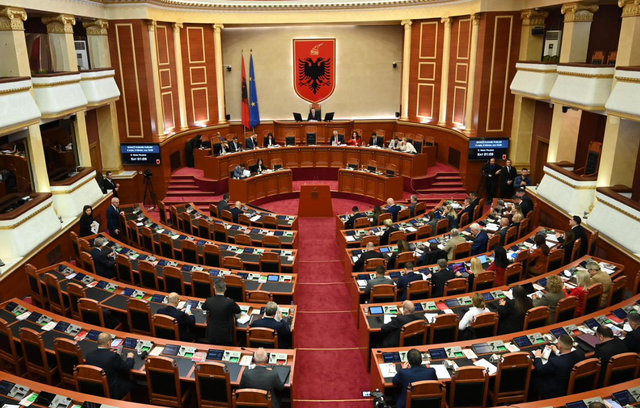
When it comes to Albanian political analysis today, the question is no longer who has the turn to speak louder in the studio, but who really bears the weight of decisions that affect the citizen. Politics in Albania is not suffering from a lack of statements. It is suffering from an excess of propaganda, from the consumption of figures and from an ever-widening gap between what is promised and what happens on the ground. We are not going into the scandals, affairs, corruption and many issues that in Albania are consumed like children once consumed “Fairy” candies.
This is the essence of the Albanian political moment. On the surface we have movements, conferences, clashes, arrests, investigations, temporary alliances and a fight for narrative.
Beneath the surface, there is a clear public fatigue, a crisis of representation, and a widespread sense that the system is moving primarily to protect itself. This makes the picture harsher than it appears on screen.
The majority continues to hold the main advantage, not only in numbers, but in control of the political rhythm. This is the real weapon of the government. It chooses when to open a topic, when to close it, when to produce news and when to drown the debate with another, stronger event. At this point, power in Albania is not only fed by votes. It is fed by administration, by centralized communication and by the ability to impose the public agenda.
The problem for the citizen is that this control does not automatically translate into better governance. On the contrary, it often becomes a defense mechanism against accountability. Every time a scandal breaks, attention is diverted to the opponent, to an old conflict or to a carefully pumped-up success. This is not efficient and transparent governance. It is perception management.
This is where the government's main contradiction comes in. On the one hand, it seeks to present itself as a force for stability, especially in front of international partners. On the other hand, domestically it bears the brunt of accusations of clientelism, institutional capture, political arrogance and lack of accountability. Stability, when not accompanied by standards, quickly turns into an excuse for not changing anything.
A large part of political power is not measured in the Assembly, but in the municipalities, in regional directors, in tenders and in the appointment system. That is where the connection between party and interest is created. On paper we have institutions. In practice we often have networks of influence that keep politics connected to the administration and the administration to the vote.
This is why any serious analysis cannot stop at the rhetoric of leaders. One must look at how power is distributed at the grassroots level and how it is used for electoral mobilization, pressure, or social control. This is the terrain where democracy is silently deformed and the government regains mandates and the opposition shrinks under the strain./CNA

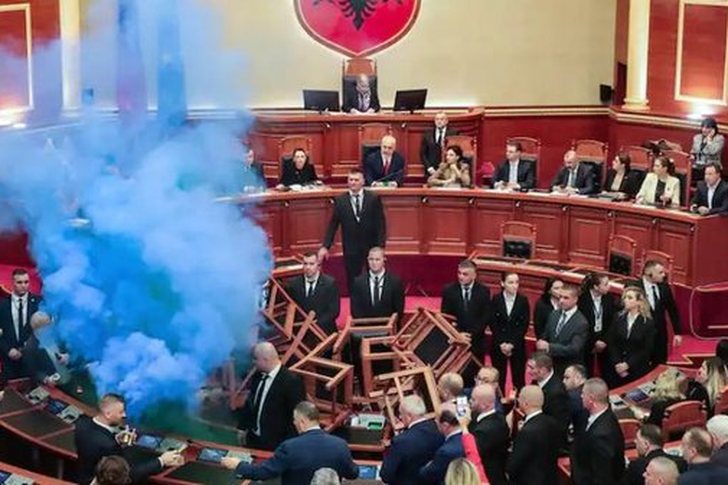
If the majority has the problem of moral and political exh...
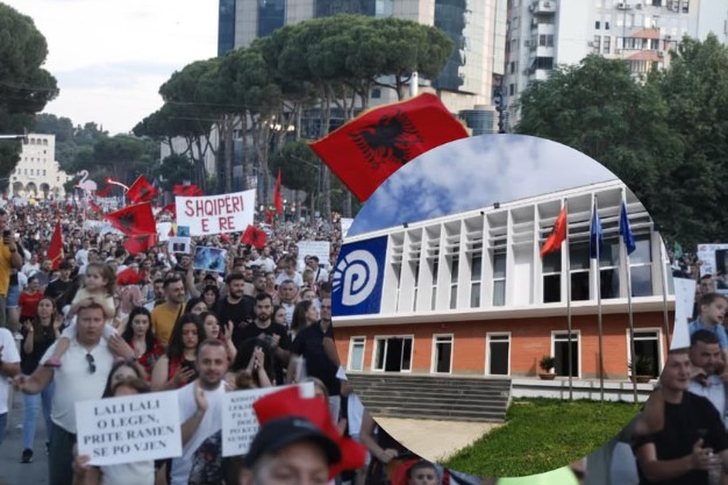
The opposition, which has purchased a visa for "health rea...
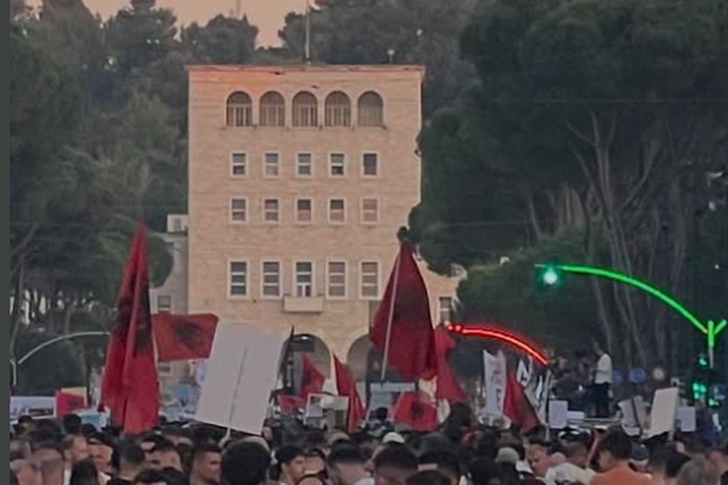
After more than two weeks of non-stop protest, the questio...
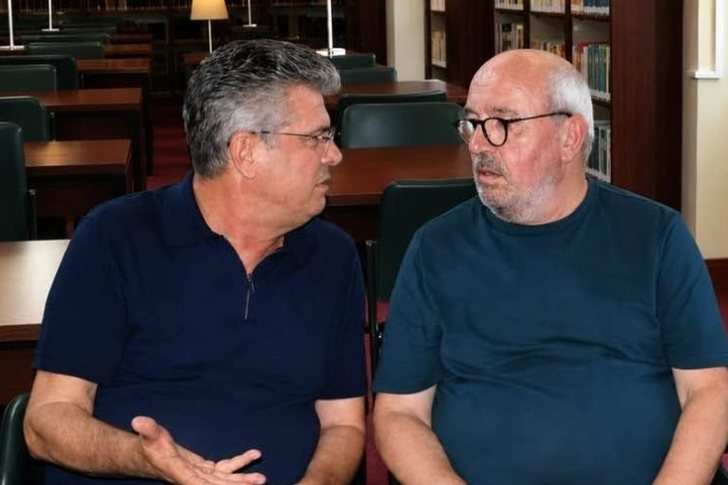
Somewhere in the mid-1990s, in an Albania that was still l...
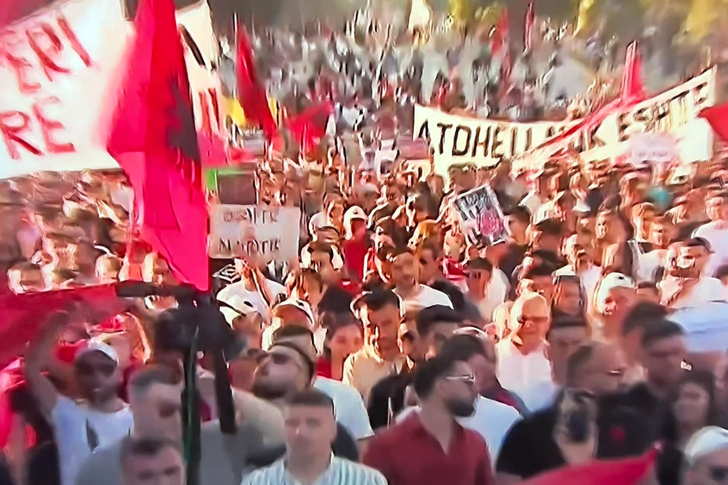
Since the protests began, this place is no longer what it ...
After 35 years, the national cry "Down with Communism!" ri...
Të gjithë kanë të drejtën e pamohueshme të protestës. Por,...
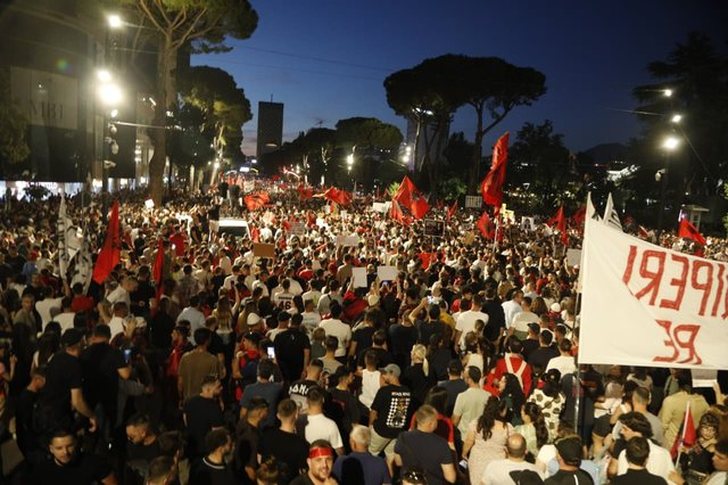
Albanian citizens who have taken to the boulevards these d...
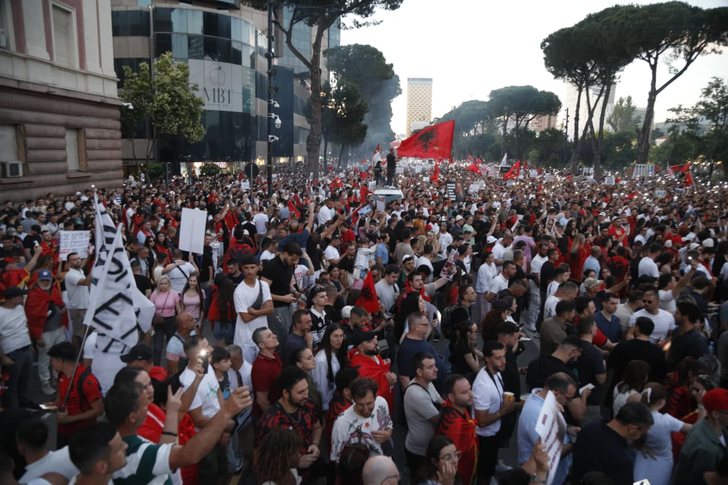
Street revolt and political transformation 1. The cries ...
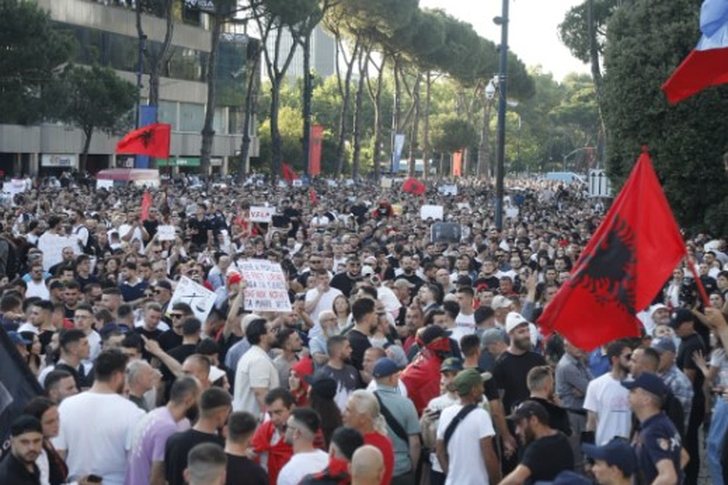
One of the banners that I liked the most at the June 2026 ...
Every protest goes through several stages. Initially, it b...
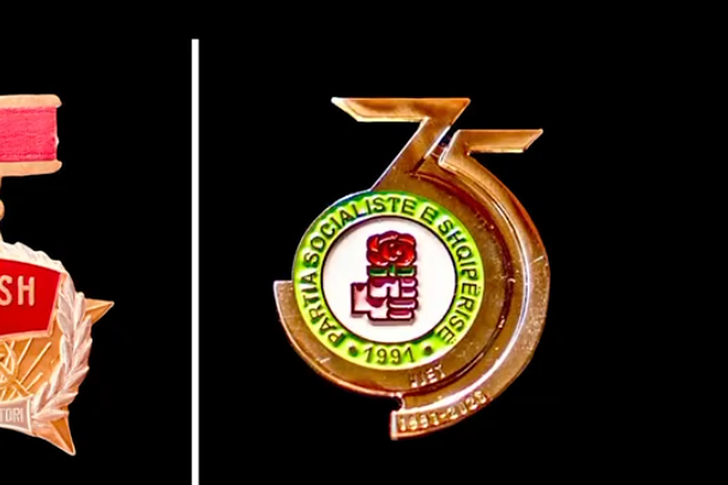
For days, the Celebration of Creation has gathered party m...
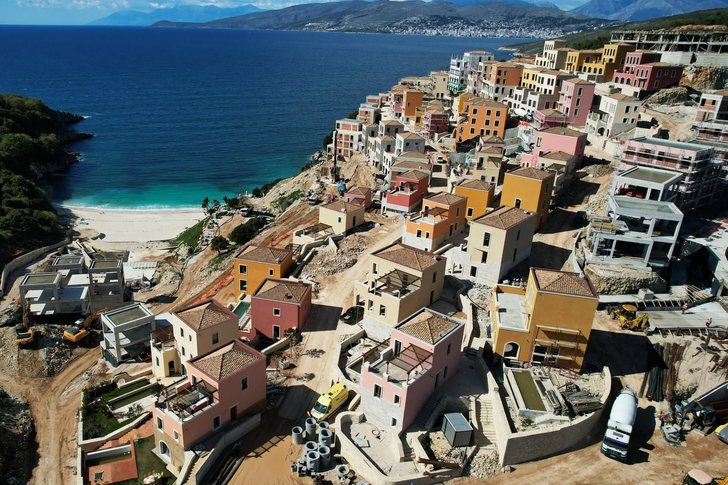
The debate over investments in coastal areas, even those t...
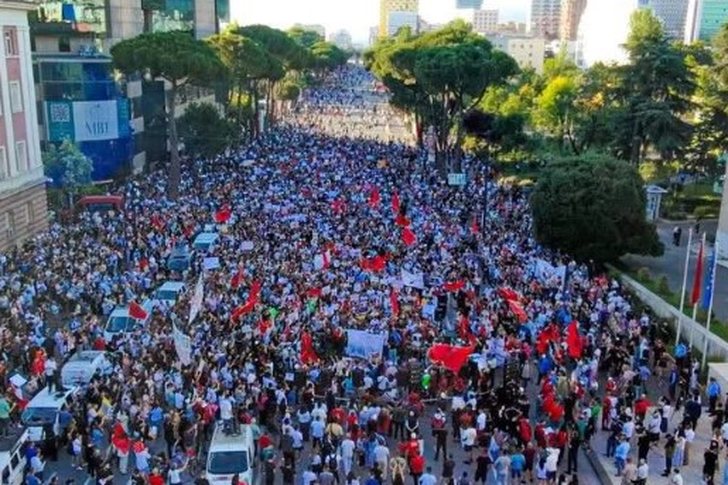
The unusual protests in Albania and in some cities around ...
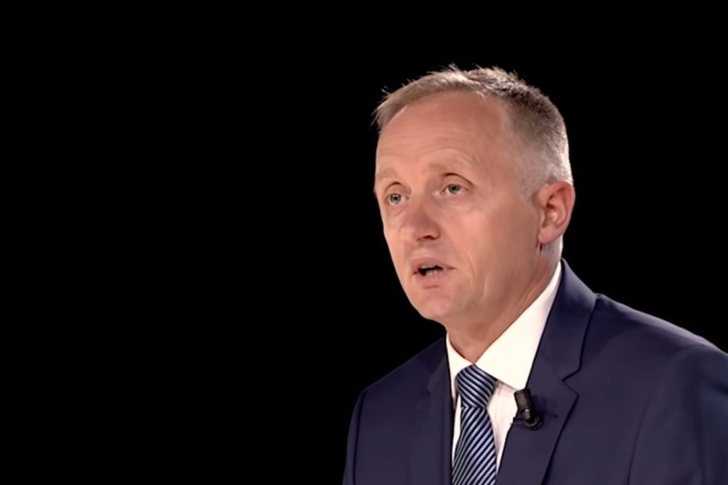
"In the beginning was the Word." Perhaps there is no more ...
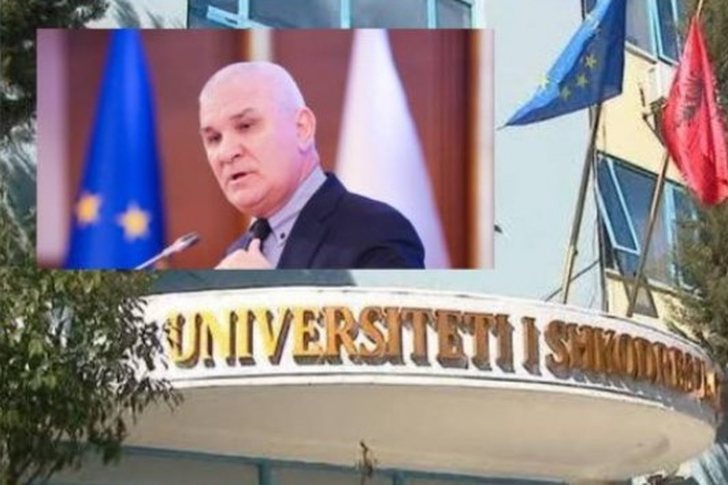
The resignation of the rector of the University of Shkodra...
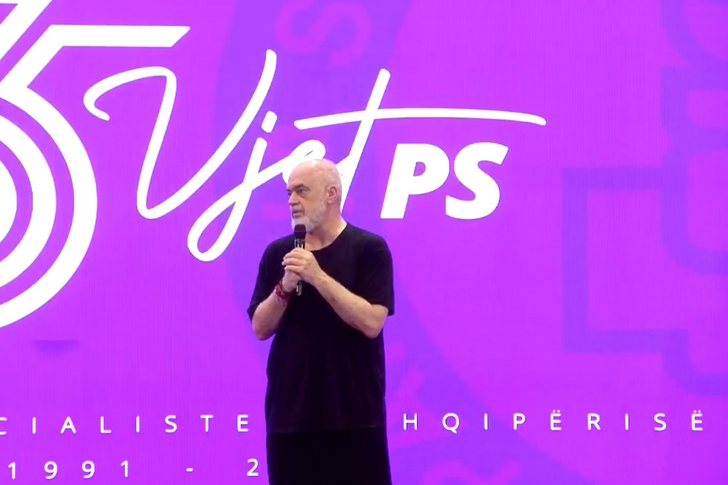
Edi Rama's grave condition and his erratic behavior can no...
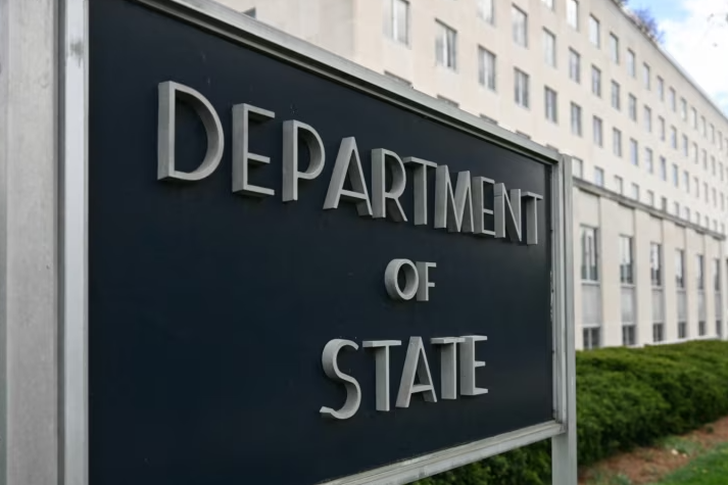
In response to a request for comment I sent to the State D...
Sali Berisha's declaration that his "non grata" status has...
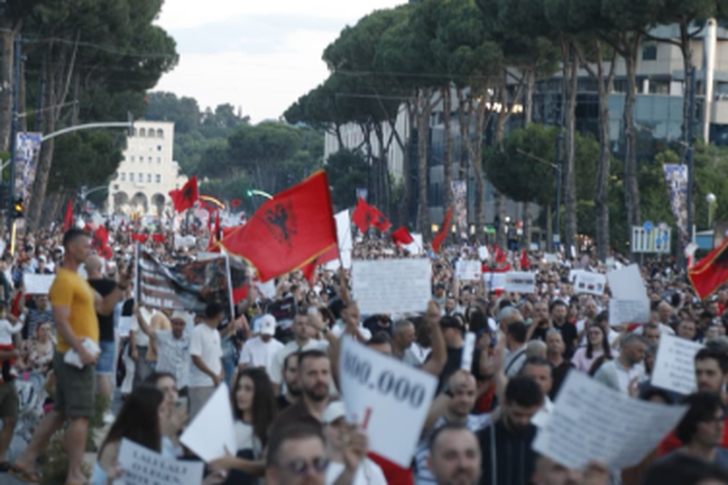
Protest is a public act of opposition, dislike, or disagre...
Erion Isufi is the man known in the media as Lulzim Basha'...
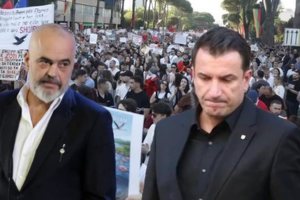
There have been 12 days of protests in the capital, which ...
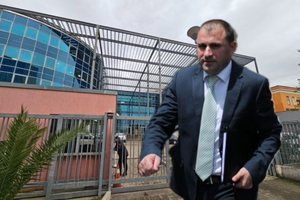
Dritan Prençi is the SPAK prosecutor who is sleeping on th...
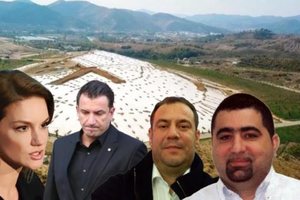
The in-depth investigations that SPAK conducted into Ajola...

The Special Board of Appeal (KPA) decided this Monday ...

The KPA vetting decided this Thursday to dismiss the p...

Suela Salavaçi, a prosecutor in the Prosecutor's Offic...

The Special Board of Appeal reinstated the prosecutor ...
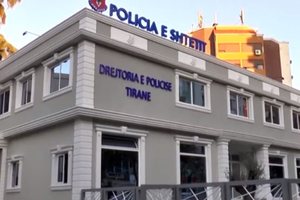
Criminal proceedings have been initiated against 16 protes...
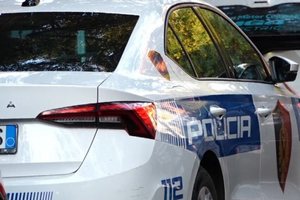
SN, who was raped today with his wife near his apartment i...
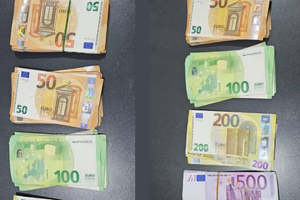
An operation carried out by Durres Customs in cooperation ...
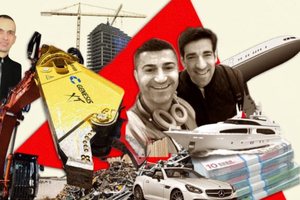
The crackdown on Albanian cocaine trafficking "lords" by S...
On Wednesday, our country will be affected by relatively s...
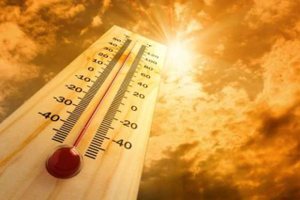
Meteorologist Tanja Porja shared some predictions today re...
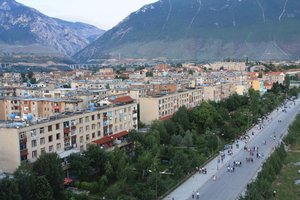
The large regions of Northern Albania are experiencing a s...
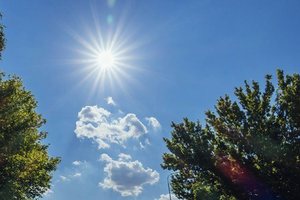
On Tuesday, our country will be affected by relatively sta...
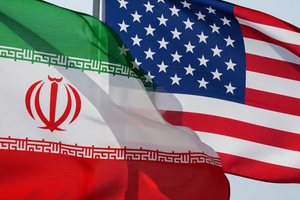
The US and Iran are expected to officially sign a memorand...
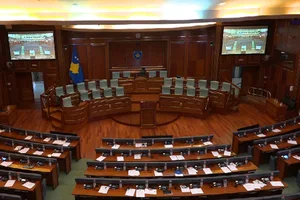
The Vetëvendosje Movement has secured 53 seats in the Koso...
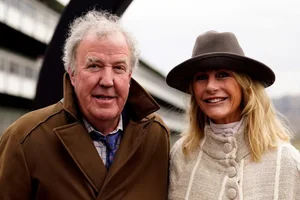
Television presenter Jeremy Clarkson has revealed that he ...
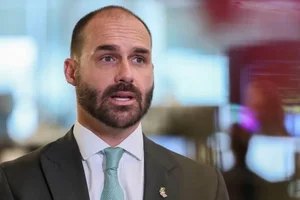
The son of imprisoned former Brazilian president Jair Bols...
This Wednesday, the prominent actor of Albanian cinema, Gj...
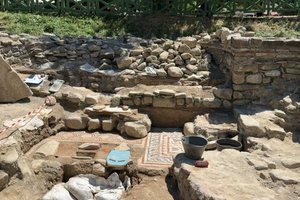
Several archaeological excavations conducted during this s...
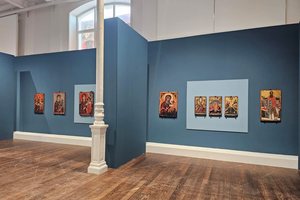
At the Museum of Fine Arts in Chambéry, France, an exhibit...
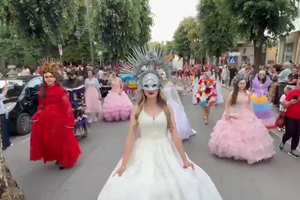
Korça has transformed this weekend into the capital of cel...
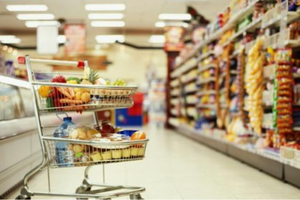
The Albanian economy is facing a new increase in inflation...
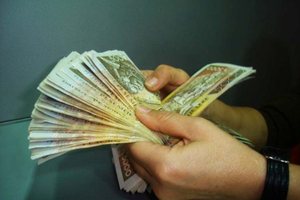
Total revenues for the period January-May 2026 reached aro...

In a sector where the number of visitors continues to grow...
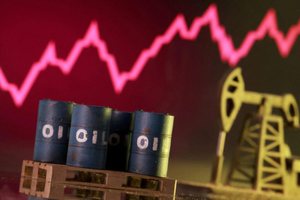
Oil prices have fallen to their lowest level in nearly 15 ...