





When public money disappears in inflated tenders, when a job is sought by friend and not by merit, or when a state counter turns a service into a bargain, revolt is not enough. Denunciations of public corruption are only valuable when they emerge from anger and move on to evidence, documents and persistence. This is where rumor is separated from the case that can move institutions, the media and public opinion.
Public corruption is not just a moral issue. It affects the pocketbook, service, competition, and trust. A road that costs twice as much, a school that is repaired three times on paper, a permit that is issued in envelopes under the table - all of this translates into lost taxes and a state that behaves like the private property of a few.
For this reason, denunciation is not a momentary emotional act. It is a civic reaction with real consequences. If done correctly, it can open an investigation, bring administrative liability, cause suspensions, and even criminal proceedings. If done poorly, it can be lost in the noise, hit the wrong person, or degenerate into conflict without result.
There is also a truth that is not pleasant to say out loud: not every abuse looks like classic corruption. Sometimes we are dealing with conflict of interest, favoritism, procedural violations, nepotism or scandalous administration. These too must be denounced, but they must be called by their proper name. The right word carries weight, especially when you are faced with an institution that seeks to escape the essence by clinging to form.

Citizens often associate corruption only with direct bribery. That is, when someone asks for money for a service that they should receive for free or according to the law. This is only one side.
In practice, public corruption also occurs when an official favors a company in a tender, when an institution hires people based on political connections, when funds are diverted, when a procedure is built to announce the winner before the competition, or when state control is consciously silent in the face of violations. At first glance, it may seem like incompetence. Often, behind the staged incompetence, a concrete interest is hidden.
This is why the citizen must avoid two extremes. The first is silence - because "that's how it works here". The second is unproven accusation - because "it's universally known". Both serve the same mechanism: impunity./ CNA

I was reading some communications online, regarding a post...
The temporary appointment of the vice-rector to the positi...
Every year, thousands of high school graduates in Albania ...
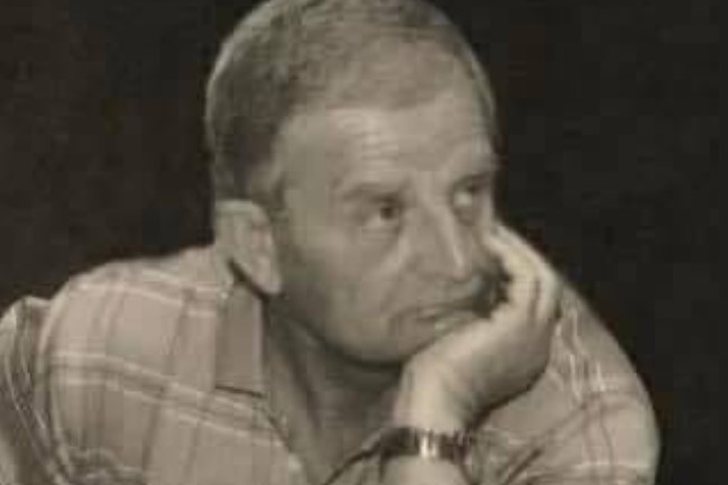
I still can't believe that Agron Çobani is no more. He had...

Political scandals in Albania do not only show the behavio...
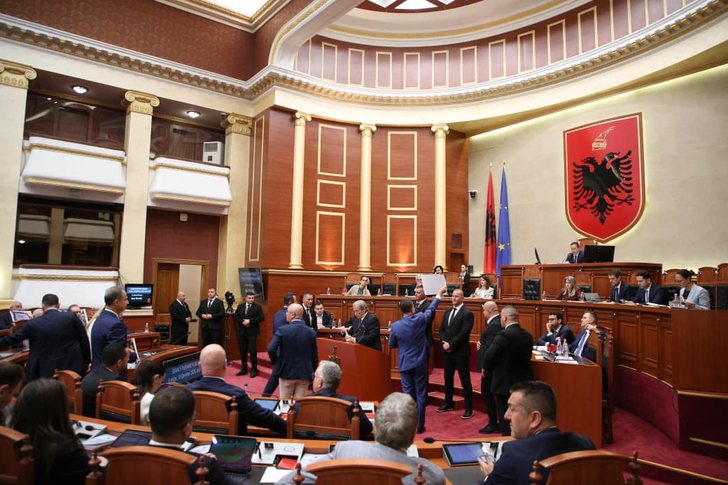
When a scandal breaks out in Tirana, the noise is loud, th...
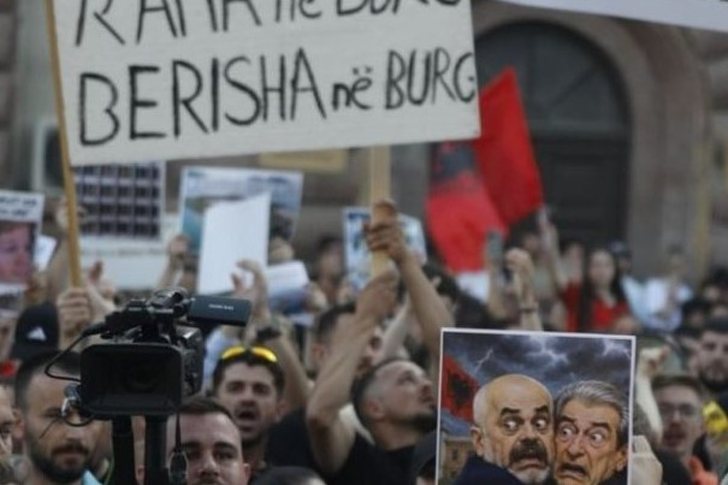
“Rama in prison, Berisha in prison, everyone in prison!” i...

There's a reason why healthy societies call madness what d...
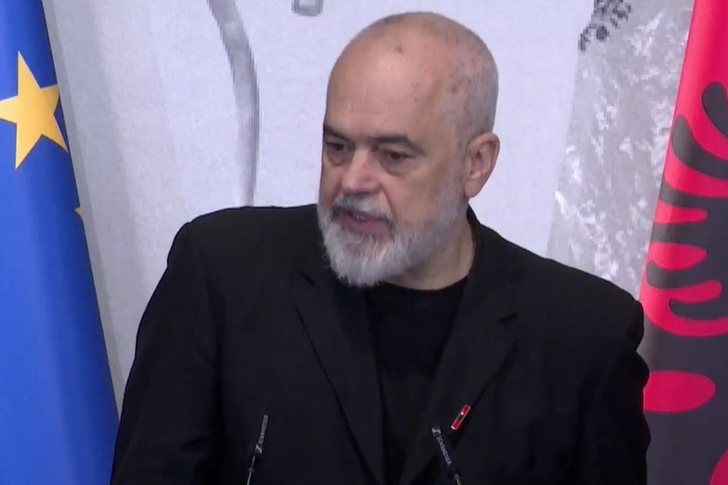
In Berlin, once a symbol of a divided Germany and Europe, Al...
Sara Mila expressed this today during the development of t...

Albanian politics today does not take place only in Parlia...
Asnjë analizë politike shqiptare sot nuk ka kuptim pa roli...
When it comes to Albanian political analysis today, the qu...
If the majority has the problem of moral and political exh...
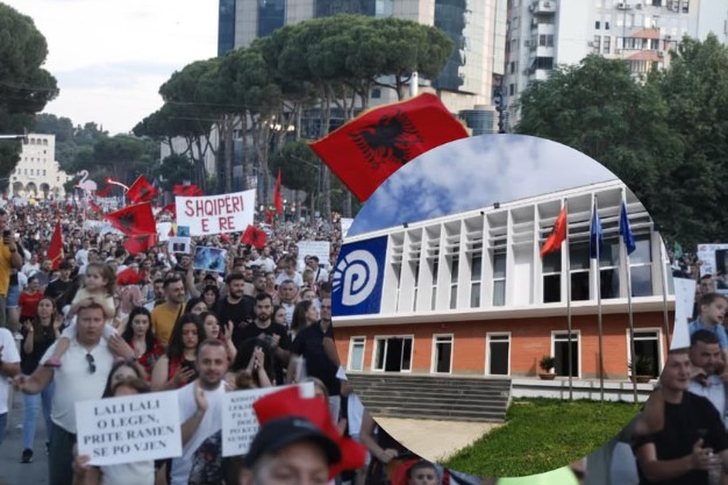
The opposition, which has purchased a visa for "health rea...
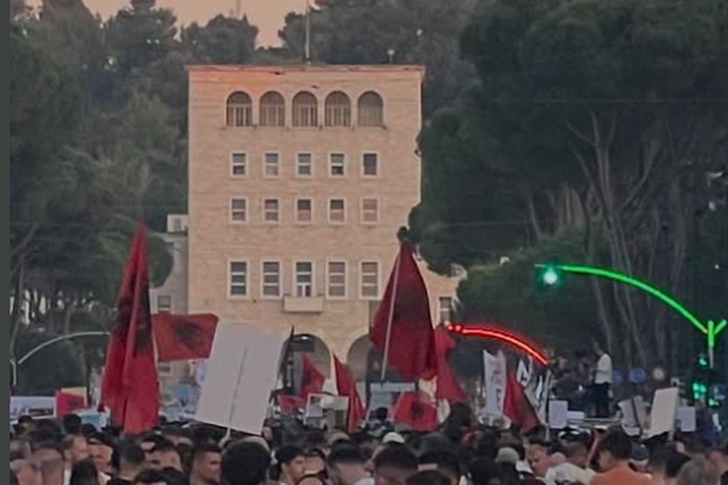
After more than two weeks of non-stop protest, the questio...
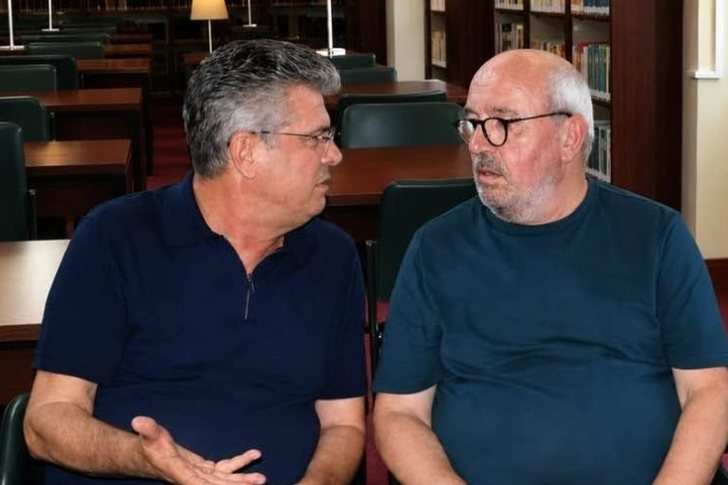
Somewhere in the mid-1990s, in an Albania that was still l...
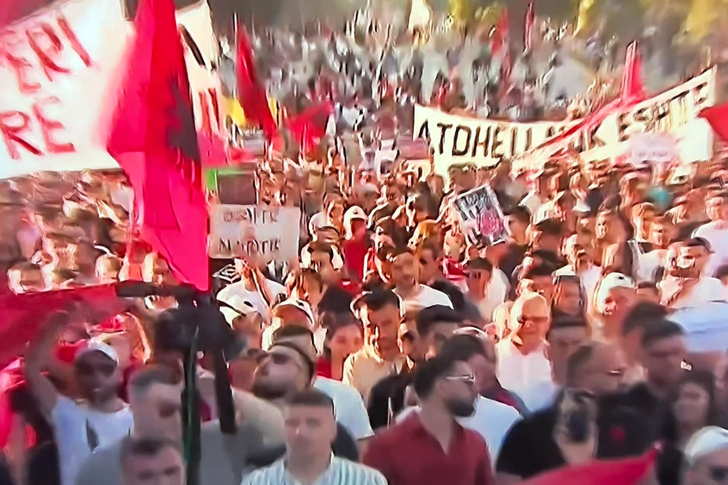
Since the protests began, this place is no longer what it ...
After 35 years, the national cry "Down with Communism!" ri...
Të gjithë kanë të drejtën e pamohueshme të protestës. Por,...
Since the summer of 2020, the Mayor of Tirana, Erion Velia...
The leader of the Democratic Party, Sali Berisha, denounce...
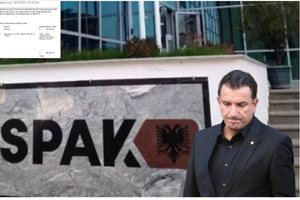
In January 2026, CNA published a series of documents and f...
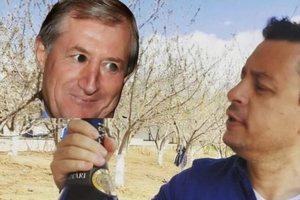
Erion Isufi is the man known in the media as Lulzim Basha'...

The Special Board of Appeal (KPA) decided this Monday ...

The KPA vetting decided this Thursday to dismiss the p...

Suela Salavaçi, a prosecutor in the Prosecutor's Offic...

The Special Board of Appeal reinstated the prosecutor ...
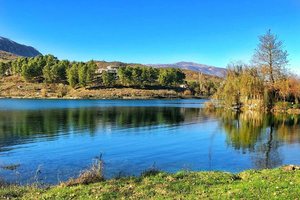
A serious incident is reported to have occurred today in G...
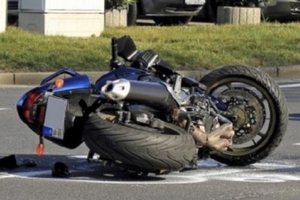
A fatal accident has been recorded on the Fier-Lushnjë hig...
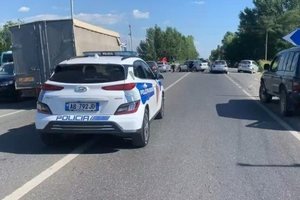
A road accident occurred today on the Lezhë-Milot highway,...
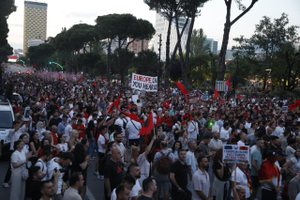
Tirana police have criminally prosecuted 27 people in conn...
On Friday, our country will be affected by stable weather ...
On Thursday, our country will be affected by stable weathe...

On Wednesday, our country will be affected by relatively s...
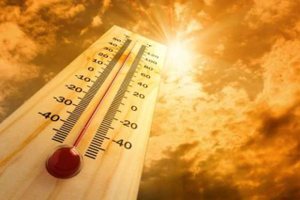
Meteorologist Tanja Porja shared some predictions today re...
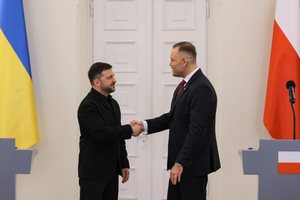
Polish President Karol Nawrocki announced on Friday that h...
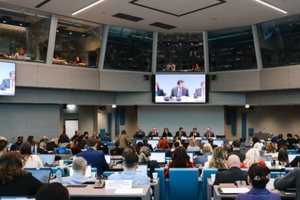
Bosnia and Herzegovina has once again been placed under in...

The Norwegian government has decided to significantly limi...
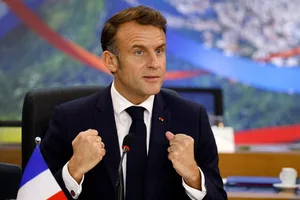
French President Emmanuel Macron said that European countr...
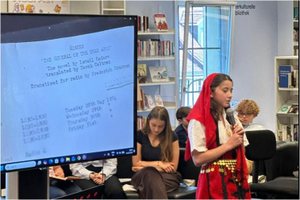
The Albanian Embassy in Switzerland has organized an eveni...

This Wednesday, the prominent actor of Albanian cinema, Gj...
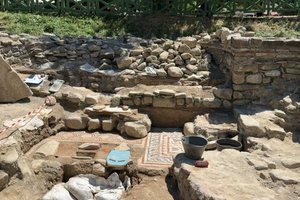
Several archaeological excavations conducted during this s...

At the Museum of Fine Arts in Chambéry, France, an exhibit...
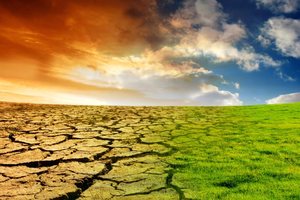
Urban development, transport, energy, forestry and agricul...
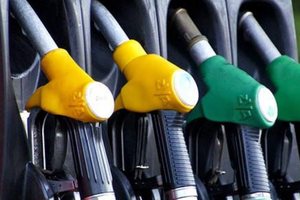
The Minister of Economy and Innovation, Delina Ibrahimaj, ...
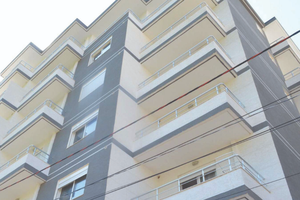
The draft law proposed by the Ministry of Finance for a ne...
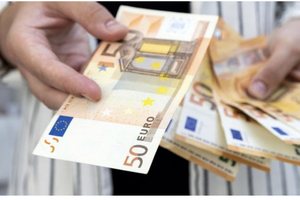
It is not only Albanian consumers who pay more than the Eu...