

The MP with the mind of a child/ "I was born when I wanted"
Sara Mila expressed this today during the development of t...


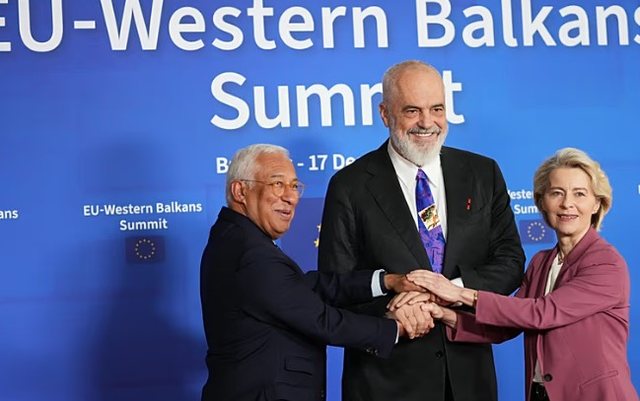
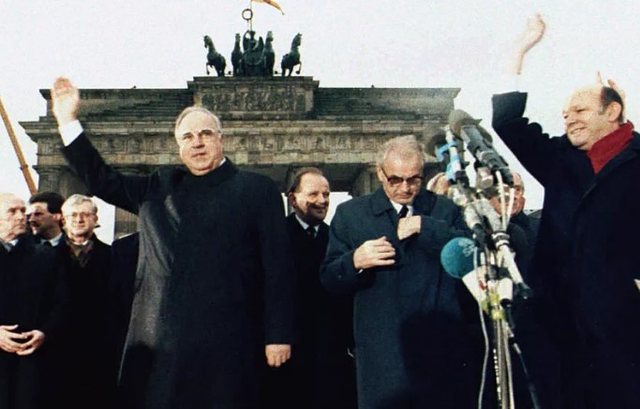
In Berlin, once a symbol of a divided Germany and Europe, Albanian Prime Minister Edi Rama gave a speech on the future of Europe.
Rama called on Europe to seize a "Helmut Kohl moment."
Ladies and gentlemen, when someone is invited to speak on such occasions, convention requires them to begin with a familiar sentence: "It is a great pleasure and a special honor to join you tonight."
But I won't put it that way. Because I didn't come here simply because it's an important meeting. I came because of a rather unusual convergence of three things: the city where we meet, the moment in which we meet, and the topic I was asked to address.
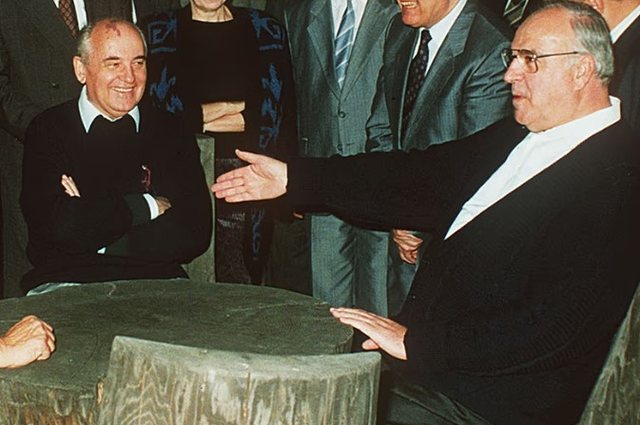
Berlin, the place where perhaps the greatest geopolitical transformation of our lifetimes came to pass. And not just because a wall fell. But because, after the wall fell, a leader emerged with the courage to understand what history demanded next. Helmut Kohl did not see the reunification of Germany as an administrative challenge. He saw it as a geopolitical necessity. Against caution. Against skepticism. Against the conventional wisdom of the time. He decided that Germany should become a country again. History proved him right.
I am starting with Berlin and Kohl not because this audience needs to be reminded of Germany's importance to Europe. I do so because I increasingly believe that Europe itself is approaching a similar moment. A moment when continuing to manage reality through inherited procedures, hesitations, and assumptions is becoming more dangerous than making strategic decisions. A moment that calls for what I would describe as a new Helmut Kohl moment.
Because Europe today faces a question remarkably similar to what Germany faced then: Whether reunification is simply an aspiration to be administered indefinitely, or a necessity that must finally be fulfilled. And this leads me directly to the topic I was asked to address: Albania’s European future: reform, sustainability and innovation in a changing geopolitical landscape.
Konrad Adenauer, one of the founding fathers of modern Europe, once wisely observed: "European unity was a dream of a few. It became the hope of many. Today it is a necessity for all of us." I believe that these words have never been more relevant than they are today. For we meet at a time when the rules-based international order is under severe pressure.
War has returned to Europe. Strategic competition has gone global. Technology is not only transforming economies, political systems, and societies at an unprecedented speed; it is also transforming the very way we connect with each other and experience everyday life. Demographic decline is reshaping entire regions, and a severe demographic winter threatens Europe's future.
Economic security has become inseparable from national security. Political resistance has become inseparable from informational resistance. And Europe is no longer the continent of permanent peace and prosperity that it believed itself to be until recently. Europe has once again become a great power facing great challenges at one of the great crossroads of its history.
In such circumstances, strategic hesitation becomes a luxury and fragmentation becomes a weakness.
Dear friends, You all know that I am the greatest painter among prime ministers. Some would even say among chancellors. But you don't have to be a great painter to understand that what remains of a composition often reveals more than what is put inside.
A few months ago, the European Council adopted the most ambitious integration plan since the time of Jacques Delors: one Europe, one market. A very ambitious document. Necessary. With a vision for the future. Strategic. However, one thing was missing: the Western Balkans. A region completely surrounded by the European Union. A region physically located in the heart of Europe. A region missing from Europe's vision of itself. Like an empty space in the center of the painting.
Europe painting a self-portrait that increasingly resembles Edvard Munch's "The Scream." Especially strange when that very space is located in one of Europe's oldest strategic corridors.
More than two thousand years ago, the Romans built the Via Egnatia. It connected East and West. Markets with markets. People with people. Power with power. The Romans understood something that we sometimes forget: connectivity is not infrastructure. Connectivity is power. And a system is only as strong as its missing link.
Twenty centuries later, Europe is discussing energy corridors, digital corridors, military mobility corridors, strategic supply chains, and technological sovereignty. Yet the region through which many of these corridors naturally pass remains outside the architecture.
The energy corridors that Europe needs run through our geography. The digital networks that Europe wants require our territory. The critical minerals that Europe has suddenly rediscovered as strategic lie beneath our soil. China understands this. Russia certainly understands this. Europe understands this too. Yet it sometimes forgets it when it designs its own plans.
And guess what? The Via Egnatia crossed the continent right where Albania is today. Albania has opened all thirty-three negotiating chapters faster than any candidate country in the history of enlargement. We are moving forward with strong determination. Our objective is clear.
To conclude negotiations by 2027, to become full members of the European Union before the end of this decade. And let me be equally clear. For Albania, membership is not simply about joining a club. It is not about receiving funds. It is not about buying institutional trappings.
It is about transforming our state, our institutions, and our way of thinking. It is about completing the deepest democratic transformation in our national history. I was among the first voices from our region to defend the many benefits of gradual integration. But gradual integration cannot become a permanent postponement. It cannot become another waiting room.
Because if European reunification is truly a strategic necessity, then the Western Balkans cannot remain trapped between the objective assessments of the Commission and the subjective anxieties of the member states. This contradiction is becoming increasingly difficult to deal with. The solution is neither complicated nor costly. Bring us now into Europe's strategic architecture. Give us seats before you give us vetoes. Give us participation before you give us commissioners. Give us responsibility before you give us any institutional embellishments. Bring us into the Energy Union. Into the Digital Union. Into common security frameworks. Into common financial instruments. Into common supply chains.
Because Europe cannot seriously talk about strategic autonomy while maintaining a strategic vacuum at its center.
Helmut Kohl did not ask whether reunification was administratively perfect. He asked whether continuing division remained strategically acceptable. That is a profoundly different question. And perhaps it is the question that Europe should ask itself today.
History rarely moves because the bureaucracy is ready. History moves because leaders decide it must. And Europe cannot afford to spend its time revisiting the famous Byzantine debate about the sex of angels, while the walls of Constantinople are already shaking from the storm gathering outside. Ladies and gentlemen, Europe's future will not be decided by geopolitics alone. It will also be decided by innovation.
And the next great race between nations will not be fought primarily over territory. It will be fought over intelligence: artificial intelligence, digital infrastructure, scientific research, technological sovereignty, the ability to innovate faster than competitors. Artificial intelligence is not just another technological revolution; it is rapidly becoming the infrastructure on which economic power, military prowess, scientific leadership, and democratic resilience will increasingly depend.
For the first time since the Industrial Revolution, technological leadership may determine not only who gets richer but also who remains sovereign. Europe understands this. That is why it increasingly talks about technological sovereignty. But sovereignty requires scale. And scale requires integration. No continent can seriously aspire to lead the AI ??revolution while willingly leaving millions of citizens, thousands of engineers, strategic geographies and untapped talent outside its innovation ecosystem. Europe cannot win the twenty-first century race with one hand tied behind its back.
For its part, Albania is pursuing one of the most ambitious digital transformations in Europe. We are redesigning public administration around technology. We have digitized 95% of public services. Reducing bureaucracy has become an obsession. We are deploying artificial intelligence throughout government. Not because technology is fashionable. But because innovation has become the shortest path from the periphery to the center.
A greener, more digital and more innovative Albania is not only good for Albania. It is also good for Europe. Because Europe's competitiveness will increasingly depend on mobilizing all its talent, all its geography and all its potential. And the Western Balkans are not just a candidate for membership. We are contributors to Europe's future competitiveness. The sooner Europe starts to see enlargement not as a concession but as an investment, the stronger Europe itself will become.
This brings me to what I increasingly see as one of the greatest challenges facing Europe. A challenge less visible than military threats. Less dramatic than economic crises. Yet potentially just as dangerous. The corrosion of democracy itself. For decades we have assumed that more information would automatically bring more informed citizens. That assumption has proven to be wrong. Today's lies travel much faster than facts.
Anger spreads far faster than evidence. Algorithms reward anger far more generously than truth. Digital crowds can become more influential than democratic institutions. Entire realities can be manufactured before the facts have time to emerge. And perhaps the greatest paradox of our age is that we increasingly confuse freedom of speech with freedom of expression.
They are not the same thing. Freedom of speech is a cornerstone of democracy. Freedom of outreach is an unprecedented technological power that no democracy has ever faced before. Throughout history, every propaganda system has relied on the same principle: to stifle genuine freedom of speech while maximizing the reach of its own lies. The tools have changed. The mechanism has not. What is different today is that technology has industrialized outreach.
A lie no longer needs a ministry. A lie no longer needs a newspaper. A manipulation no longer needs a state broadcaster. An algorithm can now achieve in minutes what propaganda machines once took years to achieve. In the past, authoritarian systems restricted freedom of speech in order to monopolize reach. Today, democratic societies often defend unlimited reach in the name of freedom of speech. However, these are not the same thing. Freedom of speech protects citizens from censorship. Freedom of reach offers unprecedented power to those who manipulate perception.
And so we face an uncomfortable question. How much longer can democratic societies continue to treat this phenomenon as if it were simply an extension of free speech? Because when coordinated manipulation, botnets, algorithmic amplification, and industrial-scale disinformation shape public perception, influence elections, destabilize institutions, and distort reality itself, we are no longer just discussing free speech. We are discussing power. We are discussing security. We are discussing sovereignty.
Europe is investing hundreds of billions of euros in military capabilities, air defense systems, cybersecurity, critical infrastructure protection, and strategic autonomy. All of this is necessary. But what value will all these shields have if our societies remain defenseless against the systematic manipulation of human minds? What value will military resistance have if democratic resistance collapses? What value will territorial security have if citizens progressively lose the ability to distinguish fact from fiction?
The next great security challenge may not be an army crossing a border, but an avalanche of lies powerful enough to shatter the very architecture of democratic life. And unlike conventional attacks, the objective is not to conquer territory. The objective is to conquer perception, to undermine trust, to divide societies, to paralyze democratic decision-making, to make citizens suspicious of everything except their own tribe.
Europe doesn’t just need a missile shield. It also needs a shield for the age of algorithms. And if I had to choose where to start, I would start there. In recent weeks, my own country has experienced a vivid example. A proposed tourism development project on the Albanian coast suddenly became the center of an international digital storm. Environmental catastrophe was presented as a proven fact. Corruption was declared proven before any evidence existed. Conspiracies multiplied by the hour. Allegations became headlines. Headlines became truths. Truths became dogma. And anyone who asked for proof was treated as a suspect.
I mention this not because the project itself matters to Europe – it does. But what matters even more is what the episode revealed. Anger generated millions of impressions before the facts had a chance to speak. Narratives traveled the world before documented proceedings could travel across a single room. This is no longer an Albanian phenomenon. It is a European phenomenon. An American phenomenon. A democratic phenomenon. And if democracies fail to defend the distinction between fact and fiction, between scrutiny and hysteria, between criticism and digital lynching, they will lose, sooner rather than later, something far more valuable than any single political argument. Trust.
And when trust disappears, institutions weaken. When institutions weaken, mainstream politics loses legitimacy. When legitimacy erodes, demagogues flourish. The center weakens. The margins widen. Politics becomes a race to the bottom, not a search for solutions. What seems extreme today is challenged by something even more extreme tomorrow. Democracy usually doesn’t collapse because people stop voting. Democracy collapses when citizens stop believing that truth exists regardless of tribal affiliation.
This is how democratic systems are emptied from within. Not through tanks. Not through coups. But through the gradual replacement of reality with competing tribes of alternative realities. This is why the future of Europe does not depend only on military strength, economic competitiveness or technological innovation. It also depends on our ability to defend reality itself. To defend evidence. To defend reason. To defend the difficult but necessary discipline of facts.
Ladies and gentlemen, Europe today needs courage. The courage of Adenauer. The courage of Kohl. The courage to reunite. The courage to innovate. The courage to accept that enlargement is not charity. It is a strategy. And the courage to defend democracy not only against those who attack it from without, but also against the slow corrosion that can weaken it from within. Albania is ready. Ready for reform. Ready for innovation. Ready to contribute. Ready to bear its share of responsibility.
But the real question is not whether Albania is ready. The real question is whether Europe is ready. Ready to finish the unfinished business of its history. Ready to reunite its geography with its strategic imagination. Ready to act as needed rather than manage procrastination. Because history rarely expects perfect procedures. It expects leadership willing to recognize the moment and act accordingly. And here, in Berlin, where Germany once found the courage to peacefully reunite what history had forcibly divided, the question before Europe becomes very clear: is Europe ready for its next Helmut Kohl moment?/ CNA
Taken from Euronews.com

Sara Mila expressed this today during the development of t...
Albanian politics today does not take place only in Parlia...
Asnjë analizë politike shqiptare sot nuk ka kuptim pa roli...
When it comes to Albanian political analysis today, the qu...
If the majority has the problem of moral and political exh...
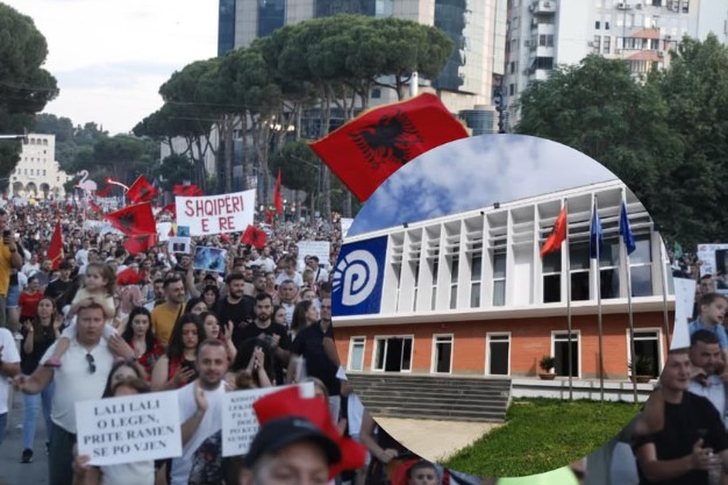
The opposition, which has purchased a visa for "health rea...
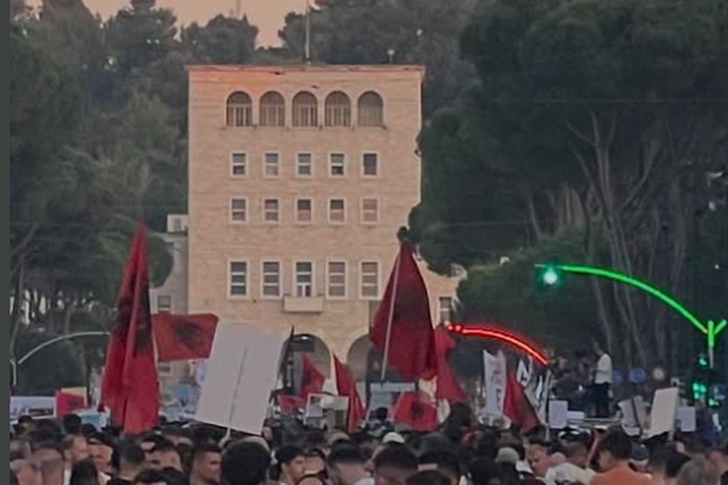
After more than two weeks of non-stop protest, the questio...
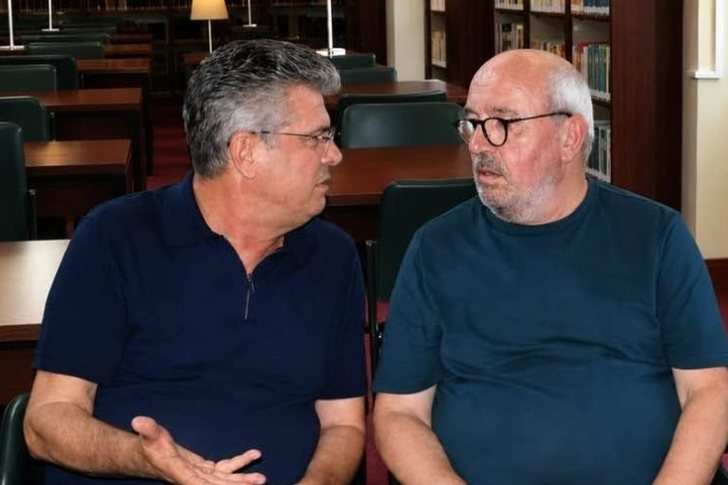
Somewhere in the mid-1990s, in an Albania that was still l...
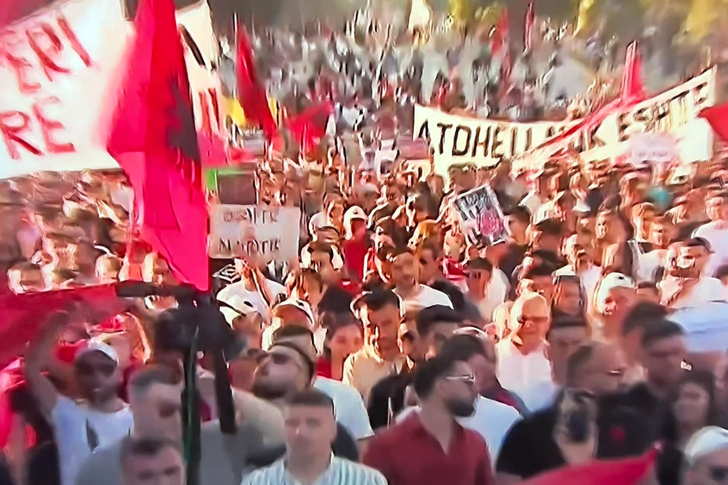
Since the protests began, this place is no longer what it ...
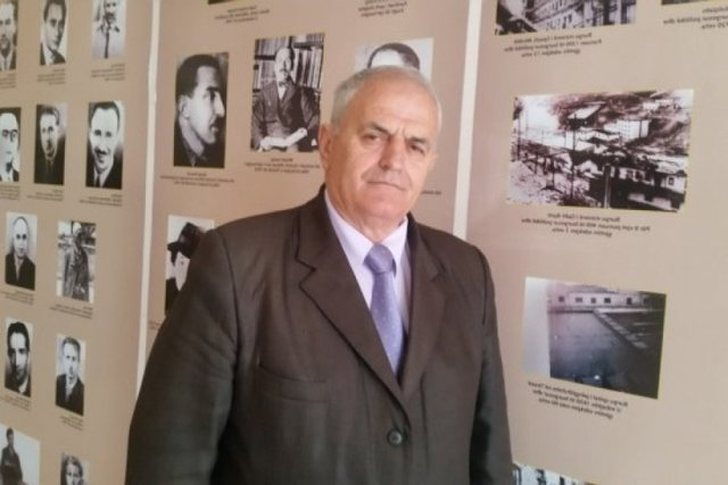
After 35 years, the national cry "Down with Communism!" ri...
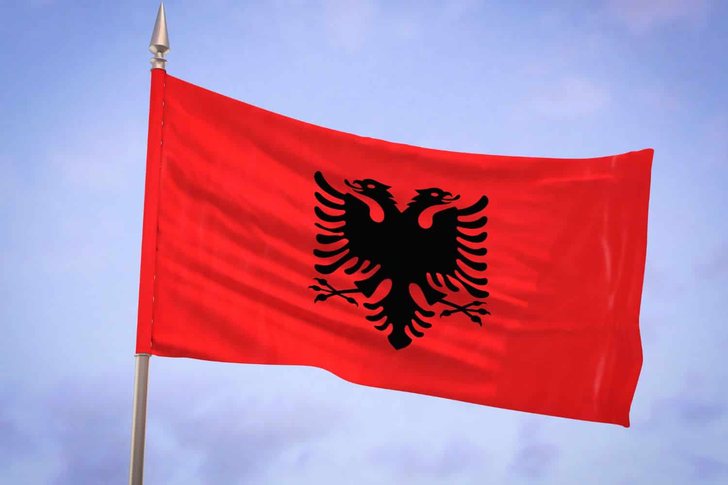
Të gjithë kanë të drejtën e pamohueshme të protestës. Por,...
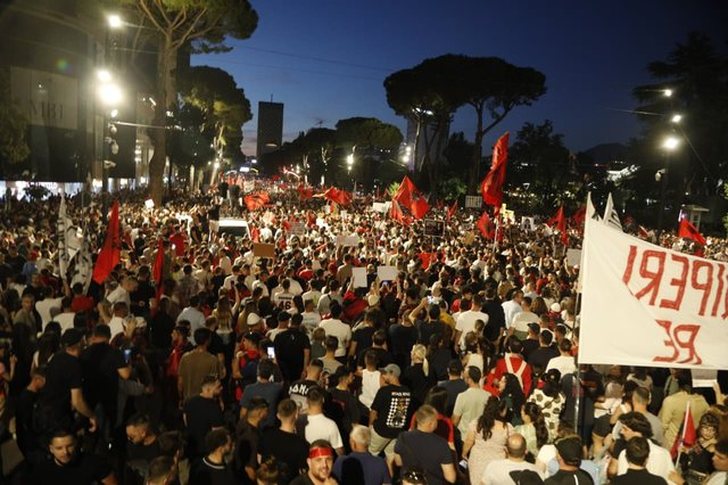
Albanian citizens who have taken to the boulevards these d...
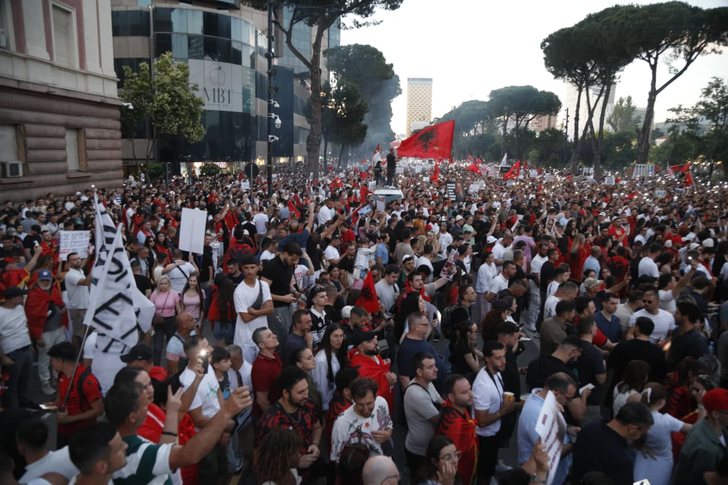
Street revolt and political transformation 1. The cries ...
One of the banners that I liked the most at the June 2026 ...
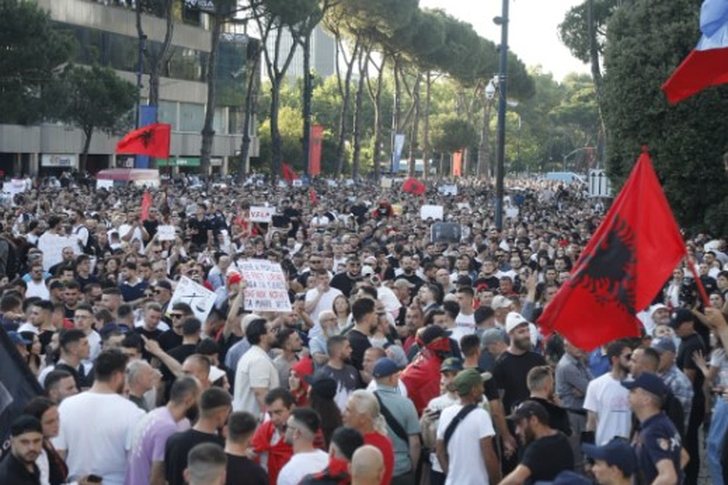
Every protest goes through several stages. Initially, it b...
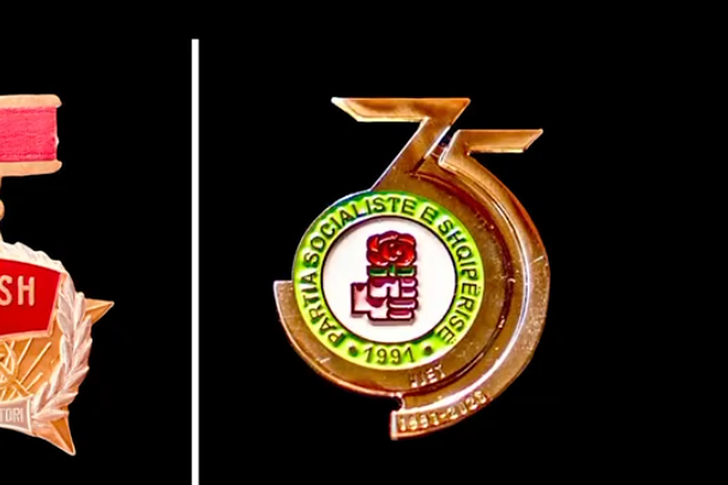
For days, the Celebration of Creation has gathered party m...
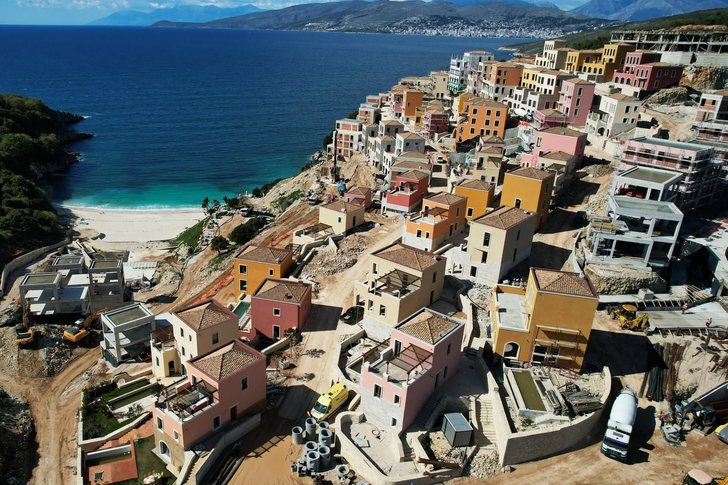
The debate over investments in coastal areas, even those t...
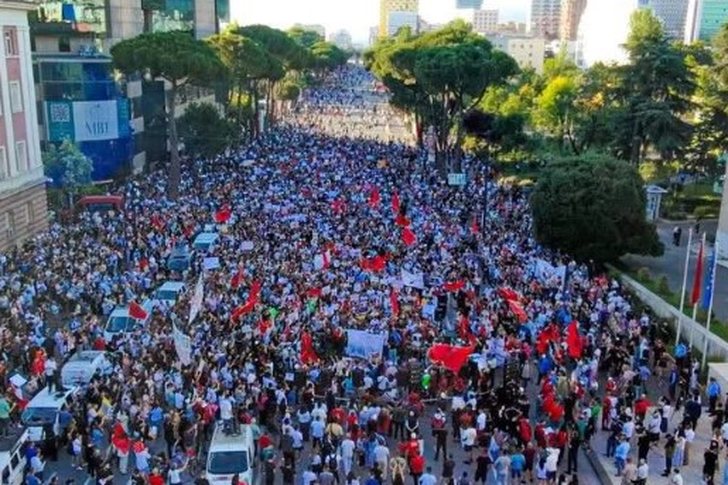
The unusual protests in Albania and in some cities around ...
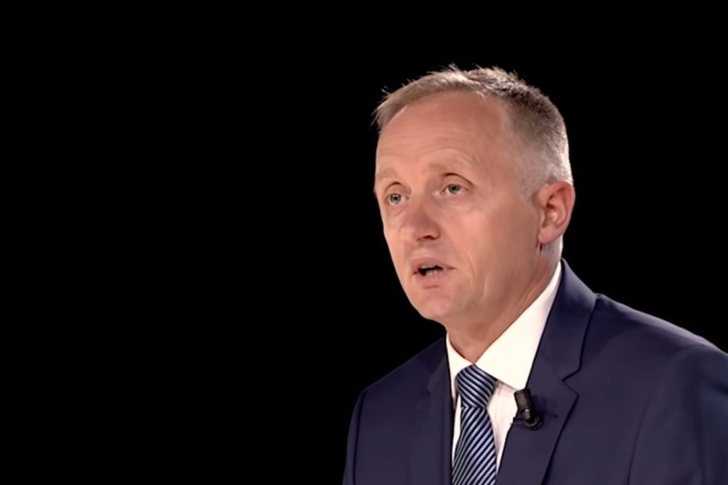
"In the beginning was the Word." Perhaps there is no more ...
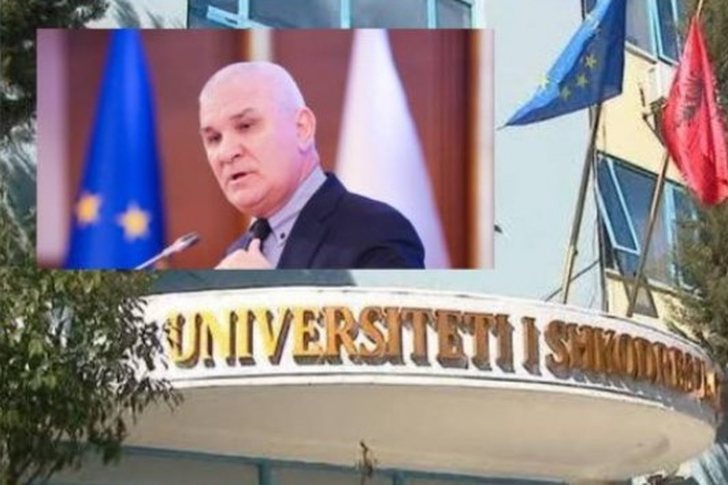
The resignation of the rector of the University of Shkodra...
Erion Isufi is the man known in the media as Lulzim Basha'...
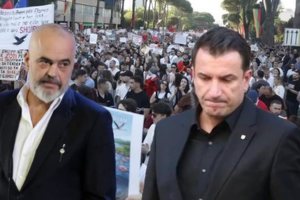
There have been 12 days of protests in the capital, which ...
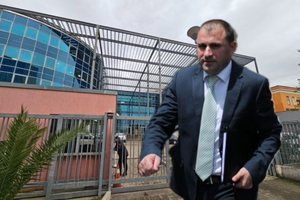
Dritan Prençi is the SPAK prosecutor who is sleeping on th...
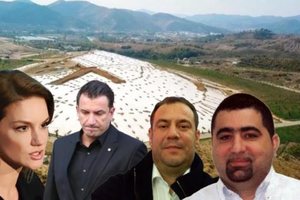
The in-depth investigations that SPAK conducted into Ajola...

The Special Board of Appeal (KPA) decided this Monday ...

The KPA vetting decided this Thursday to dismiss the p...

Suela Salavaçi, a prosecutor in the Prosecutor's Offic...

The Special Board of Appeal reinstated the prosecutor ...
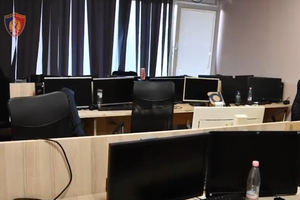
7 Albanian, Paraguayan and Angolan citizens are arrested a...
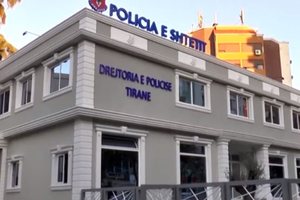
Criminal proceedings have been initiated against 16 protes...
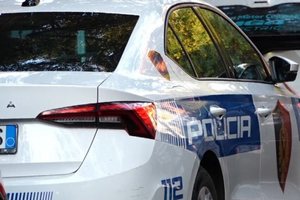
SN, who was raped today with his wife near his apartment i...
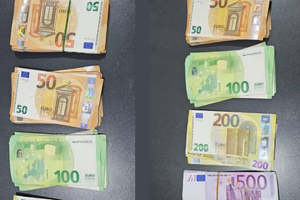
An operation carried out by Durres Customs in cooperation ...
On Wednesday, our country will be affected by relatively s...
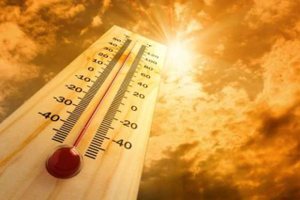
Meteorologist Tanja Porja shared some predictions today re...
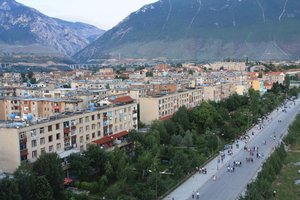
The large regions of Northern Albania are experiencing a s...

On Tuesday, our country will be affected by relatively sta...
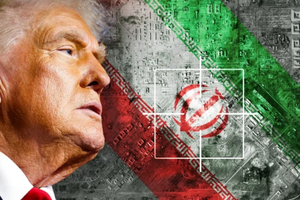
Just 2 days before the signing of the agreement, scheduled...
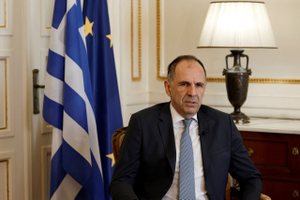
The Foreign Minister of Greece, Giorgos Gerapetritis, shar...
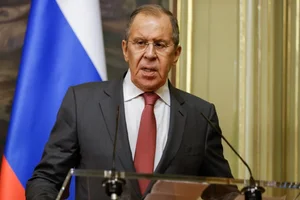
Moska mbështet marrëveshjen midis Shteteve të Bashkuara dh...
The US and Iran are expected to officially sign a memorand...
This Wednesday, the prominent actor of Albanian cinema, Gj...
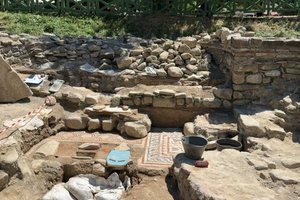
Several archaeological excavations conducted during this s...
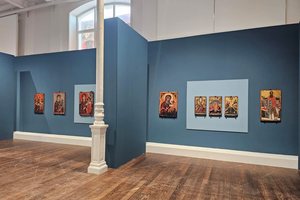
At the Museum of Fine Arts in Chambéry, France, an exhibit...
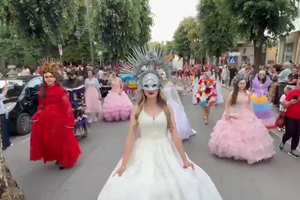
Korça has transformed this weekend into the capital of cel...
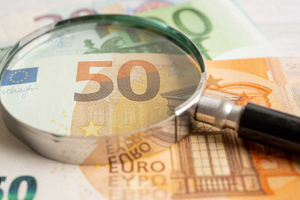
In 2025, eight EU countries recorded a current individual ...

The Albanian economy is facing a new increase in inflation...
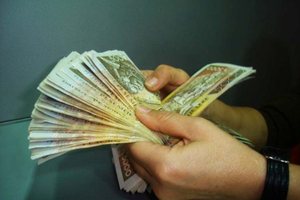
Total revenues for the period January-May 2026 reached aro...

In a sector where the number of visitors continues to grow...