


"With fake but original FB"/ Rama stings Qori, Lapaj and Shehaj
Prime Minister Edi Rama has ironically mocked the infiltra...

Prime Minister Edi Rama has ironically mocked the infiltra...

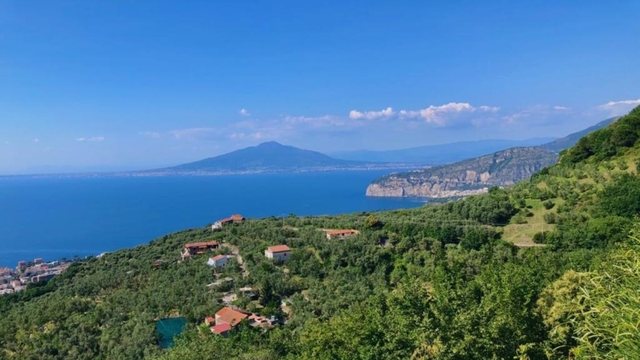
Mount Vesuvius stands above the Bay of Naples as one of Italy's best-known panoramas. The danger of the active volcano and the unique biodiversity are essential elements for the life and culture of the locals. But the volcano is also a mortal danger for the hundreds of thousands of inhabitants who live in its shadow.
Vesuvius is world famous for the 79 AD eruption that destroyed Pompeii. The freezing of the lava preserved the old city over the centuries and its discovery is one of the most important archaeological finds of the Roman period.
Perhaps less well known is the 1944 eruption, the effects of which are still visible on the mountain's slopes. 80 years ago, near the end of World War II, lava reached the villages at the foot of Mount Vesuvius, killing 26 people and leaving behind what is now called the Valley of Hell.
After the lava, nature slowly regains control of the mountain.
"Initially it is lava, desert land. Then a vegetation typical of Vesuvius appears, "stereocaulon vesuvianum", which clings to the stones and starts to crumble, thus creating a layer that can be used by other types of plants", says Pino Gallo, member of the Alpine Club Italian for Vesuvius.
In cooperation with mosses and fungi, fertile soil is created here where plants can grow, the seeds of which are brought by the birds that live in the Vesuvius park.
Plants typical of Mount Vesuvius begin to sprout along the terrain covered by lava, like the "flowers of the desert" described by the 19th-century Italian poet Giacomo Leopardi.
They are followed by the first trees, such as oaks and pines, which grow over time to create a true forest.
"The waves of lava that have passed through this area have created this land and this ecosystem. Maybe we will return to this situation that was once, maybe in 20, 50 or 100 years. There will be a forest, like this, an ecosystem that will reach its balance", says Luigi Gallo, agriculture specialist.
Today, tourists and locals enjoy the nature of Vesuvius and the amazing views of the Bay of Naples, while climbing to heights of over 1,200 meters above sea level.
Visitors can see the shape of the crater created by the eruption 80 years ago. Volcanologists consider Vesuvius a dormant volcano, meaning it continues to record seismic activity. As such, it must be constantly monitored.
Vesuvius is probably among the most dangerous volcanoes in the world, considering the population density that lives in the towns at the foot of the mountain, as well as in Naples, just a few kilometers away.
"Evacuation plans with different stages have been determined. The last stage precedes the explosion, that is, when there is little time left. In this final phase, about 500 thousand people will have to be evacuated", says Nicola Fedele, guide on Mount Vesuvius.
Despite the danger, the people born in this area see Vesuvius as an integral part of their landscape and culture. The love of the locals for the area and for the city of Naples is greater than the fear of the explosion.
"I couldn't imagine Naples and the Gulf without the silhouette of Vesuvius. But we must live near it with respect and above all understand that we are near a volcano that is still active. So more than concern or fear, there is deep respect for the volcano", says Mr. Fedele.
Specialist Gallo says that the eruption of the volcano should be seen as a normal event and that the ecosystem of Vesuvius has adapted to this.
Life and death, creation and destruction - a contrast that unfolds in the desolate appearance of the crater, as a representation of hell described by artists and poets. And yet, the slopes of Vesuvius begin to turn green as they descend towards the sea, and its profile on the horizon seems to be protecting the city, rather than endangering it./ VOA


The history of beer is very long and rich, spanning thousa...

The fountain pen is a writing tool that has revolution...
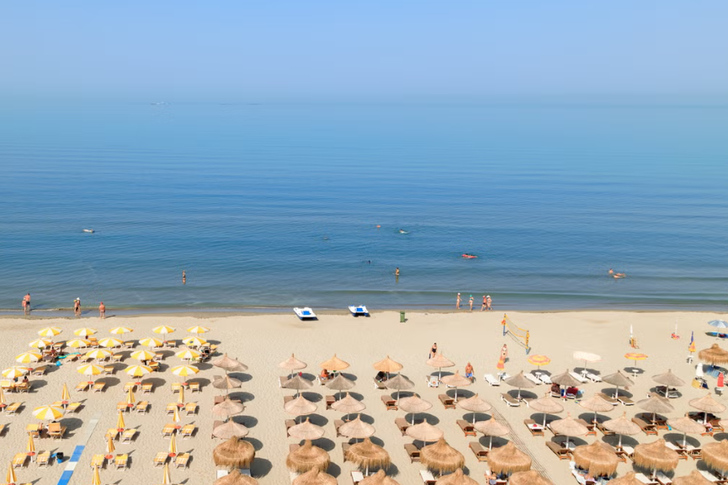
The prestigious "The Independent" suggests the best destin...

The different types of public transport aircraft include s...
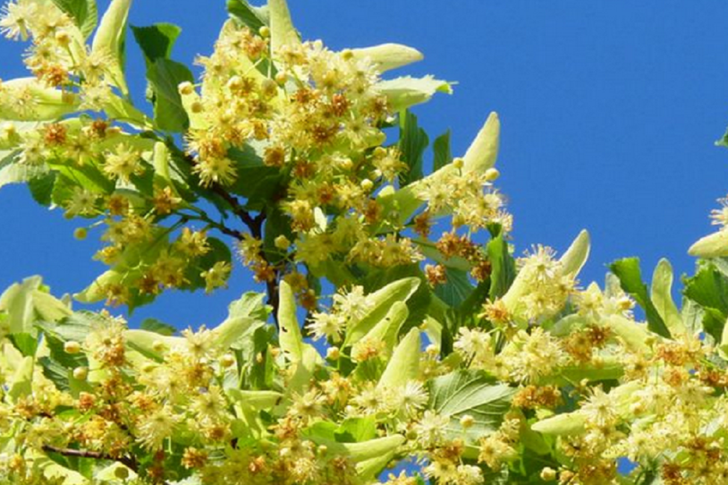
The linden tree, scientifically known as Ficus carica, is ...

Nature belongs to everyone, especially when it comes to th...

In September 2023, a giant landslide in eastern Greenland ...

Hairs are internal structures that grow from follicles...
No one says exactly when Erisa and Jovan's gossip star...

Drones, or unmanned aerial vehicles (UAVs), have evolved s...
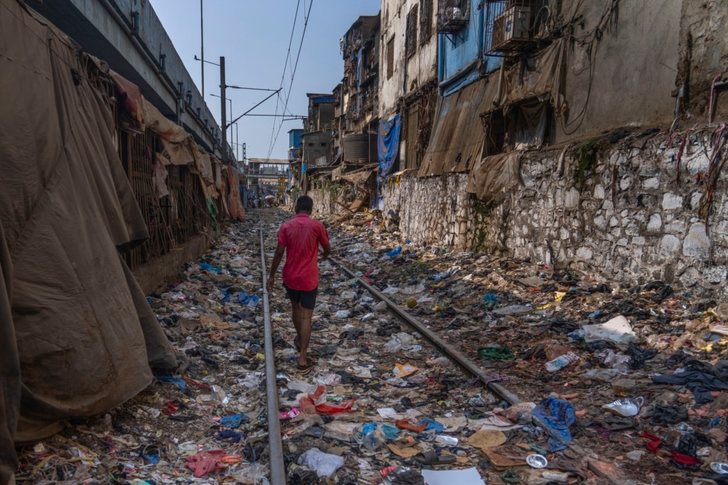
The world produces 57 million tons of plastic waste ea...

Lower-wage countries such as Italy and Spain surprisin...

Cocktails became popular in England in the early nineteent...

It was the image that made the wreck of the Titanic instan...
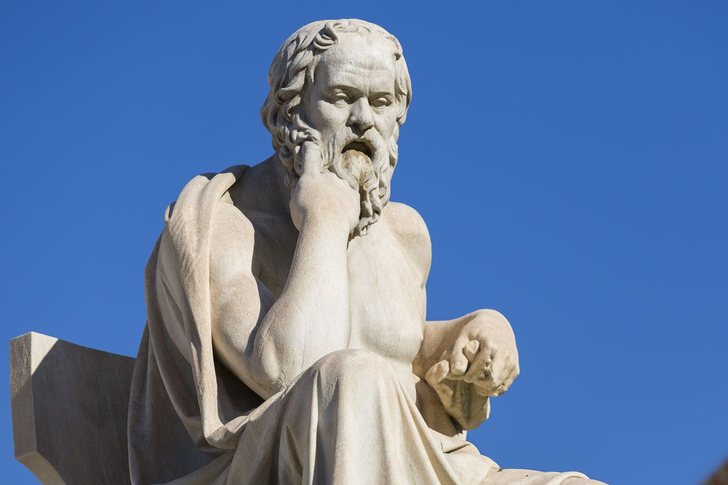
Socrates was a famous Greek philosopher who lived from...

Below are 24 unjust and historic punishments that have occ...
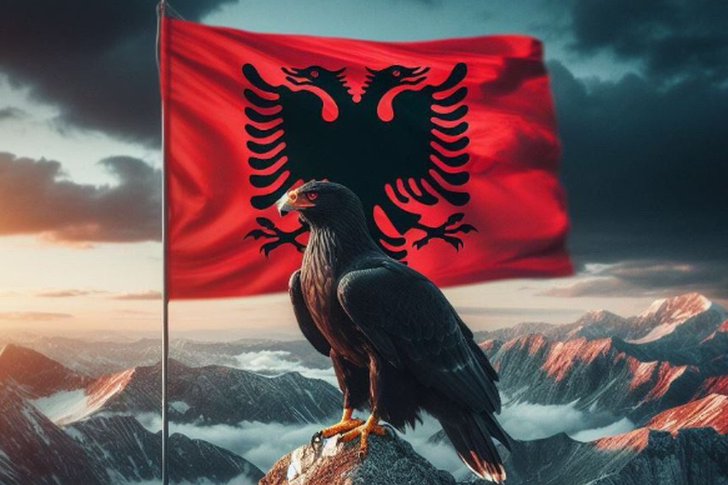
Here is a list of 42 interesting curiosities about the eag...
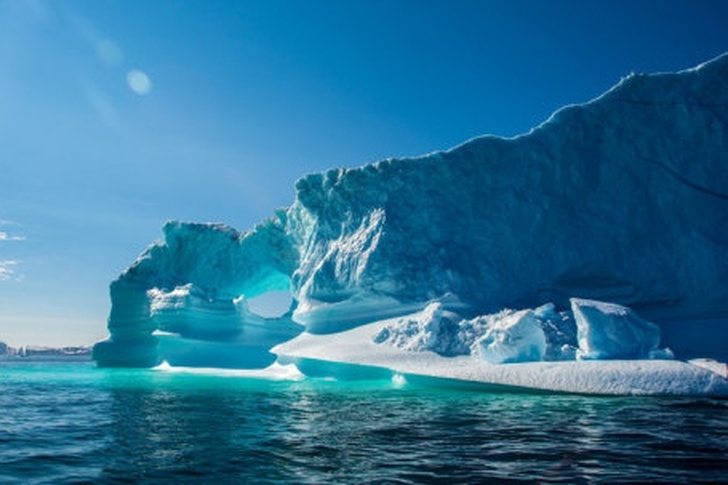
Glaciers are one of the most famous and important natural ...
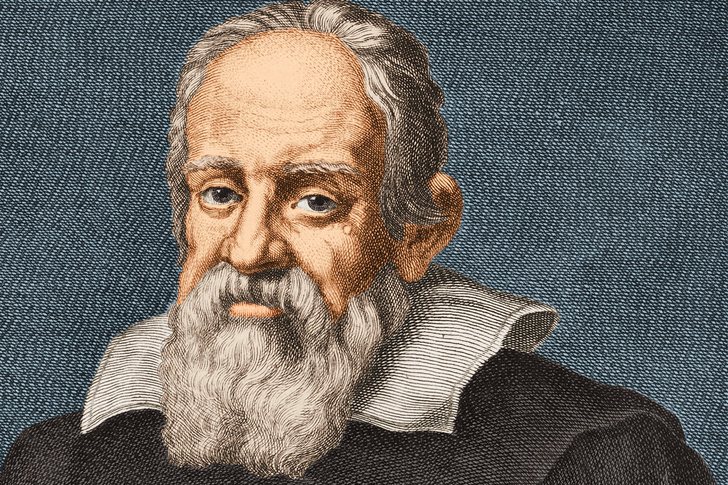
Galileo Galilei (1564-1642) was an Italian scientist, ...
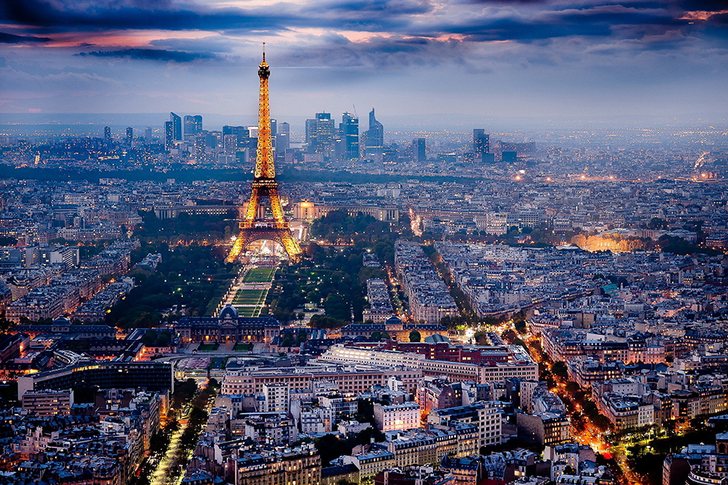
50 interesting curiosities about Paris, the capital of...

CNA has launched another investigation that could lead to ...

Irfan Hysenbelliu is a businessman that we call "Irfan the...

In March 2026, CNA launched another investigation centered...
The arrested mayor of Tirana, Erion Veliaj, with 13 charge...

The Special Board of Appeal (KPA) decided this Monday ...

The KPA vetting decided this Thursday to dismiss the p...

Suela Salavaçi, a prosecutor in the Prosecutor's Offic...

The Special Board of Appeal reinstated the prosecutor ...
The bad weather that swept the country on Tuesday evening ...
A road accident occurred this evening on Nikolla Zoraqi St...
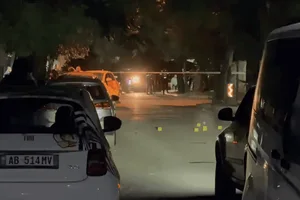
Three people were shot and wounded in Elbasan last night b...
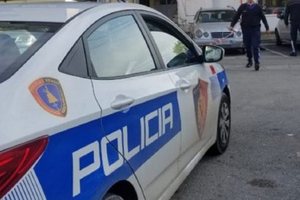
A serious incident occurred this Tuesday in the Yrshek are...
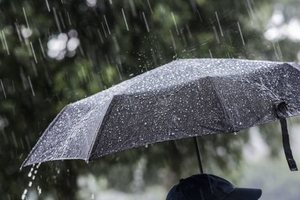
This Wednesday, our country will be under the influence of...
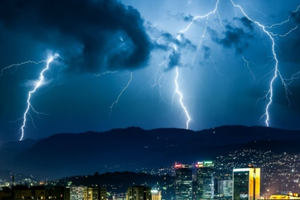
All of Southern Europe will face changing weather conditio...
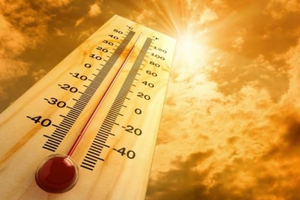
Albania was hit by temperatures significantly higher than ...

For the first time, Pogradec welcomed the Inter-Lake Chess...

Prime Minister Andy Burnham has announced that most bus fa...
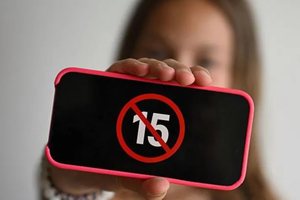
France's parliament has passed a law to ban social media f...

US Secretary of State Marco Rubio arrived in Manila on Jul...
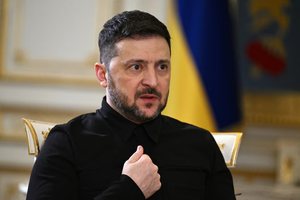
In the space of a few days, Ukrainian President Volodymyr ...

At a time when industrial products are increasingly taking...

Trust among people is not just a three-syllable word. It c...

Master of humor Todi Llupi has passed away at the age of 7...

The ninth edition of "MIK Festival" kicked off with one of...

Businesses will no longer be required to simply register t...

Despite economic growth and income in recent years, Albani...

This Wednesday, one US dollar is bought for 81.4 lek and s...

Construction company licenses will have a validity period ...