

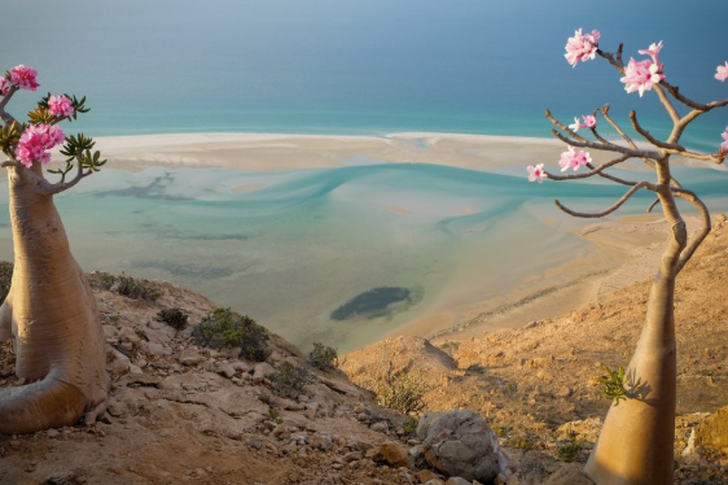
Socotra, the fabulous Yemeni island that few people know about
Socotra is a remote Yemeni island in the Indian Ocean, kno...



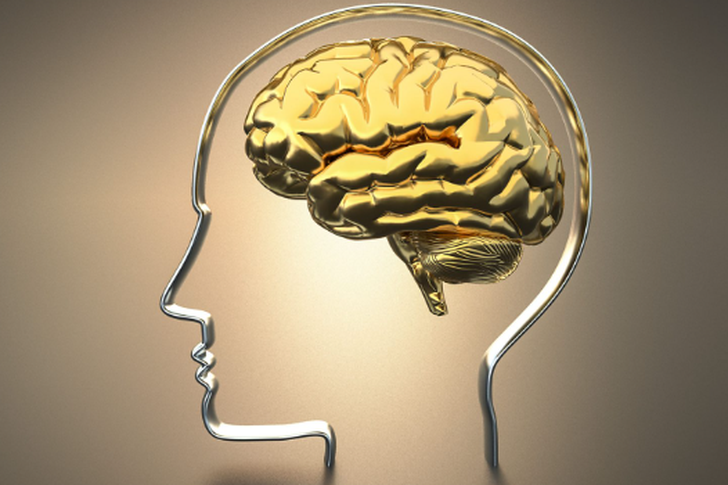
Aging is a complex biological process - it does not happen at the same speed for everyone. While some people remain mentally and physically vital well into old age, for others the early signs of aging appear much earlier. Scientists then speak of "accelerated aging". In such cases, physical and mental functions decline more quickly than previously thought. Which factors can slow down this process is one of the central questions of aging research - from nutrition and physical activity to mental engagement.
Neuroscience has long assumed that multilingualism may be one of the protective factors. Someone who regularly "switches" from one language to another trains the mechanisms of attention and control that were thought to affect aging. However, until now it was not clear whether this effect could actually be measurably reflected in biological aging.
A large new study now provides clear evidence for the first time that people who speak more than one language actually age more slowly. To confirm the link between multilingualism and slower aging, the research team also took into account other factors that influence aging, such as education, physical activity and social influences.
Health data from 27 European countries
The study confirms what has long been assumed in aging research. This is also the opinion of the Secretary General of the German Society for Neurology, Peter Berlit, who told dpa: "This study confirms other smaller studies, which have shown that multilingualism is clearly a protective factor against dementia."
The new study, conducted at Trinity College Dublin and published in the journal Nature Ageing, involved Agustín Ibanez's research team analyzing health data from more than 86,000 people across the 27 EU countries.
The scientists were interested in whether the aging process in multilingual people differed measurably from that of monolinguals. For each person, they calculated what they called their "biobehavioral age" - a measure of how much their physical, mental and social functions had already changed.
The results showed that people who regularly use multiple languages ??show signs of accelerated aging significantly less often. This relationship remained stable even when other factors, such as education, income or air quality, were taken into account.
The more languages, the greater the effect.
It is particularly interesting that the protective effect depends on the “dose.” Thus, people who speak two or more languages ??age significantly more slowly than those who speak only one language.
Exactly how multilingualism makes the body more resistant to aging is still not entirely clear. Researchers think that constantly "switching" between languages ??is a kind of "brain training" that keeps important cognitive networks active. According to the research team, this strengthens our cognitive reserve - the brain's ability to protect itself from damage, for example in old age.
However, the question remains, at what point does multilingualism affect aging?
Michael Wagner, a professor at the University of Bonn, found evidence of the protective effect of multilingualism in a study two years ago with his colleague Elizabeth Kuhn. He emphasized in an interview: "Those who after retirement start some course to protect themselves from dementia - they probably won't succeed." At that point, he says, it's probably too late. But in any case, it is beneficial for older people to continue using the languages ??they have learned before and to remain mentally and physically active.
In future studies, the research team plans to examine in more detail when and how multilingualism affects aging - and whether it depends on the age at which the language was learned, or on the level of proficiency in each language./DW

Socotra is a remote Yemeni island in the Indian Ocean, kno...

A rare 9.51-carat blue diamond is expected to sell for up ...
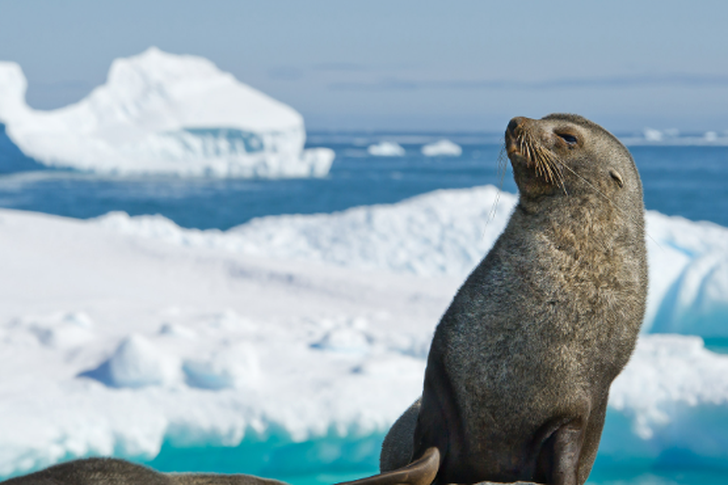
Scientists warn that seals have been devastated by bird fl...

The Channel 4 documentary, "Hitler's DNA: A Dictator's Pla...
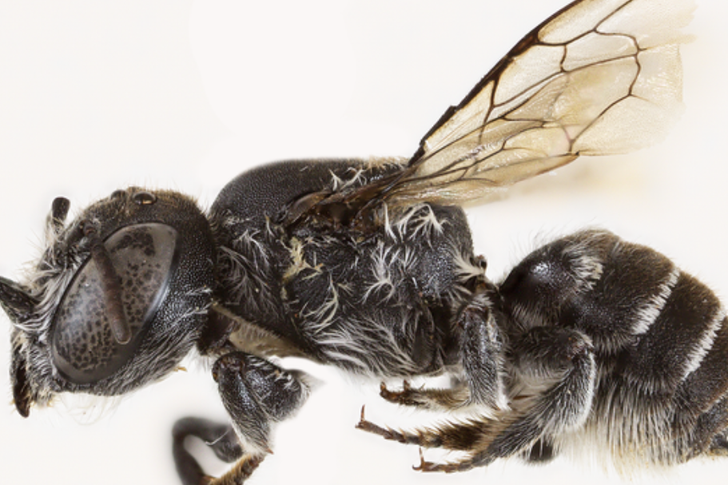
Australia now has a scary new creature: a horned "lucifer"...

Deep-sea mining waste could disrupt marine food chains and...
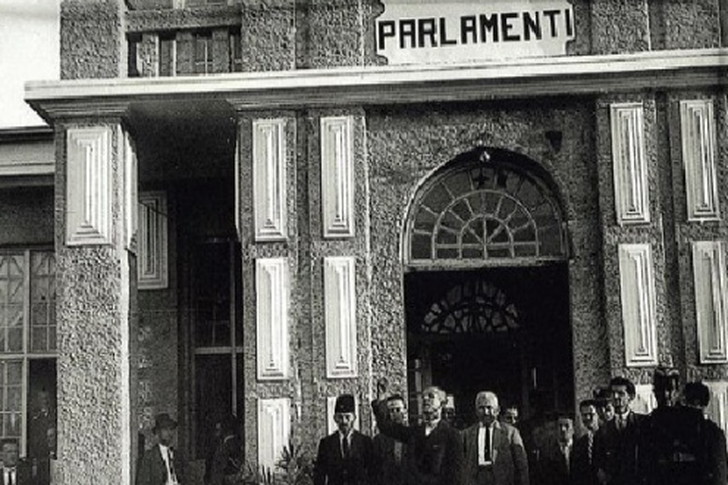
From 1912 to the present, Albania has had prime ministers ...

Only one European country ranked in the top 10 of the 2025...
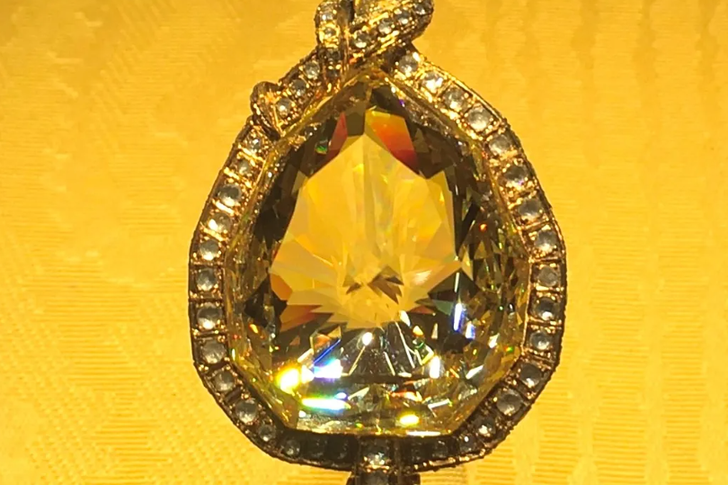
The legendary "Fiorentin" diamond, a 137-carat yellow jewe...

This November's full moon will also be a supermoon called ...

A zebra with rare and unique spots was spotted in the Masa...
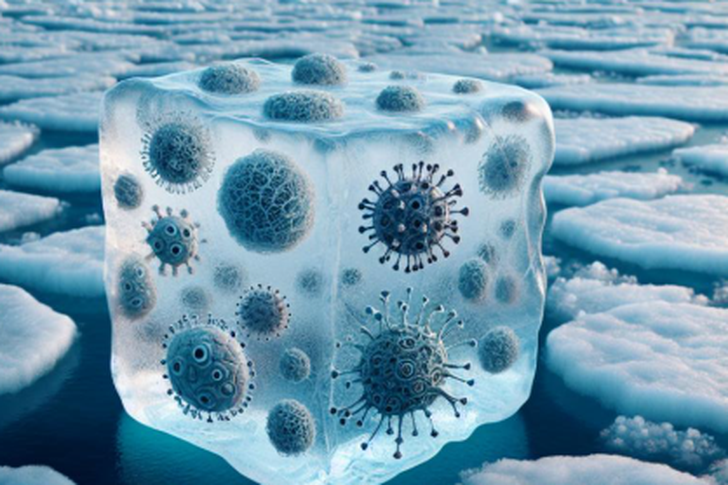
A team of biologists and geologists have revived organisms...
Shumica prej nesh e trembin idenë e plakjes, por hulumtime...

A group of students spent their summer vacation in a Swiss...

Hundreds of millions of red crabs have blocked roads as th...
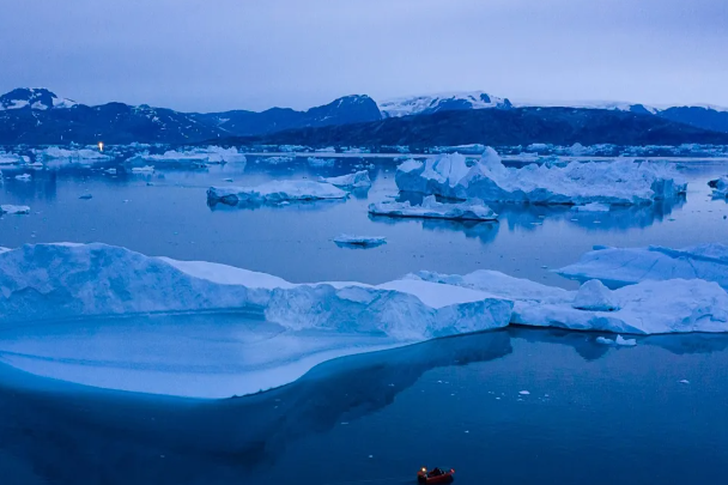
Melting glaciers and thermal expansion are driving the 'ac...

The rabbit is a herbivorous mammal, feeding on grass, leav...
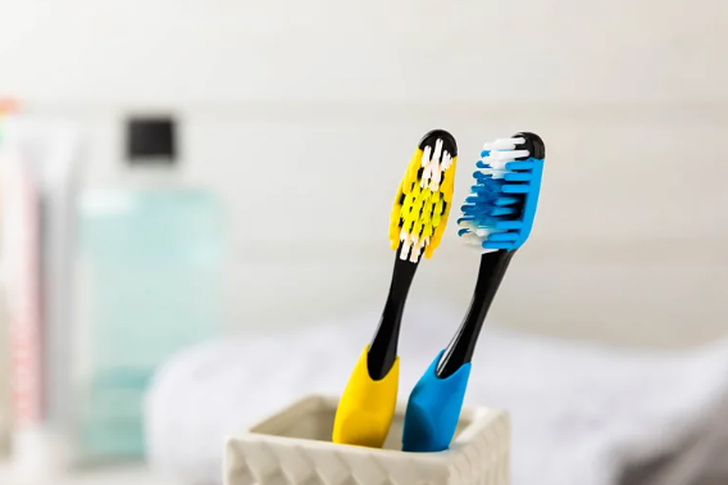
A toothbrush can be home to between 1 and 12 million bacte...

A robbery at the Louvre Museum in Paris made headlines aro...
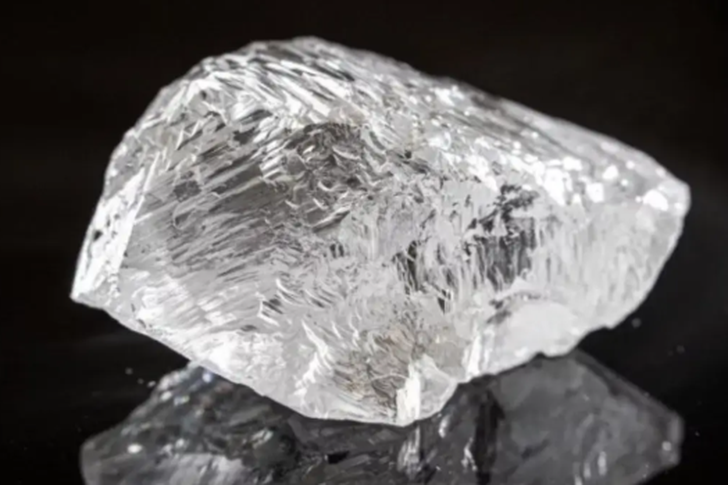
A high-quality diamond weighing 340 carats has been uneart...

CNA has launched another investigation that could lead to ...

Irfan Hysenbelliu is a businessman that we call "Irfan the...

In March 2026, CNA launched another investigation centered...
The arrested mayor of Tirana, Erion Veliaj, with 13 charge...

The Special Board of Appeal (KPA) decided this Monday ...

The KPA vetting decided this Thursday to dismiss the p...

Suela Salavaçi, a prosecutor in the Prosecutor's Offic...

The Special Board of Appeal reinstated the prosecutor ...

A serious incident occurred this Tuesday in the Yrshek are...

An accident occurred this Tuesday on "Dituria" street in K...

A tourist has lost her life on Orikum beach, where she was...

Two people were arrested and two others were prosecuted af...

All of Southern Europe will face changing weather conditio...
Albania was hit by temperatures significantly higher than ...

For the first time, Pogradec welcomed the Inter-Lake Chess...

Albania has achieved a record for the employment of foreig...

An operation led by Europol, through authorities in severa...

US President Donald Trump hosted the Lebanese president at...
The European Union has criticized the decision of the acti...
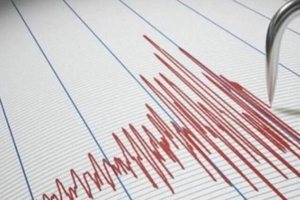
An earthquake measuring 5.0 on the Richter scale struck so...

At a time when industrial products are increasingly taking...

Trust among people is not just a three-syllable word. It c...

Master of humor Todi Llupi has passed away at the age of 7...

The ninth edition of "MIK Festival" kicked off with one of...

The Centralized Purchasing Operator recently opened a tend...
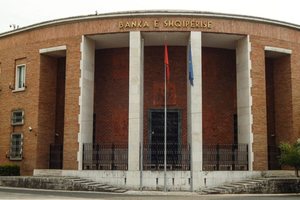
The new draft law "On the Bank of Albania" provides that t...

This Tuesday, one US dollar is bought for 81.2 lek and sol...
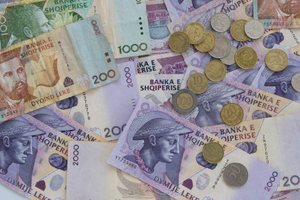
Deputy Minister of Economy and Innovation, Enkelejd Musabe...