

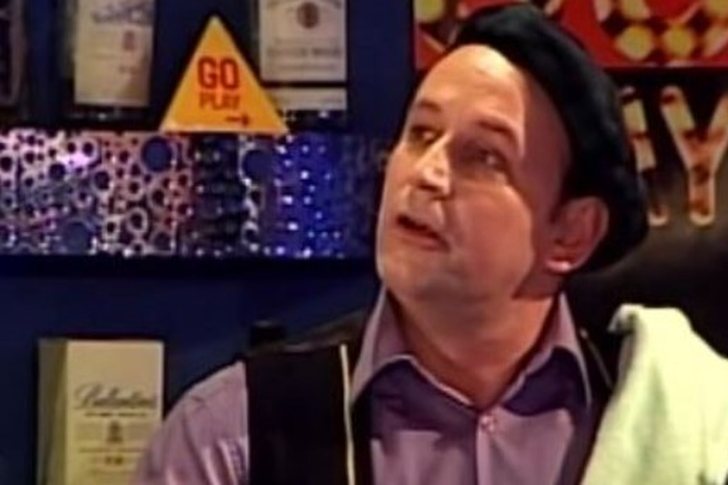
Over 100 roles on screen and in theater/ Arben Dervishi's long career
Renowned comedian Arben Dervishi has made an extraordinary...


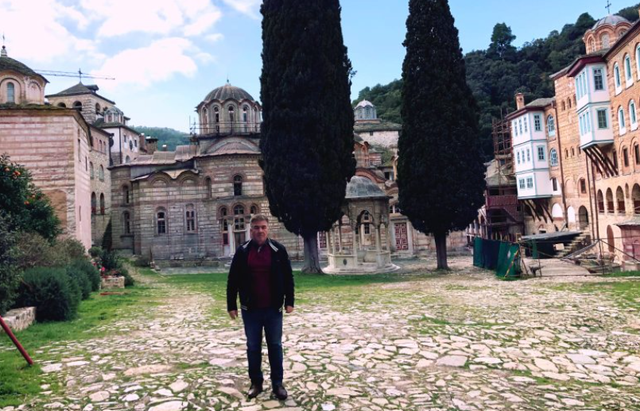
“Here rests the servant of God Reposhi, Duke Illyrian, year 6939” (year 1431)
This expression is written on a fresco in the Church of the Monastery of Hilandar on the Holy Mountain in Greece, below the stone wall, where, according to old documents, Reposh Kastrioti, son of John and brother of Skanderbeg, is buried.
I had learned this fact for years, and in my mind, that place seemed to be calling me there to bring it out of the forsaken silence of its patriots.
And I went, not just out of curiosity, and not just to see...
It was early March 2026.
After many phone attempts and failures to contact the monastery's leaders, the lucky day finally came.
Journey through the twilight of history
The Holy Mountain is the third leg of the Halkidiki peninsula east of Thessaloniki, which consists of 20 monasteries of the Orthodox Christian faith, and has the status of an autonomous province from the Greek state, with complete administrative and religious freedom.
Entry is only permitted with special permission from the authorities of the Holy Mountain, and only for men. Women are prohibited from entering so as not to disturb the monks' spiritual connection and their devotion to the higher world.
The rules in monasteries are very strict.
It's a different world, a different climate, a different code of conduct and communication.
And this becomes all the more difficult for a researcher who aims to look beyond what is visible, and which is found in parchments and historical relics over a thousand years old, buried underground, walled up in cold walls, painted or engraved in numerous frescoes and inscriptions.
While I was invited by the Abbot of another monastery, I was preparing to visit the Hilandar Monastery where Reposh's tomb was located. From my research in Serbian, Greek, American and Russian archives, I had sketched in my mind the church where Reposh's body rested, the entrance, the wing and the place where the fresco above his tomb was located.
That Sunday in March, we left at dawn from the monastery where I, Kosta, and his brother Dhimos, a resident of the Holy Mountain for 30 years, were staying.
In complete conspiracy, influenced by the lack of communication with the monastery and what the monks had told us that they there in Hilandar were not approachable.
Especially if you are Albanian, you cannot predict their reaction, our generous companion, Dhimos, had told me.
The difficult road of stones, dirt, and mud, between endless hills, even encountering a checkpoint with a guard, who luckily our companion knew, telling him that we were going to another monastery, not Hilandar.
Mysticism was present everywhere, in the souls and minds of people.
The day began to dawn, and after about two hours we saw the Hilandar Monastery below the hills.
The long-awaited clock was knocking on my being...
Outside the monastery we see a Greek police car parked.
- The monastery is Serbian, said Dhimos, and is guarded and secured by the Greek police.
After we passed the monastery entrance, the church appeared before us. We went inside.
Dozens of Serbian monks, believers, and pilgrims filled the monastery church. Only the voice of the priest and the chanters in Serbian could be heard.
Kosta and I, both short in stature before the tall Serbs, silent, frozen in a cold freeze.
Kosta looked at me in surprise and said in Greek
– these people seem to be going to war...!!!
Our Balkan psychology is extremely loaded, to the point of uncertainty. I did not understand the Slavonic language of the Mass, while many thoughts were coming to my head.
Ultimately I was here to respect this country, its people, and their faith.
I was among them, but apparently not one of them... Maybe it was the burden of my and Kosta's prejudice. Before God we are all the same.
In a corner I see the silver sarcophagus of Saint Simeon (Stefan Nemanja). I ask the monk next to me:
- Saint Simenon?
He nodded. But after a while he turned to me with his sharp gaze under his myopic glasses and asked me in broken Greek:
- Are you Greek?
- Yes, I tell him.
- One hundred percent Greek (ekaton tis ekato elinas)? (Dhimos had told me that the monks here do not want Albanians to come, for fear of causing conflicts)
- We are one hundred percent God's alone, I tell him (ekaton tis ekaton imaste mono tu Kiriu).
He lowered his head. Maybe he thought that only a believer could answer him like that...
Pushing through the crowd to find the fresco with the inscription, I see a Greek policeman in front of me.
I spoke to him, as if to tell him that we are here too...
The mass was over, and the people were thinning out. I couldn't find the fresco of Reposh, as I had pictured it in my mind.
Everywhere I looked around, I met the gaze of monks sitting around the walls.
I turn my head, and suddenly there in the corner below the windows I notice my fresco under the large windows. My view was being dazzled by the rays of light coming from the windows or emanating from Reposhi's tomb... ?! I took a quick photo.
It seemed to me that everyone was looking at me. I called Kosta and told him;
– take a picture of me at the entrance to the church.
As soon as Kosta took the first photo, a monk appeared and said to me in English:
- Shut the damn thing up!
- Of course, I told him, but I took a picture of the entrance to the Church.
And I showed him the picture on my cell phone.
- Delete it! (Delete it).
Without even looking at the monk, who was probably right according to the monastic rules, I ruined the last photo.
- Let's go, Kosta tells me. We don't have to stay here anymore.
As the monks and pilgrims were leaving and ascending to the breakfast hall, we went outside photographing and videotaping the interior of the monastery around the Church.
Outside the monastery, Dhimos was waiting for us in the car, ready to leave.
Makina po ngjitej rrugës së kthimit dhe unë isha akoma i ngrirë, i murosur si Reposhi atje nën mur.
Reposhi më kishe marrë me vete në murosjen e tij, ndërkohë që unë vajta të nxjerr Reposhin e Kastriotëve nga murosja e harresës historike.
Historia që flet nga varri...
I kredhur ashtu në në vorbullën e përjetimeve i them Dhimos të ndaloj pak makinën. Diku këtu pranë janë rrënojat e Kullës Shqiptare (arbanskij pirg – shkruhet në dokumentat e kohës. Bile një pikturë e Hilandarit e vitit 1757, që gjendet në Rusi përfshin edhe Kullën shqiptare.
Qëndroj dhe eci pak, aty ku kishte shkelur këmba e Kastriotëve...
Ekzistojnë dy marrëveshje të viteve 1426 midis Manastirit të Hilandarit dhe Gjon Kastriotit, ku dëshmohet blerja e Kullës me tokat përreth, vreshta ullinj etj. prej Gjon Kastriotit dhe e djemve të tij për përdorim sa të ishin gjallë, (adhelfate, quheshin atëhere).
Në njërin prej dy marrëveshjeve shkruhet se Gjoni me djemtë e tij i japin Manastirit 60 floriane dhe të ardhurat e dy fshatrave në afërsi të Dibrës Radostushe dhe Trebishtë si edhe të Kishës së Shën Marisë atje.
Në ato kohë kur Ballkani po ziente nga turbullirat dhe ndryshimet historike me pushtimet otomane, dhe kur shteti serb pothuajse ishte shbërë. Manastiri i Hilandarit kishe mbetur pa mbështetje ekonomike nga serbët dhe bujarët e tjerë ballkanikë, si ata të Vallhisë etj.
Duket se Gjon Kastrioti i Arbërisë ishte kthyer në atë kohë në një nga donatorët kryesorë të manastirit me ndihma ekonomike, ndoshta edhe me mbrojtje ushtarake.
Në dokumentat e Hilandarit, kopjet e të cilave gjenden në një Universitetet përtej oqeanit, janë lista e ktitorëve (donatorë, mbështetës, ruajtës) të Manastirit të Hilandarit.
Ktitorët në Mesjetë ishin persona shumë të rëndësishëm dhe të respektuar përjetësisht prej manastireve që ata kishin ndihmuar.
Mes personave kryesorë që janë në listën e ktitorëve të Manastirit të Hilandarit, janë edhe Gjon (Ioan) dhe Reposh Kastrioti, (si edhe dy shqiptarëve të tjerë të pa njohur deri tani).
Dhe sipas rregullit të Kishës, emrat e tyre duhet të përmenden në çdo Meshë të shtunave përjetësisht.
Varri i Reposhit në Kishën e një prej manastireve më të rëndësishëm të Malit të Shenjtë, dhe shënimi në afresk se këtu prehet shërbëtor i Zotit, Reposhi, Duka iIir në vtin 1431 (6939), është një dëshmi e pozitës së tij në atë kohë. Termi “Duk” ishte i më shumë i përdorur në botën latine si edhe në zonën ku takoheshin të dy ritet e Krishtërimit, dhe shprehte më shumë administratorin e një vendit, dhe veçanërisht atë ushtarak.
Mbetet për të hulumtuar në arkivat e Hilandarit, të Rusisë dhe Amerikës për jetën dhe lidhjet e Reposhit me manastirin historik, që siç duket kanë qenë të rëndësishme.
Although this monastery was called Serbian from 1198 until today, although its role with Saint Sava, etc., is fundamental in the spiritual, national and political formation of Serbs, it must be said that in the Monasteries of the Holy Mountain 5 centuries ago, ethnic origin was not primary in their functioning, but dedication to God and the Orthodox Christian faith.
The Monastery of Hilandar was also home to major benefactors, including nobles from Wallachia, Bulgarians, Russians, etc. Even at the end of the 19th century, the Serbian king, during his visit, did not find a single Serbian monk in this monastery.
In this context, the presence of the Kastriot family and other founders of Albanian descent there should also be considered.
We do not know when and who wrote this sentence on Reposh's grave, but it is important that it has been preserved to this day.
This inscription, more than a tomb epitaph, testifies to the life, spiritual status, activity and position in the Balkans of the Middle Ages of the noble Arbëro family of the Kastriots.
The name Illyrian ethnicity and the year of death are data with fundamental historical value. The term "Illyrian Duke" constitutes clear evidence that Reposh was not considered Serbian by the monks there themselves, but Illyrian.
By bringing together all the pieces of historical evidence, the Illyrian Duke, son of John Kastriot (Ioan), co-owner of the Albanian Tower, brother of Skanderbeg, the Arbër leader, a clear mosaic of historical dimensions is formed in the sense of opening a new, unstudied chapter of the connections of the Kastriots' door with the Orthodox spiritual world of the Balkans.
The Kastriots were not only legendary warriors, but also missionaries of the spiritual world.
They were equal members of the other Balkan nobles in the world at that time.
Perhaps unfortunately for the Albanians, it was a time when the embryo of Albanian ethnogenesis was walled off without developing further in its natural process...
Now the path back to the monastery where we were taking shelter was easier, where it seemed to me that the daylight was strengthened by the light we took with us from the tomb of Reposh.
History was opening the tombstones, emerging from the centuries-old walls to appear as it was, not as myth, but as light.
This still requires research, the breaking down of walls, and the illumination of the truth.
Light from our past, which can serve the future....

Renowned comedian Arben Dervishi has made an extraordinary...
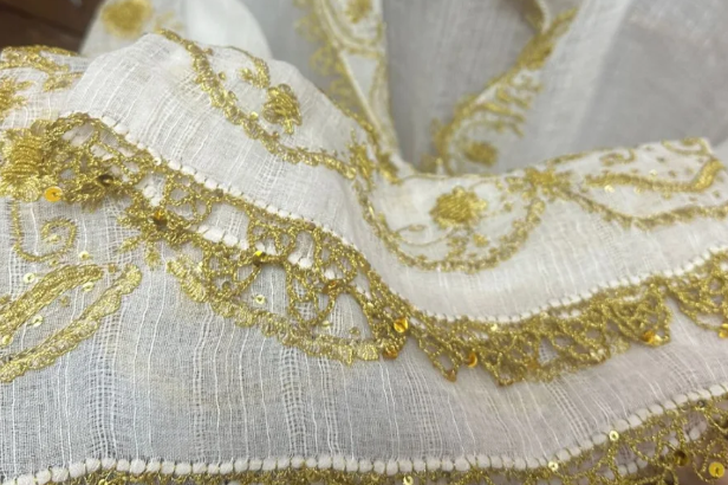
Ojnat, the refined art of crochet and needlework in the Al...
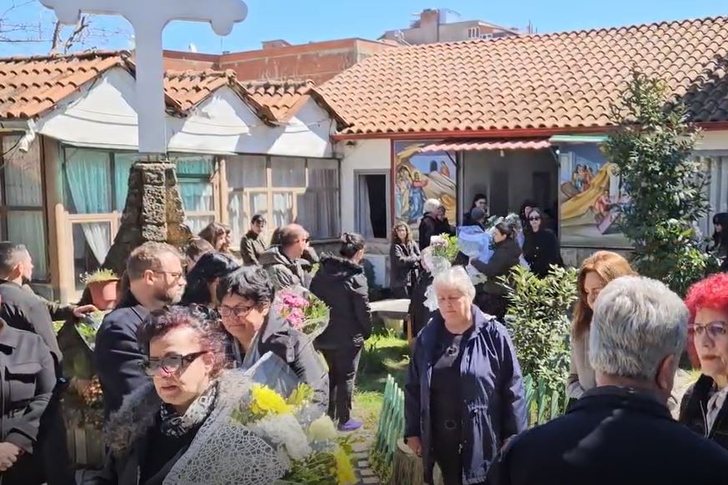
Amidst pain and respect, family, relatives, friends and co...
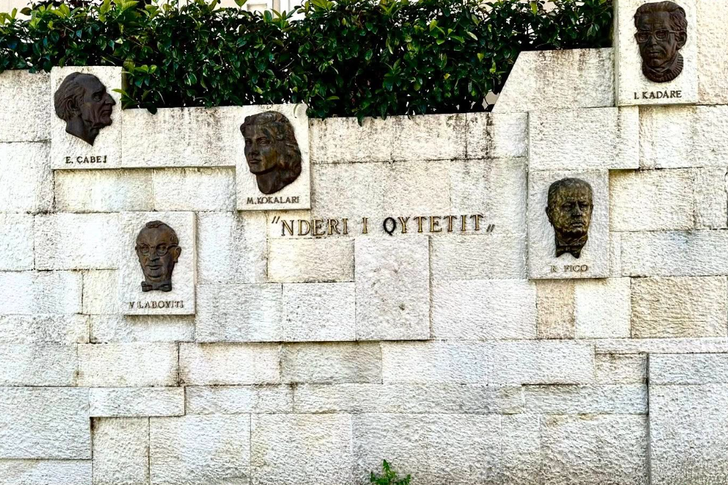
By Luan Rama After the castle, under whose shadow the cit...
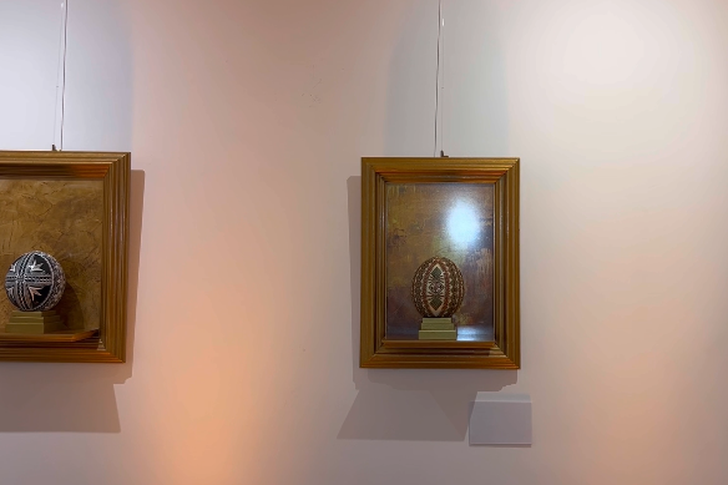
The first international Easter egg decoration exhibition h...
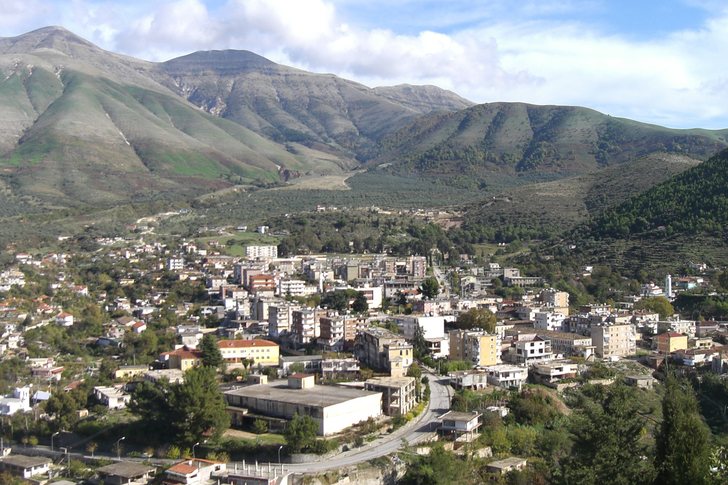
The National Council for Material Cultural Heritage has de...
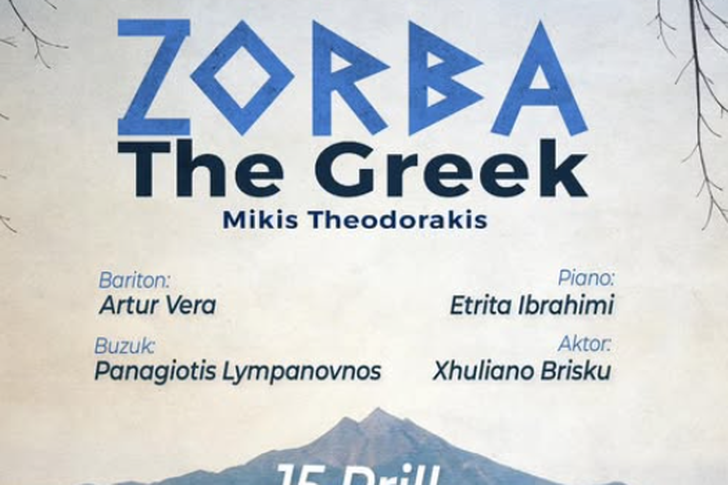
"Zorba -The Greek", this is the title of a special concert...

The Council of Ministers has decided at today's meeting to...

The documentary "Nikolla i zemrës së Tiranës" (Nikolla of ...

In the history of contemporary literature and theater, we ...

Today marks the 127th anniversary of the birth of the reno...

A court decision in 1948 banned a number of works by Alban...

The German Embassy in Tirana has announced that on Friday,...

UNESCO has designated Medellin, Colombia, as the World Boo...

The Bylis-Klos archaeological site is known as one of the ...

I don't know what dessert is served for Eid lunch, but my ...

14 Marsi është një ditë e veçantë në Shqipëri, pasi sot fe...

Xhevahir Zeneli is atypical. A silhouette that never refus...

Legendary folk singer Gëzim Nika will bring "Me zanin e bj...

The “Nikolet Vasia” Visual Art Gallery in Durrës has opene...

Irfan Hysenbelliu is a businessman that we call "Irfan the...

In March 2026, CNA launched another investigation centered...
The arrested mayor of Tirana, Erion Veliaj, with 13 charge...
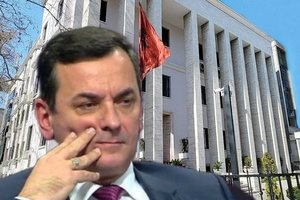
CNA has uncovered the tentacles of the head of the Supreme...

The Special Board of Appeal (KPA) decided this Monday ...

The KPA vetting decided this Thursday to dismiss the p...

Suela Salavaçi, a prosecutor in the Prosecutor's Offic...

The Special Board of Appeal reinstated the prosecutor ...
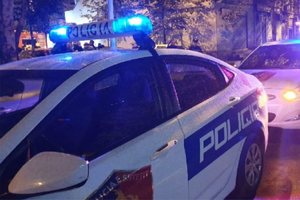
New details are being learned regarding the incident that ...
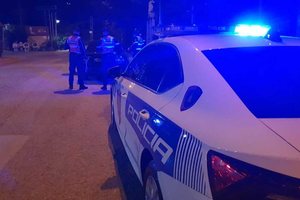
Several gunshots were reported this evening in Elbasan. T...
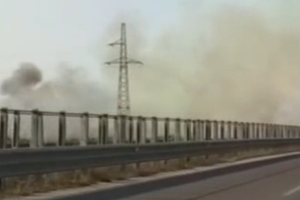
A section of the Fier-Vlora highway was engulfed in flames...
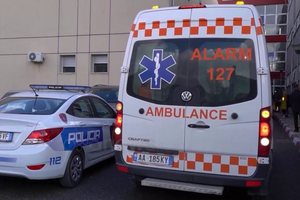
A road accident occurred this Monday near Gramsh. As repo...
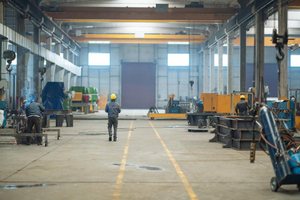
Albania has achieved a record for the employment of foreig...
Today our country will be under the influence of relativel...
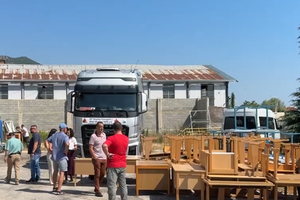
Another humanitarian aid shipment from Germany has arrived...
Residents of the village of Memëlisht in the Municipality ...
United States President Donald Trump has imposed 50% tarif...

US President Donald Trump responded with harsh rhetoric to...
US President Donald Trump said on Monday that Israeli Prim...
Hungary's Prime Minister, Péter Magyar, took many people b...

At a time when industrial products are increasingly taking...

Trust among people is not just a three-syllable word. It c...
Master of humor Todi Llupi has passed away at the age of 7...
The ninth edition of "MIK Festival" kicked off with one of...
This Tuesday, one US dollar is bought for 81.2 lek and sol...
Deputy Minister of Economy and Innovation, Enkelejd Musabe...
This Monday, one US dollar is bought for 81 lek and sold f...
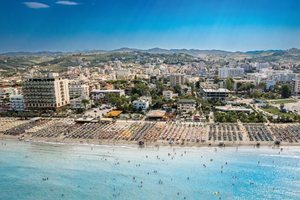
In Golem and Durrës, the season seems dynamic: buses with ...