

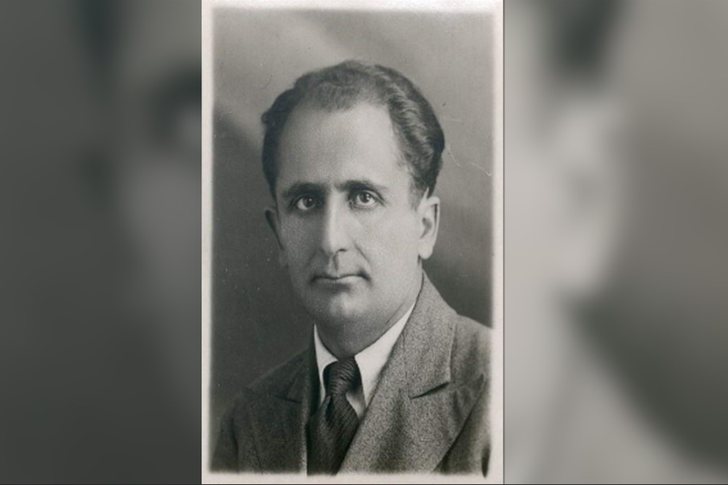
"Llazar (Zai) Fundo" Square/ It is proposed to raise the bust of the intellectual
On October 31, this year, which coincides with the 80t...


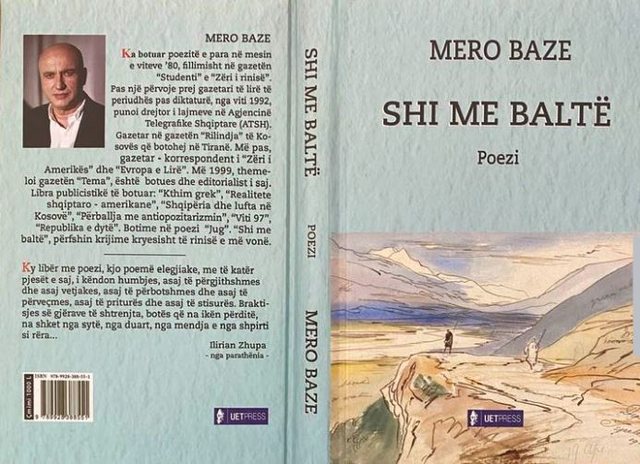
THE MERO BASIC MANUAL FOR LOVE
A tribal sorrow, a heartbreaking nostalgia, many poems of abandonment, loss and haunting, like an elegiac symphony for yourself, within yourself, from yourself and of course... for us too.
This was the feeling I had from the first reading of this poetic collection. Then, this feeling is strengthened and extracted from the reverberations and losses of the rereading of four cycles of poems that, like the four sides of the horizon, show different views and times of the same poetic world that tends to ignite the metaphorical flame of artistic experiences and emotions in each of them. us.
Mero Baze started the path of poetry early. Poetry was the first candle that lit the paths to the great forest of words. With these words, he beat numerous writing, journalism, analysis and controversy, memoirs and historiography, but apparently,
the "first Republic" and the last word for him, was and remains poetry.
I remember the block of poems that my fellow patriot, a geology-mining student, brought to the newspaper "Zëri i rinija" to read together. They smelled of lush nature, the breeze and the humidity of the South. He published only a few of them, then kept silent for a long time, to appear ten years ago with the book titled "South" and today, almost forty years after that meeting, with the almost anthological book of poetry "Muddy Rain".
Before the four cycles that make up this book, like a shocking testament, is the ballad "Atdheu". Not the one we have, but the Motherland that poets love and poets are not allowed: beautiful, tall, heroic, faceless as a rock, noble, honest, wise, patriotic.
But in fact, says the author, the truth of the motherland is different and the poets cover this truth with their veil of love. The Motherland like a crippled horse, "pulls the cart of troubles every day", boatmen tear the seas, sons get lost in drug houses and leave "Mothers in black scarves drowned in the sun..." The appearance of the Motherland changes and is embellished with the money earned without work, the people his "swallow tears in front of the truths", grandmothers no longer have grandchildren to tell them fairy tales, many writers and public figures become rich from garbage and not from books, etc., etc. Even though the
Motherland "has towers, cars and treasures,
it unfolds and shows the unwashed shirt."
This brassy, ??strong, open, whipping articulation is one of the rare cases in Albanian poetry. The journalist, the polemicist, the indefatigable analyst who daily faces the bare truths, in this poem is defeated, he gives justice to the silent and withdrawn poet that he has inside himself, despite the fact that he rhetorically says:
"Don't believe the poets who sing Albania
is no longer the Motherland that made us cry.
We are very similar to him even though we don't know,
Did we kill him or did he kill us..."
A clear, almost eternal appeal that has been engraved by Naimi, Konica, Fishta, etc.
This book of poems, this elegiac poem, with its four parts, sings of loss, of the general and the personal, of the universal and of the separate, of the waiting and of the creation. Abandoning expensive things, the world that escapes us every day, slips from our eyes, hands, mind and soul like sand...
The four cycles, like four arches of a bridge, seek to carry childhood with the things of of her saints, the time we lived with her privations and endurance, the sad death that takes us from the hands and eyes of the dearest people and the love that makes us remain until the last breath as "The forest that waits for the birds come (again)..."
In the poems of this book, under the grace of words and my sad voice, it is the ember that keeps the fire of childhood burning, just as a mother keeps for her son who is far away, with persistence and concern, an ear of grapes in the garden goat's yard.
"Among the gold that autumn shakes among the trees,
...from the halved birds..."
Counting the days of returning home, she becomes a bird herself and a bird with wings to save what she can for the boy who returns on winter vacation.
Today , we have moved away from the mountain, the field, the forest, the river, the tribe, the village, the suburban city, without realizing that we are moving away from ourselves as tourists. Even when we keep all this in memory, we can never bring back the life, vitality and luxuriance that they had.
When the son takes him to the village after a long time, he no longer sees anything of what he had left and the author finds
"...early, alone on the porch,
drawing the old house with tears..."
The father, in the poem "The Last Journey", finds everything reduced and stunted and feels
guilty weightlessness
Like a branch without gravity that hangs in the air.
The suit was empty, which the father hid .
I was afraid not to take it with me again..."
Not just for the author, nor for the mother and father, but also for his sons, the birthplace it is no longer that of confessions. There are no more foxes, birds that sleep in the horns of deer, wolves tamed by a faithful dog, thrushes, waters, waterfalls, endless forests...
The birthplace he told the boys is now a big lie.
"...I lied to the boys for fear of forgetting the hometown I left as a child
And the revenge of abandonment punished me, It broke my soul like any love..."
We dwell long on the theme of childhood, because there are the keys that open the metaphorical doors of Mero Baze's poetry. Also the key to open the shell of the cycle "Voices without echo", poems written mainly in Krastë e Batër - Martanesh, on the verge and threshold of the collapse of the dictatorial theme. This handful of poems from the lives of people locked in the mountains, where "...thousands themselves breathe and under the soil...", are a tribute to the miners and political prisoners of the regime.
"It is not put here to get rich,
Although precious stones are mined daily.
Here come those who have nothing to lose;
Neither life, nor death, nor love!"
With the fall of the regime, political prisoners are released.
"Mothers no longer wait at the iron door
With hope hidden in a black slip,
Like quince that did not rot from long time
In the week of patience learned to wait." While the prisoners have fled, only the prison guards and their family members have remained in the prisons, trying to clean up everything (perhaps even the
blood stains of the crime). those who remained are afraid of Freedom..." In the single-minded Albanian and world poetry, there is more autumn, rain and mud, a lot of pain of love and separation. Thus, in the village where "I can't keep the old shelters. .."; where Trifon Xhagjikën, the author brings the stones up, to the village, so that "...To be away from the young killers, that there will be no poets..." Where Arben Runës brings the house, the books and the furniture, but you can't bring it yourself. Where friends "invent" Sokol Olldash in a different way and say: "We didn't need you much when you were among us, we need you again now that you're gone..." Where not only metaphorically, it rains mud on us and where "Freedom (has) come without bread with it." Mero Baze has a lot of love and pain in his poetry. All of them give strength and weight to the poetic word. Under their pressure, the word takes on many metaphorical meanings. Love for the self shines like the sun and sinks like the Titanic. It is young and old, dreamy and real. All love poems show a brightness and haunting of the human being, as if they are a manual of living and dead... "I walk in the park hoping that I'm alone, Without turning my head to see who is running. I know that your ghosts are around, But no one recognizes them except me... I walk like in a cemetery with graves without names of people that it is not known how they died, who they are. Maybe they say that I am their killer . And why everyone knows that they killed me..." And then, the axiomatic conclusion:
"All loves are guarded by betrayal,
As germs guard the wine in the plevica..."
Regardless of what is written in the author's official CV, anyone who will read this book of poems, apart from the artistic vision, will see it as a movie screen, sometimes in black and white and sometimes in color, the life and real interior of Mero Baze. Because poetry, this small and naïve "thing", like nature, fragile, soft, light, when it is single-minded as in this book, leads us to touch and feel the true essence of human beings. Because the essence of the survival of the world, is the survival of soft things; of grass, of tree, of bird, of algae, of touch, of waiting, of love, of birth, of death, of feeling...
Torments and summits are not eternal, countries and states disappear from the face of the earth, wars and peace is eaten, but the fragile, small one sprouts and grows even on the ruins. That inside, clear and dark, is the most serious manifestation and shelter that can be built by words for man. It is the seed-essence, and this book seeks to be the bridge that leads these unmodified seeds of life into the future.
"My coat is a torn coat
That waits for the sun to patch it with pieces of clouds.
My coat is a sweaty shirt
That gets wet and dries on the body when I wear it."
Can anything else be added or removed about our great-grandparents after these verses?
I was and am convinced that regardless of the many crafts with the word that he exercises, poetry is the "Achilles' heel" for Mero Bazen, so as it is for his fellow patriots and distinguished friends from Tepelena, Petrit Ruka, Sadik Bejko, Qazim Shemaj, etc.
August, 2024

On October 31, this year, which coincides with the 80t...

The flower stayed by the window during those few moments o...
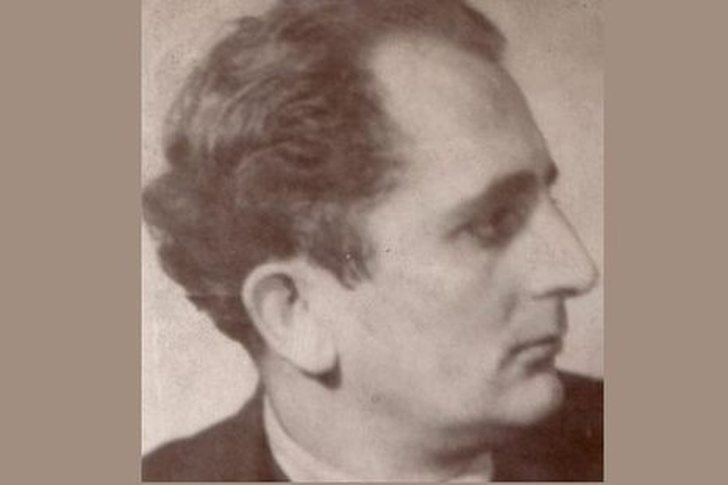
Llazar Fundo, the intellectual of Korça, one of the co...
Educator and political scientist Ermal Hasimja brings his ...
Every time I have a meeting with the publisher, I go half ...
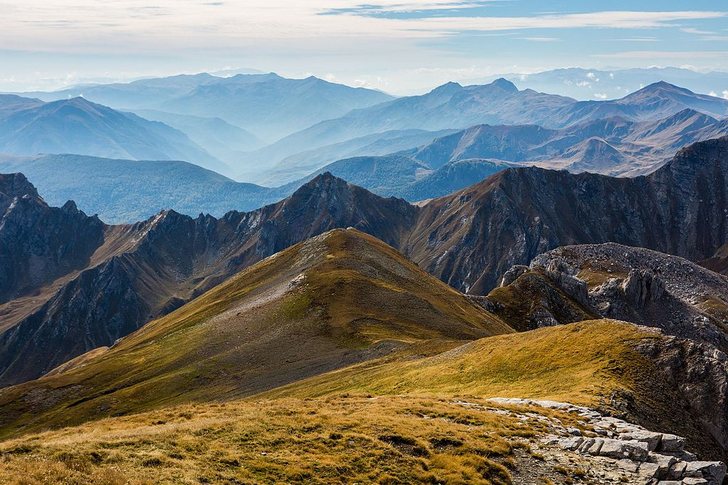
Mount Korabi is the highest mountain in Albania and one of...
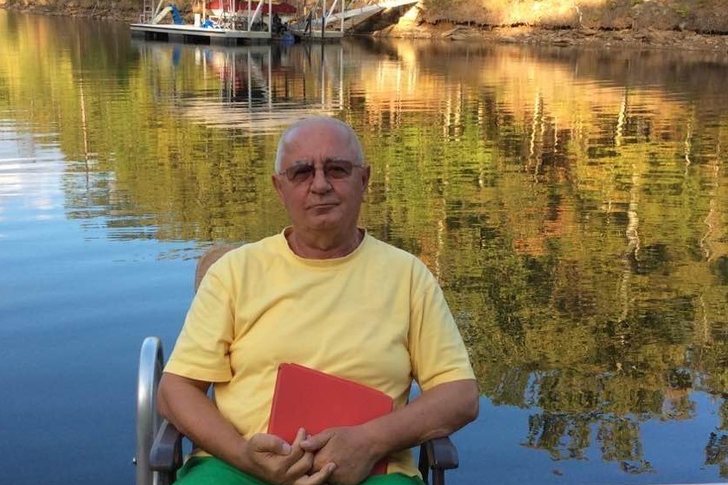
I don't know why at home I went to the little box I ha...
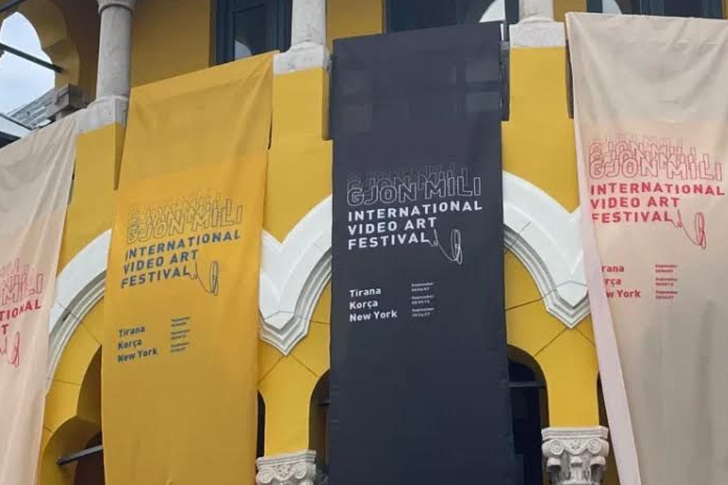
The International Video Art Festival "Gjon Mili" has attr...

It was a warm June evening. From those when you can fe...
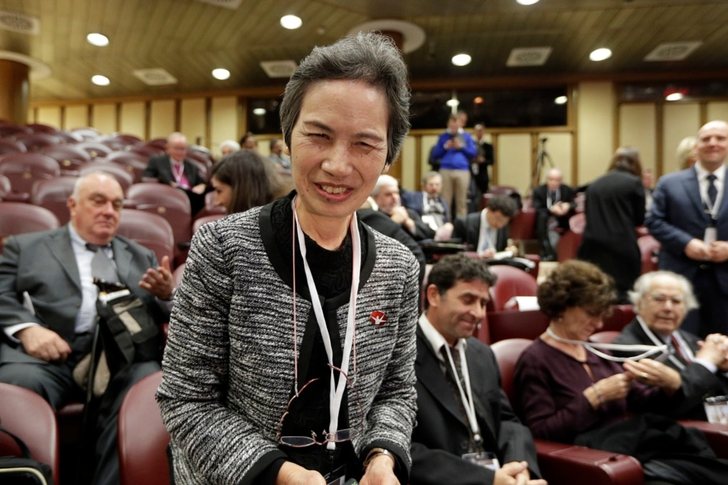
The Nobel Peace Prize this year has been awarded to the Ja...
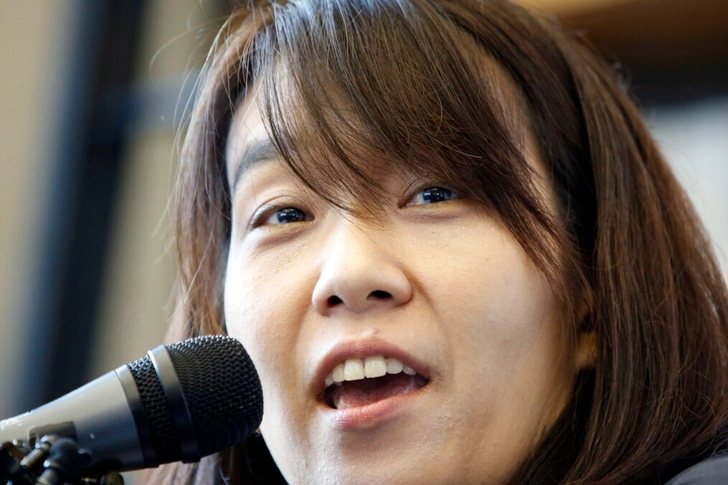
The Nobel Prize for Literature has been awarded to H...
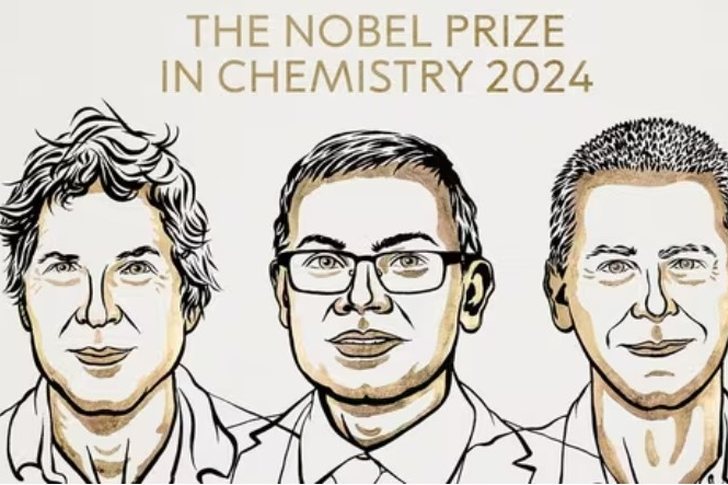
The Nobel Prize in Chemistry is divided into two parts. On...
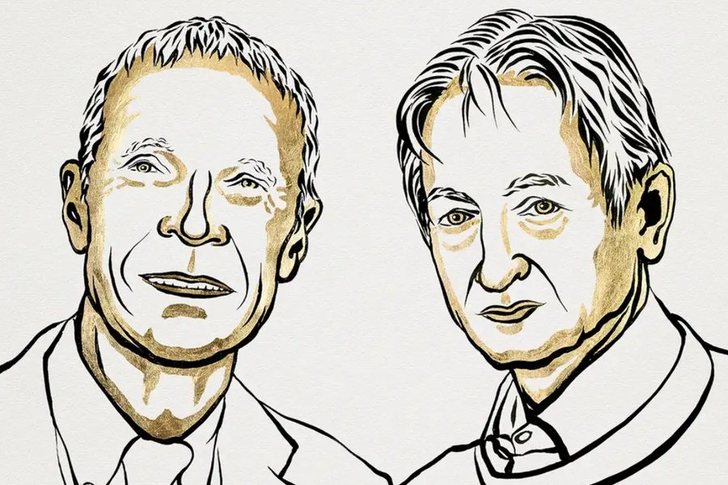
John Hopfield and Geoffrey Hinton won the 2024 Nobel P...
I was surprised when the girl at the bank teller told ...
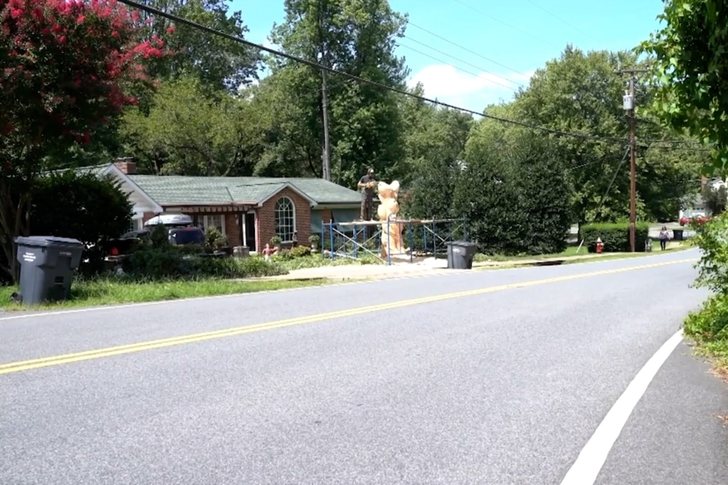
What can be called art? This is an age-old question with m...
I always fly from America to Tirana via transit in Europe....

The first episode of the long-awaited Albanian series "Pro...
We have heard legal initiatives, demands, thousands of dis...
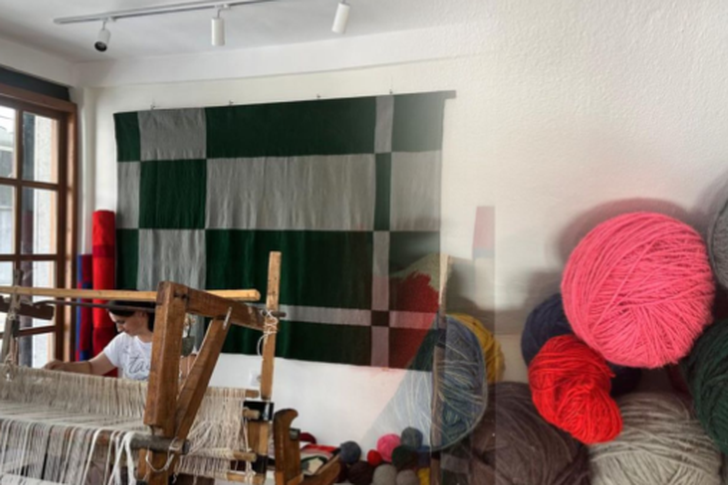
From the outside, it looked like a glass case where a cult...
He was about to lie down to sleep when he heard the ph...

CNA has launched another investigation that could lead to ...

Irfan Hysenbelliu is a businessman that we call "Irfan the...

In March 2026, CNA launched another investigation centered...
The arrested mayor of Tirana, Erion Veliaj, with 13 charge...

The Special Board of Appeal (KPA) decided this Monday ...

The KPA vetting decided this Thursday to dismiss the p...

Suela Salavaçi, a prosecutor in the Prosecutor's Offic...

The Special Board of Appeal reinstated the prosecutor ...
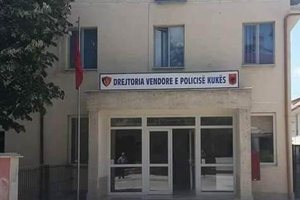
A serious incident has occurred in Morina, Kukes. Citizen...
The bad weather that swept the country on Tuesday evening ...
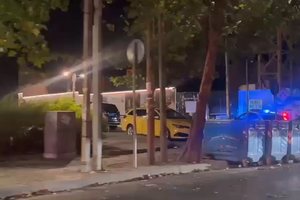
A road accident occurred this evening on Nikolla Zoraqi St...
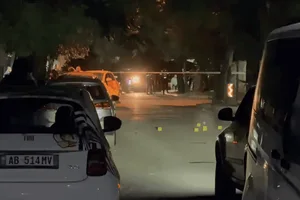
Three people were shot and wounded in Elbasan last night b...
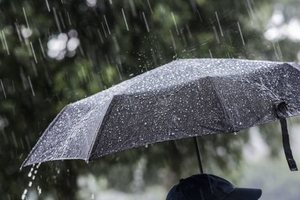
This Wednesday, our country will be under the influence of...
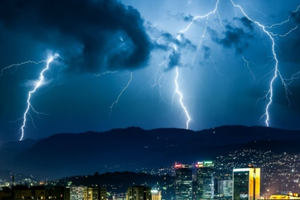
All of Southern Europe will face changing weather conditio...

Albania was hit by temperatures significantly higher than ...
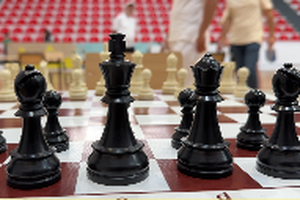
For the first time, Pogradec welcomed the Inter-Lake Chess...

Prime Minister Andy Burnham has announced that most bus fa...

France's parliament has passed a law to ban social media f...

US Secretary of State Marco Rubio arrived in Manila on Jul...

In the space of a few days, Ukrainian President Volodymyr ...

At a time when industrial products are increasingly taking...

Trust among people is not just a three-syllable word. It c...
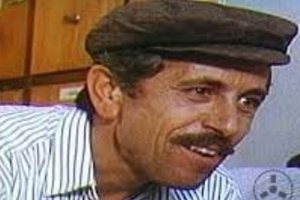
Master of humor Todi Llupi has passed away at the age of 7...
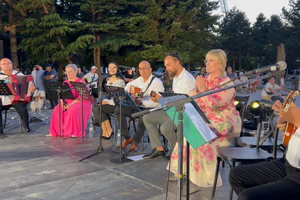
The ninth edition of "MIK Festival" kicked off with one of...

Businesses will no longer be required to simply register t...

Despite economic growth and income in recent years, Albani...

This Wednesday, one US dollar is bought for 81.4 lek and s...

Construction company licenses will have a validity period ...