

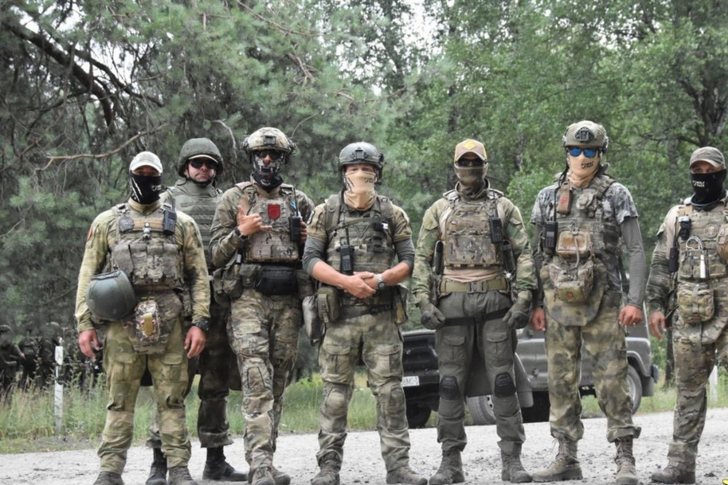
Wagner is registered in Belarus as an educational organization
The Russian mercenary group Wagner is registered in the Be...


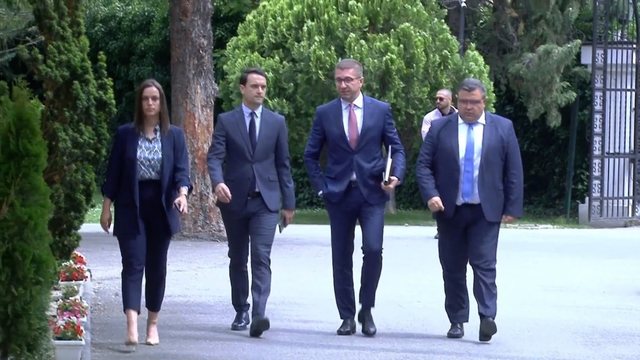
In North Macedonia, analysts believe that the constitutional changes will not be implemented until the fall, as the European Union demands. For the realization of these changes, a political consensus is needed, namely 2/3 of the votes in the parliament. However, the largest opposition party, VMRO-DPMNE, has expressed against the changes in the Constitution. Meanwhile, the process in the parliament can drag on for months, analysts say. The session of the parliament is scheduled for this Friday.
As the parliamentary session on constitutional changes approaches, the Macedonian opposition - without whose votes the changes cannot be approved - continues to oppose support for a revision of the constitution whose preamble would include the Bulgarian minority and four other minorities.
The Professor of Constitutional Law, Mersim Maksuti, says that the plenary session of the Parliament must gather two thirds of the legislators to give the green light to the start of the debate on the constitutional changes.
He explains to the Voice of America other procedures related to the initiative for constitutional changes that are being made to include the Bulgarian minority as a condition for the continuation of North Macedonia's talks with the European Union to join.
"According to the procedure, it is foreseen that the debate will last 10 days and the vote will be taken with 2/3s, and the procedure for amending the Constitution will now officially begin. Within ten days, if no consensus is reached, what will happen to the vote? Will it be pushed further? The work regulations of the assembly do not foresee this situation. With the very fact that I do not foresee it, my conviction is that the voting can last even after 10 days, for the reason that the official procedure according to the constitution and work regulations starts from the moment when 2/3 of the parliament has voted to start the procedure . And from this moment, the constitutional and legal deadlines for the extension of the procedure for amending the constitution begin", he emphasizes.
Analyst Mersel Bilalli does not see clear signals regarding the next steps of VMRO-DPMNE in the parliament, while he sees the problem in the internal functioning of the party.
Mr. Bilalli estimates that in VMRO there are currents with pro-Eastern and pro-Russian views but also a pro-Western current and that eventual pressures from outside and the internal reality of the country may force the party to vote for the necessary constitutional changes.
"This party, objectively, that is, has continuously blocked the Euro-integration processes. If we go back to 2008, when there was the Bucharest Summit for membership in NATO, only one addition was needed to the name Republic of Macedonia - Skopje, so that the country could be included in NATO and probably within 4-5 years also in the European Union". says the analyst.
Mr. Maksuti emphasizes that VMRO's fluctuating positions will hardly enable political consensus regarding the implementation of constitutional changes, when it is known that this party only a month or so ago agreed to support these changes on the condition of leaving the Democratic Union government for Integration.
Analysts say that VMRO's only goal is early elections or that the country would face serious consequences if the condition set by the EU is not met:
"For me, it would be rational to have constitutional changes before the New Year, otherwise I believe that there could be serious turbulence in the political spectrum of Macedonia", says Mr. Bilal.
"I am convinced that VMRO's main goal is to lead the country to early elections, knowing that on the ground, among the voters, it enjoys greater support, it is likely that it will also take power", emphasizes Mr. Maksuti.
Meanwhile, opposition leader Hristijan Mickovski accuses the government of making these changes according to Bulgarian diktat.
"The constitutional changes under the Bulgarian diktat and the way the proposal is submitted to the parliament are not acceptable, while the text prepared by the government is completely meaningless," says the VMRO president.
Meanwhile, the Prime Minister and chairman of the Social Democratic League, Dimitar Kovacevski hopes that the deputies will have vision, virtues and courage to take a decision that would mean European integration for North Macedonia and well-being for the country's citizens.
The parliamentary majority counts on the support of the Albanian opposition parties, while hinting that seven or eight VMRO legislators are needed to reach two-thirds of the votes, out of 120 in the parliament./ VOA

The Russian mercenary group Wagner is registered in the Be...
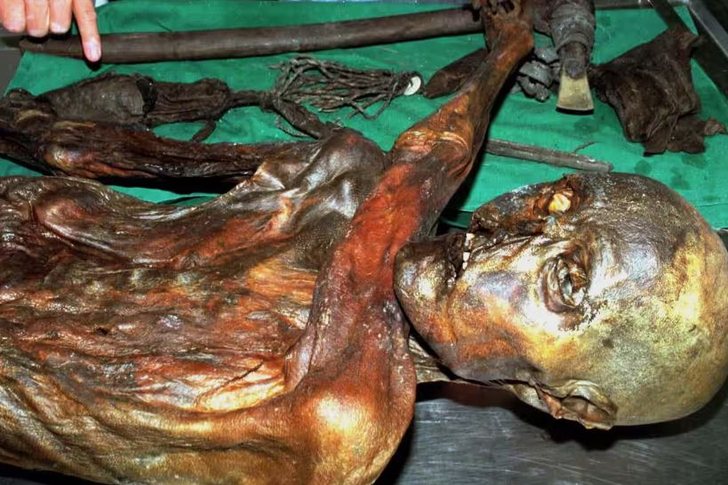
Genome analysis has revealed new physical details of the m...

Work to exhume the bodies of some 46 German soldiers captu...
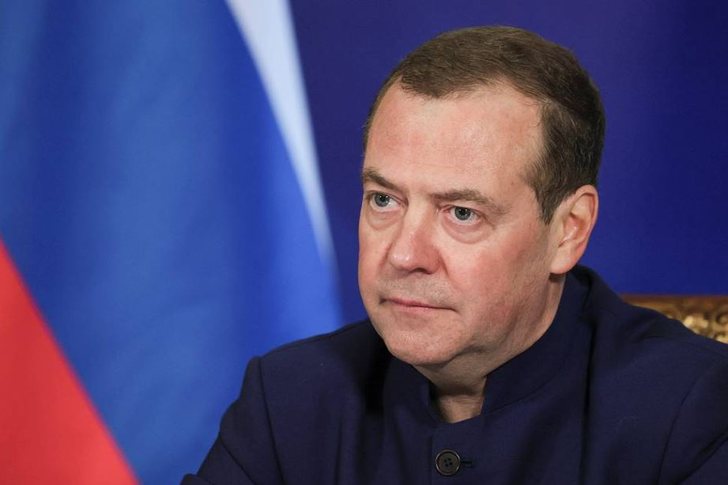
Russian Security Council Deputy Chairman Dmitry Medved...
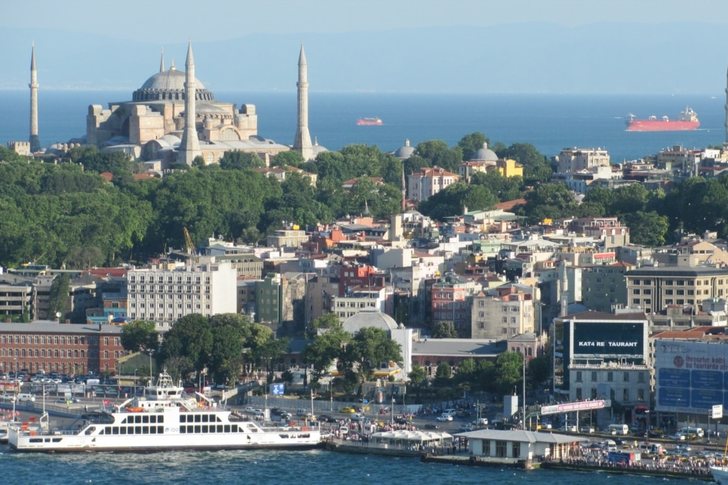
Turkey has recorded record temperatures of 49.5 degree...

The American ambassador in Kosovo, Jeffrey Hovenier, i...

Google has announced plans to train 20,000 Nigerian wo...

A bill that would legally allow people to use and grow can...
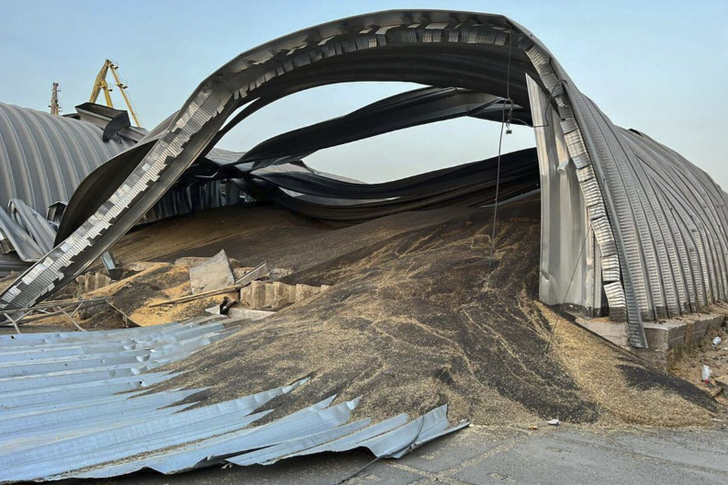
Russia resumed targeting grain infrastructure in Ukrai...

The Ministry of Health of Kosovo (MOH) has called on c...
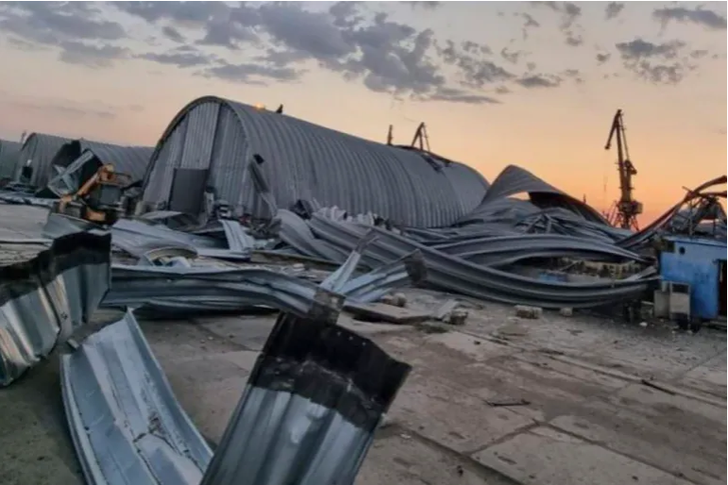
Ukraine's air force on Wednesday said a large group of Rus...

The NATO mission in Kosovo, KFOR, announced on Wednesday t...

Rudy Giuliani is facing hundreds of thousands of dollars i...
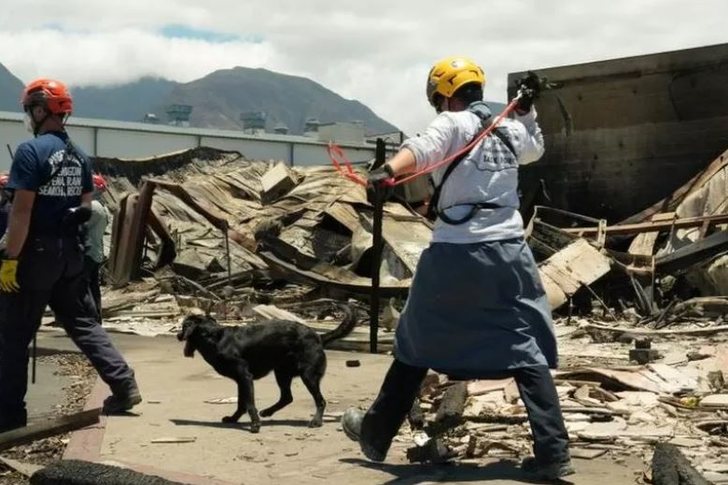
US President Joe Biden will travel to Hawaii after critici...

Security cameras captured the moment police raided the wee...

North Korean leader Kim Jong Un and Russian President Vlad...
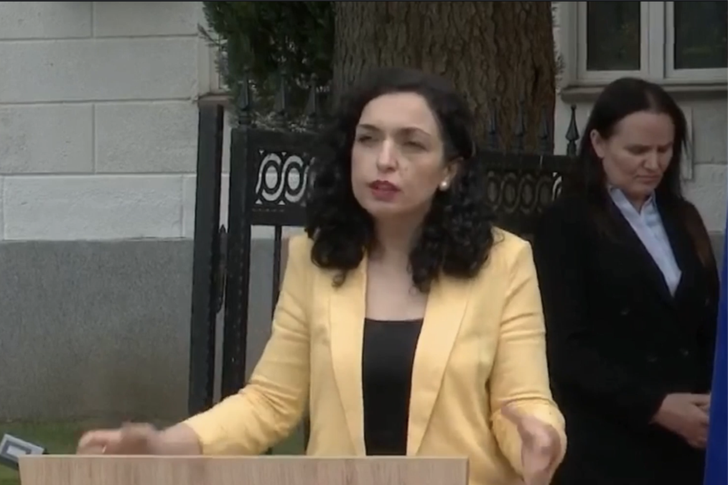
The President of Kosovo, Vjosa Osmani, said on Tuesday...

Fulton County District Attorney in the state of Georgia, F...
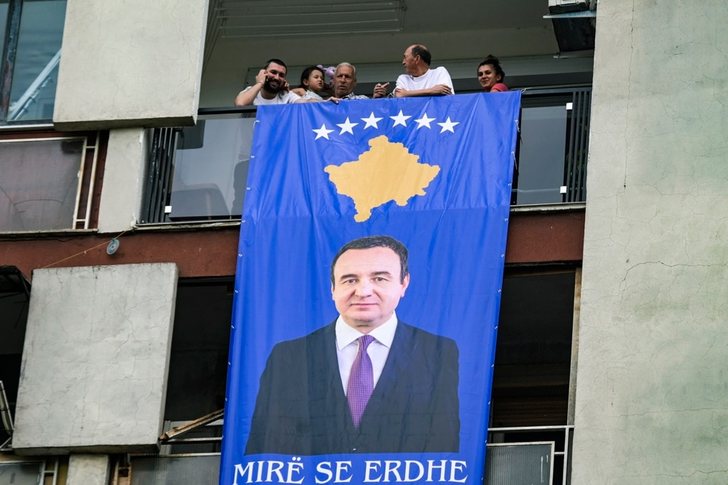
The Ministry of Internal Affairs of North Macedonia fi...
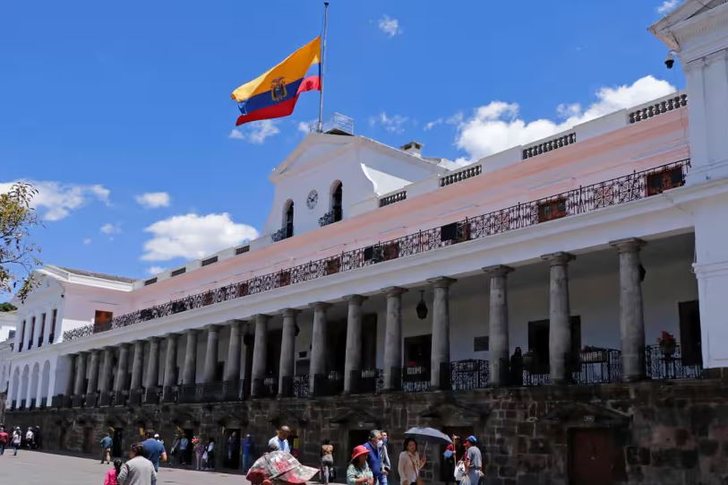
The unprecedented violence rocking Ecuador has claimed...

For 6 months now, CNA has been sending several letters to ...
The word "fatherland" with properties is not enough. The m...

The justice reform claimed that it would bring faster, fai...
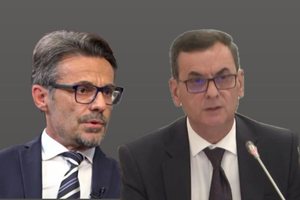
The Justice Reform and the vetting process were trumpeted ...

The Special Board of Appeal (KPA) decided this Monday ...

The KPA vetting decided this Thursday to dismiss the p...

Suela Salavaçi, a prosecutor in the Prosecutor's Offic...

The Special Board of Appeal reinstated the prosecutor ...

It is reported that a few minutes ago, gunshots were recor...

This evening, an accident occurred on the Levan-Tepelena h...

Police have provided details regarding the injury that occ...
One injury is reported to have occurred in the Kuna area o...

Emigration, an aging population, and low participation in ...

Today, our country will be affected by relatively stable w...

Albania has been awarded two medals of honor at the awards...
Today our country will be affected by relatively unstable ...
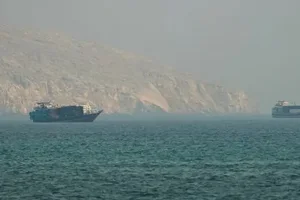
The threat level to maritime security in the Strait of Hor...
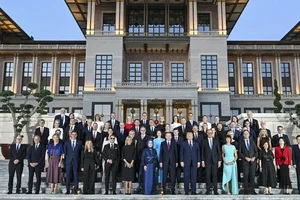
After the end of the NATO summit, Turkish President Recep ...
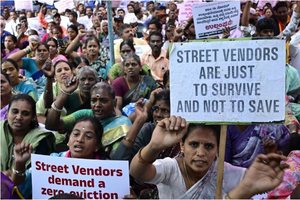
The Indian state of West Bengal has been gripped by protes...

San Francisco home prices have soared to record highs in 2...

The German Embassy in Tirana has invited the Albanian publ...

Professor and literature scholar Ali Xhiku has passed away...

During my research into the life and artistic photographic...

This year's edition of the Gjon Mili International Video A...

The Tax Directorate has announced that the process of auto...

If coordinated policies are not undertaken by the Bank of ...

In the 2026 budget revisions, the Ministry of Defense budg...

Although about 6 months have passed since the start of the...