

Storm hits eastern US/ Two dead and hundreds of thousands without power
More than 300,000 homes and businesses in the eastern US w...


According to statistics, there are at least 2,800 mosques in Germany. From time to time, they are at the center of discussions or disputes, especially when Muslim cult objects with prominent features, such as minarets, appear in the urban landscape. Although mosques are generally subject to the same rules as churches or synagogues, much depends on the local rules of each municipality.
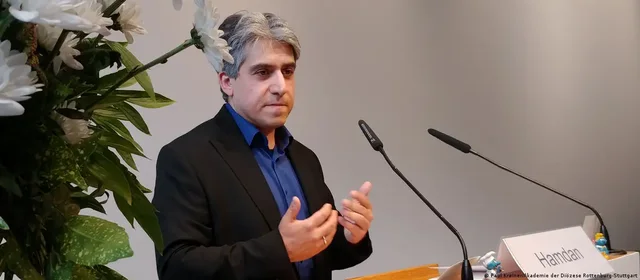
Hussein Hamdan, Germany's first Islamic councilor, helps to avoid conflicts between mosque communities and municipalities. "I am always for the dialogue to take place with honesty. This means that we meet with respect, but also talk about critical topics," explains the 44-year-old specialist in Islam and religions in an interview with Deutsche Welle.
For eight years, Hamdani has provided Islamic religious advice to municipalities in southwestern Germany, in Baden-Württemberg. He still remembers his first mission very well: "It was June 2, 2015, and a district council asked me to evaluate a Sufi association." Sufis are followers of a mystical Islamic religion. They are known for their soulful music and dance. to ecstasy. In Germany, there are only a few communities of this type. The religious specialist was informed in detail and was then able to remove some ambiguities among the municipal representatives thanks to his assessment.
The special thing is that Hamdani is an employee of the Catholic Church and since 2012 he is the first Muslim to work in the Rottenburg-Stuttgart diocese academy. The federal state of Baden-Württemberg has approximately eleven million inhabitants, including about 800,000 Muslims. The first representative mosques appeared in this country in the 1990s.
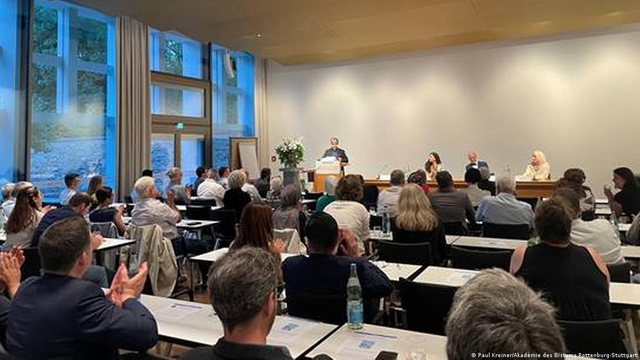
View of a room with a bay window and a large audience seated at rows of tables. The audience looks at a man in the pulpit and a podium with three other people. View of a room with a bay window and a large audience of rows of tables. The audience looks at a man in the pulpit and a podium with three other people.
Hamdani initially led the project "Muslim youth as partners". In 2015 he took over the newly launched project "Muslims as partners for Baden-Württemberg". Supported by the Robert Bosch Foundation, he is available to municipal authorities and decision-makers as an advisor. .This specialist of religions summarized his experiences in a book: "As a consultant for the Islamic religion in Baden-Württemberg (Als Islamberater unterwegs durch Baden-Württemberg). Experience - Challenge - Orientation".
It is often about everyday life issues. Is the minaret too high? How to classify the different Islamic groups? How can a municipality integrate young Muslims? On the other hand, how does a mosque community promote the integration of its youth? In most cases, it is not possible to answer these questions in general terms. The height of a minaret must be determined according to the building regulations in the relevant urban area. And in communes where Muslim believers have lived for decades, there may be more exchanges than in others.
Hamdani also explains to mosque communities the procedures of a municipality: "How does a municipality work? Who can we contact?" Hamdani always insists on discussing together. For this reason, it is very important that mosque communities have regular representatives who are reliable interlocutors, he emphasizes.
So far, its advisory services have been used by around 50 municipalities throughout the state of Baden-Württemberg. "Sometimes it's just a one- or two-hour conversation, other times it could be two or three meetings," he says. In some cases, a process is associated longer. This includes conversations with all interested persons, in small groups and in a confidential environment." These are not ready-made solutions, but recommendations for action", emphasizes the adviser of the Islamic religion.
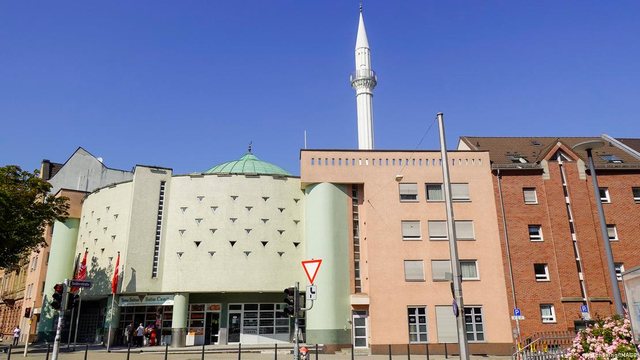
A tall white building stands on a bend in a road, four flags fly in front of it, a pointed tower with a balcony protrudes from the back of the roofA tall white building stands on a bend in a road, four flags fly forward of it, a peaked tower with a balcony rises from the rear of the roof
Hamdani knows the different perspectives on the construction of mosques in Germany. Some see it as a process of "Islamization," others see publicly visible mosques, which often replace backyard mosques, as an opening to society.
His advisory work also includes a municipality of 8,000 inhabitants, whose city council ultimately rejected the construction of a minaret. Hamdani says he managed to get both sides to continue talking. As a rule, Hamdani does not mention concrete names of places. Because reliability is part of his job. Even in his book, the names of specific places rarely appear.
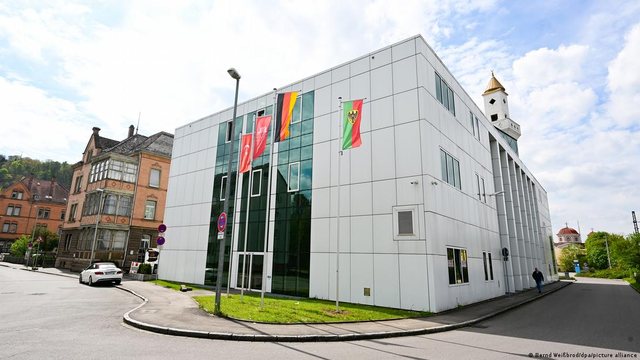
Hamdani explains the different views on the construction of mosques in Germany, while classifying Islamic groups, some of which are monitored by the Federal Office for the Protection of the Constitution. The Islamologist explains this in detail and thus illustrates the limits of cooperation. He also warns against evaluating all mosque communities belonging to the Turkish-Islamic Union of the Institute for Religion (DITIB) in the same way. "We always have to evaluate mosque communities locally. Because communities can really function differently in different cities," he explains to Deutsche Welle. It is DITIB communities that are criticized in Germany, because they are directly dependent on Turkish religious authorities and therefore may appear to be influenced from outside.
DITIB communities are also entitled to a differentiated approach, but they must also ask themselves serious questions. "Honesty in dialogue means that we dwell on critical issues," says Hamdani, who recommends that representatives of municipalities and mosques discuss more. "We should eat together, drink coffee together, celebrate together. But we should also discuss how we deal with critical issues, which of course are also important for our coexistence here in the municipalities."
Hamdan knows the limits and possibilities of his advice. He attaches great importance to the involvement of Muslims, and particularly Muslim youth, in municipal projects.
His efforts have been expressly welcomed by the Baden-Württemberg government's Anti-Semitism Officer, Michael Blume. "Husein Hamdani proves that the coexistence of religions is established concretely in the municipalities", Blume declares in an interview for Deutsche Welle. "Countries that do not want to experience confrontations like in France, now have to invest in municipal counseling on dialogue and the Islamic religion." ./ DW

More than 300,000 homes and businesses in the eastern US w...
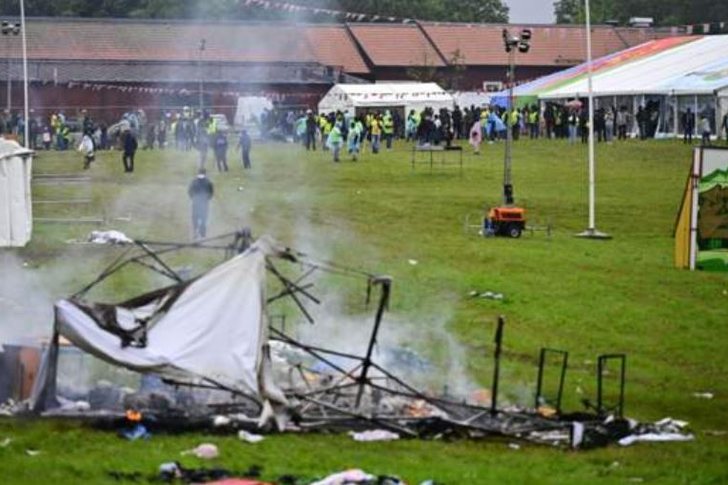
An Eritrean cultural festival held in Toronto, Canada has ...
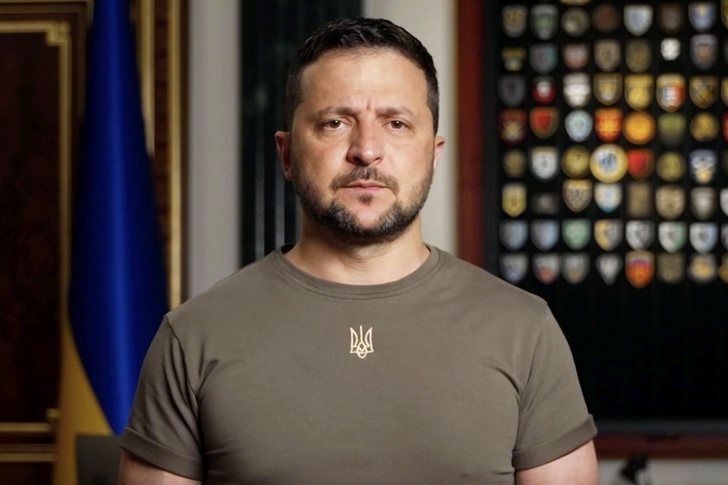
Ukrainian President Volodymyr Zelensky said on Tuesday...
A total of 98 people have been arrested in connection with...
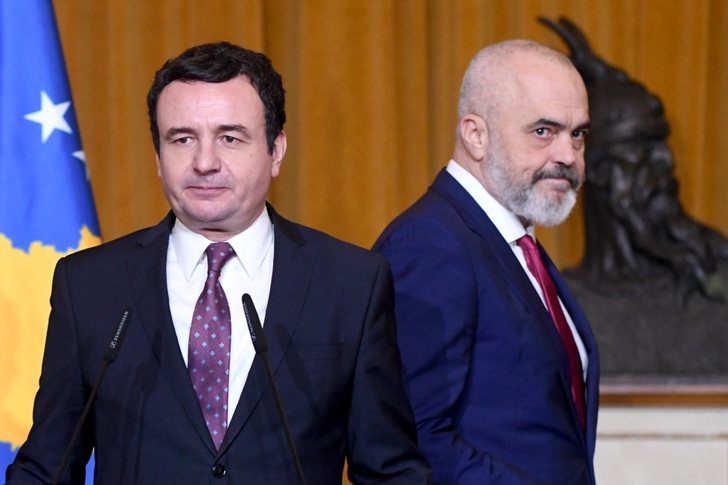
Albanian political parties can factor the vote of the Alba...
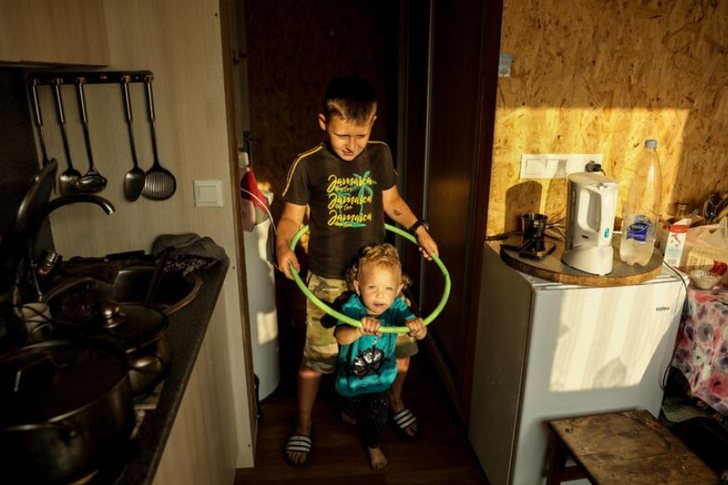
A total of 1,107 children have been reported missing in Uk...
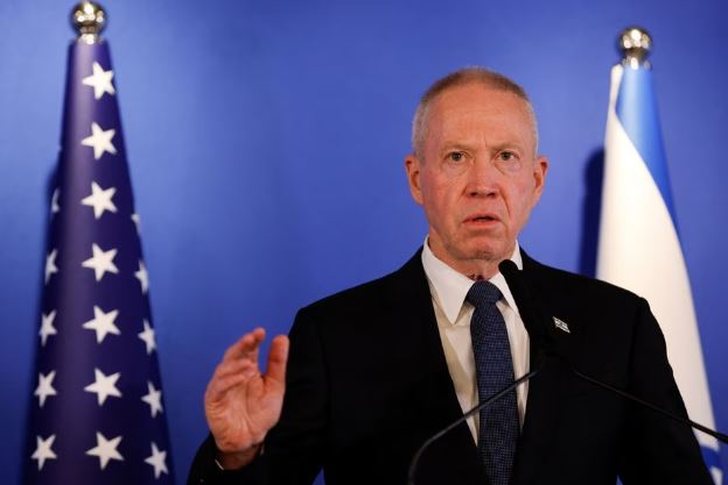
Israel threatened on Tuesday to "return Lebanon to the Sto...
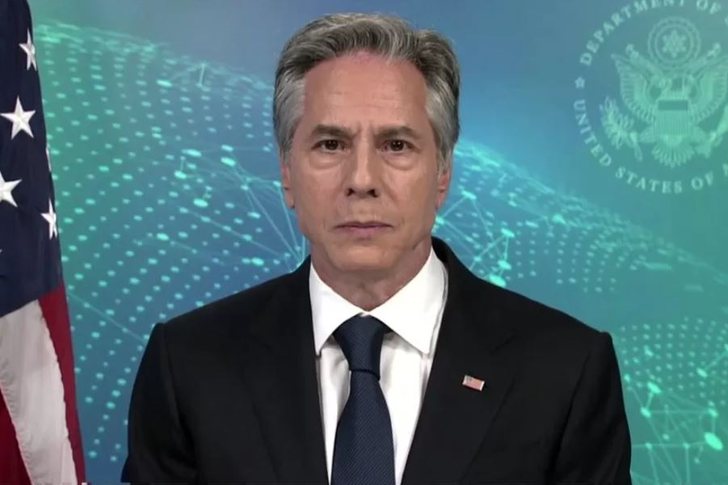
Russia's Wagner mercenary group is "taking advantage" of i...
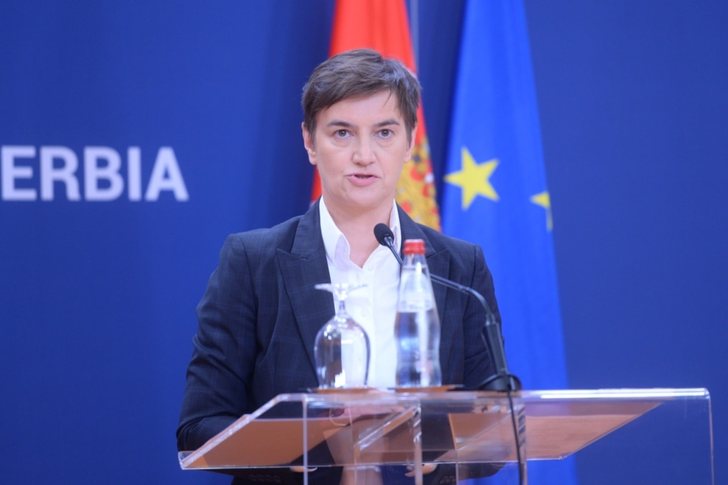
The Prime Minister of Serbia, Ana Brnabic, wrote in X on A...
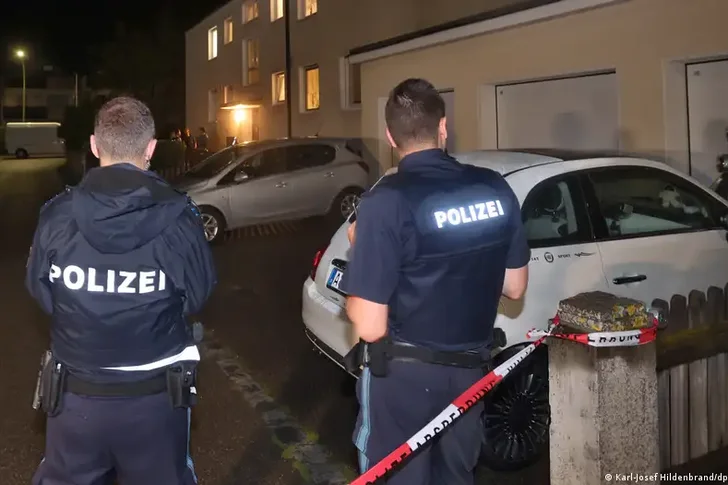
German unions warn of a collapse in the public service due...
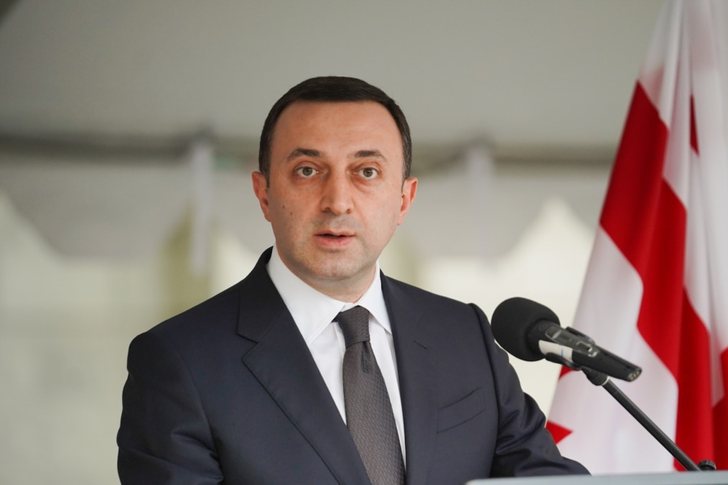
Georgia's prime minister, Irakli Garibashvili, called ...
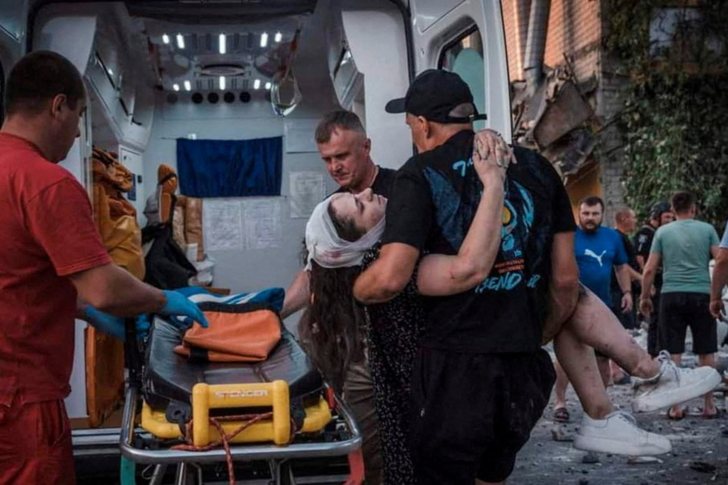
The Ukrainian counteroffensive against Russian forces cont...

The Norwegian authorities have decided to fine the own...
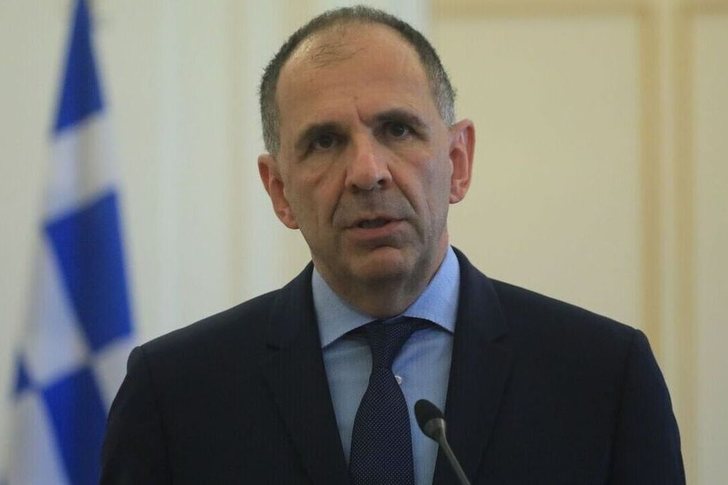
The Foreign Minister of Greece, Georgos Gerapetriti...
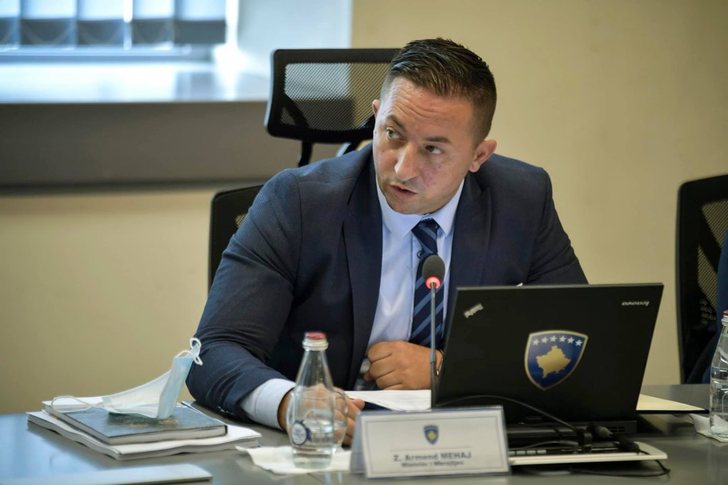
On Tuesday, the Minister of Defense in Kosovo, Armend Meha...

China's top diplomat Wang Yi told his Russian counterpart ...
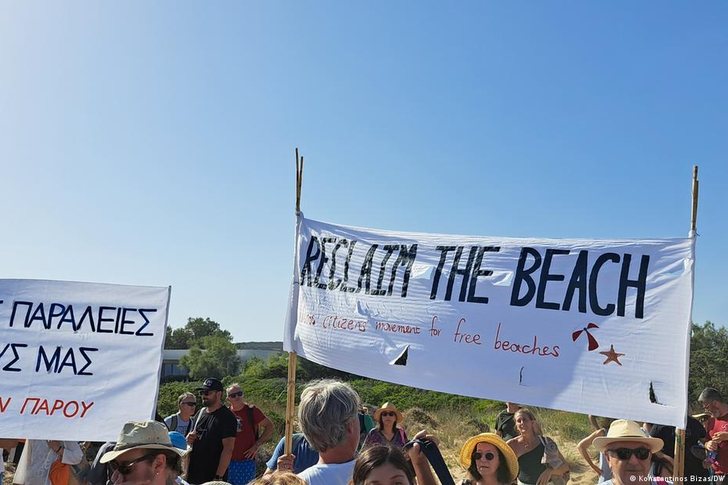
Anyone who goes to the beach in Greece has a hard time fin...
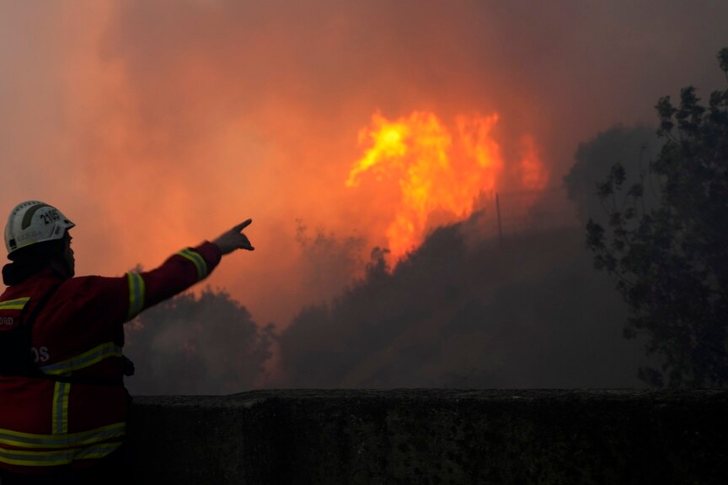
Hundreds of firefighters are battling wildfires in souther...
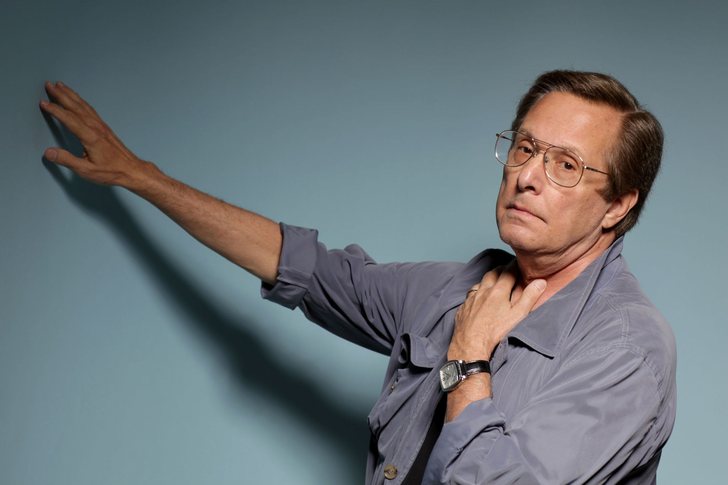
William Friedkin, the director of the classic horror film ...
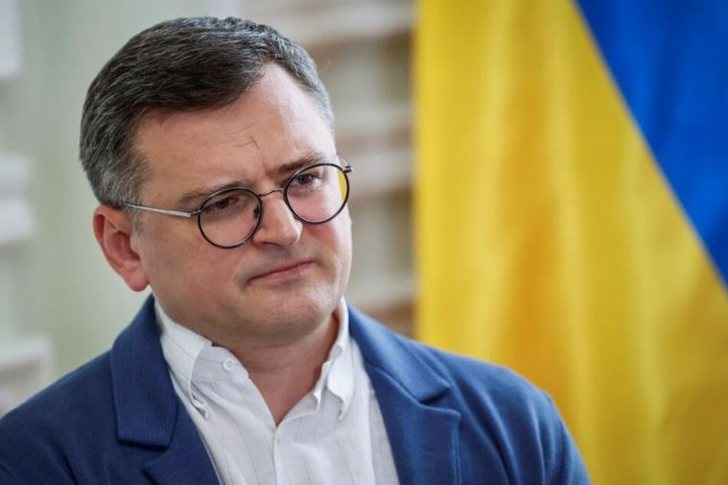
Ukrainian Foreign Minister Dmytro Kuleba said on Monday th...

For 6 months now, CNA has been sending several letters to ...
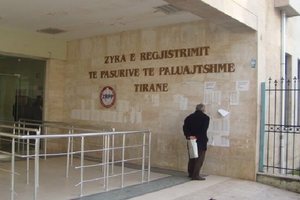
The word "fatherland" with properties is not enough. The m...

The justice reform claimed that it would bring faster, fai...
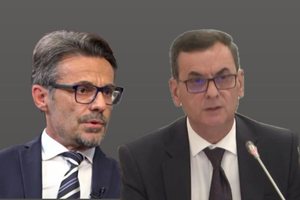
The Justice Reform and the vetting process were trumpeted ...

The Special Board of Appeal (KPA) decided this Monday ...

The KPA vetting decided this Thursday to dismiss the p...

Suela Salavaçi, a prosecutor in the Prosecutor's Offic...

The Special Board of Appeal reinstated the prosecutor ...

The murder of 40-year-old I.Gj in Laç is suspected to have...
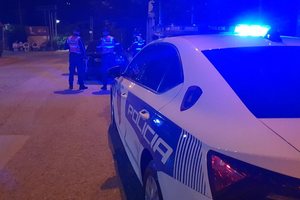
It is reported that a few minutes ago, gunshots were recor...
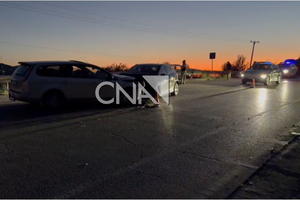
This evening, an accident occurred on the Levan-Tepelena h...

Police have provided details regarding the injury that occ...

Today our country will be affected by stable weather condi...

Emigration, an aging population, and low participation in ...
Today, our country will be affected by relatively stable w...
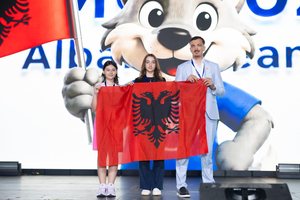
Albania has been awarded two medals of honor at the awards...
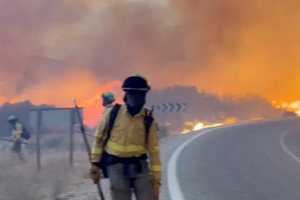
At least 11 people have died and six others have been inju...

Patriot, Tomahawk, Starlink, F-35: Europe's security still...
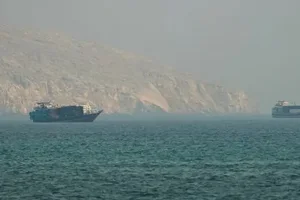
The threat level to maritime security in the Strait of Hor...
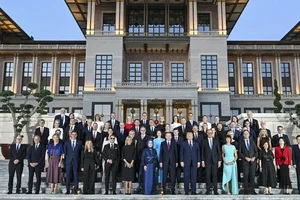
After the end of the NATO summit, Turkish President Recep ...
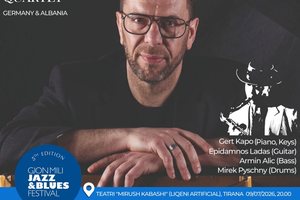
The German Embassy in Tirana has invited the Albanian publ...
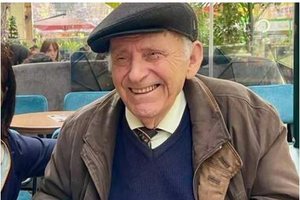
Professor and literature scholar Ali Xhiku has passed away...
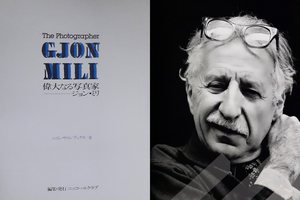
During my research into the life and artistic photographic...

This year's edition of the Gjon Mili International Video A...

In addition to food, household appliances, oil, and more, ...

The government has reduced the funds foreseen for rural de...

This Friday, one US dollar is bought for 81.4 lek and sold...

The Tax Directorate has announced that the process of auto...