

Berlin mayor faces calls to resign after playing tennis while city was in darkness
Berlin Mayor Kai Wegner is facing calls to resign after it...


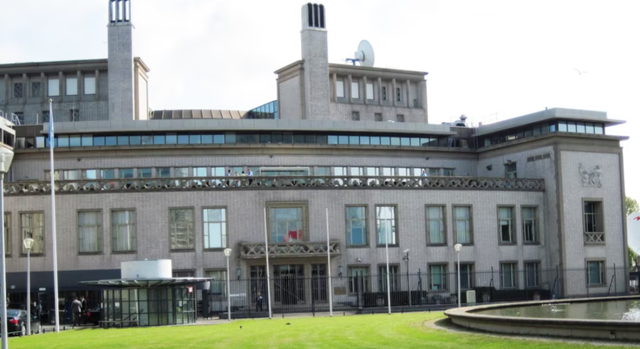
The withdrawal of the United States from the International Mechanism for Criminal Tribunals in The Hague cannot affect judicial decisions that The Hague has already made, according to international law expert Marko Milanovic.
Milanovic, a professor of international law at the University of Reading in the United Kingdom, tells Radio Free Europe that, however, the decision by Donald Trump's administration, to some extent, sends an extremely bad message.
The International Mechanism for Criminal Tribunals in The Hague did not immediately respond to Radio Free Europe (RFE) questions about the United States' decision to suspend funding for the institution.
The mechanism is the successor to the International Criminal Tribunal for the former Yugoslavia, which prosecuted war crimes committed during the 1990s wars in Bosnia and Herzegovina, Croatia and Kosovo.
Trump's decision has led to the US withdrawal from 35 non-member organizations of the United Nations (UN) and 31 other UN bodies. The latter include the Mechanism.
As explained in the memorandum accompanying this decision, for bodies operating within the United Nations, "withdrawal means the cessation of their participation or funding, to the extent permitted by law."
How will the decision affect the work of the Mechanism?
The mechanism was created by the United Nations Security Council in 2010, with the idea of ??replacing the International Criminal Tribunal for the former Yugoslavia and the International Criminal Tribunal for Rwanda.
As in the case of other United Nations institutions, UN Member States allocate mandatory contributions to finance the Mechanism, in proportion to their financial capacities.
According to Milanovic, at this moment it is difficult to assess what consequences the US decision may have on the work of this institution.
"In fact, we don't know if there is any alternative way to make money," says Milanovic.
He adds that this could affect the extension of the Mechanism's mandate, which expires this year.
However, Milanovic notes that so far, not even Russia - which is also a permanent member of the Security Council - has sabotaged the Mechanism's work.
"I highly doubt that the United States will say - we will not only not support this explicitly, but we will also veto the extension of the Mechanism's mandate. But the very fact that they lack resources means that they cannot perform all the functions that they have performed so far," Milanovic underlines.
Professor Milanovic emphasizes that the US decision cannot affect decisions previously given by the Mechanism.
"Those decisions have been made and are final," Milanovic says.
Before this institution, among others, the highest military and political officials of Republika Srpska were definitively convicted of genocide and violations of international law during the war in Bosnia.
The Mechanism has issued final decisions in cases against former President of Republika Srpska, Radovan Karadzic, sentenced to 40 years in prison for crimes in Bosnia, as well as former commander of the Army of Republika Srpska, Ratko Mladic, sentenced in the first instance to life imprisonment.
In May 2023, the former head of Serbia's State Security Service, Jovica Stanisic, and his deputy, Franko Simatovic, were sentenced to 15 years in prison each for crimes against the non-Serb population in Bosnia and Croatia.
This decision ended all proceedings before this court for war crimes in the former Yugoslavia.
Proceedings against two radicals
Milanovic believes that the US withdrawal could affect ongoing cases, such as the one in which the Mechanism is prosecuting two members of the far-right Serbian Radical Party for contempt of court.
"We have a situation where Serbia refuses to cooperate with the Mechanism in that case. Now, when the US administration is sending a message that it is no longer interested in that court, this means that any pressure on Serbia is much smaller," Milanovic believes.
For more than a decade, Serbia has refused to extradite Serbian Radical Party members Petar Jojic and Vjerica Radeta to The Hague. The Hague court charged them in October 2012 with influencing witnesses in the trial of their party leader, Vojislav Seselj.
The Hague tribunal issued the first arrest warrant for Jojic and Rade in Serbia in 2015, and since then Belgrade has refused to extradite them, explaining that there is "no basis" for this, as Serbia's Law on Cooperation with the Hague Tribunal stipulates the obligation to extradite only those indicted for war crimes, and not those accused of contempt of court. This interpretation has been rejected by the court in The Hague on several occasions. /REL

Berlin Mayor Kai Wegner is facing calls to resign after it...
The U.S. Coast Guard stopped and seized the oil tanker Mar...
US Vice President JD Vance has said that Greenland is crit...
Kosovo authorities arrested 39 people on Thursday during r...
US President Donald Trump has said that his country's invo...
Over a billion euros have been waiting to be used by Kosov...
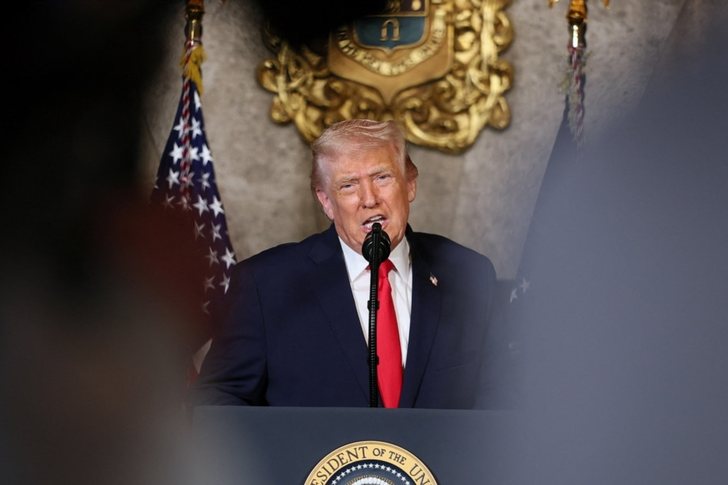
US President Donald Trump has signed a decree to withdraw ...
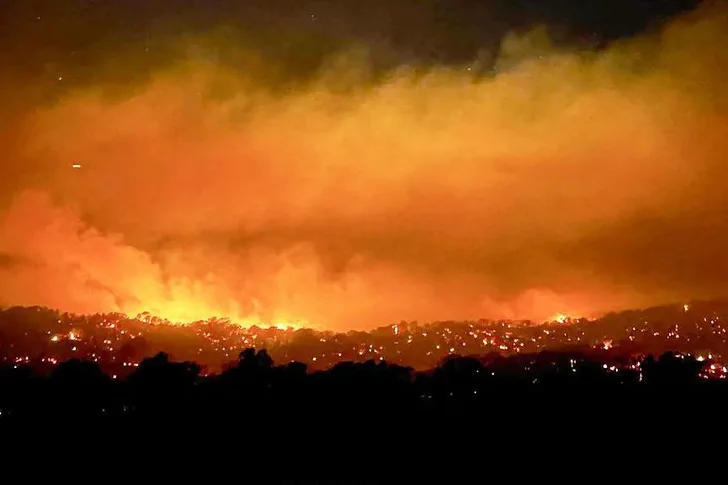
Parts of Australia will face massive bushfires in the comi...
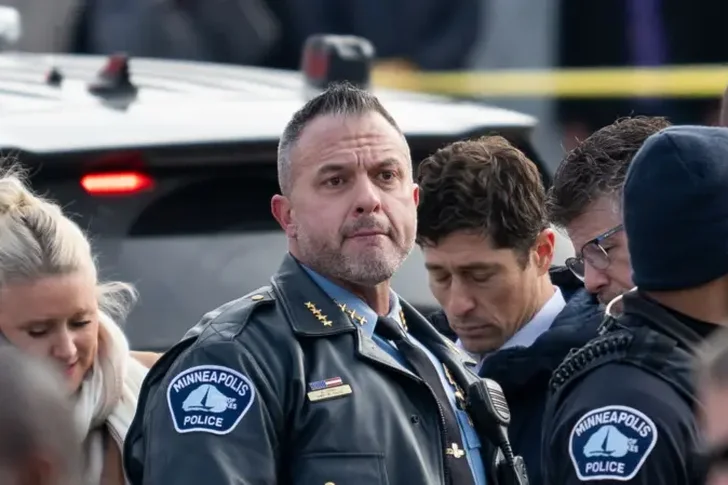
Following the fatal shooting of a woman Wednesday by an IC...
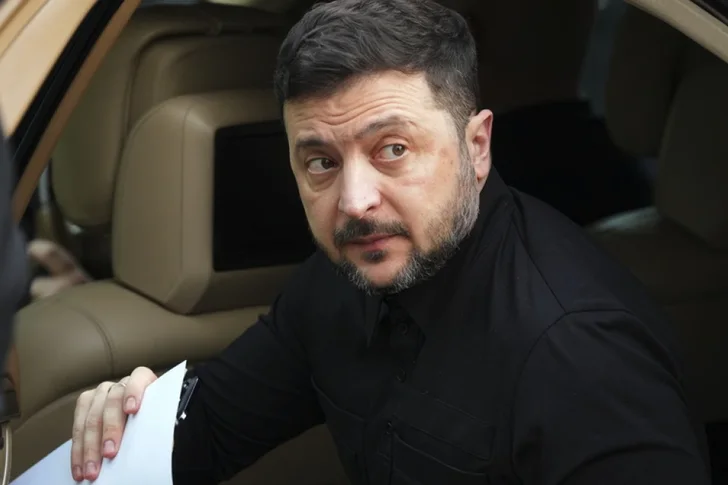
Ukrainian President Volodymyr Zelensky has stated that the...
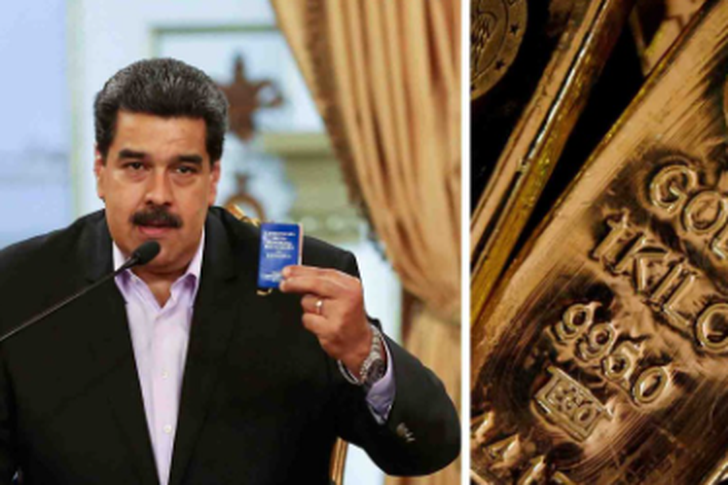
Ten years ago, the Venezuelan government secretly transpor...

The President of the Beersheba District Court in Israel, J...

Liverpool and England football legend Kevin Keegan, 74, ha...
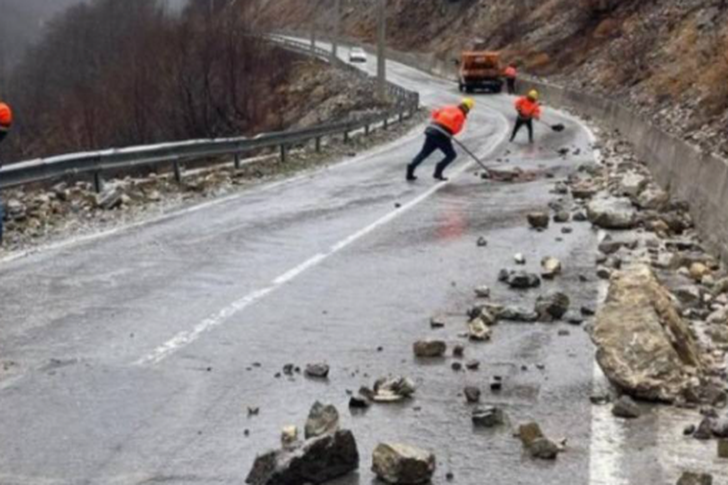
As a result of the rainfall, difficulties in road traffic ...
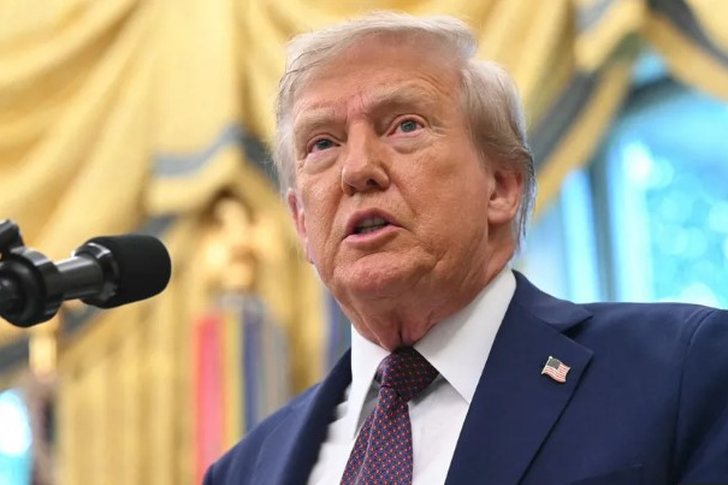
US President Donald Trump signed a Presidential Memorandum...
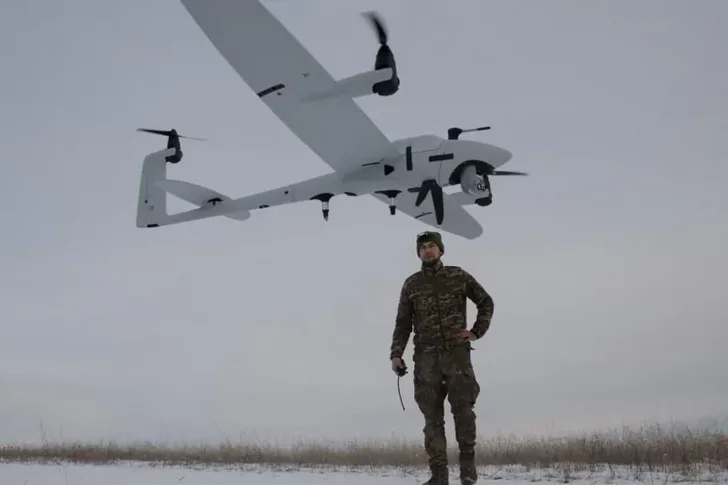
Presidenti ukrainas Volodymyr Zelensky është shprehur se a...
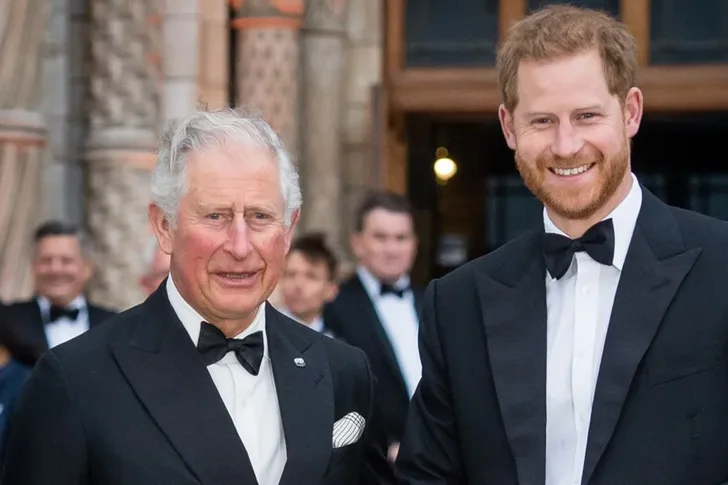
Duka i Sussex nuk pritet të takohet me të atin, Mbretin Ch...

The new U.S. dietary guidelines released Wednesday reflect...
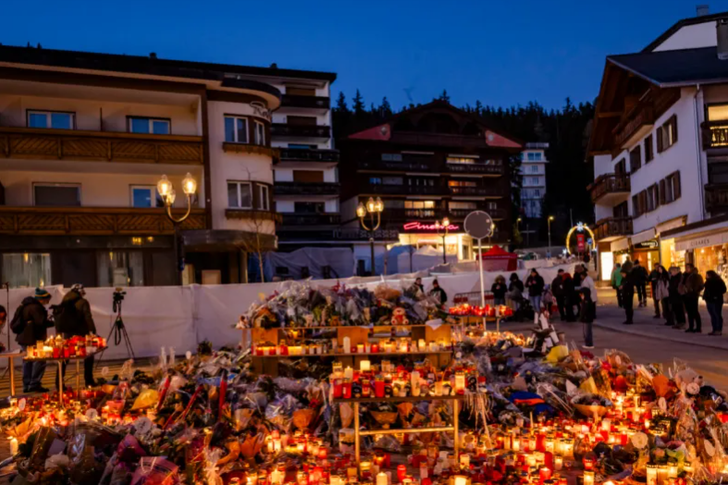
The couple Jacques and Jessica Moretti, owners of the Cons...

Snow and ice continue to wreak havoc across parts of Europ...
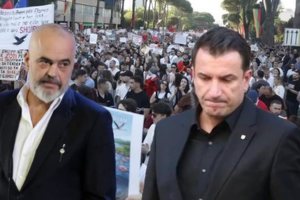
There have been 12 days of protests in the capital, which ...
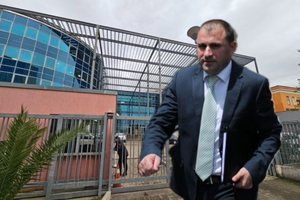
Dritan Prençi is the SPAK prosecutor who is sleeping on th...
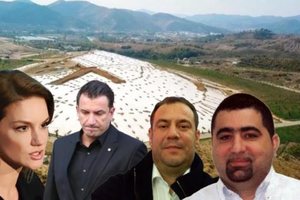
The in-depth investigations that SPAK conducted into Ajola...
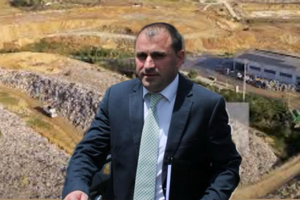
SPAK's standards, the way it investigates, how it secures ...

The Special Board of Appeal (KPA) decided this Monday ...

The KPA vetting decided this Thursday to dismiss the p...

Suela Salavaçi, a prosecutor in the Prosecutor's Offic...

The Special Board of Appeal reinstated the prosecutor ...

A road accident occurred today in Dhërmi. According to in...
The Police Supervision Agency has announced the security m...

A 21-year-old man has been arrested after, together with a...
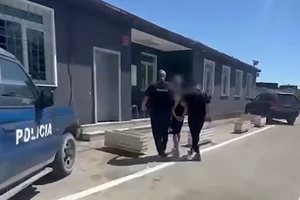
Fier Police have conducted an operation where they have cr...

On Sunday, our country will be affected by stable weather ...
Today our country will be affected by stable weather condi...
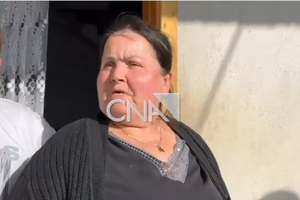
A tragic accident occurred this Friday afternoon in Kameni...

Today our country will be affected by unstable weather con...
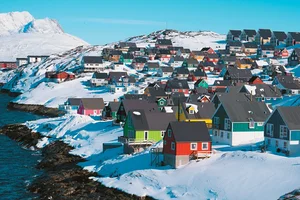
Japan is planning to send a delegation to Greenland this s...
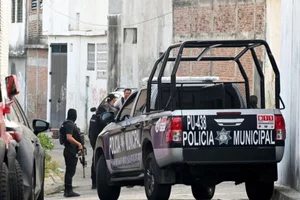
The mayor of San Miguel Amatitlan, a town of about 7,000 r...
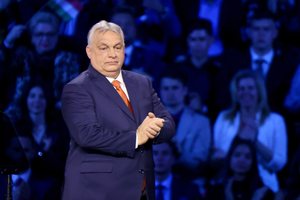
Former Hungarian Prime Minister Viktor Orban was re-electe...
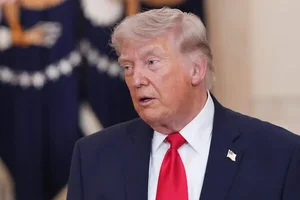
US President Donald Trump has stated that a deal with Iran...
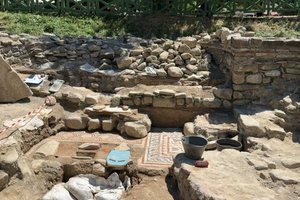
Several archaeological excavations conducted during this s...

At the Museum of Fine Arts in Chambéry, France, an exhibit...

Korça has transformed this weekend into the capital of cel...

Korça is ready to open the summer season with one of the c...

This Sunday, one US dollar is bought for 81.5 lek and sold...

The labor market is facing increasing polarization where w...

This Saturday, one US dollar is bought for 81.5 lek and so...
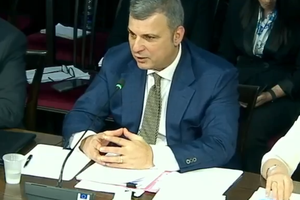
The Governor of the Bank of Albania, Gent Sejko, shared to...