

Sejko: The strengthening of the lek protected us from inflation and stimulated the growth of lending
The strengthening of the lek in the foreign exchange rate ...


A year after Croatia joined the EU, in 2013, a large conglomerate, the Agrokor group, accounting for 15% of the country's GDP, went bankrupt.
Financial mismanagement before accession made competition unbearable after the opening of EU markets.
Due to its size, Agrokor's bankruptcy put the entire Croatian economy at risk, and EU intervention was needed to restructure the group. The example of Croatia is also valid for our country.
If the Albanian government fulfills the closure of negotiations and achieves membership by 2030, most Albanian businesses, especially in the manufacturing sector, will face strong pressure from the opening of markets with the EU if they do not meet the standards.
Exposure to a large market will expose certain sectors to competition that could jeopardize the market they have operated in until now if rapid steps are not taken to modernize and adapt, said Neritan Mullaj, Executive Director of the American Chamber of Commerce and Industry.
According to him, small and medium-sized enterprises, in general, are characterized by low productivity, prepared to meet only small local needs, have a low number of employees and difficulties in financing.
Without support, they will not be able to increase production capacity or quality and will find it very difficult to remain competitive.
Mr. Mullai emphasized that it is time for businesses to focus on investing in modern technology and automation, obtaining certificates and complying with EU standards, as well as diversifying products and markets.
Samir Mane, president of BALFIN Group, said earlier in an interview with "Monitor" that EU membership will bring stronger competition, but also opportunities for businesses that adapt quickly.
According to him, Albanian enterprises must invest in innovation, technology and human capital to compete in a larger and more structured market.
He added that within the Group, key processes are being digitized and projects with Artificial Intelligence are being implemented for efficiency. Continuous modernization and a focus on people are the best way to turn integration into an engine of long-term development.
Mr. Nikolin Jaka, who heads the Chamber of Commerce, emphasizes that these investments can be recovered in 3–5 years through access to the EU market, increased exports, and improved product quality.
But businesses, especially small and medium-sized ones, must start adapting now to avoid bankruptcy when markets open.
Many Albanian businesses – from traders of counterfeit products to substandard factories and farms that do not meet EU criteria – risk bankruptcy after membership if they do not adapt. Small and medium-sized businesses will have it harder due to limited financial opportunities.
In 2024, around 80% of Albanian businesses considered EU integration a positive development, according to the Balkan Barometer – the highest percentage in the region, although down from 96% in 2023.
Most do not recognize the consequences, as in the first years, the costs of adaptation are high and many producers may not compete after the removal of customs tariffs.
Alban Zusi, an experienced producer in the food industry, claims that many businesses will be at a disadvantage because they must make unproductive investments to meet environmental, food, and occupational safety standards.
"These investments require a lot of financing and have high operating and maintenance costs, without necessarily bringing increased productivity," he said.
Mr. Mullaj adds that Albanian businesses that want to adapt to EU standards will face some immediate costs.
The majority is related to technical investments, which include the purchase of new equipment, the modernization of production lines, the improvement of hygiene and sanitation conditions according to EU standards, to occupational safety measures and energy efficiency.
Of course, these are investments that require financial liquidity, but he adds that a portion could be subsidized by EU funds and international financial institutions.
Luan Leka, one of the largest entrepreneurs in the manufacturing industry, through the EHW group, says that we should view EU accession with optimism.
"The fact that we will be part of a much wider market would enable more efficient investments. I hope that there will also be investments in infrastructure, also assisted by EU funds, a process that has happened before in other countries."
But, he adds, there is room for concern that it will be an easier path for the workforce to leave, "a phenomenon that we must confront."
To benefit from this process, the first step must be taken by the state without wasting time. This step should be: “Compliance of food safety legislation with that of the EU”
"On this basis, the agricultural and livestock sectors must be restructured. This sector also suffers from extreme land parcelization that hinders the development of advanced agriculture."
"The agro-processing industry must also be restructured, in line with the most advanced standards, to be competitive in an open market. The sooner this process starts, the greater the chances of benefiting from EU membership," suggests Mr. Leka.
Membership costs higher for food producers
Kostot me të cilat bizneset shqiptare do të përballen nga anëtarësimi në BE lidhen kryesisht me përshtatjen me standardet europiane dhe mund të arrijnë deri në 700 mijë euro në fazën e parë, sipas Dhomës së Tregtisë dhe Industrisë.
Për sektorin e prodhimit dhe shërbimeve të vogla e të mesme, pasojat mund të jenë më të rënda, siç tregon përvoja e Kroacisë, Rumanisë dhe Bullgarisë.
Standardet e BE-së për sigurinë ushqimore, cilësinë e produktit, gjurmueshmërinë dhe efikasitetin energjetik kërkojnë linja prodhimi moderne.
Për një ndërmarrje prodhuese me 40–60 punonjës, modernizimi i makinerive dhe instalimi i sistemeve të kontrollit cilësor përkthehet në 150–300 mijë euro shpenzim fillestar. Në sektorë me rrezik më të lartë (ushqim, pije, kimikate), shifra mund të arrijë 400–700 mijë euro.
Certifikata si ISO 22000 për sigurinë ushqimore, CE për produkte industriale apo HACCP për përpunim ushqimor janë të domosdoshme. Çdo certifikim kushton 5–20 mijë euro për implementim dhe auditim, plus 2–5 mijë euro në vit për rinovim.
Trajnimet për sigurinë në punë, menaxhimin mjedisor dhe raportimin financiar sipas standardeve të BE-së llogariten 500–1,000 euro për punonjës në vitin e parë.
Direktivat europiane për ujërat e ndotura, emetimet dhe riciklimin mund të kërkojnë stacione filtruese, depo mbetjesh ose kontrata riciklimi. Për një kompani prodhuese të mesme, kostoja fillestare varion 50–200 mijë euro, ndërsa mirëmbajtja vjetore 10–20 mijë euro.
Rregullat e raportimit financiar dhe të drejtave të punës shtojnë zakonisht 5–10% në shpenzimet vjetore operative. Harmonizimi i tatimeve (TVSH minimale 20%, akcizat) mund të rrisë kostot në disa sektorë.
Në total, për një biznes prodhimi të mesëm, hyrja në BE nënkupton një investim fillestar prej 200–600 mijë eurosh gjatë 2–3 viteve të para e pas anëtarësimit, plus 10–15% rritje të kostove operative vjetore për mirëmbajtje standardesh, auditime dhe trajnime.
Për një kompani shqiptare në agroindustri me rreth 50 punonjës, që merret me përpunimin e qumështit ose mishit, përmbushja e plotë e standardeve të BE-së kërkon një paketë investimesh edhe më të lartë, rreth 700 mijë euro, ndërsa kostot operative vjetore mund të rriten me 120–200 mijë euro.
Kjo varet nga niveli aktual i teknologjisë: impiantet moderne janë më pranë kufirit të ulët, ndërsa pajisjet e vjetra kanë kosto më të larta.
Paulin Gega, i GEGA OIL GROUP, thekson se sipërmarrjet që përqafojnë inovacionin, forcojnë menaxhimin financiar dhe rrisin standardet e shërbimit do të jenë fituesit e procesit të integrimit.
“Ky është një moment vendimtar për ekonominë shqiptare dhe një mundësi që bizneset të shndërrohen në aktorë konkurrues jo vetëm në rajon, por edhe në tregun europian”, tha ai.
Përfitimet nga tregu 450 milionë banorësh
Anëtarësimi i plotë i Shqipërisë në BE pritet të sjellë një transformim gradual, por të thellë, për bizneset e vogla dhe të mesme (SME). Përveç kostove, do të ketë edhe përfitime për ato që arrijnë të përshtaten.
The Chamber of Commerce analyzes that entering the single European market opens up great opportunities for export.
Albanian businesses will no longer face customs tariffs or quotas, while customs procedures will be simplified. A small textile manufacturer or a food artisan will have direct access to a market of over 450 million consumers.
EU standards for quality, food safety, traceability, and labeling are much higher than current Albanian ones, so every exporting company must invest in equipment, testing laboratories, quality control systems, and international certifications.
Increased competition is inevitable. The Albanian market will open up to European companies with greater capital, advanced technology and managerial experience, putting pressure on domestic businesses to increase productivity, improve service and optimize costs.
For some companies, this may mean the risk of closure, but for others it will encourage strategic partnerships, investments in digital technology, and professional growth of staff.
EU integration brings wider access to development funds: structural and cohesion funds offer opportunities for co-financing modern equipment or staff training.
Benefiting from these funds requires managerial capacities and the ability to prepare competitive projects, which can be a challenge for many SMEs.
EU legislation on the environment, employment and consumer protection means new obligations for waste treatment, transparent financial reporting, full respect for workers' rights and higher insurance. In the long term, this creates a fairer competitive climate and reduces the risk of fines or legal conflicts.
On a broader level, membership improves the perception of the country's political and economic stability, lowering the cost of capital and making it easier for SMEs to attract investment or loans at lower interest rates.
Free movement of workers may bring challenges with the emigration of qualified workers, but also opportunities to recruit specialists from other EU countries./ Monitor.al

The strengthening of the lek in the foreign exchange rate ...
Minister of Finance, Petrit Malaj, delivered his speech at...
Detyrimet e papaguara për sigurimet shoqërore kaluan vlerë...
This Friday, one US dollar will be bought for 82.8 lek and...
Year after year, economic activity is being concentrated i...
Low unemployment and continued wage growth remain a source...
Albania is expected to achieve supervisory equivalence wit...

This Thursday, one US dollar will be bought for 83 lek and...
The Albanian government will finance the concession contra...
12-month bond yields suffered another slight decline in th...
This Wednesday, one US dollar will be bought for 82.9 lek ...
The Bank of Albania celebrates the 100th anniversary of th...
IMF Managing Director Kristalina Georgieva stated today th...
The Governor of the Bank of Albania, Gent Sejko, was prese...
This Tuesday, one US dollar will be bought for 83.1 lek an...
The non-performing loan ratio increased for the third cons...
The Deputy Governor of the Bank of Albania, Luljeta Minxho...
The Minister of Finance, Petrit Malaj, presented the 2026 ...

This Monday, one US dollar will be bought for 83 lek and s...
In the 2026 budget, the Albanian government expects to ben...
Irfan Hysenbelliu claims to be a big businessman, an hones...

The murder of officer Enea Mekolli in the line of duty has...
The next case broadcast on the show "Stop", this Thursday,...
The case published this Thursday, June 4, on the show "Sto...

The Special Board of Appeal (KPA) decided this Monday ...

The KPA vetting decided this Thursday to dismiss the p...

Suela Salavaçi, a prosecutor in the Prosecutor's Offic...

The Special Board of Appeal reinstated the prosecutor ...
A 38-year-old man was arrested today near the Kamza turnof...

A money changer in Durrës lost 60 thousand euros after bei...
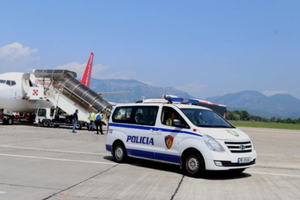
The 6 citizens captured in Dubai, members of criminal grou...
A serious accident occurred on the Kardhiq-Delvinë axis, i...

Today our country will be affected by stable weather condi...

For many children and teenagers, the long summer holidays ...
Albania is facing an unprecedented demographic transition,...
On Thursday, our country will be affected by unstable weat...
Leaders of the European Union and Western Balkan countries...
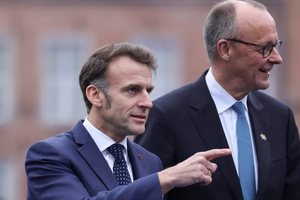
On the eve of the EU-Western Balkans summit, Germany and F...
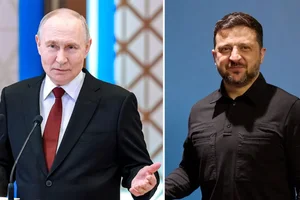
Russian President Vladimir Putin said the war in Ukraine c...
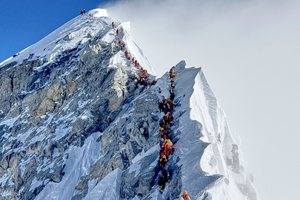
An extraordinary story of survival has been recorded in Ne...
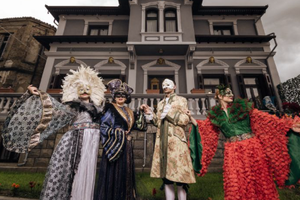
Korça is ready to open the summer season with one of the c...
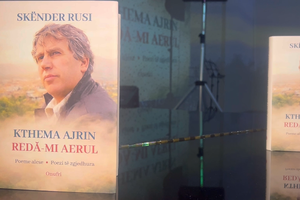
Two years after his passing, the renowned Korçë poet Skënd...
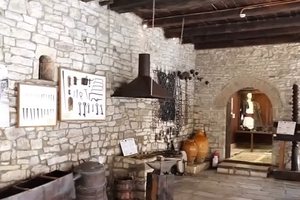
The Ethnographic Museum of Berat has opened its doors to v...
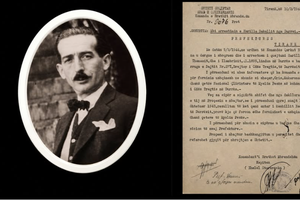
The story of Harilla Bakalli is one of the most chilling t...
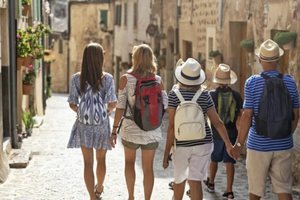
Despite years of efforts at regional cooperation and free ...
Albania is the country with the highest level of severe ma...

This Friday, one US dollar is bought for 81.3 lek and sold...
The government aims to transform the country's industrial ...