


Dollar and pound falling/ Exchange rate, July 2, 2025
Today, in the foreign exchange market, one US dollar will ...


Money circulating outside banking channels, or cash, has seen a strong increase during the first months of this year, coinciding with the pre-election period.
This is an unusual trend, as historical data shows that generally in the first half of each year there is a slowdown in money outside banks, while in the second half of the year there is an increase influenced by the summer season and the end-of-year holidays.
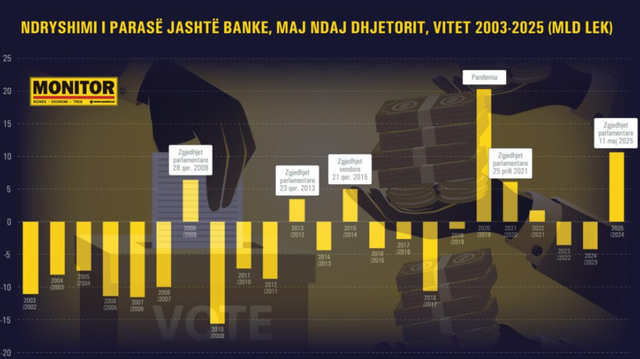
According to statistics from the Bank of Albania, at the end of May, money outside banks was 434 billion lek, or about 4.3 billion euros. Compared to the end of 2024, this indicator has increased by 10.5 billion lek (about 107 million euros), or 2.5% more. A year ago (2024), the change for the same period had been negative (-4.1 billion lek) and in 2023 it resulted in -3.5 billion lek.
Historical data shows that this is the strongest increase in money outside banks in the first half of the year, since 2003, when the Bank of Albania reports data, with the exception of January-May 2020, when a high circulation of money outside banking channels was observed, but which is related to the unusual period that the country went through, due to restrictions aimed at curbing the Covid pandemic.
In the first months of 2025, the highest growth rate of currency outside banks was recorded in March (+6.4 billion lek) and in May (+4.9 billion lek). At the end of May, currency outside banks reached 23.9% of total currency, up from 23.7% in December, marking the highest level since July 2023.
On May 6, just before the elections, which were held on May 11, the euro fell below the 98 lek mark for the first time, signaling an increased supply of the currency. It took the intervention of the Bank of Albania to halt the decline of the common currency.
Historical data shows that with the exception of 2020, which was an abnormal period, a similar trend has been noted every time there have been elections, mainly general elections.
For example, in the first months of 2021, coinciding with the general elections of April 21 of that year, money outside banks increased by 6 billion lek (about 60 million euros), compared to December 2020. The same trend is repeated in the first half of 2015, when local elections were held on June 21 (+5 billion lek). As the graph “Change in money outside banks, May to December, 2003-2025” shows, in all other periods, when there were no elections, money outside banks decreases in the first months of the year.
During election periods, in many countries with fragile democracies or high economic informality, a significant increase in money in circulation outside the banking system has been documented. This is closely linked to practices such as vote buying, informal campaign financing, and fiscal control evasion.
This phenomenon has also been observed in countries such as India, Nigeria, the Philippines, Mexico and Brazil. In Mexico, for example, reports have revealed that cash payments were widespread in the midst of the campaign, demonstrating large amounts of cash circulating without a bank trace. In India, official reports show a sudden increase in cash in circulation and numerous cash seizures during elections.
The phenomenon is closely linked to levels of economic informality, weak supervisory institutions, and lack of transparency in political financing. According to international reports, the phenomenon of increasing money outside banks during elections occurs for several reasons:
-Informal campaign financing: In many countries, especially those with fragile democracies or weak oversight institutions, campaign financing occurs informally, outside of any legal reporting. Cash is easier to use illegally because it leaves no bank trail; does not require tax declarations; is used for vote buying, payments to patrons, or spontaneous rewards.
-Lack of monitoring and control systems: In the absence of strong institutions to monitor and audit sources of electoral financing, political actors prefer to operate in cash, as this way the money is undetectable by tax structures, financial police, or public auditors.
-Cash as a tool for patronage and direct aid: Clientelistic systems in elections often operate through the distribution of direct aid to citizens (food, transportation, short-term employment, gifts). Physical cash is the fastest and most acceptable form of this type of transaction, especially in areas with low levels of digitalization or without banking access./ Monitor Magazine

Today, in the foreign exchange market, one US dollar will ...
Historia e ekonomisë botërore është e mbushur plot me epis...
Due to difficulties with the decline in contracts from for...
Tirana Municipality's revenues have marked a significant c...

Today, in the foreign exchange market, one US dollar will ...

The current account deficit narrowed in the first quarter ...
The ratio between contributors and pension beneficiaries i...
Albania is facing a severe energy situation as a result of...
The economies of the Western Balkans continue to face low ...

The value of the Bank of Albania's gold reserves has reach...
In the first half of 2025, Albania has marked a significan...

Today, in the foreign exchange market, one US dollar will ...

The summer of 2025 comes with higher prices, but also with...
Today, in the foreign exchange market, one US dollar will ...
Today, in the foreign exchange market, one US dollar will ...
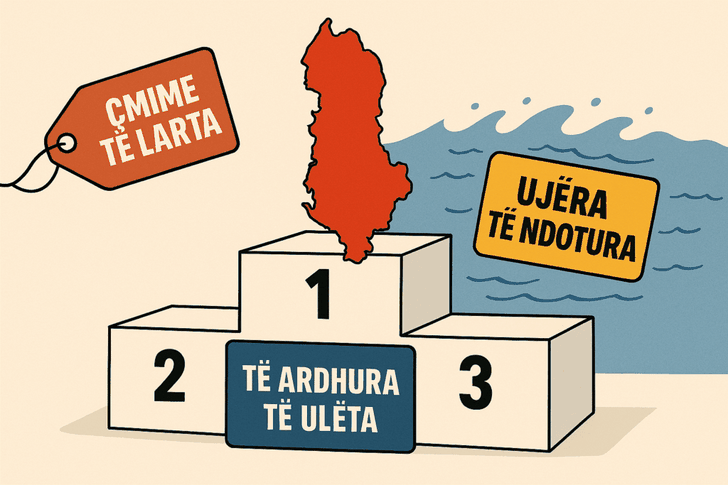
In a continent that measures progress with statistics, ran...
Currently, the world is facing new geopolitical, geoeconom...
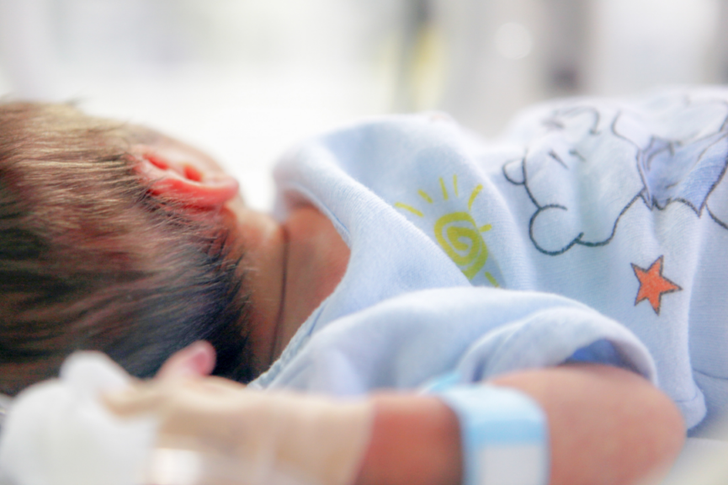
The number of babies who received the bonus for the period...
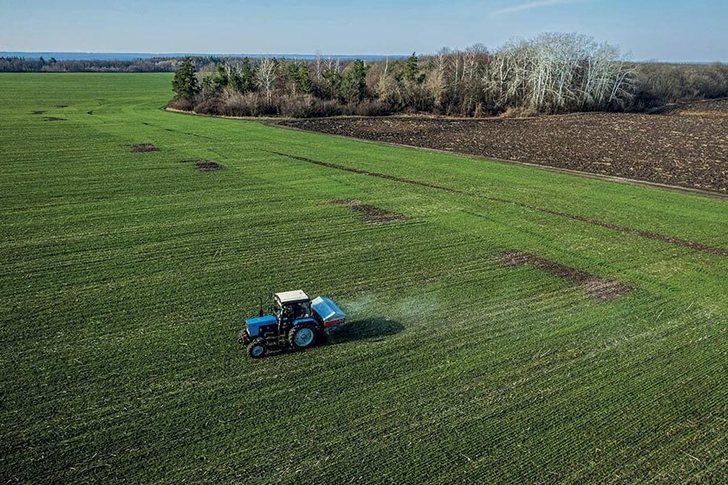
The country's productive sectors, industry and agriculture...
From Shkëmbi i Kavajës, to Vlora, Qeparo, Dhërmi and even ...

Irfan Hysenbelliu claims to be a big businessman, an hones...

The murder of officer Enea Mekolli in the line of duty has...
The next case broadcast on the show "Stop", this Thursday,...
The case published this Thursday, June 4, on the show "Sto...

The Special Board of Appeal (KPA) decided this Monday ...

The KPA vetting decided this Thursday to dismiss the p...

Suela Salavaçi, a prosecutor in the Prosecutor's Offic...

The Special Board of Appeal reinstated the prosecutor ...
A 38-year-old man was arrested today near the Kamza turnof...

A money changer in Durrës lost 60 thousand euros after bei...
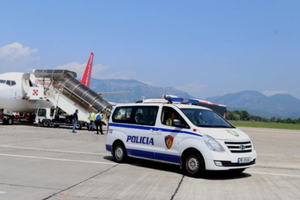
The 6 citizens captured in Dubai, members of criminal grou...
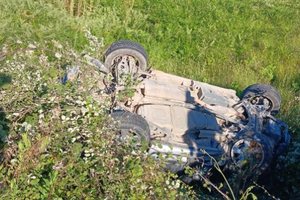
A serious accident occurred on the Kardhiq-Delvinë axis, i...

Today our country will be affected by stable weather condi...

For many children and teenagers, the long summer holidays ...
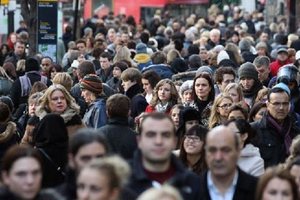
Albania is facing an unprecedented demographic transition,...

On Thursday, our country will be affected by unstable weat...
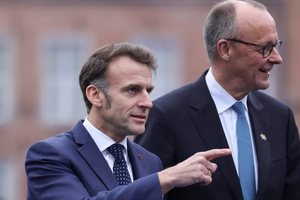
On the eve of the EU-Western Balkans summit, Germany and F...
Russian President Vladimir Putin said the war in Ukraine c...
An extraordinary story of survival has been recorded in Ne...
The Peace Implementation Council in Bosnia and Herzegovina...
Korça is ready to open the summer season with one of the c...
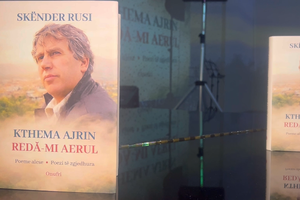
Two years after his passing, the renowned Korçë poet Skënd...
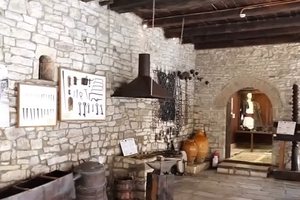
The Ethnographic Museum of Berat has opened its doors to v...
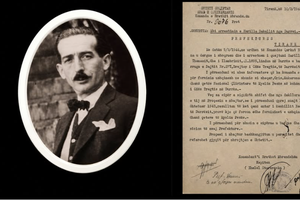
The story of Harilla Bakalli is one of the most chilling t...
Despite years of efforts at regional cooperation and free ...

Albania is the country with the highest level of severe ma...

This Friday, one US dollar is bought for 81.3 lek and sold...
The government aims to transform the country's industrial ...