


Budget changes, cuts in education and health funds, increases for infrastructure
The mid-year amendments to the 2025 budget that were appro...


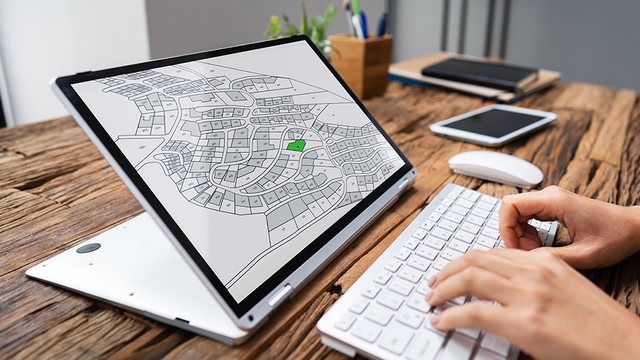
The new electronic register that municipalities will set up with data on all local taxes and fees paid by taxpayer categories will include new data on real estate taxation.
In addition to the data currently held by owners, from the surface area to the purpose of use for buildings, urban land or agricultural land, for the first time, data on co-owners will also be included.
The previously published instruction by the Ministry of Finance for the creation of electronic registers with taxpayer data for local government taxes and fees, specifically for the real estate tax, stipulated that Local Government Units (LGUs) will include data on the type of property category, such as: building, urban land or agricultural land, owner, address and cadastral zone of the property, area in square meters, type of use for housing or for commercial purposes, etc.
Regarding the real estate data in the Electronic Registry, the Ministry of Finance clarifies that municipalities will continue to be responsible only for their population and updating, as an obligation defined in the current law on local taxes. "These are still today the duties of local government units, provided for in Law no. 9632/2006, to populate the data. They only deal with the population of the data", the Ministry of Finance stated.
The Ministry of Finance's instruction stipulated the creation and updating of electronic registers by municipalities that will contain data on all taxpayers, whether individuals, self-employed or legal entities. Types of local taxes and fees, the tax base, their level, according to categories of taxpayers, including planned and collected revenues, as well as unpaid obligations. At least once a year, the register data will be reported by municipalities to the Ministry of Finance.
The executive director of the Institute of Municipalities of Albania, Agron Haxhimali, says that overall, the creation of the electronic registry is a necessary step to improve transparency and local revenues, including the good administration of real estate taxes.
"Instruction No. 13, dated 25.6.2025, brings an important innovation for local self-government units (LGUs): the creation of a unified electronic registry for all taxpayers, including real estate tax, local fees and any fiscal relief or exemption. This initiative aims to standardize the way tax data is collected and processed at the local level," he asserts.
Regarding the data on real estate in the electronic registry, Haxhimali claims that in addition to being enriched with new elements, such as the declaration of co-owners, it creates a unified database with the aim of better tax administration.
"The electronic registry helps LGUs create an accurate and up-to-date base of taxable real estate. Reduce informality and fiscal evasion. Improve efficiency in identifying and pursuing unpaid obligations. Combine property data with the tax identity of individuals or businesses for fairer fiscal policies."
But Haxhimali warns that smaller municipalities face a lack of staff and technology, and need support from the central government.
"But in practice, the challenge lies in the technological capacities of municipalities, which vary significantly. The lack of specialized staff for fiscal administration and IT in small municipalities. The need for seamless interaction with central registries such as ASHK, GPT, QKB, etc.
For this reason, implementation requires technical and financial support from the central government, as well as ongoing training for local administrations. Ultimately, the electronic registry is a necessary step towards the modernization of local administration, and if implemented carefully, will significantly increase efficiency, transparency and property tax revenues.”
The executive director of the Institute of Municipalities of Albania recommends taking into account several measures for the development of the process, such as:
1. The Ministry of Finance should develop a unified national platform, accessible by all municipalities.
2. Allocate specific funds for the digitalization and updating of data in municipalities with low capacities.
3. Create inter-institutional cooperation protocols for automatic data sharing (with ASH, NCC, GDT).
4. Municipal councils should request periodic reports on the status of the registry and the effects on local revenues.
DATA ON REAL ESTATE TAX (BUILDING, AGRICULTURAL LAND AND/OR URBAN LAND):
Name, patronymic and surname of the owner/owners;
Date of birth;
Place of birth;
Personal Identification Number/or NIPT when the property is a business;
Property address/fiscal zone according to the VKM (in the case of building property);
Property form (public, private, co-ownership);
Owner's residential address;
Contact number/email address;
Type of property (building, agricultural land, plot);
Area in m2;
Registration date and cadastral zone (if registered);
Identification as a first residential building or other;
Type of use/destination (apartment or business);
Data on the user and/or tenant;
Property plan;
Document/authorization of representation of co-owners./ Monitor Magazine

The mid-year amendments to the 2025 budget that were appro...

It takes an average Albanian family 16.3 years of work to ...

Today, in the foreign exchange market, one US dollar will ...
Governor Sejko received today the new Ambassador of the Ki...
The budget subsidy for the public pension scheme is declin...

Albania is facing a paradox, where food prices for the fir...

A European spends an average of around 91 euros when trave...

Today, in the foreign exchange market, one US dollar will ...

Prices vary significantly between countries in Europe. But...

Today, in the foreign exchange market, one US dollar will ...
Confusion over the forgiveness of taxpayers' and individua...

Today, in the foreign exchange market, one US dollar will ...

Throughout 2017–2024, Albania has shown a gradual but stea...

Today, in the foreign exchange market, one US dollar will ...
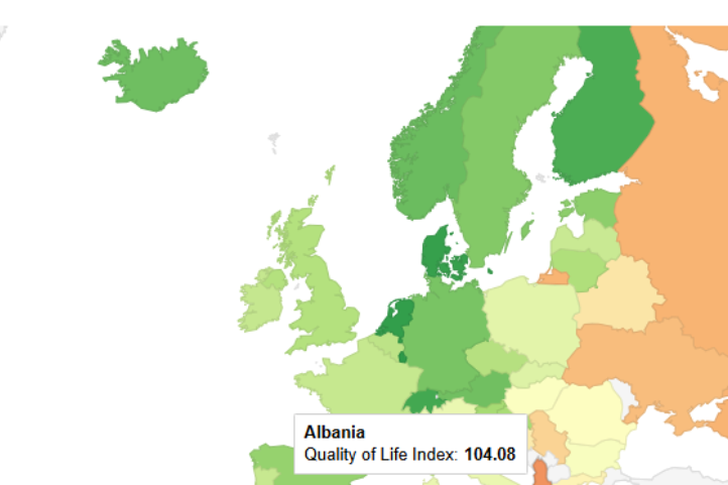
Albania has been placed at the bottom of the list for qual...
Today, in the foreign exchange market, one US dollar will ...
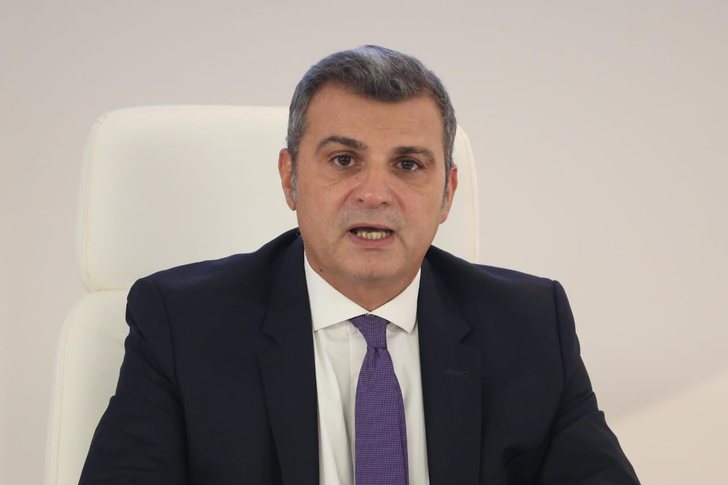
The Governor of the Bank of Albania, Gent Sekjo, announced...

Extreme heat that is becoming common over longer periods a...

A draft law "On Consumer Protection" brings a completely c...
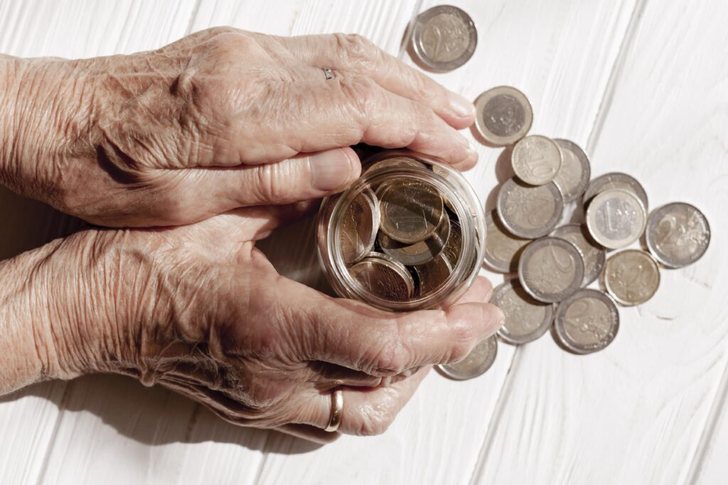
Of the total old-age pensions, more than half of them, abo...

The murder of officer Enea Mekolli in the line of duty has...
The next case broadcast on the show "Stop", this Thursday,...
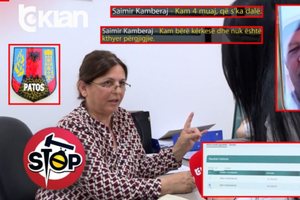
The case published this Thursday, June 4, on the show "Sto...

The protests of recent days related to the situation in Zv...

The Special Board of Appeal (KPA) decided this Monday ...

The KPA vetting decided this Thursday to dismiss the p...

Suela Salavaçi, a prosecutor in the Prosecutor's Offic...

The Special Board of Appeal reinstated the prosecutor ...

A 38-year-old man was arrested today near the Kamza turnof...

A money changer in Durrës lost 60 thousand euros after bei...
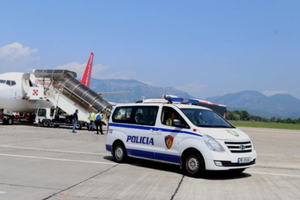
The 6 citizens captured in Dubai, members of criminal grou...
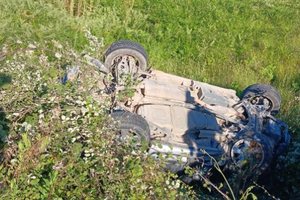
A serious accident occurred on the Kardhiq-Delvinë axis, i...

Today our country will be affected by stable weather condi...

For many children and teenagers, the long summer holidays ...
Albania is facing an unprecedented demographic transition,...

On Thursday, our country will be affected by unstable weat...
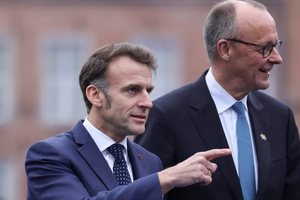
On the eve of the EU-Western Balkans summit, Germany and F...

Russian President Vladimir Putin said the war in Ukraine c...

An extraordinary story of survival has been recorded in Ne...

The Peace Implementation Council in Bosnia and Herzegovina...

Korça is ready to open the summer season with one of the c...

Two years after his passing, the renowned Korçë poet Skënd...
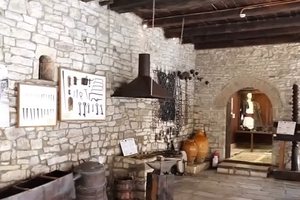
The Ethnographic Museum of Berat has opened its doors to v...
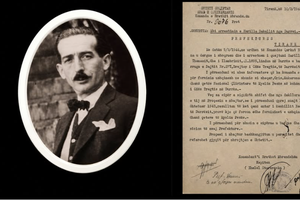
The story of Harilla Bakalli is one of the most chilling t...

Despite years of efforts at regional cooperation and free ...

Albania is the country with the highest level of severe ma...

This Friday, one US dollar is bought for 81.3 lek and sold...
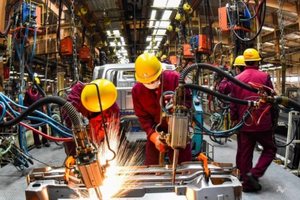
The government aims to transform the country's industrial ...