

Berisha's "doctors", Salianji and other scoundrels
"The Boys of Mul" and "The Boys of Grida" are not fighting...



The new US National Security Strategy has received greater international attention than in the past. It is a presidential report to Congress that outlines the US vision, interests, goals, and policies for national security, detailing how to use the instruments of national power to protect the nation, promote prosperity, and maintain stability.
If it were the product of another US administration, the strategy would be a topic of debate mainly among professionals. However, the great attention comes from the fact that this document represents a fundamental change in the reorientation of US foreign policy since the end of the Cold War, defining a new foreign policy doctrine: "America First". In one way or another, the strategy confirms the positions held by the Trump administration during this year.
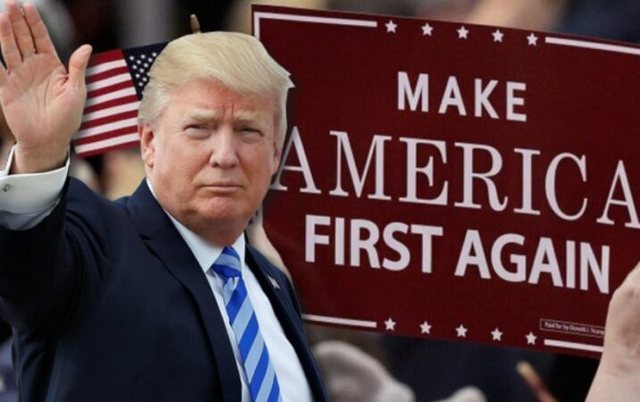
The National Security Strategy is not about values. It is not about promoting democracy. Nor is it about defending the principles that European allies have taken for granted since the end of World War II. It is about projecting American power and interests. Power projection is based on a transactional premise that should benefit Americans, not necessarily on the principles that should be followed to accomplish the objective. At the same time, the strategy reminds us that international relations are not much different from human relations, where not everything and everyone is equally valuable.
The strategy sets out the general parameters of how the Trump administration views the world, focusing on threats and strategic priorities such as alliances, defence, trade and technological advantage. The document clearly states that the Trump administration’s priorities are: (i) border security, the fight against international crime with a particular emphasis on narco-terrorism and drug cartels; (ii) cementing American primacy in the Western Hemisphere, reaffirming the “Monroe Doctrine”, according to which any intervention by other foreign powers in the politics of the American continent is a potentially hostile act against the US; (iii) confronting China to gain its economic future and prevent military confrontation, with a particular emphasis on the defence of Taiwan; (iv) redefining the conditions for stability within Europe and strategic stability with Russia; (v) peace in the Middle East, respecting their traditions, religions and cultures, as long as they do not threaten the US.
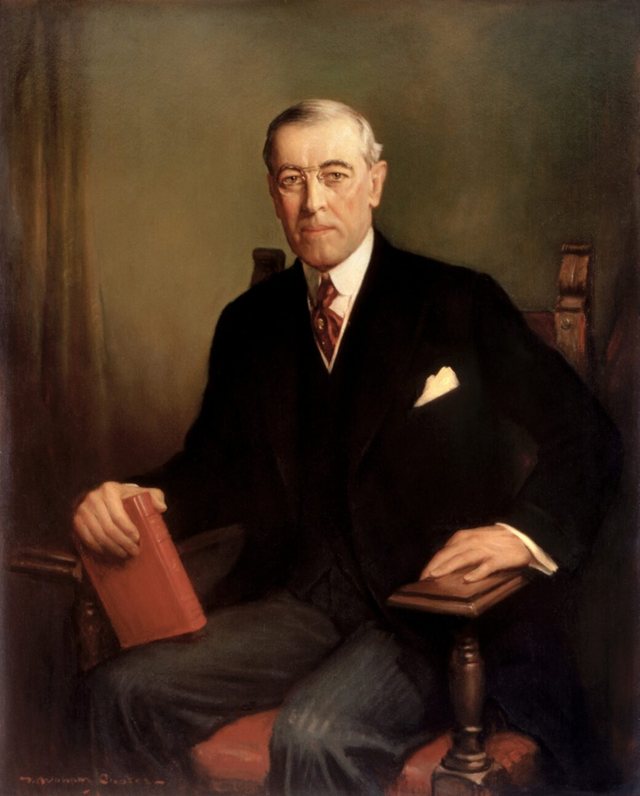
The withdrawal or rationalization of American action in the world is not a new phenomenon. After the brilliance of Woodrow Wilson's international plan, the US retreated into a kind of isolationism during the 1920s and 1930s, rejecting the League of Nations and adopting acts of neutrality to avoid international involvement, driven by war fatigue and economic depression, until the surprise attack on Pearl Harbor in 1941, which forced the US into World War II.
The National Security Strategy comes at a moment of geopolitical annihilation. According to the US, the ‘one size fits all’ approach no longer works. In reality, the change on the global stage is no longer theoretical, as we witness the main fronts of war in Europe and the Middle East, the troubled relationship between the US and Europe, the lack of strong leadership at the European level as a result of the collapse of the democratic center, the formation of alternative alliances to the West by countries with significant geography and population, and a more complex and competitive international architecture.
The strategy aims to reflect the deficit created in the relationship between power and public opinion expectations. The vast majority of Americans do not want to pay for foreign policy and do not support the positioning of the US as a "firefighter" of conflicts in various corners of the world.
Americans voted for less foreign policy in the past, and this is no exception to the presidential elections of recent decades. In 1992, Americans voted for Clinton, who came from a modest background as governor of Arkansas, incomparable to that of President Bush, who was the protagonist of the fall of the Berlin Wall and epochal changes. The same can be said for 2000, when Americans chose Bush over Al Gore, a personality engaged in international relations while serving two terms as vice president; in 2008, when they chose the young senator Obama over the experienced senator and war veteran McCain; or in 2016, when they chose Trump over Clinton, who came from experience as a senator from New York and then secretary of state.
What the aforementioned presidents have in common is that they were elected on the promise of a more limited foreign policy, but became more involved in foreign policy while in office. Trump is no exception to this rule. The fact that during the first year of this presidential term, he talks about regime change in Venezuela, humanitarian intervention in Nigeria, the reconstruction of Gaza, and the need to end the war in Europe shows that he does not belong to the school of limited foreign policy interventions. Quite the opposite! Therefore, the main dilemma for the United States today is not simply what it cannot do, but to avoid what it cannot do.
The US National Security Strategy confirms a trend observed since the Obama administration, according to which the US sees Asia as center stage, while Europe no longer has the same importance, either strategically or culturally, for them.
My experience during these months at Harvard University has been a surprise in itself due to the fact that our continent is in little attention compared to Latin America, the Indo-Pacific, or the Middle East, even in the world of thought, not just politics.
The strategic horizons of the Indo-Pacific have gained priority over transatlantic ties. Despite the change of administrations from Biden to Trump and the different approaches that these administrations have in relation to Europe, it must be admitted that Americans do not feel at war with Russia, unlike Europe where the consequences of war are evident.
The strategy, which calls for Europe to take "primary responsibility for its own defense, without being dominated by any adversary power," should also be read as a wake-up call. For a long time, Europe had been accustomed to the 'Truman Doctrine,' according to which the Americans guaranteed security on the continent and helped the democratic transition in Europe. After the fall of the Berlin Wall, the Americans became involved in guaranteeing security on the continent, ending the war in the former Yugoslavia, and also in the process of NATO enlargement.
For nearly eight decades, American foreign policy was shaped by the mindset of the Cold War and its aftermath. Personalities like Kissinger, Brzezi?ski, Albright, who came as refugees from Europe along with their personal stories influenced the strengthening of ties between the US and Europe, throughout the formulation and execution of American foreign policy.
Today's demographic reality in the US is different from that of the Cold War and its aftermath. This is why the National Security Strategy for the first time caused outrage and shock among the European thought community, because of its direct, and in some cases harsh, language towards the European project. Put bluntly, the US is demanding that Europe oversee its part of the world. And more importantly, that it pay for it. American leaders since President Kennedy in 1963 have been demanding more from Europe to share the burden in NATO. Calls that have been systematically ignored by Europe. The Trump administration differs from previous administrations in its insistence on making such a thing a reality.
Of course, the weakening of Euro-Atlantic relations does not bode well for Europe, where the US has been considered the guarantor of the security perimeter. The situation in our region, where American intervention has been decisive in stopping genocide and war crimes and in conditions where the EU has failed to address unfinished statehood projects, is even more critical. The weakening of Euro-Atlantic relations does not bode well for the US either, since Europe is their natural ally in dealing with other powers.
The insistence on Europe “standing on its own two feet” is a key indicator of a break with the traditional US approach to ensuring the security of our continent. But even in a friendlier political climate, structural changes would challenge the credibility of US security commitments as it prepares for competition with the two nuclear powers, China and Russia. Emerging nuclear multipolarity makes the old model of defence increasingly difficult and dangerous to guarantee indefinitely.
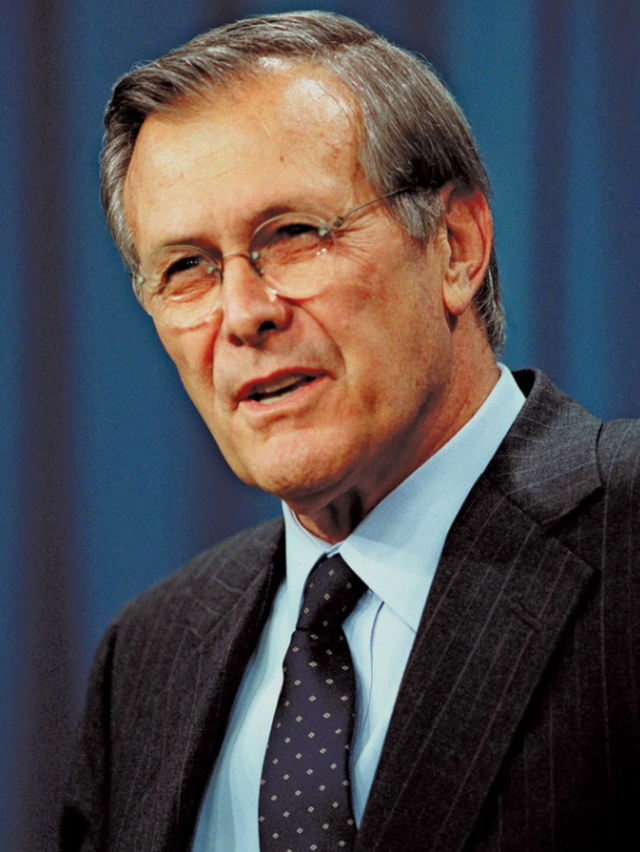
The National Security Strategy also reveals a major contradiction between Europe's view of itself and the Trump administration's vision for Europe's future, as it distinguishes between Europe and the European Union, criticizing the latter as causing Europe to lose its true and former character. The document also makes a clear reference to American support for the countries of Central, Eastern and Southern Europe, recycling former US Secretary of Defense Donald Rumsfeld's categorization of "new" and "old" Europe during the US intervention in Iraq, which was not supported by European allies such as France and Germany.
However, as the National Security Strategy itself confirms, its aim is to help make Europe stronger, to prevent any adversary from trying to dominate Europe. Direct language should serve as an opportunity to strengthen the character of European security.
The character of future European security and relations with Russia will be determined by how the war in Ukraine ends. Europe must combine reactive reflexes with the need to have a clear plan for how today's war should be ended and tomorrow's peace built on the continent. Europe must accelerate the process of building defense capabilities. Without speed, simplification of procedures and political determination, Europe risks becoming an irrelevant geopolitical actor.
For this, Europe needs an alliance with the US, especially in the field of intelligence and nuclear defense. The “strategic stability with Russia” called for by the National Security Strategy cannot be read as a victory for Russia in Europe, which would have long-term consequences for the US itself. But it must be read in the light of the conclusions of the NATO Summit in The Hague, in June of this year, where Russia is considered a “threat to Euro-Atlantic security”.
While the document should be critically examined, it is important to avoid dogmatic assessments. For a long time, we have lived under the hooves of “market believers,” who did not accept any criticism of the magic of the market and capitalism. “Liberal believers” are showing the same symptoms as the “market believers” of the past. They reject any idea contrary to their worldview, without being able to examine reality and alternatives critically, accompanied by a lack of success-oriented mindset. Forgetting that in the time we live, foreign policy is more like the challenges of an athlete, with the physical preparation needed, the victories, the falls and the postponements in search of winning the race, than an academic exercise, where the best is awarded the highest grade.
Instead of preaching yesterday that will never return, it is worth paying the appropriate short-term costs for the long-term benefit of the post-Pax Americana period in Europe. A more strategic Europe, with full defense capabilities, capable of acting as an equal with other geopolitical powers.
The analysis is a publication of the Friedrich-Ebert-Stiftung Tirana Foundation./ CNA

"The Boys of Mul" and "The Boys of Grida" are not fighting...
A group of businessmen, citizens GS, FB, MP, Sh.F, SK,...
For nine months in Durrës prison, arrested by a court ...

A bust of Llazar Fundo was placed in Korça, on a pedes...
No form of violence has shown as much resilience and abili...
The countries that were really moving fast and hard toward...
The investigation against Deputy Prime Minister Belind...

The Special Court suspended Belinda Balluku from her posit...
Sot mediat raportuan se GJKKO kishte dhënë masë sigurie nd...
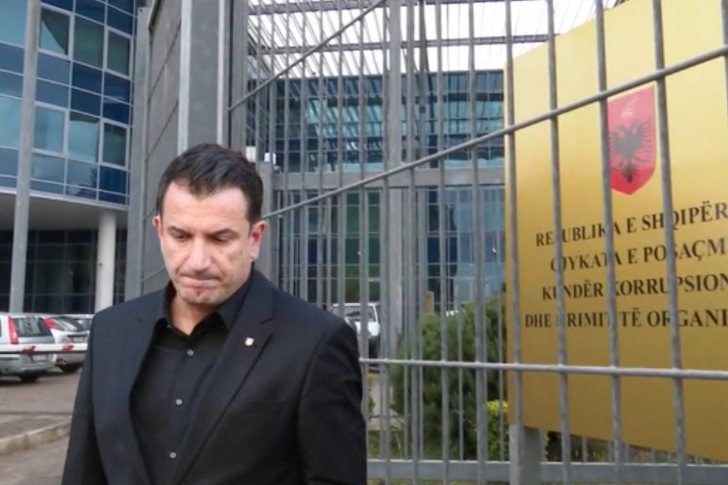
The online portal "Tema", owned by the Veliaj family journ...
The articles below are 2 of the articles of the Law on Tax...
Prime Minister Rama has been heavily advertising what he c...
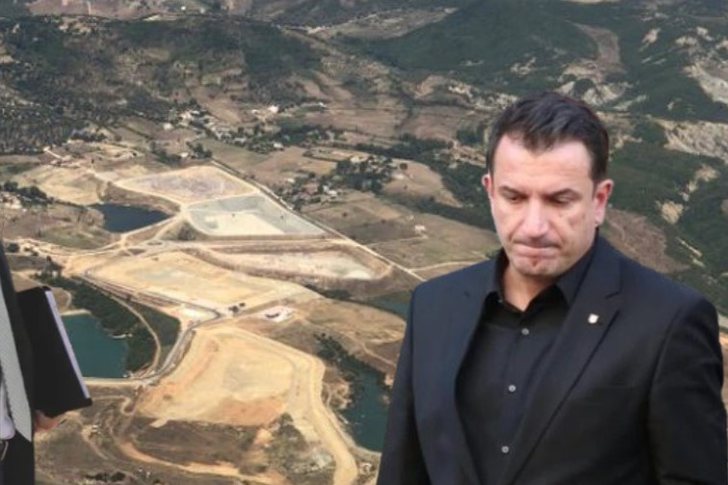
In SPAK there are many prosecutors with integrity, honest ...
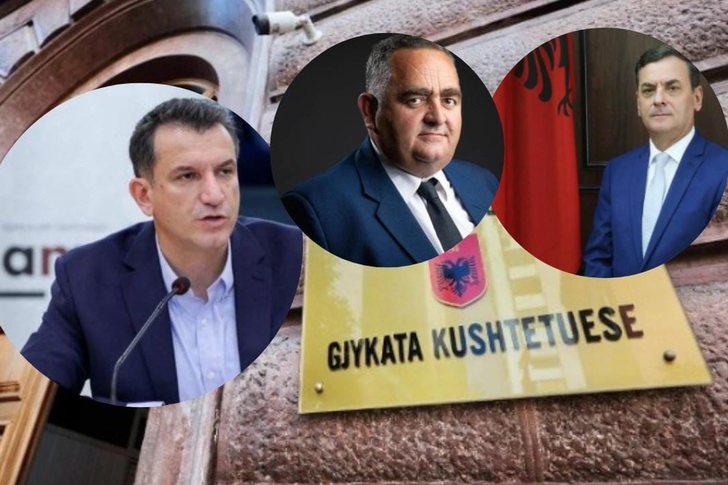
The Constitutional Court of Sadushi, (i.e. 5 of the member...
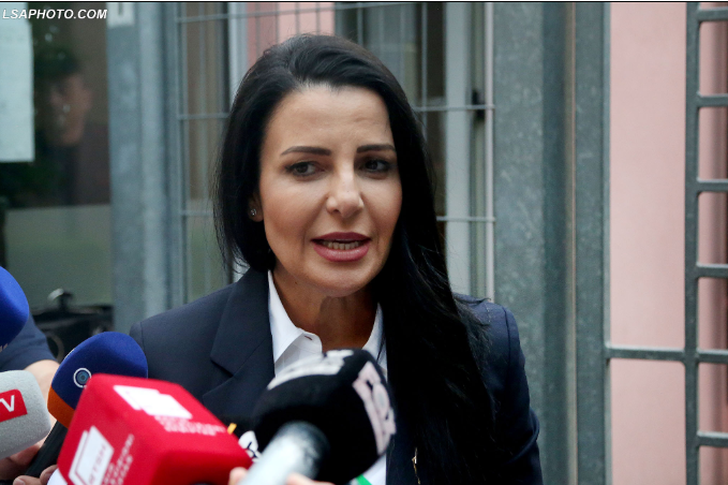
In recent days, the media was overwhelmed by the news of D...
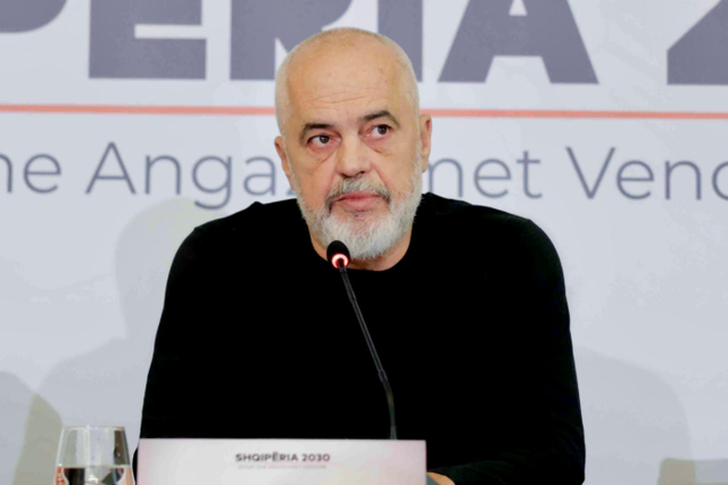
Prime Minister Rama's full speech at the Paris Peace Forum...

BY ELVI FUNDO Former mayor Erion Veliaj, through his ...
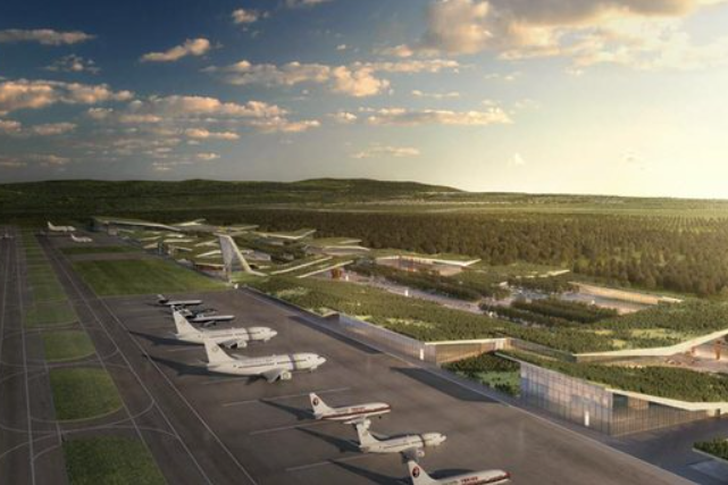
Vlora Airport, one of the new airports expected to begin p...
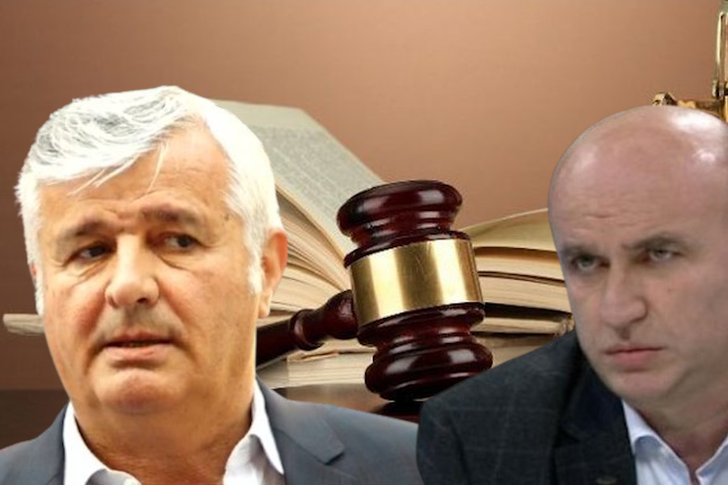
Yesterday, the Chamber of Advocates, led by Maks Haxhia, d...
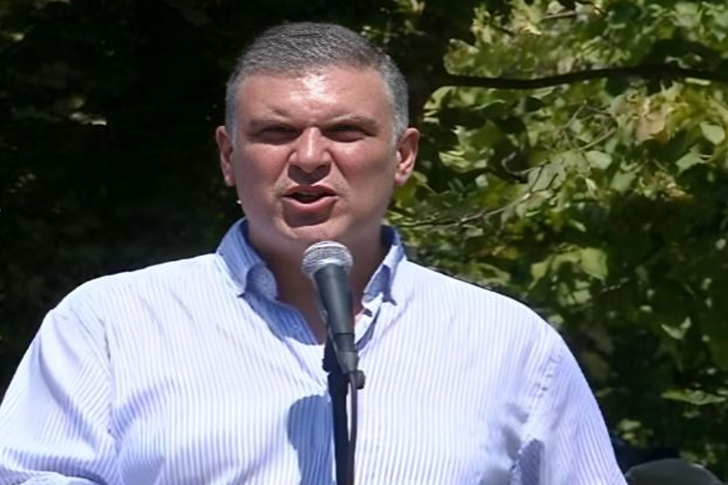
Yesterday, instead of apologizing, Tedi Blushi issued a st...
The mayor of Tirana, Erion Veliaj, arrested on 13 charges ...

Qytetarët që kalojnë pasditen pranë Liqenit Artificial në ...
On the morning of July 7, 2026, the Ministry of Culture ur...
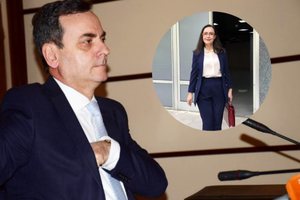
After the disclosure of the portfolio of properties an...

The Special Board of Appeal (KPA) decided this Monday ...

The KPA vetting decided this Thursday to dismiss the p...

Suela Salavaçi, a prosecutor in the Prosecutor's Offic...

The Special Board of Appeal reinstated the prosecutor ...

A serious accident occurred this afternoon on the Elbasan-...
The Police Supervision Agency has arrested two police offi...

The 18-year-old who stabbed a citizen in the premises of t...

A road accident occurred this Thursday on the Tirana-Elbas...

Demographic trends in Europe are revealing a new complex r...

Today, our country will remain under the influence of stab...
Today, our country will remain under the influence of stab...

The latest report compiled by the European Transport Safet...

A magnitude 5.9 earthquake struck New Zealand's South Isla...
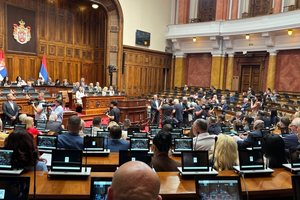
The only Albanian MP in the Serbian Parliament, Shaip Kamb...
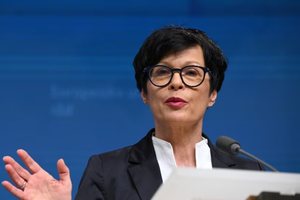
European Union Enlargement Commissioner Marta Kos has reac...

In the Chamber of Deputies (Camera dei Deputati) in Rome, ...

Master of humor Todi Llupi has passed away at the age of 7...

The ninth edition of "MIK Festival" kicked off with one of...

A historic evening for Albanian culture was marked in the ...

When I turned 10, another building was built in front of o...

Around 97,100 people are employed in regulated professions...
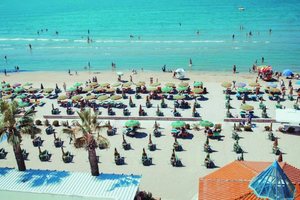
Albania continues to be the main destination for vacatione...
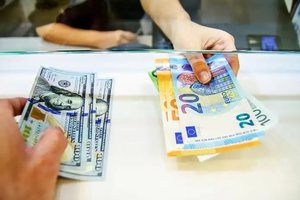
This Thursday, one US dollar is bought for 81.1 lek an...

Beekeeping has expanded significantly in recent years, bec...