


Balla on the protest: Today, there are only "crows", citizens deserve dialogue
The Chairman of the Socialist Party Parliamentary Group, T...

The Chairman of the Socialist Party Parliamentary Group, T...

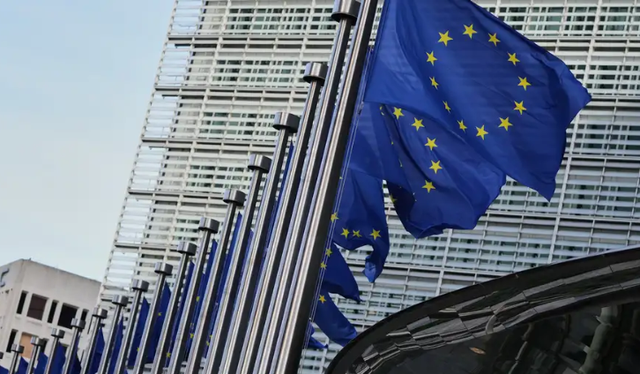
The countries that were really moving fast and hard towards the EU, first Slovenia and then Croatia, did not celebrate the opening of chapters, but the closing of chapters. They did not sell the process as a political victory, but as a state duty.
The Rama sect government seeks to sell the opening of the chapters of the Stabilization and Association Agreement (SAA) as a historic success for integration. In the last 13 years, every time Brussels has given a positive signal, even minimal, the ruling sect has rushed to turn it into a milestone achieved. Every time a chapter, a cluster has been opened, Albania has received a technical document, or even just a preliminary assessment, the puppetry orchestrated by Rama has declared it a “historic victory”.
This unscrupulous deception is feeding the citizen and the public the illusion that the integration process is moving at a rapid pace. In reality, the opening of chapters is only the easiest and initial phase of the entire long and difficult process of integration into the European Union.
What matters, what appears to be fundamental, but which the Rama sect avoids saying, is the closing of chapters, not their opening.
In every candidate country, the opening of chapters is a technical act. Brussels agrees that negotiations can start in that area because certain minimum preconditions have been met. It is neither a political blessing nor a certification of deep reforms. Many chapters are opened with strong conditionality, which in itself proves that the real path is just beginning.
Montenegro opened accession negotiations in 2012. For geopolitical reasons, 32 chapters were immediately opened. After 13 years, it has closed only 3. Serbia has opened 24 chapters and closed only 2, even though it has a large administration and technical support.
In reality, opening chapters is the simplest, most administrative and least important part of the integration process. What has real value, and which the Rama sect hesitates to mention, is closing chapters. Without closing, opening is only a formal conclusion, not the fulfillment of reforms. It is only entering the exam area, not getting the final grade.
The transition from a Stabilisation and Association Agreement (SAA) to full membership negotiations is a multi-stage process. Chapters or clusters are opened only when the European Commission, the EU government, determines that the candidate country has met the minimum conditions to start talks. This is technical language, clear and simple: the chapter is not closed, not completed, not integrated. It is simply opened for discussion.
However, in Rama's political discourse, the opening of chapters is interpreted as a final certification, as an assessment of reforms, as a concrete invitation for membership, which will come in just 2-3 years. This constitutes a dirty and disgusting political trade.
Instead of treating integration as a complex, difficult, and long-term process, as it really is, Rama deliberately and perfidiously presents it as a simple competition, with flags to be raised at public ceremonies.
This illusion produces three distortions. First, the public is systematically misinformed and fails to understand the fact that openness does not constitute real progress.
Second, reforms are relativized because they are declared successful before they have been implemented or verified.
Third, the Ram sect government thus avoids responsibility, declaring only openings, but not setbacks or non-fulfillment of conditions for closure.
a) Opening is quick and symbolic; closing chapters is painful and concrete. Opening requires a technical report; closing requires transformations and many political costs. Faced with such a choice, Rama prefers ceremonies with flags, not fulfilling major obligations.
b) Opening makes news; closing demands accountability. Closing forces the government to explain (i) why a chapter could not be closed, (ii) which reforms have been blocked, as in the case of the freezing of IPARD funds, and (iii) why some structures are not functioning. This transparency contradicts the logic of the rampant propaganda of the sect in power in our country.
c) Opening is sewn with rhetoric; closing is measured with indicators. Indicators of the rule of law, corruption, market freedom, and the quality of administration cannot be hidden. They are not retouched like speeches.
The over thirty-year history of the European Union's enlargement has proven that in every candidate country, from Croatia to Romania, from Slovenia to Bulgaria, success has been measured by only one indicator: how many chapters were closed and with what quality.
Closing the chapters requires (i) real fulfillment of EU standards, (ii) practical implementation of reforms, not just their adoption on paper, (iii) functional policies in the economic, legal, social and administrative fields, (iv) measurable results in the fight against corruption, (v) stable, depoliticized and independent institutions, (vi) a functioning and adjudicating justice system, (viii) an open and competitive market, (ix) budgetary transparency and (x) professional administration.
In each chapter, the EU uses opening benchmarks and closing benchmarks. If Albania has only advanced with the former, this does not constitute tangible progress. Countries like Denmark, Germany or the Netherlands, even the 27 Member States of the European Union, do not evaluate political statements, but implementation.
Therefore, for Albania, the main challenge is not the opening, but the closing of chapters, especially Chapters 23 and 24, which relate to the rule of law, justice and fundamental rights. Without their closure, no economic chapter can be closed.
This is why justice reform, despite political investment, has not yet produced the results required in EU reports.
a. Empty promises damage public trust.
When citizens have been sold "EU soon" for years, disappointment increases democratic apathy and undermines the credibility of institutions.
b. The integration process becomes an electoral instrument.
This is a systemic misuse of Rama's votes. Integration is a national project, not a platform for maintaining power.
c. Essential reforms are postponed and replaced with cosmetic reforms.
Instead of changing administrative culture, functional laws, and governance practices, formal reforms are produced, which only fulfill documents, not reality.
For a candidate country, success is measured by only one thing: how many chapters have been closed. And closure does not come with diplomatic declarations, but with real reforms. With profound changes (i) in justice, (ii) in the functionality of markets, (iii) in economic freedom, (iv) in independent institutions, (v) in EU standards in every sector, and (vi) in the fight against corruption with results, not rhetoric.
The negotiation process is deeply technical and requires structured preparation and broad political and institutional cooperation. This process requires comprehensive support from all parties, interest groups, the media, and civil society. It is a national effort.
In the EU's 185,000-page legal corpus ("Acquis Communautaire"), 83,000 pages are negotiable. How can we negotiate 83,000 pages in two years?! Technically it's very difficult.
EU integration is not just a matter of will, but above all the building of structures that can implement what is negotiated. He called on politics to speak responsibly and citizens not to feed on false illusions, but to engage in a long and sustainable process of transformation.
The Rama sect has been talking about opening chapters for years, while closing them remains almost taboo. But why? Because closing chapters requires the minimum of what the Rama sect cannot offer: consensus, sincere cooperation with the opposition, seriousness, institutional impartiality, and reforms that affect the interests of powerful groups.
Our country today does not have the luxury of beautiful lies. Today, Albania urgently needs to abandon the insincere and treacherous logic of the illusions of rapid integration, which Rama propagates. It is not enough to carry out reforms on paper.
The only real question that the opposition, citizens, media and public opinion should ask today is: how many chapters can be closed within the next 2-3 years? If the answer is zero or unclear, then the illusion of integration simply runs parallel to the reality of integration.
European integration is a serious marathon of reforms, not a parade of flags. And whoever reduces it to opening ceremonies does nothing but consume public hope. Only the closing of chapters brings Albania closer to the EU. Everything else is political decorum./ CNA

The investigation against Deputy Prime Minister Belind...
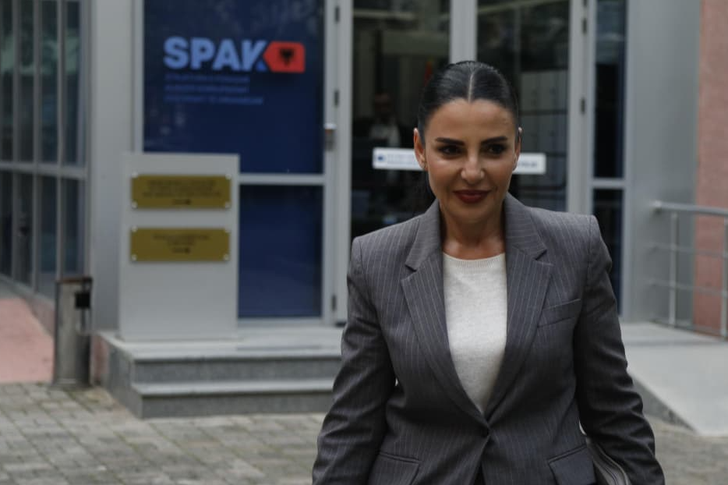
The Special Court suspended Belinda Balluku from her posit...
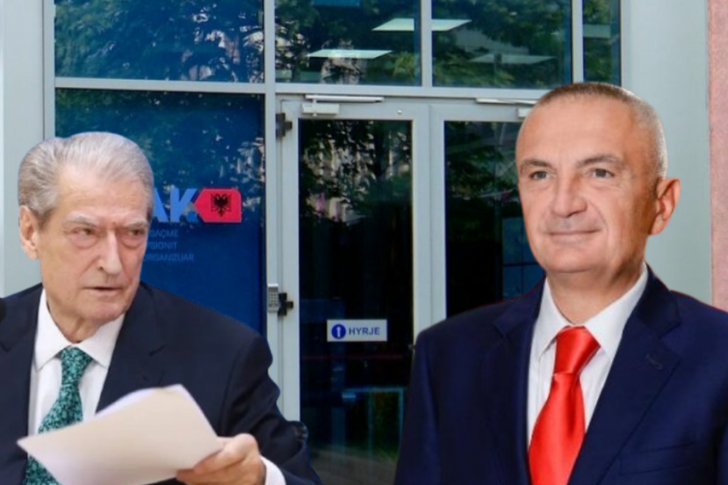
Sot mediat raportuan se GJKKO kishte dhënë masë sigurie nd...
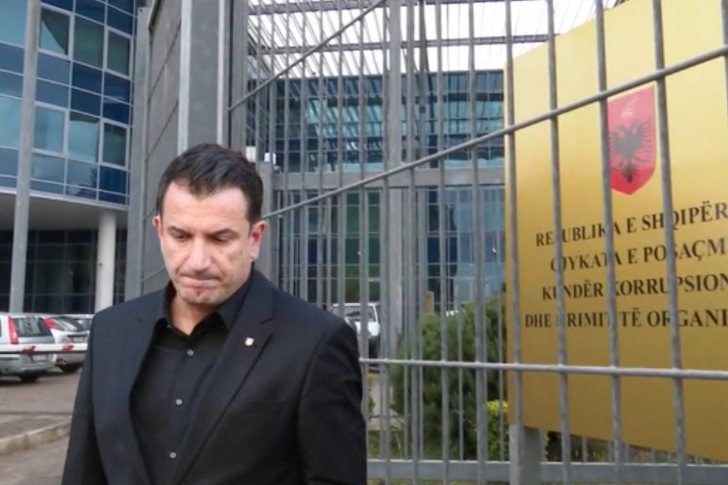
The online portal "Tema", owned by the Veliaj family journ...
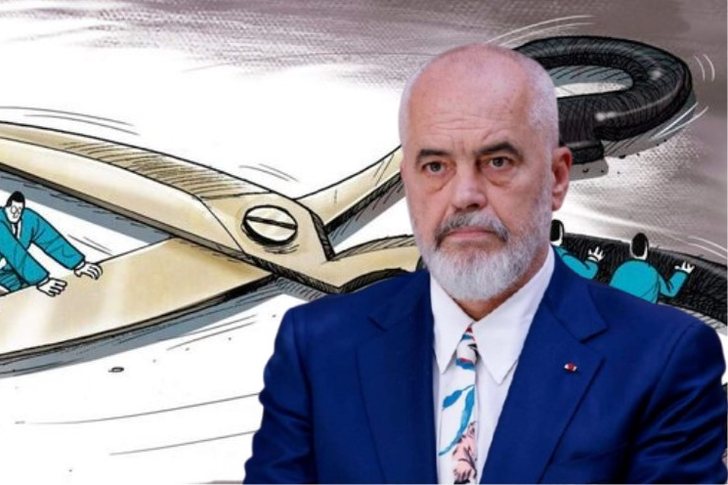
The articles below are 2 of the articles of the Law on Tax...
Prime Minister Rama has been heavily advertising what he c...
In SPAK there are many prosecutors with integrity, honest ...
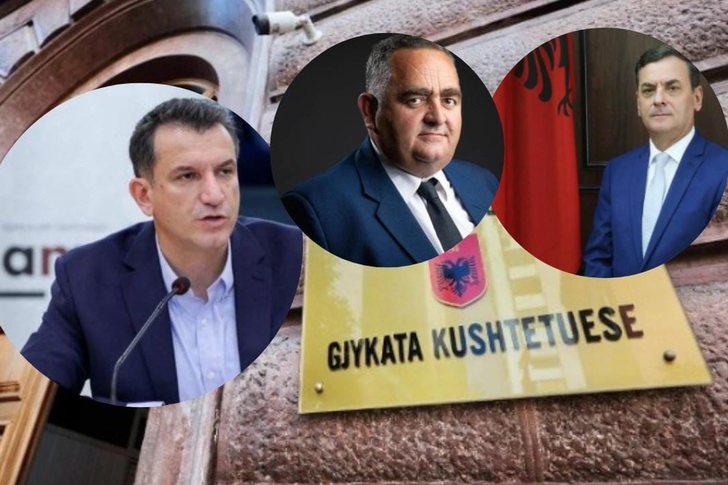
The Constitutional Court of Sadushi, (i.e. 5 of the member...
In recent days, the media was overwhelmed by the news of D...
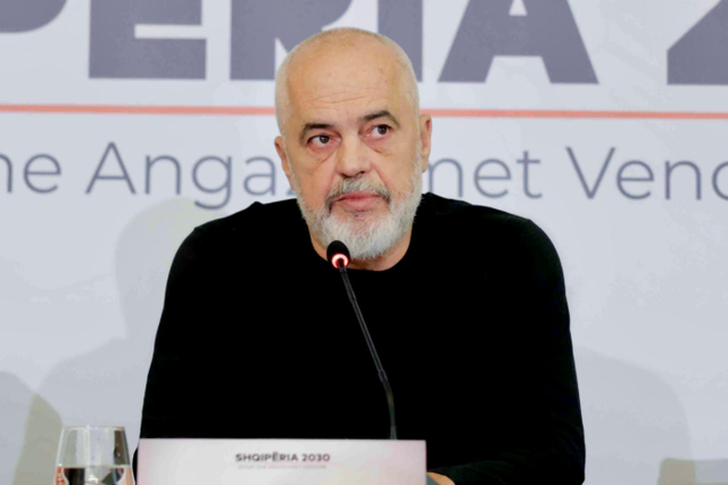
Prime Minister Rama's full speech at the Paris Peace Forum...

BY ELVI FUNDO Former mayor Erion Veliaj, through his ...

Vlora Airport, one of the new airports expected to begin p...
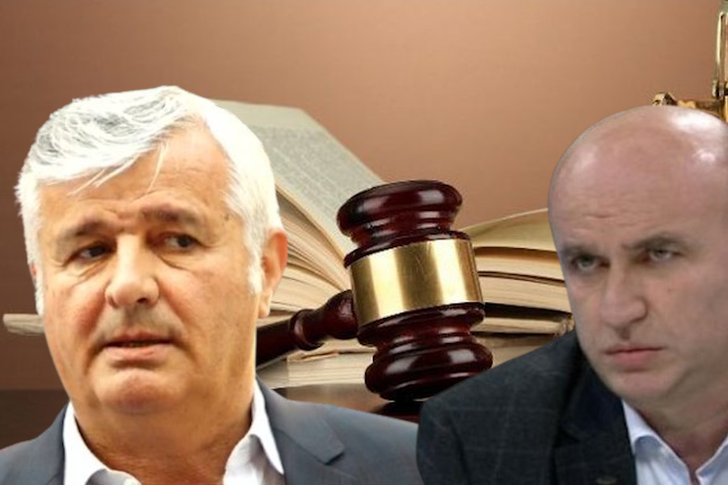
Yesterday, the Chamber of Advocates, led by Maks Haxhia, d...
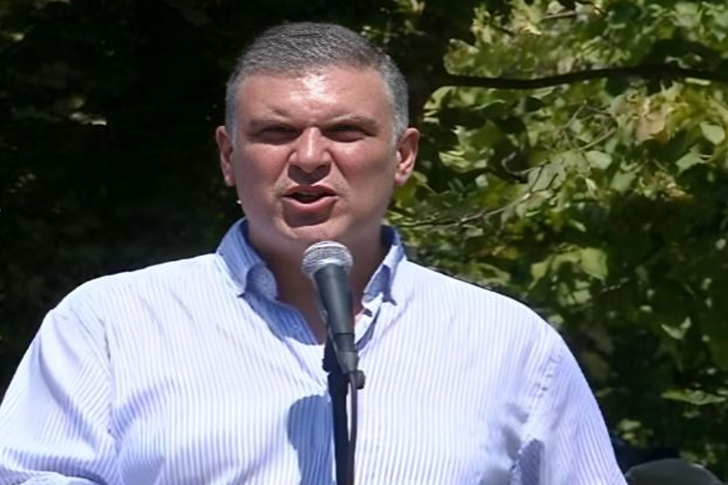
Yesterday, instead of apologizing, Tedi Blushi issued a st...
Today, Tedi Blushi, Secretary General of the Freedom Party...
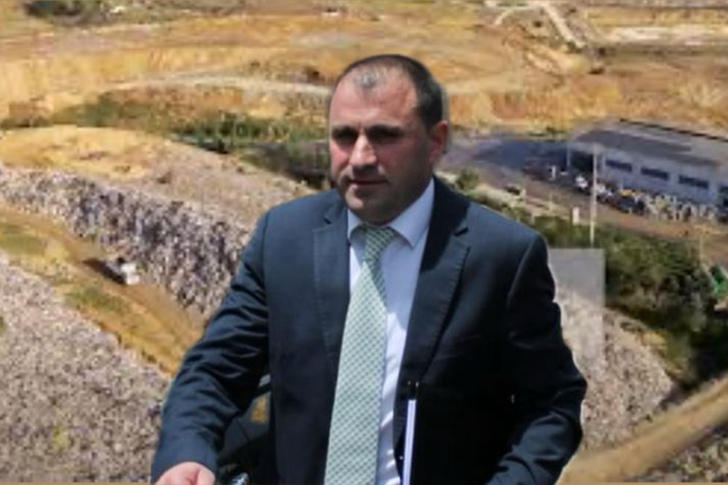
The affair of the century is that of the incinerators ...
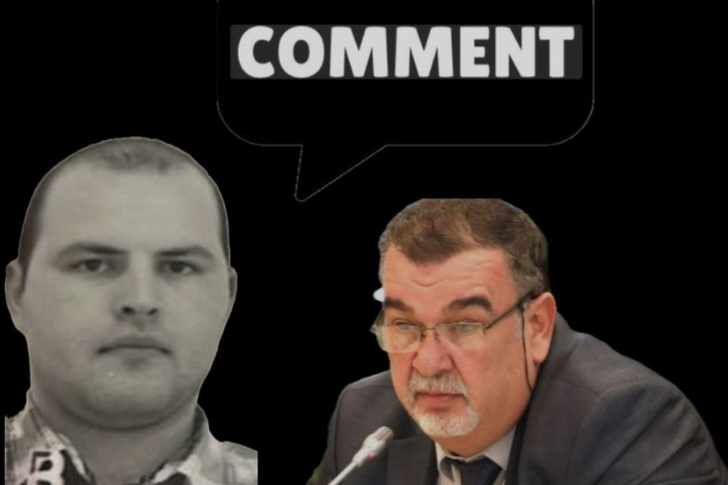
The murder of Judge Astrit Kalaja is one of the most shock...

This afternoon, a gunshot was fired inside the premises of...
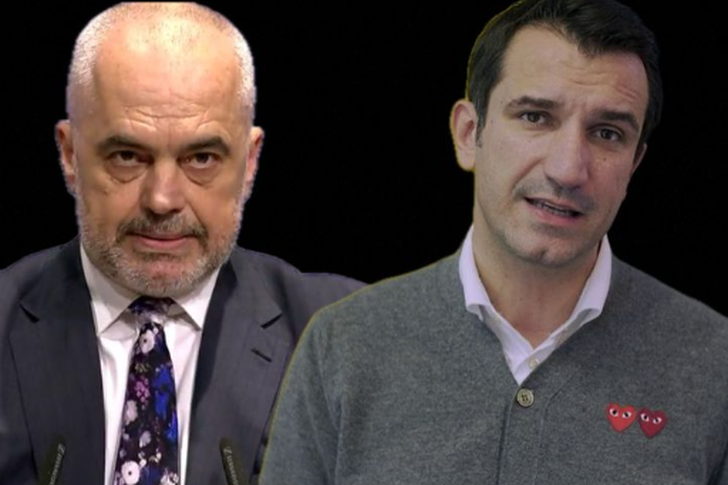
Prime Minister Edi Rama, in his podcast today, where he in...
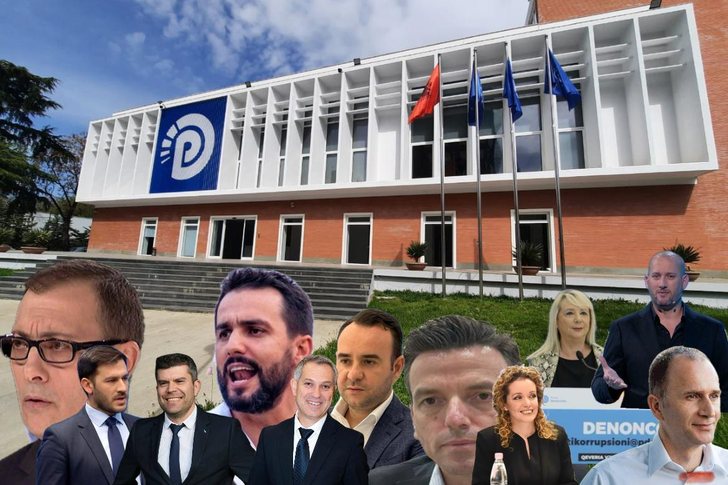
The opposition has put forward around 11 names as candidat...
The mayor of Tirana, Erion Veliaj, arrested on 13 charges ...
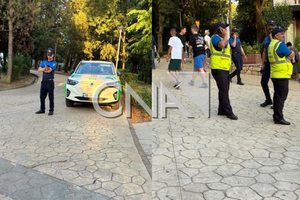
Qytetarët që kalojnë pasditen pranë Liqenit Artificial në ...
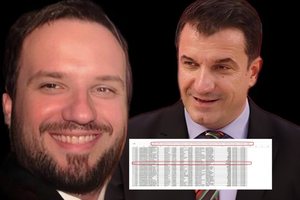
On the morning of July 7, 2026, the Ministry of Culture ur...
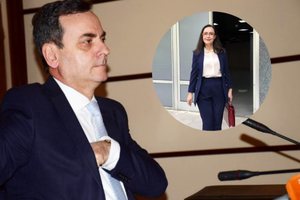
After the disclosure of the portfolio of properties an...

The Special Board of Appeal (KPA) decided this Monday ...

The KPA vetting decided this Thursday to dismiss the p...

Suela Salavaçi, a prosecutor in the Prosecutor's Offic...

The Special Board of Appeal reinstated the prosecutor ...
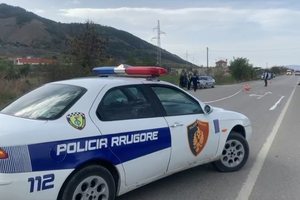
A serious accident occurred this afternoon on the Elbasan-...
The Police Supervision Agency has arrested two police offi...
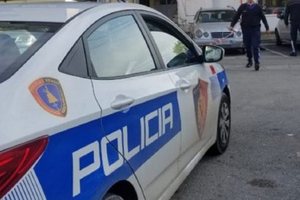
The 18-year-old who stabbed a citizen in the premises of t...
A road accident occurred this Thursday on the Tirana-Elbas...
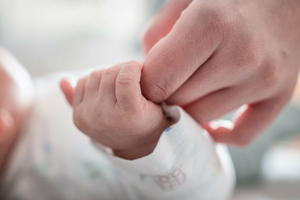
Demographic trends in Europe are revealing a new complex r...
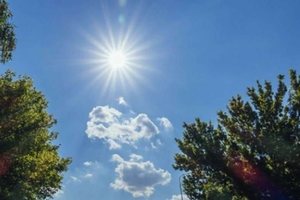
Today, our country will remain under the influence of stab...
Today, our country will remain under the influence of stab...
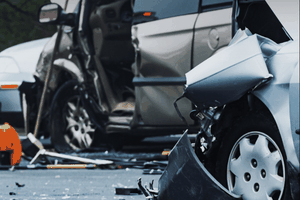
The latest report compiled by the European Transport Safet...
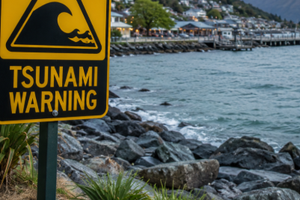
A magnitude 5.9 earthquake struck New Zealand's South Isla...
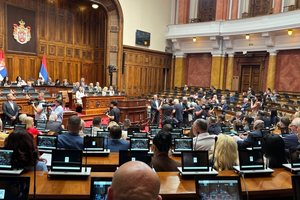
The only Albanian MP in the Serbian Parliament, Shaip Kamb...
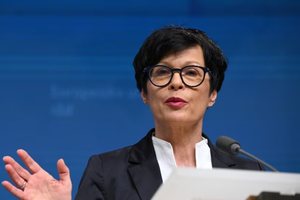
European Union Enlargement Commissioner Marta Kos has reac...
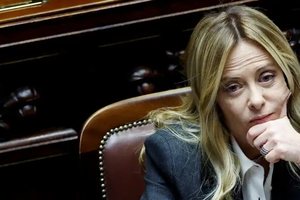
In the Chamber of Deputies (Camera dei Deputati) in Rome, ...

Master of humor Todi Llupi has passed away at the age of 7...

The ninth edition of "MIK Festival" kicked off with one of...
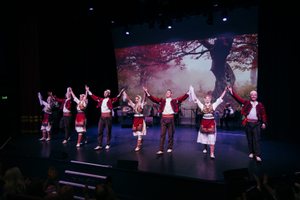
A historic evening for Albanian culture was marked in the ...

When I turned 10, another building was built in front of o...

Around 97,100 people are employed in regulated professions...
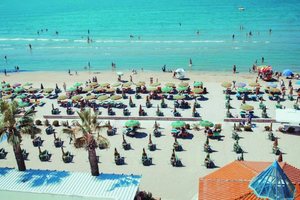
Albania continues to be the main destination for vacatione...
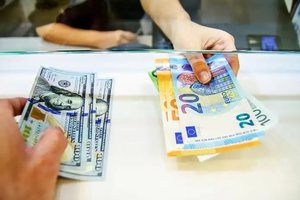
This Thursday, one US dollar is bought for 81.1 lek an...

Beekeeping has expanded significantly in recent years, bec...