




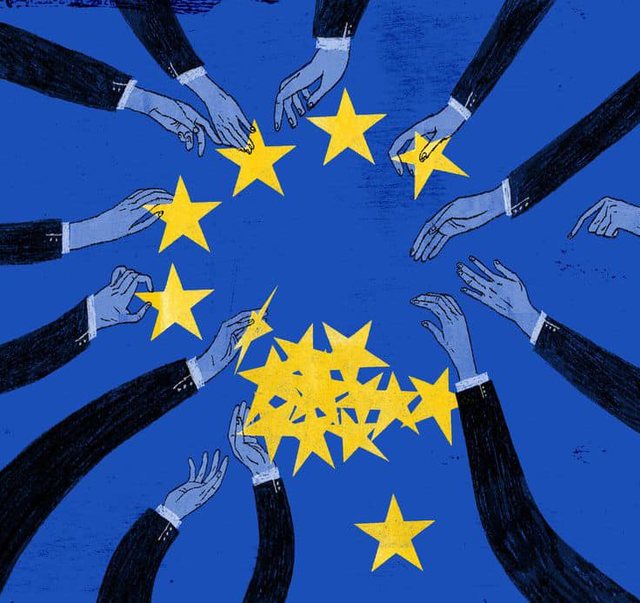
Two decades before Europe was drawn into World War I, Friedrich Engels asked the dramatic question “Kann Europa abrüsten?” (“Can Europe disarm?”). Two days earlier, in the same hall named after the visionary of a united Europe, Altiero Spinelli, Mario Draghi raised the equally dramatic question “Can Europe be competitive?”
As the world enters the era of Artificial Intelligence and major geopolitical changes, Europe risks being left behind as a half-baked political project - neither a federal state nor a real union of states. The solution can only come from a radical reconceptualization of the European project.
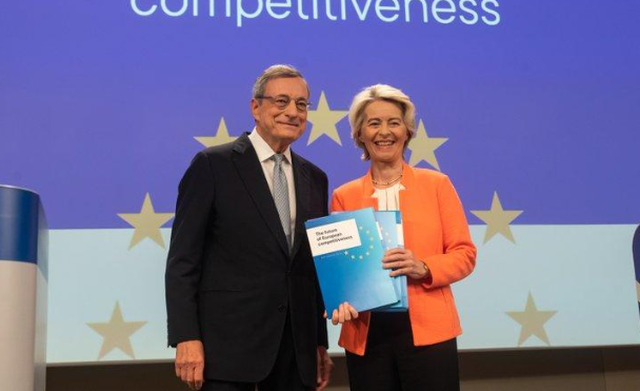
Mario Draghi has analyzed not only the challenges, but also the opportunities, and the EU Compass, based on Draghi's report and presented a few days ago by Ursula von der Leyen, translates these opportunities into policies with ambitious budgets and deadlines. But in the way of implementing these policies stands a huge rock: the bureaucracy and political organization of the EU.
On the other hand, in the US, President Trump signed over 60 executive orders, which would have taken the EU over 20 months to implement. Not only that, the US has embarked on a deep process of deregulation, aimed at freeing energy and budgets from the bureaucracy of regulations and agencies.
“If we follow our usual legislative procedures, which often take up to 20 months, our policy responses could be outdated once they are implemented,” Draghi told the European Parliament yesterday. According to Draghi, the IMF estimates that the EU’s internal barriers are equivalent to a tariff of around 45% on manufacturing and 110% on services.
Meanwhile, China is a country with a single government and only one party that makes decisions. The difference in the speed of decision-making, especially in today's time of amazing technological advancement, is essential for competitiveness. Due to the political organization with 27 countries, that is, with 27 governments and 27 parliaments that must all agree on a new policy without exception, the EU is not really a common market.
So, the Competitiveness Compass is missing something. It is missing Europe itself.
Now let's go a little further, to Altiero Spinelli's dream of a united federal Europe in the Ventotene Manifesto (1941). By a beautiful coincidence, the European Parliament hall where Mario Draghi gave his alarming speech yesterday is called the Altiero Spinelli Hall.
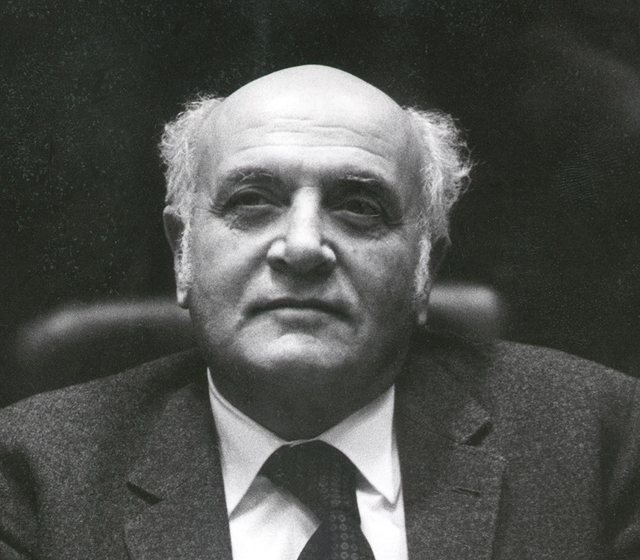
Exiled as an anti-fascist on the island of Ventotene, Spinelli, whose group included the Albanian Llazar Fundo, wrote a manifesto for post-war Europe. This manifesto has a grand idea, as are the ideas born in difficult days: the unification of Europe into one, the United States of Europe.
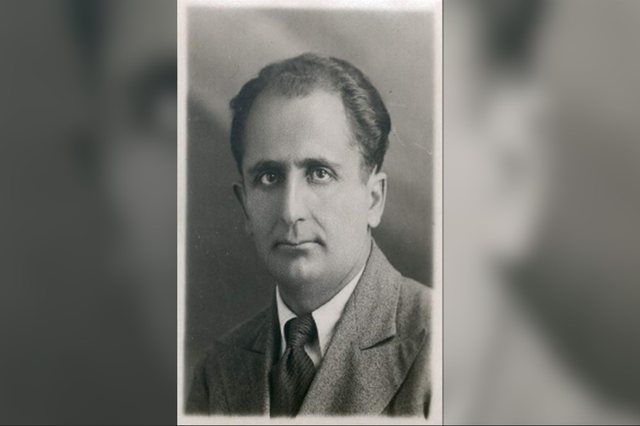
Today, Europe united in a single federal state, with a federal government, an army, and a president with executive powers like the US, is both a utopia and a necessity of the times. It is a utopia because of the complexity of the diversity of languages ??and cultures of European states.
So, the strong national identity of European states seems to be the insurmountable obstacle towards a united and competitive Europe.
Actually, no.
Just like the regional community identity for a state, the national identity for a United Europe is not only not an obstacle, but can be the solid foundation of this ingenious project, which must take its unified historical form. States and the EU as a large family of member states are living organisms. At the base are the cells, that is, the local communities, and then the tissues, the member states of this organism.
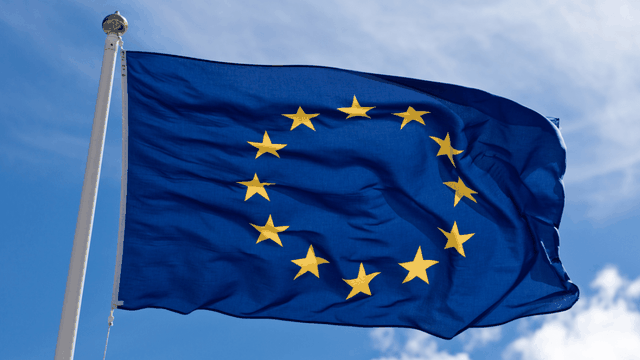
History has shown us that any social construct that does not follow the ingenious construct of nature or God has failed.
The United European project needs not only the body, but also the European soul.
Politics today thinks and talks little about communities, so the communitarian character of the fabric with which social cohesion is built has been broken. Society is not simply a community of individuals or consumers. It is organized into social groups such as the family and local communities. There the construction of the European spirit and consciousness begins, there a common identity is cultivated, which also includes the diversity of individuals as an added value. This identity becomes the fable around which the individual lives and grows as a member of this community. If the communitarian identity is healthy, the national identity around a larger fable like the nation is also healthy.
Societies cannot be held together by law alone, because the essence of society is spiritual, not legal; it is natural, not political; it is communal, not state. The family, the neighborhood, the city, the province are the organizations where the common communal character is preserved and cultivated.
Liberalism, the market economy system and globalization have created extraordinary progress, but they forgot the spiritual and emotional dimension of the cell of society, which is the family and the community. Therefore, it seems that they are slowly becoming victims of their own success. It is enough to look at the map of the results of the presidential elections in the USA and clearly see how the areas with small communities are colored red. There, the violation of community values, starting with the family, is more sensitive, which is why Trump's theses on limiting illegal immigration, deporting individuals with criminal records and protecting the traditional family were massively embraced.
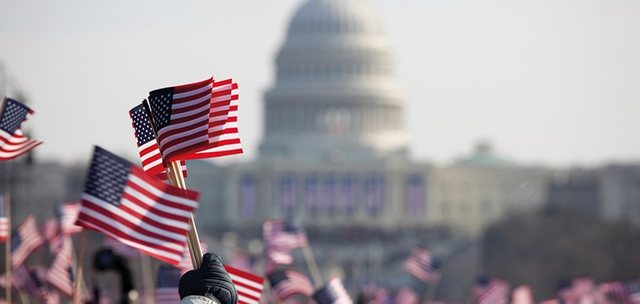
In a sense, belonging to a community becomes even stronger than belonging to a state. State borders have generally been established brutally, by the "strong" and have created forced realities because they have considered the provincial communal threads as problematic, so at best they have ignored them, and at worst they have attempted to disrupt them.
In a restaurant in Parga, Greece, the waiter spoke Albanian to me. I asked him if he had come from Albania for work. “No,” Mihali told me, “I’m local, from Suli.” “Are you Albanian?” I asked. “No,” he said, “but in our family we spoke Albanian (Arvanitika).” After noticing that his answer seemed a little strange to me, he came closer and whispered in my ear: “We are one; politics divides us with borders, assigns names to us, pits us against each other, shows us what divides us and not what unites us.”
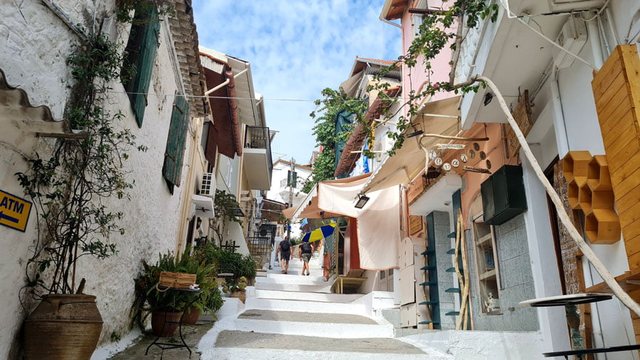
The province of Sul and the Sulians' struggles to preserve their identity may be the most monumental illustration of the constant tension between geopolitics and the community spirit, which unfortunately usually ends up in favor of the former. This spirit, used and trampled upon, is very deep; so Mihali, after getting a little confused with the state-political identity, spoke the spiritual truth, stripped of ideology: we are one.
No one forgets their childhood neighborhood, their neighbors, their old friends, the games they played in the alley. They always carry the roots of the community where they were born and raised with them. Neither the great demographic movements of today, nor the dynamics and corners where life hits you for better or worse, can erase the memories, which are the engravings of your deep identity.
A successful entrepreneur I met in Boston, where he had immigrated 30 years ago, told me that he wakes up every day with the desire to return to his home in the Greater Albanian Highlands. “Here I feel like a tree uprooted from its soil and planted in a pot,” he told me.
So, the economy is not enough. The dimension that the economy cannot replace is belonging, it is the family, the village, the city, the culture; it is the songs, the stories, the language.
If we were to imagine a policy that starts from this spiritual human dimension, even the states themselves would be more cohesive and with more energy for progress. By going too far with individual freedoms and state interests, community interests have been forgotten. Few states have tried to establish a community character as their foundation.
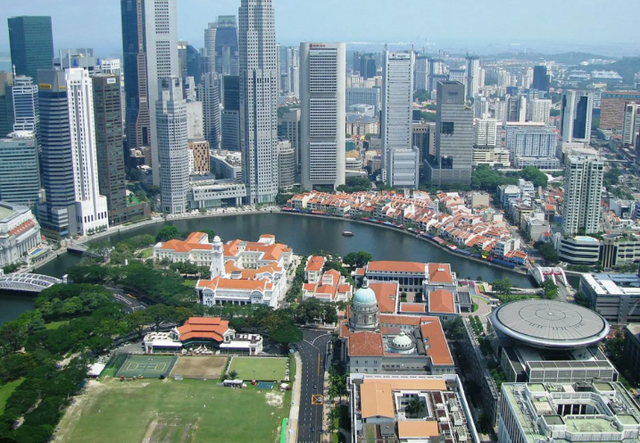
Singapore is a spectacular success story that proves that community spirit is stronger than religion. Cultivating this spirit has made Singapore itself an economic success story.
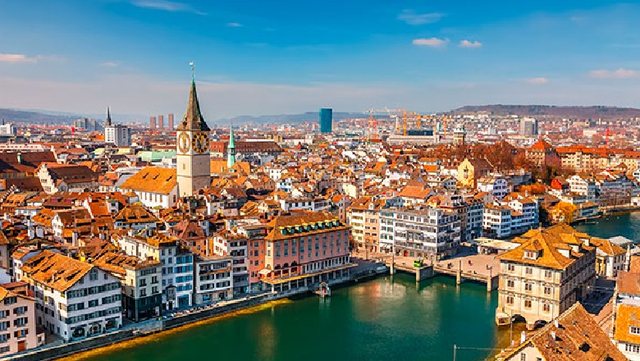
Switzerland is a trilingual country, but cantonization and direct community participation in decision-making make it a country without strong tensions.
Therefore, policies must be built not only in respect of individual freedoms, but also of the family and community, to preserve intact social cohesion.
So the reports on the future of Europe must leave the offices and turn into an epochal social movement that goes from the capitals of the EU to the most remote village in the Balkans. This movement must spread a narrative:
We are one, we are Europeans. We have family first, then the neighborhood, village or city where we were born and the nation to which we proudly belong, but we remain one – Europeans united in our new history.
There is only one force that can make this narrative universally accepted – the great risk of bankruptcy of our continent in the new era, which came sooner than we anticipated. Only this force can push Europe towards federalism.
Until then, this project will be hanging in the balance, teetering between disappointment and hope to regain balance./ CNA

The incinerator media and those paid by the mayor's bro...
Një personazh që thuhet se mund të duket si roli i “Tano K...
Since February 10, when Mayor Erion Veliaj was arrested in...
Fatmir Xhafaj wrote today that "the prosecutor does not co...
Speech by the American Vice President to European politica...
Andi Bushati, again in one of his media appearances, c...
There were many suspicions, even pushbacks, from inside an...
It's enough to watch yesterday's screens, the main deb...
Today, perhaps a prophecy was confirmed, but also a stance...

Prime Minister Edi Rama chose a different way to take a st...
The arrest of Erion Veliaj was the first news given today ...
A corrupt affair, about a billion euros with expert projec...
The opposition was the first to throw down the gauntlet of...
Today, throughout the day, for extended hours, there w...
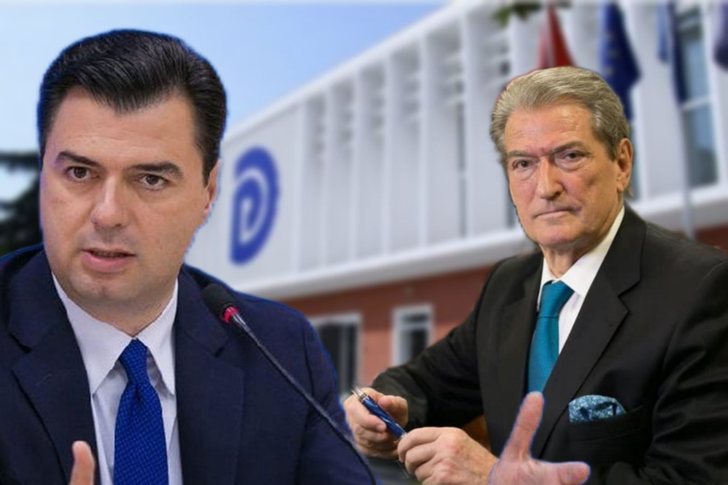
Yesterday, a notice was distributed by Taulant Zeneli,...
The mayor of Tirana is under investigation for 4 criminal ...
Instead of a prologue... Ferdinand Samardzi Honor of the...
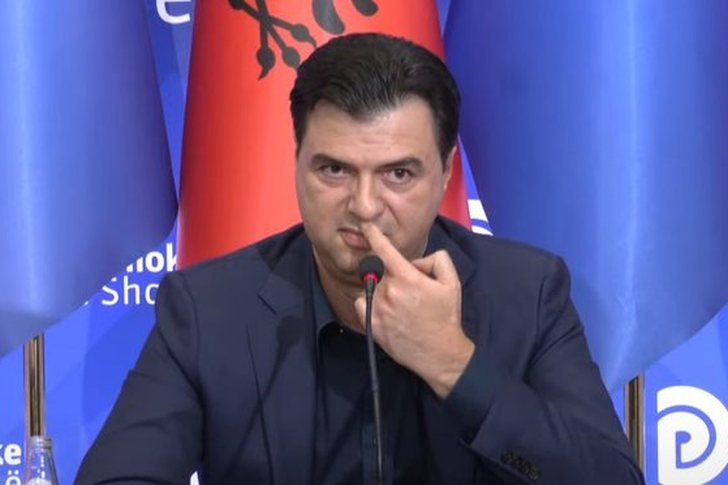
Last week, Lulzim Basha made the purchase of his life! He ...
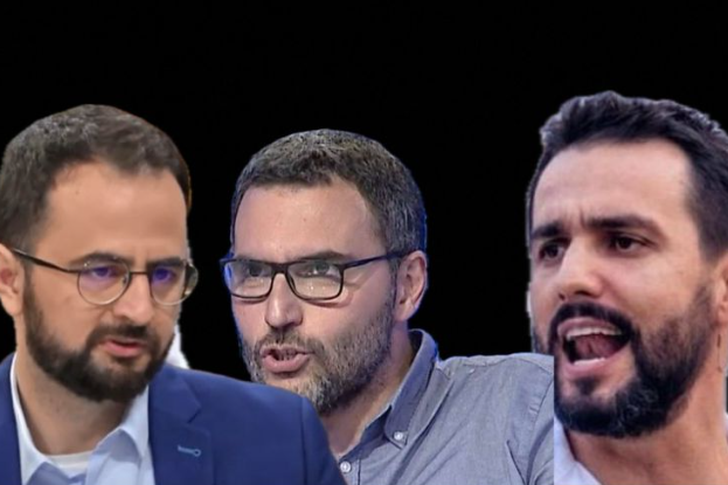
Yesterday evening, all Albanians finally saw the three...
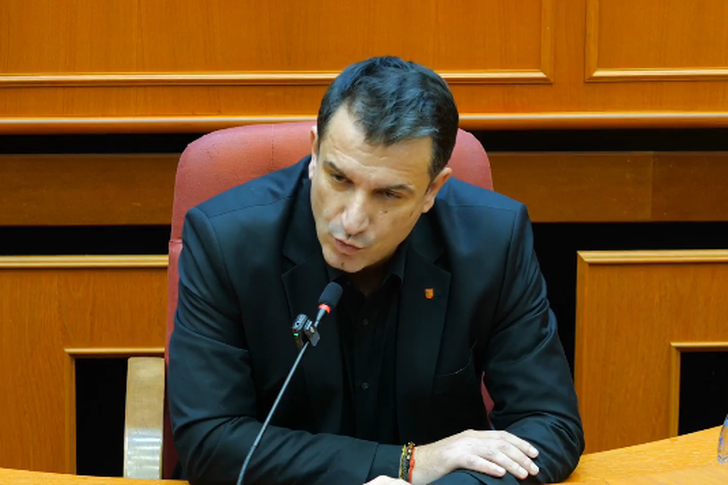
Erion Veliaj is looking for Nesti Angon! Hypotheses go fro...
The mayor of Tirana, Erion Veliaj, arrested on 13 charges ...
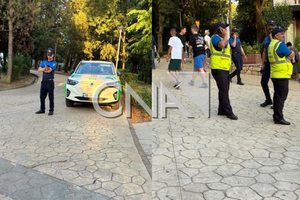
Qytetarët që kalojnë pasditen pranë Liqenit Artificial në ...
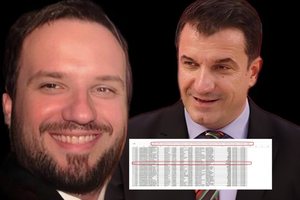
On the morning of July 7, 2026, the Ministry of Culture ur...
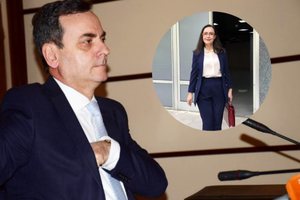
After the disclosure of the portfolio of properties an...

The Special Board of Appeal (KPA) decided this Monday ...

The KPA vetting decided this Thursday to dismiss the p...

Suela Salavaçi, a prosecutor in the Prosecutor's Offic...

The Special Board of Appeal reinstated the prosecutor ...
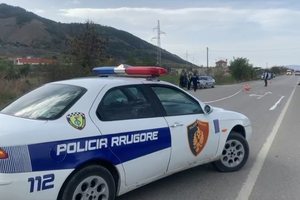
A serious accident occurred this afternoon on the Elbasan-...
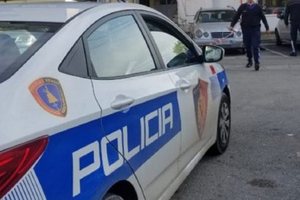
The Police Supervision Agency has arrested two police offi...
The 18-year-old who stabbed a citizen in the premises of t...
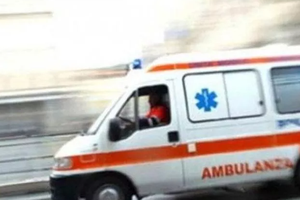
A road accident occurred this Thursday on the Tirana-Elbas...
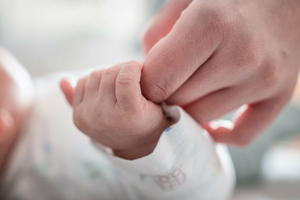
Demographic trends in Europe are revealing a new complex r...

Today, our country will remain under the influence of stab...
Today, our country will remain under the influence of stab...
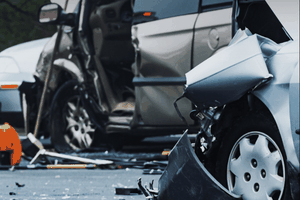
The latest report compiled by the European Transport Safet...
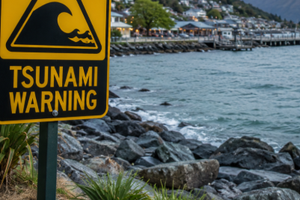
A magnitude 5.9 earthquake struck New Zealand's South Isla...
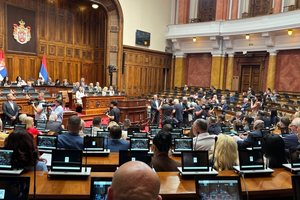
The only Albanian MP in the Serbian Parliament, Shaip Kamb...
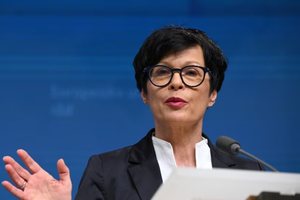
European Union Enlargement Commissioner Marta Kos has reac...
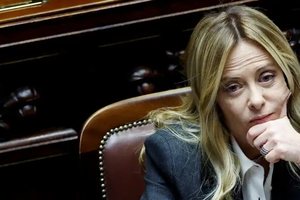
In the Chamber of Deputies (Camera dei Deputati) in Rome, ...

Master of humor Todi Llupi has passed away at the age of 7...

The ninth edition of "MIK Festival" kicked off with one of...
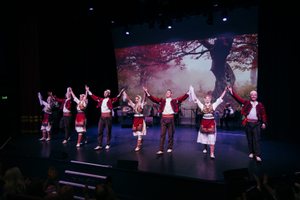
A historic evening for Albanian culture was marked in the ...

When I turned 10, another building was built in front of o...

Around 97,100 people are employed in regulated professions...
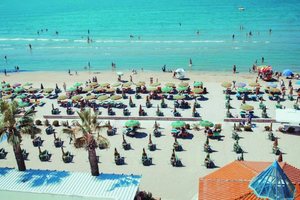
Albania continues to be the main destination for vacatione...
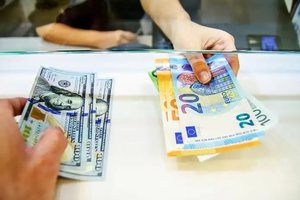
This Thursday, one US dollar is bought for 81.1 lek an...

Beekeeping has expanded significantly in recent years, bec...