

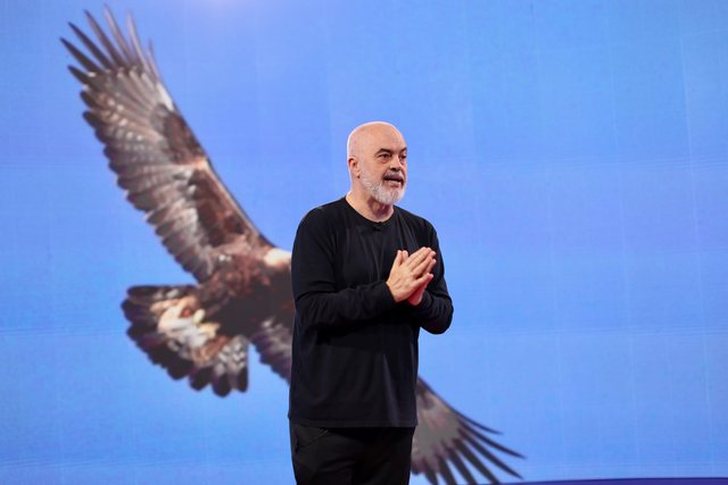
Edi Rama I (Part Two)
Edi Rama is getting ready for the upcoming elections of 20...



If we had to explain the result of the presidential election in Poland in one sentence, it could be said that the progressives and liberals lost to the conservatives, in what could be considered the most important electoral confrontation of the year in Europe . As in many European democracies, the result shows us a nation divided almost down the middle between conservatives and progressives, between nationalism and liberal internationalism. And a new generation betrayed by the democratic center, which increasingly sees itself on the far right or the far left. A result that, although narrow, resembles a razor thin, deeply divisive line.
Two years ago, the colorful coalition led by former European Council President and veteran Polish politician Donald Tusk ended the eight-year rule of the conservative Law and Justice party. The Tusk government set two major priorities: (i) restoring public trust in democratic institutions; (ii) easing political and social polarization . It appears to have failed in both.
European history is full of examples of political transformation towards democracy, both from right-wing authoritarianism (Portugal, Spain, Greece) and from communism (former Eastern Bloc) or national socialism (Germany, Austria). But overcoming an illiberal system that was cemented during the years in power of the conservative Law and Justice party, in a liberal way, was uncharted territory, which in the case of Poland was accompanied by greater challenges than in previous cases.
Upon returning to power in 2023, the Tusk government presented a reform plan aimed at 'restoring liberal democracy' and returning Poland to the heart of Europe's geopolitical awakening to confront the increased Russian threat.
Despite the support that came from the European Commission and the repeal of the austerity measures that the EU had imposed on Poland for failing to implement the standards of the rule of law, two questions remain unanswered in the Tusk government's journey: On what basis should institutional reconstruction be carried out? Does the exceptional situation justify unusual means, or means that test the limits of legitimacy?
The answers to the above questions may also contain some of the reasons why the government coalition candidate, Warsaw Mayor Rafa? Trzaskowski, failed to convince the majority of voters, and more worryingly, the majority of young people, to embrace the pro-European and liberal agenda.
Karol Nawrocki një figurë e panjohur dhe pa eksperiencë politike e ndërkombëtare, arriti të fitojë besimin e shumicës së polakëve, përmes një rrëfimi të përqendruar në vlerat konservatore, sovranitetin dhe mbrojtjen e traditave polake.
Përplasjet mes dy kampeve kryesore politike në Poloni ngjasojnë me lavjerrësin që herë shkon para e herë shkon pas. Edhe pse qeveria është përgjegjëse për përcaktimin e politikës së jashtme, të mbrojtjes dhe ekonomisë, presidenti ushtron veton mbi legjislacionin kyç, duke përfshirë buxhetin dhe politikën e emërimeve në fushën e sigurisë, mbrojtjes dhe drejtësisë.
Duke pasur parasysh fuqitë e vetos së presidentit, sikundër kampet politike të ndryshme që presidenti dhe qeveria përfaqësojnë, mund të thuhet se përplasja e hidhur midis tyre, medias dhe pjesëve të shoqërisë që i mbështesin ato, do të vazhdojë e pandërprerë deri në zgjedhjet e ardhshme parlamentare të vitit 2027. Të gjitha lëvizjet në politikën polake do të orientohen për nga këto zgjedhje, duke e bërë bashkëjetesën politike midis presidentit dhe qeverisë gjithnjë e më të vështirë.
Si një anëtar kyç i BE-së dhe NATO-s, sherret e brendshme në Poloni mund të kenë ndikim në kapacitetin e BE-së dhe NATO-s për t'u përballur me kërcënimin rus. Në këtë situatë të re politike, marrëdhëniet polako-ukrainase do të shërbejnë si letër lakmuesi. Presidenti i ri kundërshton anëtarësimin e Ukrainës në NATO dhe BE, duke shënuar një ndarje me qëndrimin e kahershëm të Polonisë. Kjo mund të dobësojë aleatët në vijën e parë, të cilët, e kanë konsideruar përpjekjen e Ukrainës për anëtarësim në strukturat euro-atlantike si një përparësi strategjike afatgjatë.
Me interes pritet gjithashtu pozicioni i Polonisë brenda këtyre organizatave në raport me SHBA-të, kur dihet se presidenti i zgjedhur u mbështet nga SHBA-të dhe madje u prit në Shtëpinë e Bardhë në prag të zgjedhjeve, ndërkohë që rivali i tij u mbështet nga udhëheqësit kryesorë europian.
Deri tani Polonia është shfaqur si një avokate e zëshme për forcimin e bazës industriale të mbrojtjes të BE-së, që nënkupton forcimin e autonomisë strategjike të Europës dhe rritjes së bashkëpunimit në fushën e mbrojtjes. Presidenti i ri pritet të konfirmojë qëndrimin e vazhdueshëm të Polonisë, duke përfshirë shpenzimet e mbrojtjes dhe modernizimin ushtarak, pasi lidhja e tij e ngushtë me SHBA-të sugjeron mbështetje të fortë për NATO-n.
Në të njëjtën kohë, ai ka të ngjarë të mbështesë ndihmën ushtarake për Ukrainën, pasi fitorja e Ukrainës është jetike për interesat e Polonisë. Gjithsesi, mbetet të shihet se cila do të jetë qasja e tij në rast se politika e Presidentit Trump për të shkëputur Rusinë nga Kina do të realizohet në praktikë me çdo çmim (përfshirë edhe Ukrainën).
Presidenti i ri pritet të sfidojë agjendën e institucioneve mbikombëtare të BE-së duke përforcuar rrëfimin sovranist të partisë konservatore nga rradhët e të cilave vjen. Edhe pse qeveria polake është përgjegjëse për përcaktimin e qëndrimeve në BE, presidenti ka ndikim në formësimin e opinionit publik.
Ndërsa presidenti Nawrocki mund të mos jetë në të njëjtën gjatësi vale me kryeministrin hungarez Viktor Orbán dhe atë sllovak Robert Fico, duke pasur parasysh dallimet e konsiderueshme rreth Rusisë, ata ka të ngjarë të jenë aleatë në formësimin e opinioneve dhe qëndrimeve alternative brenda BE-së.
Thënë ndryshe, për Europën, ky rezultat do të thotë se një nga vendet e saj kryesore, veçanërisht kur bëhet fjalë për mbrojtjen europiane, të ardhmen e Ukrainës dhe përballjen me kërcënimin rus, do të jetë një partner më i dobët dhe më pak i bashkuar, si në BE ashtu edhe në "koalicionin e vullnetit" të përbërë nga ‘trekëndëshi i Weimar’ (Gjermani, Francë, Poloni) dhe Mbretëria e Bashkuar.
Vështruar në një plan më të gjerë përtej kontekstit polak, ky rezultat është dëshmi e krizës me të cilën përballen forcat që i mëshojnë demokracisë liberale me mendësinë e Luftës së Ftohtë. Një humbje për liberalizimin. Ndarja e thellë në Poloni pasqyron një prirje në të gjithë Perëndimin që ka të bëjë me dobësimin e koalicioneve të qendrës demokratike që dikur mbështesnin qeverisjen liberale, veçanërisht në dekadat pas rënies së Murit të Berlinit.
Mirëpo, gjeopolitika e pas rënies së Murit të Berlinit, zbehu mjetin kryesor që mbante në këmbë liberalizmin: avantazhin e qartë përkundrejt kundërshtarëve joliberal. Asokohe, ngjitësi që e mbante këtë koalicion të bashkuar nuk ishte qëndrueshmëria dhe kohezioni i brendshëm, por diferenca me armikun e jashtëm.
Institucionet mbikombëtare dhe qeverisja teknokratike, shpesh të izoluara nga llogaridhënia e drejtpërdrejtë demokratike, shiheshin si forca stabilizuese, thelbësore për sigurinë dhe prosperitetin afatgjatë. Sakrificat e kërkuara nga demokracia liberale pranoheshin si më të preferueshme sesa kostot e dorëzimit ideologjik. Sot nuk shihen më si të tilla.
Në librin e sapo botuar “Çfarë mësova prej jush”, ish-kryenegociatori i BE-së për Brexit, dhe një prej politikanëve më të spikatur francez Michel Barnier, drejtimin nga Ursula von der Leyen të Komisionit Europian e përshkruan si “prirje autoritariste”. Ndërsa Komisionin Europian, si thellësisht burokratik, centralizues dhe të pandjeshëm ndaj interesave të qytetarëve. Kur një konstatim i tillë vjen prej një politikani të nivelit të lartë europian, është i kuptueshëm dividenti politik që grumbullohet nga parti konservatore apo populiste në shumë vende të BE-së, në emër të interesit kombëtar, traditës dhe sovranitetit.
Coalitions promoting liberal democracy are not simply victims of a disaffected electorate, but also suffer from the lack of a convincing offer to genuinely address reforms related to democracy and the rule of law, the economic inequalities resulting from the displacement of jobs caused by globalization and rapid technological development, the anxiety and uncertainty caused by the lack of a clear and principled stance on migration, social change and the future of the European project, in a destructive geopolitical environment.
This is why in a good part of countries with a totalitarian past, liberalism is no longer seen as a system of values ??and principles won and defended with hard work, but as a hypocritical ideology that serves the political survival of elites . Therefore, more than a triumph of conservative forces, the presidential elections in Poland are a defeat for the forces of the democratic center. The sustainability of liberal democracy will depend on their willingness to embrace a credible vision of what liberal democracy can offer in the conditions imposed by time.
The analysis is a publication of the
Friedrich-Ebert-Stiftung Tirana Foundation.

Edi Rama is getting ready for the upcoming elections of 20...
The US Embassy in Tirana yesterday congratulated the Alban...
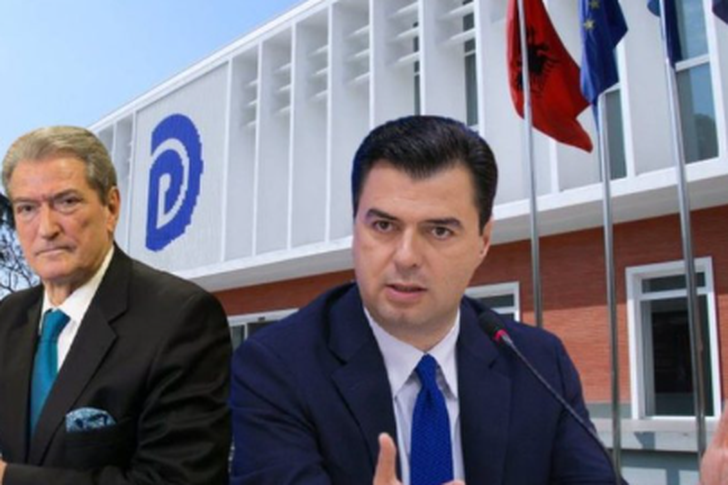
After 12 years, there is still debate about who elected Lu...
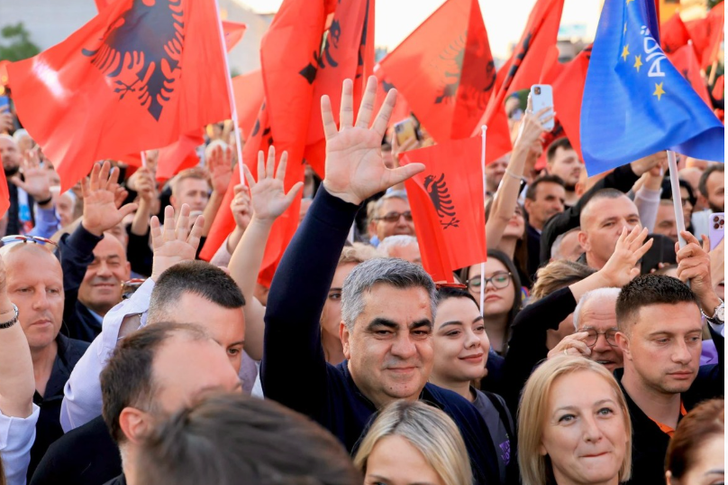
The opposition leveled accusations after the results were ...
The May 11 elections already have a certified result. The ...
Reading the election results, according to comparative fig...
Edi Rama's super-powerful minister, Blendi Gonxhja, tu...
The election result showed that, beyond any denunciation, ...
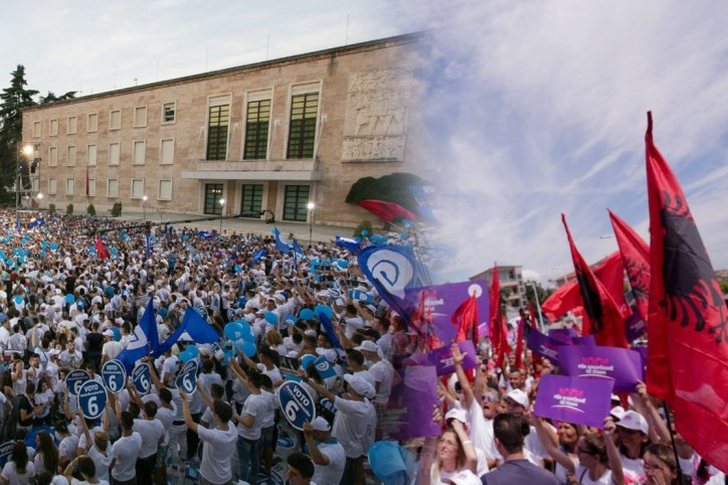
At the start of the campaign, it was noted that the Social...
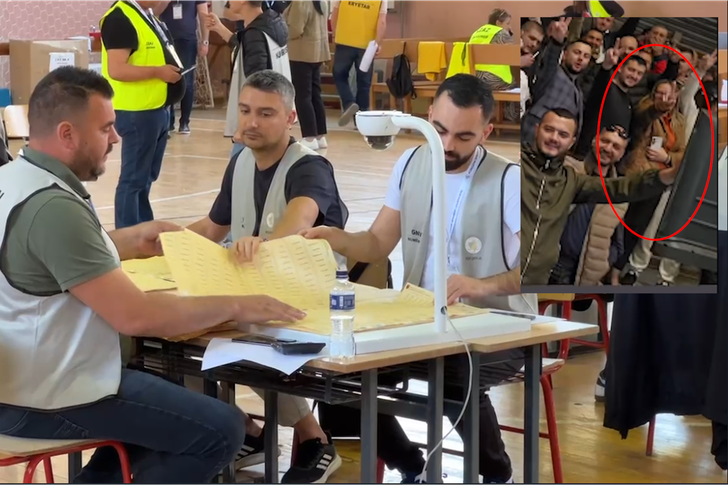
The Democratic Party has recorded an electoral defeat and ...
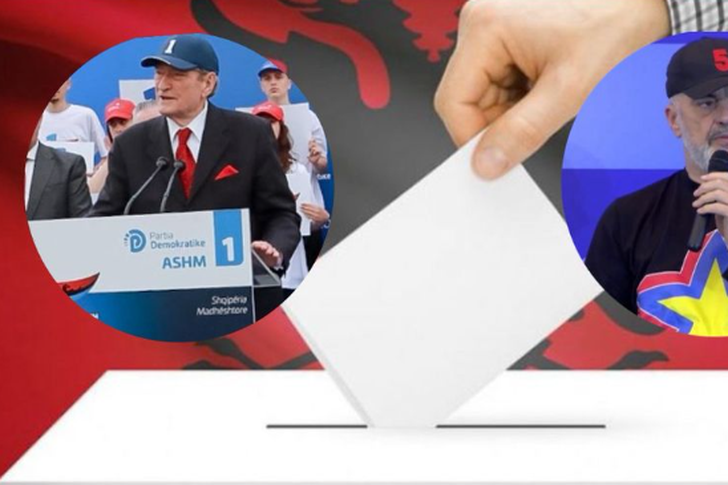
The real "stealing " of the May 11 elections lies directly...
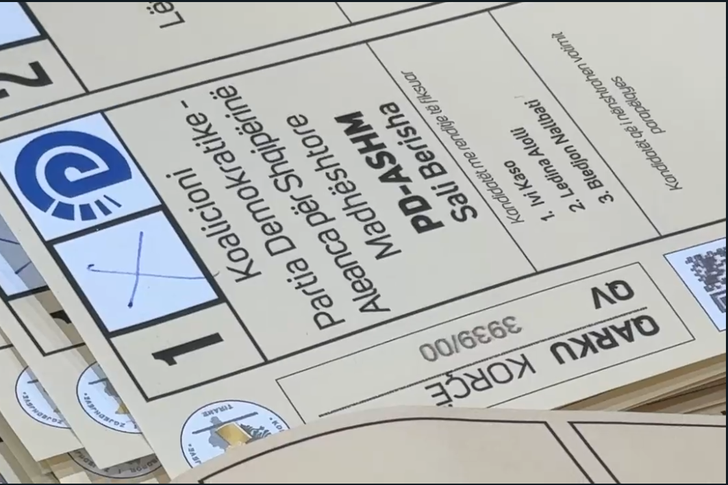
The counting process is coming to an end, bringing us an e...
The prediction must be made before the elections are held ...
It was positioned on the open list of the coalition fo...
He's no longer campaigning! He's no longer seeking votes f...
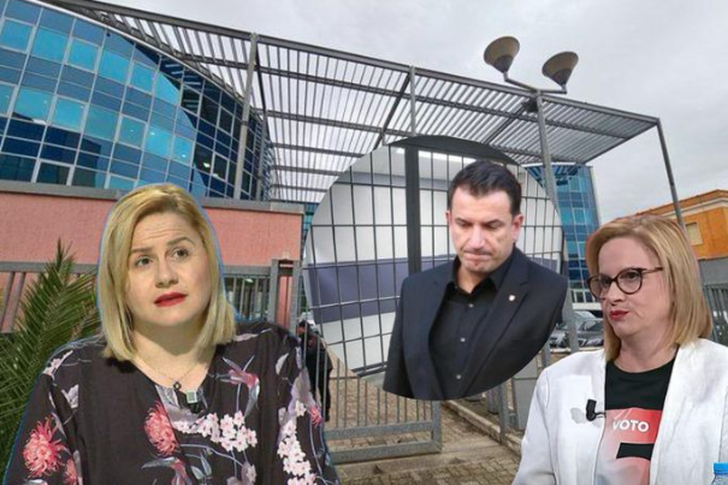
She couldn't hold back! She dared and went to the media! S...
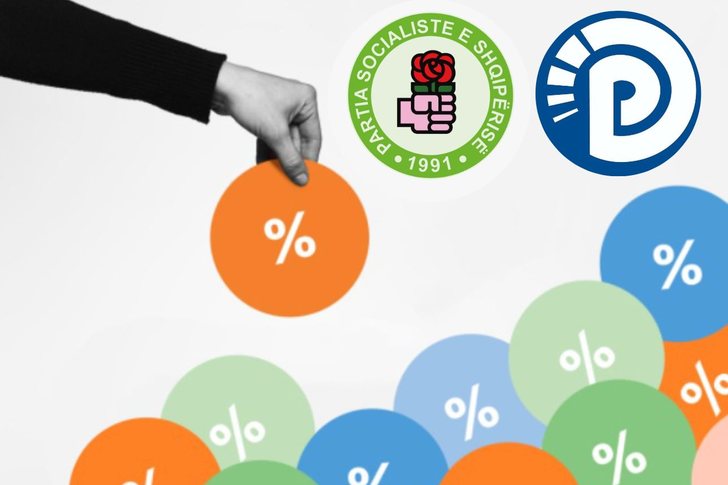
Many media outlets in Albania have started to conduct poll...
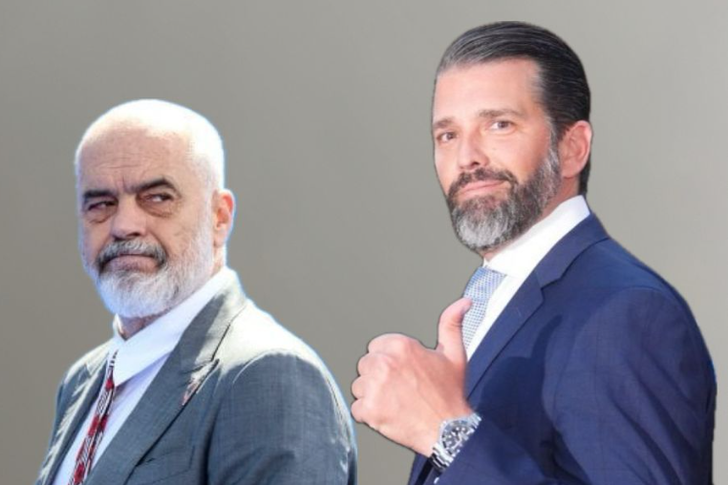
Following the DP's lobbying contract in the United States,...
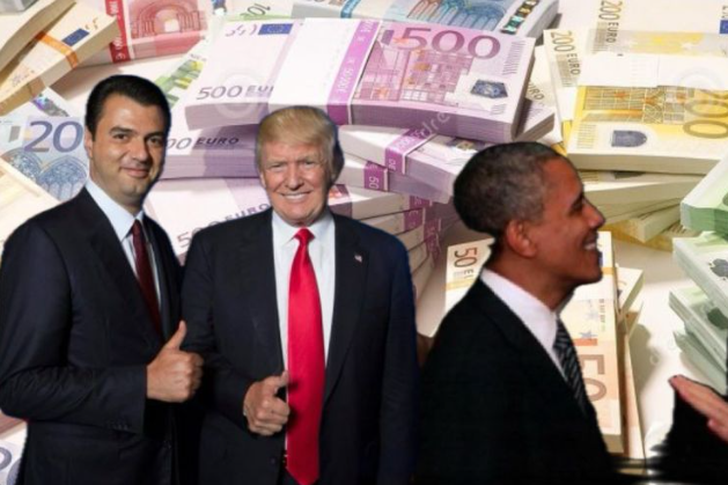
The Democratic Party's expensive lobbying of around 6 mill...
When Sali Berisha was expelled from the Parliamentary grou...
The mayor of Tirana, Erion Veliaj, arrested on 13 charges ...

Qytetarët që kalojnë pasditen pranë Liqenit Artificial në ...
On the morning of July 7, 2026, the Ministry of Culture ur...
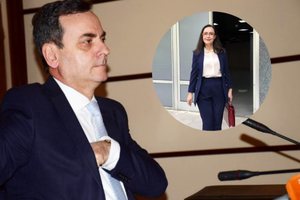
After the disclosure of the portfolio of properties an...

The Special Board of Appeal (KPA) decided this Monday ...

The KPA vetting decided this Thursday to dismiss the p...

Suela Salavaçi, a prosecutor in the Prosecutor's Offic...

The Special Board of Appeal reinstated the prosecutor ...
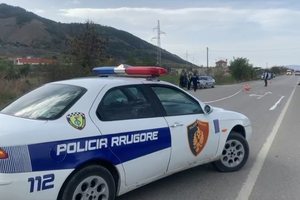
A serious accident occurred this afternoon on the Elbasan-...
The Police Supervision Agency has arrested two police offi...
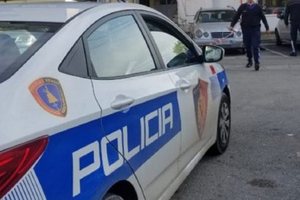
The 18-year-old who stabbed a citizen in the premises of t...
A road accident occurred this Thursday on the Tirana-Elbas...
Demographic trends in Europe are revealing a new complex r...

Today, our country will remain under the influence of stab...
Today, our country will remain under the influence of stab...

The latest report compiled by the European Transport Safet...
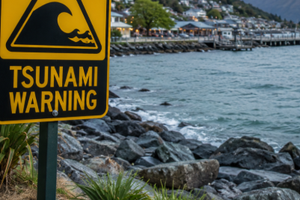
A magnitude 5.9 earthquake struck New Zealand's South Isla...
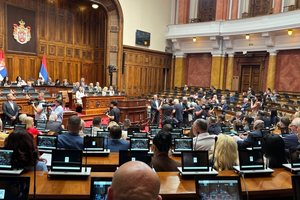
The only Albanian MP in the Serbian Parliament, Shaip Kamb...
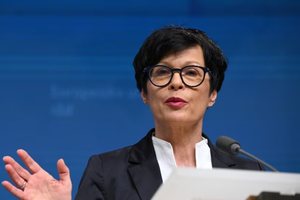
European Union Enlargement Commissioner Marta Kos has reac...
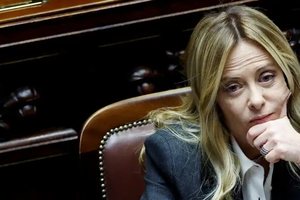
In the Chamber of Deputies (Camera dei Deputati) in Rome, ...

Master of humor Todi Llupi has passed away at the age of 7...

The ninth edition of "MIK Festival" kicked off with one of...

A historic evening for Albanian culture was marked in the ...

When I turned 10, another building was built in front of o...

Around 97,100 people are employed in regulated professions...
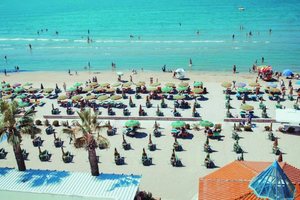
Albania continues to be the main destination for vacatione...
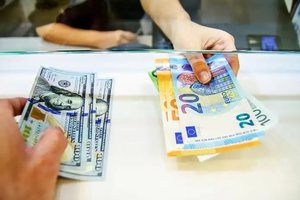
This Thursday, one US dollar is bought for 81.1 lek an...

Beekeeping has expanded significantly in recent years, bec...