

Rama's Trouble with SPAK/Why is listening to the Rector of UBT useful?
Prime Minister Edi Rama has announced a hearing tomorrow w...


President Trump's first days in office demonstrate that the legacy of his first term may not necessarily serve as a guide for the next four years. His return to the White House is confirmation of a different worldview of the international order than the one we have been accustomed to since the fall of the Berlin Wall.
Distinctive in values
The extent of the US strategic shift is most evident in its approach to European allies . The positions taken by Vice President Vance at the Munich Security Conference alarmed most European leaders and deepened political divisions within the EU. Although the highest security forum, Vance's speech did not mention the external security threats facing the Euro-Atlantic community.
Vance's speech contained some bitter truths about the shared values ??and principles that govern democratic coexistence, some of which, unfortunately, are more preached than practiced.
After the end of the Cold War, liberals became champions of promoting democracy and freedom. Now the tables have turned. It is conservatives who are scorning the values ??and principles of democracy. They believe that these values ??have been jeopardized by the hypocrisy or restrictions imposed by liberals. At this point, Vance’s message was resounding: the US is no longer aligned with Europe on the values ??it considers essential to a democratic system.
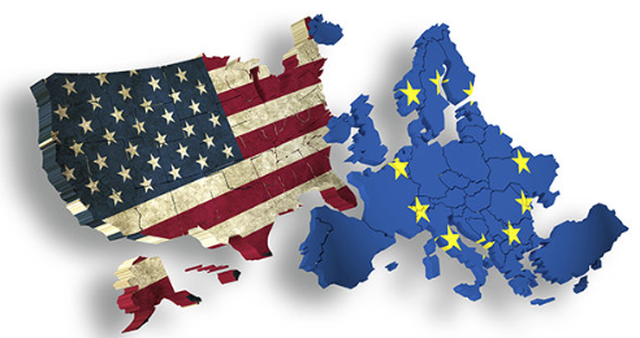
It is clear that President Trump's core team sees Europe more as an experimental electoral cycle after their success in the US, than as a political, economic or military partner. Which means that the political spectrum in a few years in Europe could be quite different from what we are used to so far, as a result of American influence. The strengthening of right-wing parties in Germany, France and the United Kingdom is a priority for President Trump's inner circle.
The Trump administration sees Asia as center stage. While Europe no longer has the same importance, either strategically or culturally. This will be a fundamental challenge for Europeans who, since the end of World War II and the fall of the Berlin Wall, have viewed their relationship with the United States as one based on shared values ??and interests, with a focus on collective security, the rule of law, fundamental human rights and freedoms, and a transparent and multilateral free trade system.
For Trump, a recalibration of American priorities around the world is long overdue. As the world's sole military superpower, the United States must confront challenges on three fronts: in Europe, the Middle East, and Asia. But economic and military realities require a significant shift of resources away from Europe.
The Trump administration similarly assesses global trade distortions, regardless of their origin, the lack of industrial policy that allowed the emptying of the working and middle classes, as well as technology policy that will affect the geopolitical balance for decades to come.
In this context, the question arises: what are Europeans prepared to do?
The President of the European Commission, who in Davos spoke about the consequences of the era of “wild geostrategic competition”, in Munich acknowledged the “crisis in Euro-Atlantic relations”. Due to this new situation, which will have consequences not only political, the economic power of Europe takes on strategic priority, compared to the priorities until yesterday, which were related to the implementation of the green agenda. The reports of former Italian Prime Minister Draghi on competitiveness and former Italian Prime Minister Letta on the internal market present a road map for strengthening Europe in the face of this new reality.
On the table or on the menu?
The NATO alliance's common position of "no deal on Ukraine without Ukrainians at the table" took a severe blow as the US and Russia restored bridges of communication at the presidential level and sat down at the high-level negotiating table in Riyadh. Neither Ukrainians nor Europeans were part of this table but on the menu.
It should be recalled that Trump's first summit with Putin in Helsinki in 2018 sent shockwaves through Europe, as it seemed a meeting dismissive of European security concerns. However, it had little impact on the overall direction of US policy, which continued to be tough on Russia.
It is also worth remembering the strategy that President Trump used when he met with the North Korean leader. He reached an agreement with him by suspending US military exercises with South Korea in exchange for a suspension of North Korean missile tests. Despite the alarm that this caused in the traditional ally, Trump achieved a significant diplomatic success with North Korea. So Trump’s willingness to negotiate directly with Putin, without the Europeans at the table, is not an unknown practice.
But sitting down at the table with Russia represents a change in the American position, from a supporter of Ukraine to a mediator between it and Russia. Since the Russian aggression in Ukraine, Americans and Europeans have coordinated support for Ukraine, sanctions against Russia, and preparations for the reconstruction of Ukraine. The public articulation by senior Trump administration officials that 'returning Ukraine to its pre-2014 borders and NATO membership are unrealistic options' caused considerable nervousness among Europeans.
The case of Ukraine shows that NATO security and European security are no longer one and the same. Of the challenges facing Europe, security is the most pressing. Ending Russian aggression in Ukraine is a desirable objective. But how this objective is achieved will be decisive for European security. While Ukraine represents the immediate challenge, securing European sovereignty is a much more complex and long-term project. Europeans need to systematically rethink their approach to security.
If a deal is reached to end the war in Ukraine, its implementation will fall largely on the shoulders of the Europeans, as the United States has made clear that it will reduce its commitment to Europe. The Europeans will therefore have to find a balance between enforcing peace in Ukraine and maintaining the capacity to defend other territories bordering Russia. In the long run, Europeans will be better off if Ukraine, in one way or another, becomes an integral part of European defense.
Winners and losers
It is still too early to say who the real winners and losers from this situation will be. However, there is no doubt that yesterday cannot be returned. Europe's geopolitical position has been significantly reduced. The only way to restore it is to consider options that were unthinkable until yesterday.
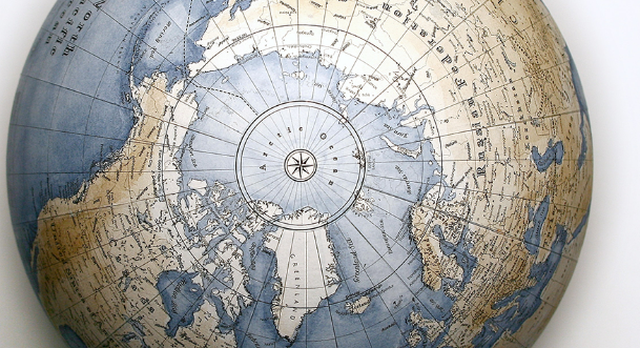
One of the basic rules of geopolitics is to plan for the worst-case scenario. After the outbreak of the war in Ukraine, almost all European strategic thinking was based on the best-case scenario, according to which the US would continue to make the same contribution to European security. It can now be said that European security is no longer a service provided by the US. However, European security is not incompatible with close cooperation with the US.
Two thousand years of geopolitics have taught us that great powers prioritize their own interests and, if necessary, sacrifice the interests of their allies. President Trump is behaving like a geopolitical actor by prioritizing what he considers to be American interests. More or less, his position is that Americans only care about American interests and that others should only care about themselves. Europe has no choice but to respond in kind, working resolutely to protect its own interests.
Strengthening Europe’s geopolitical position begins with exercising and expanding its responsibilities for the continent’s security. Europeans should use this period to build defense industrial capabilities, while creating secure jobs. Giving themselves the tools of sovereignty and becoming more useful allies for the United States. The United States and Europe share, albeit unequally, global leadership. Yesterday is no more. So it is time for the United States and the EU to formulate a new cooperative agreement for the decades to come.
*The analysis is a publication of the Friedrich Ebert Foundation

Prime Minister Edi Rama has announced a hearing tomorrow w...
It's amazing how a judge in Fier is threatened right after...
Never had a prime minister acted like this, never had ...
Two decades before Europe was drawn into World War I, Frie...
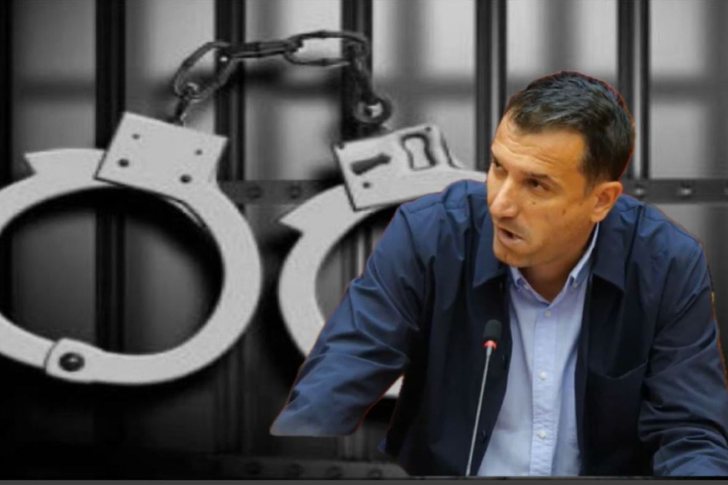
The incinerator media and those paid by the mayor's bro...
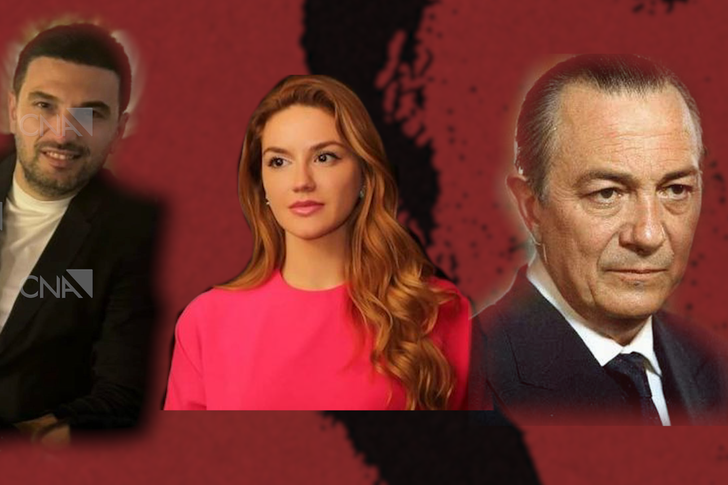
Një personazh që thuhet se mund të duket si roli i “Tano K...
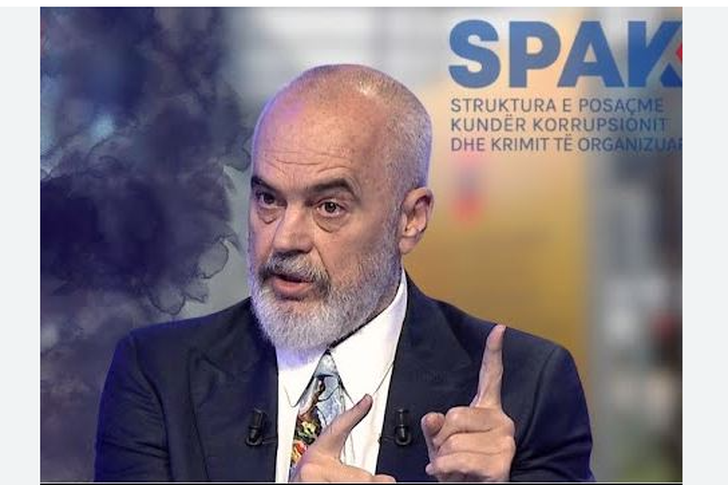
Since February 10, when Mayor Erion Veliaj was arrested in...
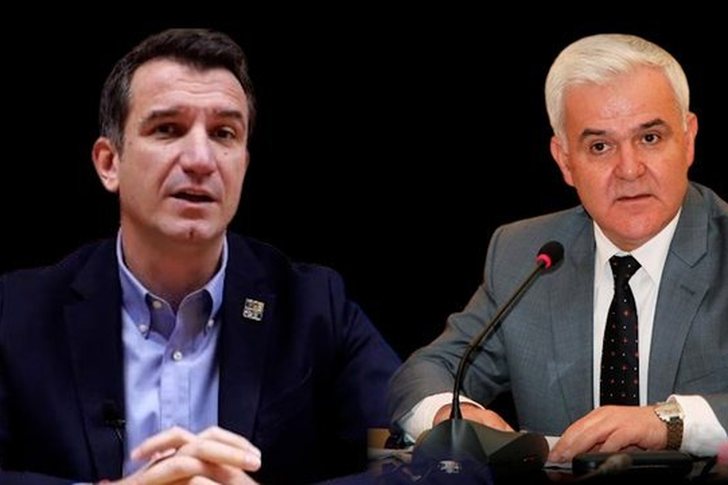
Fatmir Xhafaj wrote today that "the prosecutor does not co...
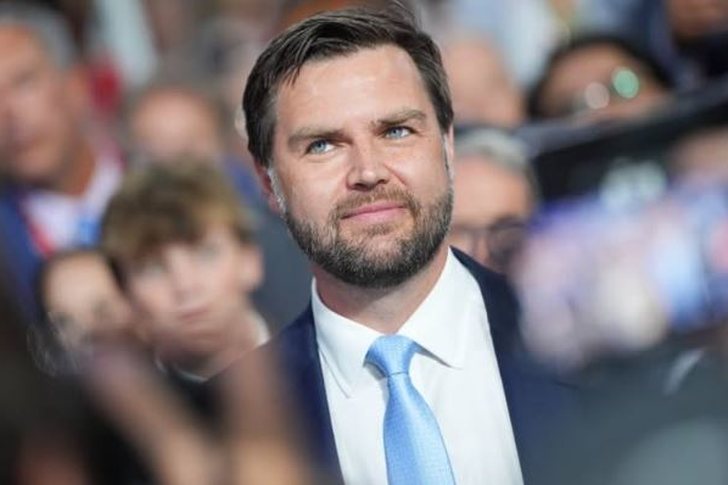
Speech by the American Vice President to European politica...
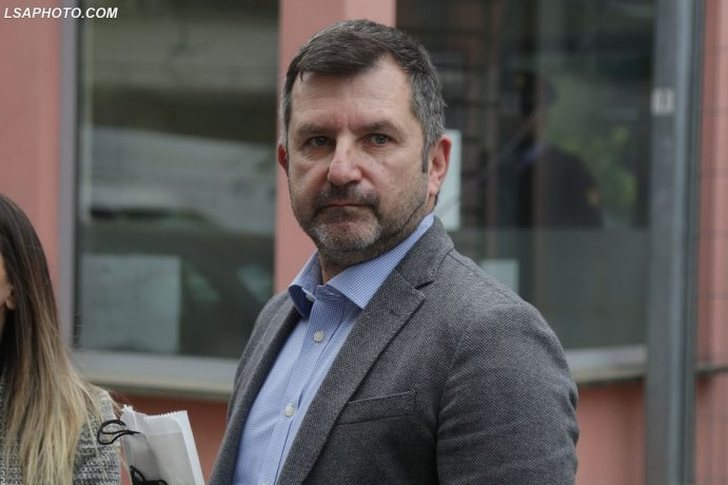
Andi Bushati, again in one of his media appearances, c...
There were many suspicions, even pushbacks, from inside an...
It's enough to watch yesterday's screens, the main deb...
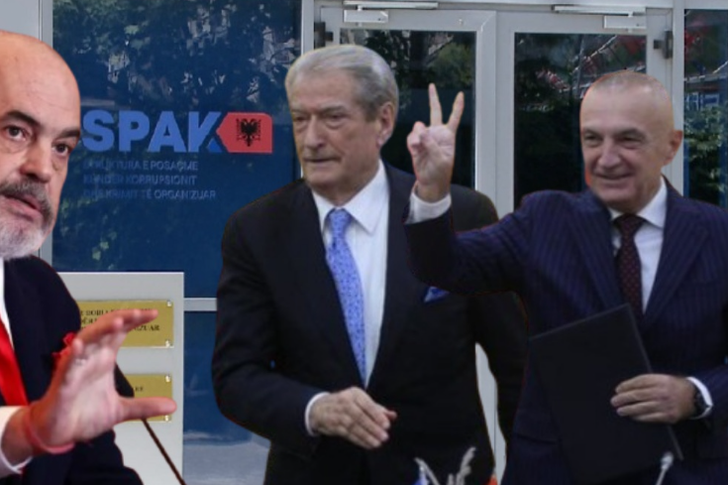
Today, perhaps a prophecy was confirmed, but also a stance...

Prime Minister Edi Rama chose a different way to take a st...
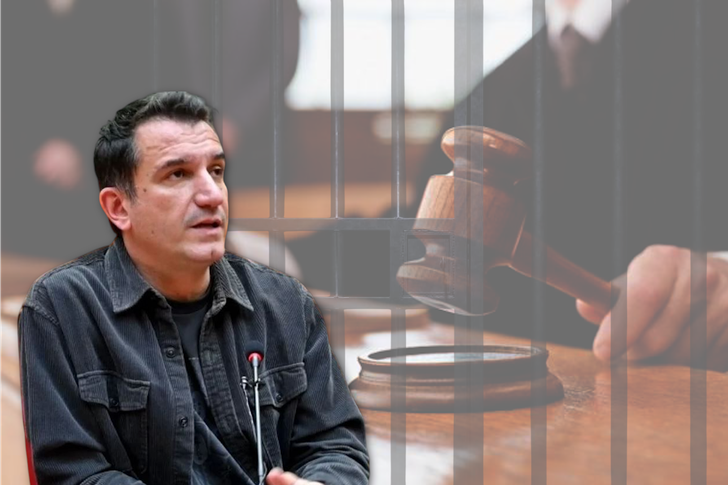
The arrest of Erion Veliaj was the first news given today ...
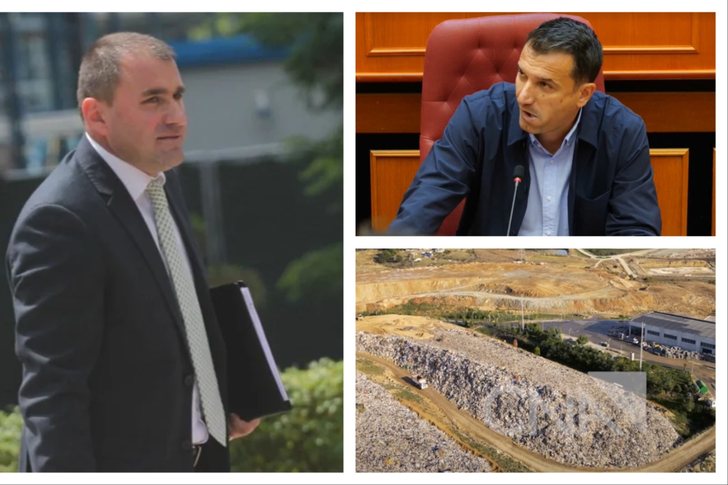
A corrupt affair, about a billion euros with expert projec...
The opposition was the first to throw down the gauntlet of...
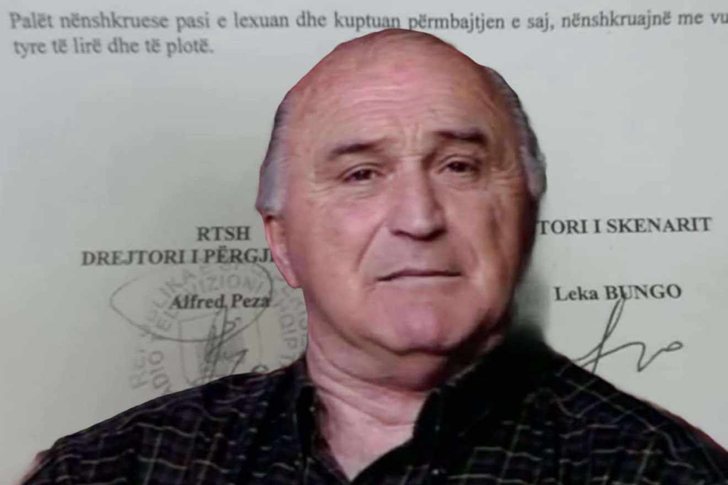
Today, throughout the day, for extended hours, there w...
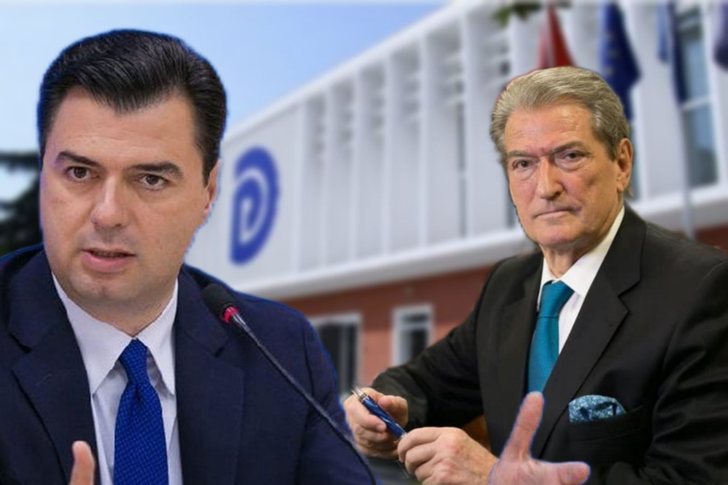
Yesterday, a notice was distributed by Taulant Zeneli,...
The mayor of Tirana is under investigation for 4 criminal ...
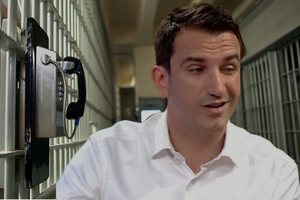
The mayor of Tirana, Erion Veliaj, arrested on 13 charges ...

Qytetarët që kalojnë pasditen pranë Liqenit Artificial në ...
On the morning of July 7, 2026, the Ministry of Culture ur...
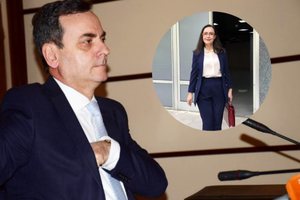
After the disclosure of the portfolio of properties an...

The Special Board of Appeal (KPA) decided this Monday ...

The KPA vetting decided this Thursday to dismiss the p...

Suela Salavaçi, a prosecutor in the Prosecutor's Offic...

The Special Board of Appeal reinstated the prosecutor ...
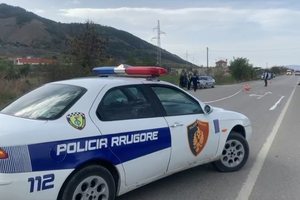
A serious accident occurred this afternoon on the Elbasan-...
The Police Supervision Agency has arrested two police offi...
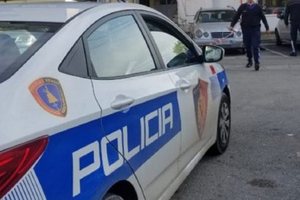
The 18-year-old who stabbed a citizen in the premises of t...
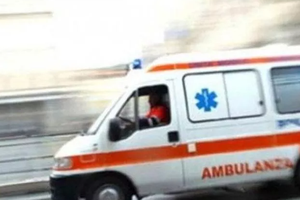
A road accident occurred this Thursday on the Tirana-Elbas...
Demographic trends in Europe are revealing a new complex r...

Today, our country will remain under the influence of stab...
Today, our country will remain under the influence of stab...
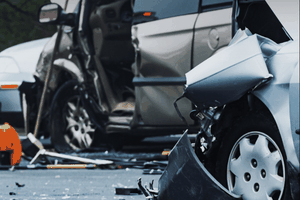
The latest report compiled by the European Transport Safet...
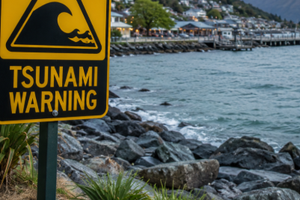
A magnitude 5.9 earthquake struck New Zealand's South Isla...
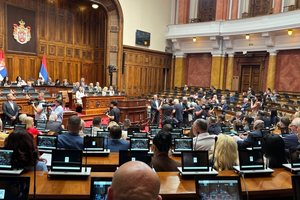
The only Albanian MP in the Serbian Parliament, Shaip Kamb...
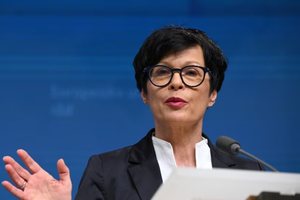
European Union Enlargement Commissioner Marta Kos has reac...
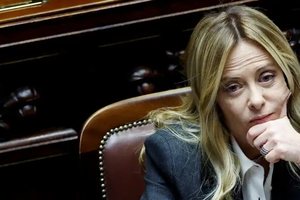
In the Chamber of Deputies (Camera dei Deputati) in Rome, ...

Master of humor Todi Llupi has passed away at the age of 7...

The ninth edition of "MIK Festival" kicked off with one of...

A historic evening for Albanian culture was marked in the ...

When I turned 10, another building was built in front of o...

Around 97,100 people are employed in regulated professions...
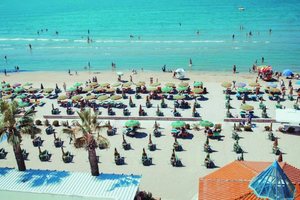
Albania continues to be the main destination for vacatione...
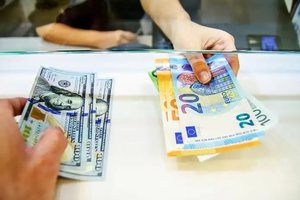
This Thursday, one US dollar is bought for 81.1 lek an...

Beekeeping has expanded significantly in recent years, bec...