

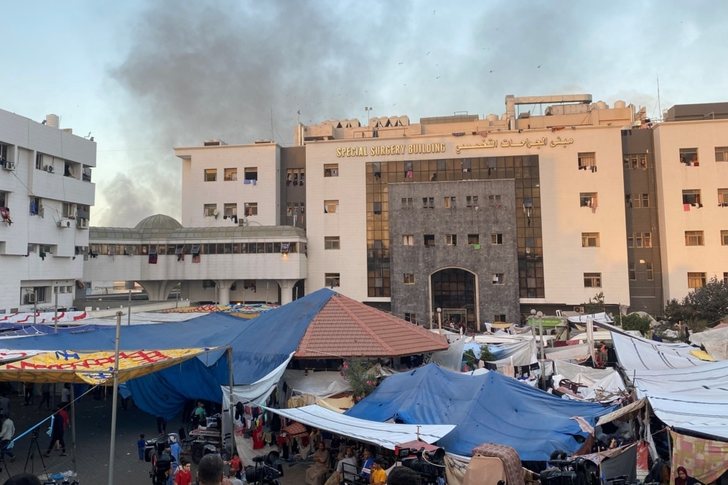
What will happen after the fighting in Gaza has stopped?
As calls for a cease-fire in the war between Israel and Ha...


All wars are bad and destructive, although some conflicts have etched their names in the history books as the bloodiest military clashes of all time. These deadly battles have resulted in the deaths of tens of millions of people in total, most of them innocent civilians and workers.

Often called one of the longest sieges in history, the siege of Candia between 1645 and 1669 was also one of the deadliest battles in history. It was part of the Cretan War between the Ottomans and the Venetians, as Candia was an overseas colony of the Republic of Venice. Candia, located on the island of Crete in the Mediterranean Sea, was of strategic importance to both the Turks and the Venetians, as its fortifications were considered some of the strongest in the world.
Throughout the siege, the Ottomans established a network of siege lines and cut off all supplies to the city. The Venetians sought help from European countries and the Pope, although these requests were rejected due to other ongoing conflicts throughout the region. Despite numerous attempts to break it, the siege continued for about 21 years. By its end, about 137,000 people had died on both sides, including about 70,000 Ottoman soldiers who died trying to scale the walls.

On August 13, 1521, the Spanish conquistador Hernán Cortés, allied with other local tribes, marched on the Aztec city of Tenochtitlan, marking the beginning of the end for the Aztec empire.
The Siege of Tenochtitlan, also called the Fall of Tenochtitlan, continued for 93 days as the Spanish and their local allies launched multiple attacks against the Aztec defenders. While the attacking side was vastly outnumbered, the defenders were no match for the superior European firepower. Combined with a smallpox epidemic that was ravaging native communities throughout the region, the Aztecs were quickly decimated and defeated.
Victory on the battlefield was followed by the sacking of the city and the indiscriminate killing of its inhabitants, somewhere between 200,000 and 220,000 people died throughout the battle, most of them native Aztecs.
The Third Battle of Nanking marked a critical stage in the Taiping Rebellion, which took place from March to July 1864. Led by Hong Xiuquan, the rebellion was initially successful, but by 1864, the rebels were surrounded in Nanjing. The battle, with about a million fighters, became one of the largest engagements in history and ended in a decisive defeat for the rebels. Despite desperate measures such as the tunnel and starvation, Nanjing fell in July. The aftermath witnessed many atrocities, with over 200,000 dead as the city was looted and its inhabitants massacred. The captured leader was executed, while many rebels chose a futile fight to the death rather than surrender.

The Battle of Okinawa, beginning on April 1, 1945, witnessed the largest amphibious assault of World War II. Over 1,600 warships and 350,000 personnel from the US and UK navies landed on the southern Japanese beach of Okinawa, with the aim of securing the island and removing the last military obstacle before reaching mainland Japan. Initially facing little opposition, the Allies soon encountered stiff Japanese defenses, featuring kamikaze attacks and flying Ohka rocket bombs. The battle evolved into large-scale combat on land, sea and air, complicated by heavy rains and rugged terrain. Despite the eventual Allied victory, the death toll was high, at over 250,000, including some 90,000 Japanese soldiers and 150,000 civilians.

The Easter Offensive, spanning from March to October 1972, is considered one of the largest offensives of the Vietnam War. Led by Le Duan with the support of Vo Nguyen Giap, the offensive aimed to breach the Demilitarized Zone (DMZ) and attack the Army of the Republic of Vietnam (ARVN) in the south, aided by secondary offensives in areas such as Saigon.
The People's Army of North Vietnam (PAVN) crossed the DMZ with tanks, attacking the southern ARVN forces. At the same time, PAVN units from Laos and Cambodia launched additional attacks. Despite fierce ARVN defenses, backed by substantial US air support, they struggled to hold key positions, eventually withdrawing. The offensive caused heavy casualties, with an estimated 300,000 dead on both sides.

The Battle of Verdun, spanning from February to December 1916, marked one of the most intense and deadly battles of the First World War. Chosen by the Germans for its strategic importance and historical significance, Verdun held symbolic value for French resilience.
The conflict began with German artillery bombardment on February 21, bringing initial setbacks from the French. Despite counterattacks, the battle evolved into a prolonged stalemate, causing significant casualties on both sides. With the support of the Allies and simultaneous offensives, such as Brusilov's offensive on the Eastern Front, the French gradually turned the tide. By December 1916, they had retaken the lost forts and pushed the Germans back. The Battle of Verdun resulted in over 300,000 soldiers killed and around 400,000 wounded.

The Battle of Wuhan was part of the Second Sino-Japanese War, which lasted from June to October 1938. Wuhan, as the capital of Hubei Province in China, was a critical defensive objective for the Chinese and other allies in their fight against Imperial Japan, as it was a strategic center for the movement of industrial and military goods.
The battle began with air attacks by the Japanese, followed by a full ground invasion. The Chinese defenses included about a million soldiers, 200 aircraft and 30 naval vessels, but they were no match for the Japanese war machine.
Despite some early victories for the Chinese, Japanese forces successfully surrounded Wuhan, along with Wuchang, Hankou, and Hanyang, by October. Chinese leader Chiang Kai-shek made the decision to retreat and conserve the strength of his soldiers, although the battle would bring heavy losses to the Chinese side. Although the Japanese suffered around 140,000 casualties, the Chinese lost 400,000 men in the battle.
The Third Battle of Ypres, also called the Battle of Passchendaele, was a major military engagement of the First World War. Beginning in July 1917, it was the third battle of the war to be fought in the Belgian city of Ypres, and is still remembered for its harsh conditions and senseless carnage. Although it was an Allied victory, it came at a great cost, especially for territory that would be abandoned again the following year.
The battle was fought in some of the most horrific conditions of the war, with almost constant rain and artillery fire making even walking difficult. After several weeks of fierce fighting, the Allies managed to crush the German forces by mid-November. The Battle of Paschendaele resulted in massive casualties on both sides, with around 275,000 British and 220,000 German casualties.
The Battle of Kursk, known as the largest tank battle in history, was fought between Nazi Germany and the USSR beginning on July 5, 1943. Conceived by the Germans, the battle was intended to attack a Soviet branch known as the of Kursk. The German offensive met with strong opposition, as the Soviet generals, having foreknowledge of the attack, strategically withdrew their forces into defensive positions.
The German forces, consisting of nearly 50 divisions and 900,000 troops, faced stiff resistance characterized by dense anti-tank batteries and minefields. A Soviet counterattack on July 12 led to the recapture of Orel and Kharkov. The battle caused significant casualties on both sides, with an estimated 200,000 Soviet and 50,000 German casualties in the first ten days alone. The decisive Soviet victory marked the end of the East German offensive and opened the way for the Soviet offensive in 1944-45. By the end, Soviet forces had suffered around 800,000 casualties, compared to around 200,000 on the German side.

It is difficult to underestimate the extent of the devastation left behind by the Siege of Leningrad, which lasted from September 1941 to January 1944. After the German invasion of the Soviet Union in June 1941, a coalition of German and Finnish forces operated with speed to surround the city from three sides. Leningrad's population of over three million, including 200,000 Red Army soldiers, were mobilized to build fortifications and defend the city.
Despite all these preparations, the city was almost completely surrounded by early November, with most of its vital supply lines cut. The German blockade and continuous bombing caused the death of around 650,000 citizens in 1942 alone, mostly from starvation, disease or shelling.
Despite the severe shortage of supplies, the city's weapons factories continued to operate. Residents resorted to extreme measures, such as consuming domestic animals and even cannibalism to stay alive. The situation would change in January 1944, when Soviet offensives broke the encirclement and routed the Nazi forces. By one estimate, the Siege of Leningrad cost the lives of over a million residents, plus an estimated 500,000 soldier casualties.

As calls for a cease-fire in the war between Israel and Ha...
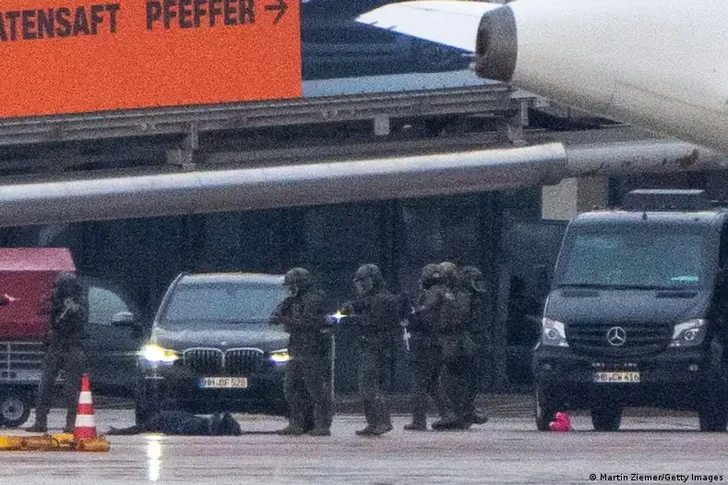
On Sunday, a 35-year-old man turned himself in to police a...

The speech of the Secretary General of the UN, Antonio Gut...
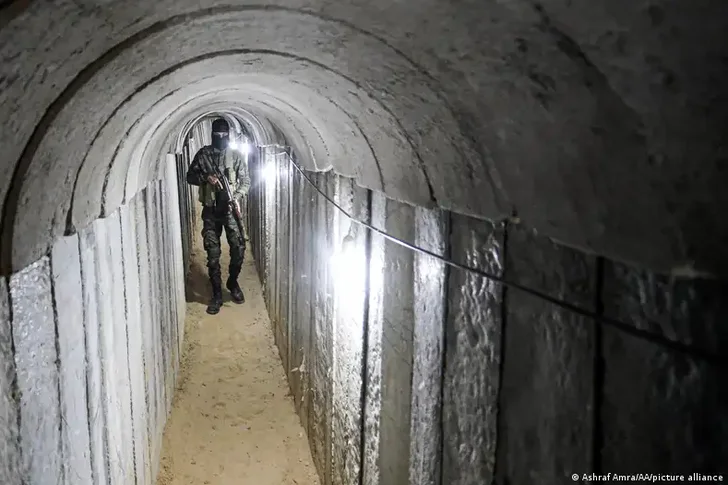
The biggest challenges expected for the Israeli army's...
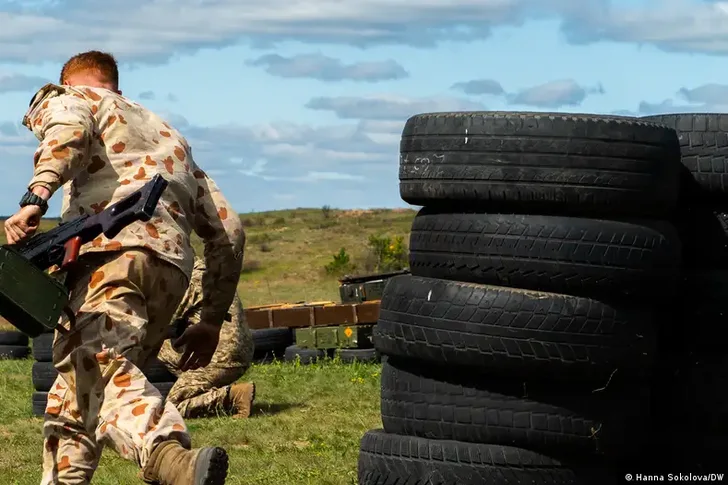
They train militarily to be fit even when they are not on ...

"This is the worst and most difficult conflict we have exp...
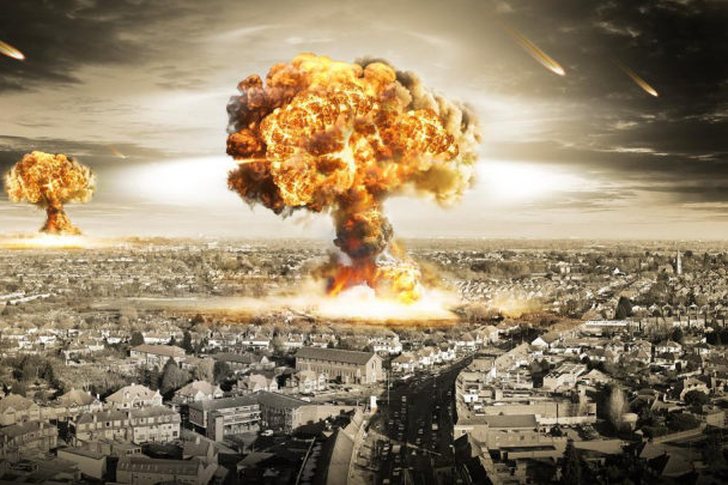
First, we must know that the war itself is not desired...
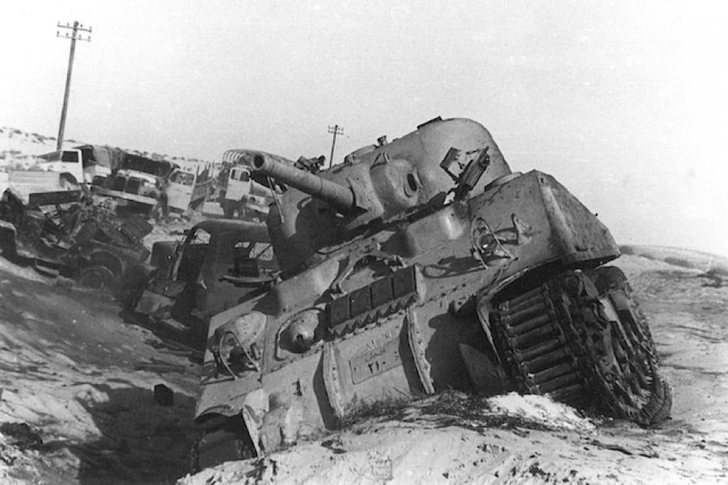
It is a misconception that the Cold War was a bloodless co...
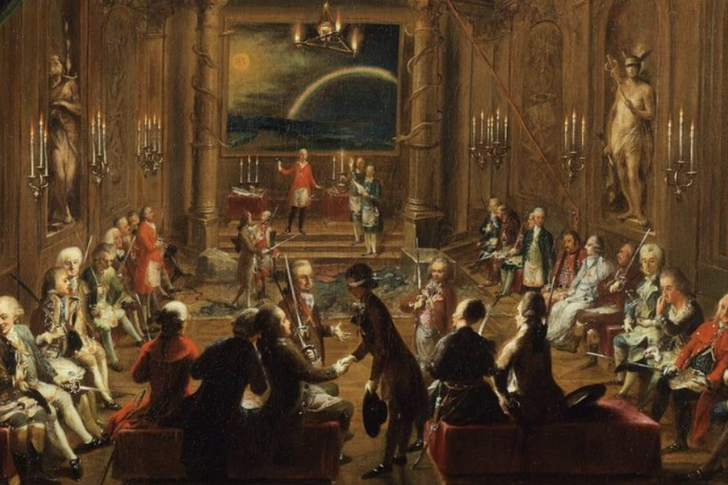
What do Rev. Jesse Jackson, George Washington, Wolfgang Am...
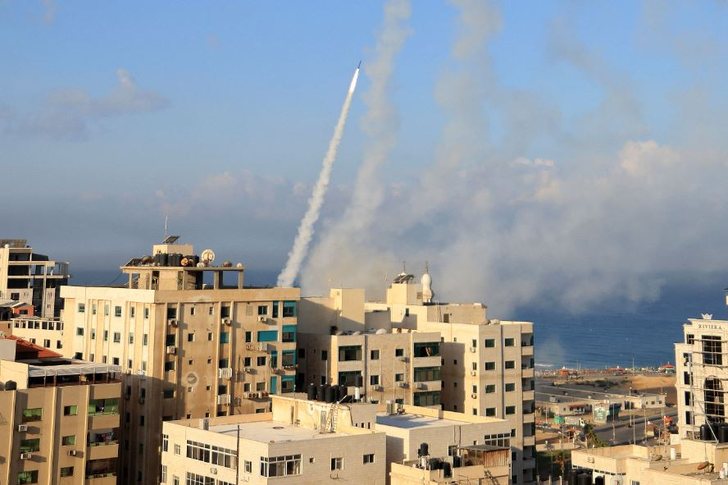
Konflikti Izrael-Palestinë po luftohet jo vetëm midis usht...
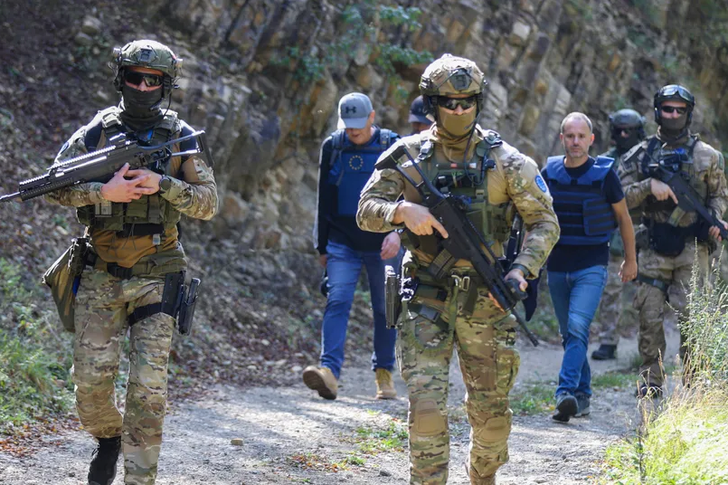
The autumn sun shines brightly on the forest path, along w...
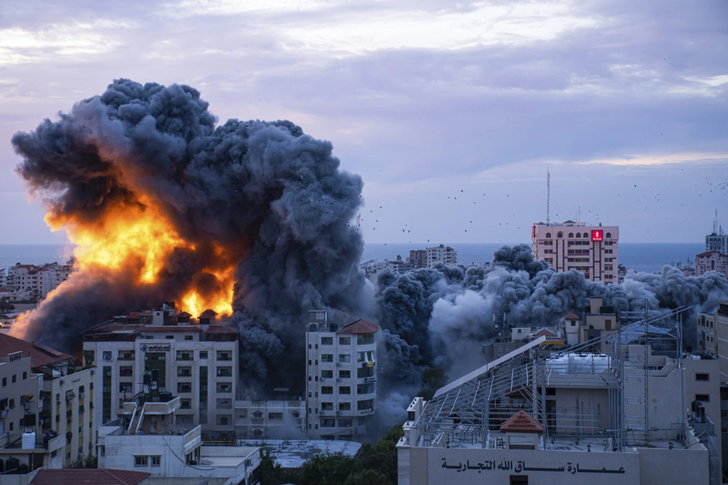
This week I had intended to write about the negotiations b...

From last-minute shopping at the supermarket, wrong or...

1967 - Bolivian forces execute renowned communist revoluti...
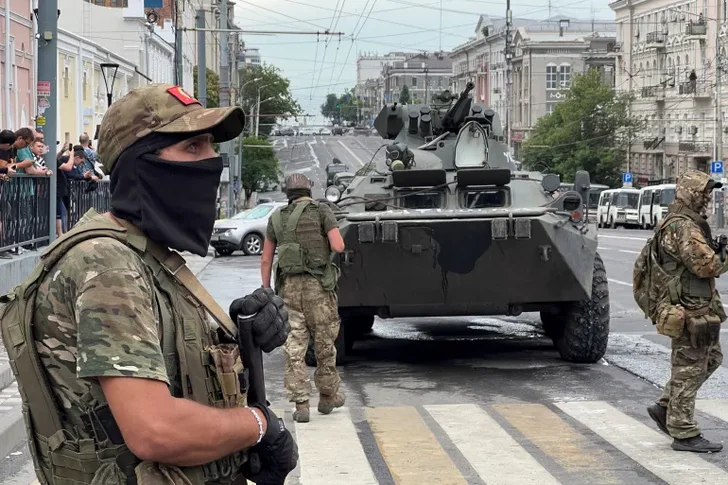
Whisper if you need to. Dare to think about it. In any cas...

Imagine if the US is no longer able, or simply unwilling, ...
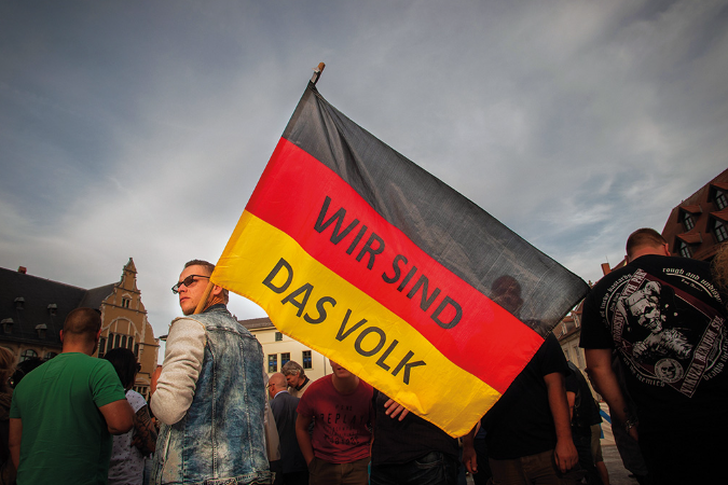
Since World War II, every 20 years or so Germany has b...
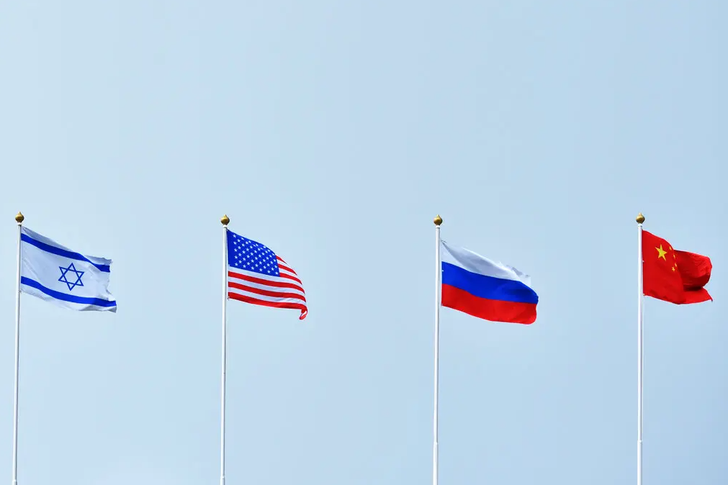
From the moment I learned that in 1947, Walter Lippman...

It is unclear why horns still remain a symbol of marit...
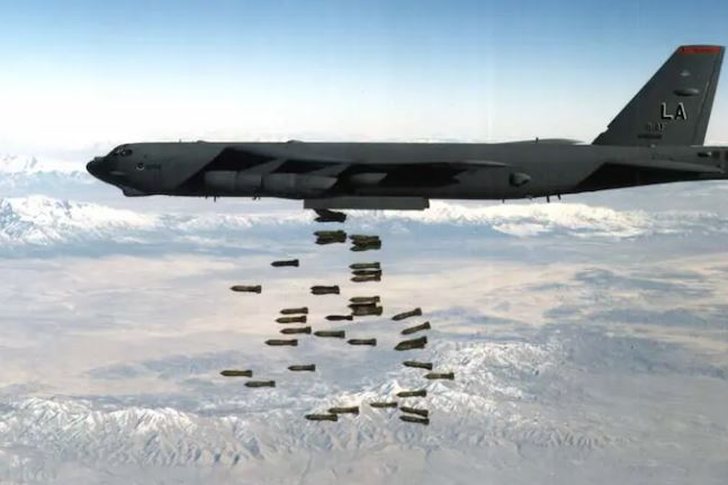
2001 - The United States launches the invasion of Afghanis...

A 39-year-old citizen has been arrested in Lezha, after se...

CNA has launched another investigation that could lead to ...

Irfan Hysenbelliu is a businessman that we call "Irfan the...

In March 2026, CNA launched another investigation centered...

The Special Board of Appeal (KPA) decided this Monday ...

The KPA vetting decided this Thursday to dismiss the p...

Suela Salavaçi, a prosecutor in the Prosecutor's Offic...

The Special Board of Appeal reinstated the prosecutor ...

Following the successive operations carried out by the ope...

The Police Supervision Agency has seized the service weapo...

A serious incident occurred in Lushnje, where citizen IY, ...

As a result of the investigative and procedural actions ca...

Today, our country will be under the influence of stable a...

By noon, cloudiness is expected to prevail in almost all o...

Children without parental care, for whom alternative famil...
On Thursday, our country will be under the influence of st...

Marine Le Pen is entering the decisive phase of the presid...

Member states of the International Criminal Court voted to...

From the declining role of exports to new public investmen...

South Korea is becoming one of the most sought-after desti...

Two windows, a century of history and the metaphysics of p...
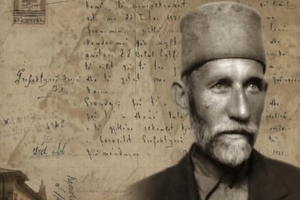
In my research at the Central State Archives, specifically...

At a time when industrial products are increasingly taking...

Trust among people is not just a three-syllable word. It c...

This Saturday, one US dollar is bought for 81.7 lek and so...

War, weather and supply disruptions could send gas prices ...
The number of active enterprises in Albania continued to g...

In Albania, the bar-cafe has long become an almost unique ...