


Details from the tragic accident in Kamenica/ The vehicle was driven by a 76-year-old man, the child's mother was also injured
New details have emerged regarding the serious accident th...

New details have emerged regarding the serious accident th...

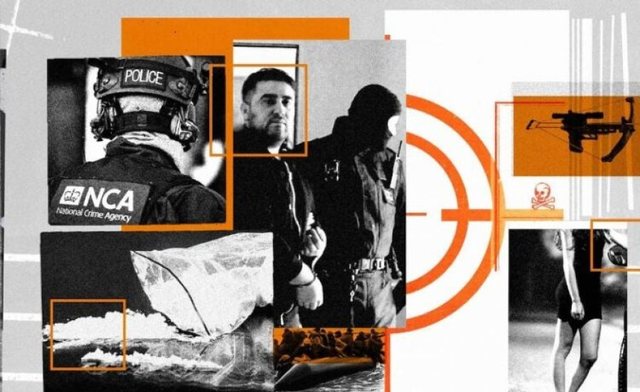
"The Telegraph" has dedicated a "compressed" article today to the Albanian criminal gangs that, according to them, are invading Britain.
"Bujar Cozminca was not unknown to British law enforcement. The young Albanian, who until recently lived in Wembley's High Road in north-west London, had previously been convicted of Class A drug trafficking in 2012 and was sentenced to 21 months behind bars and deported back to Albania.
But this was not the end of Cozminca's criminal career in the UK. After illegally re-entering Britain, he was arrested again here in May 2021 as part of an investigation by the National Crime Agency (NCA). Around £300,000 in cash was found at two properties he had used to deal drugs, in Wembley and Islington, north London.
He had bought and supplied 100 kilograms of cocaine with a wholesale value of £3.5m and a street value of around £8m, and had laundered £2.5m of criminal money," writes The Telegraph.
Officers from the NCA and the Metropolitan Police also found records showing drug deals worth almost £2 million. In June this year, the 33-year-old admitted cocaine trafficking and money laundering and was jailed for 12 years at Snaresbrook Crown Court in east London.
Cozminca was not acting in isolation. His operation was part of a wider story of growing dominance by Albanian gangs in the UK's growing drug markets, with their success fueled by violence, exploitation and human smuggling.
Cozminca's organized crime group had extensive international connections, a feature of the power now held by important Albanian drug-trafficking groups. Individuals like him "think they are above the law", said Andrew Tickner, senior investigating officer with the Organized Crime Partnership, a joint effort between the NCA and Scotland Yard.
As authorities continue their efforts to prove them wrong, the scale of what they are dealing with has become increasingly apparent over the years.
"There is a huge amount of very damaging organized crime within the UK carried out by Albanian criminal gangs ... drug smuggling, human trafficking, arms or prostitution," Dan O'Mahoney, then the UK Channel's Clandestine Threat Commander, told of. Joint Home Affairs Committee last year.
This year, a Home Office legal document is said to have characterized Albanian organized crime groups as an "acute threat" to the UK and "very widespread across serious and organized crime" in the country.
Last week, analysis of official data by The Telegraph suggested that between 1 and 2 percent of Albanians in Great Britain are currently in prison. Not all will have been involved in organized crime and some are likely to actually be victims of trafficking, charities say.
However, in 2022, the NCA estimated that hundreds of millions of pounds a year were leaving Britain for Albania, most of which came from criminal activity. He said that at that time the amount was only increasing.
In 2001, a report leaked by the Home Office suggested that an Albanian mobster had taken control of London's Soho vice trade, previously dominated by the Maltese mafia and East End gangsters. The business had an annual turnover of £40m at the time.
The Albanian takeover was relatively quick: in less than a year, Eastern European operators came to command this corner of organized crime in the heart of the British capital. "Around 70 per cent of the saunas/massage parlors in Soho [are] now controlled by Albanians/Kosovars," said a Home Office briefing that year, seen by The Independent.
In the early Noughties, horror stories of young Eastern European girls in the British sex industry by violent Albanian criminals had begun to emerge; of trafficked women who have suffered serious injury at the hands of those who now control the trade.
Up to three-quarters of the women who worked in Soho's brothels were believed to be Albanian by then. Albanian women are also said to be moving to the north of England and the Midlands, to work in the red-light districts there. But soon the gangs that controlled them would begin to expand their ambitions and target Britain's lucrative drug trade.
Edmond and Eduard Haziri and their associates enjoyed a luxurious lifestyle. They owned expensive jewellery, clothes and vehicles and kept stacks of cash in their properties – often in bundles of £50 notes.
The brothers, in their mid-30s, were key members of an Albanian gang that for nearly a year ran a drug operation known as the "Eddie Line", which flooded the Midlands with cocaine. They made hundreds of thousands of pounds distributing Class A drugs - often hidden inside lottery tickets - and leaving what Derbyshire Constabulary described as "a trail of addiction, crime and misery on our streets".
On March 23, 2022, the police raided several properties and rounded up the main members of the gang, among them the Haziri brothers. The following year, Edmond was jailed for 15 years and Edward for fifteen and a half years. Eight others were also jailed.
But they were just one such Albanian organized crime group that made huge sums selling cocaine to British users. For gangsters who had come here to do business in the criminal underworld, the drug trade was the next big target after the UK sex industry.
By 2017, Albanian gangs had "established a high-profile influence within UK organized crime", the NCA warned. They were focused at this point on the cocaine traffic in London.
Criminals from the Balkans were establishing direct links with suppliers in Latin America, the agency's annual report on organized crime noted. Of organized criminals in the UK, only 0.8 per cent were reported to be Albanian, but the NCA warned that their influence was worrying because of their willingness to use violence.
Ged McCann, a senior intelligence manager at the NCA, told a 2022 press conference that Albanian dominance of the cocaine market was enabled by a "business model" that stretched from production in South America to street dealers in Britain. .
"They have a reputation for reliability within the criminal markets - a good quality product, good cleanliness, punctual," he said. "As businessmen they are very good, disciplined and successful. Those involved may work alone or in informal hierarchies, and Albanians are mostly in loose networks based on trust and experience. They exploit friendships and connections, as well as ethnic groups. It's easy for people to be removed or replaced in terms of law enforcement activity.”
A Telegraph investigation in 2022 detailed how a port on the Guayas River in the Ecuadorian city of Guayaquil became a major distribution center for Albanian drug gangs, who sometimes used front companies to smuggle cocaine into Europe, hiding it within a legitimate export, such as like tea Containers containing the drug would mainly arrive in Antwerp in Belgium or Rotterdam in the Netherlands, before reaching the UK.
This involvement of Western Balkan organized criminals in the cocaine trade stems from a mixture of luck and entrepreneurship, according to Anna Sergi, a professor of criminology at the University of Essex. "They have learned from other groups, including some of the mobsters from Italy, how to handle the cocaine trade, effectively locating their businesses, facilitators and middlemen in key areas of Latin America...and this has giving them an advantage to bring some products to Europe," she says.
They owe their success in the UK partly to the lack of other groups monopolizing the cocaine trade and partly to high demand, says Sergi.
“Njerëzit konsumojnë shumë kokainë, kështu që kishte nevojë për atë shërbim, në mënyrë efektive, dhe për shkak se askush tjetër nuk po e ofronte atë, ata ishin në një pozicion të përsosur për të, për arsye të ndryshme duke përfshirë faktin se ata mund të shfrytëzonin aftësinë e tyre për t’u organizuar, bëni miq dhe ndërlidheni me të tjerët,” shpjegon Sergi.
“Mungesa e sipërmarrjes nga grupet e tjera kriminale në MB është arsyeja pse fusha ishte e hapur.”
Por Sergi thekson se krimi i organizuar që shpesh i atribuohet vetëm shqiptarëve, kryhet edhe nga të tjerët. “Ka shumë njerëz nga vende të ndryshme të Ballkanit Perëndimor, nga Mali i Zi në Serbia,” thotë Sergi.
“Fakti që ata janë të përfshirë në krimin e organizuar nuk është se janë shqiptarë.”
Sa i përket faktit nëse grupe të tilla tani kontrollojnë tregtinë e kokainës në Mbretërinë e Bashkuar, Sergi pohon se “nuk ka asnjë kontroll të mundshëm në një treg si kokaina”.
“Ka një milion aktorë të tjerë në atë treg, dhe ata nuk janë të gjithë nga Ballkani Perëndimor, natyrisht”.
“Nëse jeni të mirë në një treg, ju prireni të zgjeroheni në tregun tjetër”, thotë Federico Varese, profesor i kriminologjisë në Universitetin e Oksfordit.
Aty ku më parë një pjesë e madhe e kanabisit në Mbretërinë e Bashkuar rritej nga bandat vietnameze, rreth viteve 2010, grupet shqiptare filluan të fitonin terren – teksa furnizonin edhe Italinë e Greqinë.
“Vietnamezët nuk kishin armë, ata nuk ishin të dhunshëm,” thotë Prof Varese. “Por shqiptarët do të organizonin prodhimin dhe mbrojtjen e tij.”
Ajo që duhej, megjithatë, ishin punëtorë për fermat e kanabisit. Për të stafuar operacionet e tyre, bandat filluan të synonin meshkujt në zonat e varfra rurale të Shqipërisë, ku shkalla e papunësisë ishte e lartë, duke ofruar punë të paspecifikuar në MB dhe një udhëtim falas – nëse ilegale – në vend.
Ashtu si me tregtinë e kokainës, në rrezik ishin shuma të mëdha. Vitin e kaluar, ekipet e zbatimit të ligjit kryen një operacion të koordinuar për të prishur atë që NCA e quajti “kriminaliteti shqiptar në Mbretërinë e Bashkuar”, duke sekuestruar pothuajse 200,000 bimë kanabisi në të gjithë vendin, me një vlerë rruge nga 115 milion deri në 130 milion £. Më shumë se 450 persona u akuzuan për vepra, duke përfshirë furnizimin e drogës, pastrimin e parave dhe mbajtjen e armëve.
Grupet kriminale shqiptare janë tashmë kombësia e huaj më dominuese e përfshirë në kultivimin komercial të kanabisit në Britaninë e Madhe, pasi kanë zgjeruar ndikimin e tyre pjesërisht duke bashkëpunuar me bandat britanike me rrënjë në zonat e synuara.
Por kanabisi, si kokaina, është një treg masiv i nxitur nga kërkesa e madhe dhe ka shumë aktorë brenda tij, thekson Prof Varese.
“Edhe për shqiptarët është shumë e vështirë t’i kontrollojnë të gjitha, sepse [droga është] kaq e lehtë për t’u prodhuar. Nuk ka nevojë për shumë njohuri apo kapital.”
Even if Albanian organized crime groups were to disappear, crime itself would not disappear, he adds. "Someone else would come. There is a huge demand for the product.”
Work within such networks is not always voluntary and the hidden victims of the groups' activities are often the Albanians themselves. These are ordinary people who find themselves living illegally in Britain, under the control of criminals and in fear of punishment.
A common tactic is "debt slavery", which occurs when criminal gangs finance or arrange people's travel to the UK, and then force people to work in whatever capacity they choose until the debt is considered paid./ CNA

The Air Albania airline has justified the cancellation of ...
The Court of First Instance of Korçë has once again return...
The Police Supervision Agency, in cooperation with the Pro...
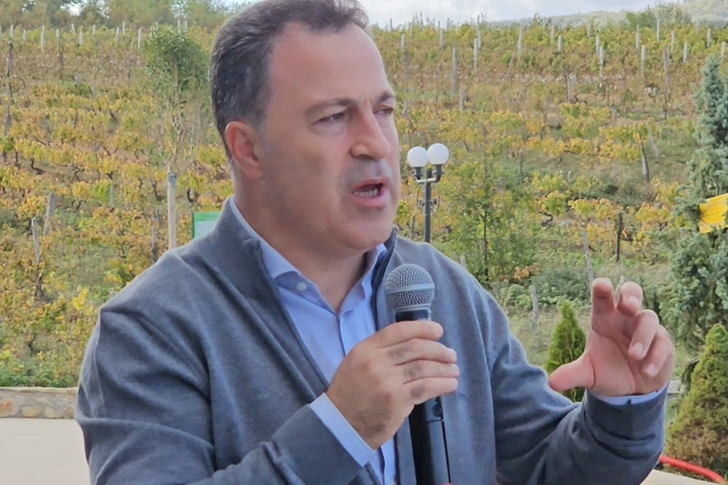
Tourist operators in Pogradec have closed a very succe...

At the start of the third edition of the School Sports Tea...

The annual meeting for the analysis of the 2024 summer tou...
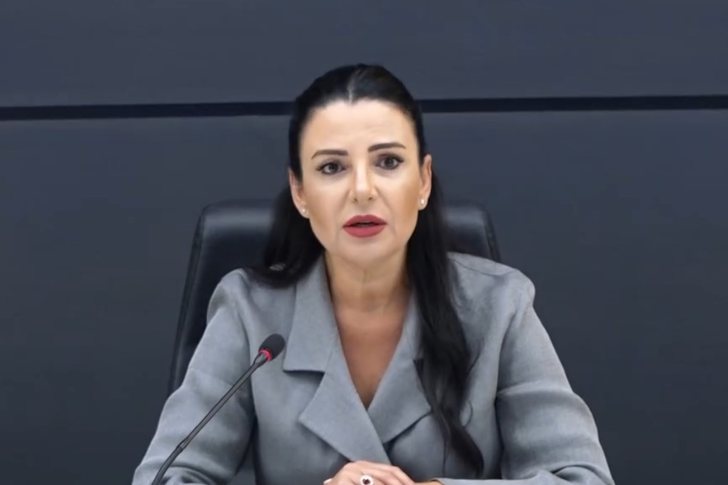
At the end of the tourist season, the government's number ...
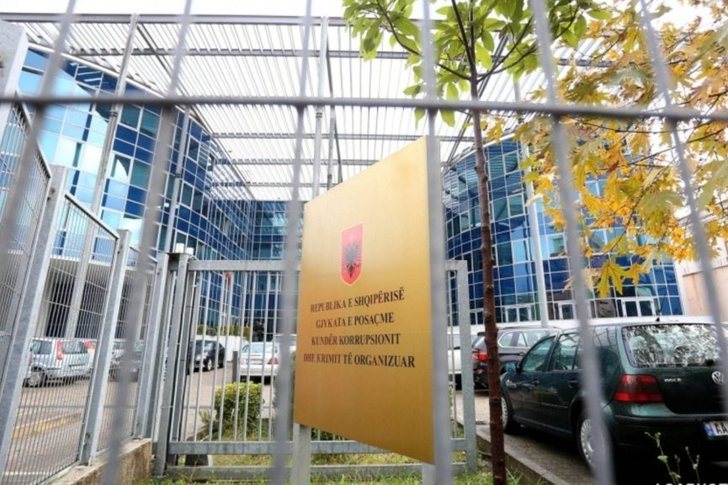
The Special Court of Appeal found it impossible to open th...

Scandal of the Albanian airline company "Air Albania". Th...
On October 15, the Second Intergovernmental Conference bet...
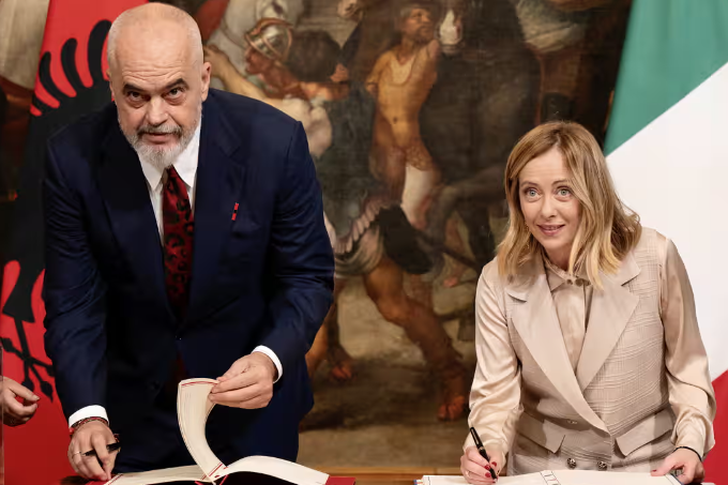
Italy has officially opened two centers in Albania, where ...

Top world beauty event again in Albania for the 21st editi...
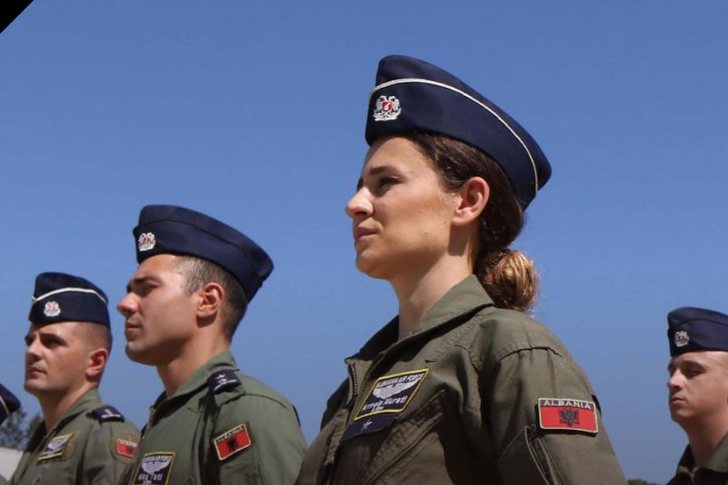
Air Force personnel are one of the categories that benefit...
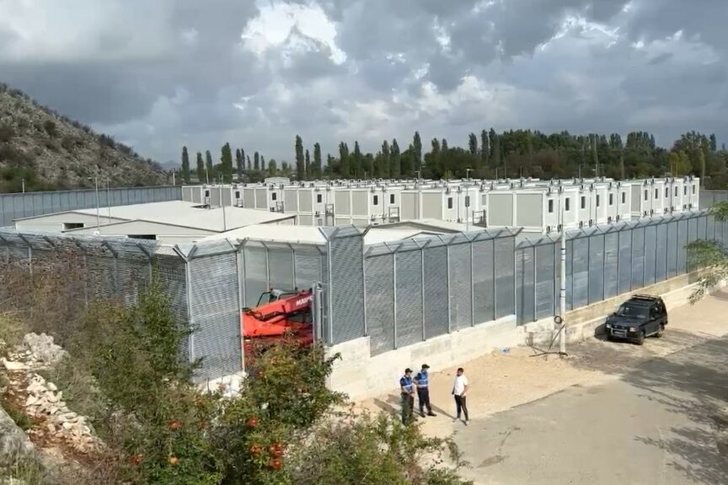
Work on the immigrant centers in Lezha, which will be unde...
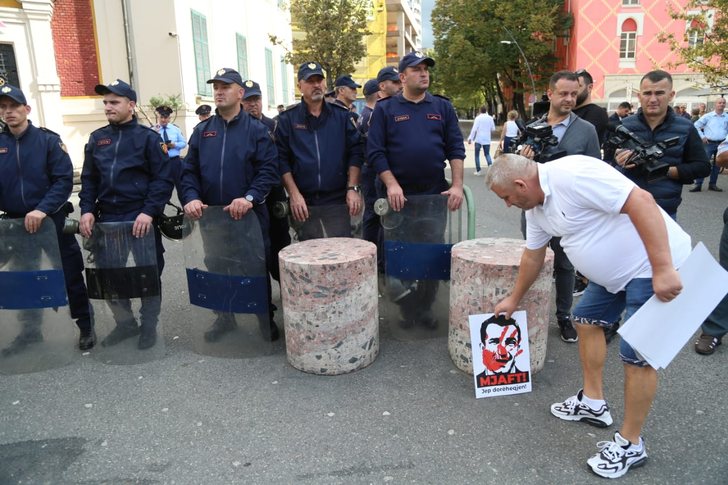
The opposition protest in front of the Tirana City Hall la...

The session for the Fieri incinerator in the Special Appea...

A strong denunciation was made in the protest against ...
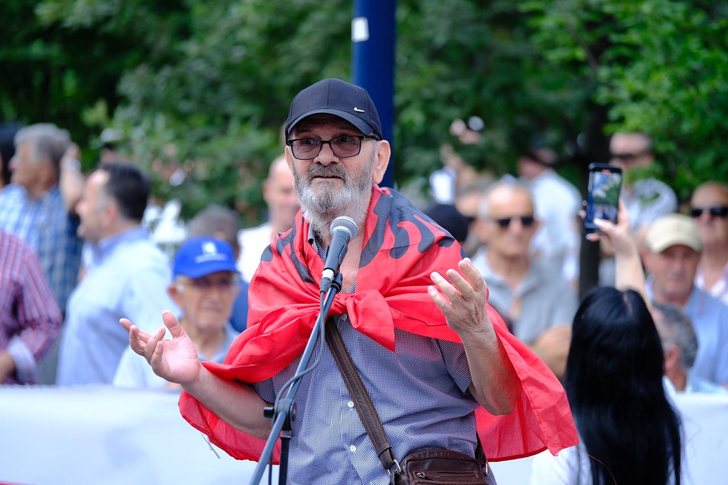
Actor Mehdi Malkaj made a strong call during his speec...
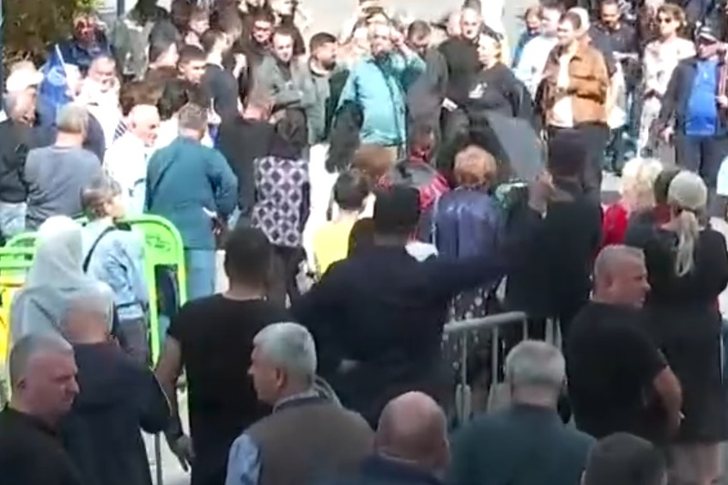
The citizens have started the protest in front of the Muni...
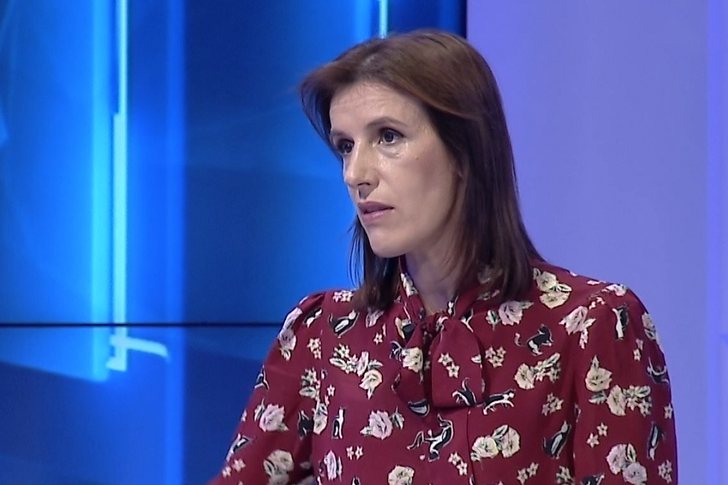
Journalist Klodiana Lala has spoken about the resignat...
There have been 12 days of protests in the capital, which ...
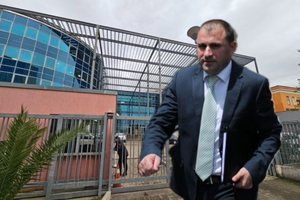
Dritan Prençi is the SPAK prosecutor who is sleeping on th...
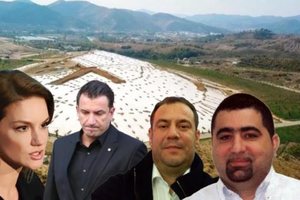
The in-depth investigations that SPAK conducted into Ajola...
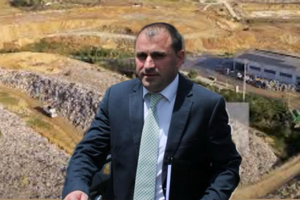
SPAK's standards, the way it investigates, how it secures ...

The Special Board of Appeal (KPA) decided this Monday ...

The KPA vetting decided this Thursday to dismiss the p...

Suela Salavaçi, a prosecutor in the Prosecutor's Offic...

The Special Board of Appeal reinstated the prosecutor ...

New details have emerged regarding the serious accident th...
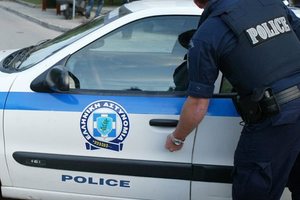
An Albanian businessman was arrested this afternoon in Gre...
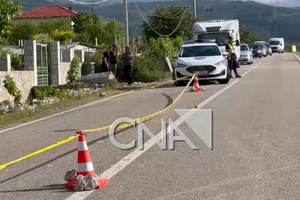
A serious accident has occurred on the Korça-Ersekë axis, ...
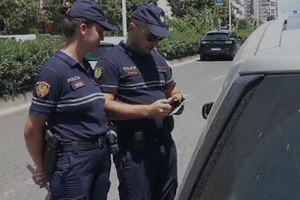
Fier Police has announced the measures taken this week for...

Today our country will be affected by unstable weather con...

On Thursday, our country will be affected by relatively un...
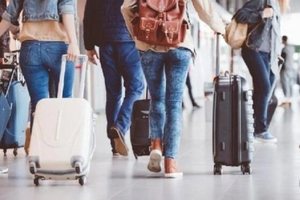
Albania is facing a deep demographic crisis where official...
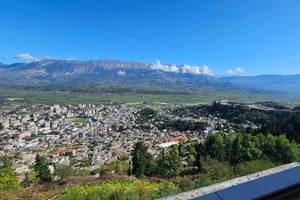
This Wednesday, our country will be affected by relatively...
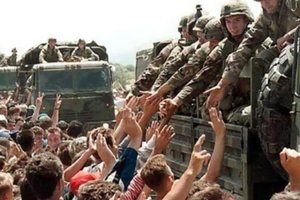
This June 12th marks the 27th anniversary of the liberatio...
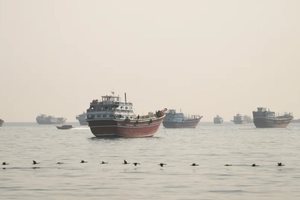
The global economy is expected to face its biggest slowdow...
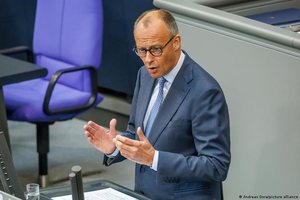
German Chancellor Friedrich Merz (CDU) defended his govern...
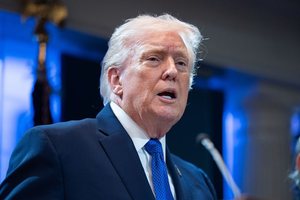
US President Donald Trump has made a post on Truth Social ...
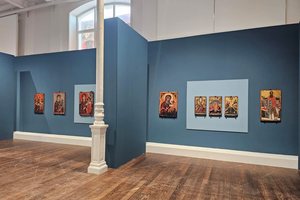
At the Museum of Fine Arts in Chambéry, France, an exhibit...
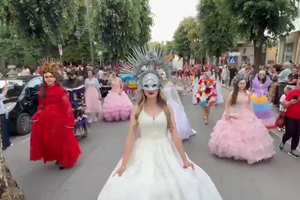
Korça has transformed this weekend into the capital of cel...
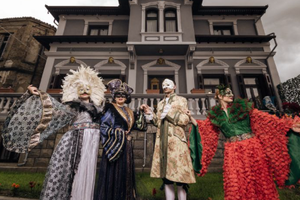
Korça is ready to open the summer season with one of the c...
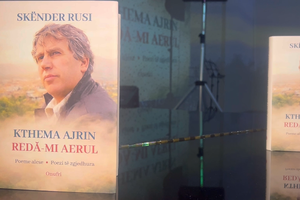
Two years after his passing, the renowned Korçë poet Skënd...
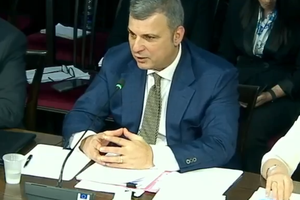
The Governor of the Bank of Albania, Gent Sejko, shared to...
Business lending has increased in the first half of this y...

The labor market has shown worrying trends in early 2026. ...

The number of new retirees in the social security scheme i...