


Mosfunksionimi i e-Albania lë sërish bizneset pa punë, bllokohen shërbimi SelfCare dhe aplikimet
Platforma e-Albania vijon të shfaqë probleme me mosfunksio...

Platforma e-Albania vijon të shfaqë probleme me mosfunksio...


The Democratic Party, through Liberation, in a statement to the media, has raised the question of why the Supreme Court does not act in implementation of Decision no. 35/2007 of the Constitutional Court, to instruct the courts of lower levels, in favor of over 500 thousand families that have benefited from the legalization process by unifying the concrete administrative issues that are being considered these days in the Supreme Court by the Administrative College.
According to Tjta, the Supreme Court has not undertaken a decision to unify or unify the judicial practice.
If any lawsuit opposing the legalization process is accepted, then it is not the value that is opposed, but the public interest itself.
It further states that the Supreme Court has the obligation to issue a unifying or compensating decision in administrative cases of this type.
Gjata underlines that the Supreme Court should examine this conflict, in its United Colleges for unification, where the obligation to implement the decision of the Constitutional Court is sanctioned, for this process so important and vital for hundreds of thousands of families that have benefited from legalization process.
Long Release Statement
Why does the Supreme Court not act in implementation of Decision no. 35/2007 of the Constitutional Court to instruct the courts of lower levels, in favor of over 500 thousand families that have benefited from the legalization process by unifying the concrete administrative issues that are being reviewed these days in the Supreme Court by the Administrative College?
Will the Supreme Court attempt to overturn Decision No. 35 of the Constitutional Court and the legalization law itself, to the detriment of over 500,000 families who have benefited from this process?
In this process, the Constitutional Court reached the conclusion that there is a 'public interest' that can justify the expropriation of legal owners and the transfer of their properties to the ownership of builders of constructions without permission.
This then paved the way for the progress of the legalization process, which until those moments was in its initial stages.
But what steps did the Supreme Court take to implement this decision of the Constitutional Court. According to Article 132 of the Constitution, the Decisions of the Constitutional Court are final and binding for implementation.
The Supreme Court has not undertaken any decision to unify or unify the judicial practice.
If every lawsuit opposing the legalization process is accepted, then it is not the value that is opposed, but the 'public interest' itself.
Not even after the 'judicial reform' and after the completion of the entire judiciary, the Supreme Court has not taken any steps to regulate this issue.
The Supreme Court has the obligation to issue a unifying or compensatory decision in administrative cases of this type.
Will he do this or will he try to overturn Decision No. 35/2007 of the Constitutional Court with a Court Decision?
Because, there are more than 500 thousand families that benefited from the legalization process and received the ownership certificate. Imagine if the Supreme Court opened this practice and only at least 1/3 of the number of legalizations entered into court conflict, we would have not less but more than 166 thousand lawsuit requests in the courts.
While the Independent Qualification Commission (vetingu shk I), no more than a month ago, made a decision on the relevant 'Dismissal of the Judge', precisely due to the fact that it made such a decision contrary to Decision no. . 35/2007 of the Constitutional Court.
The Independent Qualification Commission has concluded that: 'the subject has demonstrated deficiencies in terms of legal knowledge, in the sense of Article 72/2 of Law no. 96/2016, and in terms of legal reasoning, in terms of Article 72/3 of Law no. 96/2016 regarding the quality of the analysis and reasoning of the decision.
Will abusive and corrupt actions, such as those of the lower administrative courts, be allowed by the Supreme Court and contrary to Decision No. 35/2007 of the Constitutional Court?
The Supreme Court must examine this conflict, in its United Colleges for unification, where the obligation to implement the decision of the Constitutional Court is sanctioned, for this process so important and vital for hundreds of thousands of families who have benefited from the process of legalization.
The Supreme Court must prevent any action by judges without integrity, to examine and decide in an abusive manner on cases which cannot be raised after it has been decided by the Constitutional Court. Otherwise, the legal security of hundreds of thousands of owners who have benefited from this process would be violated./ CNA

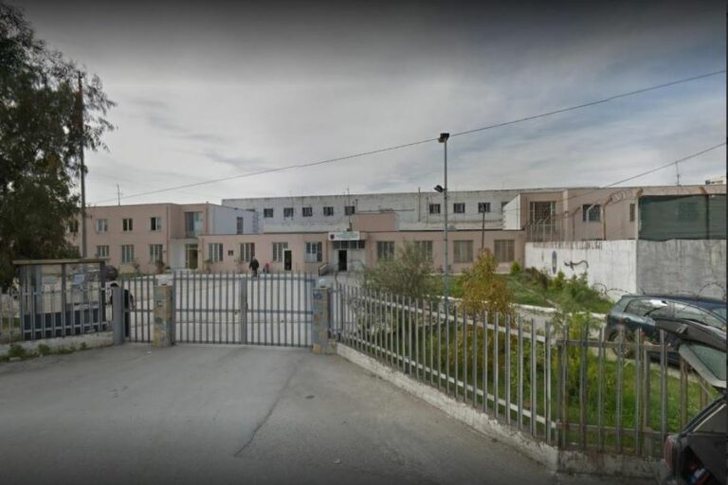
Prisoners in Durrës have signed a petition demanding the a...
The head of the CEC, Ilirjan Celibashi, during his speech ...
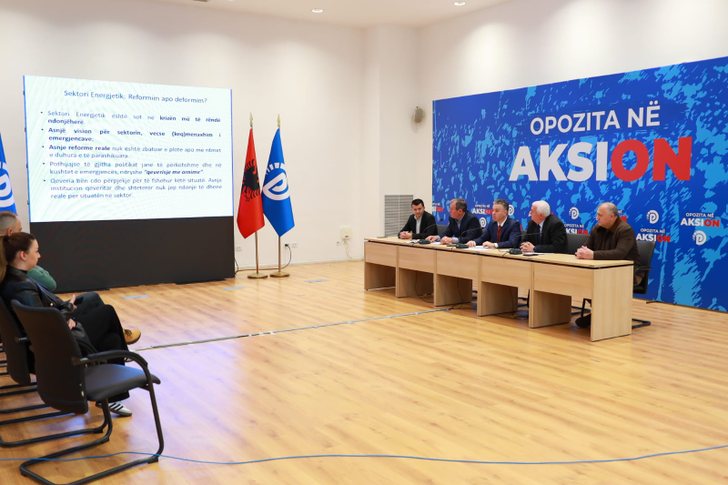
The Department of Energy in the Democratic Party has s...

Today at 1:00 p.m., the file and file of "21 January" ...
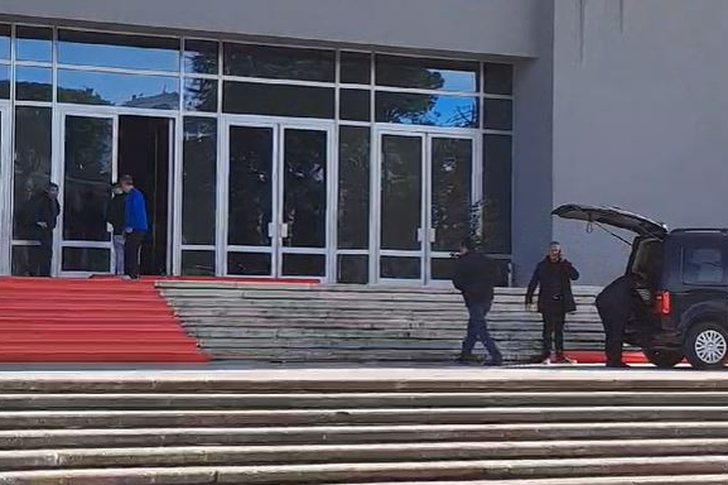
The preparations for the Ukraine Summit and the meeting of...
Gjykata e Apelit, ka lënë në fuqi pezullimin nga detyr...
The State Police has taken measures for the success of the...
Former Prime Minister Sali Berisha requests the remova...
The State Police has presented the measures for the succes...
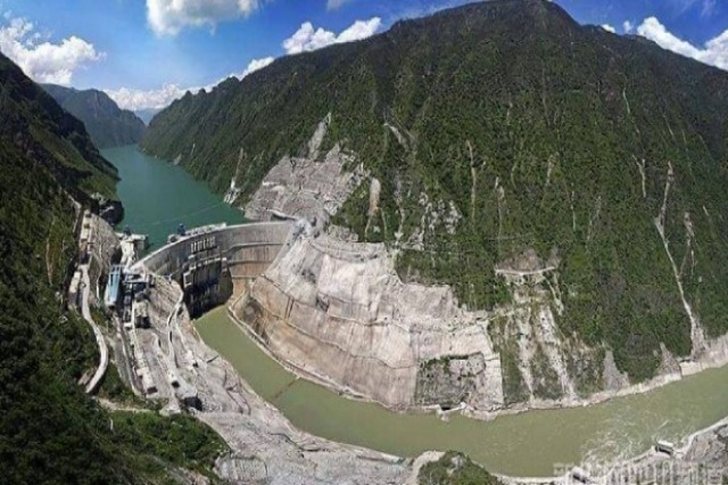
In Albania, discussions on the construction of the Skavica...
The tourist village of Voskopoja has been chosen by the so...

Prime Minister Edi Rama has published images from the NATO...

This Tuesday, February 27, 2024, we are introducing you to...

The Court of Arbitration in Washington has rejected the re...
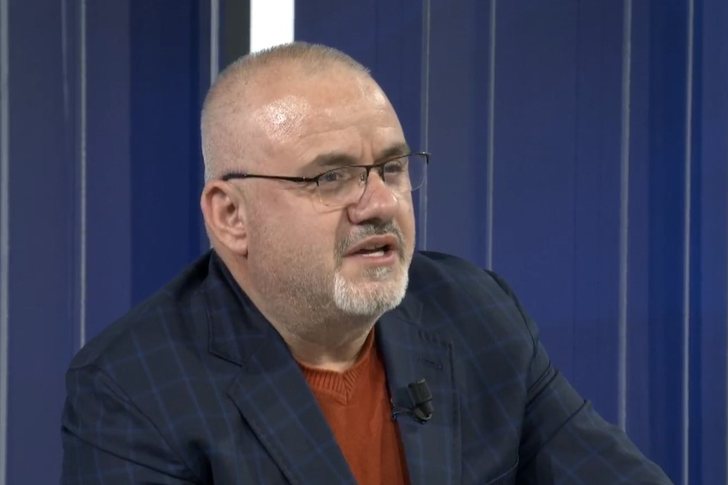
Journalist Artan Hoxha made a strong statement this ev...
The departures have not stopped at Albanian Radio and Tele...

Turizmi ka vijuar të “joshë” të huajt për të udhëtuar drej...

The Deputy Prime Minister, at the same time the Minist...

Albania has signed a foreign agreement with the EBRD for t...
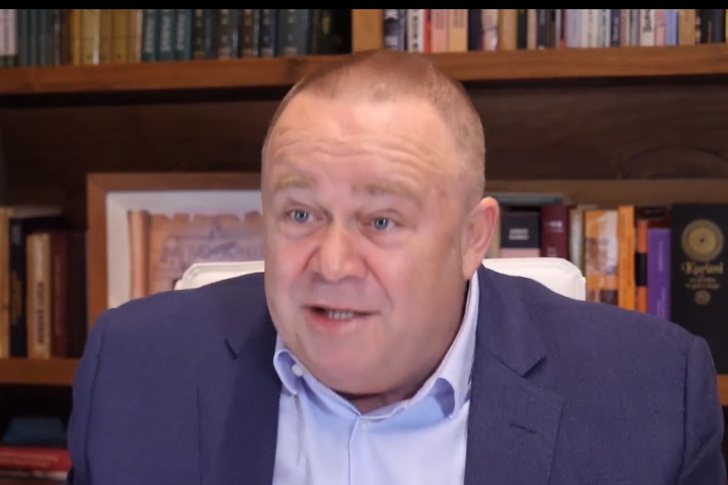
Entrepreneur Gjergj Luca has made a call to citizens after...
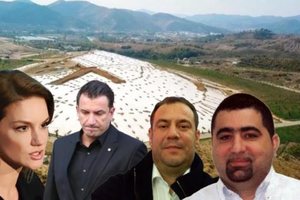
The in-depth investigations that SPAK conducted into Ajola...
SPAK's standards, the way it investigates, how it secures ...

Irfan Hysenbelliu claims to be a big businessman, an hones...

The murder of officer Enea Mekolli in the line of duty has...

The Special Board of Appeal (KPA) decided this Monday ...

The KPA vetting decided this Thursday to dismiss the p...

Suela Salavaçi, a prosecutor in the Prosecutor's Offic...

The Special Board of Appeal reinstated the prosecutor ...
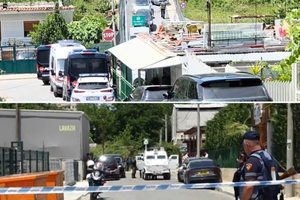
The police have reacted to the murder of citizen AB in Kam...

Tirana Police Director, Oliger Torba, gave a statement to ...

Një 59-vjeçar është arrestuar në Korçë pasi u kap duke lëv...

A serious incident occurred this Monday afternoon in Kamëz...

On Monday, our country will be affected by relatively stab...

More than 860 million people fall ill and 1.5 million die ...
The mother of Violand Braçellari, the perpetrator of the s...

The modern European traveler seeks a meaningful connection...
The leader of the Serbian List, Zlatan Elek, accused the l...

Australia in December became the first country in the worl...

The vote counting for political entities in Kosovo has bee...

The European Union Commissioner for Enlargement, Marta Kos...

Korça has transformed this weekend into the capital of cel...

Korça is ready to open the summer season with one of the c...

Two years after his passing, the renowned Korçë poet Skënd...

The Ethnographic Museum of Berat has opened its doors to v...

The construction sector is going through a challenging per...

This Monday, one US dollar is bought for 81.8 lek and sold...

The tourist apartment market is continuing to expand at a ...
The number of properties sold by entities monitored by the...